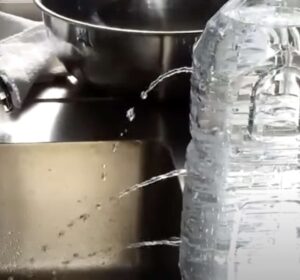
Are tape charts outdated? How the Vernier app (Vernier Video Physics) is revolutionizing physics classes!
I’m Ken Kuwako, a science trainer, and for me, every day is an experiment.
When teaching “the motion of objects” in science class, do you ever struggle with how to help students truly grasp the concepts? The classic ticker-tape timer experiment is a staple, but it’s easy for students to get lost and wonder, “What’s the point of all this?”
I’d like to recommend using video analysis with an app called Vernier Video Physics. This app lets you go beyond what textbooks and traditional teaching materials can offer, giving students a fun and intuitive way to understand the fascinating and complex world of motion.
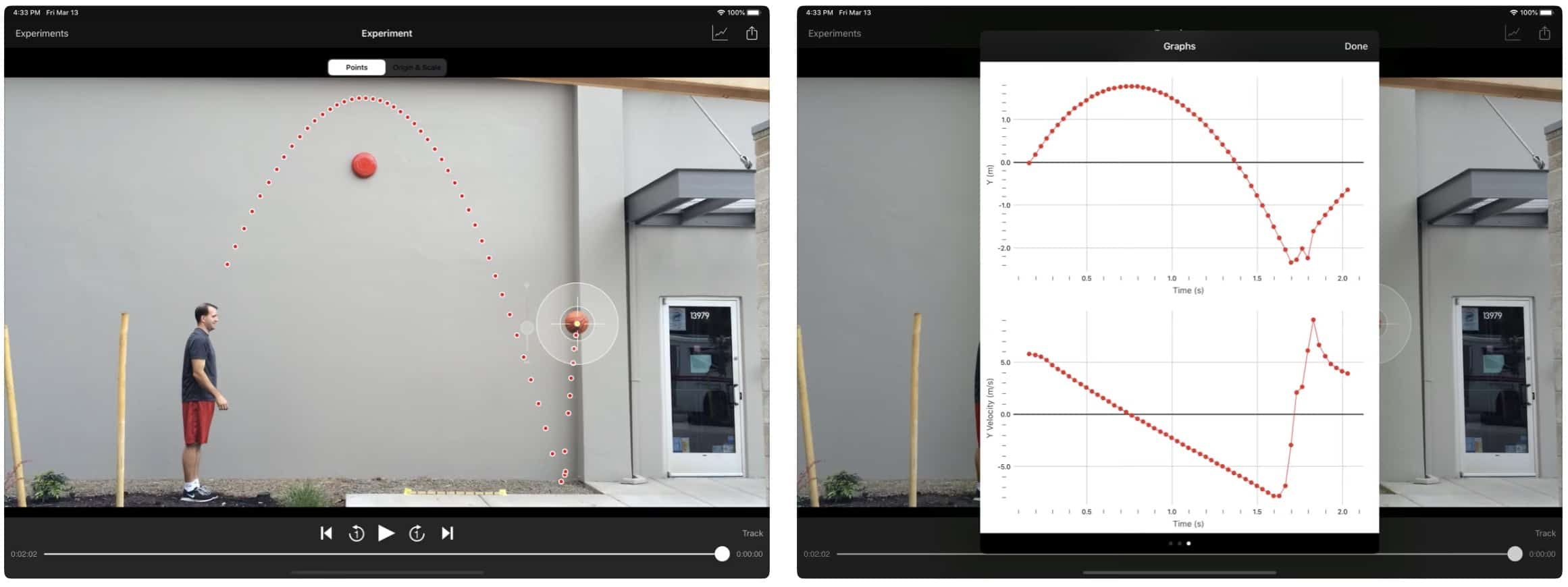
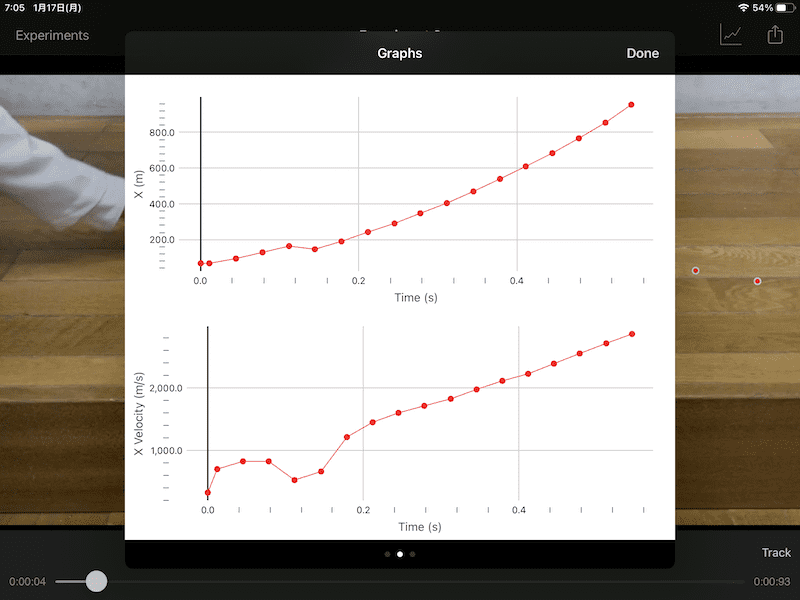
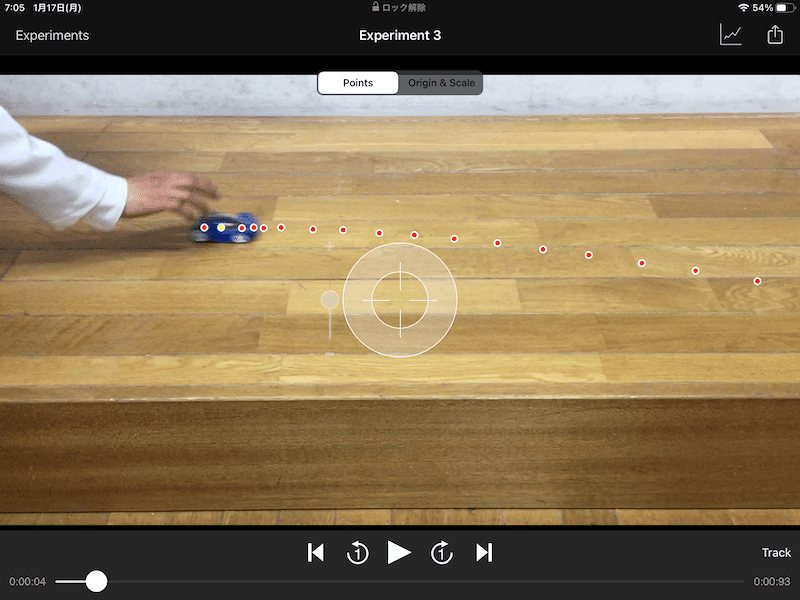
Why is this app so great? Its biggest appeal is that it analyzes videos you record on your smartphone and automatically tracks the movement of an object. It also instantly generates graphs that show how the object’s position (x-t) and velocity (v-t) change over time.
This is essentially a digital and more advanced version of the classic ticker-tape timer experiment. By visualizing the motion with this app before a traditional experiment, students can get a clear picture of “what we’re doing” and “what we’re trying to find out.” Watching the trajectory and the shape of the graphs appear in real-time will help spark those “why?” and “ah-ha!” moments in your students.
You can use it as a dynamic introduction to a lesson to show them how cool this is, or have students record and analyze the motion of everyday objects themselves as part of a hands-on project. This one app can make your science class more fun and engaging.
A Practical Guide to Using Vernier Video Physics in Your Classroom
What You’ll Need
- A smartphone or tablet with the Vernier Video Physics app installed
- An object to film (a ball, weight, toy car, etc.)
- A simple, uncluttered background (a plain, solid-colored wall is best)
- A ruler or measuring tape (to set a scale for distance)
I’ve prepared some video clips for you. Start by downloading them here.
Here’s a video of me doing the experiment.
It’s incredibly easy to use. Just film your video and then set the object you want to track. In this case, I put a tennis ball on a dynamics cart.
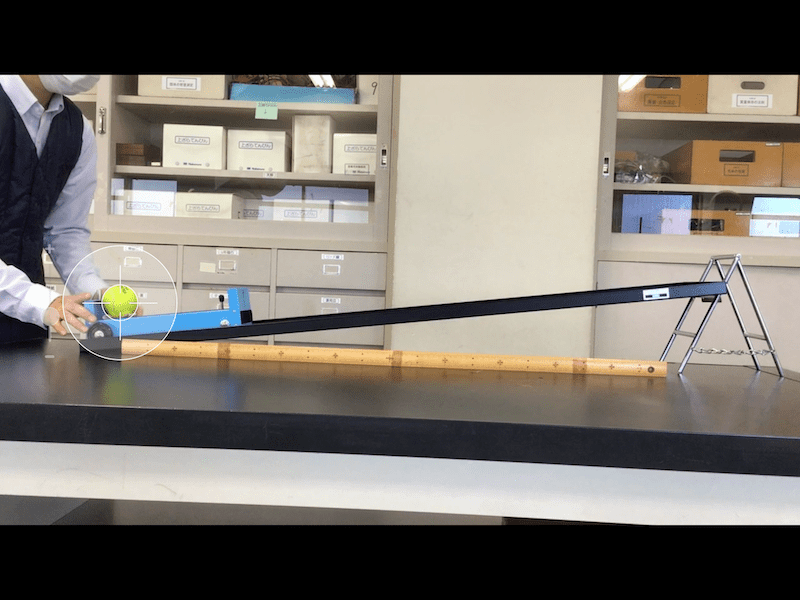
Then, press the “Track” button, and it will follow your target—the tennis ball in this case. Sometimes it might lose the object, so in that case, you can manually track it by advancing the frames one by one.
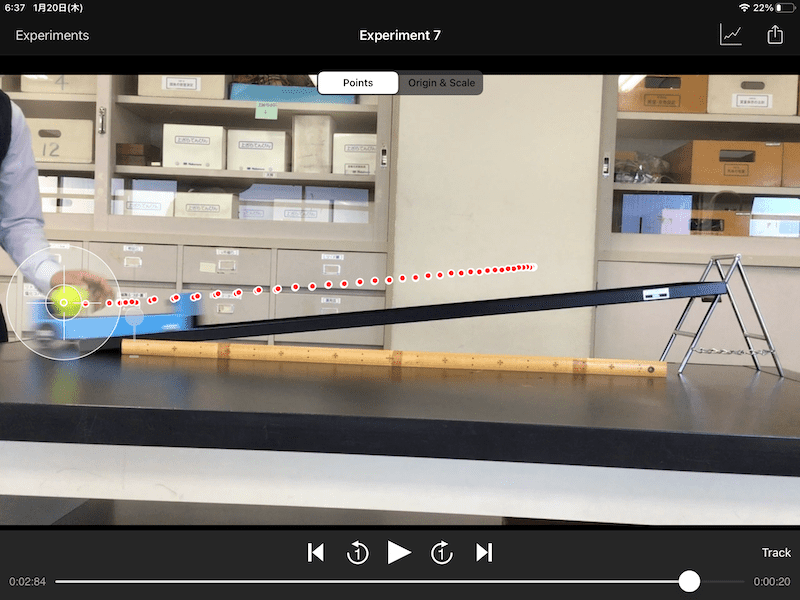
Next, you set the position and direction of the x and y axes. If you also set a scale, it can create a precise x-t graph, so it’s a good idea to include a ruler in your video.
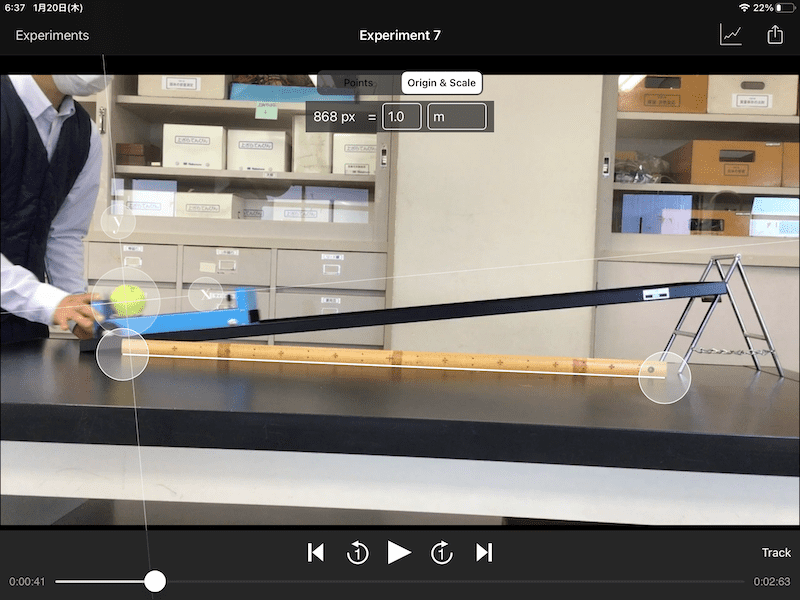
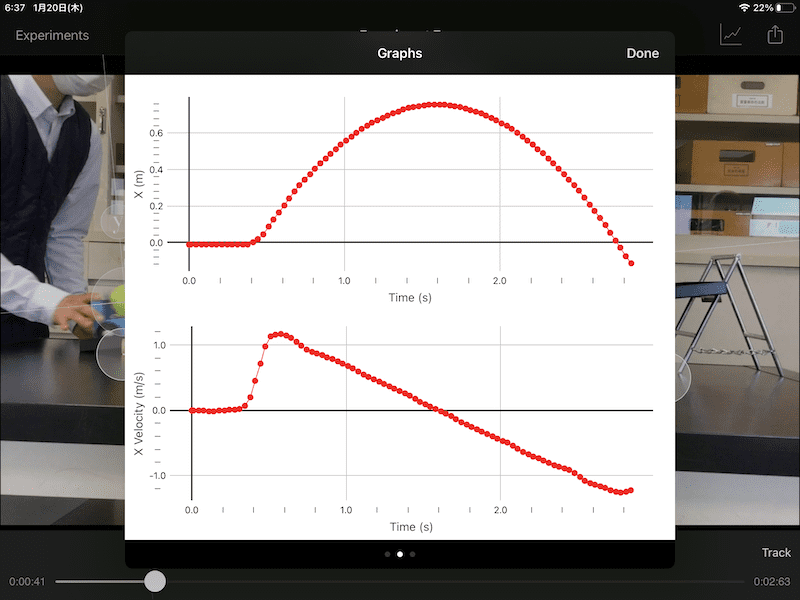
The app will analyze it right away. A negative constant acceleration can be tricky to visualize, but with this, maybe they’ll finally get it?
Here’s what a free-fall experiment looks like.
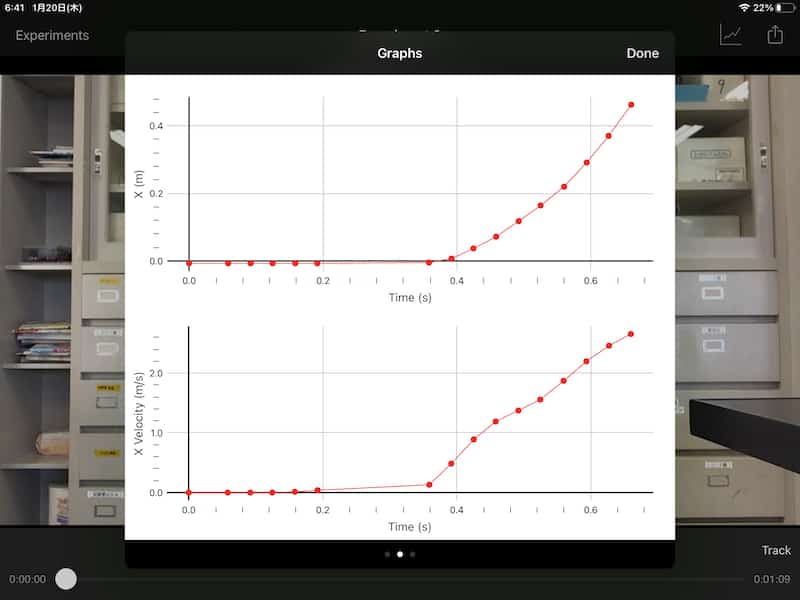
If you visually calculate the acceleration from the v-t graph, you get:
2.2/(0.60-0.36)=9.2 [m/s^2]
Here’s a vertical throw.
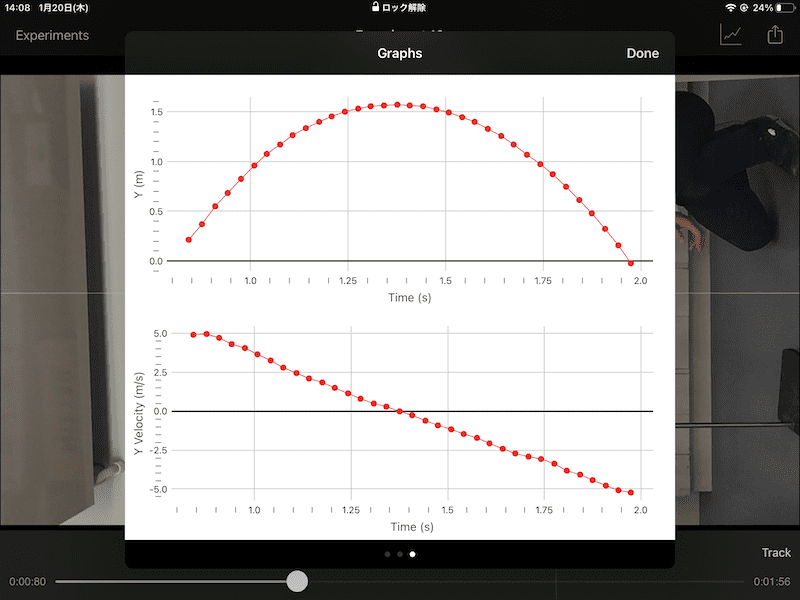
When you find the acceleration from the slope, it’s about 10 m/s^2. That’s pretty good, since even with ticker tape, you often get values below 9. And here’s an example of two-dimensional falling motion.
How did you like that? When you analyze it…
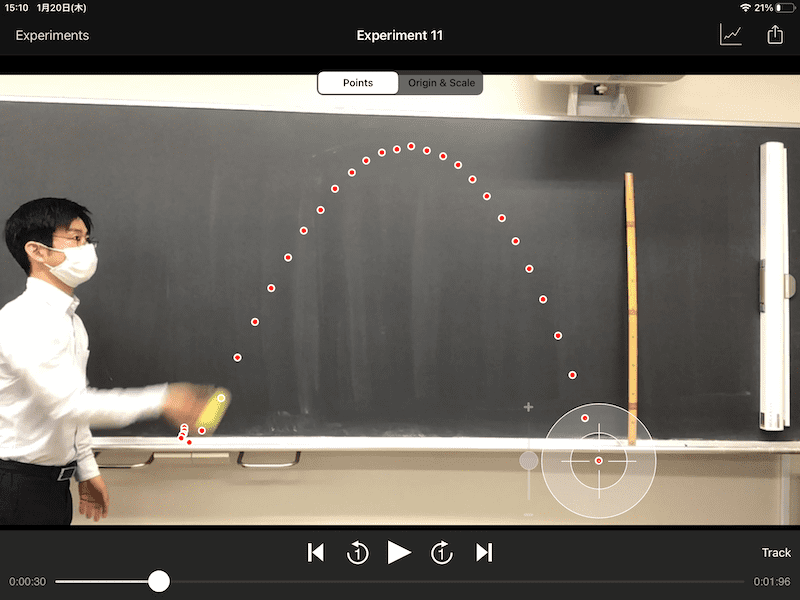
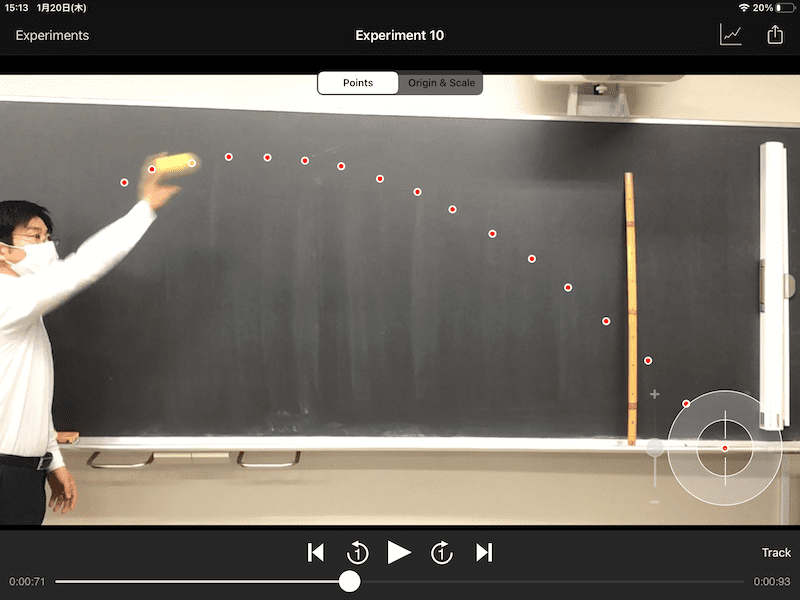
And I tried out a few other things as well.
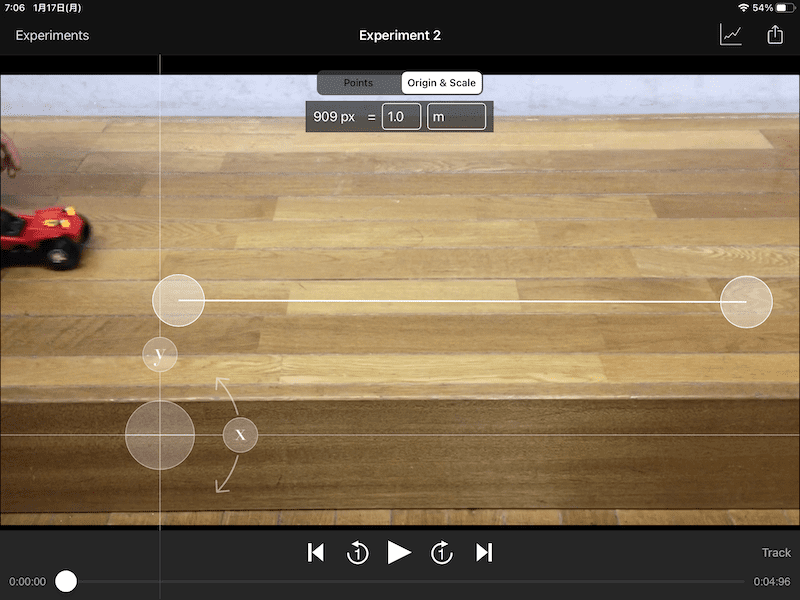
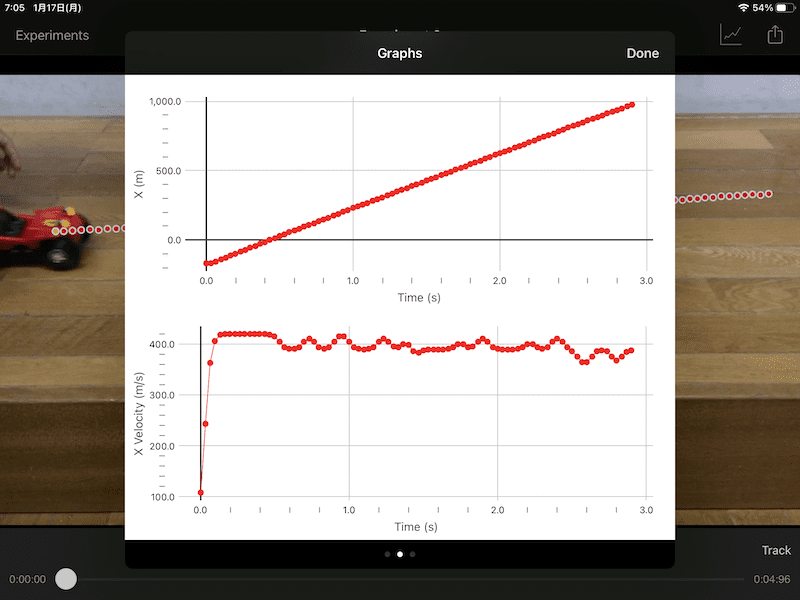
With this app, setup and cleanup are a breeze. More importantly, it will spark your students’ intellectual curiosity and make them want to learn more! I hope you’ll try using it to bring a fresh perspective to your classroom.
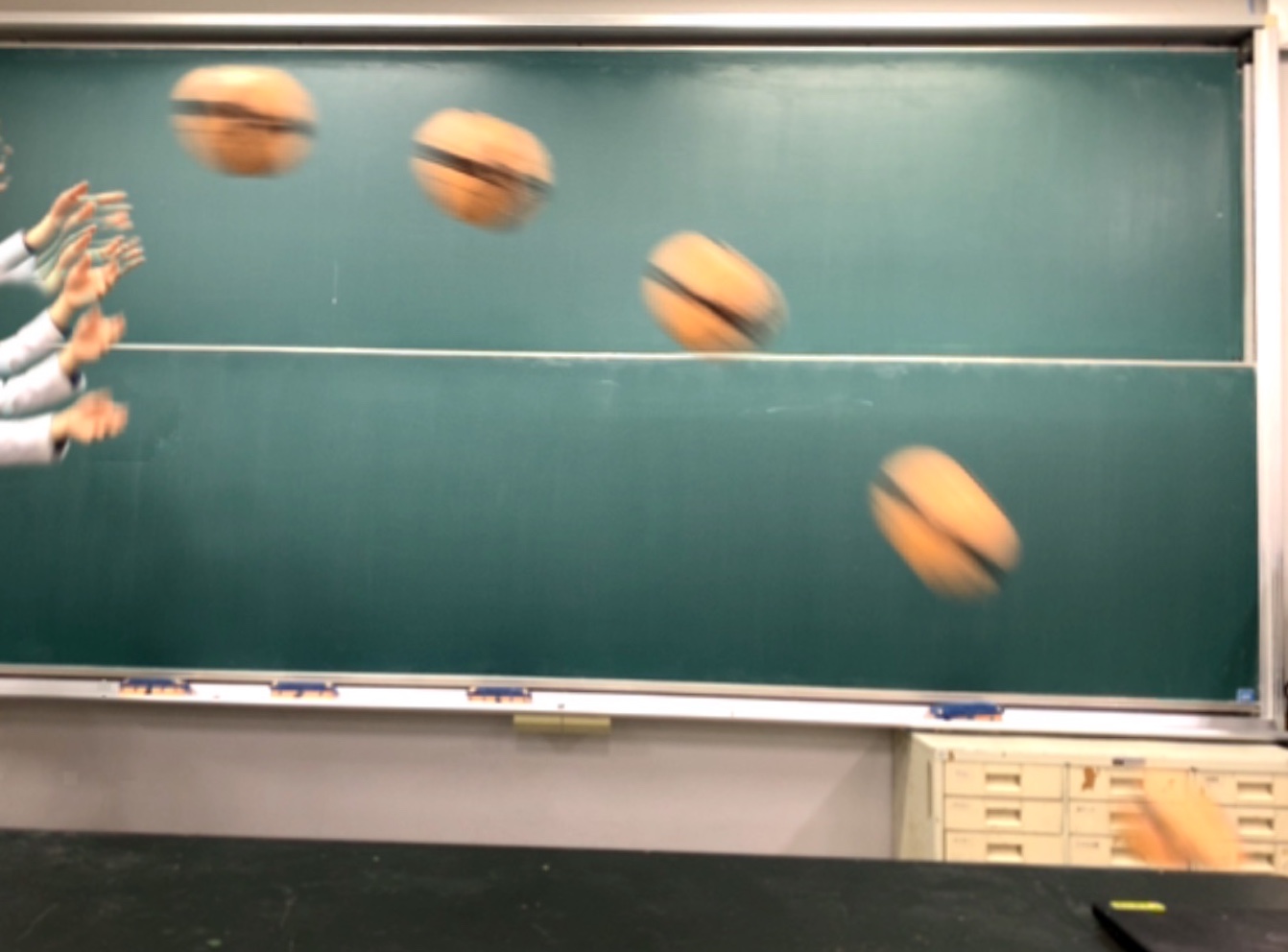
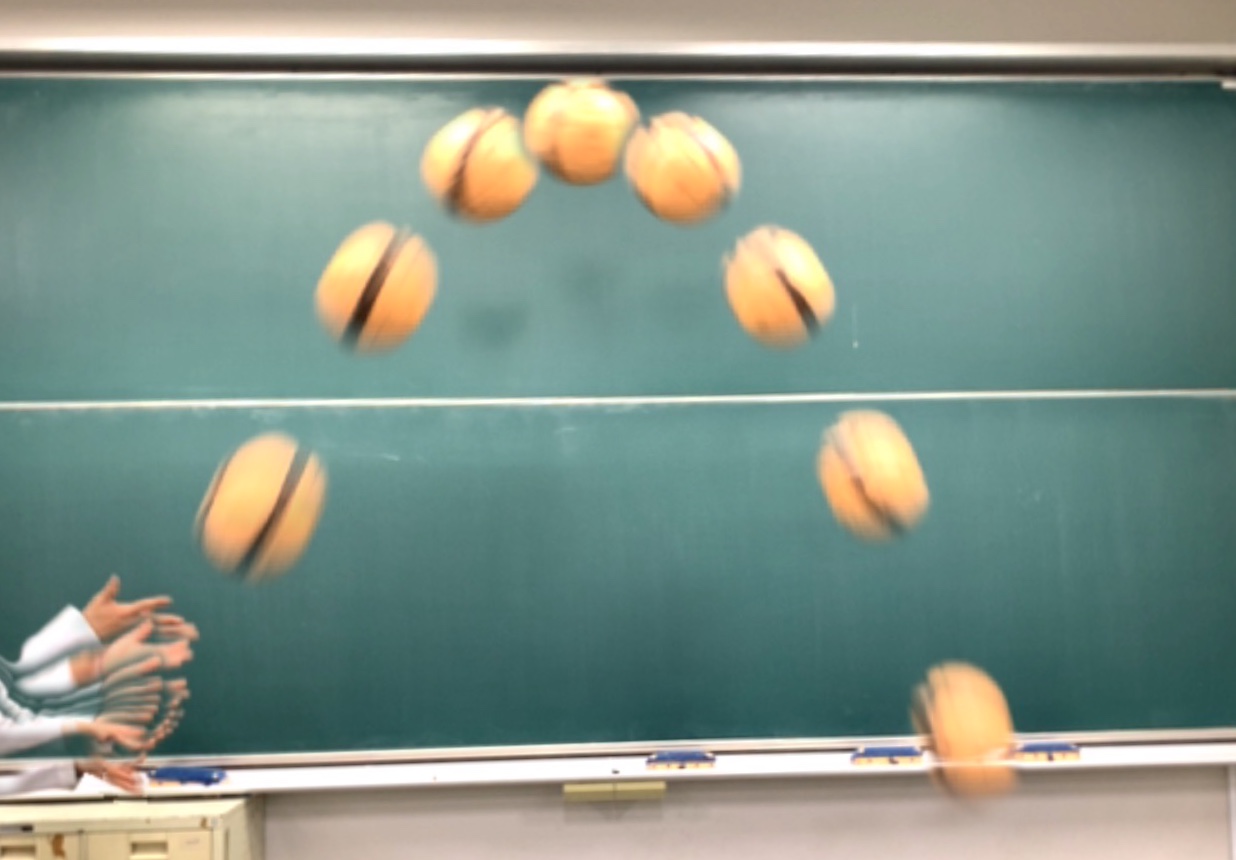
I also used a strobe photography app to film the motion of objects. You can see the results here. You could have students use these photos to draw x and y axes and analyze the motion, which might be a fun activity.
I hope you’ll find these useful in your class!
Inquiries & Requests
We want to make the wonders of science more accessible! We’ve put together fun science experiments you can do at home, along with easy-to-understand tips. Feel free to explore our articles!
・About the author, Ken Kuwako: Click here
・For business inquiries (writing, lectures, science workshops, TV supervision, appearances, etc.): Click here
・Get updates on new articles on X!
 We post experiment videos on the Kagaku no Neta Channel!
9月のイチオシ実験!
お弁当箱をプラバンがわりにしてキーホルダーを作ろう!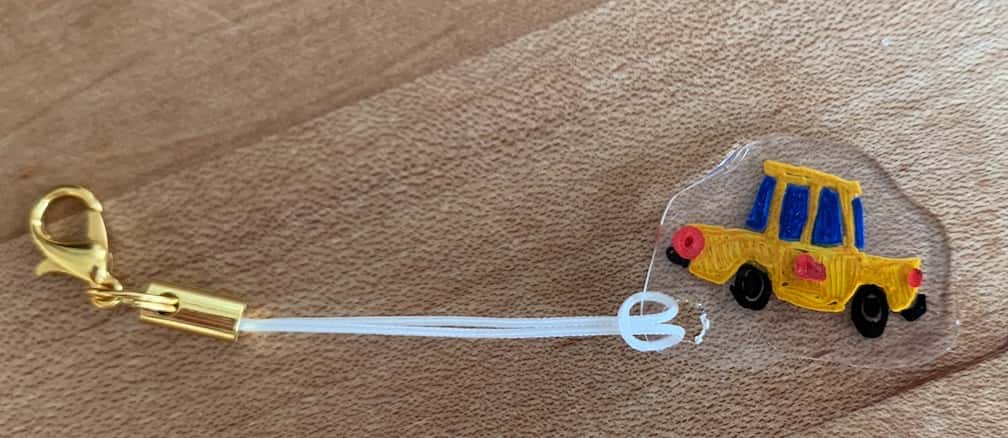
テレビ番組監修・イベント等のお知らせ
- 8月27日(木)科学監修番組放送予定
- 9月20日(日)ダビンチマスターズ出演予定
- 10月10日(土)11:15~12:00 千葉市科学フェスタ2026「桑子先生の回転科学ショー」にてサイエンスショーを行います。
- 12月26日(土) ナリカサイエンスアカデミー(教員向け実験講習会)開催
書籍のお知らせ
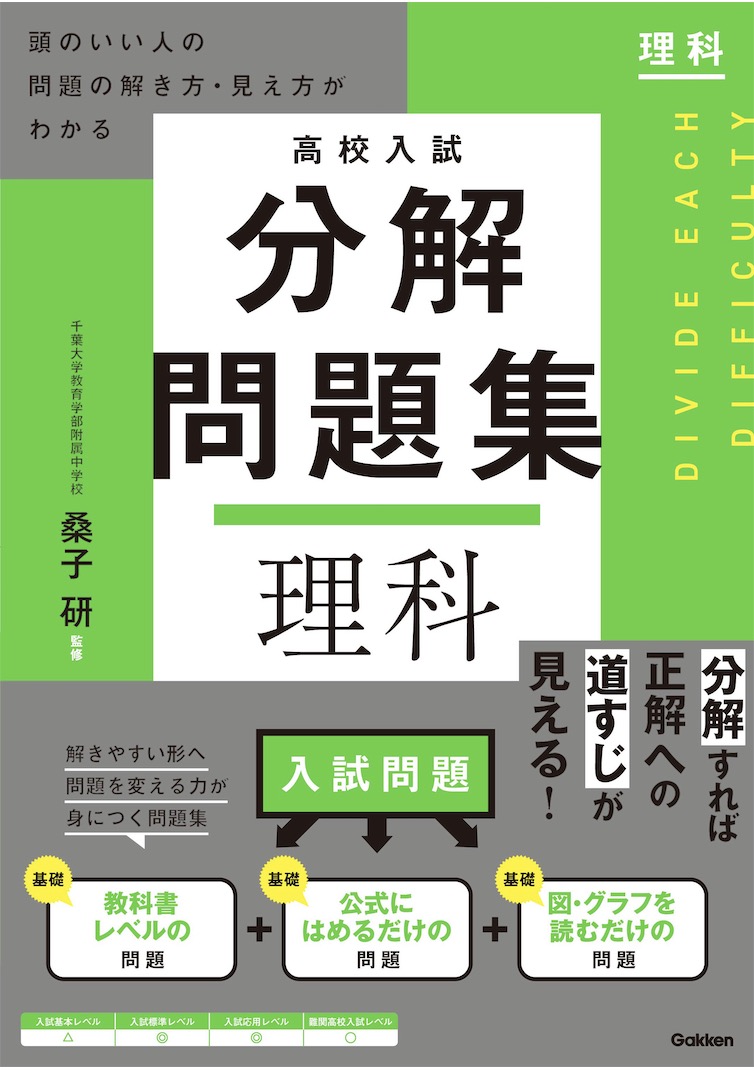
- 『高校入試 分解問題集 理科』(学研)…難しい問題も小さな問題に分解することで、問題を解くことができます。そんな分解の技術が身につくように深く関わりを持って作りました。
 『大人のための高校物理復習帳』(講談社)…一般向けに日常の物理について公式を元に紐解きました。特設サイトでは実験を多数紹介しています。※増刷がかかり6刷となりました(2026/02/01)

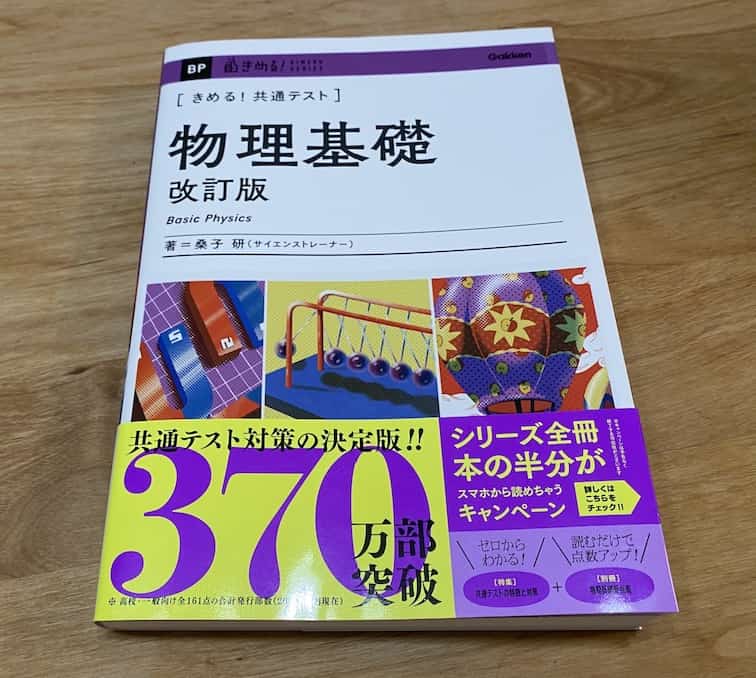
- 『きめる!共通テスト 物理基礎 改訂版』(学研)… 高校物理の参考書です。イラストを多くしてイメージが持てるように描きました。授業についていけない、物理が苦手、そんな生徒におすすめです。特設サイトはこちら。
各種SNS(更新情報をお届け!)
【日本語】X(Twitter)/instagram/Facebook 【英語】BlueSky/Threads
Explore
- 楽しい実験…お子さんと一緒に夢中になれるイチオシの科学実験を多数紹介しています。また、高校物理の理解を深めるための動画教材も用意しました。
- 理科の教材… 理科教師をバックアップ!授業の質を高め、準備を効率化するための選りすぐりの教材を紹介しています。
- Youtube…科学実験等の動画を配信しています。
- 科学ラジオ …科学トピックをほぼ毎日配信中!AI技術を駆使して作成した「耳で楽しむ科学」をお届けします。
- 講演 …全国各地で実験講習会・サイエンスショー等を行っています。
- About …「科学のネタ帳」のコンセプトや、運営者である桑子研のプロフィール・想いをまとめています。
- お問い合わせ …実験教室のご依頼、執筆・講演の相談、科学監修等はこちらのフォームからお寄せください。