The Secret Behind 5 Mirror Images — Revealed by Ray Optics Simulation!
I’m Ken Kuwako, a science trainer. Every day is an experiment.
Have you ever seen two mirrors facing each other in a hair salon or a fitting room? When you stand between them, your reflection seems to stretch endlessly into the distance, getting smaller and smaller. It’s a fascinating sight—but did you know that this phenomenon can actually be explained by a clear mathematical rule?
This time, while exploring how many images are formed between facing mirrors and how light travels as it reflects, I came across an excellent simulation website called Ray Optics Simulation. I’d like to introduce it and take you on a little journey into the fascinating world inside mirrors.
What happens when the mirrors are at 90°?
Let’s start with a familiar angle: 90°. If you place an object between two mirrors opened at a right angle, you can see 3 images, including the actual object. The most interesting one is the image furthest back. The light reaching this image has actually been reflected by the mirrors twice before it reaches our eyes.
In other words, the reflection we see furthest away isn’t produced by light that simply bounces off a mirror once. The light may bounce two, three, or even more times before finally reaching our eyes. It’s almost as if the light is going on a little “journey” inside the mirrors.
The magic formula for calculating the number of images
There is actually a simple formula for figuring out how many images are formed. If the angle between the two mirrors is θ, the number of images, n, can be calculated as follows.
n = 360°/θ – 1
For example, when the angle is 90°, we get 360 ÷ 90 – 1 = 3, which matches the 3 images we just saw. Using this formula, we can predict in advance how many images will appear for mirrors set at almost any angle.
What happens with mirrors at 60°?
Now let’s make the angle a little smaller and set it to 60°. Since 360 ÷ 60 – 1 = 5, we can see 5 images.
Now take a closer look at the third image counting outward from the real object. We can think of the light reaching this image as having been reflected 3 times before returning to our eyes. The narrower the angle between the mirrors, the more times the light travels back and forth between them, creating images farther and farther away. It makes you want to see this relationship for yourself: the smaller the angle, the more reflections occur, and the more images are produced. That’s where the simulation website I introduced at the beginning comes in handy.
https://phydemo.app/ray-optics/jp/
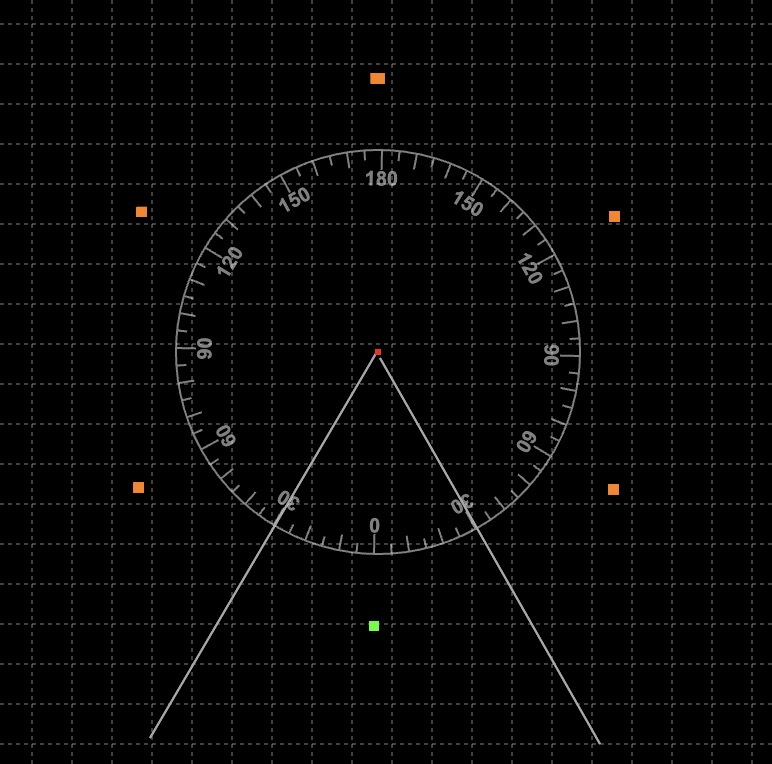
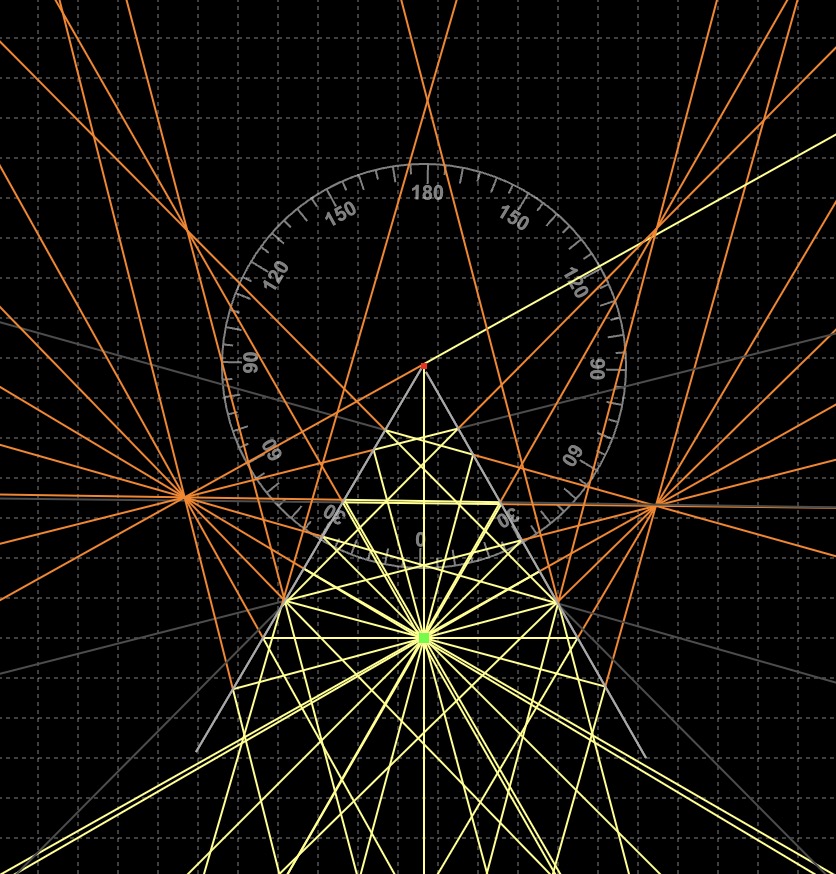
Try moving the light rays around and experimenting with different paths. You’ll quickly notice something fascinating. No matter what angle the light enters from, it keeps bouncing between the mirrors—once, twice, three times, and so on—until it reaches a particular image.
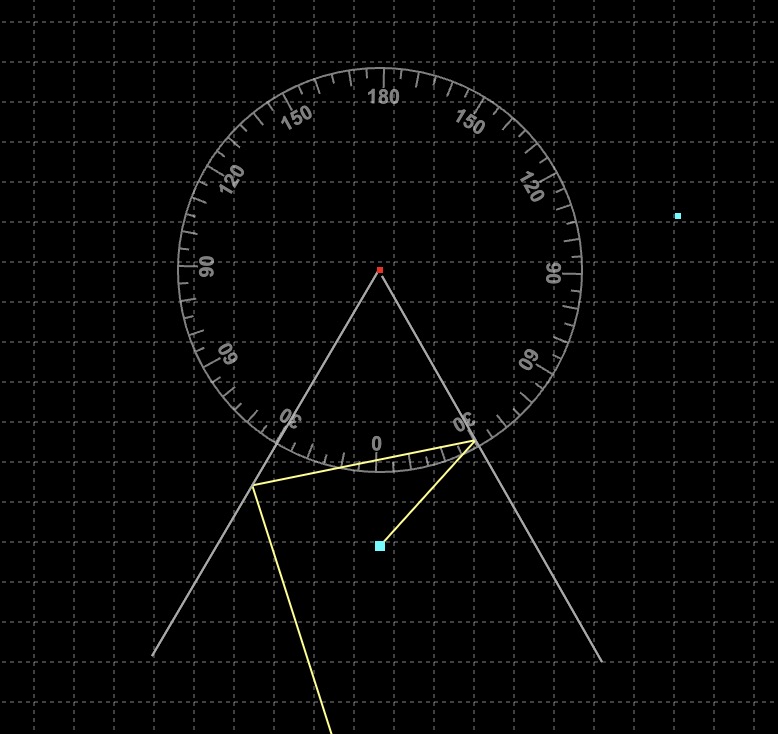
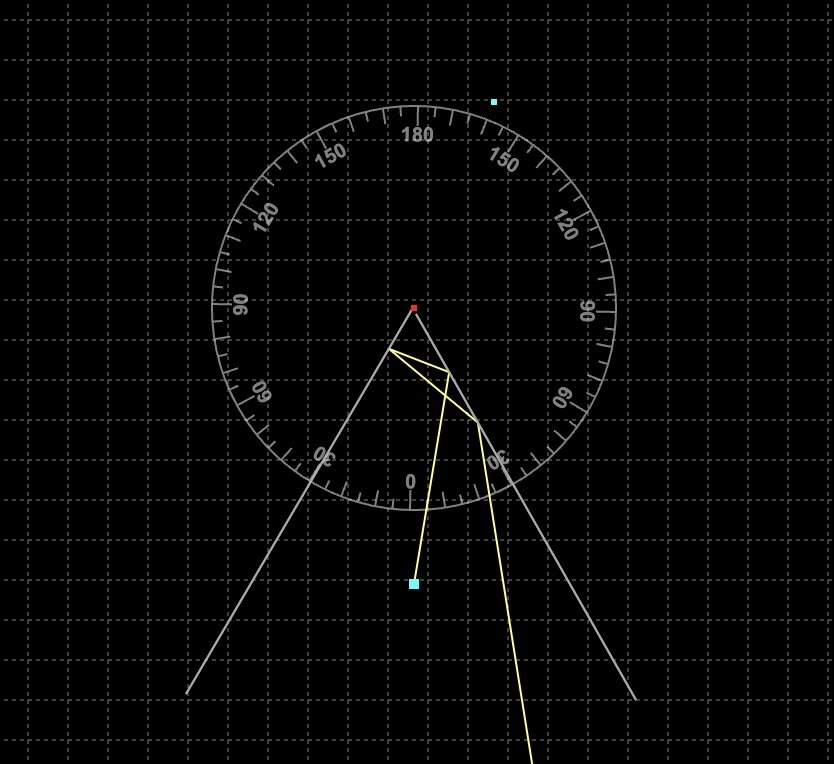
As a result of all these reflections, the 5 images appear neatly lined up. The simulation also clearly shows that the image furthest away is formed after the light has been reflected 3 times.
What did the simulation teach us?
Being able to move the light rays around yourself and actually watch how the images are formed is both useful and fun. Instead of simply calculating “11 images” or “3 reflections” with a formula, seeing exactly how the light bounces back and forth makes the idea much easier to understand—and much more memorable.
Who would have thought that behind such an ordinary phenomenon as facing mirrors lies such a beautiful mathematical rule, along with a fascinating “journey” in which light repeatedly bounces from mirror to mirror? It’s a little mysterious, and pretty fun to think about. If you get the chance, why not use a couple of mirrors at home and take a peek into this fascinating world for yourself?
Contact & Requests
Want to bring the wonder and excitement of science a little closer to everyday life? I share fun science experiments you can try at home, along with easy-to-understand tips and explanations. Have a look around and see what you can discover!
・The content from Science Notebook has been turned into books. Click here for details
・Learn more about Ken Kuwako, the creator of this site, here
・For inquiries and requests such as writing, lectures, science workshops, TV science supervision, and appearances, click here
・Get the latest article updates on X!
 Science Notebook Channel features videos of fun science experiments!
9月のイチオシ実験!
テレビ番組監修・イベント等のお知らせ
- 9月25日(金)21:00〜 かまいたちの瞬間回答!にて、科学監修を行いました。
- 10月10日(土)11:15~12:00 千葉市科学フェスタ2026「桑子先生の回転科学ショー」にてサイエンスショーを行います。
- 12月26日(土) ナリカサイエンスアカデミー(教員向け実験講習会)開催
書籍のお知らせ
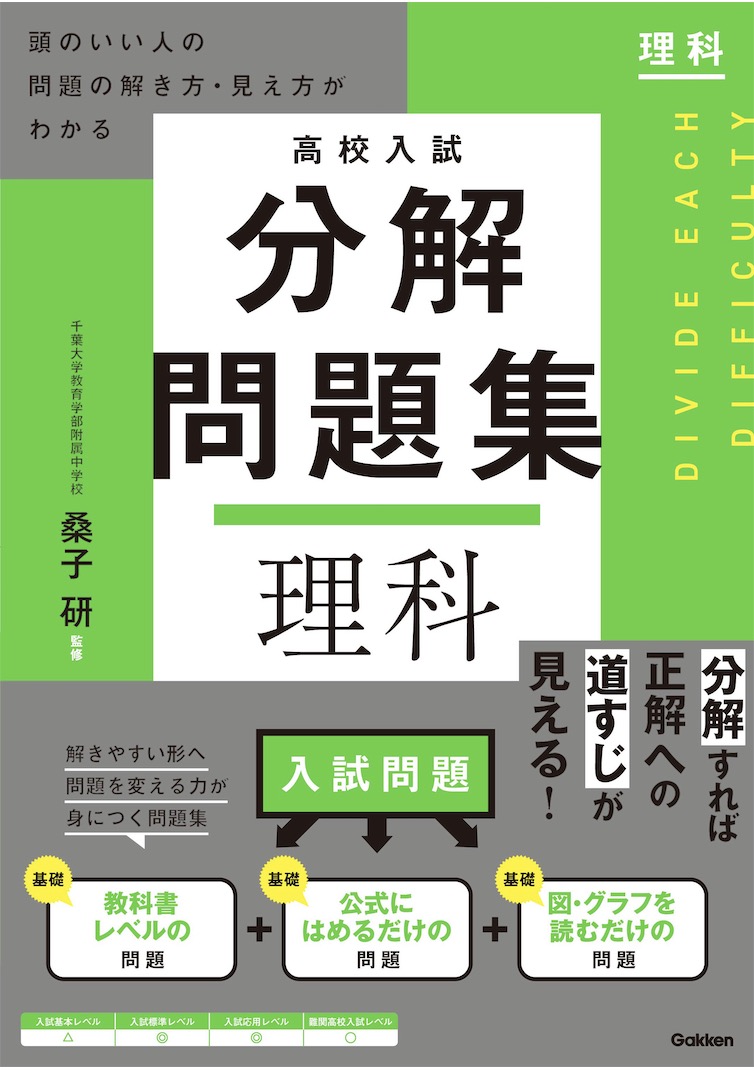
- 『高校入試 分解問題集 理科』(学研)…難しい問題も小さな問題に分解することで、問題を解くことができます。そんな分解の技術が身につくように深く関わりを持って作りました。
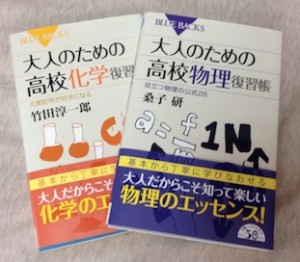
 『大人のための高校物理復習帳』(講談社)…一般向けに日常の物理について公式を元に紐解きました。特設サイトでは実験を多数紹介しています。※増刷がかかり6刷となりました(2026/02/01)
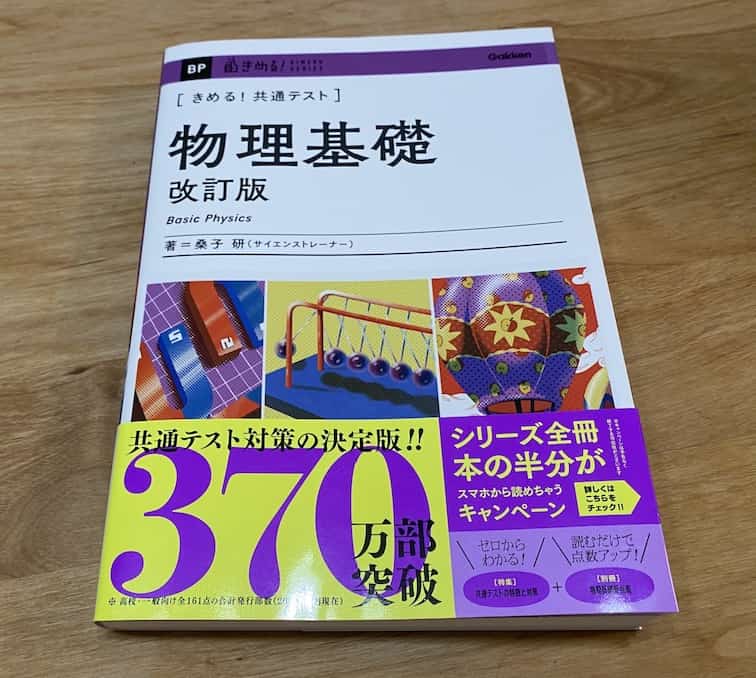
- 『きめる!共通テスト 物理基礎 改訂版』(学研)… 高校物理の参考書です。イラストを多くしてイメージが持てるように描きました。授業についていけない、物理が苦手、そんな生徒におすすめです。特設サイトはこちら。
各種SNS(更新情報をお届け!)
【日本語】X(Twitter)/instagram/Facebook 【英語】BlueSky/Threads
Explore
- 楽しい実験…お子さんと一緒に夢中になれるイチオシの科学実験を多数紹介しています。また、高校物理の理解を深めるための動画教材も用意しました。
- 理科の教材… 理科教師をバックアップ!授業の質を高め、準備を効率化するための選りすぐりの教材を紹介しています。
- Youtube…科学実験等の動画を配信しています。
- 科学ラジオ …科学トピックをほぼ毎日配信中!AI技術を駆使して作成した「耳で楽しむ科学」をお届けします。
- 講演 …全国各地で実験講習会・サイエンスショー等を行っています。
- About …「科学のネタ帳」のコンセプトや、運営者である桑子研のプロフィール・想いをまとめています。
- お問い合わせ …実験教室のご依頼、執筆・講演の相談、科学監修等はこちらのフォームからお寄せください。