Japan’s Dragonfly King: Unveiling the Charm of the Oniyanma, Insect World’s Top Hunter (Oniyanma Ecology)
I’m Ken Kuwako, your Science Trainer. Every day is an experiment!
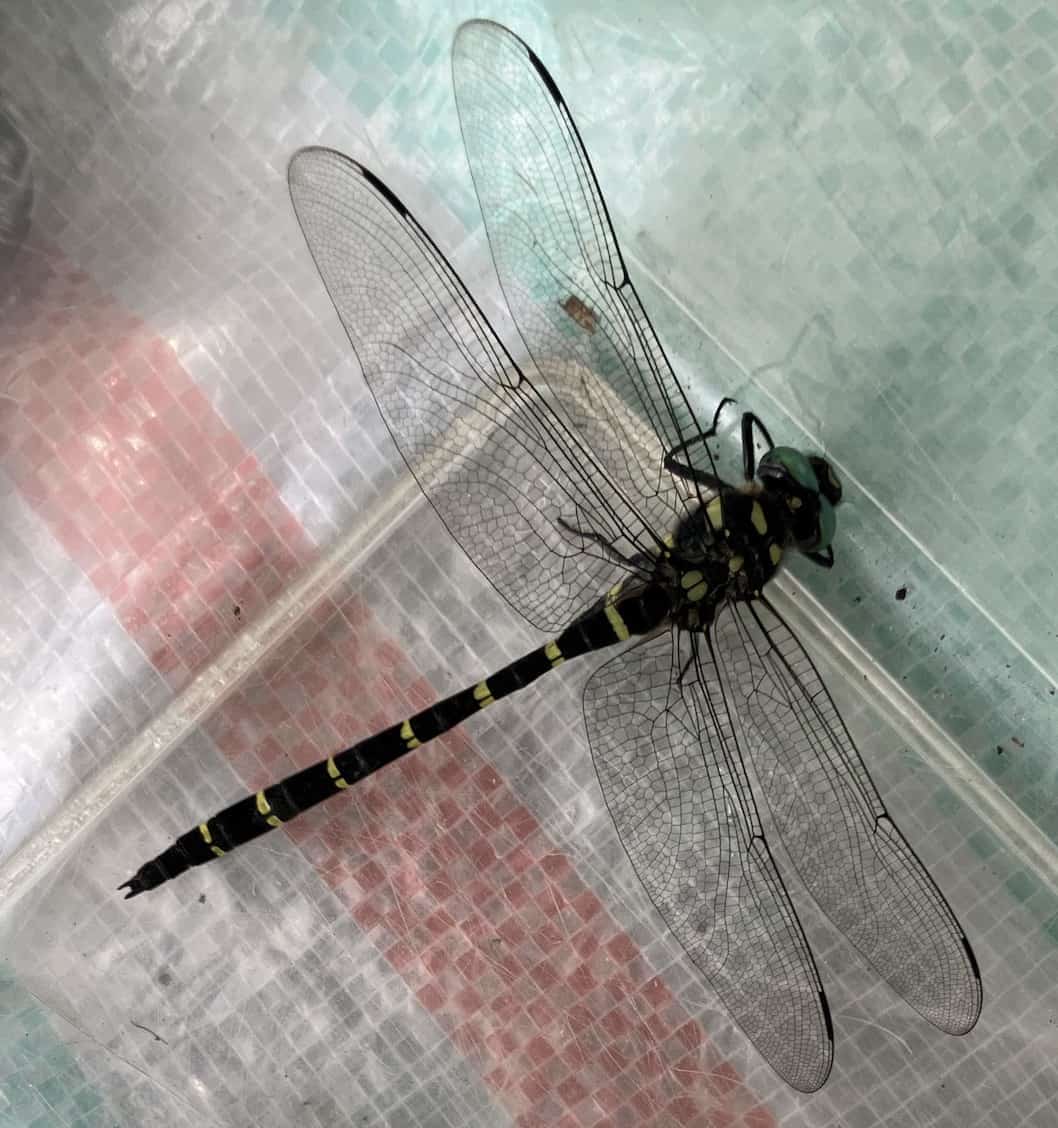
The other day, at Mine Park in Gunma Prefecture, I finally managed to catch an Oniyanma, often called “the king of Japanese dragonflies”! With a body nearly 10 cm long, this giant dragonfly is an incredible sight as it zips around right in front of you. Its sheer size and power left me absolutely speechless.
After the stick insect, I’d like to turn the spotlight on another fascinating creature: the “king” of dragonflies, the Oniyanma. In this article, we’ll take a close look at its lifestyle and some of its truly remarkable features. Why is the Oniyanma known as “the king”? As we uncover the secrets behind its reputation, I’m sure you’ll find yourself fascinated by this amazing dragonfly too.
And there’s much more to the Oniyanma than simply being big. From its role as a fearsome hunter at the top of the insect food chain, to its importance as an indicator of environmental health, and even a clever way of catching it that takes advantage of one of its surprising weaknesses, let’s explore the little-known world of the Oniyanma together!
The Name Comes from “Oni,” the Japanese Demon
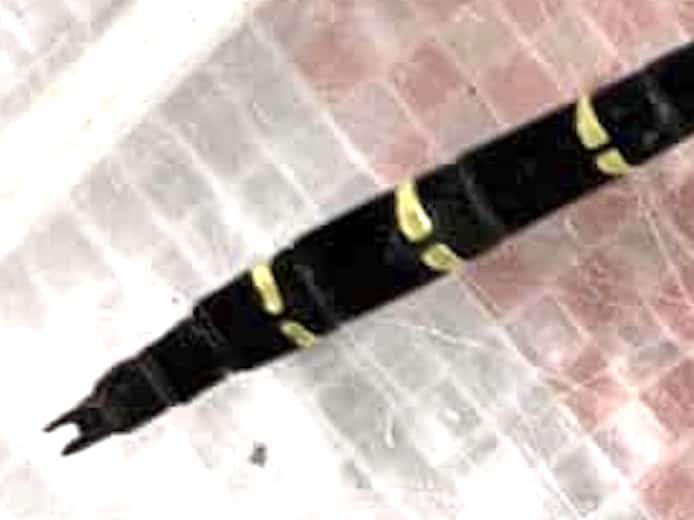
The Oniyanma is one of the largest dragonflies in Japan, with a body that can grow to nearly 10 cm long. Its most striking feature is its vivid black-and-yellow striped pattern. One popular explanation for its name is that these stripes resemble the loincloth traditionally worn by an oni, the fearsome demons of Japanese folklore. Another theory is simply that its enormous size makes it look like a dragonfly fit for a demon!
A Ferocious Hunter of the Insect World
Adult Oniyanma are fearsome predators near the top of the insect food chain. They hunt all kinds of insects, including flies, horseflies, wasps, and even cicadas and smaller dragonflies. With their powerful jaws, they snatch prey right out of the air and devour it on the spot. That’s a true predator of the insect world! The fact that a dragonfly can take down a wasp is pretty incredible.
A Long Life as a Larva—and a Connection to Water Quality
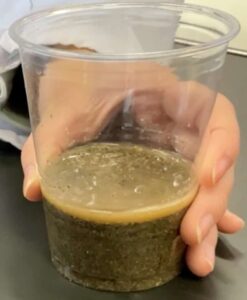
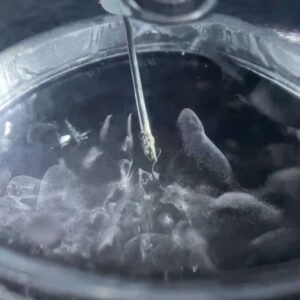
Adult Oniyanma live for only a few months, but their larval stage, known as a naiad, is remarkably long. They spend three to five years living underwater. During this time, the larvae grow by feeding on water fleas, mosquito larvae, and even small fish such as medaka and tadpoles. Oniyanma prefer clean streams and clear-running mountain brooks, so finding them in an area can also be a sign that the local natural environment is in good health.
Exceptional Flying Skills and Emerald-Green Compound Eyes
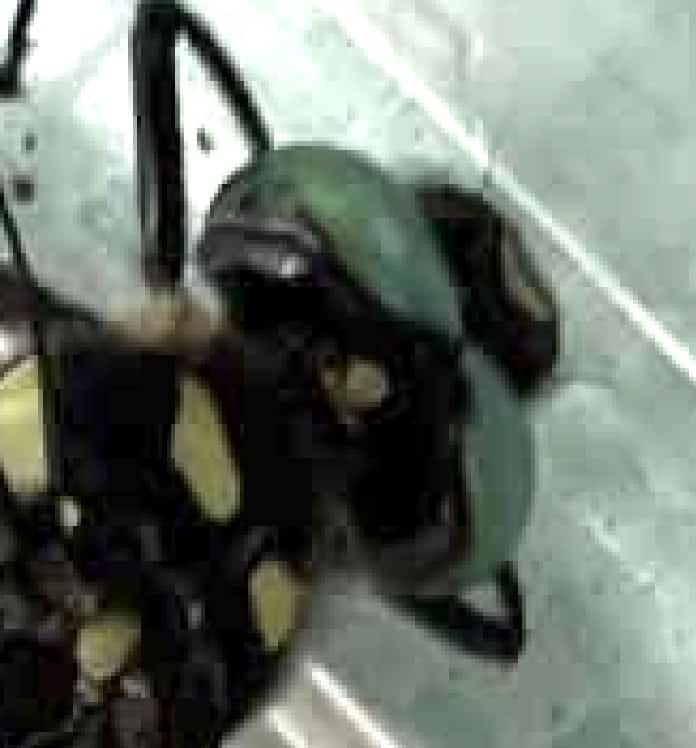
Oniyanma are superb fliers, skillfully controlling all four of their wings to hover in place, make sharp turns, and even fly backward. They are said to reach speeds of more than 60 km/h, allowing them to chase down prey at speeds faster than even hornets. Their large, emerald-green compound eyes are made up of around 20,000 tiny individual lenses. This gives them an incredibly wide field of view and excellent ability to detect moving objects, allowing them to spot even the slightest movement and catch their prey with astonishing accuracy.
Can an Oniyanma Keep Insects Away?
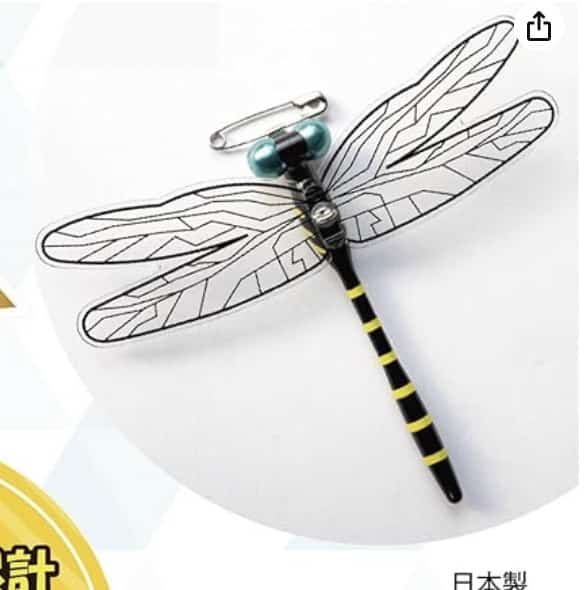
Because Oniyanma are natural predators of troublesome insects such as hornets, figurines modeled after them have become popular as insect-repellent gadgets. I even have one myself! The idea is that when you wear one, flies, horseflies, wasps, and other insects mistake it for a lurking predator and stay away. My kids wear one at home too. It certainly gives you an idea of just how terrifying an Oniyanma must look to other insects!
There’s also a fascinating traditional way of catching Oniyanma that takes advantage of their strong territorial instincts. It’s known as “yanma fishing.” The basic idea is to attach a thread to a small stone or similar object and swing it around in front of the dragonfly. The Oniyanma may mistake it for an intruder entering its territory and swoop down to attack. Apparently, this makes it possible to catch one without even using a bug net. I’ve never tried it myself, but I definitely want to give it a shot!
Contact & Inquiries
Want to bring the wonder and fun of science a little closer to home? I share easy-to-understand tips and fun science experiments that you can try at home. Have a look around and search for something that catches your eye!
・For more about the site and its creator, Ken Kuwako, click here.
・For inquiries about writing, lectures, science workshops, TV science supervision, appearances, and more, click here.
・For updates and new articles, follow me on X!
 Science Ideas Channel features a variety of science experiment videos!
9月のイチオシ実験!
お弁当箱をプラバンがわりにしてキーホルダーを作ろう!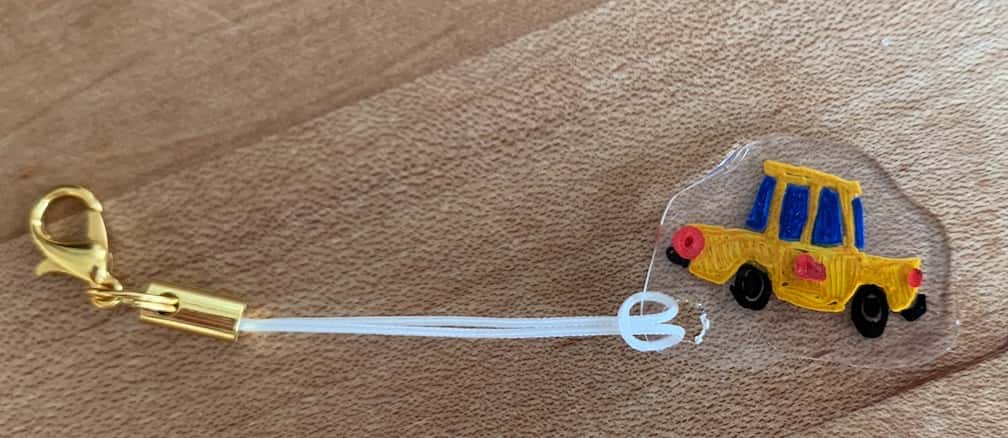
テレビ番組監修・イベント等のお知らせ
- 8月27日(木)科学監修番組放送予定
- 9月20日(日)ダビンチマスターズ出演予定
- 10月10日(土)11:15~12:00 千葉市科学フェスタ2026「桑子先生の回転科学ショー」にてサイエンスショーを行います。
- 12月26日(土) ナリカサイエンスアカデミー(教員向け実験講習会)開催
書籍のお知らせ
- 『高校入試 分解問題集 理科』(学研)…難しい問題も小さな問題に分解することで、問題を解くことができます。そんな分解の技術が身につくように深く関わりを持って作りました。
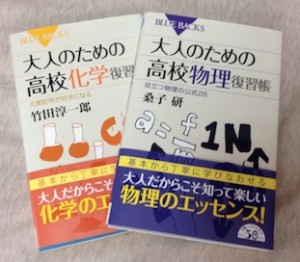
 『大人のための高校物理復習帳』(講談社)…一般向けに日常の物理について公式を元に紐解きました。特設サイトでは実験を多数紹介しています。※増刷がかかり6刷となりました(2026/02/01)
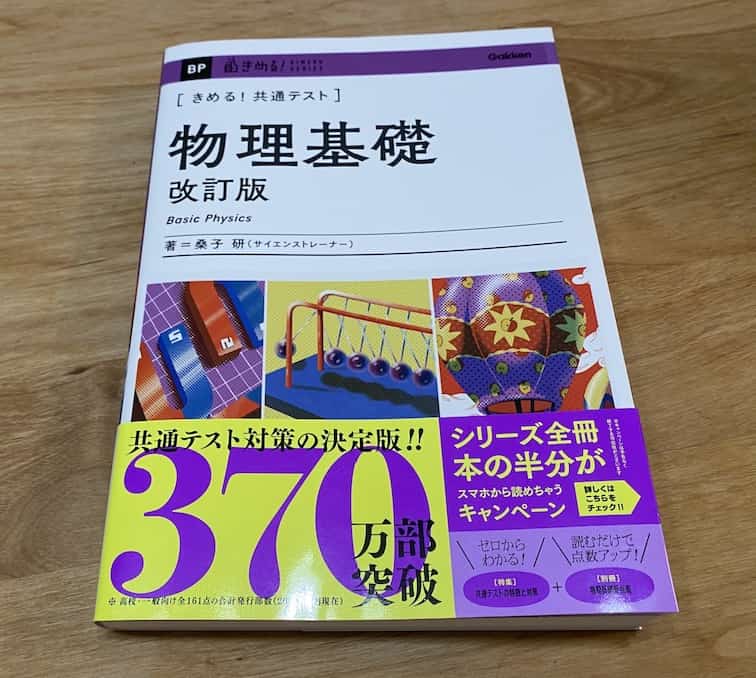
- 『きめる!共通テスト 物理基礎 改訂版』(学研)… 高校物理の参考書です。イラストを多くしてイメージが持てるように描きました。授業についていけない、物理が苦手、そんな生徒におすすめです。特設サイトはこちら。
各種SNS(更新情報をお届け!)
【日本語】X(Twitter)/instagram/Facebook 【英語】BlueSky/Threads
Explore
- 楽しい実験…お子さんと一緒に夢中になれるイチオシの科学実験を多数紹介しています。また、高校物理の理解を深めるための動画教材も用意しました。
- 理科の教材… 理科教師をバックアップ!授業の質を高め、準備を効率化するための選りすぐりの教材を紹介しています。
- Youtube…科学実験等の動画を配信しています。
- 科学ラジオ …科学トピックをほぼ毎日配信中!AI技術を駆使して作成した「耳で楽しむ科学」をお届けします。
- 講演 …全国各地で実験講習会・サイエンスショー等を行っています。
- About …「科学のネタ帳」のコンセプトや、運営者である桑子研のプロフィール・想いをまとめています。
- お問い合わせ …実験教室のご依頼、執筆・講演の相談、科学監修等はこちらのフォームからお寄せください。