
Why Do Appliances Break Around Certain People? Unraveling the Mysterious “Pauli Effect” with Science
I’m Ken Kuwako, a Science Trainer. Every day is an experiment.
In the world of physics, there is a rather strange but very real-sounding joke known as the “Pauli effect.”
Theoretical physicist Wolfgang Pauli (1900–1958) was famously terrible around experiments. It is said that expensive equipment would break simply because he entered the laboratory, or that mysterious malfunctions would occur the moment he touched an apparatus. Even today, when a particular person somehow seems to make household appliances break whenever they touch them, people sometimes affectionately call it the “Pauli effect.” Reference: wikipedia
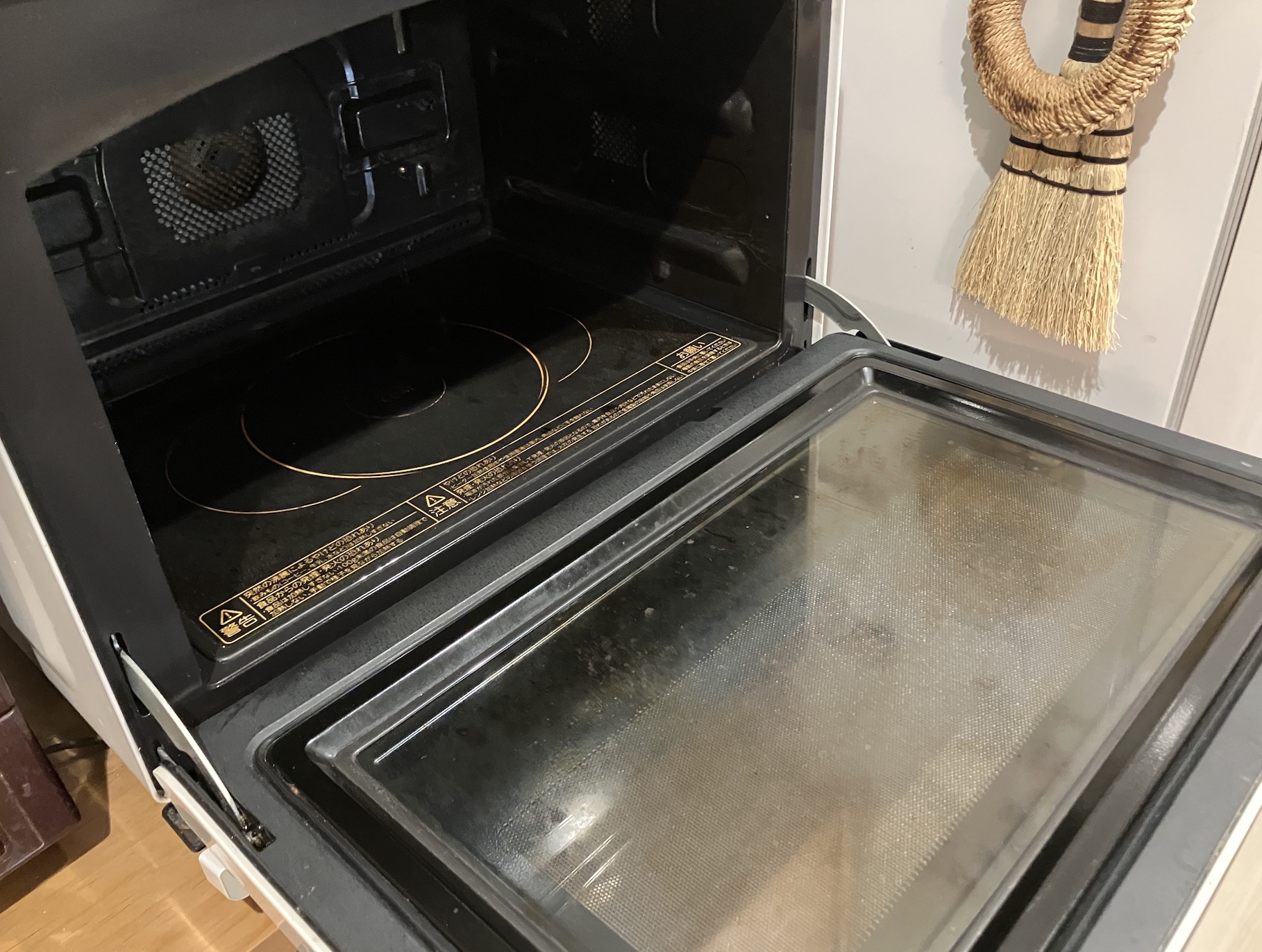
However, from the perspective of a science teacher, there is no magic or curse involved. Behind it are perfectly understandable scientific reasons. So why do some people seem to be particularly good at breaking machines? Let’s take a closer look and solve the mystery.
1. Invisible lightning! Electronic circuits destroyed by static electricity
The most likely culprit is static electricity generated by our own bodies.
Have you ever touched a doorknob in winter and heard a sharp “snap”? Depending on clothing and other factors, our bodies can accumulate static charges of several thousand, or even tens of thousands, of volts. The moment your fingertip touches a metal part or sensor on an electronic device, that charge can suddenly discharge. For delicate modern electronics, that tiny spark can be devastating.
Modern appliances contain delicate IC chips and electronic circuits, much like those found in smartphones. These components are extremely sensitive. What feels like a tiny spark to us can be like a massive lightning strike hitting the circuit. In some cases, the circuit can be damaged in an instant.
How can you prevent static buildup? If you feel that you are someone who “easily builds up static electricity,” take a look at the combination of materials in your clothes.
Some materials tend to become positively charged, such as nylon, wool, and rayon, while others tend to become negatively charged, such as polyester and acrylic. When materials with opposite electrical tendencies rub against each other, they can generate a lot of static electricity.
For example, combinations such as “polyester (negative) × wool (positive)” are particularly prone to generating static. On the other hand, combining materials with similar tendencies, such as wool and nylon, or polyester and acrylic, can reduce the amount of static that builds up.
Keeping your skin moisturized can also help. Moisture allows static charge to escape more easily, so simply using moisturizing cream may even help weaken your personal “Pauli effect.”
2. Physical force and the accumulation of impacts
Even if you feel that you are handling a device normally, you may actually be applying more force than the device is designed to withstand.
Modern touch panels use technologies such as capacitive sensing and pressure-sensitive systems. Pressing too hard, using your fingernail instead of the pad of your finger, or repeatedly applying excessive force can physically deform or damage components inside the device.
For example, the top plate of an IH cooktop is made of toughened glass. However, repeatedly placing a heavy pot down with a hard “thud” can create tiny, invisible cracks. Water can then seep into these cracks, or heat-induced expansion can make them grow, eventually leading to failure.
Do you have a habit of pulling on the cord when unplugging an appliance? If you yank the cable instead of holding the plug itself, the copper wires inside can gradually become broken. Then, one day, the appliance suddenly stops working.
3. “Short circuits” and corrosion caused by sweaty hands
The moisture and salt contained in our sweat can also interfere with the normal flow of electricity.
Water, especially salty water such as sweat, conducts electricity quite well. If your hands are even slightly damp when you touch a switch, moisture can find its way into tiny gaps inside the device. This can cause a short circuit, allowing electricity to flow where it shouldn’t and potentially damaging the circuit board.
Even if the device does not fail immediately, tiny amounts of moisture can accumulate on the circuit board every time it is touched. Over time, this can corrode metal components and cause poor electrical contact. This may explain why a device seems to respond poorly only when a particular person uses it.
4. Interference from magnets you are carrying
Sometimes the culprit isn’t the person at all, but something they are carrying. Strong magnets are commonly found in bag clasps and smartphone cases. When these magnets come close to the control circuits of household appliances or the reading area of a card reader, their magnetic fields can cause malfunctions or interfere with stored data, potentially leading to problems.
Some scientific advice
If you know someone who seems to have a “Pauli effect,” I suggest first observing their daily habits and clothing combinations.
“Switch to natural fabrics such as cotton.”
“Before touching an electronic device, discharge static electricity by touching a wall or the floor.”
“Use the pad of your finger and touch gently rather than pressing with your fingertip.”
By taking practical steps like these, you may well be able to overcome your personal “Pauli effect.”
When you look at a mysterious phenomenon through the lens of science, you can often find a clue to what is really going on. The next time something around you breaks, why not investigate the cause with a little “scientific thinking”?
I also met a woman on the Japanese TV program “Getsuyō kara Yofukashi” who was famous for accidentally breaking household appliances. Take a look if you are interested!
Contact and Requests
Let’s bring the wonders and excitement of science a little closer to everyday life! I share fun science experiments that you can do at home, along with easy-to-understand tips and techniques. Take a look around and discover something that interests you!
・The content from 科学のネタ帳 is now also available as a book. For more information, click here.
・For more information about the author, Ken Kuwako, click here.
・For inquiries and requests of all kinds (writing, lectures, science workshops, TV scientific supervision, appearances, etc.), click here.
・Blog updates are posted on X!
 科学のネタチャンネル features videos of science experiments!
9月のイチオシ実験!
テレビ番組監修・イベント等のお知らせ
- 9月25日(金)21:00〜 かまいたちの瞬間回答!にて、科学監修を行いました。
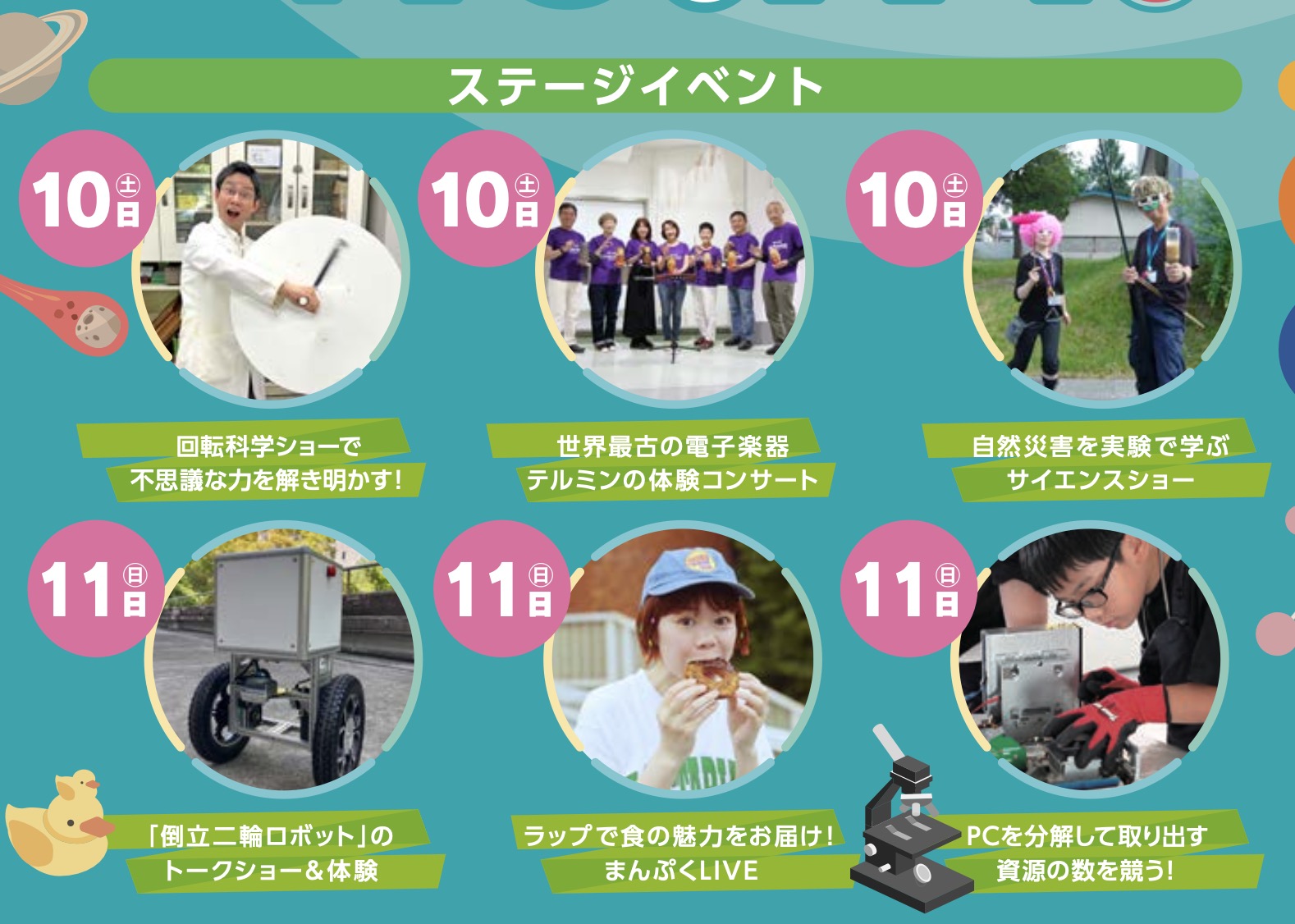
- 10月10日(土)11:15~12:00 千葉市科学フェスタ2026「桑子先生の回転科学ショー」にてサイエンスショーを行います。
- 12月26日(土) ナリカサイエンスアカデミー(教員向け実験講習会)開催
書籍のお知らせ
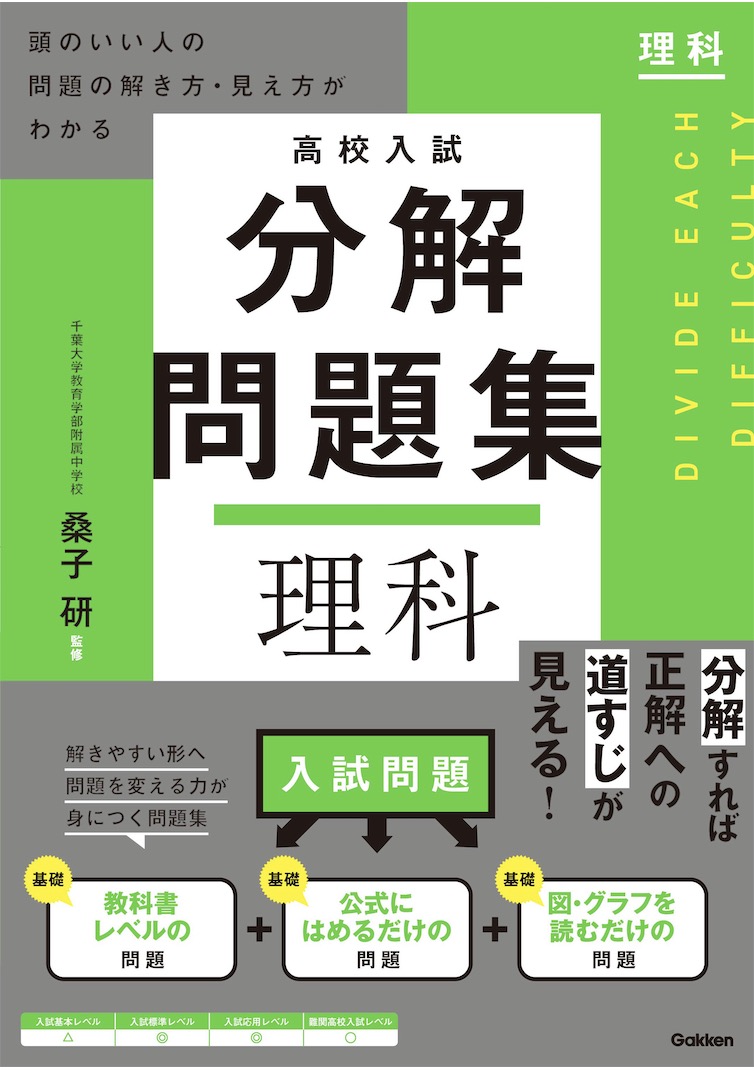
- 『高校入試 分解問題集 理科』(学研)…難しい問題も小さな問題に分解することで、問題を解くことができます。そんな分解の技術が身につくように深く関わりを持って作りました。
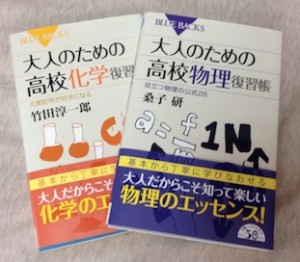
 『大人のための高校物理復習帳』(講談社)…一般向けに日常の物理について公式を元に紐解きました。特設サイトでは実験を多数紹介しています。※増刷がかかり6刷となりました(2026/02/01)
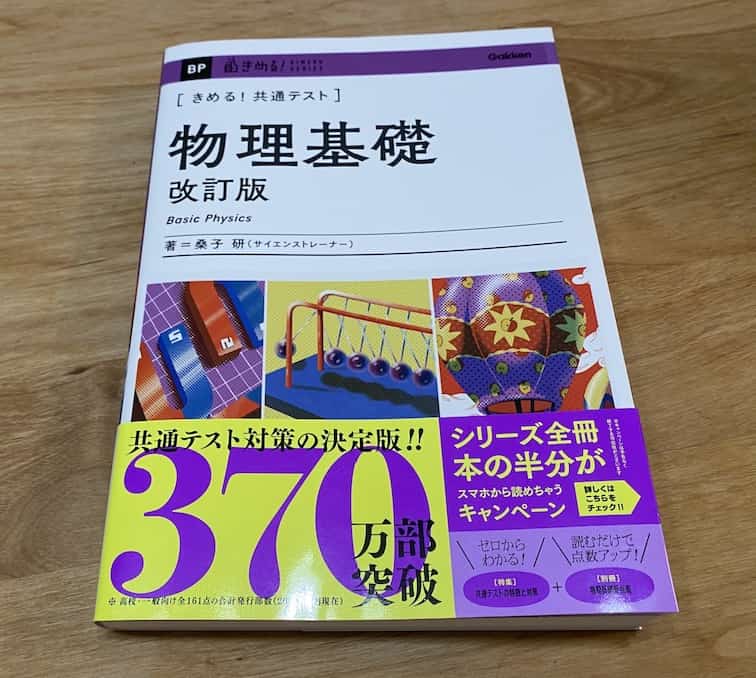
- 『きめる!共通テスト 物理基礎 改訂版』(学研)… 高校物理の参考書です。イラストを多くしてイメージが持てるように描きました。授業についていけない、物理が苦手、そんな生徒におすすめです。特設サイトはこちら。
各種SNS(更新情報をお届け!)
【日本語】X(Twitter)/instagram/Facebook 【英語】BlueSky/Threads
Explore
- 楽しい実験…お子さんと一緒に夢中になれるイチオシの科学実験を多数紹介しています。また、高校物理の理解を深めるための動画教材も用意しました。
- 理科の教材… 理科教師をバックアップ!授業の質を高め、準備を効率化するための選りすぐりの教材を紹介しています。
- Youtube…科学実験等の動画を配信しています。
- 科学ラジオ …科学トピックをほぼ毎日配信中!AI技術を駆使して作成した「耳で楽しむ科学」をお届けします。
- 講演 …全国各地で実験講習会・サイエンスショー等を行っています。
- About …「科学のネタ帳」のコンセプトや、運営者である桑子研のプロフィール・想いをまとめています。
- お問い合わせ …実験教室のご依頼、執筆・講演の相談、科学監修等はこちらのフォームからお寄せください。