What Makes Gel Ice Packs Different From Regular Ice? The Science Behind the “Aha!” Moment
I’m Ken Kuwako, your Science Trainer. Every day is an experiment!
On hot summer days, we use them to keep our lunches from spoiling, chill our drinks to an icy-cold temperature, or transport fresh food safely during a sweltering summer drive.
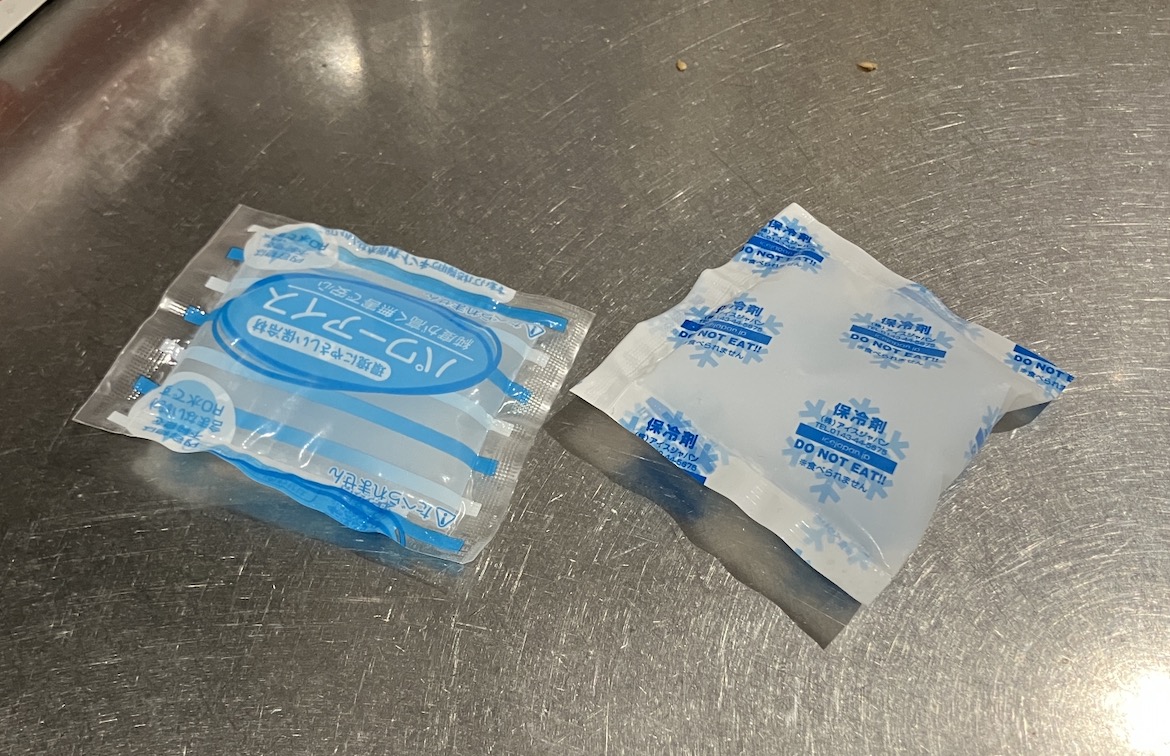
The unsung hero behind all of these situations is the humble ice pack. And among them, have you ever noticed that those soft, squishy gel ice packs seem to stay cold much longer than ordinary ice?
But when you stop and think about it, that’s actually pretty interesting. Why go to the trouble of making an ice pack into a soft gel instead of simply using a solid block of ice? As it turns out, there is a lot more science packed into that little pouch than you might expect. Today, let’s take a closer look at why gel ice packs can stay cold for so long and what advantages their gel-like structure gives them.
Instant cold packs, by the way, work in a completely different way. You can read about them here:
There are three major scientific principles working behind the scenes to keep that little ice pack cold for so long. Let’s take a look at them one by one.
The Power of “Latent Heat” Hidden in Melting Ice
The contents of a gel ice pack are actually mostly water. A small amount of “superabsorbent polymer,” the same kind of material used in products such as disposable diapers, is added to it. When you put the pack in the freezer, the water freezes into ice.
And this is where things get interesting. When you take the ice pack out and use it, the frozen water slowly melts and turns back into liquid. In science, this change from a solid to a liquid is called “melting.” While the ice is melting, it absorbs a surprisingly large amount of heat from its surroundings.
The key point is that until all of the ice has melted, most of the heat being absorbed is used to change the ice into water, rather than raising the temperature of the ice pack itself. When ice at 0°C turns into water at 0°C, its temperature stays the same even though it continues to absorb heat. The heat involved in this process is called the “heat of fusion.” Because this heat is absorbed without causing a temperature increase, it is known as “latent heat.”
That is why an ice pack can remain around 0°C for such a long time and continue cooling the things around it. It’s the same basic principle behind the shaved ice we enjoy in summer. Even a mountain of shaved ice doesn’t disappear instantly. As the ice gradually melts, it absorbs heat from your tongue and the surrounding air, keeping everything nice and cool.
Water Has a Remarkable Ability to Resist Warming Up
Water, the main ingredient in an ice pack, has another important property: it doesn’t heat up very easily. In scientific terms, water has a “high specific heat capacity.”
Having a high specific heat capacity means that it takes a lot of thermal energy to raise the temperature of a substance by 1°C. Let’s think about some familiar examples. If you walk barefoot across a sandy beach in summer, you quickly realize just how hot the sand can get. Yet the seawater, even under the same sunshine, doesn’t become nearly as hot. That’s because water has a much higher specific heat capacity than sand. The same principle explains why a metal pan placed over a flame heats up faster than a clay pot.
Thanks to this resistance to warming, the cold water produced as the ice in an ice pack melts doesn’t heat up quickly even when it absorbs heat from its surroundings. Because it warms slowly, the cooling effect lasts longer. It turns out that water is actually a remarkably effective cooling material.
The Gel Structure Helps Keep Heat Out
Another secret of gel ice packs lies in their very structure. The combination of water and superabsorbent polymer cleverly interferes with the way heat moves through the material.
First, because the water is held in a gel-like structure, convection—the movement of liquid that carries heat from one place to another—is greatly reduced. When you stir a bath, for example, the whole tub gradually reaches a more uniform temperature because warmer and cooler water move around and mix. But in a thick, gel-like material, the molecules cannot move around as freely, so heat transfer by convection is strongly suppressed.
Think about a thin, watery soup and a thick soup or gravy. Which one do you think stays warm longer? The thicker one does. Its viscosity makes convection more difficult, so heat escapes from the surface more slowly. Gel ice packs work in a similar way. Even after some of the ice melts, the cold water and warmer regions don’t immediately mix together, buying the pack more time before the entire contents reach the same temperature.
The gel itself also tends to conduct heat poorly—in other words, it has relatively low thermal conductivity. Put a metal spoon into a cup of hot water and it quickly becomes hot, while a wooden spatula doesn’t heat up nearly as much. That’s because metal has high thermal conductivity, whereas wood has low thermal conductivity. Gel-like materials also tend to resist heat transfer, helping prevent the cold inside the ice pack from being rapidly overwhelmed by heat from outside.
Of course, the bag or container surrounding the ice pack also helps reduce heat exchange with the surrounding air. Combine it with a cooler or a Styrofoam box, and you’ve got something approaching an impenetrable fortress against heat. All of these effects work together to help a gel ice pack stay cold for hours.
Its Softness Also Improves Cooling Efficiency
Most gel ice packs don’t become rock-hard blocks of ice when frozen. They retain a certain amount of flexibility. In particular, soft-type ice packs sold in plastic pouches are often made by adding a small amount of ingredients such as glycerin, which lowers the freezing point, along with superabsorbent polymer. This allows them to remain flexible even right after being taken out of the freezer.
That flexibility allows the ice pack to conform closely to the gaps around a lunch box or the uneven surfaces of whatever you’re trying to cool. The larger the contact area, the more efficiently heat can flow from the object into the ice pack, making the cooling process more effective.
If the contents were simply water, they would freeze into a hard block, leaving gaps between the ice and the object being cooled and reducing the cooling efficiency. Once melting began, the water could also collect in one corner of the bag. With a gel structure, however, the contents are much less likely to shift around as they melt, allowing the entire pack to provide more even cooling. That’s another major advantage of the gel design.
Is It Safe If You Accidentally Put It in Your Mouth?
The superabsorbent polymer used in ice packs (SAP: Super Absorbent Polymer) is also widely used in disposable diapers, feminine hygiene products, and disposable hand warmers. In general, these materials are considered highly safe and are not harmful through ordinary skin contact. Many gel ice packs have a simple composition consisting of mostly water (around 99 percent) and a very small amount of polymer (around 1 percent), making them suitable for use around food at home. However, because the polymer has an extremely high ability to absorb water, care should be taken to prevent children from accidentally putting the contents in their mouths or swallowing them.
Whether it’s protecting your lunch from the summer heat or keeping the ice cream you just bought from melting, ice packs quietly but reliably make our everyday lives a little easier. Inside that tiny pouch are some fascinating principles of physics and chemistry: latent heat from a phase change, water’s high specific heat capacity, and the suppression of convection and heat conduction.
Once you understand the science hidden inside an everyday product, ordinary life can suddenly become a little more interesting. So this summer, whenever you reach for an ice pack, why not remember what we’ve explored today? And perhaps give that little pouch a moment of appreciation for all the hard work it’s doing to keep things cool.
Inquiries and Requests
Bringing the wonders and fun of science a little closer to everyday life! I share fun science experiments you can try at home, along with easy-to-understand tips and explanations. Feel free to search around and explore! ・For more about the site operator, Ken Kuwako, click here. ・For inquiries and requests, including writing, lectures, science workshops, TV supervision, and appearances, click here. ・For updates on new articles, follow me on X!
 The Science Tips Channel features videos of fun science experiments!
9月のイチオシ実験!
テレビ番組監修・イベント等のお知らせ
- 9月25日(金)21:00〜 かまいたちの瞬間回答!にて、科学監修を行いました。
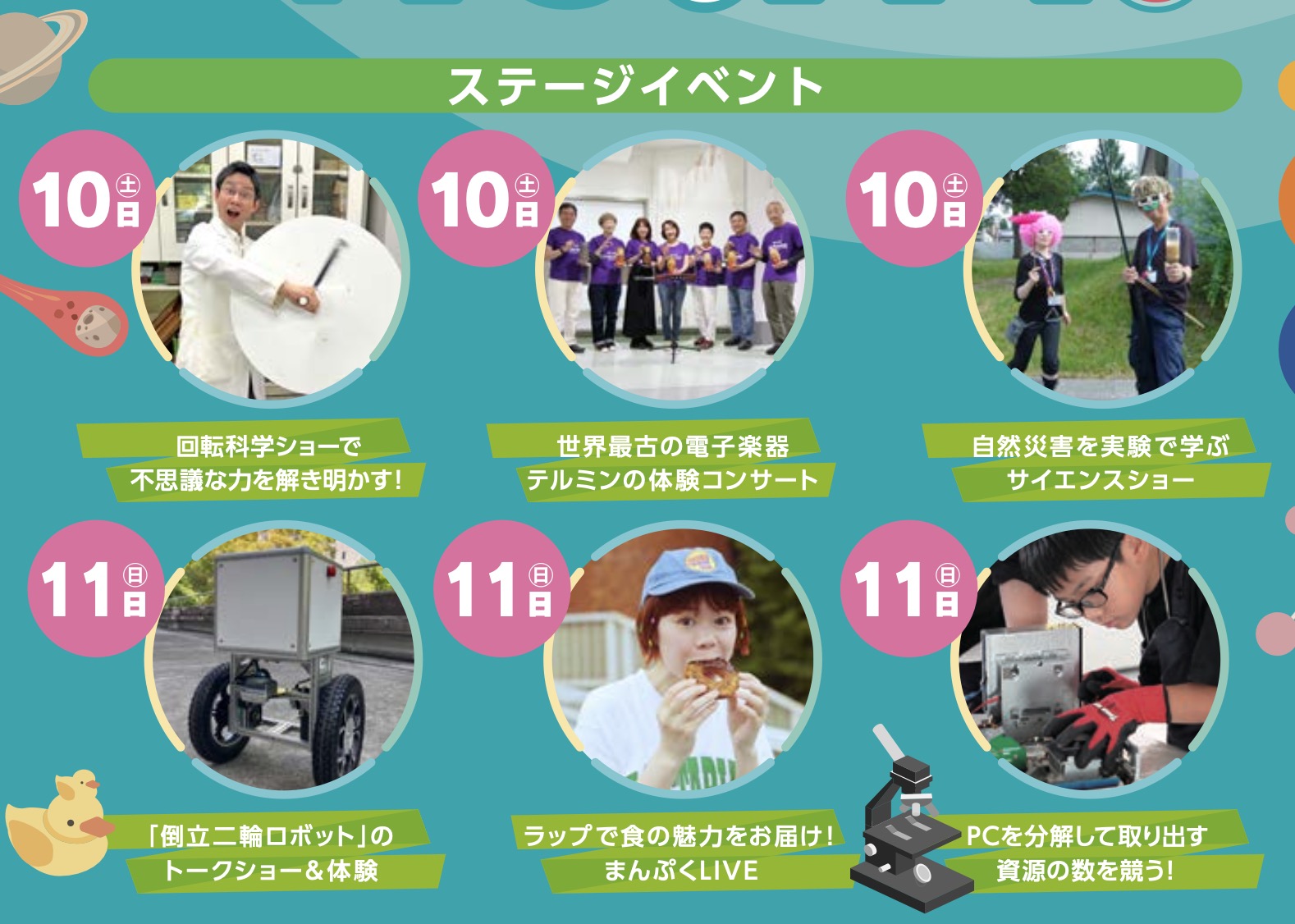
- 10月10日(土)11:15~12:00 千葉市科学フェスタ2026「桑子先生の回転科学ショー」にてサイエンスショーを行います。
- 12月26日(土) ナリカサイエンスアカデミー(教員向け実験講習会)開催
書籍のお知らせ
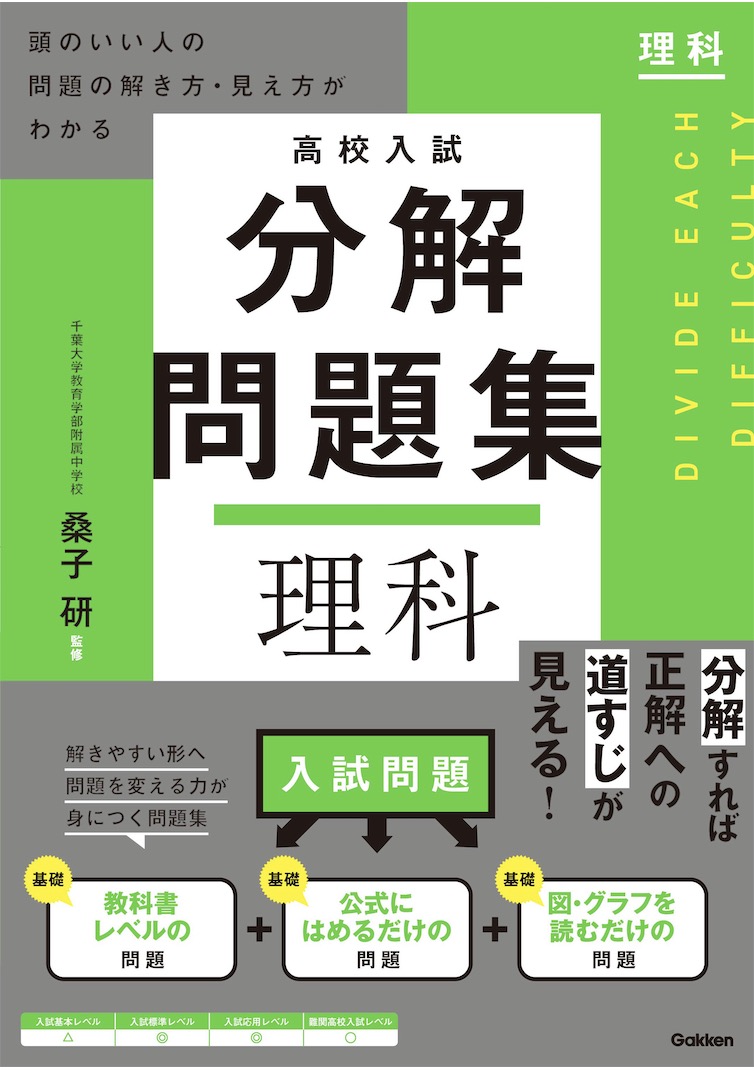
- 『高校入試 分解問題集 理科』(学研)…難しい問題も小さな問題に分解することで、問題を解くことができます。そんな分解の技術が身につくように深く関わりを持って作りました。
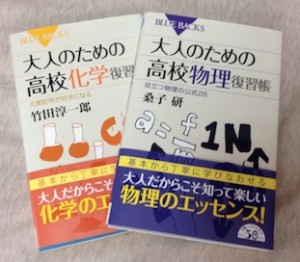
 『大人のための高校物理復習帳』(講談社)…一般向けに日常の物理について公式を元に紐解きました。特設サイトでは実験を多数紹介しています。※増刷がかかり6刷となりました(2026/02/01)
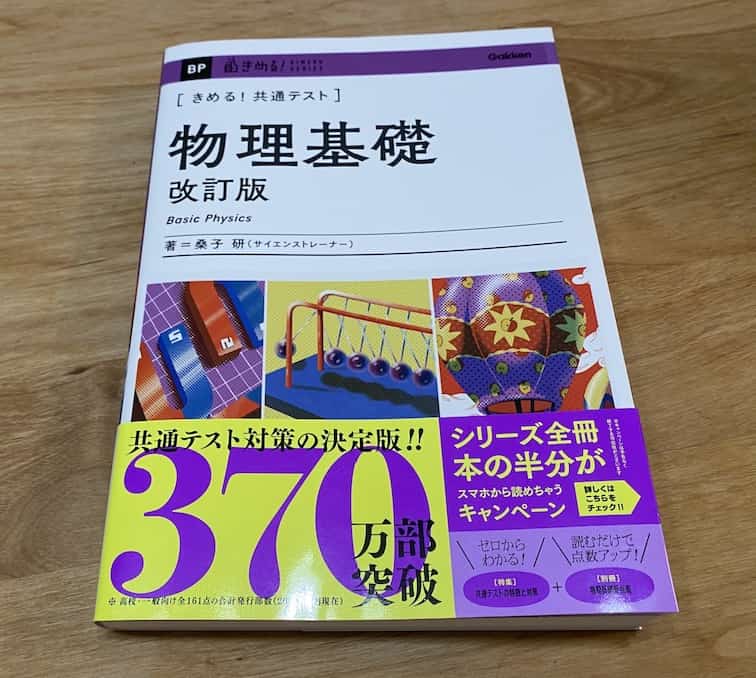
- 『きめる!共通テスト 物理基礎 改訂版』(学研)… 高校物理の参考書です。イラストを多くしてイメージが持てるように描きました。授業についていけない、物理が苦手、そんな生徒におすすめです。特設サイトはこちら。
各種SNS(更新情報をお届け!)
【日本語】X(Twitter)/instagram/Facebook 【英語】BlueSky/Threads
Explore
- 楽しい実験…お子さんと一緒に夢中になれるイチオシの科学実験を多数紹介しています。また、高校物理の理解を深めるための動画教材も用意しました。
- 理科の教材… 理科教師をバックアップ!授業の質を高め、準備を効率化するための選りすぐりの教材を紹介しています。
- Youtube…科学実験等の動画を配信しています。
- 科学ラジオ …科学トピックをほぼ毎日配信中!AI技術を駆使して作成した「耳で楽しむ科学」をお届けします。
- 講演 …全国各地で実験講習会・サイエンスショー等を行っています。
- About …「科学のネタ帳」のコンセプトや、運営者である桑子研のプロフィール・想いをまとめています。
- お問い合わせ …実験教室のご依頼、執筆・講演の相談、科学監修等はこちらのフォームからお寄せください。