
Energy Isn’t a “Thing”! Unlocking the True Nature of Kinetic and Potential Energy Through Work
I’m Ken Kuwako, the Science Trainer. Every day is an experiment.
This article is based on the book “High School Physics Refresher for Adults.”
“I’m out of energy… I can’t move another step!”
Chances are you’ve said something like that yourself. We hear the word “energy” all the time in everyday life. But if a child suddenly asks, “So… what exactly is energy?” how would you answer?
Surprisingly, that’s a question even many adults struggle to explain accurately.
Energy isn’t a physical object. In physics, it means the ability to do work.
You might immediately wonder, “What kind of work?” or “What do you mean by ability?”
The word “work” in physics has a very different meaning from the work we do at our jobs. To understand it, let’s first look at the two most fundamental equations for energy.
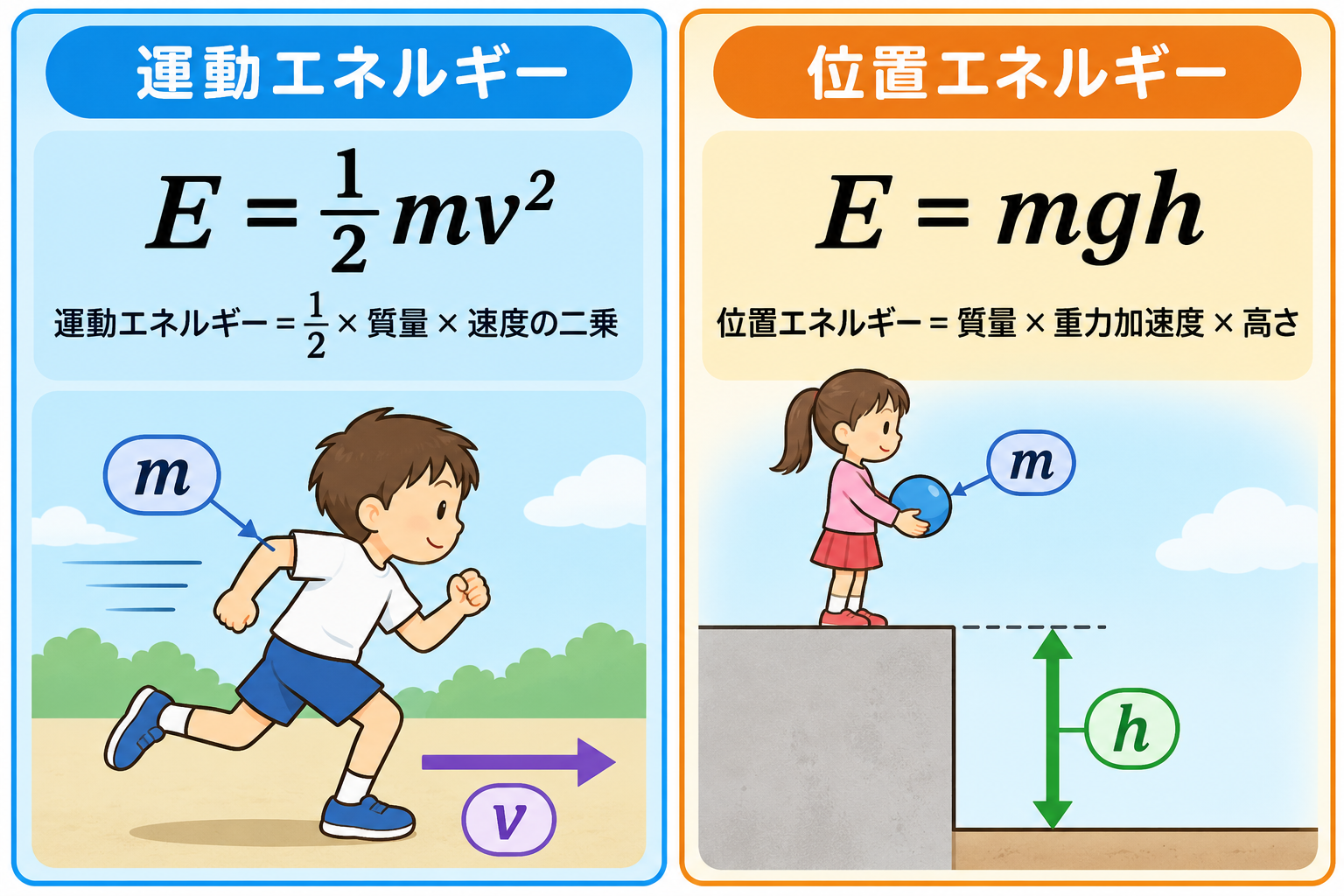
E = 1/2mv²
Kinetic Energy = 1/2 × Mass × Velocity²
E = mgh
Potential Energy = Mass × Gravitational Acceleration × Height
The key variable in kinetic energy is v (velocity). The key variable in potential energy is h (height).
In other words, speed and height are the two big clues to understanding energy.
What Does “Work” Mean in Physics?
Now let’s take a closer look at what physicists mean by “work.”
In physics, work is defined as:
Force applied to an object × the distance it moves.
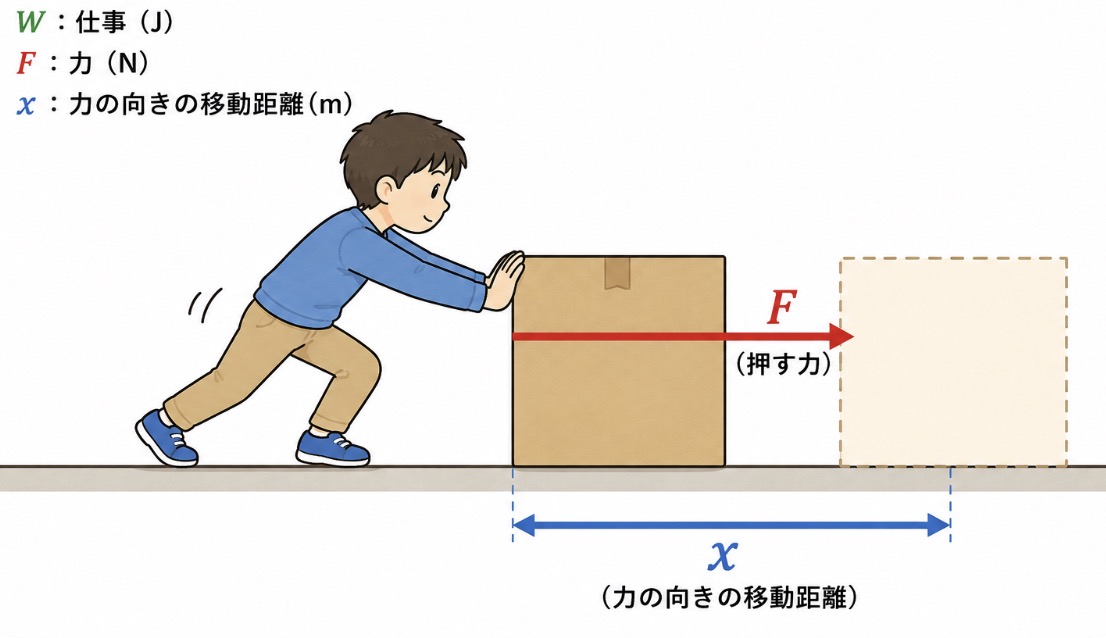
W = Fx
Work = Force × Distance
No matter how hard you push, if the object doesn’t move, the work done is 0 joules.
That’s why pushing against a wall with all your strength doesn’t count as “doing work” in physics—as strange as that may sound!
The SI unit of work is technically the newton-meter (N·m), but since it appears so often, physicists simply call it the joule (J).
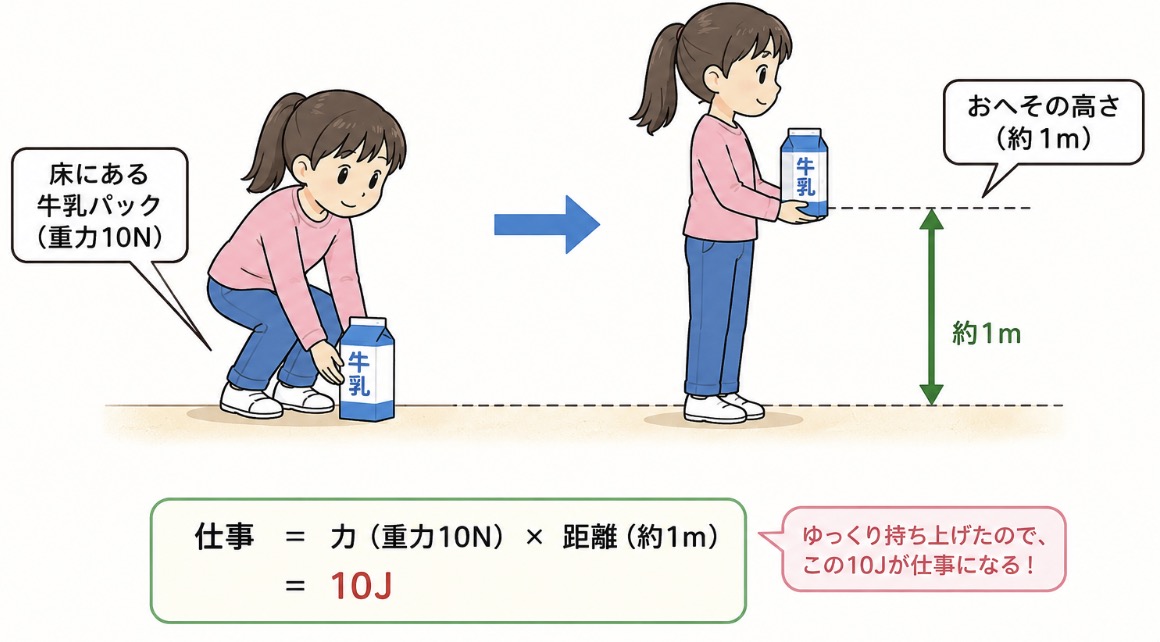
To get an intuitive feel for it, imagine lifting a one-liter milk carton (which weighs about 10 N) from the floor up to about waist height—roughly one meter. That requires about 10 J of work.
Incidentally, the joule is named after the 19th-century British scientist James Prescott Joule. Although he worked in his family’s brewery, he devoted countless hours to scientific experiments. Through careful measurements, he showed that mechanical work—such as stirring water—and heat are actually interchangeable forms of the same thing: energy.
At the time, heat and motion were believed to be completely unrelated, so Joule’s discovery dramatically changed the way scientists understood the physical world.
Earlier, we defined energy as the ability to do work.
Another way to think about it is this:
Energy is the potential to apply a force and make something move.
For example, a ball resting on the ground has essentially no energy available for doing work. It has no opportunity to move another object.
But once the ball starts rolling, everything changes.
Why?
Because a moving ball can collide with something else, exert a force, and make that object move. In other words, it now has the potential to do work.
Likewise, if you lift the ball into the air, it also gains energy.
If you let go, gravity pulls it downward, allowing it to strike something below—perhaps driving a nail into a piece of wood. Again, it has the ability to do work.

The energy possessed by a moving object is called kinetic energy.
The energy stored because of an object’s height is called gravitational potential energy.
Deriving the Formula for Kinetic Energy
Now let’s see where the kinetic energy equation comes from.
Suppose a constant force F [N] acts on an object that starts from rest, pushing it through a distance x [m]. The work done is therefore Fx.
v²-v₀² = 2ax
Using Newton’s Second Law (ma = F), we substitute a = F/m into the equation above and solve for the work:
1/2mv² – 1/2mv₀² = Fx
The right side represents the work done.
Notice the term 1/2mv² on the left. This is exactly the quantity produced when work is done on an object.
That quantity is kinetic energy.
Since velocity appears in the equation, it clearly represents energy associated with motion.
You can also read the equation in reverse:
“If an object has kinetic energy of 1/2mv², then it is capable of doing Fx amount of work.”
Let’s calculate a real-world example.
A typical passenger car weighs about 1,000 kg.
At 30 km/h (about 8 m/s), its kinetic energy is
E = 1/2 × 1000 × 8² = 32,000 J
That’s enough energy to lift a one-liter milk carton about 3,200 meters into the air!
The number is much larger than many people expect.
One especially important point is that velocity is squared.
Double the speed, and the kinetic energy becomes four times greater.
That’s why a collision at 60 km/h is dramatically more destructive than one at 30 km/h.
Whenever I explain this in traffic safety lessons, students suddenly become much more attentive.
Deriving the Formula for Potential Energy
Next, let’s look at potential energy.
Imagine lifting an object to a height h [m].
To do this, your hand must apply an upward force against gravity.
The work your hand performs is
Fx = mg × h
= mgh
The quantity mgh is the energy stored in the object after the work has been done.
This is called gravitational potential energy.
Once the object is elevated, releasing it allows gravity to convert that stored energy into work.
For example, a 1 kg milk carton sitting on a desk about 0.5 m high has approximately
1 × 10 × 0.5 = 5 J
of potential energy.
An airplane flying through the sky has both kinetic energy and potential energy at the same time.
The sum of these two is called mechanical energy, distinguishing it from other forms such as heat or electrical energy.
One of the most beautiful ideas in physics is that, if no outside forces like friction interfere, kinetic energy and potential energy continuously transform into each other while their total remains constant.
This is known as the Law of Conservation of Mechanical Energy.
That’s why a roller coaster moves slowly at the very top of a hill but races downhill at incredible speed—its potential energy is being converted into kinetic energy.
A swinging pendulum is another perfect example, constantly exchanging one form of energy for the other.
Power: Measuring How Fast Work Gets Done
Imagine two machines.
Machine A performs 100 J of work in just 10 seconds.
Machine B performs the same 100 J, but takes an entire hour.
Which would you choose?
Most people would choose Machine A.
That’s because the amount of work alone doesn’t tell us how quickly the work is done.
To measure that, physicists use a quantity called power.
Its unit is the watt (W), where
1 watt = 1 joule of work per second.
Power Formula: P = W/t
(Power = Work ÷ Time)
Machine A has
100 J ÷ 10 s = 10 W
Machine B has
100 J ÷ 3600 s ≈ 0.03 W
Clearly, Machine A gets much more done in the same amount of time.
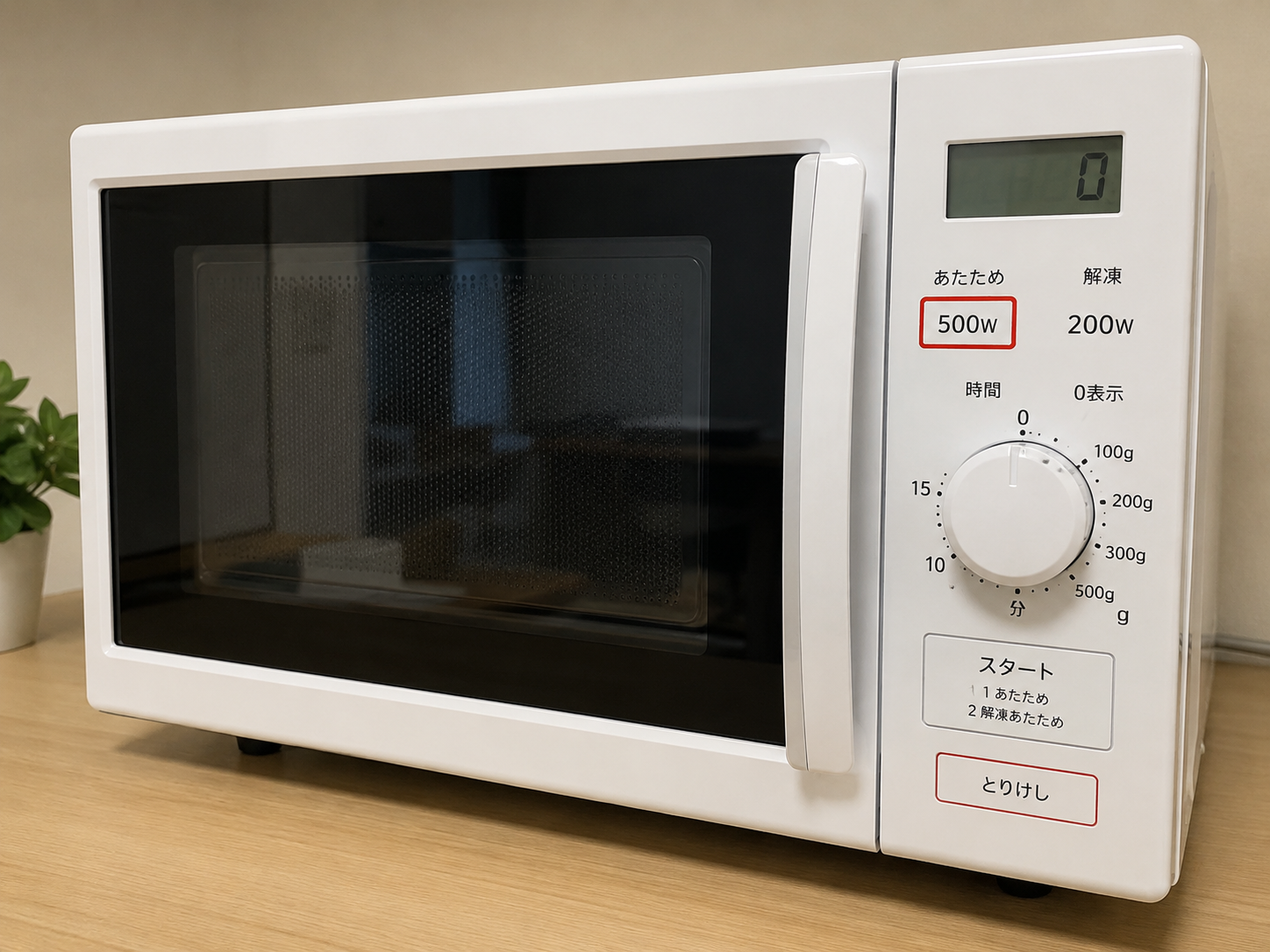
When you look at appliances like microwave ovens or hair dryers, you’ll often see labels such as “1200 W.”
That’s the same unit of power.
A higher wattage means the appliance uses more energy—and gets more work done—in the same amount of time.
The watt is named after James Watt, the engineer famous for improving the steam engine.
If James Joule helped us understand what energy is, James Watt gave us the unit for measuring how quickly energy is used.
It’s fascinating to realize that ideas beginning with speed and height eventually explain the numbers printed on everyday household appliances.
Perhaps after reading this, you’ll never look at those numbers in quite the same way again.
Contact & Collaboration
Discover the fun and wonder of science through easy-to-follow experiments you can try at home. Feel free to explore the site for more ideas!
• Learn more about Ken Kuwako here:
About the Author
• For writing, lectures, science workshops, TV consulting, or media appearances:
Contact & Booking
• Follow the latest articles on X!
 Science Notes Channel features fun experiment videos!
9月のイチオシ実験!
お弁当箱をプラバンがわりにしてキーホルダーを作ろう!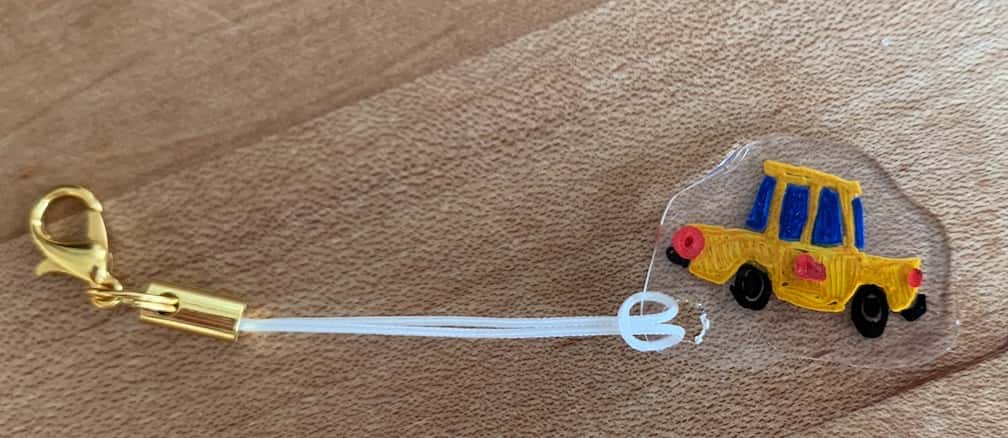
テレビ番組監修・イベント等のお知らせ
- 8月27日(木)科学監修番組放送予定
- 9月20日(日)ダビンチマスターズ出演予定
- 10月10日(土)11:15~12:00 千葉市科学フェスタ2026「桑子先生の回転科学ショー」にてサイエンスショーを行います。
- 12月26日(土) ナリカサイエンスアカデミー(教員向け実験講習会)開催
書籍のお知らせ
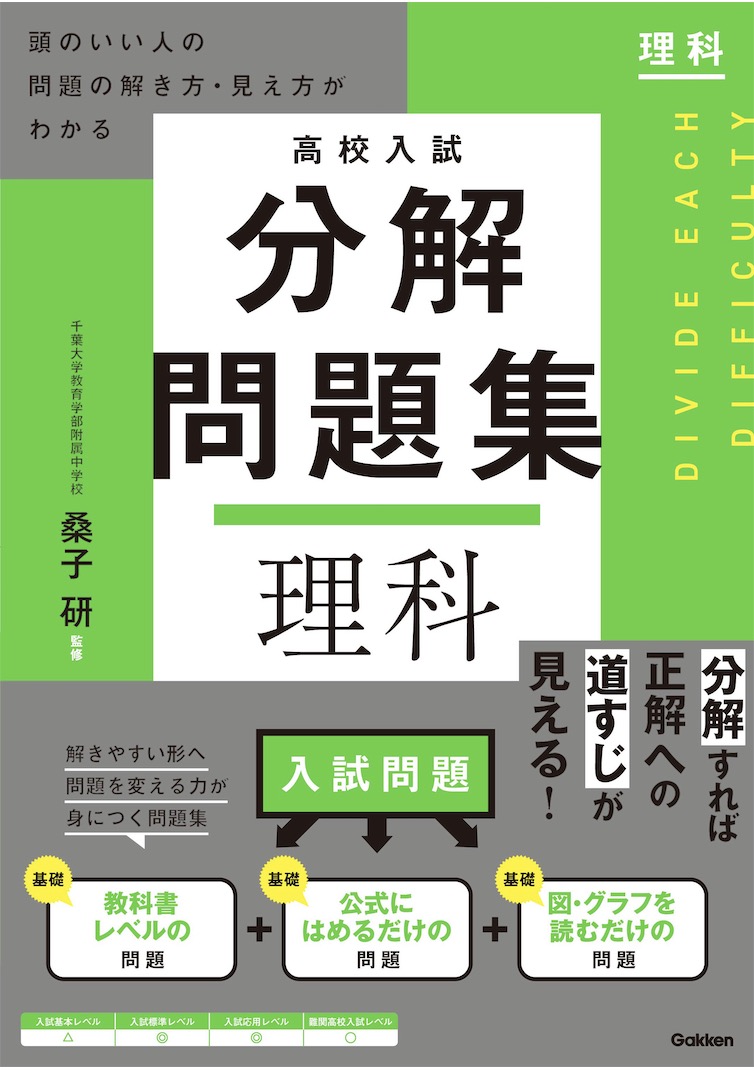
- 『高校入試 分解問題集 理科』(学研)…難しい問題も小さな問題に分解することで、問題を解くことができます。そんな分解の技術が身につくように深く関わりを持って作りました。
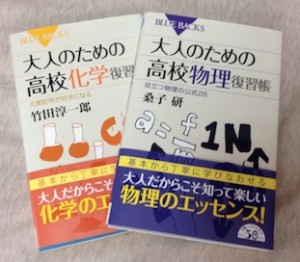
 『大人のための高校物理復習帳』(講談社)…一般向けに日常の物理について公式を元に紐解きました。特設サイトでは実験を多数紹介しています。※増刷がかかり6刷となりました(2026/02/01)
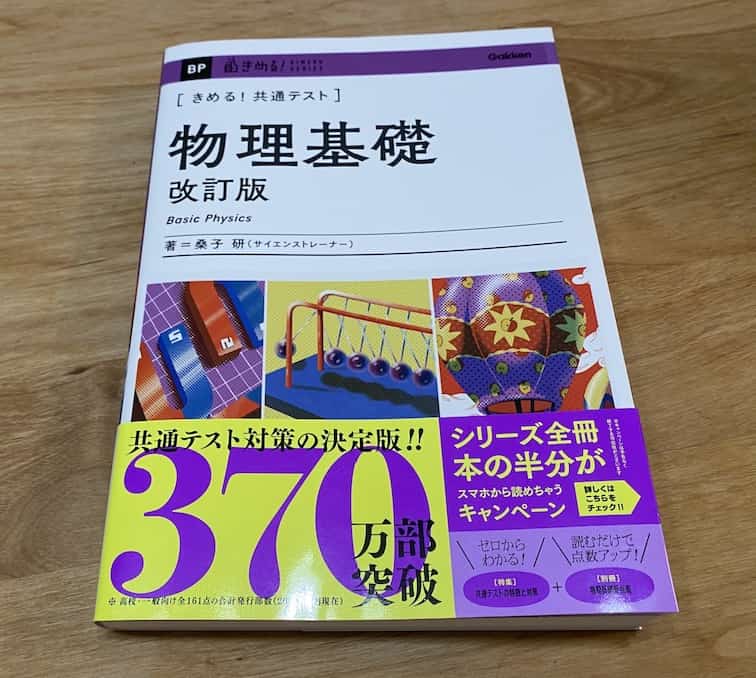
- 『きめる!共通テスト 物理基礎 改訂版』(学研)… 高校物理の参考書です。イラストを多くしてイメージが持てるように描きました。授業についていけない、物理が苦手、そんな生徒におすすめです。特設サイトはこちら。
各種SNS(更新情報をお届け!)
【日本語】X(Twitter)/instagram/Facebook 【英語】BlueSky/Threads
Explore
- 楽しい実験…お子さんと一緒に夢中になれるイチオシの科学実験を多数紹介しています。また、高校物理の理解を深めるための動画教材も用意しました。
- 理科の教材… 理科教師をバックアップ!授業の質を高め、準備を効率化するための選りすぐりの教材を紹介しています。
- Youtube…科学実験等の動画を配信しています。
- 科学ラジオ …科学トピックをほぼ毎日配信中!AI技術を駆使して作成した「耳で楽しむ科学」をお届けします。
- 講演 …全国各地で実験講習会・サイエンスショー等を行っています。
- About …「科学のネタ帳」のコンセプトや、運営者である桑子研のプロフィール・想いをまとめています。
- お問い合わせ …実験教室のご依頼、執筆・講演の相談、科学監修等はこちらのフォームからお寄せください。