Gills, a Heart, a Lens, an Ink Sac… The Wonders of Life We Found Inside a Squid
I’m Ken Kuwako, the Science Trainer. Every day is an experiment!
Hidden Treasures Inside a Squid? A Science Club Dissection Adventure
Have you ever heard someone say, “We’re going to dissect a squid,” and thought, “Wait… the same squid we eat for dinner?” That’s exactly how many people react at first. But once we picked up a pair of kitchen scissors and carefully opened one up, we discovered an incredible world of biological engineering hidden inside. Today, I’d like to share the excitement and discoveries from our science club’s squid dissection.
Here’s the squid we bought for the activity.
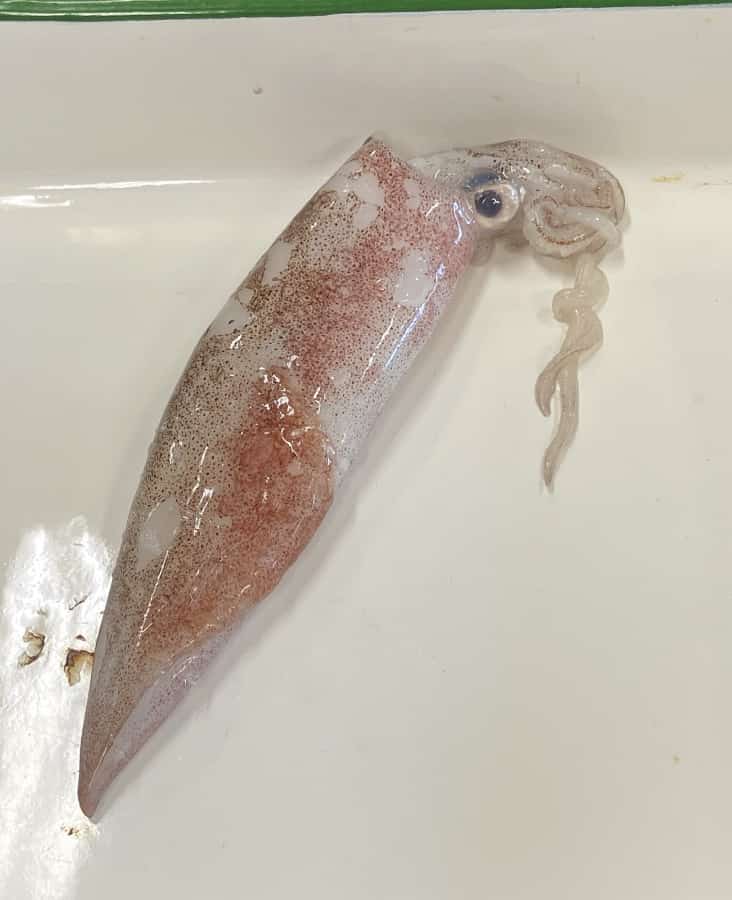
For many middle school students, the word “dissection” can sound a little intimidating. But once they realize they’re working with the same squid that’s often served at the dinner table, the tension quickly melts away. Squid are actually ideal for beginners because their organs are compact and easy to examine. During our science club meeting, everyone worked together, discussed their observations, and enjoyed a relaxed, curiosity-filled atmosphere from start to finish.
Materials and Preparation
For this activity, we prepared the following:
– Fresh or frozen Japanese flying squid (one per student or group is ideal)
– Kitchen scissors
– Tweezers
– A tray or an opened milk carton as a work surface
– Disposable gloves and newspaper
– Soy sauce (for observing the stomach)
We also followed an excellent squid dissection video available on YouTube. Watching it together before starting helps everyone understand the overall procedure.
Opening the Squid
Using kitchen scissors, we carefully opened the squid’s body. Unlike preparing food in the kitchen, this time every cut came with a question: “What’s hiding inside?” That sense of curiosity is what makes dissection so fascinating.
To everyone’s surprise, we found that squid have clearly recognizable gills and even a heart.
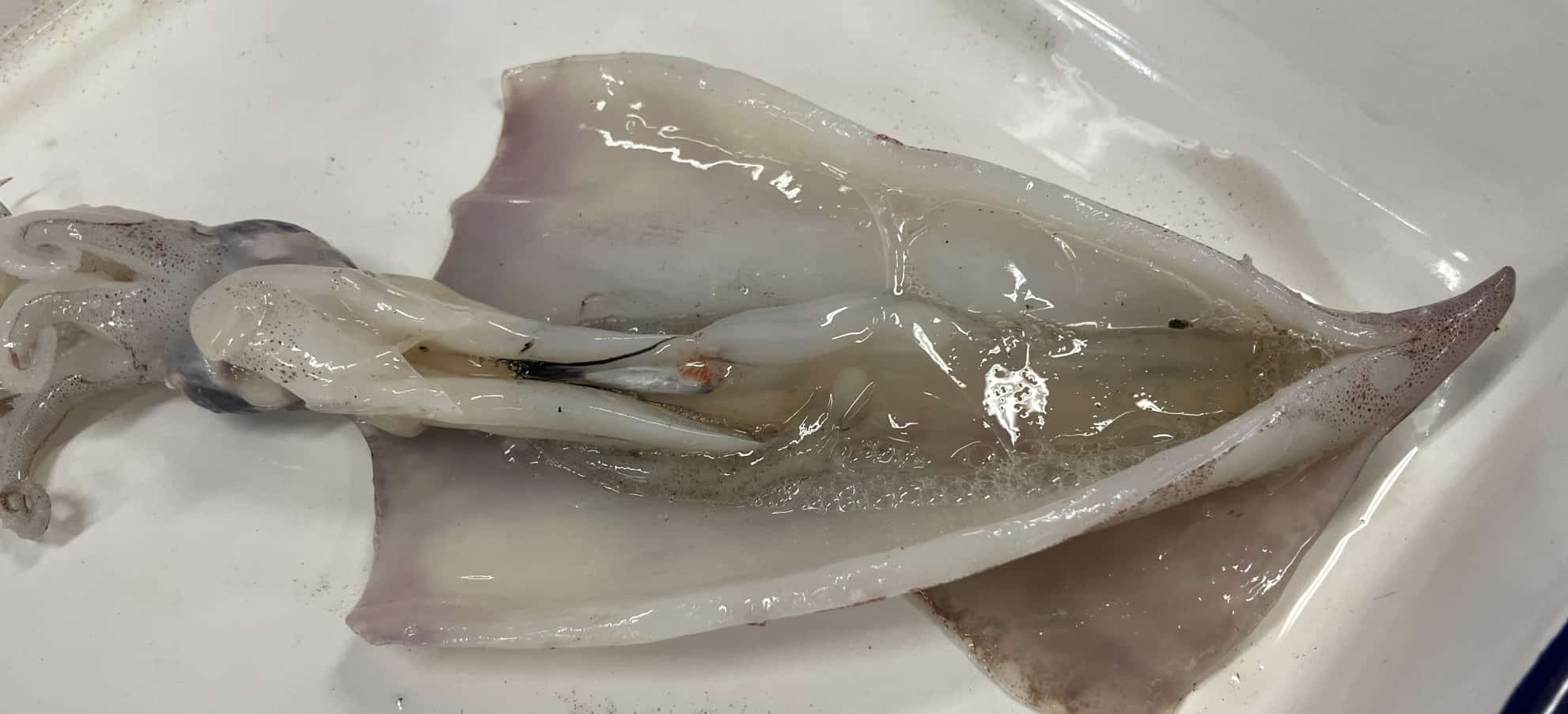
“So squid really do have gills, just like fish!”
The students were amazed. Although squid don’t look much like fish, they also breathe by taking oxygen from the water through their gills.
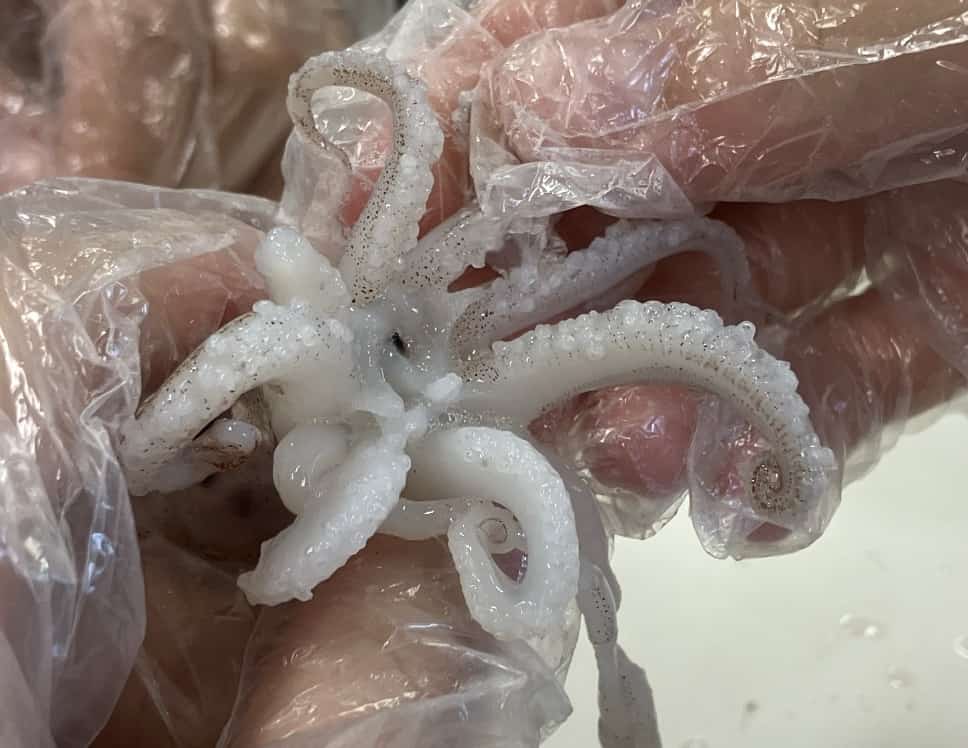
Next came one of our favorite discoveries. We gently poured soy sauce into the squid’s mouth, and suddenly the shape of the stomach and its internal pathways became much easier to see. The dark color of the soy sauce highlighted structures that would otherwise have been difficult to distinguish. It’s a wonderfully simple trick, yet it perfectly demonstrates the kind of creative thinking scientists use when making invisible structures visible.
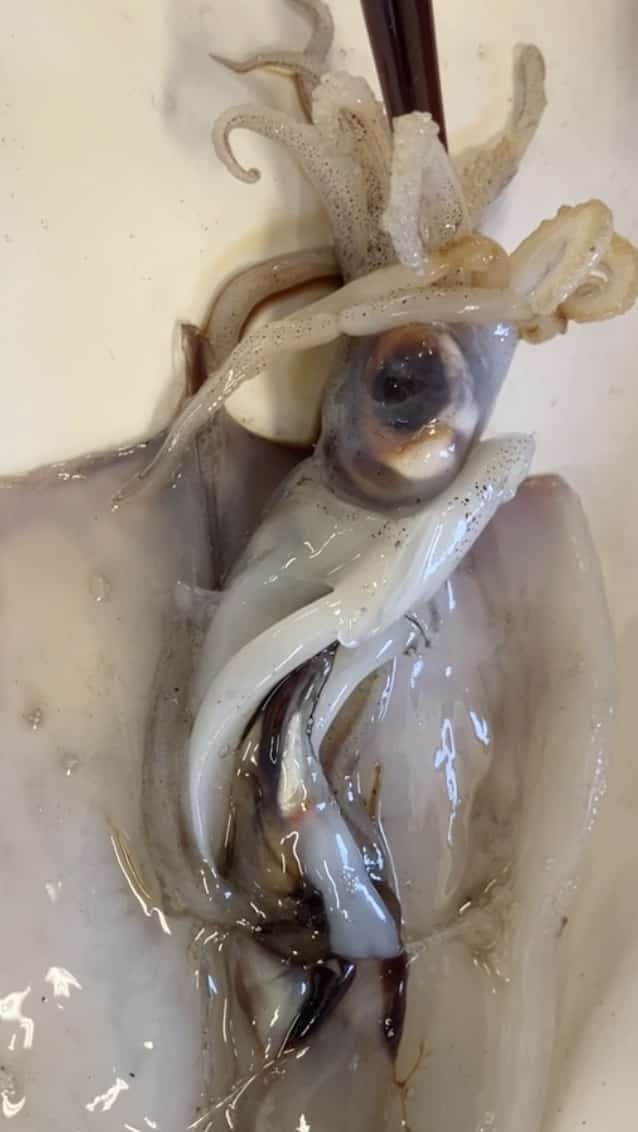
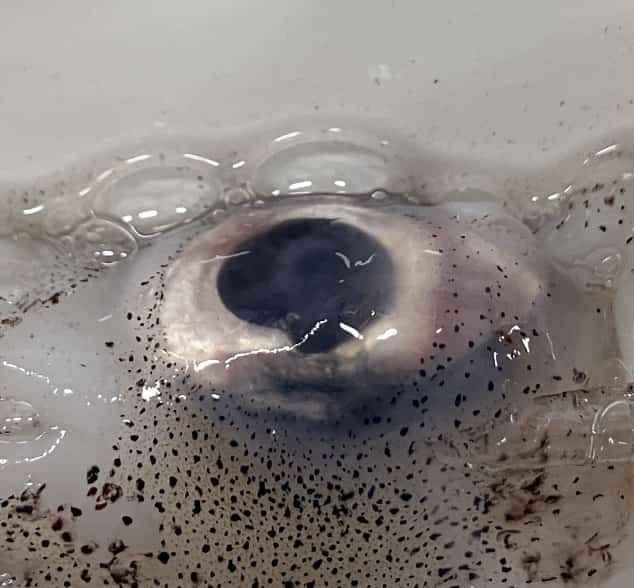
Then we turned our attention to the squid’s eye.
Inside, we carefully removed a beautifully transparent lens.
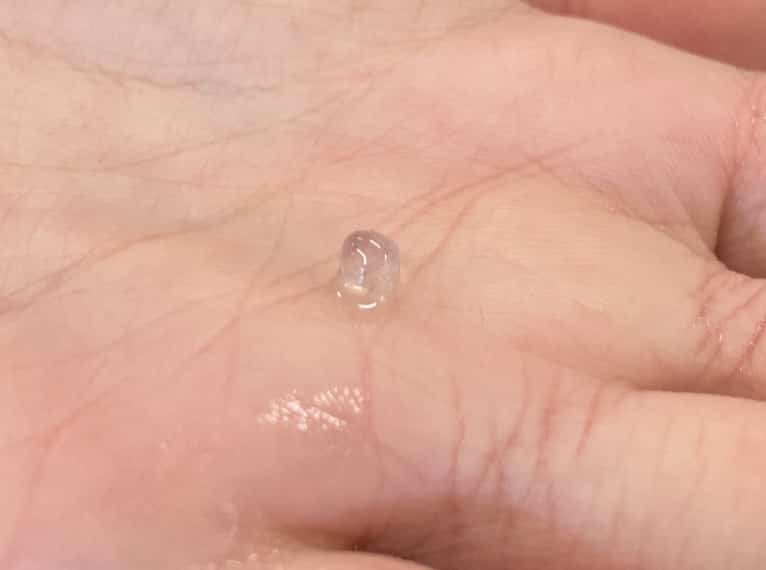
A squid’s eye is remarkably similar to the human eye, complete with a sophisticated lens that allows it to focus underwater. Even more fascinating, squid and humans evolved these similar eye structures independently. This is a classic example of what biologists call “convergent evolution,” where completely unrelated organisms arrive at strikingly similar solutions to the same challenge.
Finally, we examined perhaps the squid’s most famous feature: the ink sac. When we carefully removed and opened it, thick black ink slowly flowed out.
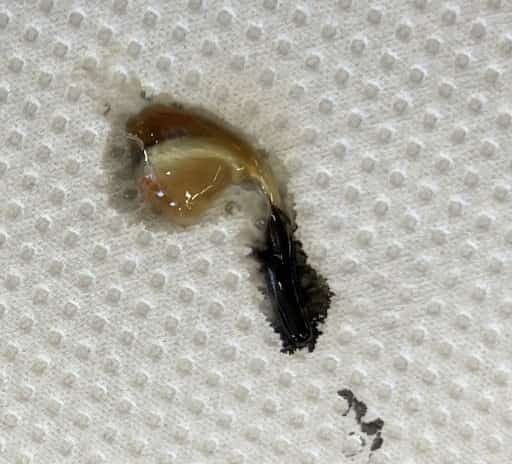
Squid ink does much more than create a cloud of darkness. Because it’s slightly sticky, it can hold its shape underwater for a short time, forming a decoy that distracts predators while the squid escapes.
Moments like these are impossible to capture fully in a textbook diagram. Seeing how an organ’s structure directly relates to its function makes biology come alive in a way that pictures simply can’t.
Why Even First-Time Dissections Went So Smoothly
This was actually our science club’s very first squid dissection. Even so, the students approached the activity with confidence and curiosity. One reason was that the day before, they had already completed a pig eye dissection.
Because they had already practiced handling the tools and making careful observations, they were able to focus naturally on exploring the squid’s anatomy. It reminded me how valuable it is to build scientific skills step by step.
Dissection is sometimes seen as a special or unusual science activity, but in many ways it represents the very heart of scientific inquiry.
“Why is it built this way?”
“What did this organ actually do?”
Questions like these not only reveal the amazing design of living organisms but also encourage students to develop a deeper appreciation for life itself.
Squid dissections are inexpensive, safe, and packed with fascinating discoveries, making them an outstanding teaching resource. Whether you’re running a science club or teaching biology in the classroom, this activity is sure to spark students’ curiosity and inspire them to ask even more questions about the natural world.
Contact and Collaboration
Science is full of amazing surprises, and I love making them easy and fun to explore! On this site you’ll find plenty of hands-on science experiments you can try at home, along with practical tips and explanations. Feel free to look around!
– Learn more about Ken Kuwako here.
– For writing, lectures, science workshops, TV consulting, media appearances, and other collaborations, click here.
– Follow the latest article updates on X!
 Science Idea Channel features fun experiment videos you can enjoy anytime!
9月のイチオシ実験!
お弁当箱をプラバンがわりにしてキーホルダーを作ろう!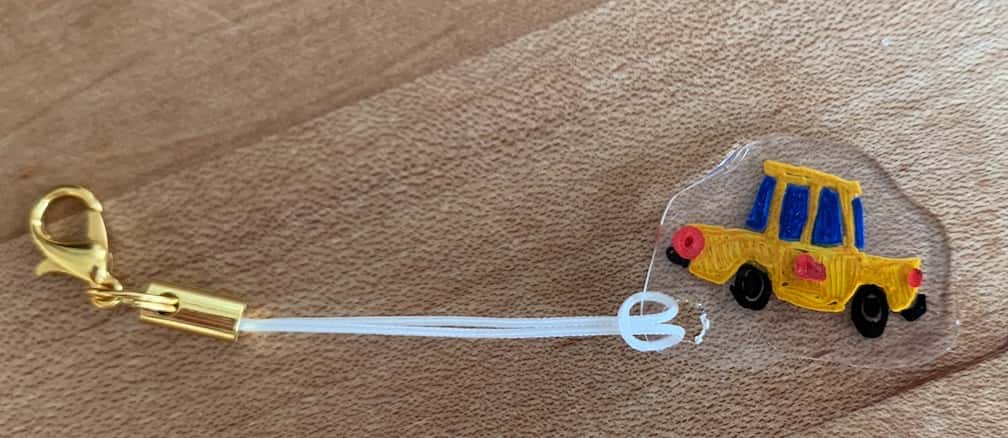
テレビ番組監修・イベント等のお知らせ
- 8月27日(木)科学監修番組放送予定
- 9月20日(日)ダビンチマスターズ出演予定
- 10月10日(土)11:15~12:00 千葉市科学フェスタ2026「桑子先生の回転科学ショー」にてサイエンスショーを行います。
- 12月26日(土) ナリカサイエンスアカデミー(教員向け実験講習会)開催
書籍のお知らせ
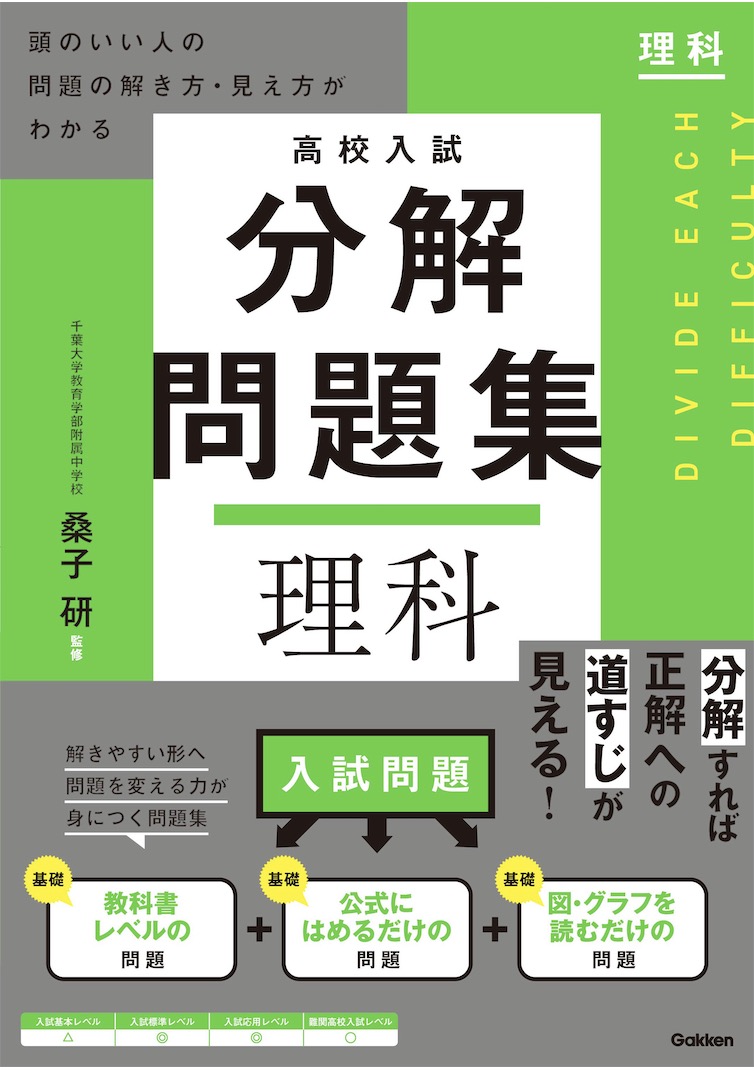
- 『高校入試 分解問題集 理科』(学研)…難しい問題も小さな問題に分解することで、問題を解くことができます。そんな分解の技術が身につくように深く関わりを持って作りました。
 『大人のための高校物理復習帳』(講談社)…一般向けに日常の物理について公式を元に紐解きました。特設サイトでは実験を多数紹介しています。※増刷がかかり6刷となりました(2026/02/01)
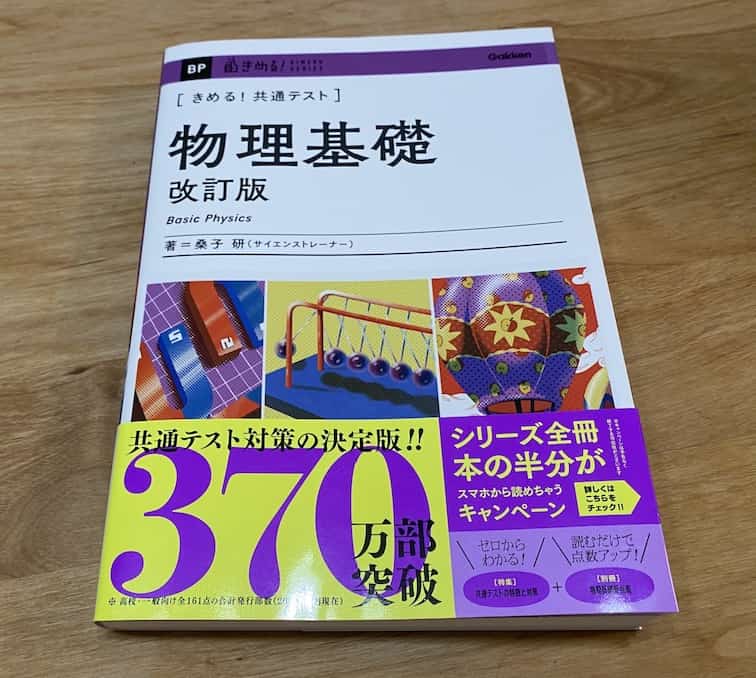
- 『きめる!共通テスト 物理基礎 改訂版』(学研)… 高校物理の参考書です。イラストを多くしてイメージが持てるように描きました。授業についていけない、物理が苦手、そんな生徒におすすめです。特設サイトはこちら。
各種SNS(更新情報をお届け!)
【日本語】X(Twitter)/instagram/Facebook 【英語】BlueSky/Threads
Explore
- 楽しい実験…お子さんと一緒に夢中になれるイチオシの科学実験を多数紹介しています。また、高校物理の理解を深めるための動画教材も用意しました。
- 理科の教材… 理科教師をバックアップ!授業の質を高め、準備を効率化するための選りすぐりの教材を紹介しています。
- Youtube…科学実験等の動画を配信しています。
- 科学ラジオ …科学トピックをほぼ毎日配信中!AI技術を駆使して作成した「耳で楽しむ科学」をお届けします。
- 講演 …全国各地で実験講習会・サイエンスショー等を行っています。
- About …「科学のネタ帳」のコンセプトや、運営者である桑子研のプロフィール・想いをまとめています。
- お問い合わせ …実験教室のご依頼、執筆・講演の相談、科学監修等はこちらのフォームからお寄せください。