Neutralization with a Tiny Bottle!? Unlocking the Secrets of Hydrochloric Acid and Sodium Hydroxide Through Microscale Experiments
I’m Ken Kuwako, the Science Trainer. Every day is an experiment.
Have you ever thought, “Using lots of chemicals in science experiments can’t be very good for the environment…”? Fortunately, there’s a clever solution: micro-scale experiments. In this article, we’ll use this eco-friendly approach to explore the neutralization reaction between hydrochloric acid and sodium hydroxide.
What Is a Micro-Scale Experiment?
As the name suggests, a micro-scale experiment is one that uses very small amounts of chemicals. Since less chemical is used, much less waste liquid is produced afterward. That makes it a much more environmentally friendly way to experiment.
For this activity, we used 1 mol/L hydrochloric acid and 1 mol/L sodium hydroxide, along with a tiny dropper container called a “Petit Bottle.”
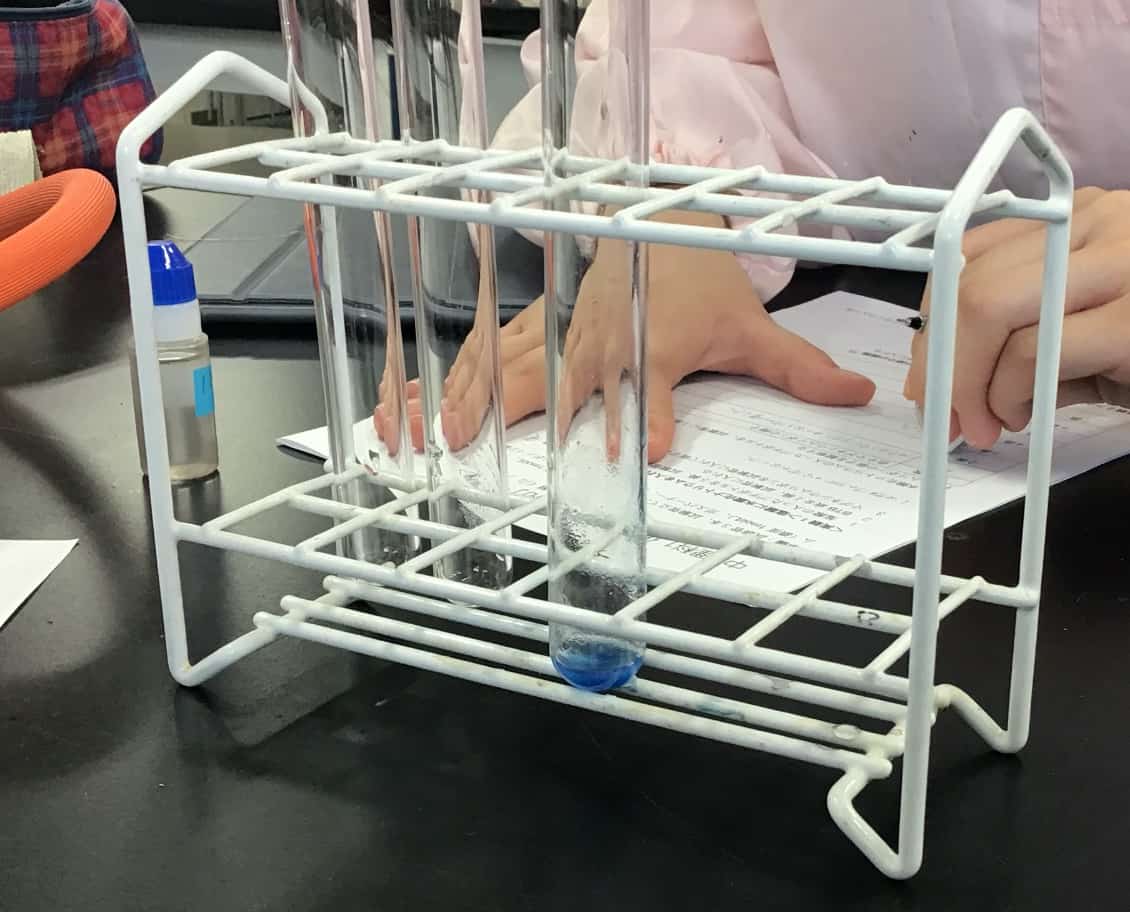
We added one drop at a time into a test tube while carefully watching the color change of the BTB solution. The goal of a neutralization experiment is to find the exact point where the acid and the alkali perfectly cancel each other out, so paying close attention to every color change is essential.
Discovering the Importance of a Single Drop
In many traditional experiments, chemicals are added in 1 mL portions using a pipette.
With a Petit Bottle, however, you can control the amount one tiny drop at a time. It’s a bit like adding seasoning little by little while cooking until the flavor is just right.
That said, using the bottle takes a little practice. To produce neat, consistent drops, you need to aim carefully so the liquid doesn’t stick to the side of the test tube. This simple technique is actually a great way to develop two important scientific skills: accuracy and reproducibility.
What Happens After the Water Evaporates?
The fun doesn’t end with the color change.
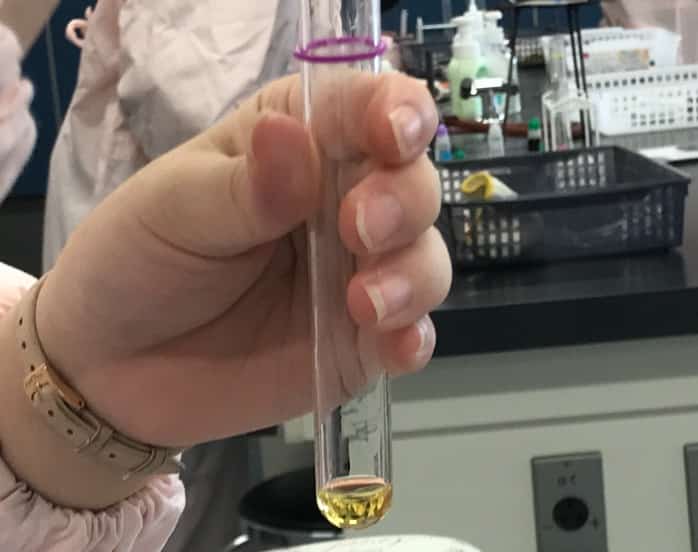
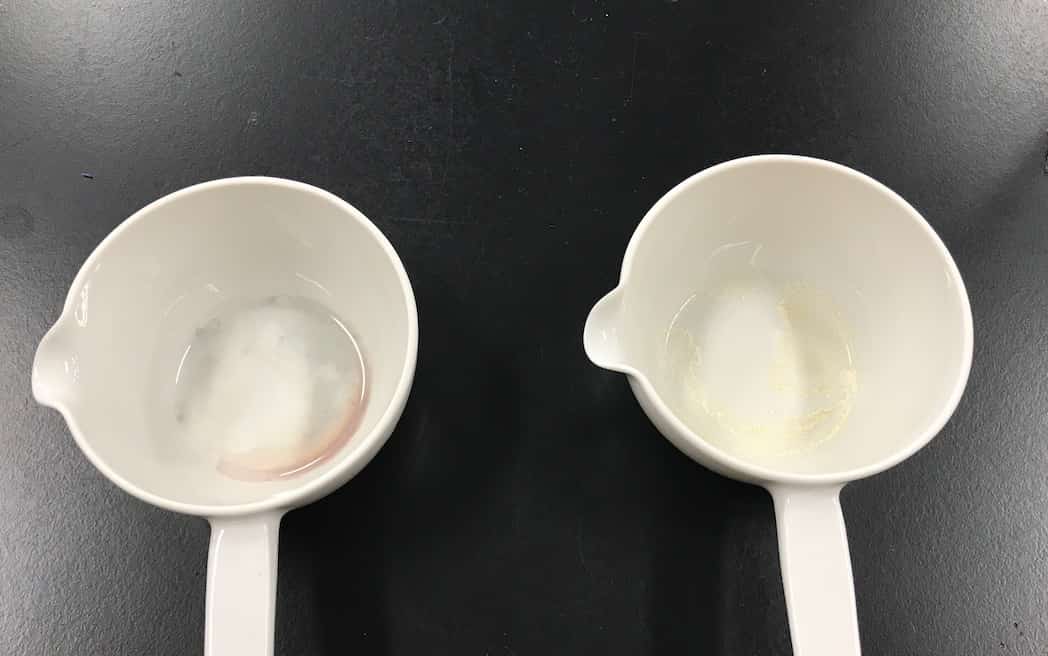
We placed both the hydrochloric acid solution before neutralization and the neutralized solution into separate evaporating dishes, then gently evaporated the water.
What do you think was left behind?

It’s a little difficult to see in the photo, but the dish on the left contains hydrochloric acid with BTB indicator, while the one on the right contains the neutralized solution, adjusted to be slightly acidic. On the right, you can spot a fine white powder.
The White Powder Is Something You Eat Every Day
That mysterious white powder is sodium chloride (NaCl), produced when hydrochloric acid (HCl) reacts with sodium hydroxide (NaOH). In other words, it’s simply table salt.
The neutralization reaction can be written like this:
Hydrochloric Acid + Sodium Hydroxide → Sodium Chloride + Water
Whenever an acid reacts with an alkali, the products are water and a substance known as a “salt.” In this particular experiment, that salt just happens to be ordinary table salt.
One of the most exciting moments in chemistry is seeing an invisible reaction suddenly become visible. After the water evaporates, the dissolved salt appears as tiny white crystals—a satisfying piece of evidence that the reaction really happened.
Perfect for Small-Group Learning
Another advantage of micro-scale experiments is that they require so little chemical that one setup can easily be shared by just two students. Instead of a large group crowding around a single experiment, everyone gets more opportunities to handle the equipment, make observations, and think through the results themselves.
A tiny bottle produced just a tiny pinch of white powder—but inside that powder was the story of one of chemistry’s most fundamental reactions. Sometimes, the smallest experiments reveal the biggest scientific ideas.
Contact & Requests
Science is full of surprises, and it’s even more fun when you can experience it yourself! This site is packed with easy-to-understand science experiments you can try at home, along with practical tips to help them succeed. Feel free to explore!
・The Science Notebook has been published as a book. Learn more here.
・Read more about Ken Kuwako here.
・For writing, lectures, science workshops, TV consulting, media appearances, and other inquiries, click here.
・Follow updates on new articles on X!
 Science Notebook Channel features fun science experiment videos!
9月のイチオシ実験!
お弁当箱をプラバンがわりにしてキーホルダーを作ろう!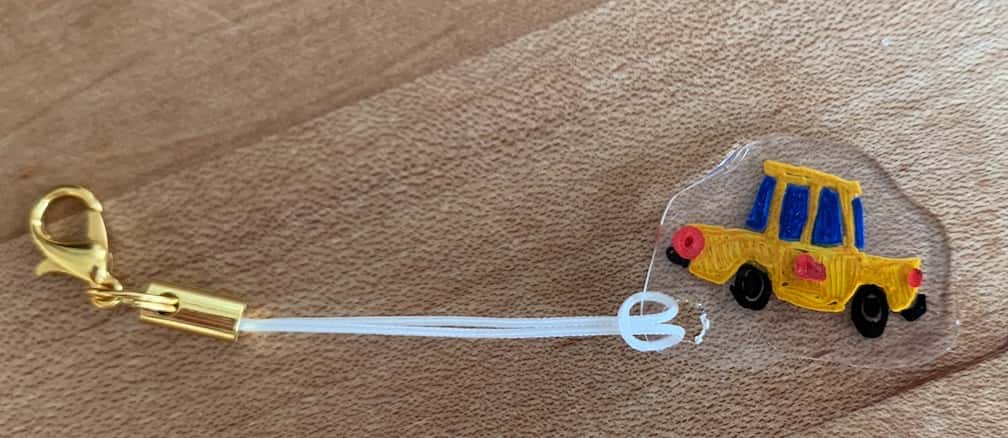
テレビ番組監修・イベント等のお知らせ
- 8月27日(木)科学監修番組放送予定
- 9月20日(日)ダビンチマスターズ出演予定
- 10月10日(土)11:15~12:00 千葉市科学フェスタ2026「桑子先生の回転科学ショー」にてサイエンスショーを行います。
- 12月26日(土) ナリカサイエンスアカデミー(教員向け実験講習会)開催
書籍のお知らせ
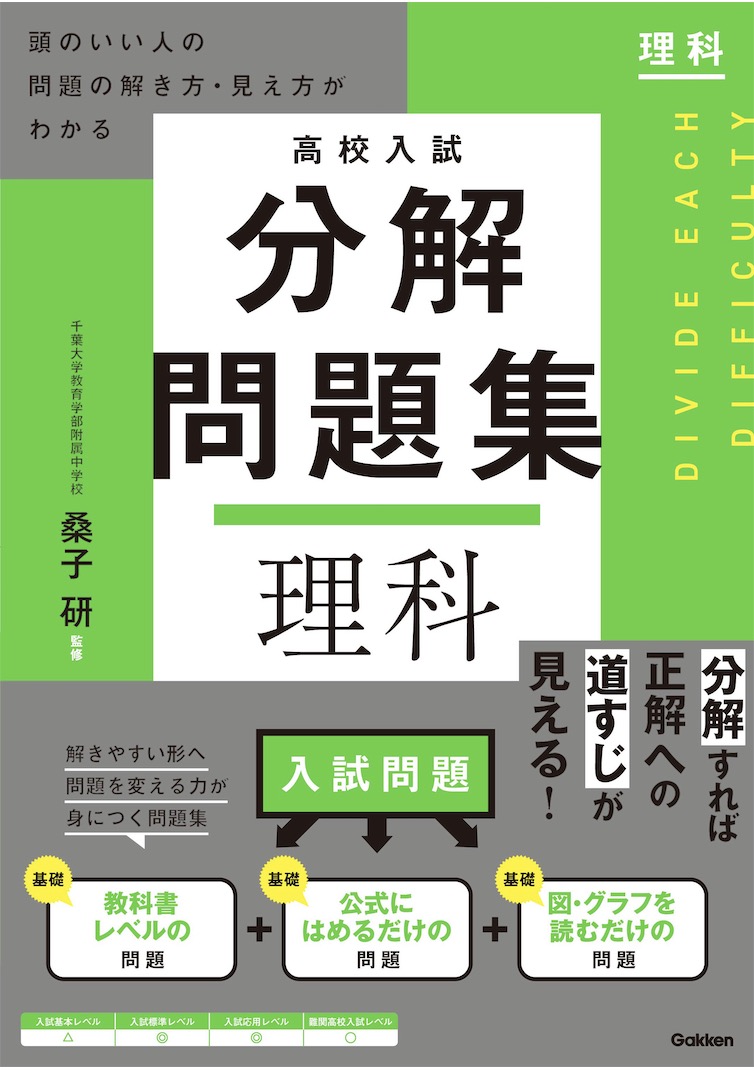
- 『高校入試 分解問題集 理科』(学研)…難しい問題も小さな問題に分解することで、問題を解くことができます。そんな分解の技術が身につくように深く関わりを持って作りました。
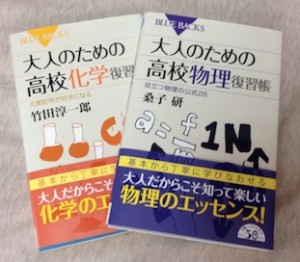
 『大人のための高校物理復習帳』(講談社)…一般向けに日常の物理について公式を元に紐解きました。特設サイトでは実験を多数紹介しています。※増刷がかかり6刷となりました(2026/02/01)
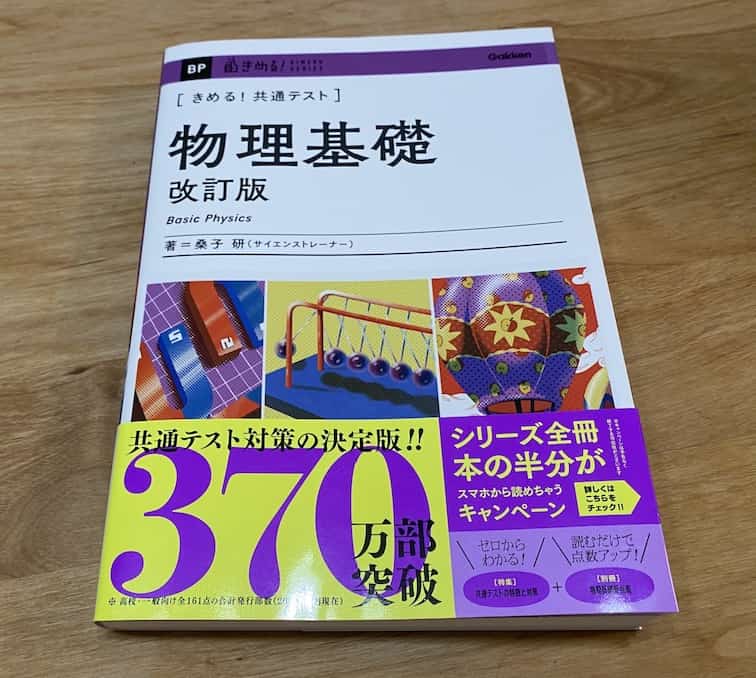
- 『きめる!共通テスト 物理基礎 改訂版』(学研)… 高校物理の参考書です。イラストを多くしてイメージが持てるように描きました。授業についていけない、物理が苦手、そんな生徒におすすめです。特設サイトはこちら。
各種SNS(更新情報をお届け!)
【日本語】X(Twitter)/instagram/Facebook 【英語】BlueSky/Threads
Explore
- 楽しい実験…お子さんと一緒に夢中になれるイチオシの科学実験を多数紹介しています。また、高校物理の理解を深めるための動画教材も用意しました。
- 理科の教材… 理科教師をバックアップ!授業の質を高め、準備を効率化するための選りすぐりの教材を紹介しています。
- Youtube…科学実験等の動画を配信しています。
- 科学ラジオ …科学トピックをほぼ毎日配信中!AI技術を駆使して作成した「耳で楽しむ科学」をお届けします。
- 講演 …全国各地で実験講習会・サイエンスショー等を行っています。
- About …「科学のネタ帳」のコンセプトや、運営者である桑子研のプロフィール・想いをまとめています。
- お問い合わせ …実験教室のご依頼、執筆・講演の相談、科学監修等はこちらのフォームからお寄せください。