Why Doesn’t Your Stomach Digest Itself? What a 170-Year-Old Accident Revealed (Video: “The Marvel of Human Digestion”)
I’m Ken Kuwako, your science educator. Every day is an experiment.
I first learned about this fascinating video, “The Wonders of Human Digestion,” from Mr. Y, and I’ve been showing it to my students every year ever since. It’s simply too good not to share.
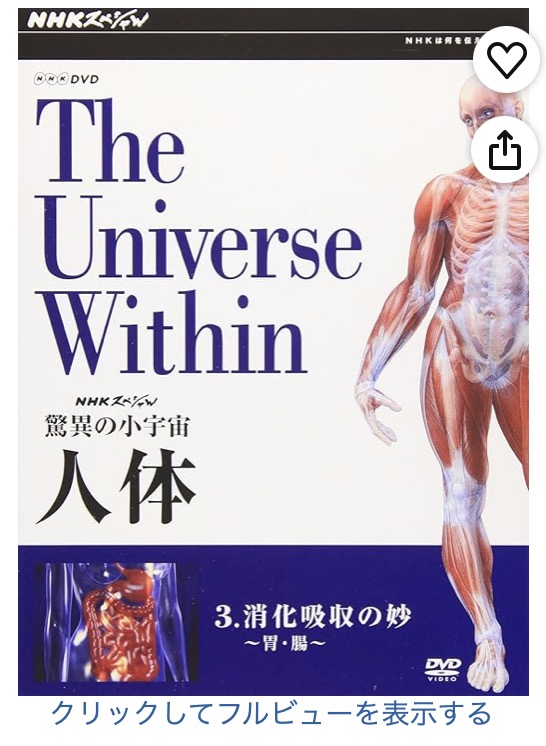
Have you ever wondered why your stomach doesn’t digest itself along with your food? The answer to that mystery traces back to a tragic accidental gunshot nearly 170 years ago. Today, let’s explore the incredible defense system hidden inside one of the hardest-working organs in your body.
Note for class: Show students from 5:05 to 26:19 (about 22 minutes), covering the esophagus, stomach, and small intestine.
Video Summary
Martin: The Man with a Hole in His Stomach
In 19th-century America lived a hunter named Alexis Martin. One day, an accidental gunshot left him with a severe abdominal injury that created a hole in his stomach. Although he miraculously survived, the wound never completely closed, leaving a small opening through which doctors could actually observe the inside of his stomach.
His physician, William Beaumont, saw an extraordinary opportunity. If medicine couldn’t fully repair the injury, perhaps it could unlock one of the greatest mysteries of the human body. With Martin’s cooperation, Beaumont suspended pieces of food into his stomach using strings and carefully recorded how long they took to dissolve. It became one of the world’s first studies of digestion in a living human.

Image generated with Gemini
His experiments revealed that digestion depends on the combined action of a powerful acid and special digestive chemicals. This groundbreaking discovery laid the foundation for modern digestive physiology. While these experiments would certainly raise ethical questions today, our scientific understanding of digestion might have developed much more slowly without them.
A 5 mm-Thick Organ That Produces 3 Liters of Digestive Juice Every Day
Once food enters the stomach through the esophagus, it is bathed in gastric juice that begins breaking down proteins. Surprisingly, your stomach produces about three liters of this powerful digestive fluid every single day—roughly the equivalent of two large soda bottles.
Even more amazing is that the stomach wall itself is only about 5 millimeters thick. Tiny blood vessels spread beneath its surface like a delicate web, supplying the materials needed to produce this remarkably strong acid. It’s astonishing to think that such a powerful chemical factory operates within such a thin layer of tissue.
Why Doesn’t Your Protein-Based Stomach Digest Itself?
This raises an obvious question. Gastric juice is designed to digest proteins—and your stomach is made largely of protein too. So why doesn’t it digest itself?
The answer began to emerge from an unexpected discovery made in 1972 by Professor Tyler at the University of Adelaide in Australia, involving one of the world’s strangest frogs.
The Frog That Raises Tadpoles Inside Its Stomach
Professor Tyler discovered a remarkable frog species that incubates its young inside its stomach. The mother swallows her eggs, where they hatch into tadpoles and continue developing.
Normally, those tadpoles should be digested by stomach acid. Instead, they survive because they are surrounded by a protective layer of mucus that shields them from the harsh digestive environment.
As it turns out, your own stomach uses exactly the same strategy.
The inside of your stomach is coated with a thick mucus layer that acts as a protective shield against both stomach acid and digestive enzymes. Under a microscope, this mucus forms an intricate microscopic mesh, almost like a protective net wrapped around the stomach wall.
As an aside, watching the video made me wonder: how do Anisakis parasites survive such incredibly strong stomach acid?
Stress Damages the Stomach by Breaking Down Its Protective Barrier
This mucus barrier is surprisingly fragile. Severe stress or excessive alcohol consumption can weaken it, allowing stomach acid to attack the stomach lining itself. That’s what happens when your stomach becomes irritated or develops an ulcer.
People often say that stress “hurts the stomach,” and that’s not just a figure of speech. Inside your body, your stomach’s natural defense system is literally beginning to fail.
Fortunately, the story doesn’t end there.
Even if the stomach lining is damaged, the surviving cells can begin repairing the injury in as little as one hour. It’s an astonishing example of the body’s self-healing abilities. While we’re completely unaware of it, our bodies are constantly repairing themselves around the clock.
After Digestion, the Acid Is Neutralized Before Entering the Small Intestine
After food has been broken down by the stomach’s powerful acid, it moves into the duodenum. There, the acid is neutralized, bringing the contents back toward a nearly neutral pH.
This step is essential. If the acid remained that strong, it would damage the delicate lining of the small intestine. Once neutralized, the food continues into the small intestine, where nutrients are finally absorbed into the body.
The section discussed here corresponds to approximately 5:05 through 26:19 of the video, ending just as the food reaches the small intestine. If you’re interested, it’s well worth watching the full video yourself.
It’s remarkable how many stories are hidden inside a single organ. From a tragic accident 170 years ago that revolutionized medical science, to an extraordinary frog from the Southern Hemisphere, to the incredible fact that your stomach can begin repairing itself within an hour—your digestive system is full of surprises.
The next time you casually think, “I’m hungry,” remember that an incredible series of chemical reactions is already unfolding inside you.
Contact & More Science Resources
Bring the excitement of science closer to everyday life! Here you’ll find easy-to-understand explanations and fun science experiments you can try at home. Feel free to explore!
・The Science Notebook has been published as a book. Learn more here.
・Learn more about Ken Kuwako here.
・For writing, lectures, science workshops, TV consulting, or media appearances, click here.
・Follow updates on new articles on X!
 The Science Notebook Channel features hands-on science experiment videos!
お知らせ!10/10 サイエンスショー開催(無料イベント!)
10月10日(土)11:15~12:00 千葉市科学フェスタ2026「桑子先生の回転科学ショー」にてサイエンスショーを行います。
10月のイチオシ実験!
テレビ番組監修・イベント等のお知らせ
- 12月26日(土) ナリカサイエンスアカデミー(教員向け実験講習会)開催
書籍のお知らせ
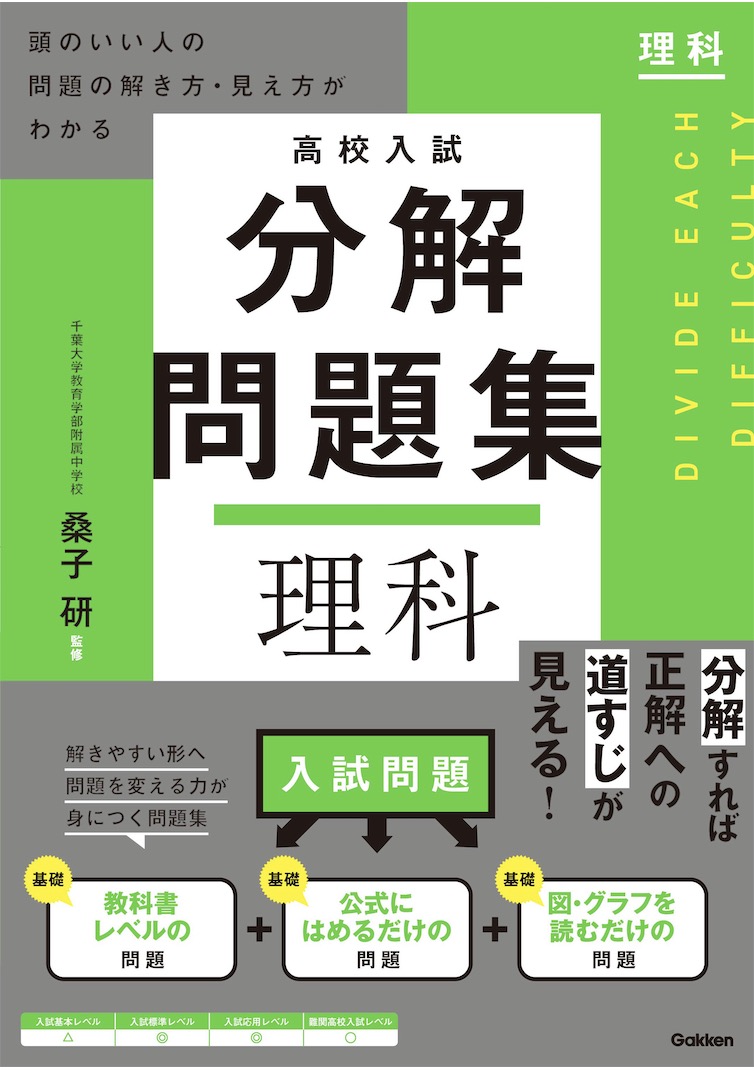
- 『高校入試 分解問題集 理科』(学研)…難しい問題も小さな問題に分解することで、問題を解くことができます。そんな分解の技術が身につくように深く関わりを持って作りました。
 『大人のための高校物理復習帳』(講談社)…一般向けに日常の物理について公式を元に紐解きました。特設サイトでは実験を多数紹介しています。※増刷がかかり6刷となりました(2026/02/01)

- 『きめる!共通テスト 物理基礎 改訂版』(学研)… 高校物理の参考書です。イラストを多くしてイメージが持てるように描きました。授業についていけない、物理が苦手、そんな生徒におすすめです。特設サイトはこちら。

各種SNS(更新情報をお届け!)
【日本語】X(Twitter)/instagram/Facebook 【英語】BlueSky/Threads
Explore
- 楽しい実験…お子さんと一緒に夢中になれるイチオシの科学実験を多数紹介しています。また、高校物理の理解を深めるための動画教材も用意しました。
- 理科の教材… 理科教師をバックアップ!授業の質を高め、準備を効率化するための選りすぐりの教材を紹介しています。
- Youtube…科学実験等の動画を配信しています。
- 科学ラジオ …科学トピックをほぼ毎日配信中!AI技術を駆使して作成した「耳で楽しむ科学」をお届けします。
- 講演 …全国各地で実験講習会・サイエンスショー等を行っています。
- About …「科学のネタ帳」のコンセプトや、運営者である桑子研のプロフィール・想いをまとめています。
- お問い合わせ …実験教室のご依頼、執筆・講演の相談、科学監修等はこちらのフォームからお寄せください。