Wait… You Weren’t Eating the Fruit!? The Surprising Truth Hidden in Strawberries and Apples
I’m Ken Kuwako, your Science Trainer. Every day is an experiment!
If I asked you, “Which part of a strawberry are you actually eating?” most of you would probably point to that sweet, juicy red part. But what if I told you that, from a botanical perspective, that part isn’t actually the fruit at all? Surprising, right?
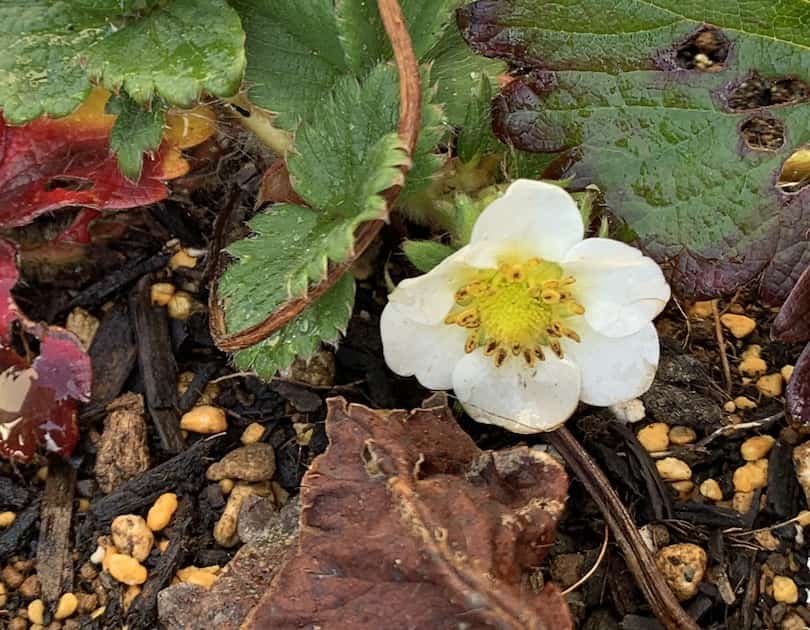
This year, I’ve been growing strawberries in my garden, and the delicate white flowers have finally begun to bloom. Watching these tiny petals transform into bright red treats reveals a fascinating “survival strategy” hidden within the plant world.
Here is a photo of the strawberry blossoms in my garden:
And here is how they look once they’ve grown into strawberries:
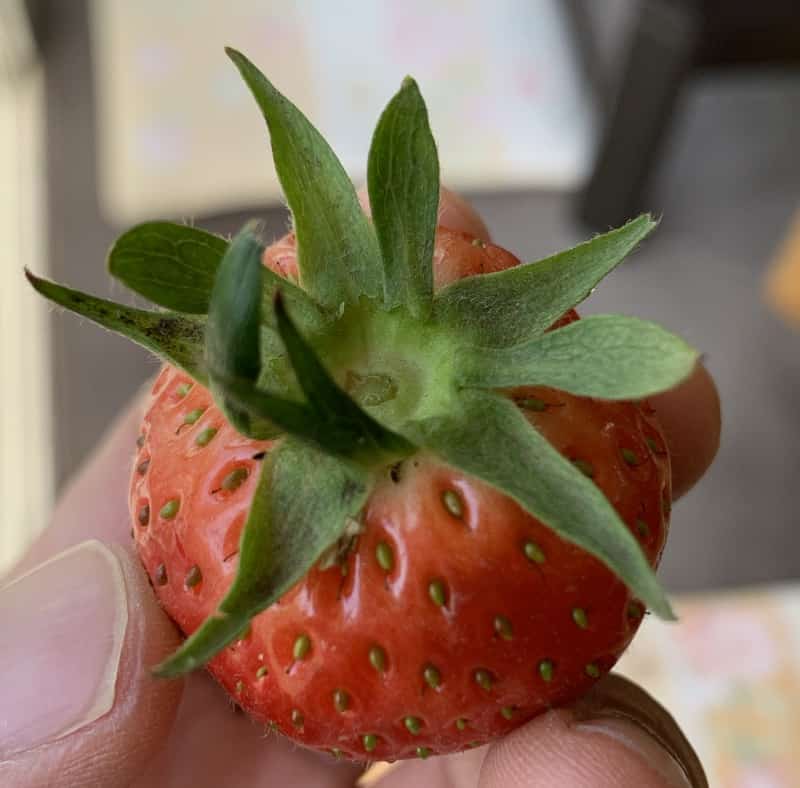
The Red Part Isn’t the Fruit?!
That sweet, red portion we all love isn’t classified as a fruit. It’s actually an enlarged version of the “receptacle.”
The receptacle is essentially the “base” or “platform” that supports the petals, stamens, and pistils. In other words, when we snack on a strawberry, we are eating the swollen tip of the flower’s stem. Knowing that makes your dessert look a little different, doesn’t it?
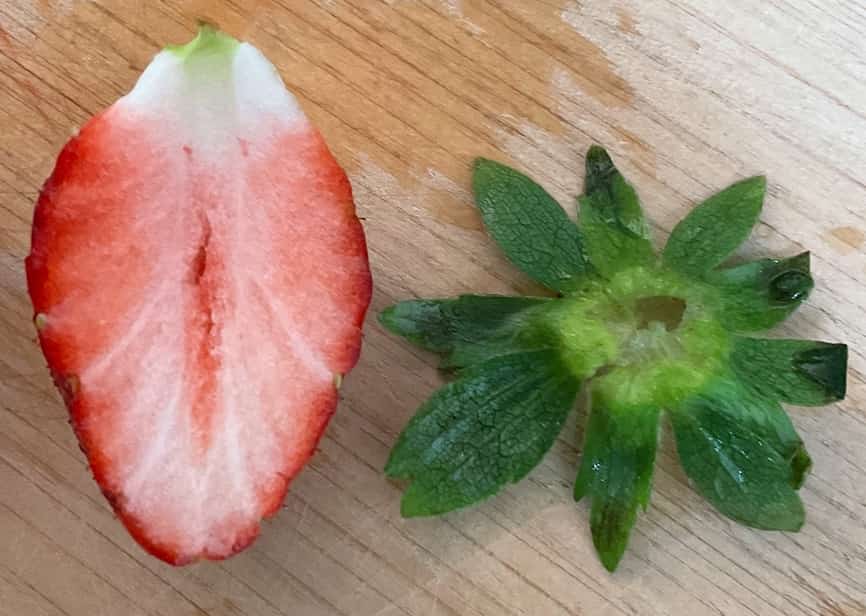
So, where is the “real” fruit? The answer lies in those tiny little seeds scattered across the surface.
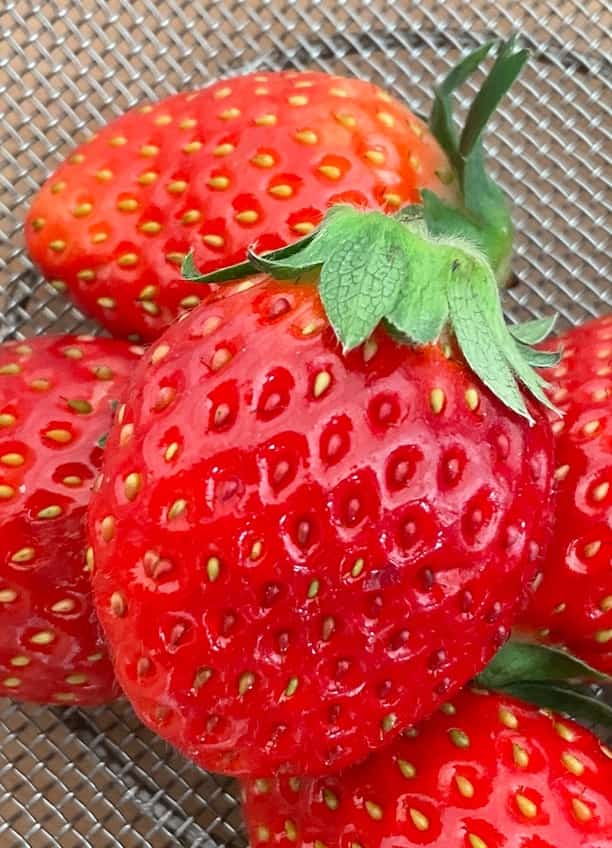
Each of those tiny dots is an individual fruit (called an achene), and each one contains a single seed. A strawberry is a unique structure where dozens of tiny fruits are gathered on a soft, red cushion. It’s a clever move by the plant: by offering a delicious base for animals to eat, it ensures its seeds are carried far and wide.
If you look closely at the flower again with this in mind, you can see the center is already starting to swell.
While observing my garden, I also spotted “runners” (stolons) creeping along the ground.
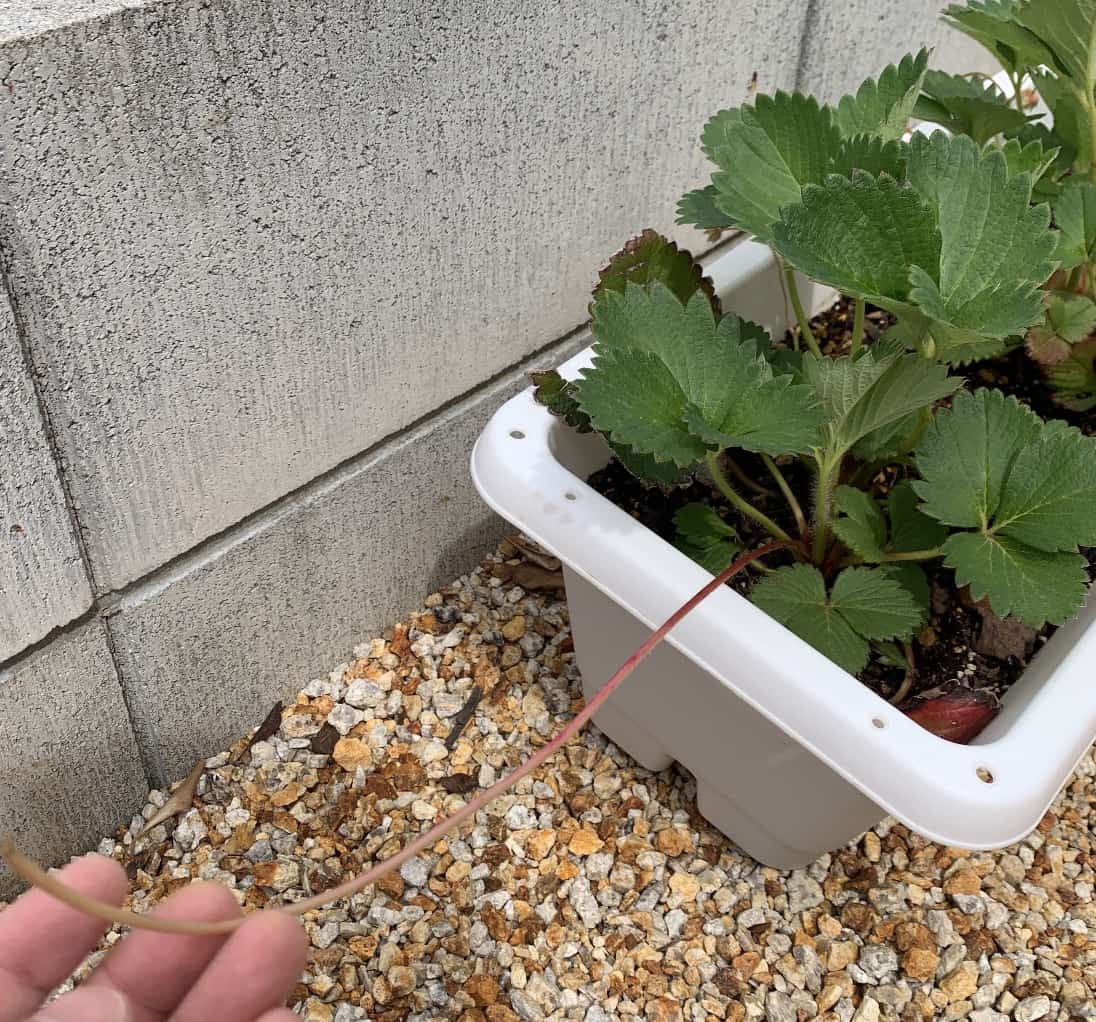
Using these runners, strawberries can actually create clones of themselves without pollination. Once a new “daughter plant” forms at the end of a runner and takes root, you can snip the connection to create a separate plant. It’s a powerful two-pronged strategy: spreading via seeds and expanding via clones!
Apples Share the Same Secret!
As we dive deeper into plant anatomy, we find an unexpected cousin to the strawberry: the apple. Believe it or not, the crunchy, sweet part of an apple that we eat is also a developed receptacle, just like the strawberry!
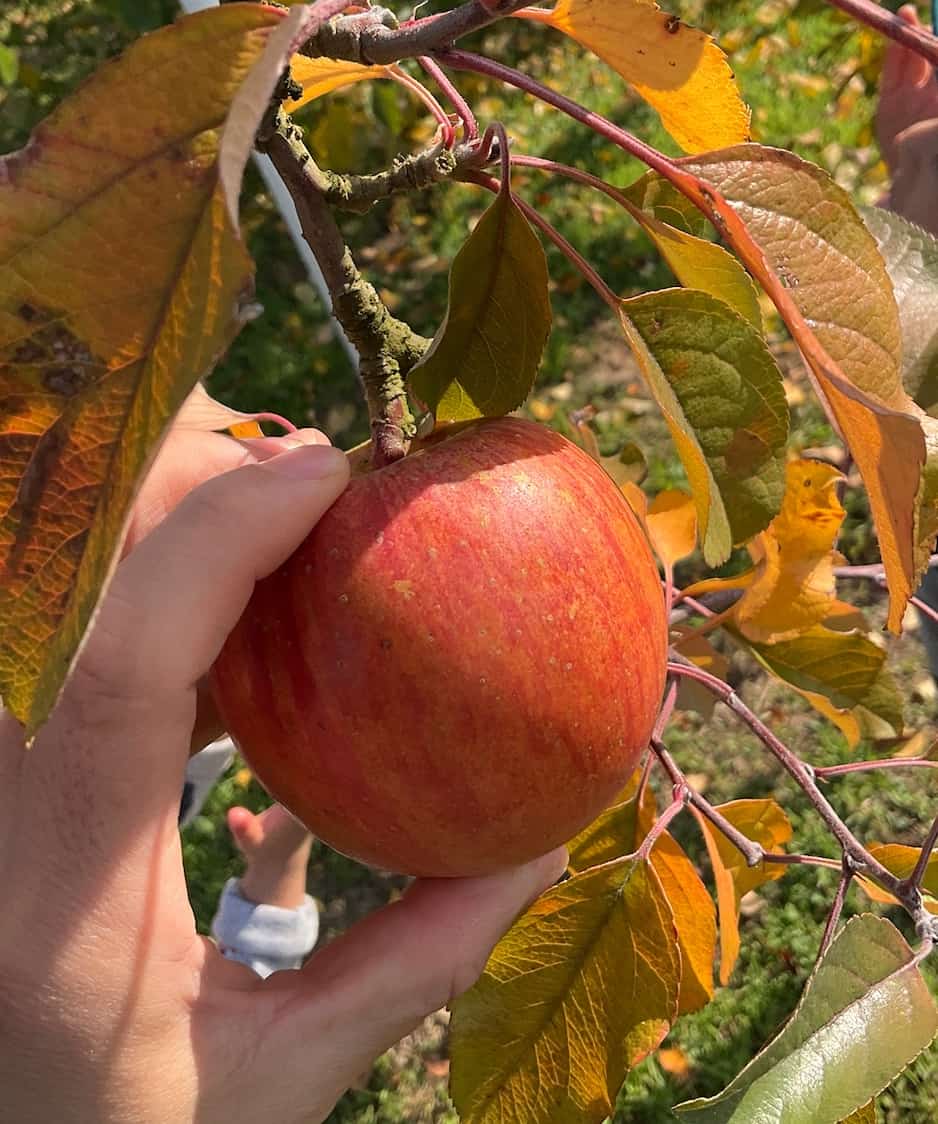
So where is the apple’s “true fruit”? It’s the core—the part we usually throw away.
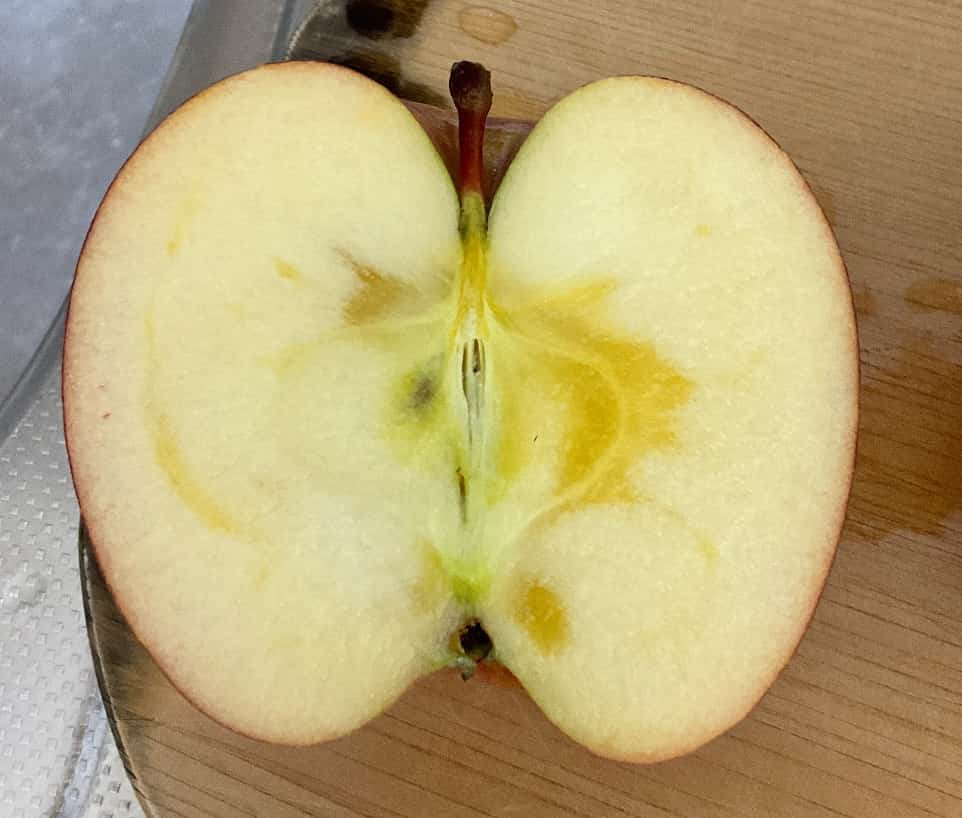
This tougher central area is the “ovary” at the base of the flower that has transformed into the authentic fruit. In the world of botany, these are called “accessory fruits” or “false fruits.” But don’t let the name fool you—they aren’t fakes; they are highly evolved survival tools.
Evidence of History Left Behind
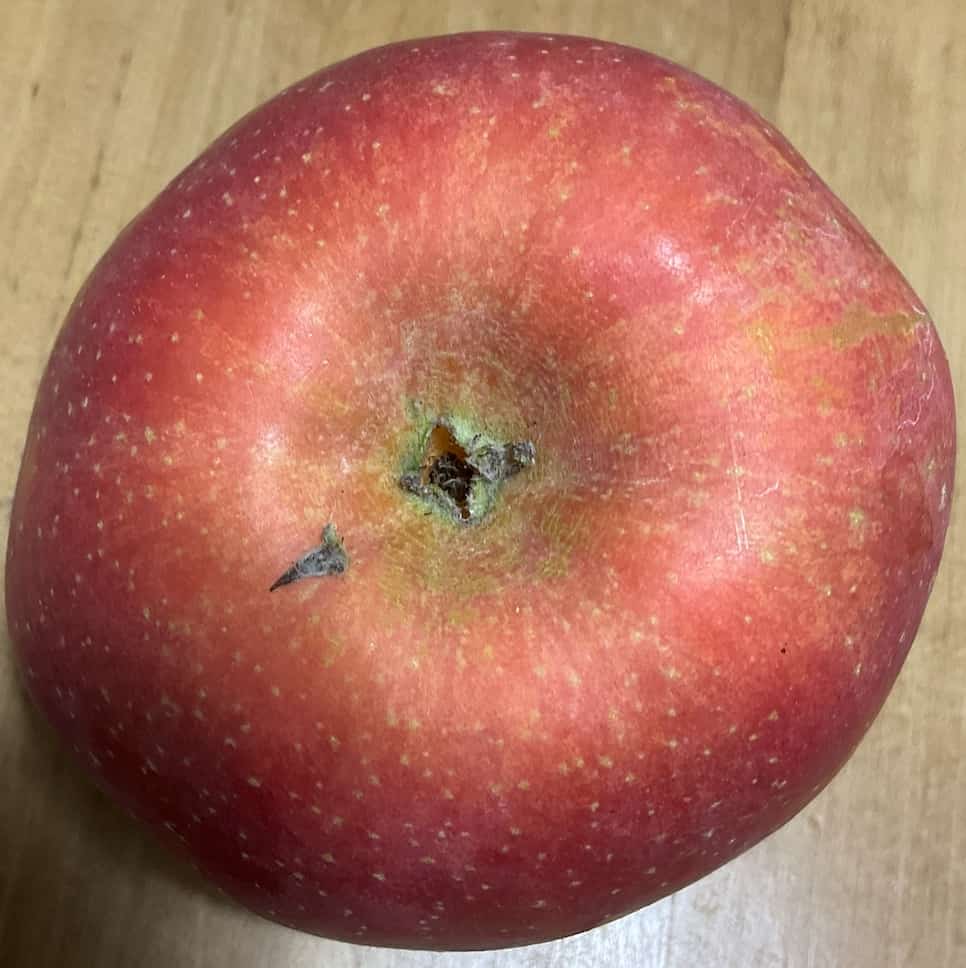
If you look at the bottom of an apple, there is even more to discover. Have you ever noticed that little shriveled cluster at the base? Those are the remnants of the sepals and stamens from when the apple was still a blossom.
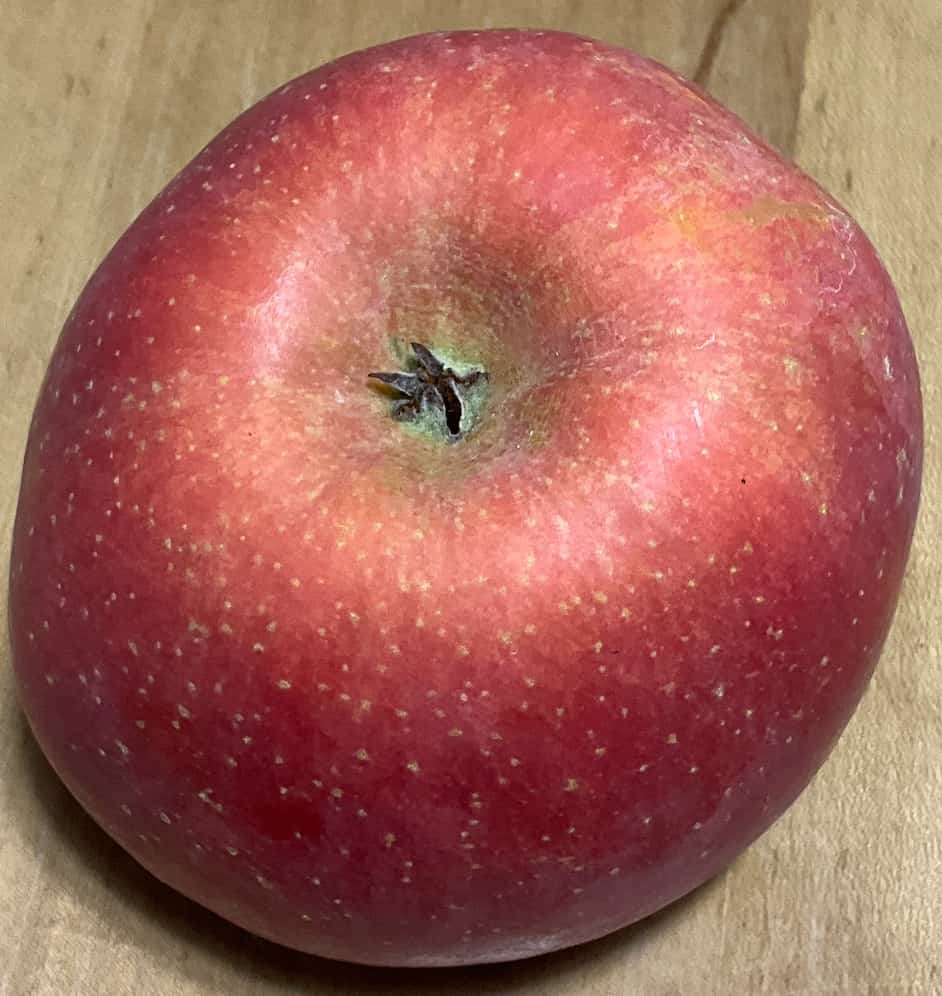
The outer part is the calyx (the sepals), and if you peek inside, you can see the clear traces of the stamens.
Eating fruit is like reading a “blueprint of life” designed by plants to ensure their future. When you observe your food through the lens of science, your kitchen turns into a fascinating laboratory.
Next time you enjoy a strawberry or an apple, take a moment to look at its incredible structure. There are amazing secrets hidden in almost every fruit!
Inquiries and Requests
Let’s make the wonders of science part of your daily life! I share tips and fun science experiments you can try at home. Feel free to explore more!
About the author, Ken Kuwako: Click here
For inquiries (writing, speaking, workshops, TV supervision, etc.): Click here
Get updates on X (formerly Twitter)!
 Check out experiment videos on the Science Tips Channel!
9月のイチオシ実験!
テレビ番組監修・イベント等のお知らせ
- 9月25日(金)21:00〜 かまいたちの瞬間回答!にて、科学監修を行いました。
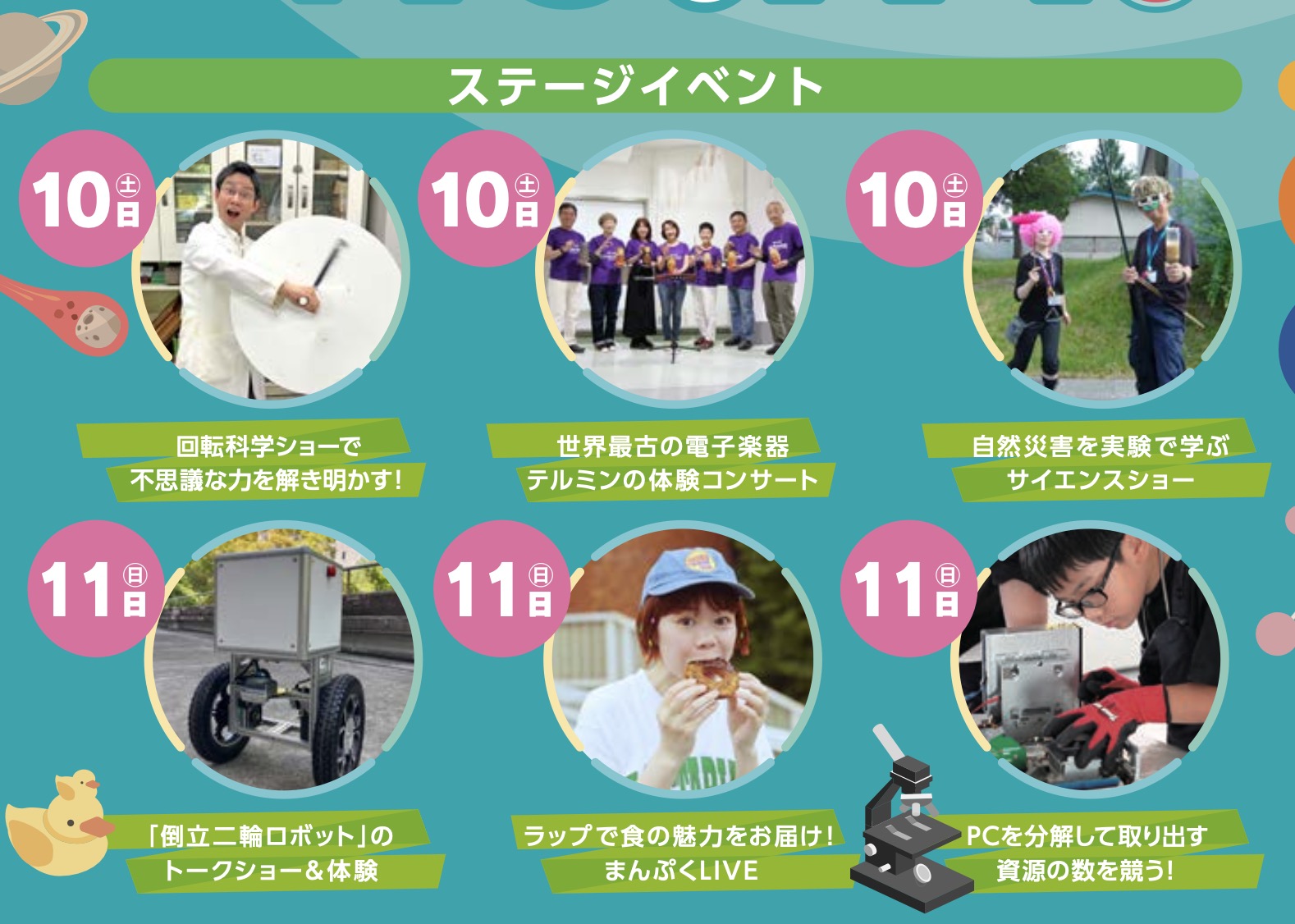
- 10月10日(土)11:15~12:00 千葉市科学フェスタ2026「桑子先生の回転科学ショー」にてサイエンスショーを行います。
- 12月26日(土) ナリカサイエンスアカデミー(教員向け実験講習会)開催
書籍のお知らせ
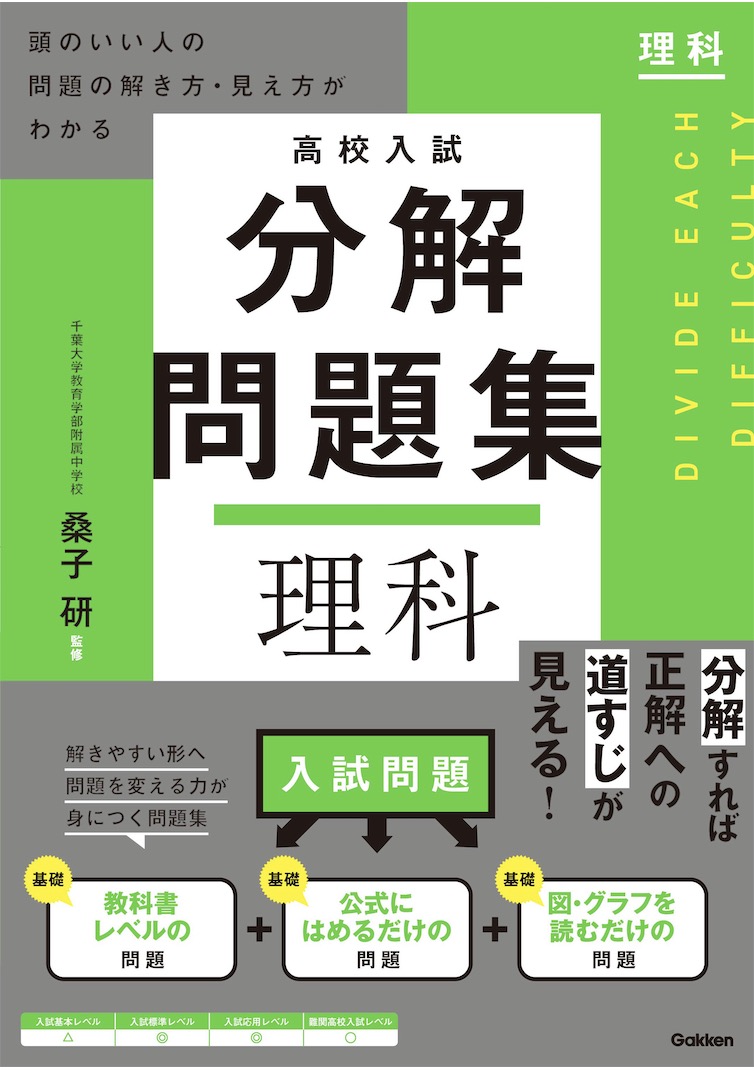
- 『高校入試 分解問題集 理科』(学研)…難しい問題も小さな問題に分解することで、問題を解くことができます。そんな分解の技術が身につくように深く関わりを持って作りました。
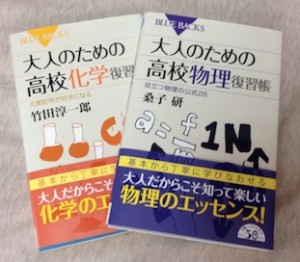
 『大人のための高校物理復習帳』(講談社)…一般向けに日常の物理について公式を元に紐解きました。特設サイトでは実験を多数紹介しています。※増刷がかかり6刷となりました(2026/02/01)
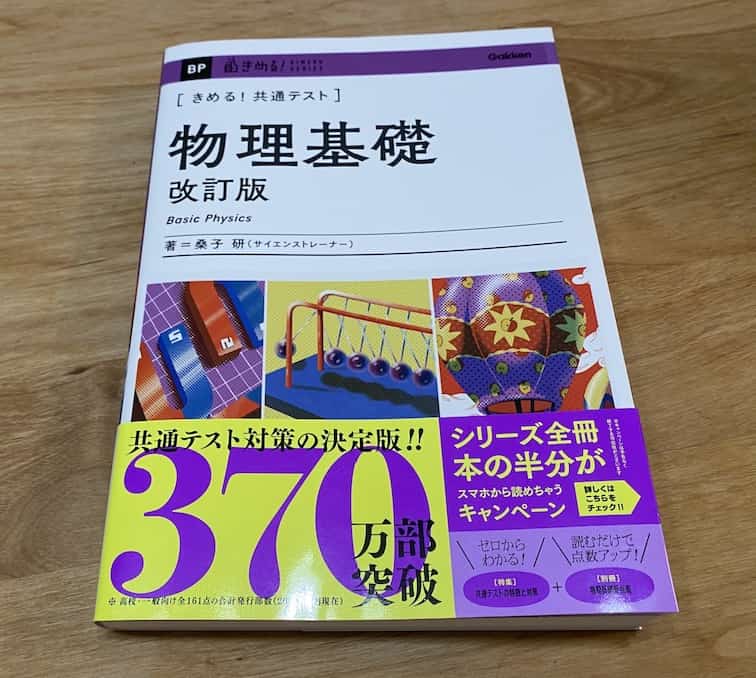
- 『きめる!共通テスト 物理基礎 改訂版』(学研)… 高校物理の参考書です。イラストを多くしてイメージが持てるように描きました。授業についていけない、物理が苦手、そんな生徒におすすめです。特設サイトはこちら。
各種SNS(更新情報をお届け!)
【日本語】X(Twitter)/instagram/Facebook 【英語】BlueSky/Threads
Explore
- 楽しい実験…お子さんと一緒に夢中になれるイチオシの科学実験を多数紹介しています。また、高校物理の理解を深めるための動画教材も用意しました。
- 理科の教材… 理科教師をバックアップ!授業の質を高め、準備を効率化するための選りすぐりの教材を紹介しています。
- Youtube…科学実験等の動画を配信しています。
- 科学ラジオ …科学トピックをほぼ毎日配信中!AI技術を駆使して作成した「耳で楽しむ科学」をお届けします。
- 講演 …全国各地で実験講習会・サイエンスショー等を行っています。
- About …「科学のネタ帳」のコンセプトや、運営者である桑子研のプロフィール・想いをまとめています。
- お問い合わせ …実験教室のご依頼、執筆・講演の相談、科学監修等はこちらのフォームからお寄せください。