Kitchen Physics! The Spinning Secret That Reveals Raw vs. Boiled Eggs (An Energy Perspective)
I’m Ken Kuwako, your Science Trainer. Every day is an experiment.
Have you ever been in the kitchen and thought, “Wait, which one is the hard-boiled egg and which one is raw?” They look identical on the outside, but you can actually reveal their true identity in a split second just by giving them a spin. Today, I’ll share a fascinating story about “Eggs and Energy” that you can try right now while cooking.
The Secret is in the Spin!
First, take a look at this photo. These are two ordinary-looking eggs.
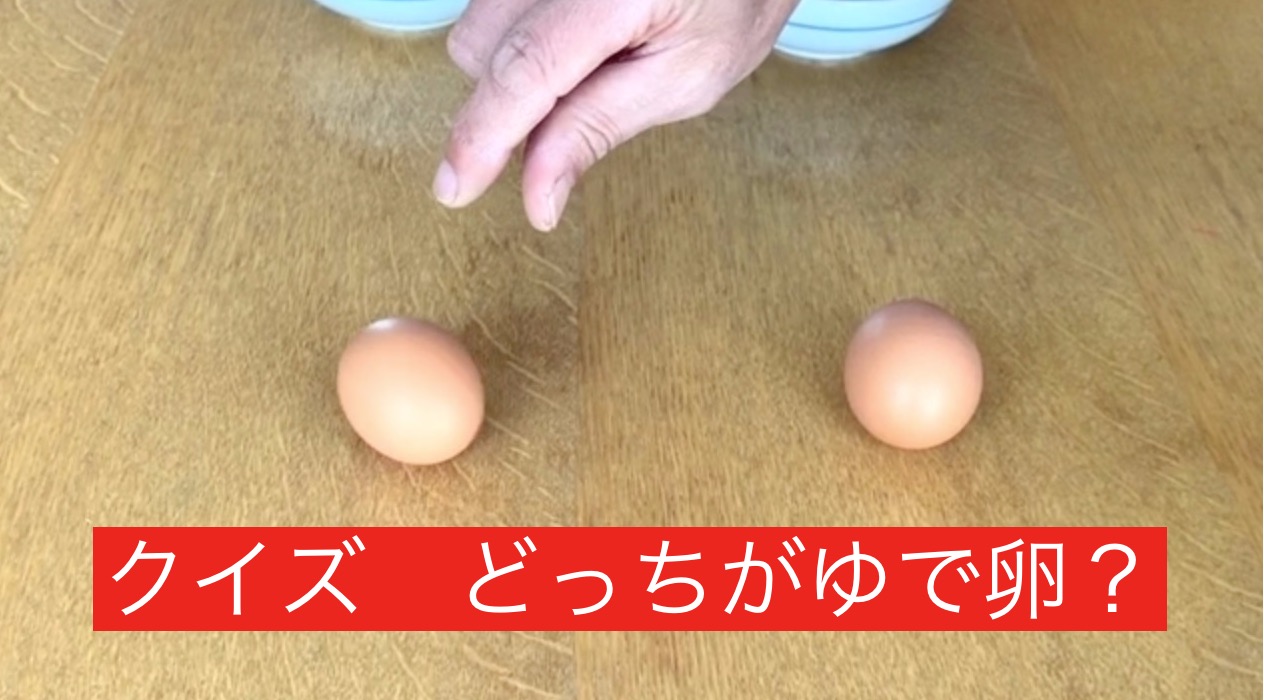
If you flick them with your finger to make them spin on the table, a surprisingly clear difference appears. Check out this video to see it in action.
Notice that? The one spinning vigorously like a top is the hard-boiled egg. On the other hand, the one wobbling sluggishly and coming to a quick stop is the raw egg.
Why is the Raw Egg Such a Poor Spinner?
They look the same, so why such a big difference? When we look at the internal state—solid versus liquid—through the lens of physics and energy, things get really interesting.
In a hard-boiled egg, the inside is solid. This means the rotational force you apply to the shell is instantly transferred to the entire egg, allowing it to spin efficiently. But a raw egg is a different story. The inside is a viscous liquid. When you spin the shell, the liquid inside wants to stay still due to a property called inertia. As a result, intense friction is created between the moving shell and the stationary liquid.
Where Does the Rotational Energy Go?
In the world of physics, we say this friction acts like a brake and performs negative work, hindering the rotation. The rotational kinetic energy you gave the raw egg is rapidly drained by this friction. So, where does that energy go?
In fact, the friction between the shell and its contents transforms that motion into a tiny, invisible amount of thermal energy (heat). While the total amount of energy remains the same—thanks to the Law of Conservation of Energy—the energy needed for spinning is “stolen” and turned into heat, causing the raw egg to stop.
With Science, Your Kitchen is a Laboratory
A hard-boiled egg keeps its energy well, while a raw egg spends it by turning it into heat. Isn’t it exciting to think that the fundamental laws of the universe are playing out right on your countertop with just a simple egg? Next time you’re cooking, give them a whirl and feel the “energy conversion” right at your fingertips!
Inquiries and Requests
Bringing the wonders of science closer to you! I share fun experiments you can do at home and easy-to-understand tips. Feel free to explore more!
My “Science Notebook” content is now a book! Details here.
Learn more about the author, Ken Kuwako, here.
For inquiries regarding writing, lectures, workshops, TV supervision, or appearances, click here.
– Get the latest updates on X (formerly Twitter)!
 Check out experiment videos on the Science Material Channel!
9月のイチオシ実験!
お弁当箱をプラバンがわりにしてキーホルダーを作ろう!
テレビ番組監修・イベント等のお知らせ
- 8月27日(木)科学監修番組放送予定
- 9月20日(日)ダビンチマスターズ出演予定
- 10月10日(土)11:15~12:00 千葉市科学フェスタ2026「桑子先生の回転科学ショー」にてサイエンスショーを行います。
- 12月26日(土) ナリカサイエンスアカデミー(教員向け実験講習会)開催
書籍のお知らせ
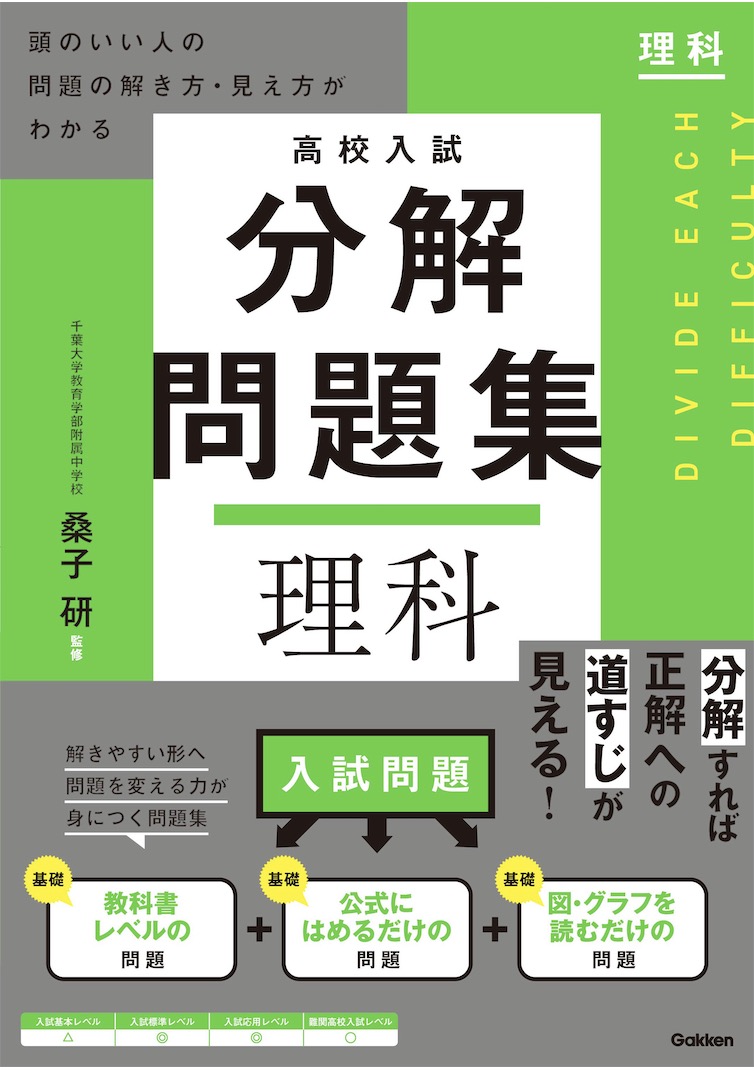
- 『高校入試 分解問題集 理科』(学研)…難しい問題も小さな問題に分解することで、問題を解くことができます。そんな分解の技術が身につくように深く関わりを持って作りました。
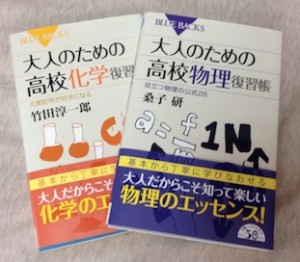
 『大人のための高校物理復習帳』(講談社)…一般向けに日常の物理について公式を元に紐解きました。特設サイトでは実験を多数紹介しています。※増刷がかかり6刷となりました(2026/02/01)
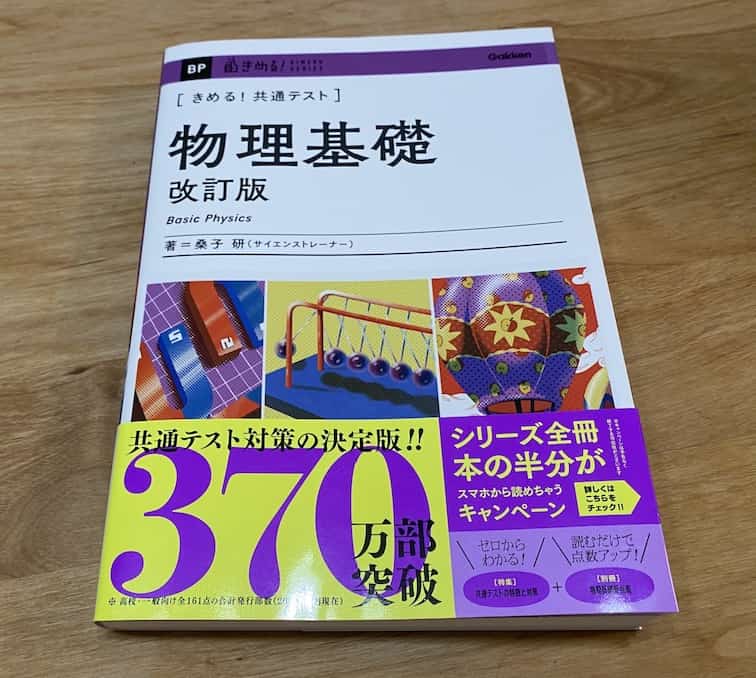
- 『きめる!共通テスト 物理基礎 改訂版』(学研)… 高校物理の参考書です。イラストを多くしてイメージが持てるように描きました。授業についていけない、物理が苦手、そんな生徒におすすめです。特設サイトはこちら。
各種SNS(更新情報をお届け!)
【日本語】X(Twitter)/instagram/Facebook 【英語】BlueSky/Threads
Explore
- 楽しい実験…お子さんと一緒に夢中になれるイチオシの科学実験を多数紹介しています。また、高校物理の理解を深めるための動画教材も用意しました。
- 理科の教材… 理科教師をバックアップ!授業の質を高め、準備を効率化するための選りすぐりの教材を紹介しています。
- Youtube…科学実験等の動画を配信しています。
- 科学ラジオ …科学トピックをほぼ毎日配信中!AI技術を駆使して作成した「耳で楽しむ科学」をお届けします。
- 講演 …全国各地で実験講習会・サイエンスショー等を行っています。
- About …「科学のネタ帳」のコンセプトや、運営者である桑子研のプロフィール・想いをまとめています。
- お問い合わせ …実験教室のご依頼、執筆・講演の相談、科学監修等はこちらのフォームからお寄せください。