Make Sense of Tricky AC Circuits! Visualizing the Addition of Trigonometric Functions with Animation (Scratch)
I’m Ken Kuwako, your Science Trainer. Every day is an experiment!
Electricity powers our modern lives, but did you know that the “alternating current” (AC) humming through your home is actually a beautiful symphony of overlapping waves? The key to unlocking the complex maze of RLC circuits found in smartphones and appliances lies hidden within a mathematical gem: the harmonic addition theorem (or the method of combining trigonometric functions). However, just staring at formulas in a textbook rarely brings the concept to life. Today, I want to share the excitement of seeing math and physics click together through an animation I created to make these invisible electrical movements visible!
The Powerhouse of the Electric World: The Harmonic Addition Theorem
When diving into AC theory and RLC circuits—those systems that combine resistors, inductors, and capacitors—you inevitably run into the need to combine sine and cosine waves. Without understanding how this formula is derived or what it means geometrically, many students find themselves asking, “Wait, why are we doing this calculation again?” and losing their way.
Let’s start with the fundamental formula. I’ve written it using ωt (omega-t) for the angle, as this is the standard form we use in physics class.
The Harmonic Addition Theorem:

The Secret Identity of the Formula: It’s All About Rotation
What is this equation actually trying to tell us? Let’s look at it through a geometric lens. When you compare it to a standard sine wave (sinωt), the magic really starts to show.
 The Geometric Meaning
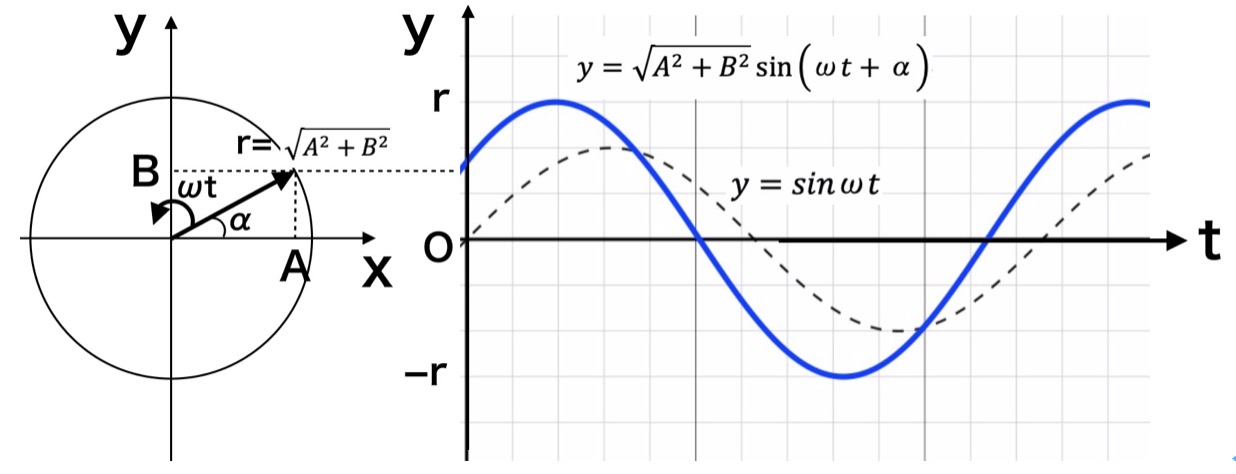
Looking at this diagram, you can see that the “combined wave” is essentially the shadow of a vector spinning in a circle with radius r. Imagine a sine wave that starts its rotation with a slight head start (an initial phase shift of α). Since static images in textbooks make this “movement” hard to grasp, I’ve built an animation for you! It should give you an intuitive feel for how the math physically builds the wave shape.
Give it a try here:
https://scratch.mit.edu/projects/303808808/
You can also watch the full video explanation below:
Going Deeper: The Mathematical Story Behind the Formula
Why does this addition theorem actually work? Behind the scenes, we’re using reliable mathematical tools like the Pythagorean theorem and the Law of Cosines—concepts many of us first encountered in middle school.
Reference: Deriving the Harmonic Addition Theorem
Based on the diagram above:

Therefore:

By applying the Law of Cosines:

We arrive at:

It’s fascinating how complex physical phenomena can be stripped down to such elegant mathematical rules. I hope this makes the seemingly cold world of AC circuits feel a bit more approachable and, dare I say, fun!
For more on the relationship between sine and cosine, check out this post:
https://phys-edu.net/wp/?p=33077
Inquiries and Bookings
My mission is to bring the wonder of science closer to you! I share easy-to-follow guides on fun experiments you can do at home and the secrets behind how they work. Feel free to explore more!
My “Science Idea Book” is now available! Details here.
Learn more about me, Ken Kuwako, here.
For professional inquiries (writing, speaking, workshops, TV consulting, etc.), click here.
– Get the latest updates on X (formerly Twitter)!
 Check out experiment videos on my Science Idea Channel!
9月のイチオシ実験!
お弁当箱をプラバンがわりにしてキーホルダーを作ろう!
テレビ番組監修・イベント等のお知らせ
- 8月27日(木)科学監修番組放送予定
- 9月20日(日)ダビンチマスターズ出演予定
- 10月10日(土)11:15~12:00 千葉市科学フェスタ2026「桑子先生の回転科学ショー」にてサイエンスショーを行います。
- 12月26日(土) ナリカサイエンスアカデミー(教員向け実験講習会)開催
書籍のお知らせ
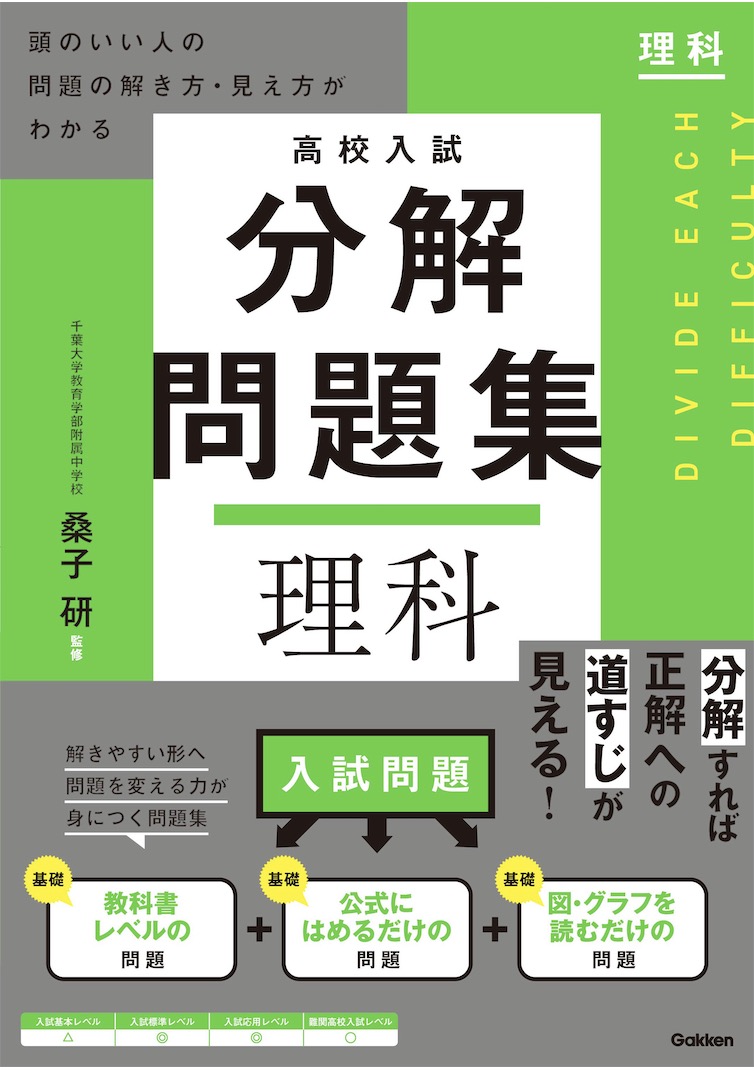
- 『高校入試 分解問題集 理科』(学研)…難しい問題も小さな問題に分解することで、問題を解くことができます。そんな分解の技術が身につくように深く関わりを持って作りました。
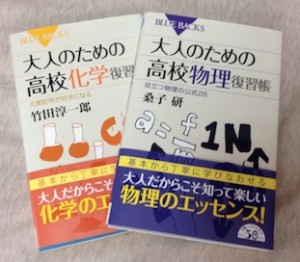
 『大人のための高校物理復習帳』(講談社)…一般向けに日常の物理について公式を元に紐解きました。特設サイトでは実験を多数紹介しています。※増刷がかかり6刷となりました(2026/02/01)
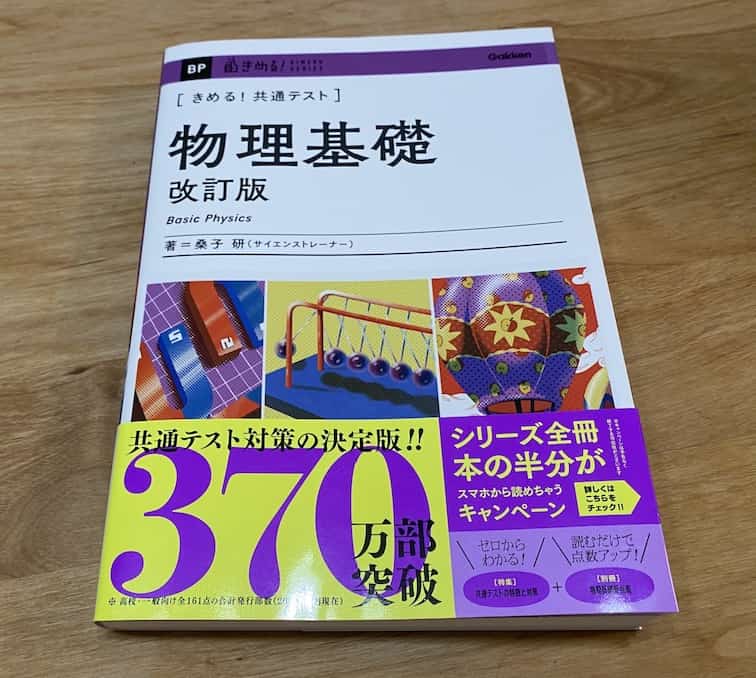
- 『きめる!共通テスト 物理基礎 改訂版』(学研)… 高校物理の参考書です。イラストを多くしてイメージが持てるように描きました。授業についていけない、物理が苦手、そんな生徒におすすめです。特設サイトはこちら。
各種SNS(更新情報をお届け!)
【日本語】X(Twitter)/instagram/Facebook 【英語】BlueSky/Threads
Explore
- 楽しい実験…お子さんと一緒に夢中になれるイチオシの科学実験を多数紹介しています。また、高校物理の理解を深めるための動画教材も用意しました。
- 理科の教材… 理科教師をバックアップ!授業の質を高め、準備を効率化するための選りすぐりの教材を紹介しています。
- Youtube…科学実験等の動画を配信しています。
- 科学ラジオ …科学トピックをほぼ毎日配信中!AI技術を駆使して作成した「耳で楽しむ科学」をお届けします。
- 講演 …全国各地で実験講習会・サイエンスショー等を行っています。
- About …「科学のネタ帳」のコンセプトや、運営者である桑子研のプロフィール・想いをまとめています。
- お問い合わせ …実験教室のご依頼、執筆・講演の相談、科学監修等はこちらのフォームからお寄せください。