The Motor’s “Commutator” in Plain Sight! A Teaching Device That Skyrockets Student Understanding (Electromagnet Motor Demonstrator)
I’m Ken Kuwako, Science Trainer. Every day is an experiment.
“How can a heavy machine start spinning just by switching on the electricity?” This simple question marked a giant leap for modern civilization: the birth of the motor. Today, our lives are unthinkable without them. They power everything from your smartphone’s vibration and the family washing machine to the electric vehicles of the future. However, the “one tiny trick” at the heart of a motor can often be the biggest hurdle for middle school students. Today, I want to introduce an amazing experimental tool that breaks through that invisible wall.
To Middle School Science Teachers: A Magical Tool to Turn “Huh?” into “Aha!”
When teaching how motors work in the science lab, what is the biggest challenge? Most teachers would likely agree: explaining the commutator.
The complex role of reversing the current direction every half-turn of the coil is a tough concept. Relying only on textbooks or diagrams often leads to flat explanations, leaving students with question marks floating over their heads. Some teachers might spend hours on DIY clip motor kits to overcome this “Commutator Wall.” While the building process is a wonderful learning experience, sometimes you just want something simple and intuitive to show the commutator in action!
That is why I want to recommend a special piece of equipment: the Artec Electromagnetic Motor Demonstrator.
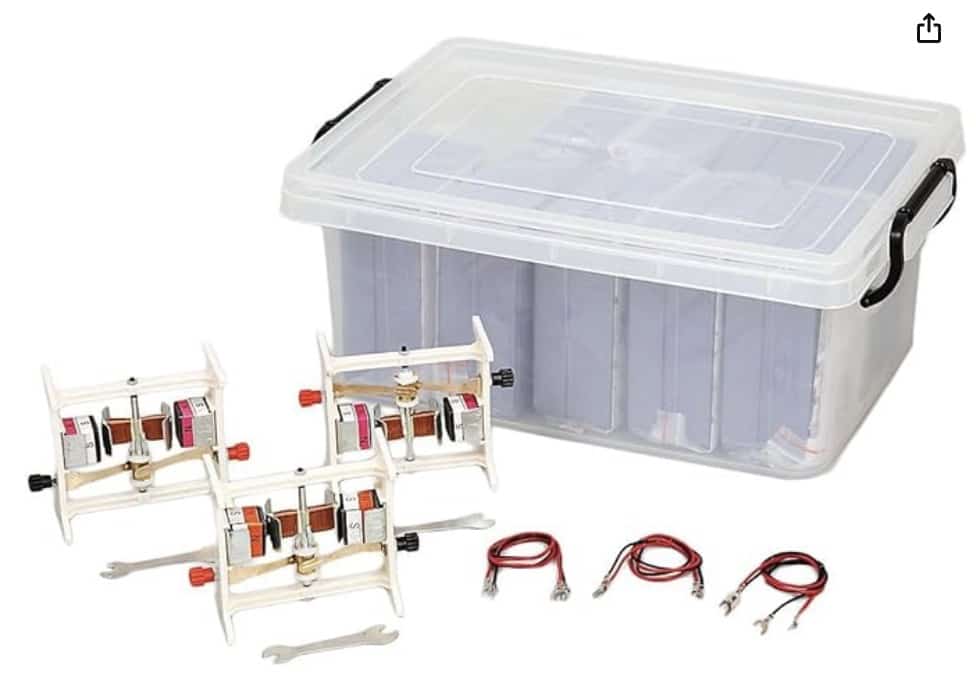
Artec Electromagnetic Motor Demonstrator
Because it is so affordable, you might wonder, “Is this actually any good?” But its very simplicity is its strength. It leaves the heart of the motor—the commutator—completely exposed, making it a brilliant tool for the classroom. Using this demonstrator will dramatically boost your students’ understanding.
3 Reasons This Motor Kit is a Classroom Game-Changer
Why is this specific kit so effective for teaching? Let’s break it down into three key points.
1. Visualizing the Commutator in Action
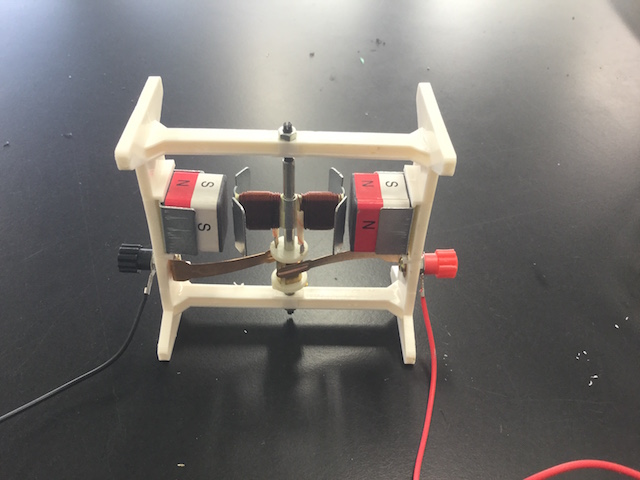
In this kit, the magnets, coils, and—most importantly—the commutator are all out in the open. As the coil spins, students can see exactly which part of the commutator the brushes are touching at any given moment, and how the current direction flips.
In reality, for a motor to keep spinning, it needs high-speed switching to flip the current at exactly the right time. Watching this kit rattle and hum as it spins makes it look like the motor is “working hard” to calculate its rotation, which really captures the students’ imagination.
It needs a little manual push to get started, but once it goes, the movement is dynamic and powerful. It’s guaranteed to liven up the science lab!
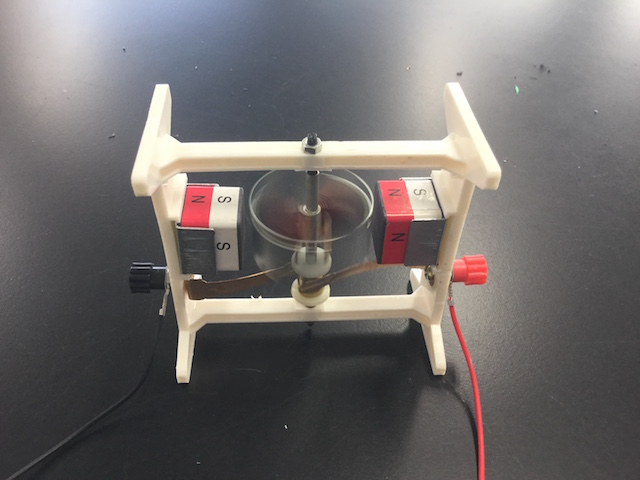
2. Feeling the Link Between Magnetic Fields and Rotation
The direction a motor spins is determined by the direction of the current and the direction of the magnetic field. This is one of the beautiful rules of nature discovered by the 19th-century physicist, John Ambrose Fleming.
Since this kit runs on simple 3V batteries, students can experiment for themselves by flipping the batteries or reversing the magnets to see how the rotation changes.
“What happens if we switch the current?”
“What if we flip the magnet over?”
By asking these questions, students use their own hands and eyes to grasp the principles of Fleming’s Left-Hand Rule. This “try it and see” success moves beyond mere memorization and leads to deep, lifelong learning.
3. Affordable Enough for Every Group to Observe
With expensive, precision equipment, schools can often only afford one unit for the teacher to demonstrate at the front, meaning students in the back can’t see much. However, this kit is so reasonably priced that buying one for every small group is a realistic goal.
When every group has their own unit, every student becomes a lead scientist. They can touch, observe, and feel how the motor works. This “all-participation” style of teaching maximizes intellectual curiosity and deepens the learning experience significantly.
Teacher’s Tip: If it’s out of stock on Amazon, try contacting the manufacturer, Artec, directly. Having enough units for every group before class starts ensures the lesson flows smoothly.
Understanding motors is a vital gateway to learning about generators and almost all modern technology. Why not use this electromagnetic motor kit to turn your students’ “motors are hard” dread into the excitement of a scientific “I get it!”?
Inquiries & Requests
Let’s make the wonders of science more accessible! I put together fun experiments you can do at home and easy-to-understand tips. Feel free to explore the site!
Learn more about the operator, Ken Kuwako, here.
For various requests (writing, lectures, science workshops, TV supervision/appearances, etc.), click here.
– Get the latest updates on X (Twitter)!
 The Science Material Channel is streaming experiment videos now!
9月のイチオシ実験!
お弁当箱をプラバンがわりにしてキーホルダーを作ろう!
テレビ番組監修・イベント等のお知らせ
- 8月27日(木)科学監修番組放送予定
- 9月20日(日)ダビンチマスターズ出演予定
- 10月10日(土)11:15~12:00 千葉市科学フェスタ2026「桑子先生の回転科学ショー」にてサイエンスショーを行います。
- 12月26日(土) ナリカサイエンスアカデミー(教員向け実験講習会)開催
書籍のお知らせ
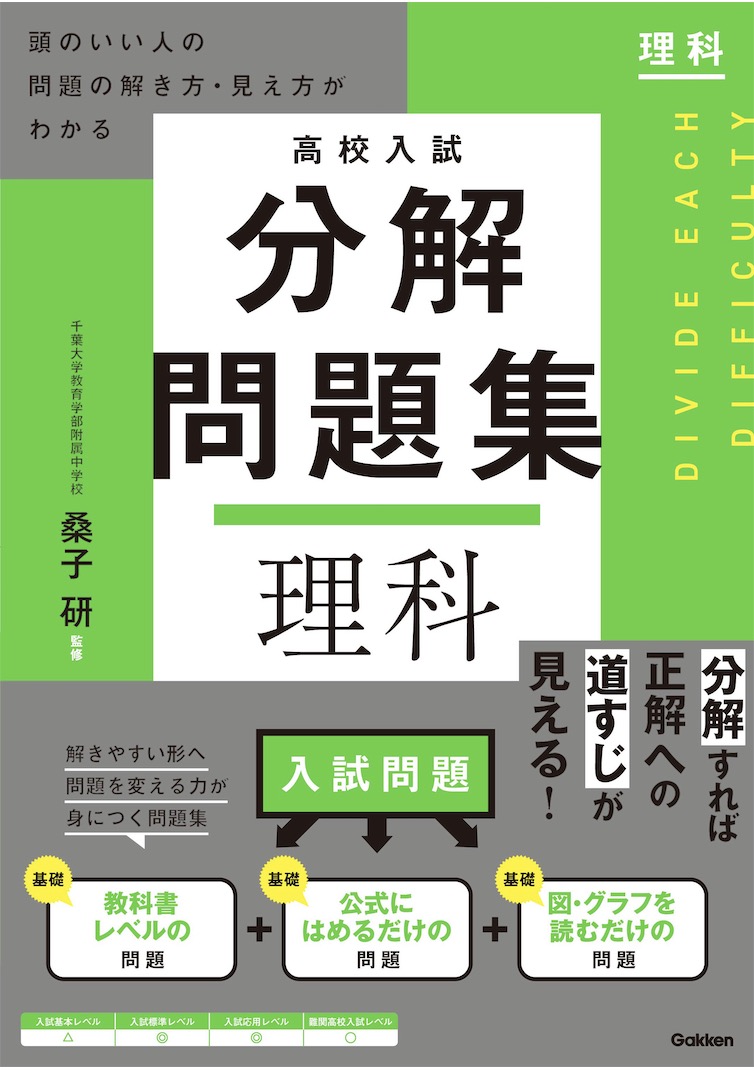
- 『高校入試 分解問題集 理科』(学研)…難しい問題も小さな問題に分解することで、問題を解くことができます。そんな分解の技術が身につくように深く関わりを持って作りました。
 『大人のための高校物理復習帳』(講談社)…一般向けに日常の物理について公式を元に紐解きました。特設サイトでは実験を多数紹介しています。※増刷がかかり6刷となりました(2026/02/01)

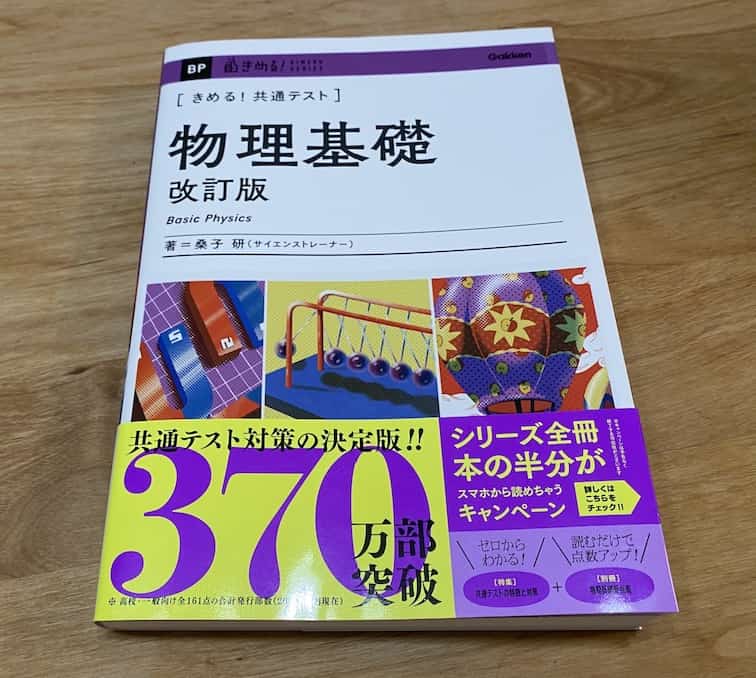
- 『きめる!共通テスト 物理基礎 改訂版』(学研)… 高校物理の参考書です。イラストを多くしてイメージが持てるように描きました。授業についていけない、物理が苦手、そんな生徒におすすめです。特設サイトはこちら。
各種SNS(更新情報をお届け!)
【日本語】X(Twitter)/instagram/Facebook 【英語】BlueSky/Threads
Explore
- 楽しい実験…お子さんと一緒に夢中になれるイチオシの科学実験を多数紹介しています。また、高校物理の理解を深めるための動画教材も用意しました。
- 理科の教材… 理科教師をバックアップ!授業の質を高め、準備を効率化するための選りすぐりの教材を紹介しています。
- Youtube…科学実験等の動画を配信しています。
- 科学ラジオ …科学トピックをほぼ毎日配信中!AI技術を駆使して作成した「耳で楽しむ科学」をお届けします。
- 講演 …全国各地で実験講習会・サイエンスショー等を行っています。
- About …「科学のネタ帳」のコンセプトや、運営者である桑子研のプロフィール・想いをまとめています。
- お問い合わせ …実験教室のご依頼、執筆・講演の相談、科学監修等はこちらのフォームからお寄せください。