Why You Should Never Feed Carp Bread: The Hidden Story of “Osmosis”!
I’m Ken Kuwako, your Science Trainer. Every day is an experiment.
The Wonder of Science Awaits You at the Park Pond!
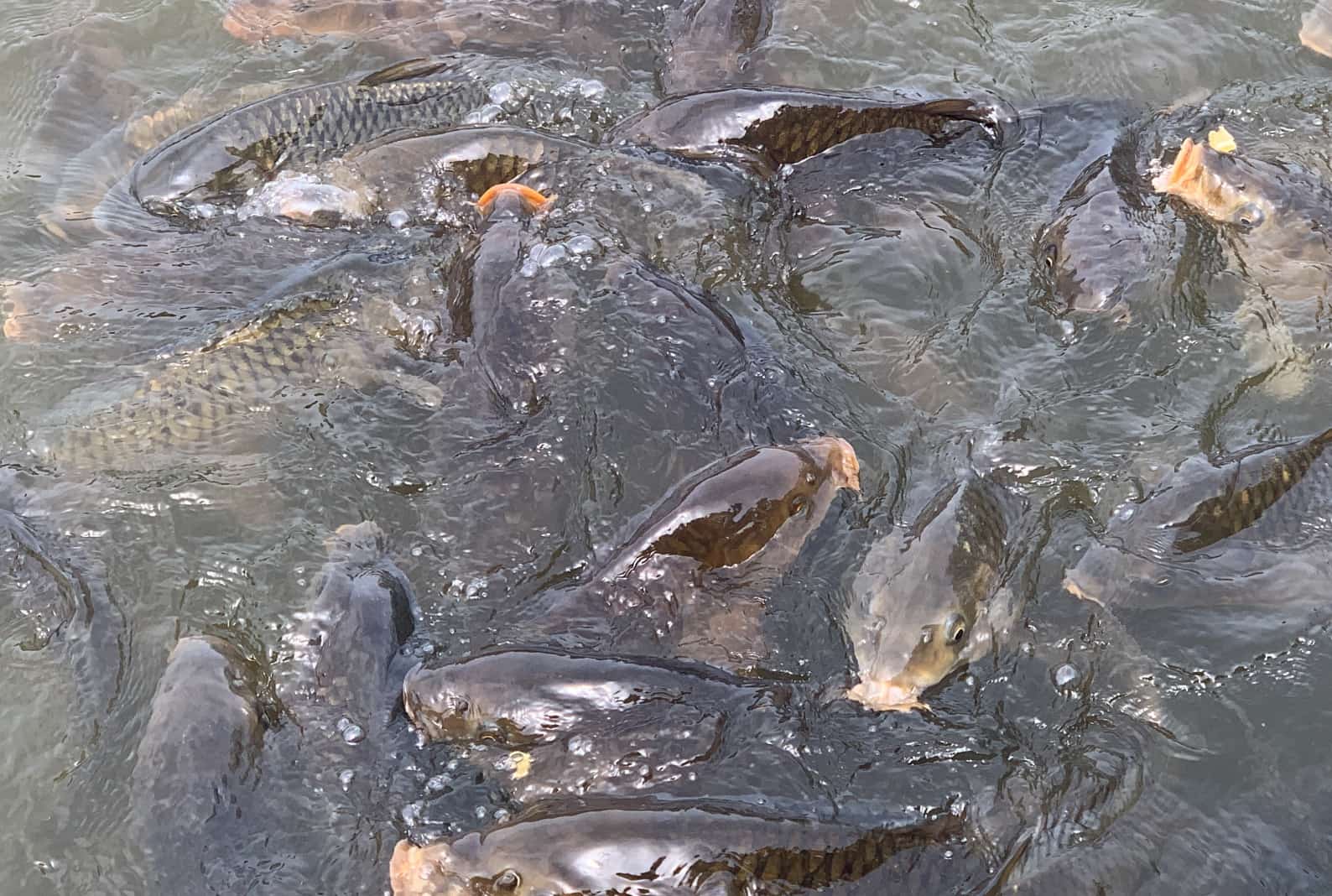
On a beautiful day, when you casually stop by a park pond, you’ll see schools of brightly colored koi swimming serenely. As soon as someone approaches, they gather as if drawn by a magnet. Their sight is certainly endearing, and it’s tempting to reach for a snack to feed them, isn’t it?
However, my eyes were immediately drawn to a very ordinary warning sign standing right nearby.
“Please Do Not Feed the Carp”――.
Why Is Feeding Prohibited? The Profound Science Hidden Behind the Sign
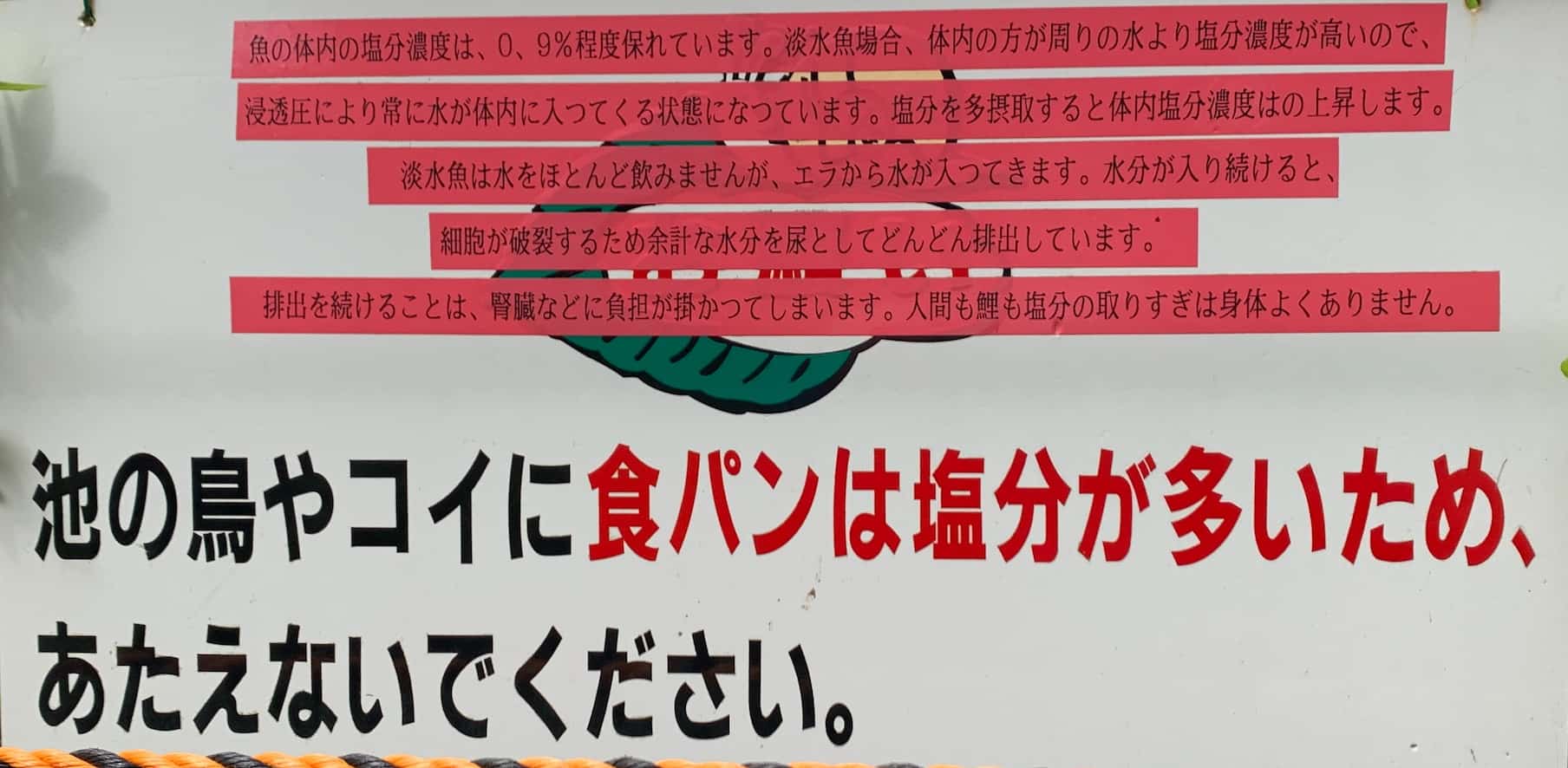
Please do not feed bread to the pond birds or carp, as it contains too much salt.
This kind of sign is common. But this particular one contained detailed, specialized scientific knowledge. The dense text, written out on labels, looked more like a research paper than a public notice. Honestly, it might be a bit too complex even for a child to read. But that’s precisely why I was deeply impressed by its “sincerity” and the “passion for science and love for living things” it conveyed.
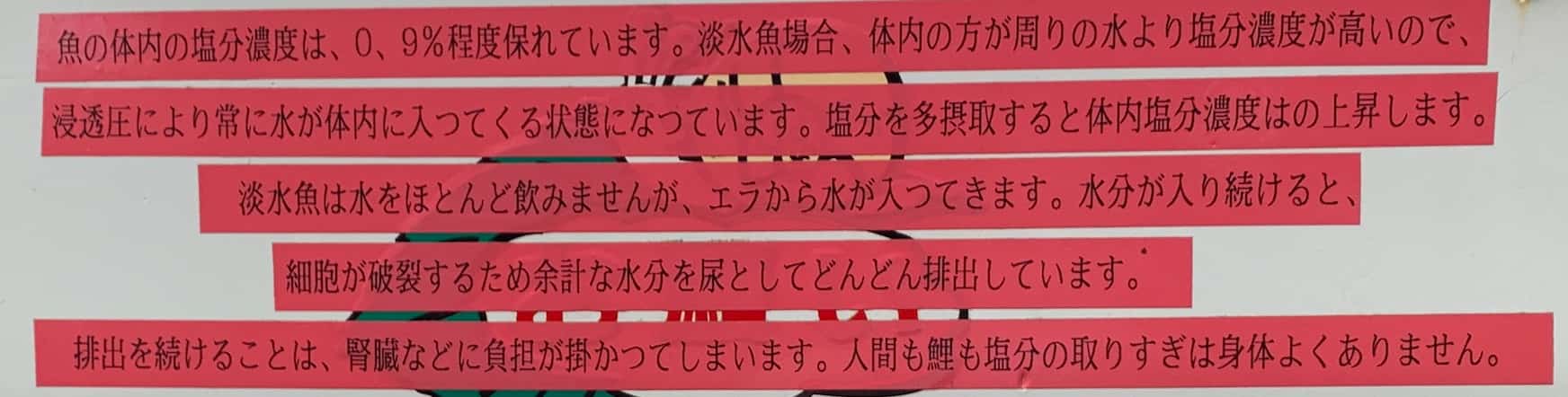
The salt concentration inside a fish’s body is maintained at about 0.9 percent. For freshwater fish, the internal concentration is higher than the surrounding water, so water is constantly entering the body due to osmosis. Excessive salt intake raises the internal salt concentration. Freshwater fish hardly drink water, but water still enters through their gills. Continuous water influx can cause cells to rupture, so they constantly excrete excess water as urine. This continuous excretion puts a strain on organs like the kidneys. Excessive salt intake is not good for humans or carp.
The Secret of Osmotic Pressure Hidden in the Koi’s Body
For fish, especially freshwater fish like those in the pond, the “salt” found in human foods like bread can become a serious, life-threatening problem. As the sign mentioned, the salt concentration inside a fish’s body is maintained at about 0.9%, similar to humans. However, the freshwater they live in has a salt concentration that is close to zero. The key phenomenon here is “osmotic pressure,” a concept you learn in science class.
Osmotic pressure is the force that drives water molecules to move from an area of lower concentration to an area of higher concentration across a semipermeable membrane (like a cell wall). Following this principle, the water in the surrounding pond (low salt concentration) is constantly “rushing into” the freshwater fish’s body (high salt concentration).
If a freshwater fish consumes too much salt, its internal salt concentration rises. This intensifies the osmotic pressure, causing even more water to try to enter the body. If cells absorb too much water, they swell up and there is a high risk of them rupturing. This occurs because the balance of water inside the body is fundamentally disrupted by the excessive salt intake.
So, how do freshwater fish adjust their internal water levels? They rarely actively drink water like we do, but water still enters through their gills during respiration. To cope, they maintain the balance of salt and water by constantly excreting the excess water as urine. This is similar to how our own kidneys regulate water levels. However, this continuous excretion process puts a significant burden on their kidneys and other organs. While excessive salt intake is bad for humans, it is the same for carp—or rather, for freshwater fish, it is a critical issue that can determine life or death.
Freshwater vs. Saltwater Fish: Opposite Survival Strategies
What makes this even more interesting is that the way freshwater fish and saltwater fish deal with osmotic pressure is completely opposite. They have evolved surprisingly rational biological mechanisms to survive in their respective, opposing environments.
- Saltwater Fish: The ocean’s salt concentration (approx. 3.5%) is higher than their body fluid (approx. 1%), so osmotic pressure constantly causes water to escape from their body. To prevent dehydration, they actively drink seawater and excrete the excess salt through their gills, conserving water.
- Freshwater Fish: The pond’s salt concentration is lower than their body fluid (approx. 1%), so fresh water is constantly entering their body. To expel this excess water, they rarely drink water, take water in through their gills, and excrete large amounts of dilute urine to regulate their fluid balance.
It is truly amazing that such a profound, grand mystery of life and a rational world of science can unfold from a simple sign in a park. Exploring the wonders of science through everyday phenomena is the best way to learn!
Contact and Requests
Make the wonders and fun of science more accessible! We provide easy-to-understand tips and fun science experiments you can do at home. Feel free to search around!
・About the operator, Ken Kuwako: here ・For various requests (writing, lectures, science classes, TV supervision, appearances, etc.): here ・Article updates are distributed on X!
 Our Science Tricks Channel posts experiment videos!
9月のイチオシ実験!
お弁当箱をプラバンがわりにしてキーホルダーを作ろう!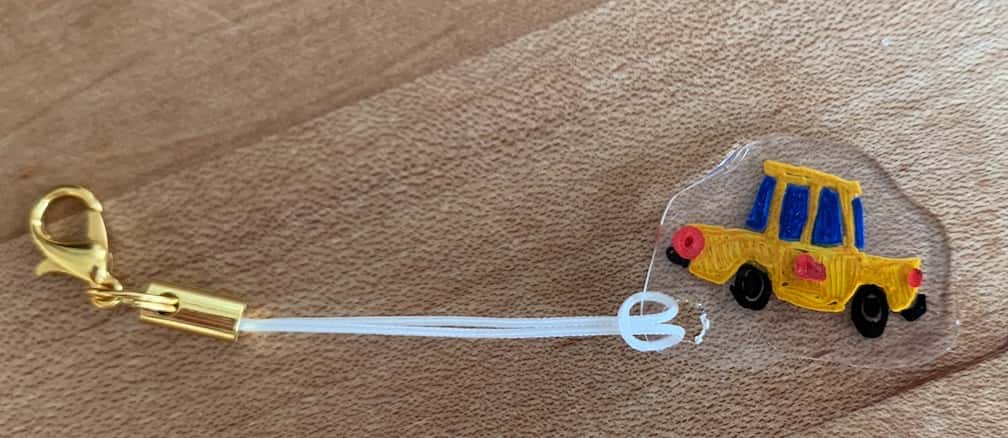
テレビ番組監修・イベント等のお知らせ
- 8月27日(木)科学監修番組放送予定
- 9月20日(日)ダビンチマスターズ出演予定
- 10月10日(土)11:15~12:00 千葉市科学フェスタ2026「桑子先生の回転科学ショー」にてサイエンスショーを行います。
- 12月26日(土) ナリカサイエンスアカデミー(教員向け実験講習会)開催
書籍のお知らせ
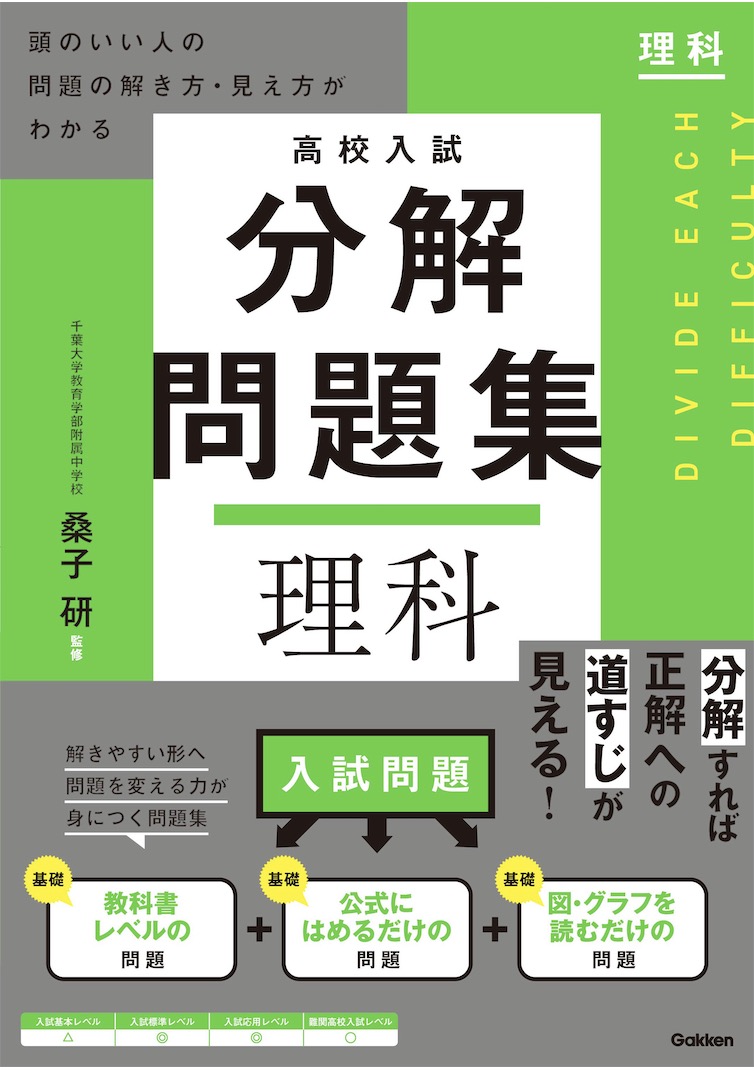
- 『高校入試 分解問題集 理科』(学研)…難しい問題も小さな問題に分解することで、問題を解くことができます。そんな分解の技術が身につくように深く関わりを持って作りました。
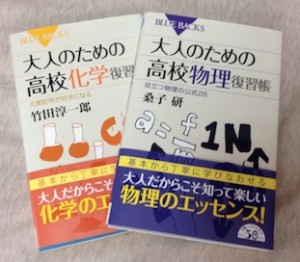
 『大人のための高校物理復習帳』(講談社)…一般向けに日常の物理について公式を元に紐解きました。特設サイトでは実験を多数紹介しています。※増刷がかかり6刷となりました(2026/02/01)
- 『きめる!共通テスト 物理基礎 改訂版』(学研)… 高校物理の参考書です。イラストを多くしてイメージが持てるように描きました。授業についていけない、物理が苦手、そんな生徒におすすめです。特設サイトはこちら。

各種SNS(更新情報をお届け!)
【日本語】X(Twitter)/instagram/Facebook 【英語】BlueSky/Threads
Explore
- 楽しい実験…お子さんと一緒に夢中になれるイチオシの科学実験を多数紹介しています。また、高校物理の理解を深めるための動画教材も用意しました。
- 理科の教材… 理科教師をバックアップ!授業の質を高め、準備を効率化するための選りすぐりの教材を紹介しています。
- Youtube…科学実験等の動画を配信しています。
- 科学ラジオ …科学トピックをほぼ毎日配信中!AI技術を駆使して作成した「耳で楽しむ科学」をお届けします。
- 講演 …全国各地で実験講習会・サイエンスショー等を行っています。
- About …「科学のネタ帳」のコンセプトや、運営者である桑子研のプロフィール・想いをまとめています。
- お問い合わせ …実験教室のご依頼、執筆・講演の相談、科学監修等はこちらのフォームからお寄せください。