Can You Touch Sound? The Simple Home Experiments That Prove Sound Is Energy
I’m Ken Kuwako, your Science Trainer. Every day is an experiment.
Let me ask you a sudden question: Have you ever touched sound? Your initial reaction is probably, “What? Sound is invisible! There’s no way you can touch it!” That’s a completely normal thought. We usually perceive sound as something we “hear” with our ears. However, the truth is, sound is fundamentally an “air wave.” It possesses a definite, physical force.
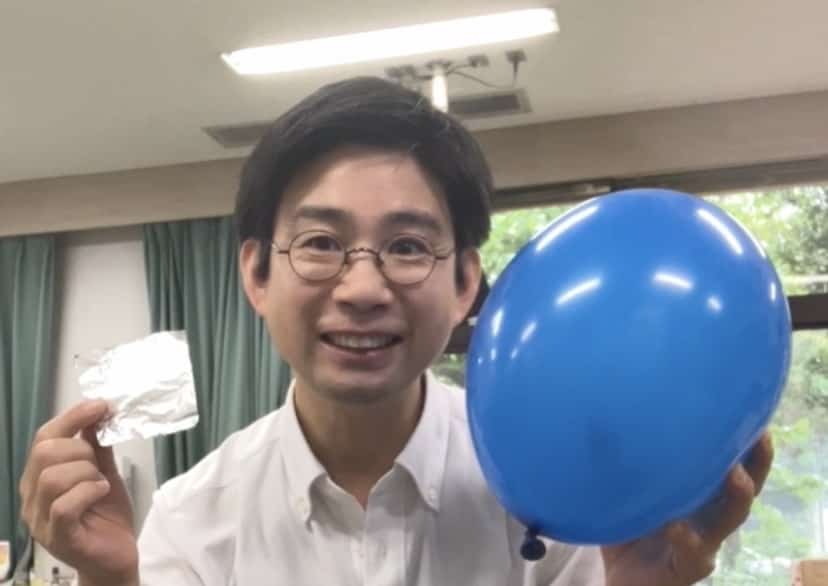
Today, using common household items—aluminum foil and a balloon—we’re going to conduct an experiment that lets you feel the true nature of sound with your fingertips and lips. It’s almost like magic: you’ll get to experience the moment your own voice moves a physical object! You might recall learning in elementary school science about the membrane of a drum vibrating when you hit it. But how exactly does that vibration travel through the air and reach our ears? Today, we’re going to unravel that mystery.
First, seeing is believing. Check out the experiment in this video:
Experiment 1: Feeling the “Shape of Your Voice” with Aluminum Foil
This first experiment uses aluminum foil, which you can find in any kitchen. The method is incredibly simple. Tear off a small piece of aluminum foil, lightly hold it over your mouth, and make a long “Aaaaaaah” sound.
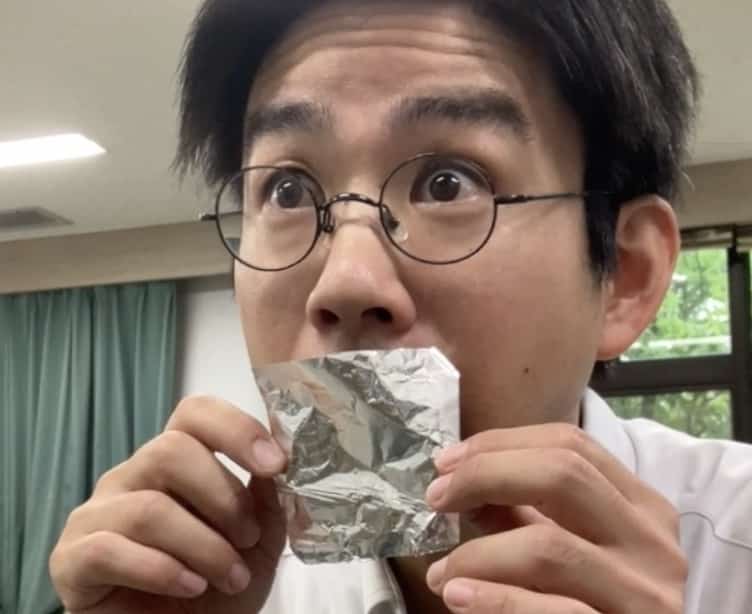
What happens then? You should be able to feel the aluminum foil touching your lips start to buzz and vibrate rapidly.
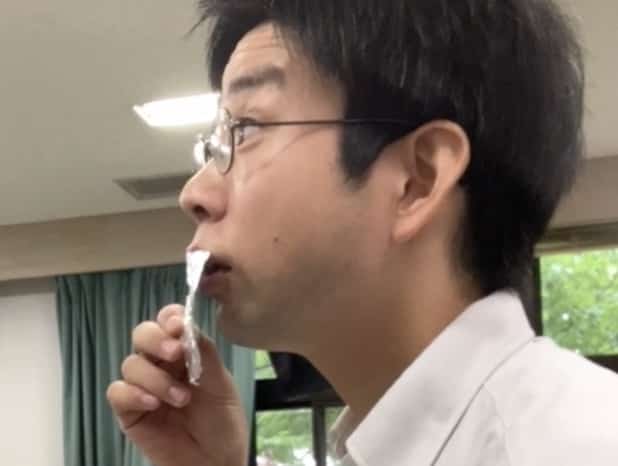
This isn’t just the movement of your breath. When we speak, the vocal cords in our throat vibrate. That vibration causes the air around it to move (the sound wave), and when that moving air hits the foil, it transfers the energy, causing the foil itself to vibrate.
This, precisely, is the true nature of the phenomenon we call “sound transmission.” It’s proof that your own voice contains energy capable of moving an object.
Experiment 2: Is a Balloon a “Giant Eardrum”?
Next, let’s use a balloon. Inflate a balloon and gently hold it with both hands, cupping it softly. Then, speak loudly towards the balloon. If you focus on your hands, you’ll be able to feel the surface of the balloon vibrating against your fingertips.

In fact, this is exactly what happens inside your ear! Deep inside our ears, there is a thin membrane called the “eardrum” (tympanic membrane). The sound vibrations traveling through the air hit and shake the eardrum, which is how we first recognize a sensation as “sound.”
In short, the “inflated balloon” in this experiment is a model of your own “eardrum.” Just as the balloon catches and vibrates from the air’s movement, your eardrums are right now vibrating as they receive my voice (or the sounds as you read this article). Doesn’t that make you feel a little amazed?
Sound Is Energy!
So, how was that? By using aluminum foil and a balloon, I hope you were able to physically experience how invisible sound travels as a “vibration.”
If you’ve ever felt the “thump!” of a large fireworks display resonate through your body, it’s the very same principle at work. Sound is not just information; it is “energy” that pushes and moves the air around us.
Please try these experiments at home! It can be a lot of fun to play with your children and say, “Let’s tickle the balloon with our voices!” Enjoy this moment where wonder and science come together.
Contact and Service Requests
Bring the wonder and fun of science closer to you! I’ve put together easy-to-understand explanations and tips for fun science experiments you can do at home. Feel free to search around for more! ・The content of my Science Idea Notebook has been published as a book. Details here. ・About the operator, Ken Kuwako: click here. ・For various requests (writing, lectures, experiment classes, TV supervision/appearances, etc.): click here. ・Article updates are delivered on X!
 Experiment videos are being streamed on the Kagaku no Neta Channel (Science Idea Channel)!
9月のイチオシ実験!
お弁当箱をプラバンがわりにしてキーホルダーを作ろう!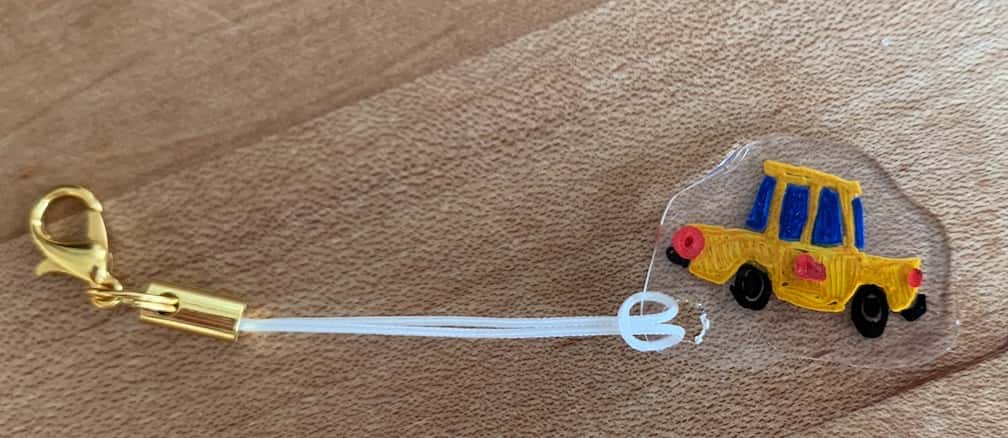
テレビ番組監修・イベント等のお知らせ
- 8月27日(木)科学監修番組放送予定
- 9月20日(日)ダビンチマスターズ出演予定
- 10月10日(土)11:15~12:00 千葉市科学フェスタ2026「桑子先生の回転科学ショー」にてサイエンスショーを行います。
- 12月26日(土) ナリカサイエンスアカデミー(教員向け実験講習会)開催
書籍のお知らせ
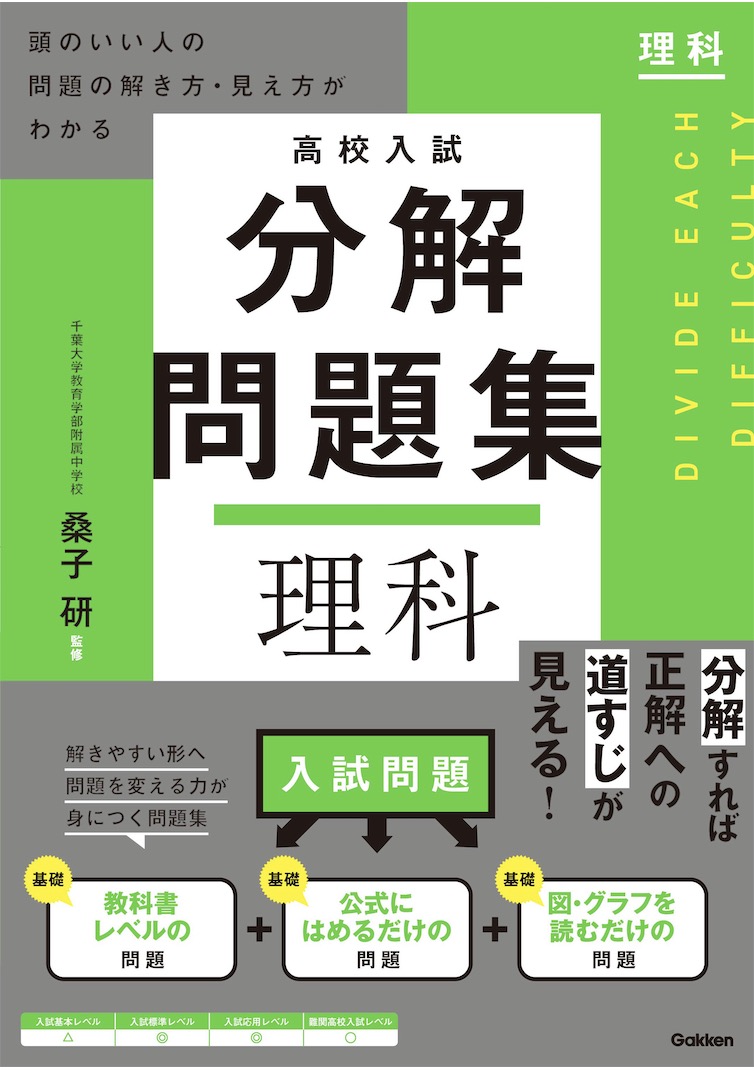
- 『高校入試 分解問題集 理科』(学研)…難しい問題も小さな問題に分解することで、問題を解くことができます。そんな分解の技術が身につくように深く関わりを持って作りました。
 『大人のための高校物理復習帳』(講談社)…一般向けに日常の物理について公式を元に紐解きました。特設サイトでは実験を多数紹介しています。※増刷がかかり6刷となりました(2026/02/01)
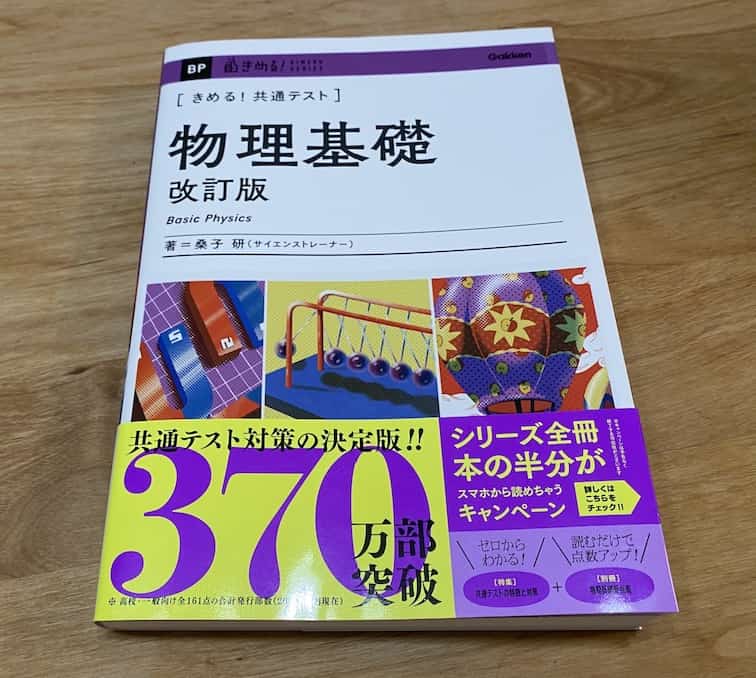
- 『きめる!共通テスト 物理基礎 改訂版』(学研)… 高校物理の参考書です。イラストを多くしてイメージが持てるように描きました。授業についていけない、物理が苦手、そんな生徒におすすめです。特設サイトはこちら。
各種SNS(更新情報をお届け!)
【日本語】X(Twitter)/instagram/Facebook 【英語】BlueSky/Threads
Explore
- 楽しい実験…お子さんと一緒に夢中になれるイチオシの科学実験を多数紹介しています。また、高校物理の理解を深めるための動画教材も用意しました。
- 理科の教材… 理科教師をバックアップ!授業の質を高め、準備を効率化するための選りすぐりの教材を紹介しています。
- Youtube…科学実験等の動画を配信しています。
- 科学ラジオ …科学トピックをほぼ毎日配信中!AI技術を駆使して作成した「耳で楽しむ科学」をお届けします。
- 講演 …全国各地で実験講習会・サイエンスショー等を行っています。
- About …「科学のネタ帳」のコンセプトや、運営者である桑子研のプロフィール・想いをまとめています。
- お問い合わせ …実験教室のご依頼、執筆・講演の相談、科学監修等はこちらのフォームからお寄せください。