Why Do Plants Grow Hair? A 3-Day Radish Root Hair Observation That Reveals the Secret!
Hi, I’m Ken Kuwako, your Science Trainer! Every day is an experiment.
A tiny, dry seed. At first glance, it looks like a sleeping pebble, but hidden deep inside is a burst of life’s explosive energy. This time, we’re zooming in on the “germination” of the Radish (specifically, the ‘Hatsukadaikon’ or ’20-day radish’), a topic covered in the “Plant Life and Varieties” unit for 7th-grade biology. The moment water is absorbed, a dynamic drama begins. The dramatic change over just a few days is truly a mystery of life. This log also answers a common question from teachers: “When should I plant them for my lesson?” I hope you enjoy witnessing this incredible transformation.
🌱 Day 0: Experiment Start! Flipping the Switch from “Dormancy”
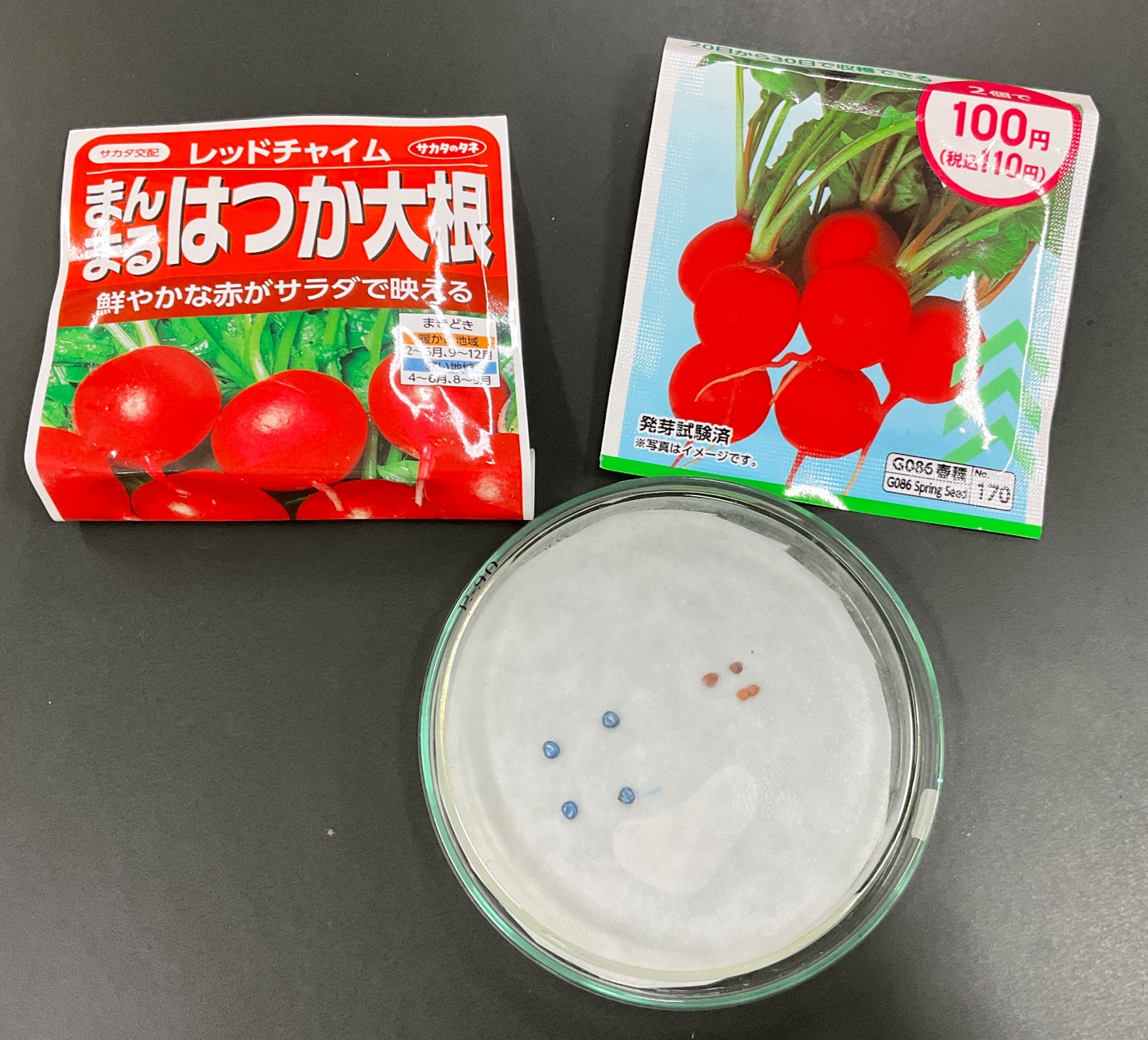
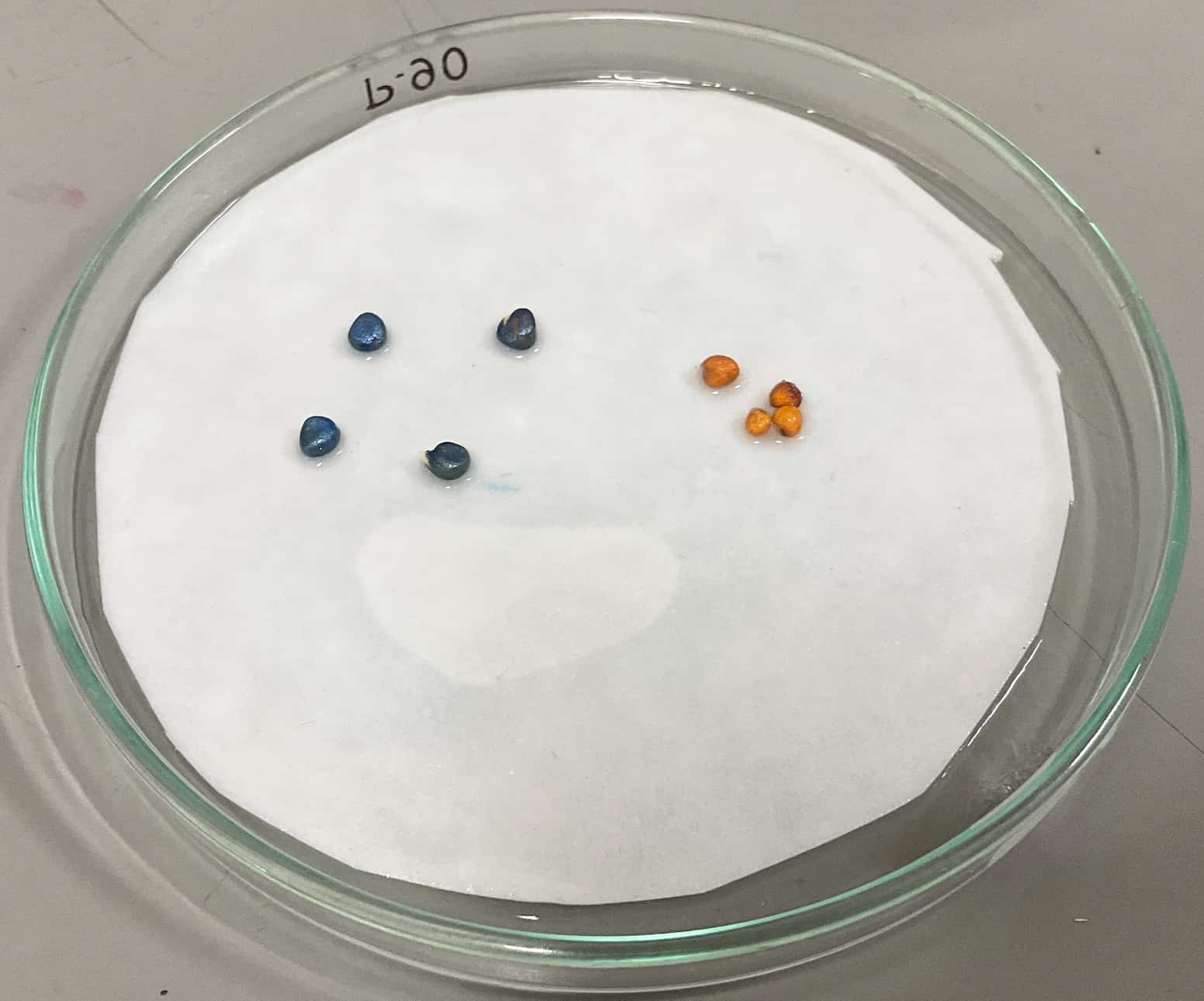
At 11:00 AM on May 10th, I soaked the radish seeds in water. Plant seeds are in a state of “dormancy” when dry, but getting water flips the switch, triggering them to start growing. For comparison, I used two different types of seeds:
- Left: Sakata Seed (blue, coated seed)
- Right: Daiso (brown, uncoated seed)
📅 Day 1, 7:00 AM – Life Force Breaks Through in Just 20 Hours
Incredibly, tiny sprouts emerged from the seeds after just one day!
Three conditions are essential for a seed to germinate: “water, suitable temperature, and air.” As its name suggests, the Radish (Hatsukadaikon) is known for its incredibly fast growth. Using the nutrients stored within the seed, it made a rocket-fast start. Will we see any difference in growth based on the seed type? We’ll continue the observation.
📅 Day 2, 6:00 AM – The Mystery of Microscopic “Root Hairs”
The sprouts have grown significantly!
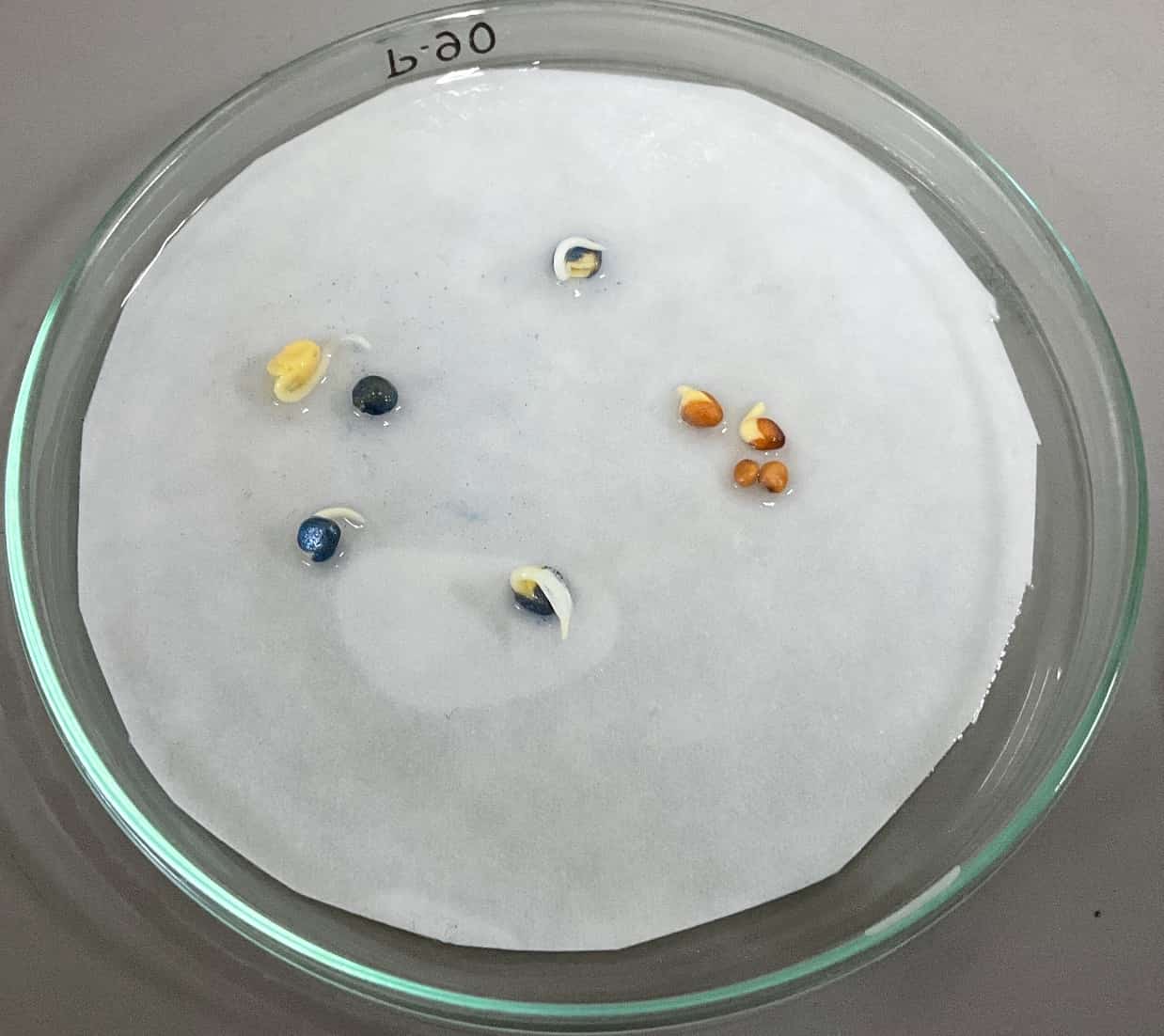
Their growth rate is astonishing. The shape of the cotyledons (seed leaves) is now clear, making them look even more like proper plants. The organ we need to focus on now is a key topic in middle school science exams: the “root hair” (根毛, konmou). After checking the root growth, I made a surprising discovery: some roots had visible root hairs, and others did not.
- Root hairs observed: Dense, white, fluffy hairs were visible.
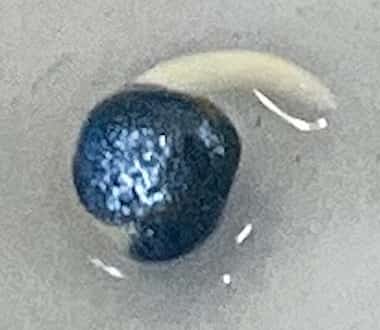
- No root hairs observed: The root surface was smooth.
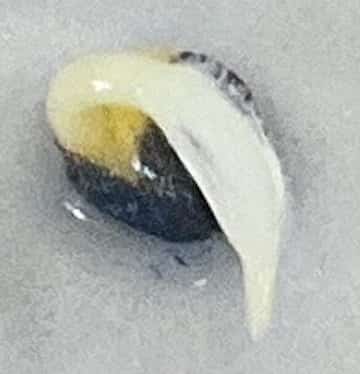
Why do plants grow these tiny hairs in the first place? It’s a survival strategy: “to increase the surface area for efficient absorption of water and dissolved nutrients.” So, why the difference this time? We can speculate on a few factors:
- Slight variations in water absorption.
- Differences in growth speed between seed varieties.
- Minor inconsistencies in the surrounding environment.
When things don’t go “by the textbook,” that’s the fun part of observing nature—it’s the real gateway to science!
📅 Day 3 Revelation! Root Hairs Emerge on All Sprouts
I continued the observation the next day and found that root hairs were now visible on all the sprouts! 🎉
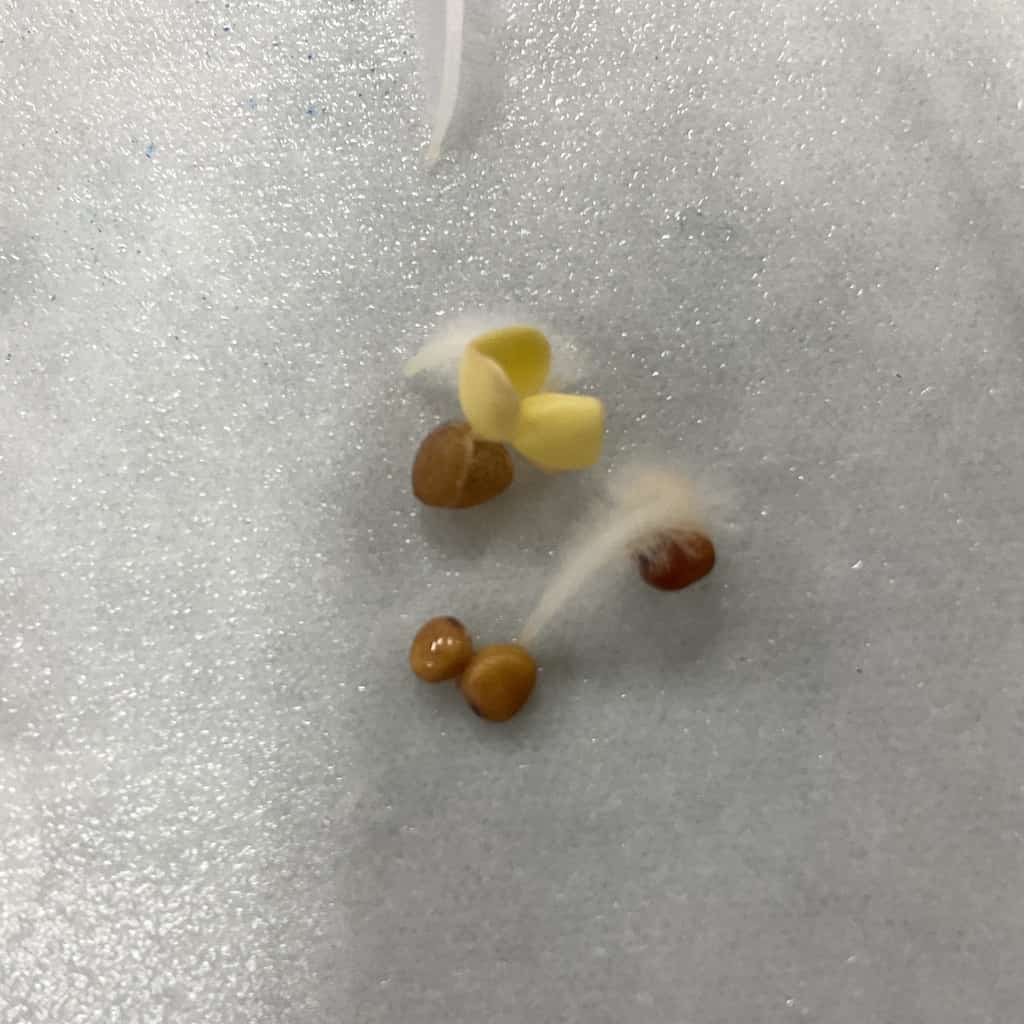
The conclusion is that root hairs generally appear on all radish sprouts around the third day after soaking. For my fellow educators, if you plan to have your students observe root hairs in class, soaking the seeds in water three days before the lesson seems to be the perfect timing.
🌟 Summary: Big Science from a Small Seed
🌱 Key Takeaways from Radish Germination Observation
- The life switch is flipped, and sprouting begins after just one day.
- The appearance of root hairs has individual differences, but they are confirmed on all sprouts by Day 3.
- Root hairs are a plant’s ingenious strategy to increase surface area and desperately search for the water needed to live.
Plant growth is a complex interplay of various factors like water, temperature, and light. Through this observation, we can move beyond simply noting “It grew,” and ask deeper scientific questions: “Why do those white hairs appear?” or “Why is there a difference between individuals?” Asking these questions leads to a much richer scientific understanding.
Contact and Requests
Bring the wonder and fun of science closer to you! I’ve put together easy-to-understand tips and fun science experiments you can do at home. Be sure to check out my other articles!
・About the administrator, Ken Kuwako: Click here
・For various requests (writing, lectures, experimental classes, TV supervision/appearances, etc.): Click here ・Updates are posted on X!
 Experimental videos are available on the Science Channel!
9月のイチオシ実験!
お弁当箱をプラバンがわりにしてキーホルダーを作ろう!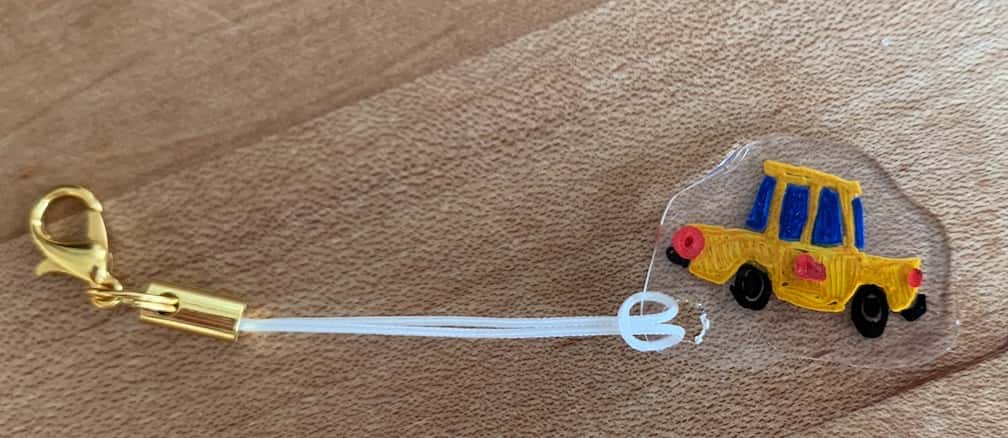
テレビ番組監修・イベント等のお知らせ
- 8月27日(木)科学監修番組放送予定
- 9月20日(日)ダビンチマスターズ出演予定
- 10月10日(土)11:15~12:00 千葉市科学フェスタ2026「桑子先生の回転科学ショー」にてサイエンスショーを行います。
- 12月26日(土) ナリカサイエンスアカデミー(教員向け実験講習会)開催
書籍のお知らせ
- 『高校入試 分解問題集 理科』(学研)…難しい問題も小さな問題に分解することで、問題を解くことができます。そんな分解の技術が身につくように深く関わりを持って作りました。
 『大人のための高校物理復習帳』(講談社)…一般向けに日常の物理について公式を元に紐解きました。特設サイトでは実験を多数紹介しています。※増刷がかかり6刷となりました(2026/02/01)
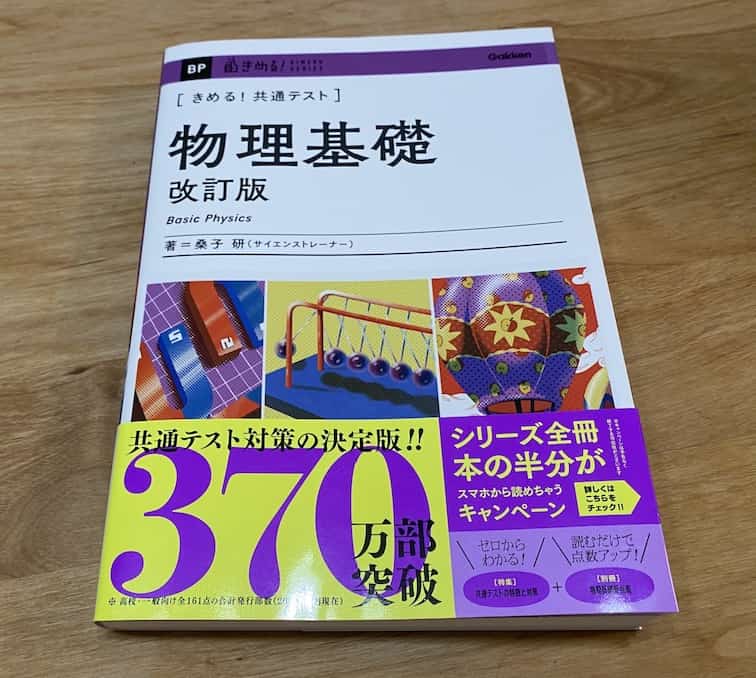
- 『きめる!共通テスト 物理基礎 改訂版』(学研)… 高校物理の参考書です。イラストを多くしてイメージが持てるように描きました。授業についていけない、物理が苦手、そんな生徒におすすめです。特設サイトはこちら。
各種SNS(更新情報をお届け!)
【日本語】X(Twitter)/instagram/Facebook 【英語】BlueSky/Threads
Explore
- 楽しい実験…お子さんと一緒に夢中になれるイチオシの科学実験を多数紹介しています。また、高校物理の理解を深めるための動画教材も用意しました。
- 理科の教材… 理科教師をバックアップ!授業の質を高め、準備を効率化するための選りすぐりの教材を紹介しています。
- Youtube…科学実験等の動画を配信しています。
- 科学ラジオ …科学トピックをほぼ毎日配信中!AI技術を駆使して作成した「耳で楽しむ科学」をお届けします。
- 講演 …全国各地で実験講習会・サイエンスショー等を行っています。
- About …「科学のネタ帳」のコンセプトや、運営者である桑子研のプロフィール・想いをまとめています。
- お問い合わせ …実験教室のご依頼、執筆・講演の相談、科学監修等はこちらのフォームからお寄せください。