A Must-Read for Parents! How to Decode Amazing Home Appliances That Answer Kids’ Big “Why?”
I’m Ken Kuwako, a Science Trainer. Every Day is an Experiment!
In the quiet of the night kitchen, you hear that low “buzz” coming from the refrigerator. I bet everyone has wondered about that sound at some point. On hot summer days when I was little, I used to lie down on the floor near the fridge, enjoying the cool air while pressing my ear close to that noise.
It sounded like a scary growl, yet also like a creature’s heartbeat—somehow, I just wanted to keep listening to it. I fondly remember my mom giving me a puzzled look whenever she saw me lying there. That “buzz” was actually the sound of the refrigerator working hard to pump heat out into the room.
Speaking of unraveling the mysteries of home appliances, I recently bought a book perfect for the job: Amazing Home Appliances (Blue Backs).
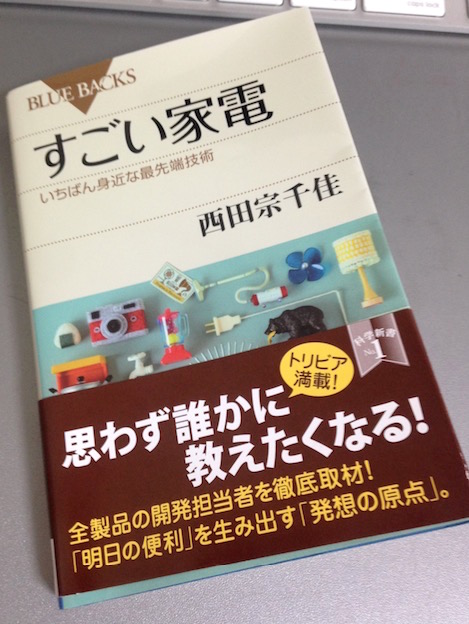
Kodansha’s Blue Backs series is known for serious, no-nonsense science books, so when I saw this cover, I thought, “That doesn’t look very ‘Blue Backs’-ish!” but I picked it up anyway. I was drawn in by the wealth of appliance trivia and, even more so, by the fact that it was written based on extensive interviews with current Panasonic employees. I figured it would be full of the kind of wisdom that comes from on-site engineers, not just academic theories.
And it turned out to be a:
HUGE WIN!
“Living Science” Not Found in Textbooks
This book, of course, details the scientific mechanisms behind home appliances, but what I found most interesting was the surrounding knowledge and the stories behind the development (which makes sense, given the interviews with Panasonic staff!).
Take the refrigerator’s cooling system, for example. It uses a technology called a “heat pump.” As the name suggests, a heat pump is a mechanism that “pumps” up “heat.” The refrigerator doesn’t create cold air; it cools things down by drawing the heat out of the box and dumping it outside.
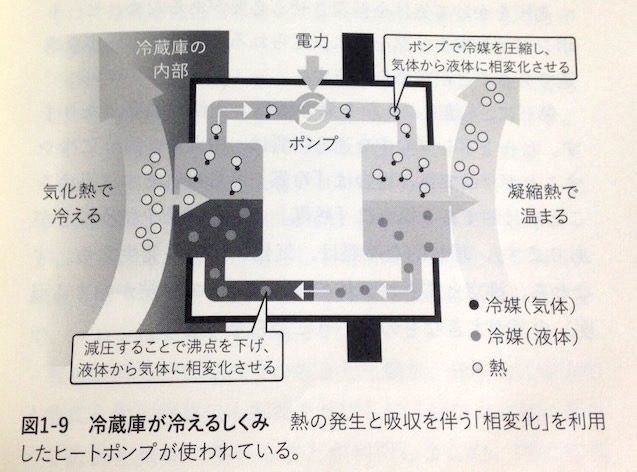
I found it clever that they illustrated the invisible concept of “heat” with balls. It makes it extremely easy to understand.
The History of Engineers’ Struggles and Innovations
Beyond the scientific principles, the history of technological evolution is also fascinating. Old refrigerators almost always had the freezer compartment on top. However, most modern refrigerators have the freezer on the bottom, right? In reality, just moving the freezer to the bottom was a major challenge for engineers. Since cold air naturally sinks, there were many problems to solve regarding cooling efficiency and piping. The descriptions from the engineers’ point of view are incredibly realistic. Furthermore, I was impressed by the ingenuity used to increase the usable storage capacity (volume) when they adopted “drawer-style” vegetable and freezer compartments at the bottom.
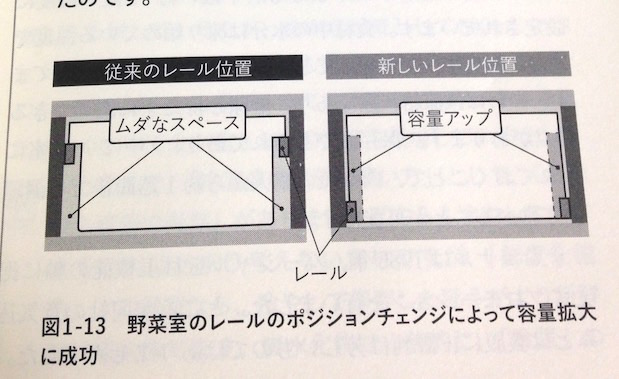
The key was apparently placing the drawer rails on the “bottom surface.” You might think, “Oh, that’s simple,” but it wasn’t standard practice back then.
If the rails were placed on the sides, it would narrow the drawer’s width. By laying the rails on the bottom, they could maximize the horizontal space and secure the volume. The book goes into detail, but this kind of “obsession with squeezing out a few extra centimeters” is what I believe makes Japanese home appliances so incredible. This book goes beyond the scope of a typical explanatory guide—it’s the kind of book you want to talk about with others. It will certainly be a great source of conversation starters for students in science class!
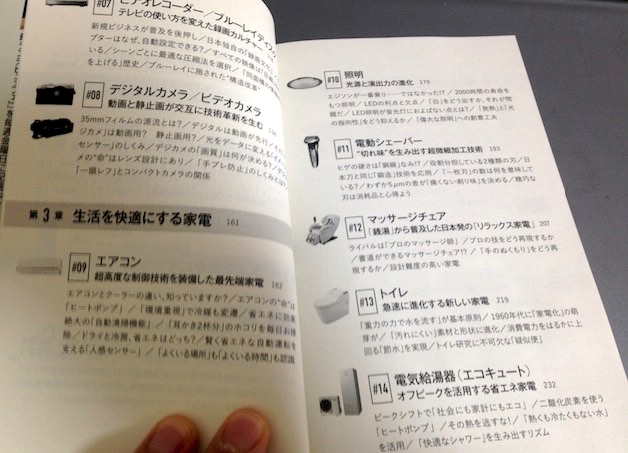
Home Appliances: The Most Accessible Physics Textbook
Just as we can increase motivation for learning calculus by showing how it’s used in physics, making it relatable, we can also make science feel accessible by using home appliances that we use every day. Why is the back of the refrigerator hot? How does a vacuum cleaner suck up dirt? This is the book that can answer those spontaneous questions kids often ask. Science teachers, fathers, and mothers, please give it a read! I’m sure it will change the way you see things around your house.
Inquiries and Requests
Get closer to the wonders and fun of science! I’ve put together easy-to-understand guides on fun science experiments you can do at home, along with tips and tricks. Feel free to browse around!
The content from Kagaku no Netacho has been published as a book. Details here.
More about the operator, Ken Kuwako: here.
For various requests (writing, lectures, science workshops, TV supervision/appearances, etc.): here. * Article updates are distributed on X!
 We are posting experiment videos on the Science Idea Channel!
9月のイチオシ実験!
お弁当箱をプラバンがわりにしてキーホルダーを作ろう!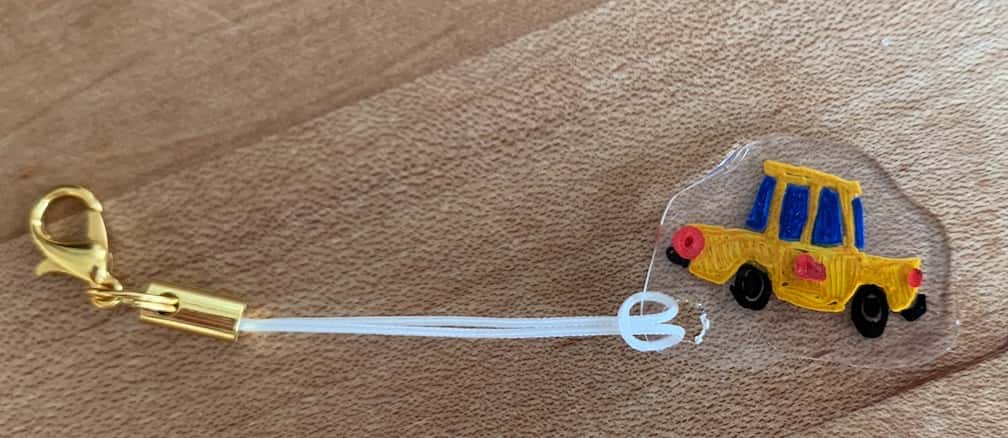
テレビ番組監修・イベント等のお知らせ
- 8月27日(木)科学監修番組放送予定
- 9月20日(日)ダビンチマスターズ出演予定
- 10月10日(土)11:15~12:00 千葉市科学フェスタ2026「桑子先生の回転科学ショー」にてサイエンスショーを行います。
- 12月26日(土) ナリカサイエンスアカデミー(教員向け実験講習会)開催
書籍のお知らせ
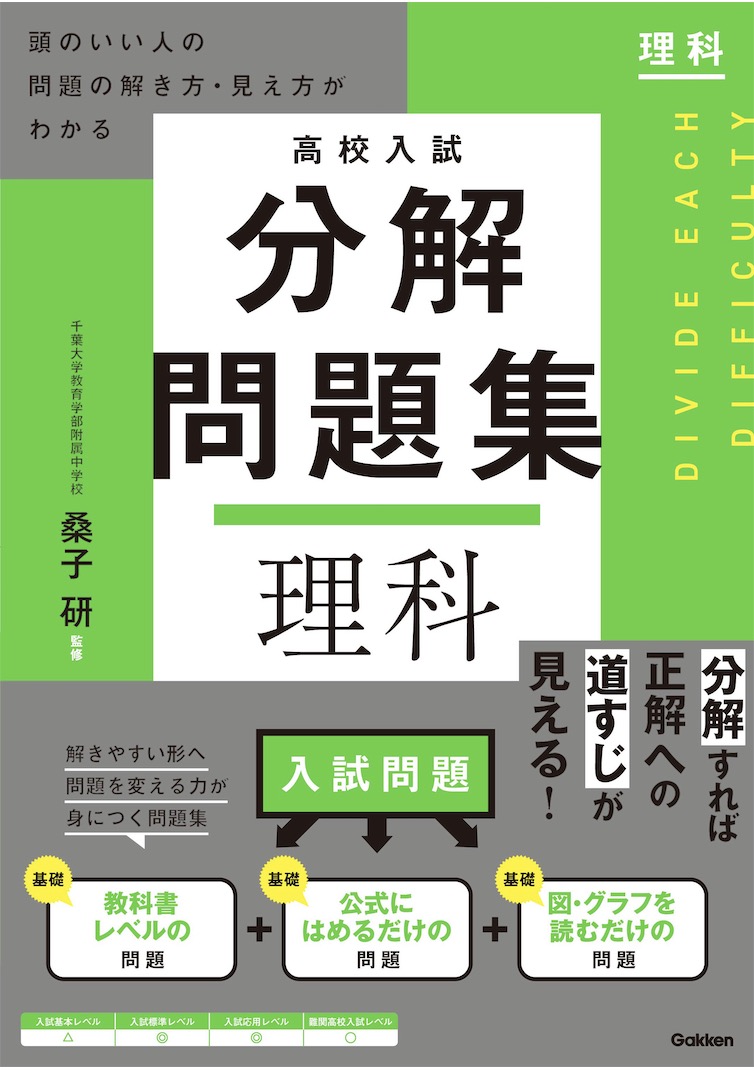
- 『高校入試 分解問題集 理科』(学研)…難しい問題も小さな問題に分解することで、問題を解くことができます。そんな分解の技術が身につくように深く関わりを持って作りました。
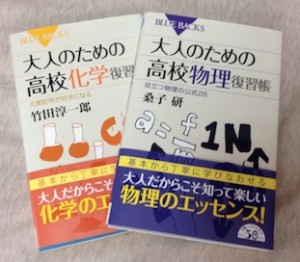
 『大人のための高校物理復習帳』(講談社)…一般向けに日常の物理について公式を元に紐解きました。特設サイトでは実験を多数紹介しています。※増刷がかかり6刷となりました(2026/02/01)
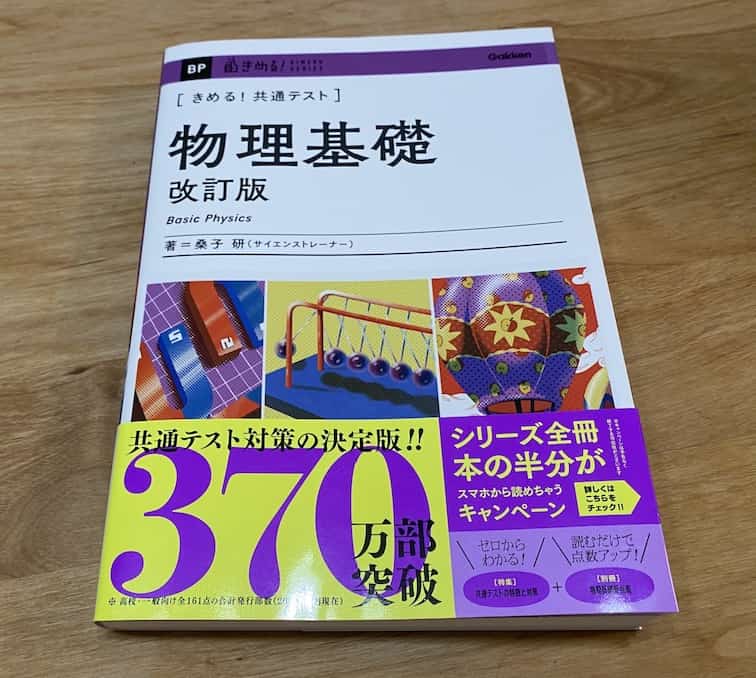
- 『きめる!共通テスト 物理基礎 改訂版』(学研)… 高校物理の参考書です。イラストを多くしてイメージが持てるように描きました。授業についていけない、物理が苦手、そんな生徒におすすめです。特設サイトはこちら。
各種SNS(更新情報をお届け!)
【日本語】X(Twitter)/instagram/Facebook 【英語】BlueSky/Threads
Explore
- 楽しい実験…お子さんと一緒に夢中になれるイチオシの科学実験を多数紹介しています。また、高校物理の理解を深めるための動画教材も用意しました。
- 理科の教材… 理科教師をバックアップ!授業の質を高め、準備を効率化するための選りすぐりの教材を紹介しています。
- Youtube…科学実験等の動画を配信しています。
- 科学ラジオ …科学トピックをほぼ毎日配信中!AI技術を駆使して作成した「耳で楽しむ科学」をお届けします。
- 講演 …全国各地で実験講習会・サイエンスショー等を行っています。
- About …「科学のネタ帳」のコンセプトや、運営者である桑子研のプロフィール・想いをまとめています。
- お問い合わせ …実験教室のご依頼、執筆・講演の相談、科学監修等はこちらのフォームからお寄せください。