The Part of an Apple You Eat Isn’t the Fruit! And the Real Fruit Is What You Throw Away? One Apple Will Change How You See the World (Botany Facts You Can Use Today)
Ken Kuwako here, your Science Trainer. Every day is an experiment.
When you cut open an apple, do you toss the core because it’s “the part you can’t eat”? Here’s a twist: in the world of botany, that discarded core is the real fruit. So what, exactly, is the sweet, juicy part we all love to munch on?
Take a crisp bite, and sweet-tart juice floods your mouth. This everyday apple is hiding a pretty strange secret.
Plot twist! What we eat is actually the base of the flower?
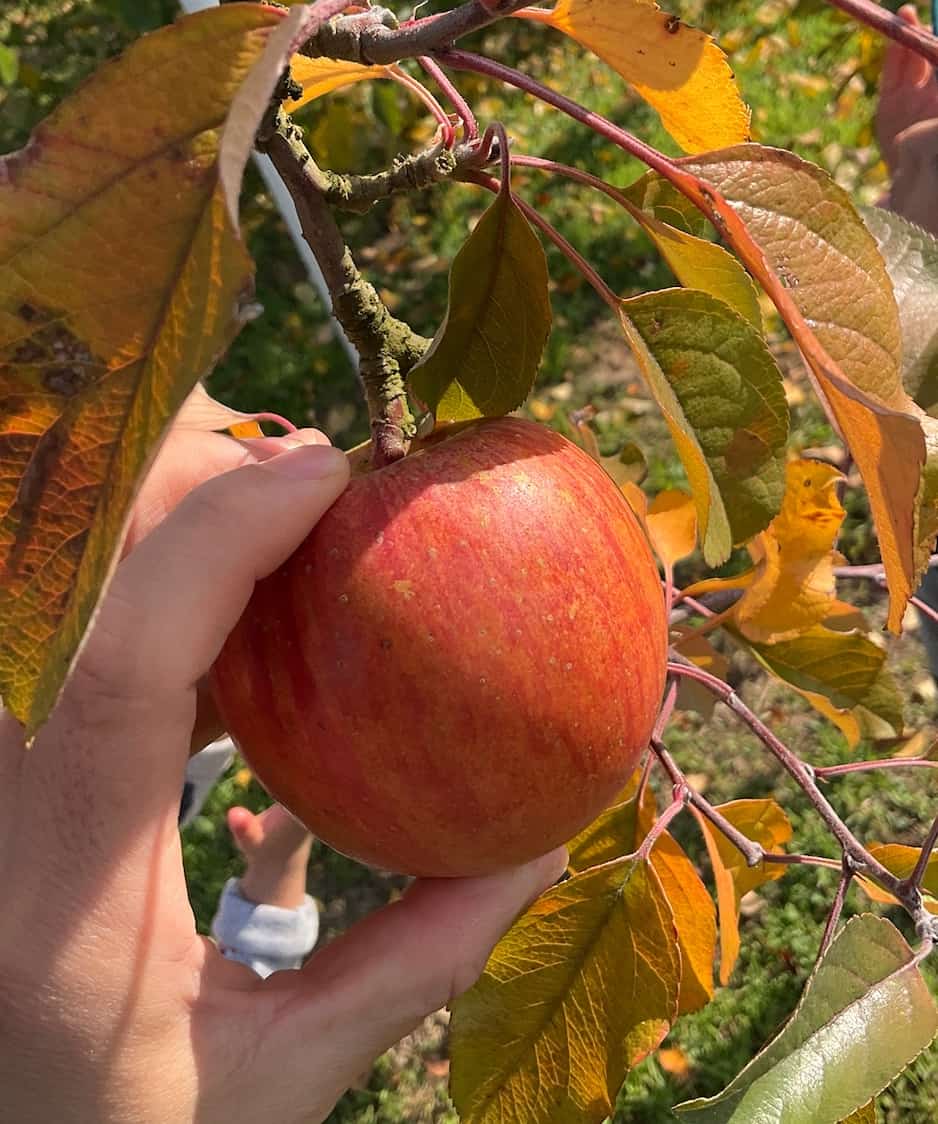
When you dig into it, it turns out the flesh of an apple is actually the “receptacle”, the part of a flower that holds everything up, grown big and plump. What we thought of as the fruit is really the swollen base of a blossom. Surprising, right?
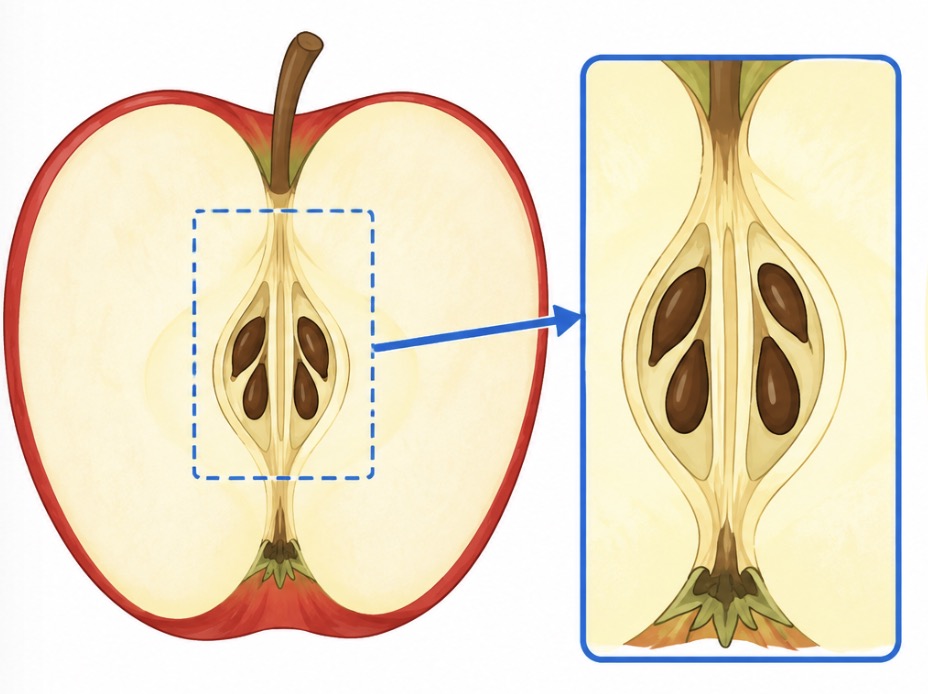
So where is the true “ovary”, the botanical fruit? The ovary is the part inside a flower that holds the seeds and is destined to become the fruit.
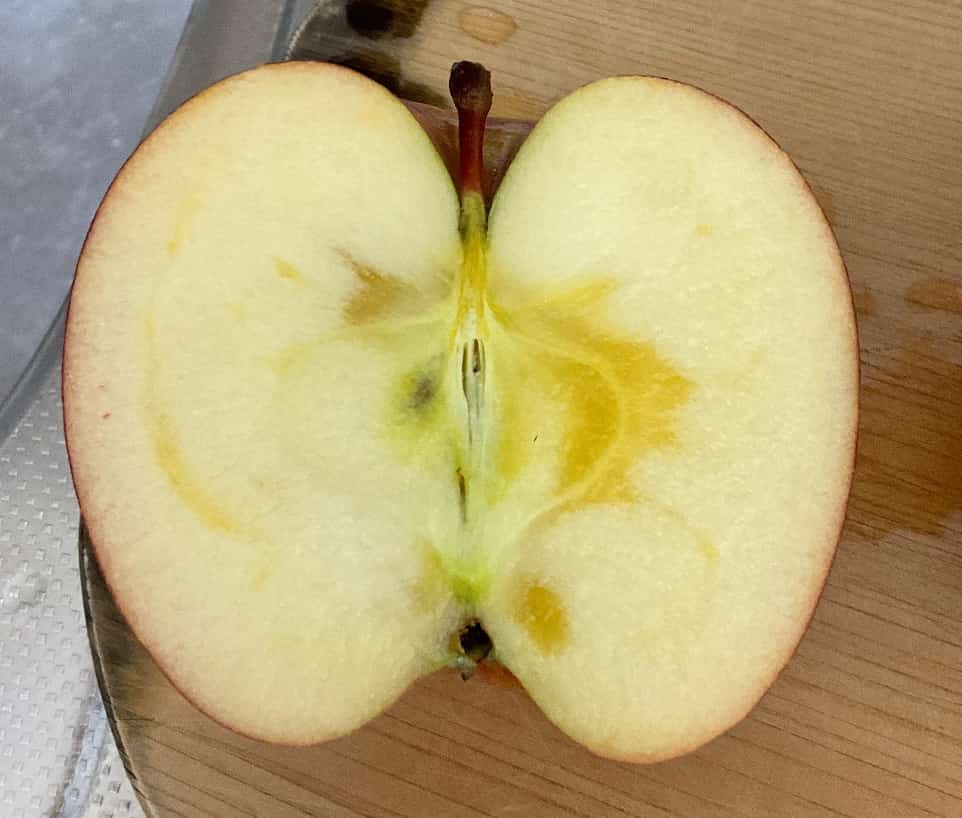
Believe it or not, the apple’s “core” is the ovary. That tough part holding the seeds is, botanically speaking, the real fruit.
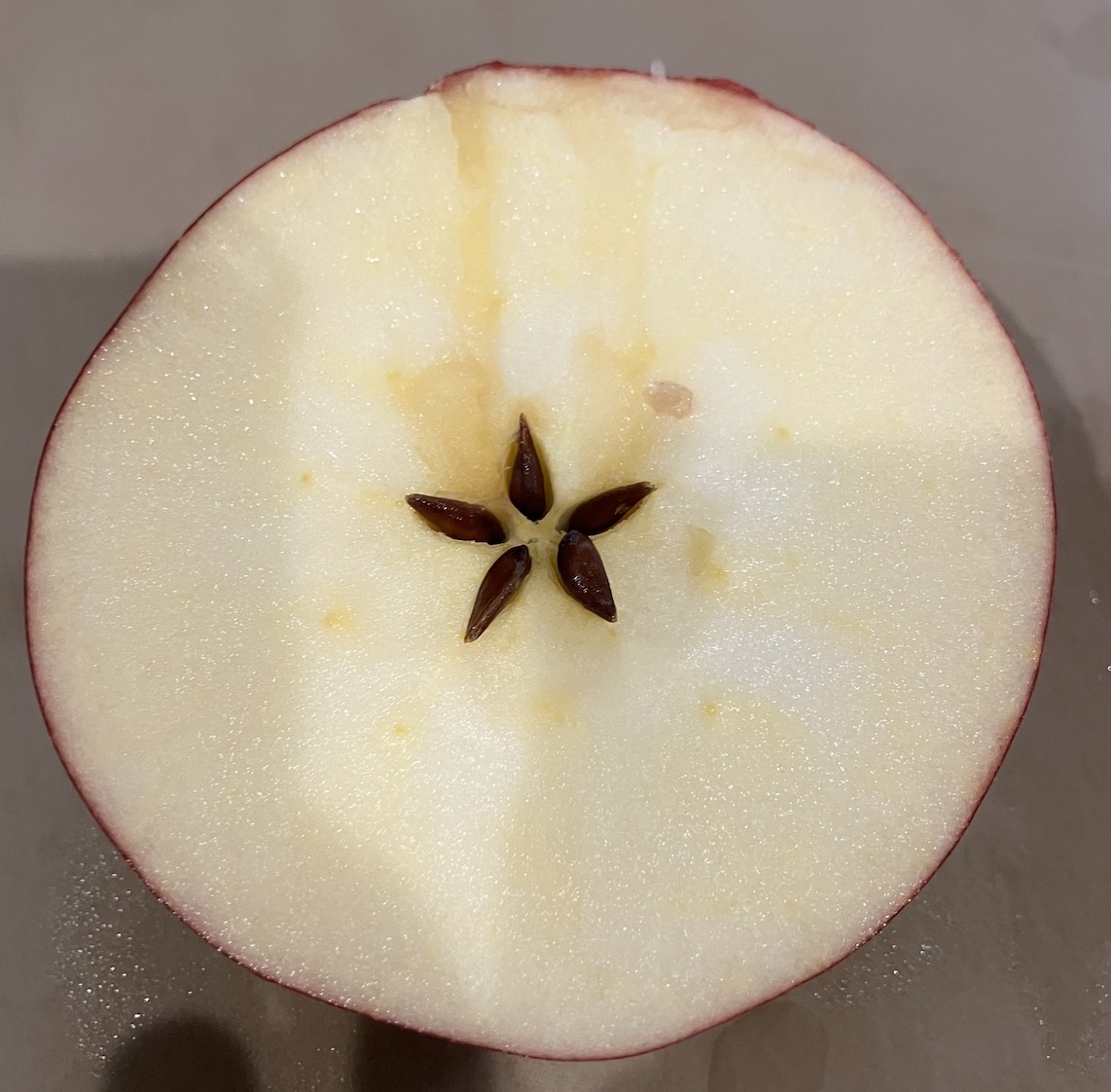
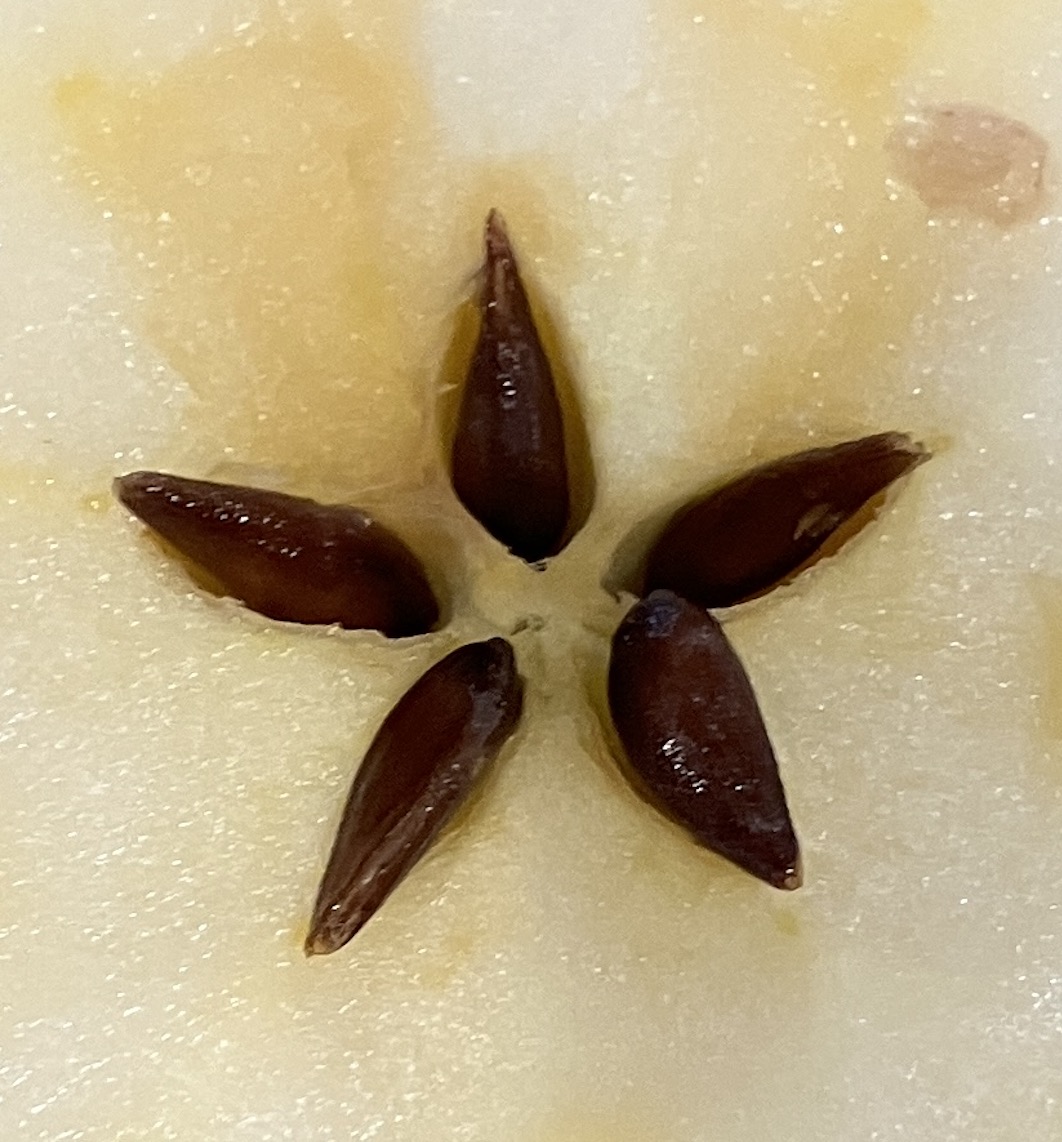
Try slicing an apple horizontally and take a look. The area around the core forms a star shape. That’s because there are five seed chambers, which gives you a nice peek at the inner structure of the ovary.
What’s that messy tuft at the bottom of an apple?
Now, what about that scruffy little bit at the bottom of the apple? Any guesses what it’s left over from?
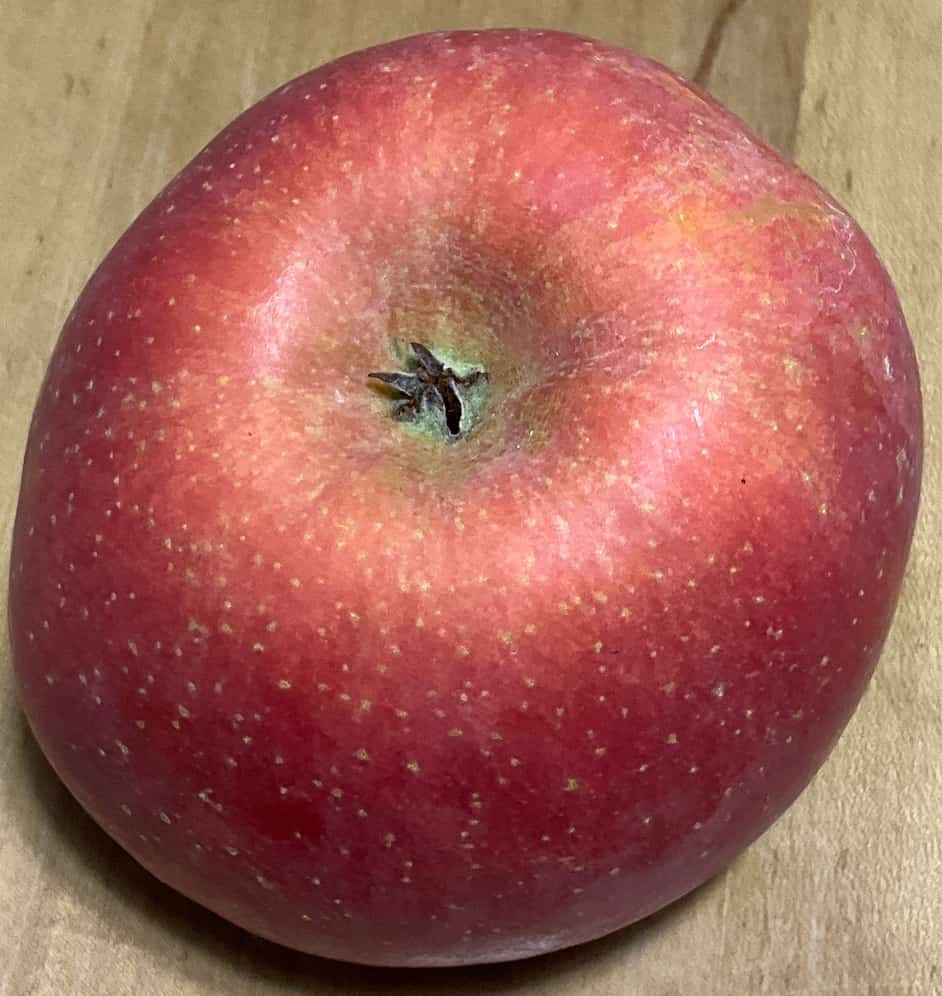
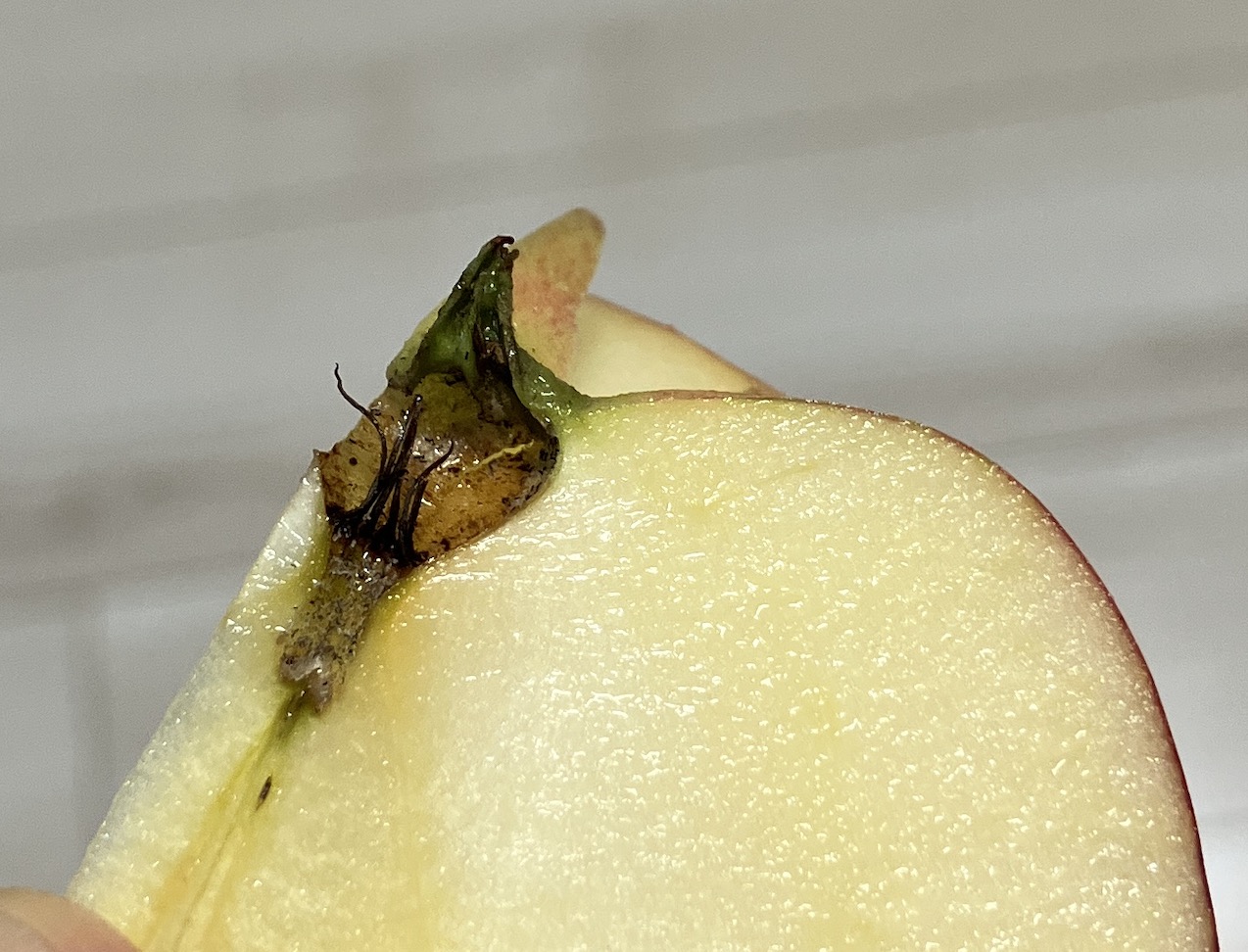
What you’re looking at is the calyx, and it turns out to be the dried-up remains of the apple blossom’s sepals, along with its pistils and stamens. Picture how a flower blooms and then turns into fruit, and it all clicks. The bottom of an apple is proof that a flower once bloomed right there.
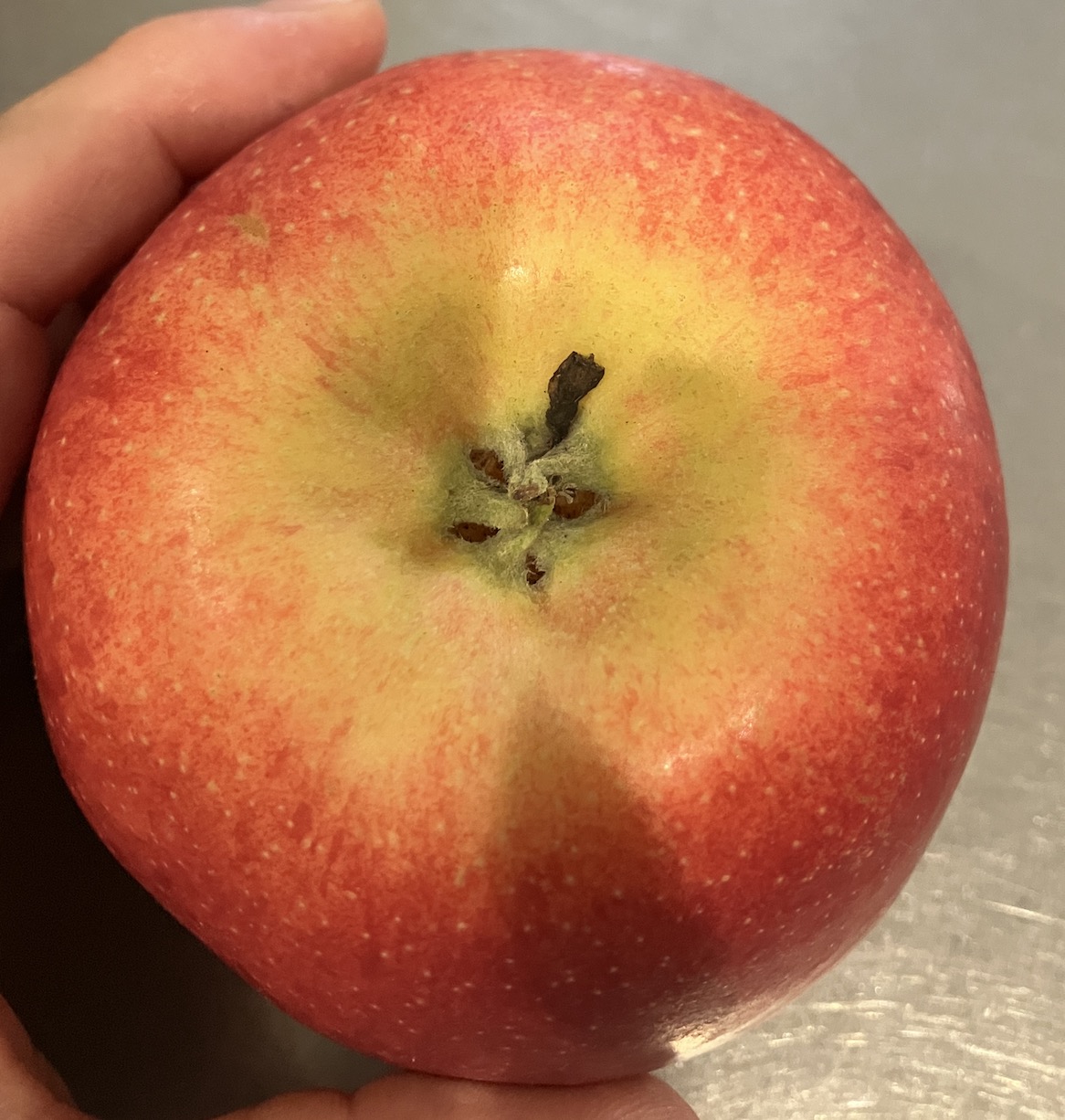
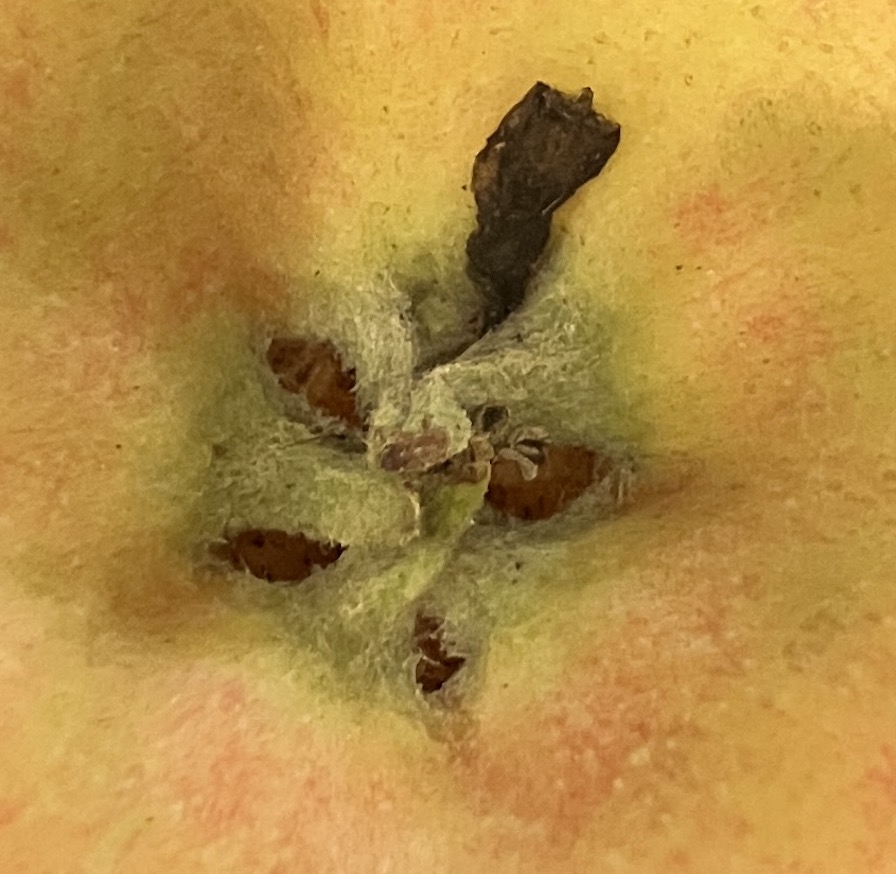
The diagram on this page from Ringo Daigaku (Apple University) is super clear, so do check it out. For photos, this page from the Rika Binran Network (a science handbook site) has beautifully shot cross-sections that are easy to follow.
Let’s cut it open and see…
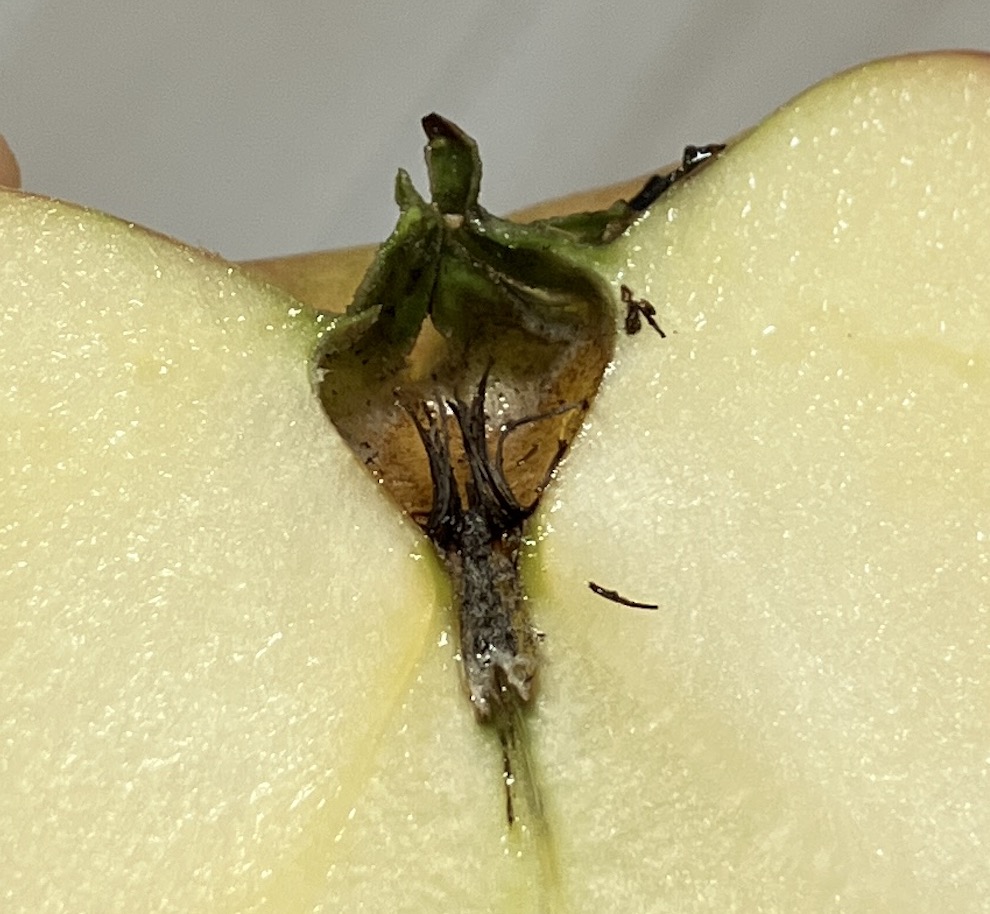
Look at all those leftover stamens!
Fruits that grow from parts other than the ovary are called “false fruits”
A fruit like the apple, where a part other than the ovary does most of the growing, is called a “false fruit” (or accessory fruit). With a name like that, you might think it’s some kind of fake, but of course that’s not the case. It’s just that the part we think of as the fruit and the part botanists call the fruit don’t quite line up.
Pears and strawberries are also false fruits. Take the strawberry: its juicy red part is the same receptacle that makes up the apple’s flesh. So where’s the real fruit? It’s those little dots all over the surface. They look like seeds, but each one is actually a tiny fruit with a seed inside.
So the real fruit is the core in an apple and the tiny dots on a strawberry. All this time, we’ve been enjoying the parts that aren’t the true fruit!
Hidden inside the things we take for granted every day is some surprising science. Take how apples are classified, for example. Did you know the apple belongs to the rose family, along with strawberries, pears, and cherries?
Flowers in the rose family tend to have five petals and lots of stamens, and apple blossoms look a lot like cherry blossoms. Yet even though the flowers are so similar, they develop differently: the apple’s flesh comes from the receptacle, while with cherries, what we eat is part of the ovary. Isn’t that fascinating? Just by unraveling a single apple, you start to see how deeply connected the plant world is.
Next time you eat an apple, try asking yourself, “Is this bit the receptacle?” or “Is that a leftover sepal?” as you savor it. You might just make a new discovery!
References
Ringo Daigaku (Apple University), “Apple Flowers and Fruit”: https://www.ringodaigaku.com/study/study01b.html
Accessed: 2026/10/14
Rika Binran Network, “Fruit (Kajitsu)”
Accessed: 2026/10/14
Contact and Requests
Bring the wonder and fun of science closer to home! This site collects fun science experiments you can do at home, along with tips to make them work. Try searching around!
・The content of “Kagaku no Netacho” (Science Idea Notebook) has been published as a book. Details here
・To learn more about the site’s author, Ken Kuwako, click here
・For requests of all kinds (writing, talks, science workshops, TV supervision and appearances, and more), click here
・Article updates are posted on X!
 Kagaku no Neta Channel (Science Ideas Channel): experiment videos streaming now!
テレビ番組監修・イベント等のお知らせ
- 「ネイチャーティーチャー」(TBS)に出演しました。Tverにて11月3日(火)まで配信中です。

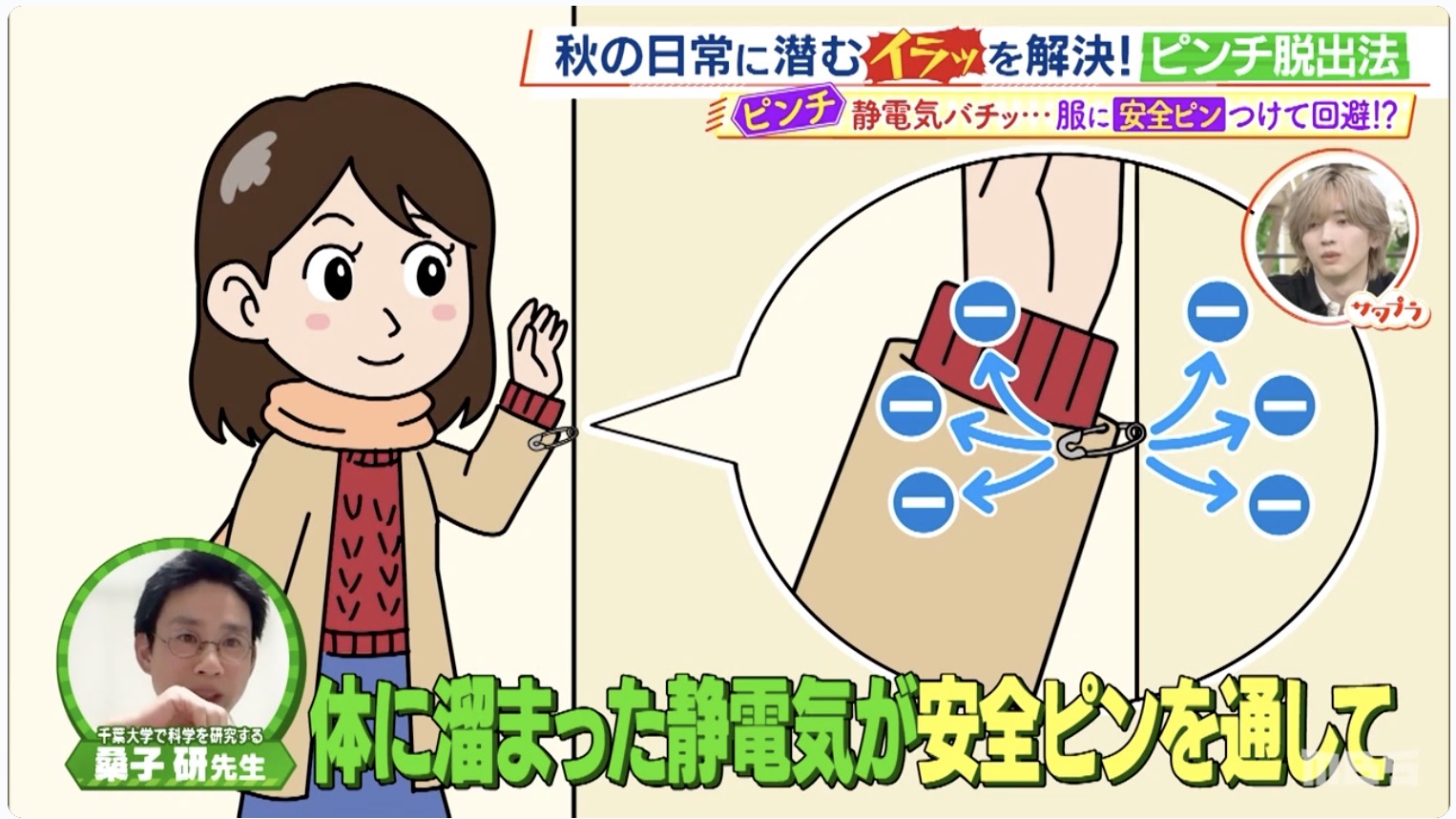
- サタプラ(MBS)にて「日常に潜む!ピンチ脱出法について」のコーナーに出演しました。Tverにて11月7日(土)まで配信中です。
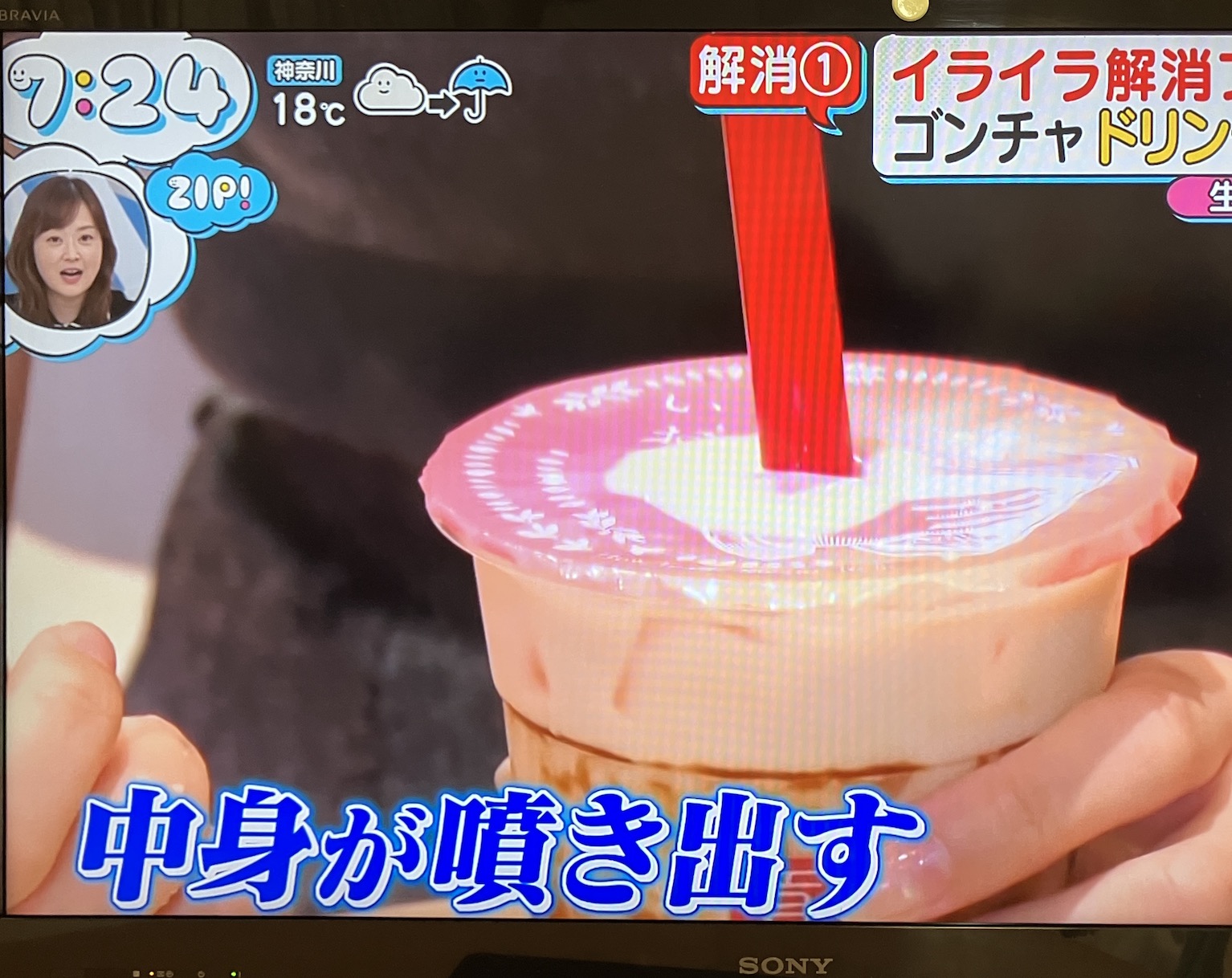
- 11/4(水)ZIP(日本テレビ)のコーナー(7:20分ころ放送予定)にて科学監修を担当しました。ゴンチャのストローの差し方に関するウラザワと科学解説についてです。
- 11月27日(金) テレビ監修番組放送予定
- 12月26日(土) ナリカサイエンスアカデミー(教員向け実験講習会)開催
11月のイチオシ実験!
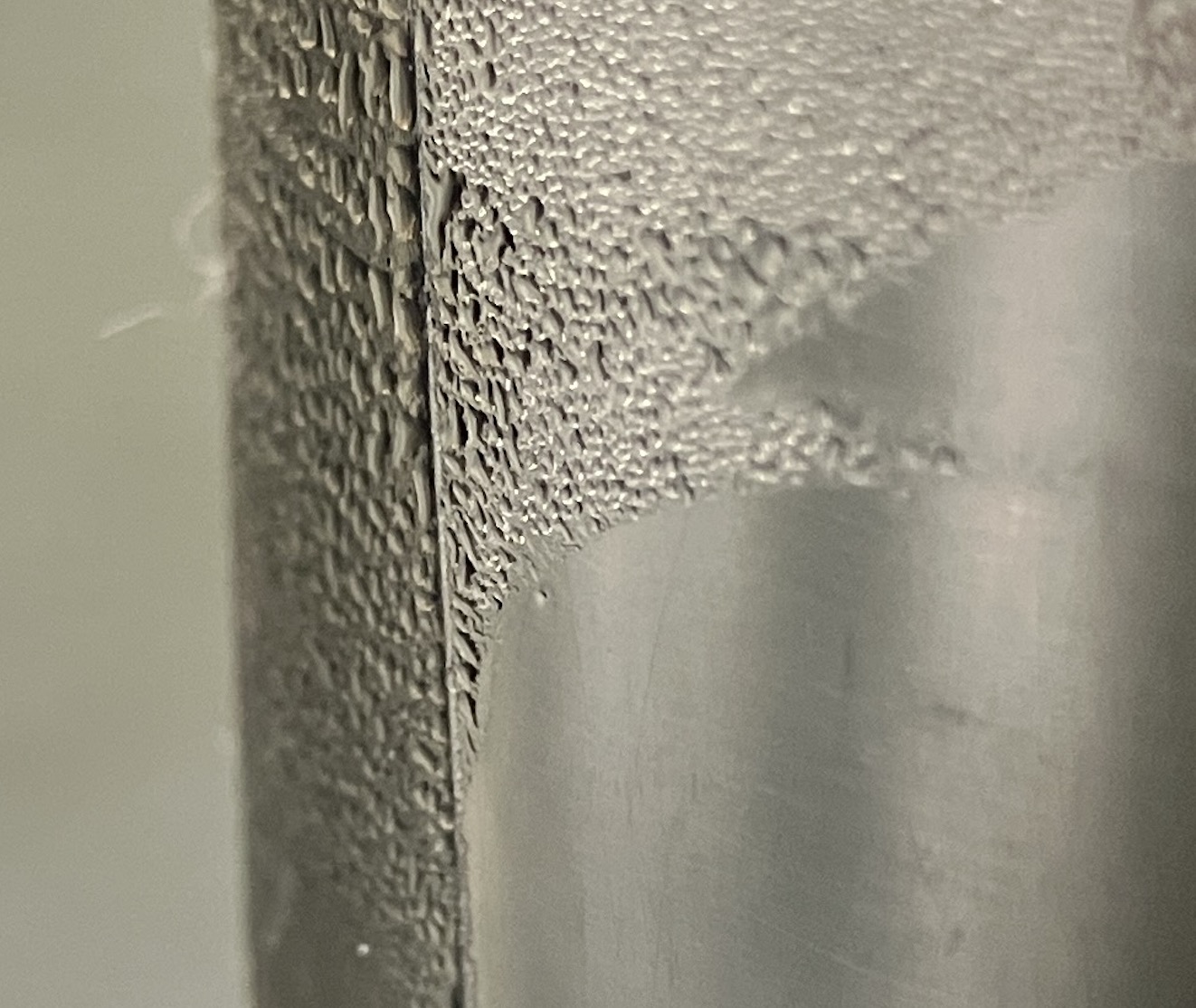
どうして結露は起こるのか?結露を防ぐためには?実験で確かめよう!
書籍のお知らせ
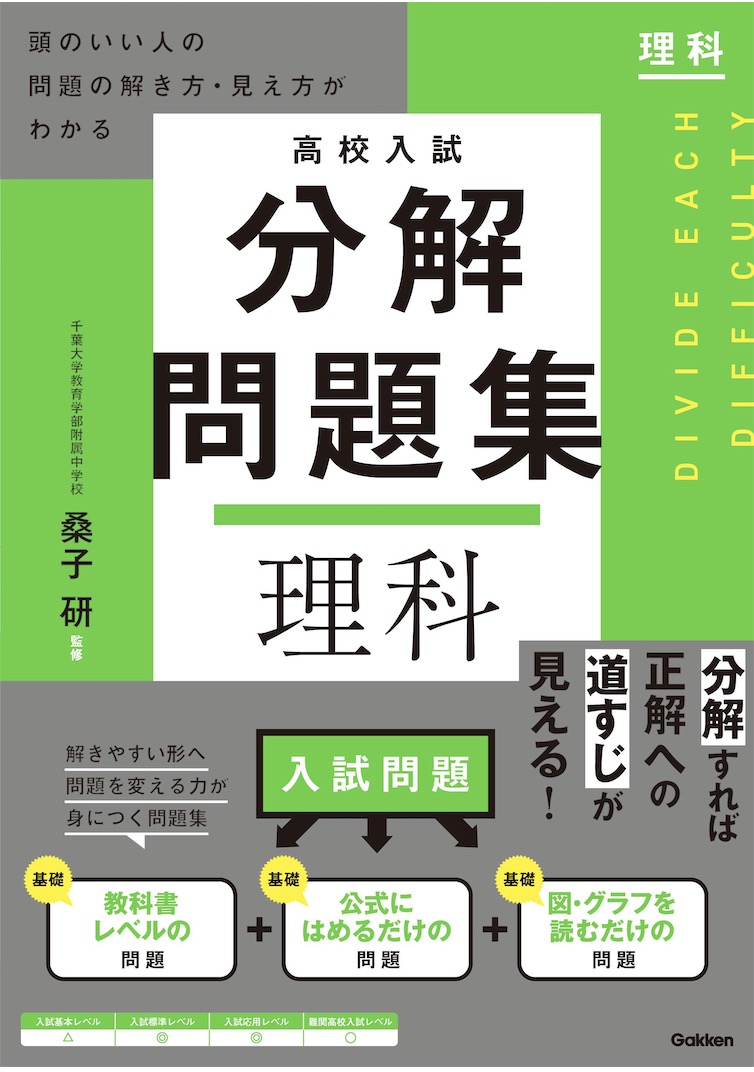
- 『高校入試 分解問題集 理科』(学研)…難しい問題も小さな問題に分解することで、問題を解くことができます。そんな分解の技術が身につくように深く関わりを持って作りました。
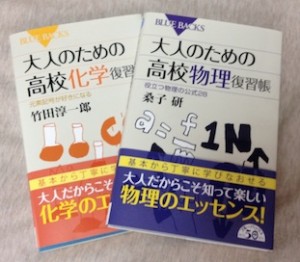
 『大人のための高校物理復習帳』(講談社)…一般向けに日常の物理について公式を元に紐解きました。特設サイトでは実験を多数紹介しています。※増刷がかかり6刷となりました(2026/02/01)
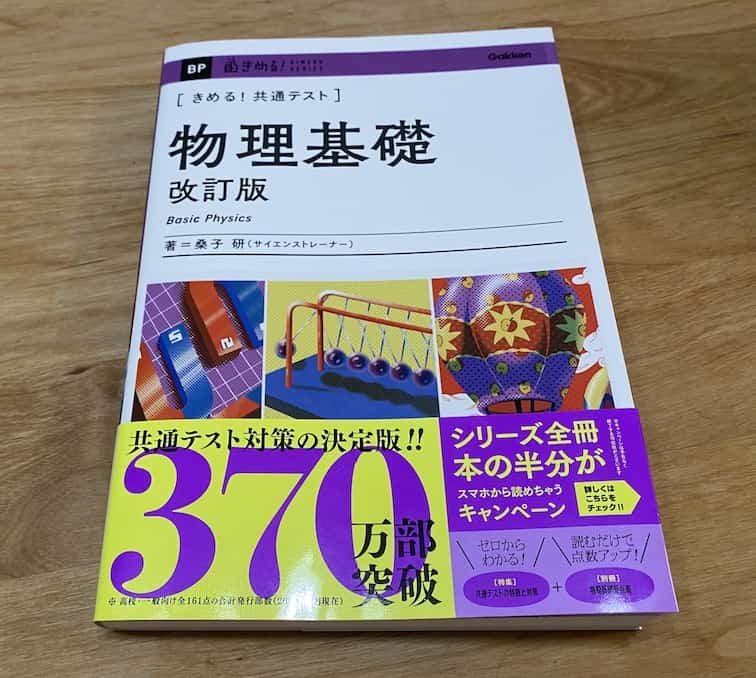
- 『きめる!共通テスト 物理基礎 改訂版』(学研)… 高校物理の参考書です。イラストを多くしてイメージが持てるように描きました。授業についていけない、物理が苦手、そんな生徒におすすめです。特設サイトはこちら。
各種SNS(更新情報をお届け!)
【日本語】X(Twitter)/instagram/Facebook 【英語】BlueSky/Threads
Explore
- 楽しい実験…お子さんと一緒に夢中になれるイチオシの科学実験を多数紹介しています。また、高校物理の理解を深めるための動画教材も用意しました。
- 理科の教材… 理科教師をバックアップ!授業の質を高め、準備を効率化するための選りすぐりの教材を紹介しています。
- Youtube…科学実験等の動画を配信しています。
- 科学ラジオ …科学トピックをほぼ毎日配信中!AI技術を駆使して作成した「耳で楽しむ科学」をお届けします。
- 講演 …全国各地で実験講習会・サイエンスショー等を行っています。
- About …「科学のネタ帳」のコンセプトや、運営者である桑子研のプロフィール・想いをまとめています。
- お問い合わせ …実験教室のご依頼、執筆・講演の相談、科学監修等はこちらのフォームからお寄せください。