“Amazing Encyclopedia” Transforms Insect Class! Dive into the Micro World, Tablet in Hand!
I’m Ken Kuwako, your Science Trainer. Every day is an experiment!
Today, I’d like to introduce an absolutely amazing teaching resource: “Monosugoi Zukan” (Amazing Encyclopedia), a digital encyclopedia created by NHK for School!
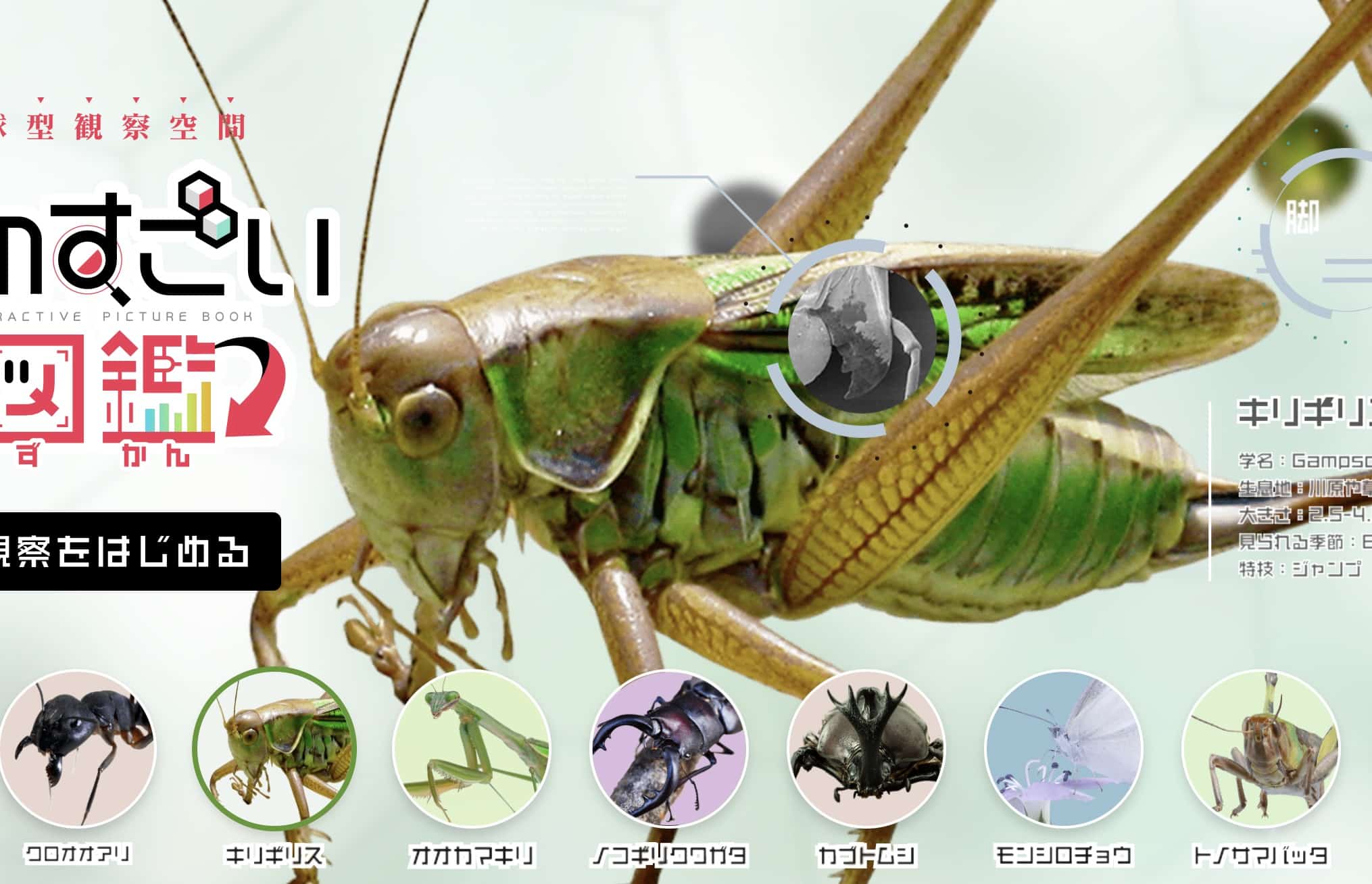
https://www.nhk.or.jp/school/zukan/
This isn’t just an ordinary digital encyclopedia. You can observe living things from all kinds of angles, almost as if you were holding them right in front of you. Even more amazingly, you can explore the microscopic world that is completely invisible to the naked eye, as though you were actually there. In particular, I can confidently say that there is hardly a more powerful tool for teaching the “invertebrates” unit in seventh-grade science, especially when it comes to observing insects.
“But isn’t a digital teaching resource basically just watching videos?” Not at all! “Monosugoi Zukan” is an interactive learning resource where students actively manipulate what they see and experience the excitement of making discoveries for themselves.
In this article, I’ll walk you through exactly how to prepare for a middle school science lesson using “Monosugoi Zukan” to its fullest potential, what you’ll need, and how to structure the lesson. I’ll also share some tips from a professional writer’s perspective. So, let’s use “Monosugoi Zukan” to open the door to your students’ curiosity and let them discover just how fascinating science can be!
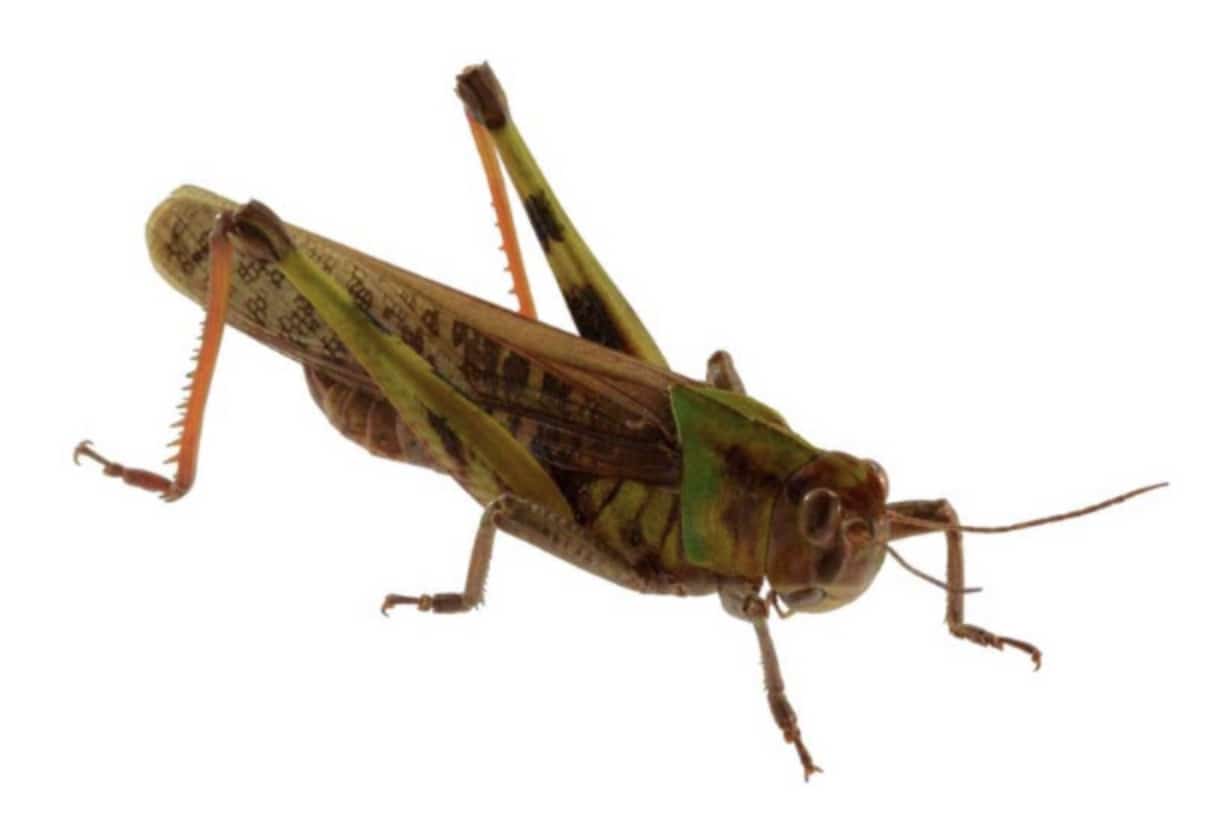
The insect section is particularly impressive, making it an excellent resource for the seventh-grade unit on invertebrates. It can also be used on tablets, so it could be very useful when students are sketching insects. Let’s take a look at this grasshopper, for example.
※ The images introduced below are quoted from NHK for School “Monosugoi Zukan”.
Source: NHK for School “Monosugoi Zukan” (https://www.nhk.or.jp/school/zukan/#grasshopper, accessed September 17, 2026)
Once you click the button to start observing, you’re free to explore the insect however you like. You can even look down at it from above,
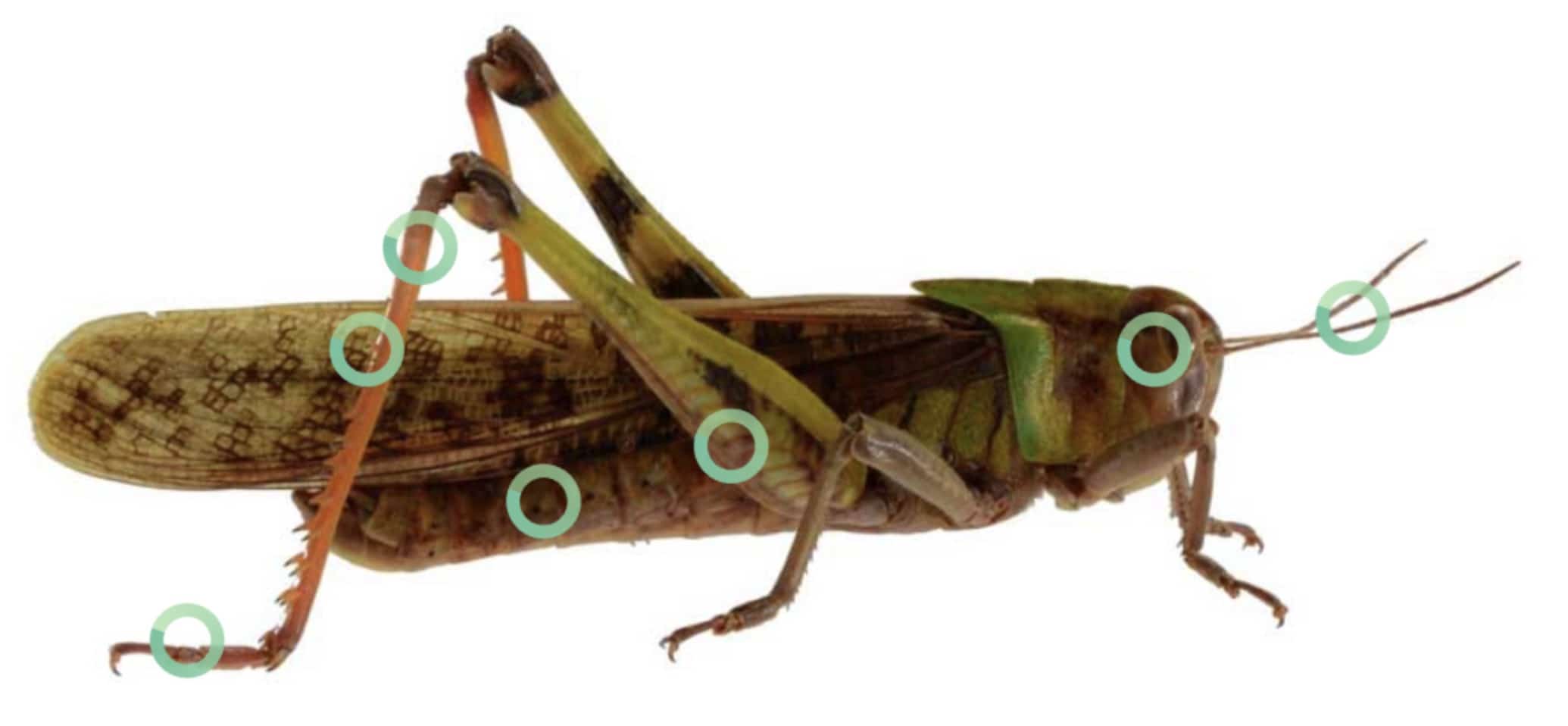
When you zoom in, points of interest appear to guide your attention.
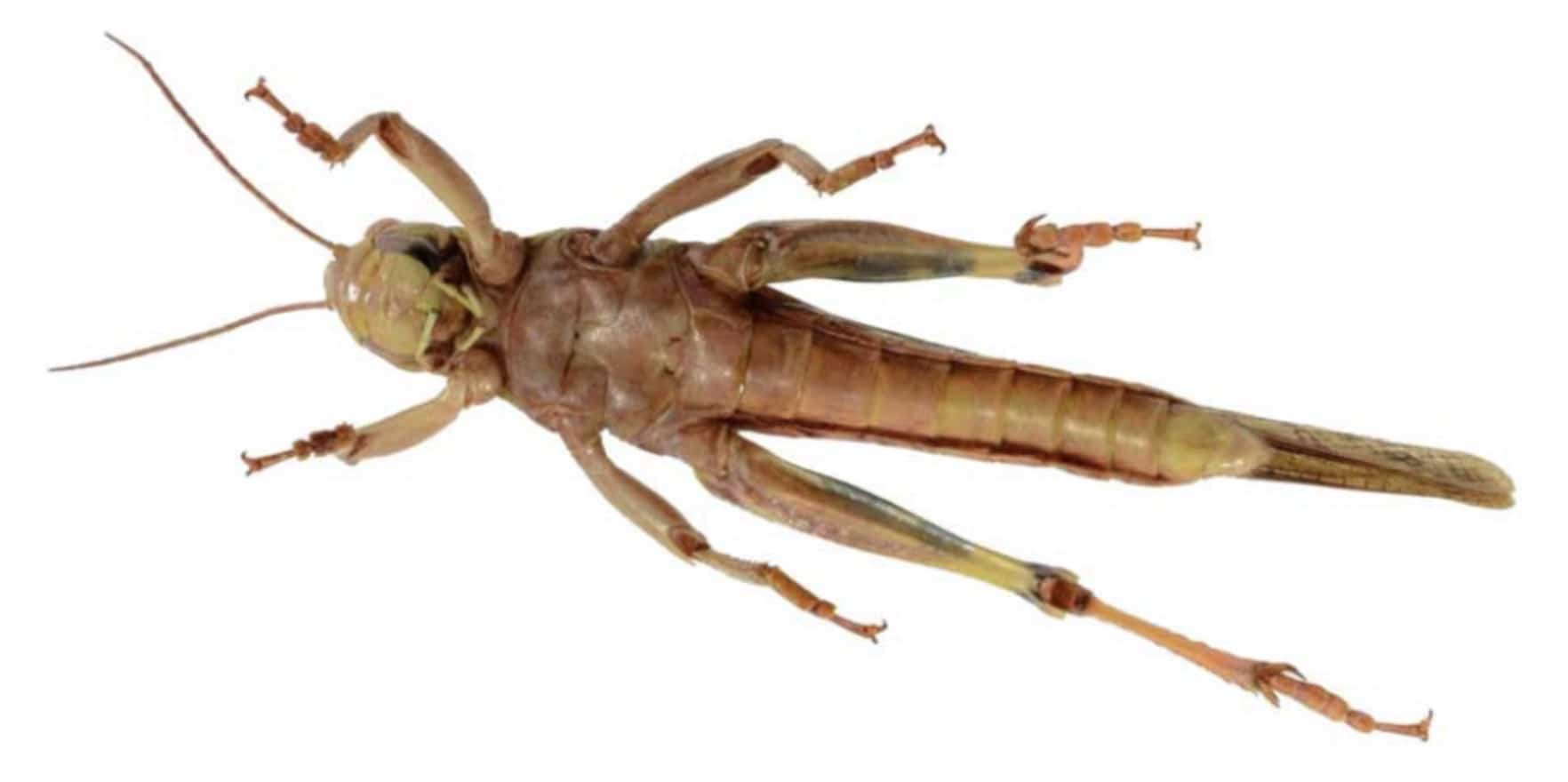
You can even turn it upside down.
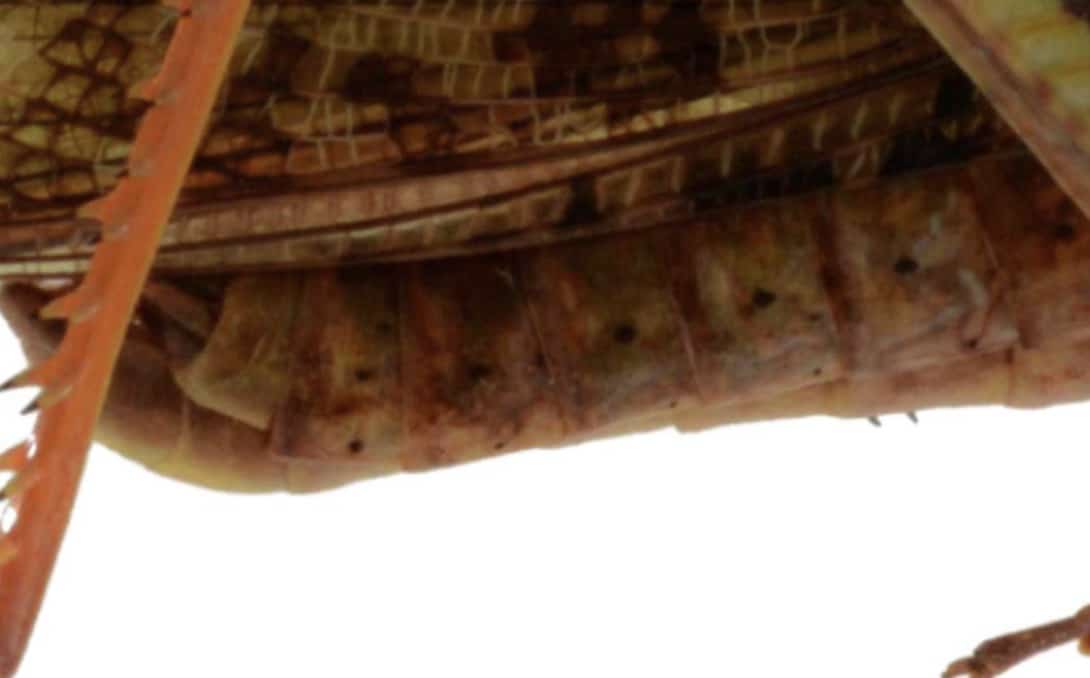
Here, I’ve zoomed in to take a closer look at its spiracles.
There’s even a video showing the compound eyes. Apparently, this insect has no fewer than five eyes! There are also rhinoceros beetles, ants, and many other insects. It really is an “amazing” encyclopedia.
How It Deepens Students’ Understanding of Science
- Features that are impossible to experience with the naked eye, such as “zooming in,” “rotating,” “viewing from underneath,” and “seeing the world at an electron-microscope level,” give students an opportunity to move beyond the limits of ordinary visual observation and begin looking at phenomena from a scientific perspective. In particular, the compound eyes and the intricate structure of the spiracles can help students appreciate the complexity and diversity of living things.
- Students can naturally begin to think about how the structure of each body part relates to its function. For example, the rhinoceros beetle’s small head and sturdy thorax, or the grasshopper’s powerful hind legs, are closely connected to what these animals can do, such as the beetle’s powerful movements and the grasshopper’s ability to jump.
- By comparing and observing different insects, students can recognize both their unique characteristics and the features they have in common. For example, they can learn that insects generally have bodies divided into three main sections: the head, thorax, and abdomen. They may also notice that the spiracles visible in electron microscope images of ants are respiratory organs shared by other insects as well.
- Electron microscope images and 3D models provide concrete examples of how scientists investigate the microscopic world of living things. This can spark students’ interest in scientific research itself and inspire them to think, “I’d like to investigate this more deeply myself!”
“Monosugoi Zukan” is truly an “amazing” digital resource that brings a fresh perspective to middle school science lessons. It stimulates students’ curiosity and their desire to learn more, while offering a deeper kind of learning and the joy of scientific exploration that simply cannot be achieved through classroom lectures alone.
Questions, Requests, and Collaborations
Let’s bring the wonder and excitement of science a little closer to everyday life! On this website, I share fun science experiments you can do at home, along with easy-to-follow tips and explanations. Have a look around and search for something that catches your eye!
・About the website and its creator, Ken Kuwako, click here.
・For inquiries and requests, including writing, lectures, science workshops, and TV science supervision or appearances, click here.
・For updates on new articles, follow me on X!
 Science Tricks Channel is where I share science experiment videos!
10月のイチオシ実験!
https://youtube.com/shorts/jLVKYRVI1uY?feature=share
テレビ番組監修・イベント等のお知らせ
- 12月26日(土) ナリカサイエンスアカデミー(教員向け実験講習会)開催
書籍のお知らせ
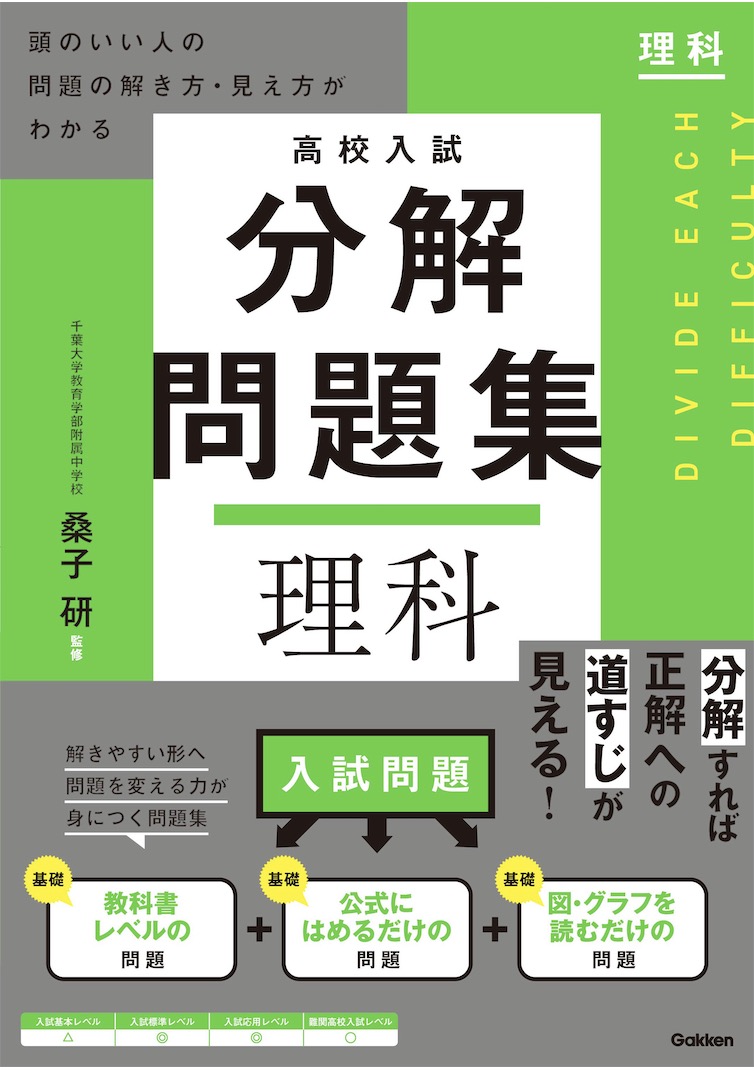
- 『高校入試 分解問題集 理科』(学研)…難しい問題も小さな問題に分解することで、問題を解くことができます。そんな分解の技術が身につくように深く関わりを持って作りました。
 『大人のための高校物理復習帳』(講談社)…一般向けに日常の物理について公式を元に紐解きました。特設サイトでは実験を多数紹介しています。※増刷がかかり6刷となりました(2026/02/01)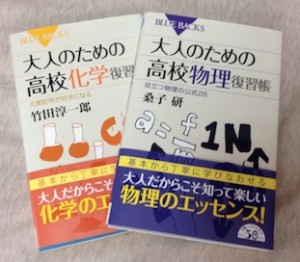
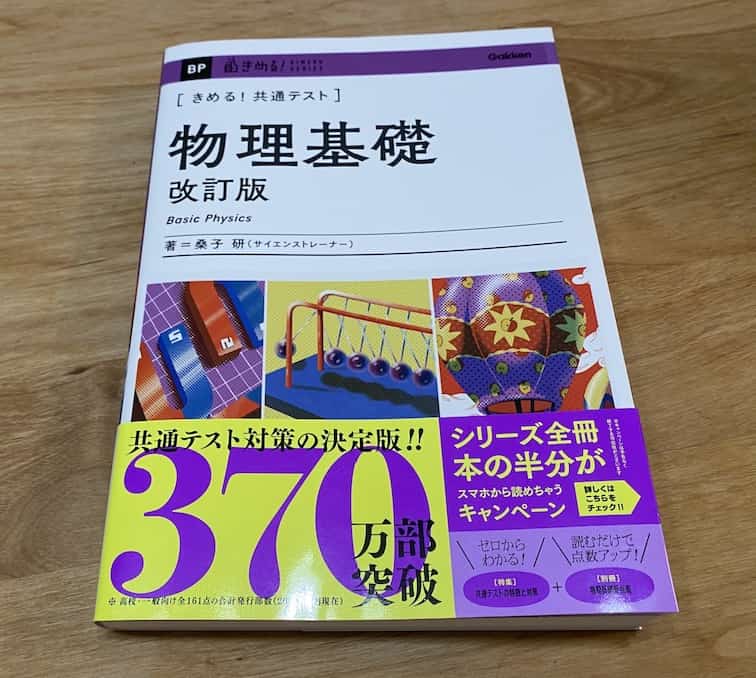
- 『きめる!共通テスト 物理基礎 改訂版』(学研)… 高校物理の参考書です。イラストを多くしてイメージが持てるように描きました。授業についていけない、物理が苦手、そんな生徒におすすめです。特設サイトはこちら。
各種SNS(更新情報をお届け!)
【日本語】X(Twitter)/instagram/Facebook 【英語】BlueSky/Threads
Explore
- 楽しい実験…お子さんと一緒に夢中になれるイチオシの科学実験を多数紹介しています。また、高校物理の理解を深めるための動画教材も用意しました。
- 理科の教材… 理科教師をバックアップ!授業の質を高め、準備を効率化するための選りすぐりの教材を紹介しています。
- Youtube…科学実験等の動画を配信しています。
- 科学ラジオ …科学トピックをほぼ毎日配信中!AI技術を駆使して作成した「耳で楽しむ科学」をお届けします。
- 講演 …全国各地で実験講習会・サイエンスショー等を行っています。
- About …「科学のネタ帳」のコンセプトや、運営者である桑子研のプロフィール・想いをまとめています。
- お問い合わせ …実験教室のご依頼、執筆・講演の相談、科学監修等はこちらのフォームからお寄せください。
- Seeing the World Through an Insect’s Eyes? The Hidden Secrets of Dandelions and Azaleas

- Did the Chopstick Snap? Did It Move Backward? The Strange Images in a Glass of Water
- Making the Invisible Visible: A Laser and Fog Machine Light Show!

- The 1,300-View Wall! What Middle Schoolers Learned About “Reaching People” Through Short Videos (Science Communication Course)

- Is the Image on Your Retina Upside Down? Discover the Magic of Light with a Squid Eye Experiment

- We Built a Volcano—and It Was Explosively Fun! The Ultimate Experiment Recipe Using Plaster and Baking Soda!

- Data So Clean It’ll Wow You! Cracking the Link Between Potential Energy and Work with Just a Rail and a Marble

- Why Are the Top and Bottom of a Leaf Different Colors? The Surprising Link Between Light and Cell Density
- 4x Faster Than Sunlight?! The Secret of Plant Factories Growing Lettuce Under Red Light (Plot Twist: It Was Purple Light!)