Can You Turn On the TV Downstairs from the Second Floor? The Science of the 3-Mirror Remote Control Experiment on TBS’s “Nature Teacher”
I’m Ken Kuwako, Science Trainer. Every day is an experiment!
Imagine you’re upstairs, you press the TV remote, and the TV downstairs turns on. Sounds impossible, right? But what if you could build an invisible path of light through a house full of walls and floors and send your signal right to the TV?
A while back, I appeared on and supervised the science segment “The Science of Pulling a Tablecloth Out from Under Dishes” (here) for the TBS science show “Nature Teacher,” and the show came back to me with another challenge. This time I worked as both supervisor and guest. It aired on Tuesday, October 27, and I was thrilled to team up with Chocolate Planet again. The question this time: “Can you turn on the TV downstairs from the second floor?”

Chikyu Marugoto Daijikken: Nature Teacher (The Great Whole-Earth Experiment)
Can we turn on a downstairs TV from the second floor? Let’s try it with science!
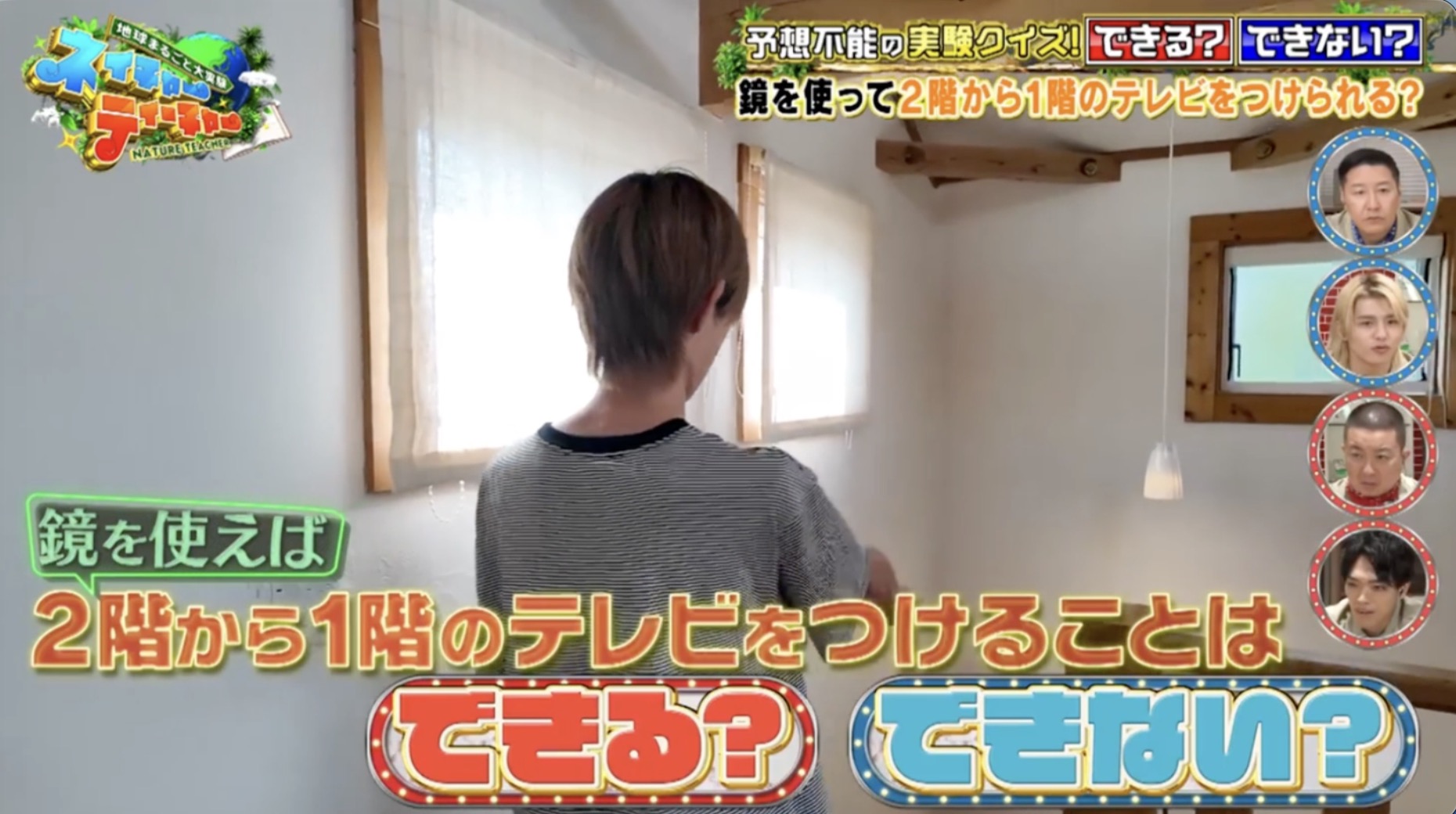
The show served up two quiz questions. I handled the first one, “Can you use mirrors to turn on a downstairs TV from the second floor of a house?”
- Can you use mirrors to turn on a downstairs TV from the second floor of a house? Yes or no?
- Can you use a sauna heat blast to make a sweet potato soft and fluffy? Yes or no?
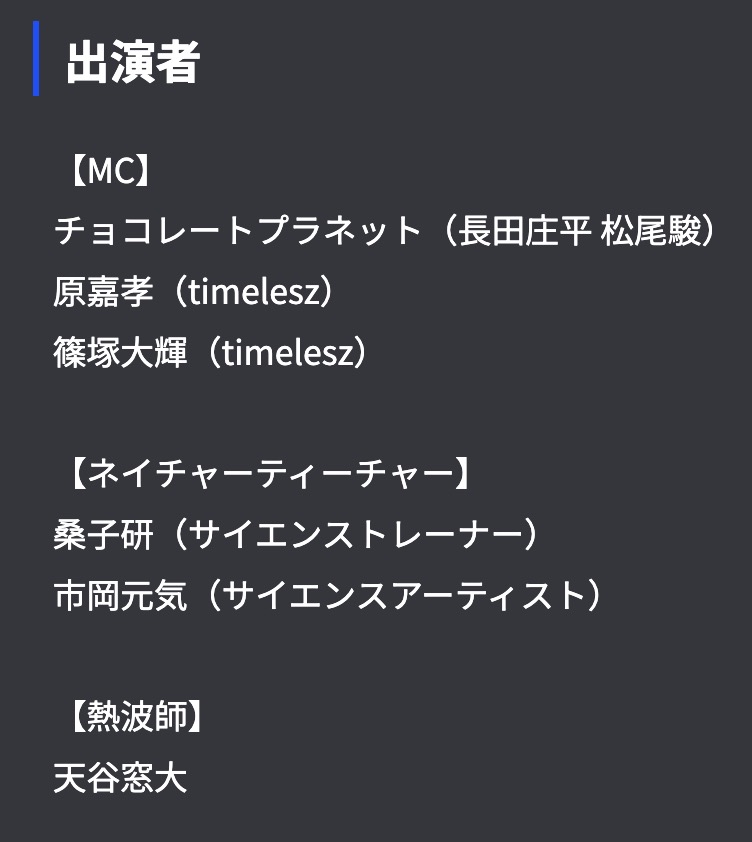
The cast included the hosts from Chocolate Planet (Shohei Nagata and Shun Matsuo), plus Yoshitaka Hara and Daiki Shinozuka from timelesz. I appeared as the resident Nature Teacher.

In the second segment, Genki Ichioka took the Nature Teacher role, joined by Sota Amaya, a sauna “heat wave master” and roasted sweet potato ambassador.
What comes out of your remote is invisible light
The tip of a TV remote gives off a kind of light called “infrared.” Its wavelength is longer than red light, which makes it invisible to the human eye. The name literally means “below red,” or just beyond the red end of the spectrum. Your remote blinks this light on and off in a special pattern, and that pattern is how it tells the TV things like “turn on” or “volume up.”
You can’t see it directly, but if you press a button on the remote and look at its tip through your smartphone camera, it may show up as a white or purple glow. Some phones can’t pick it up, but give it a try!
Infrared light from a remote bounces off mirrors just like the light we can see. That’s the trick we used to carry the signal from the second floor to the first. The catch is that every time light bounces, the mirror absorbs a bit of it, so the signal gets weaker. To keep that loss down, we limited ourselves to just three mirrors.
How far can a remote reach with three mirrors?
Let’s do a little math.
A typical remote works from about 13 meters away. Let’s call the infrared light’s starting strength I. Light spreads out as it travels, and its strength is inversely proportional to the square of the distance. So the strength of the light after traveling 13 meters can be written like this:
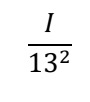
Next, let’s factor in the mirrors. Say an ordinary mirror reflects light at 0.8 times its original strength with each bounce. Three mirrors gives us 0.8 × 0.8 × 0.8, which is about 0.51. In other words, the light loses nearly half its strength. So the strength of the light after traveling a distance d looks like this:
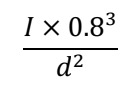
The minimum strength the TV needs to react is the same as it was at 13 meters. So we set up this equation:
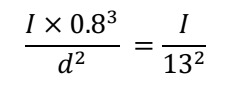
Solving it gives d = 9.3 meters. In other words, a signal that could normally fly 13 meters will only stay strong enough to switch on the TV for about 9.3 meters once it’s been through three mirrors. Here, d is the total distance the light travels, from the remote, off the mirrors, and all the way to the TV’s receiver.
Of course, this is the ideal case. In real life, dirty mirrors, slightly crooked angles, and light spreading out make things even tougher.
Gathering spreading light with a magnifying glass
Light also spreads out the farther it travels. So we came up with a plan to gather it back together: fix a magnifying glass (a convex lens) in front of the TV’s receiver. You know how a magnifying glass can focus sunlight into a point so bright and hot it can scorch paper? Same idea. We focus the spread-out infrared light onto one spot on the receiver to make up for at least some of the lost strength.
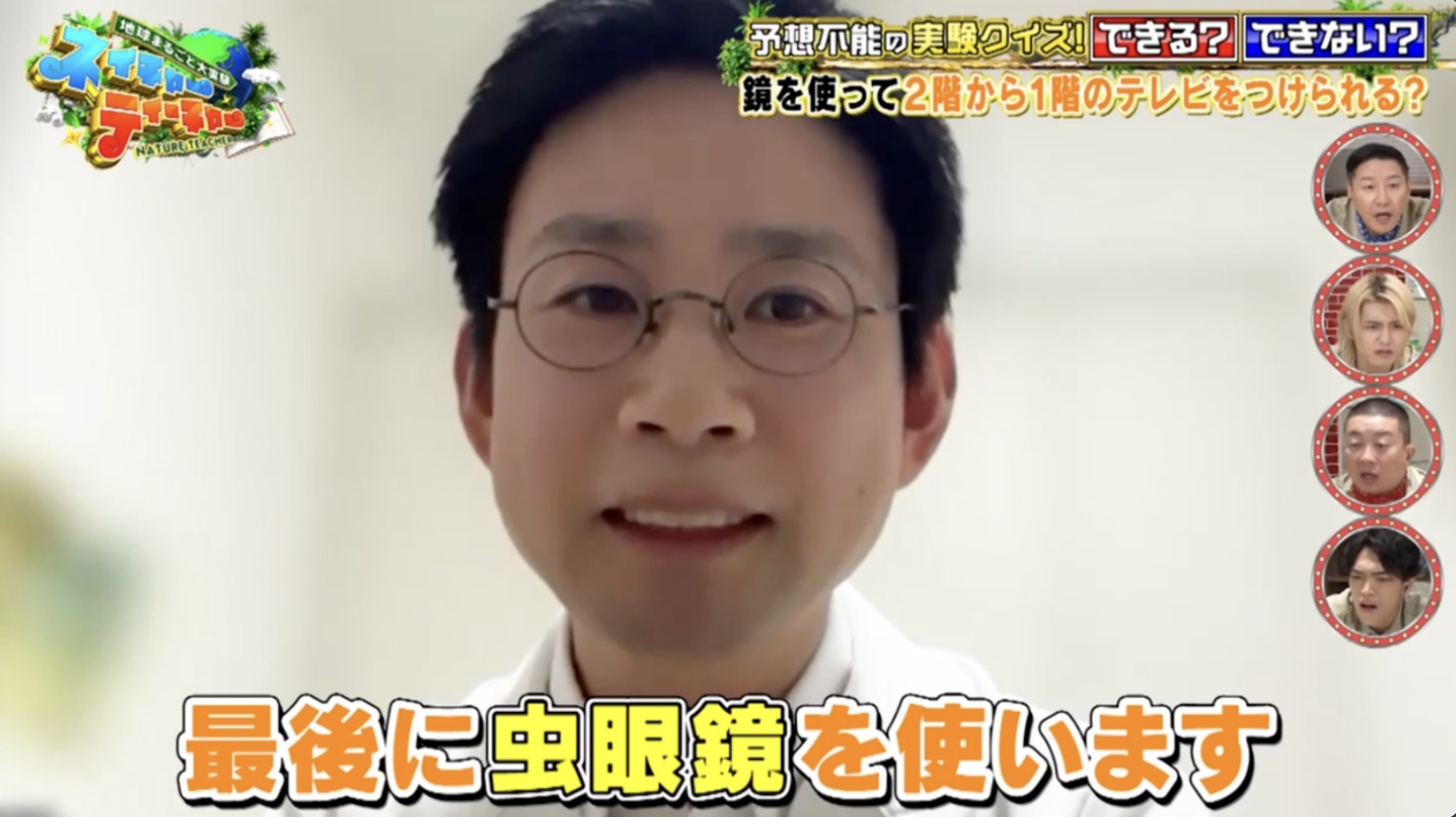
So, did it work? Or not? Find out by watching on TVer!
What is Nature Teacher?
Here’s the description from the official TBS website for “Nature Teacher”:
Episode Summary
[New segment! A thorough investigation of everyday questions: the “Can they or can’t they?” prediction quiz]
Chocolate Planet, Hara, and Shinozuka split into two teams and take on a quiz where they predict whether something can or can’t be done!・Can you make a sweet potato soft and fluffy with a sauna heat blast? Can or can’t they?
・Can you use mirrors to turn on a downstairs TV from the second floor of a house? Can or can’t they?The losing team faces a forfeit, and an incredible discovery that will shake up the world of variety TV awaits!
A trailer is also available.
References
For the tablecloth-pulling segment that aired earlier, check out the article below.
Contact and Requests
Let’s make the wonder and fun of science more familiar! This site collects fun science experiments you can do at home, along with tips to make them work, all explained in an easy-to-understand way. Try searching around!
・The contents of Kagaku no Netacho (Science Idea Notebook) have been turned into a book! Details here
・Learn more about the site’s author, Ken Kuwako, here
・For all kinds of requests (writing, lectures, hands-on science classes, TV supervision and appearances, and more), click here
・Get article updates on X!
 Kagaku no Neta Channel: experiment videos streaming now!
テレビ番組監修・イベント等のお知らせ
- 「ネイチャーティーチャー」(TBS)に出演しました。Tverにて11月3日(火)まで配信中です。
- サタプラ(MBS)にて「日常に潜む!ピンチ脱出法について」のコーナーに出演しました。Tverにて11月7日(土)まで配信中です。
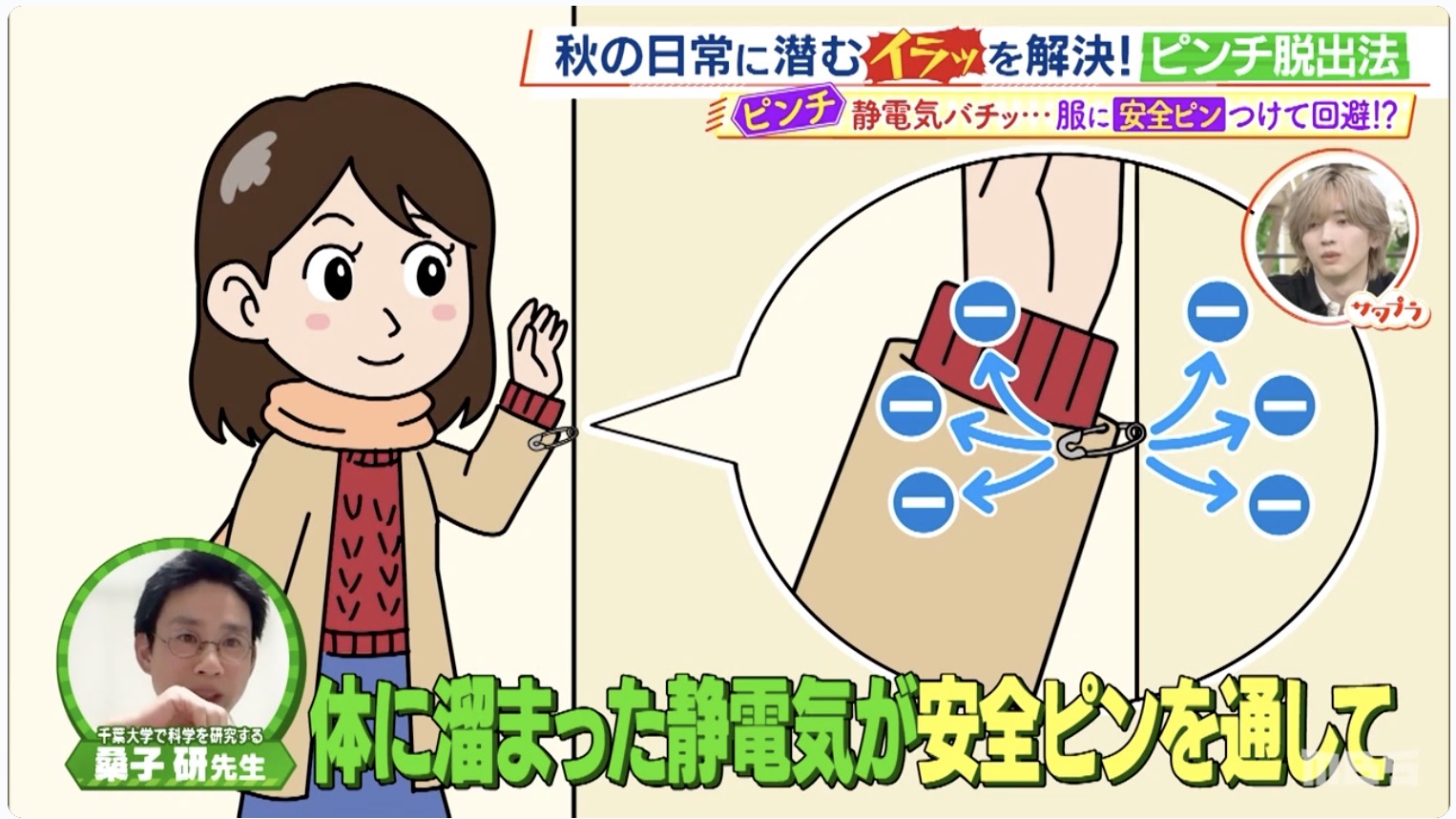
- 11月4日(水) ZIP(日本テレビ)7:20頃放送予定(科学監修)
- 11月27日(金) テレビ監修番組放送予定
- 12月26日(土) ナリカサイエンスアカデミー(教員向け実験講習会)開催
11月のイチオシ実験!
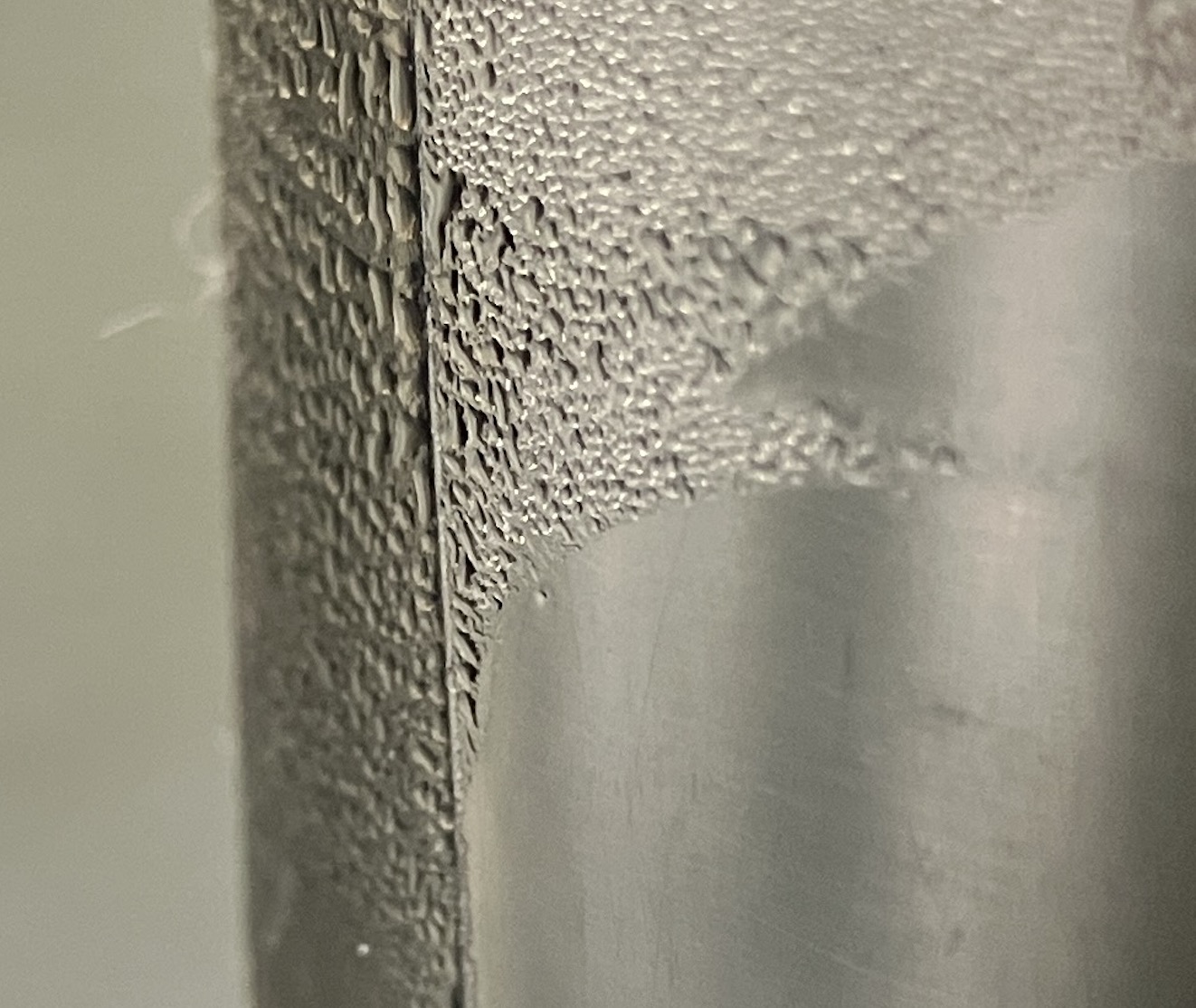
どうして結露は起こるのか?結露を防ぐためには?実験で確かめよう!
書籍のお知らせ
- 『高校入試 分解問題集 理科』(学研)…難しい問題も小さな問題に分解することで、問題を解くことができます。そんな分解の技術が身につくように深く関わりを持って作りました。
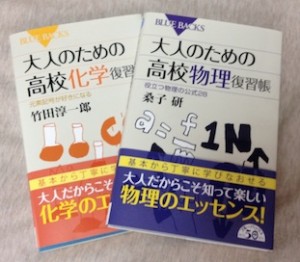
 『大人のための高校物理復習帳』(講談社)…一般向けに日常の物理について公式を元に紐解きました。特設サイトでは実験を多数紹介しています。※増刷がかかり6刷となりました(2026/02/01)
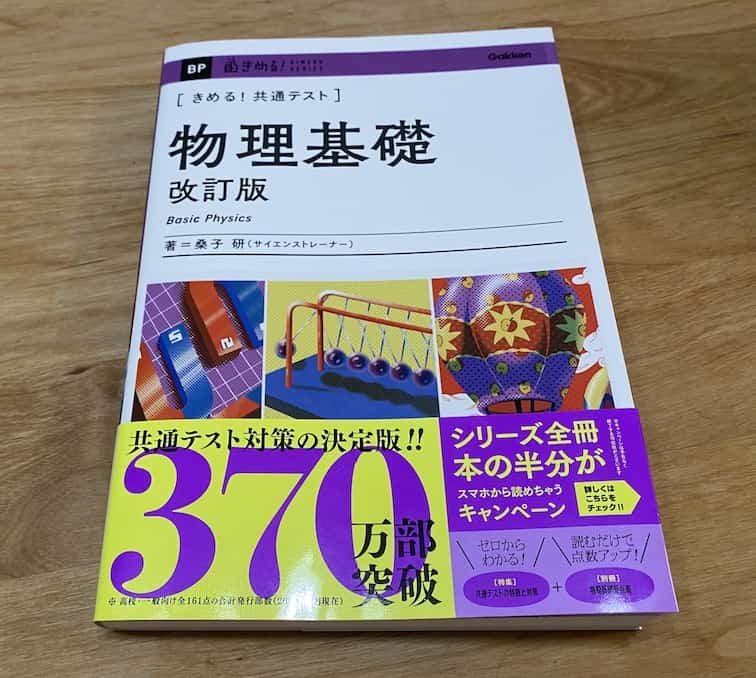
- 『きめる!共通テスト 物理基礎 改訂版』(学研)… 高校物理の参考書です。イラストを多くしてイメージが持てるように描きました。授業についていけない、物理が苦手、そんな生徒におすすめです。特設サイトはこちら。
各種SNS(更新情報をお届け!)
【日本語】X(Twitter)/instagram/Facebook 【英語】BlueSky/Threads
Explore
- 楽しい実験…お子さんと一緒に夢中になれるイチオシの科学実験を多数紹介しています。また、高校物理の理解を深めるための動画教材も用意しました。
- 理科の教材… 理科教師をバックアップ!授業の質を高め、準備を効率化するための選りすぐりの教材を紹介しています。
- Youtube…科学実験等の動画を配信しています。
- 科学ラジオ …科学トピックをほぼ毎日配信中!AI技術を駆使して作成した「耳で楽しむ科学」をお届けします。
- 講演 …全国各地で実験講習会・サイエンスショー等を行っています。
- About …「科学のネタ帳」のコンセプトや、運営者である桑子研のプロフィール・想いをまとめています。
- お問い合わせ …実験教室のご依頼、執筆・講演の相談、科学監修等はこちらのフォームからお寄せください。
 No Wires, Still Glowing! The Magic of Mutual Induction That Flashes an LED for a Split Second
 Just Wipe on Dish Soap and Window Condensation “Disappears”?! The Science of Spreading Water Droplets
 [Science Consultant] Why Does Your Hair Stand on End? A Boxwood Comb Creates Only 1/10 the Static of a Plastic One!
 How Does It Charge Just by Sitting There? We Took a Wireless Charger Apart!
 How Does Wireless Charging Work? The Secret Behind Coils and Magnetic Fields
 Can You Turn On the TV Downstairs from the Second Floor? The Science of the 3-Mirror Remote Control Experiment on TBS’s “Nature Teacher”
 The Magic of Electromagnetic Induction Is Amazing! How Suica, PASMO and Other Contactless Cards Work
 Not Red?! The “Rainbow Ammonia Fountain” That Turns Purple, Green, and Blue
 Why Don’t Planes Fall Out of the Sky? The Secret Family Tree of Flight, Found at the Aviation Science Museum