Not Red?! The “Rainbow Ammonia Fountain” That Turns Purple, Green, and Blue
Ken Kuwako, Science Trainer, here. Every day is an experiment!
Normally, the fountain shoots up bright red. But what if it turned purple, green, or blue instead? What would you think? At this year’s school festival, our Science Club put on a variety of science shows. Here, I’d like to share one of them: an experiment where a club member added indicators to create fountains in unexpected colors. It was such a clever twist that it made me say, “Huh, now that’s smart!” Students really can come up with ideas that go beyond anything you’d imagine.
https://youtu.be/UifOtTKTRm8
What Is the Classic “Ammonia Fountain”?
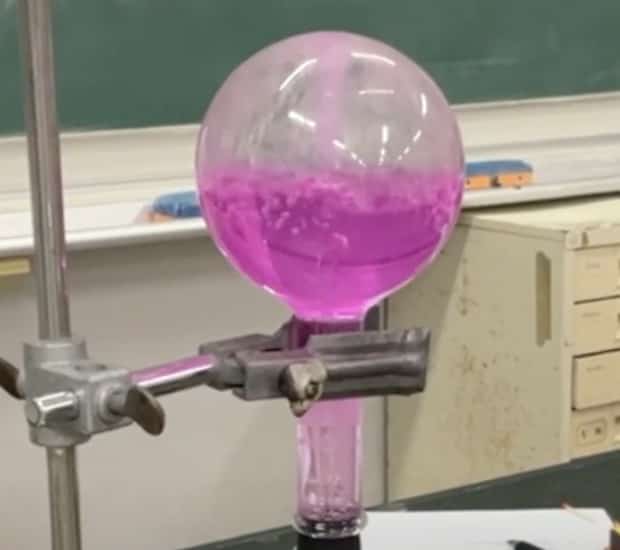
In the ammonia fountain experiment, you fill a flask with ammonia gas, squeeze a little water into it with a dropper, and the water in the beaker shoots up through a tube in a dramatic fountain.
Ammonia is a gas that dissolves in water extremely well. One volume of water can dissolve about 700 volumes of ammonia. When water enters the flask, the ammonia inside dissolves into it all at once, and the pressure in the flask drops. The outside air then pushes the water in the beaker up into the flask like a fountain.
On top of that, water with ammonia dissolved in it becomes alkaline. So if you add an indicator called phenolphthalein to the water being drawn up, the colorless water turns into a fountain of vivid red. This is the classic version of the experiment.
This Year, We Switched Up the Indicators
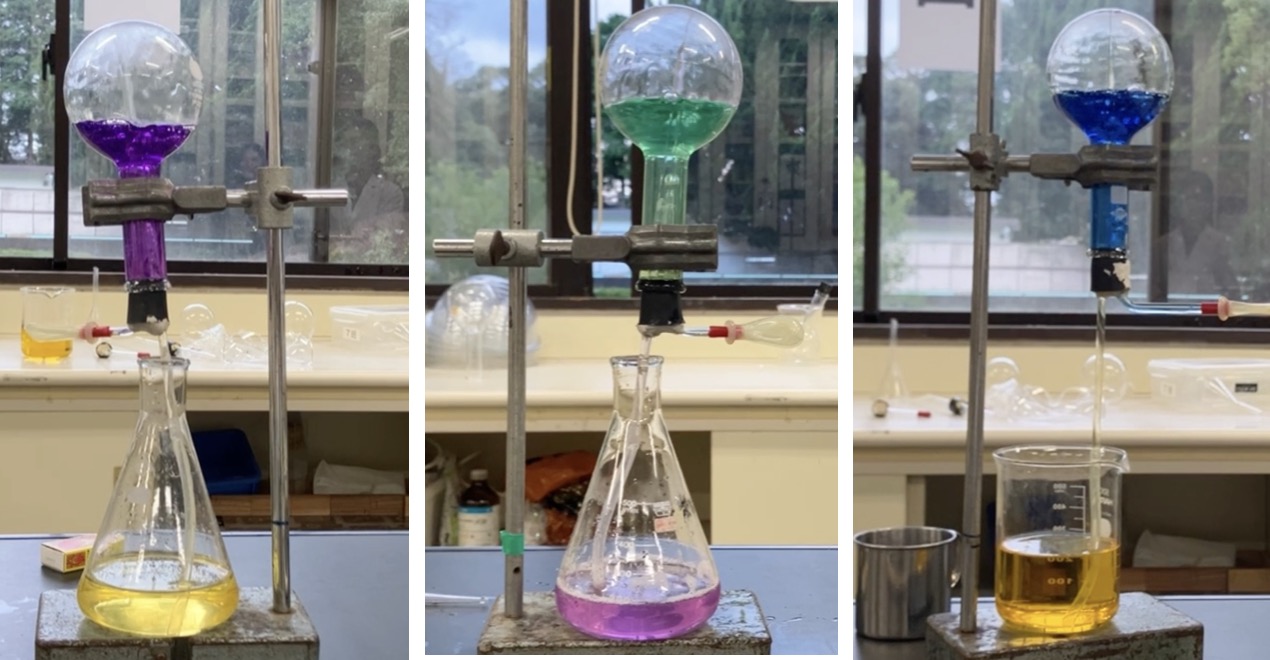
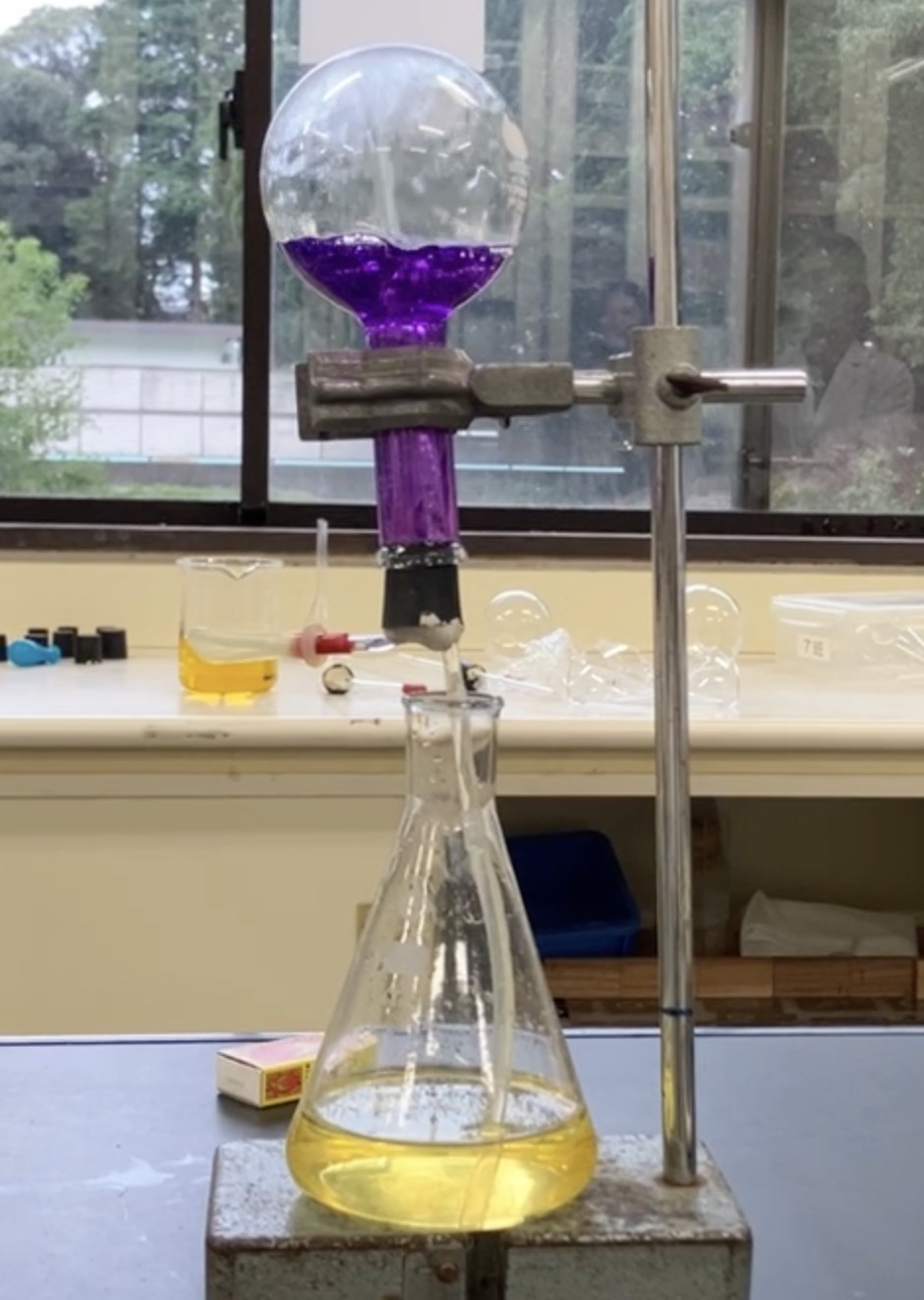
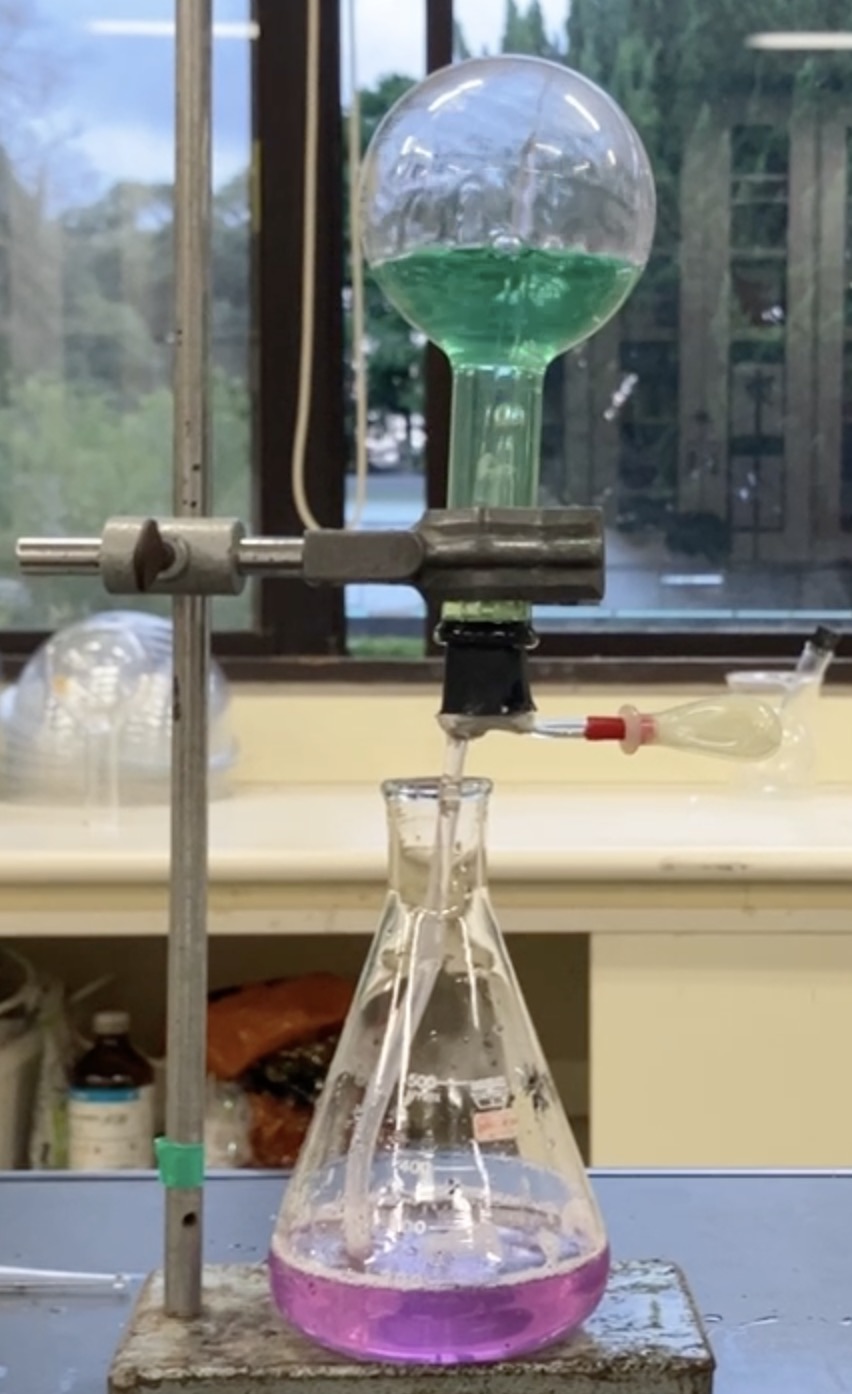
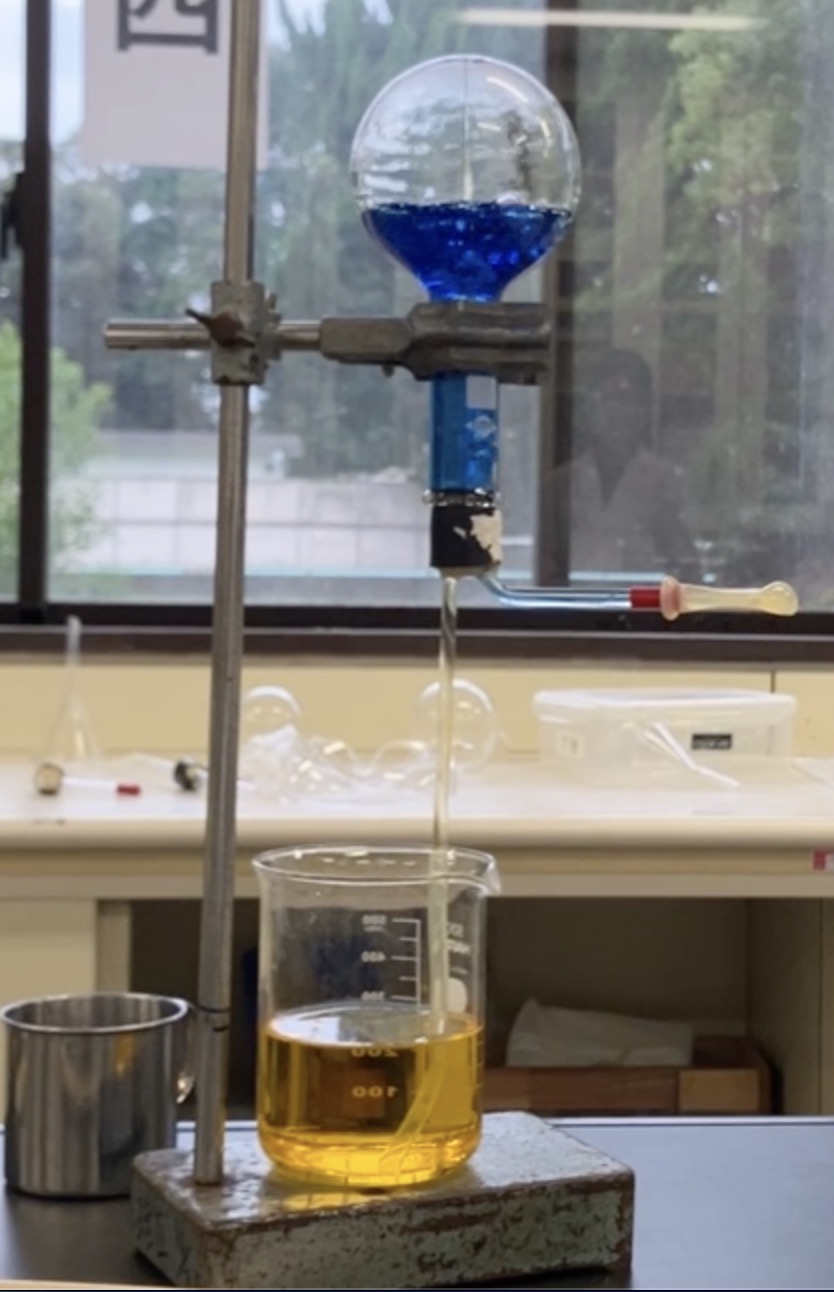
The method is simple: add an indicator such as BTB to the water that gets drawn up. So, which indicators were used this time? Here’s what the fountains looked like.
Please note that ammonia has a pungent smell. When you try this experiment, make sure the room is well ventilated and wear safety goggles.
Three Fountains, Three Color Changes
First, the solution being drawn up is yellow, and the fountain turns purple.
Next, the starting color is pink, and the fountain turns green.
And finally, the water being drawn up is yellow, and the fountain turns blue.
Beautiful, isn’t it? Now, can you guess which indicators were used?
How the Colors Change, Plus a Few Hints
Indicators are chemicals that change color depending on whether a liquid is acidic, neutral, or alkaline. For example, BTB goes from yellow (acidic) to green (neutral) to blue (alkaline), while phenolphthalein goes from colorless (acidic to neutral) to red (alkaline).
In these fountains, the color before the liquid is drawn up is the acidic-to-neutral color, and the color of the fountain is the alkaline color. The ammonia dissolves and turns the water alkaline, and that’s what causes the color change.
Here are two hints to help you work out the answer:
・Every indicator has its own range where it changes color (the boundary between acidic and alkaline), and its own set of colors.
・An indicator isn’t always a single chemical. Some are mixtures of two, blended to make the color change easier to see.
An Everyday Indicator: Red Cabbage
Indicators aren’t just for the lab. The juice from boiled red cabbage contains a pigment called anthocyanin, which turns red or pink in acid, purple when neutral, and shifts from blue to green to yellow as it gets more alkaline. You can enjoy a color-changing show right in your own kitchen.
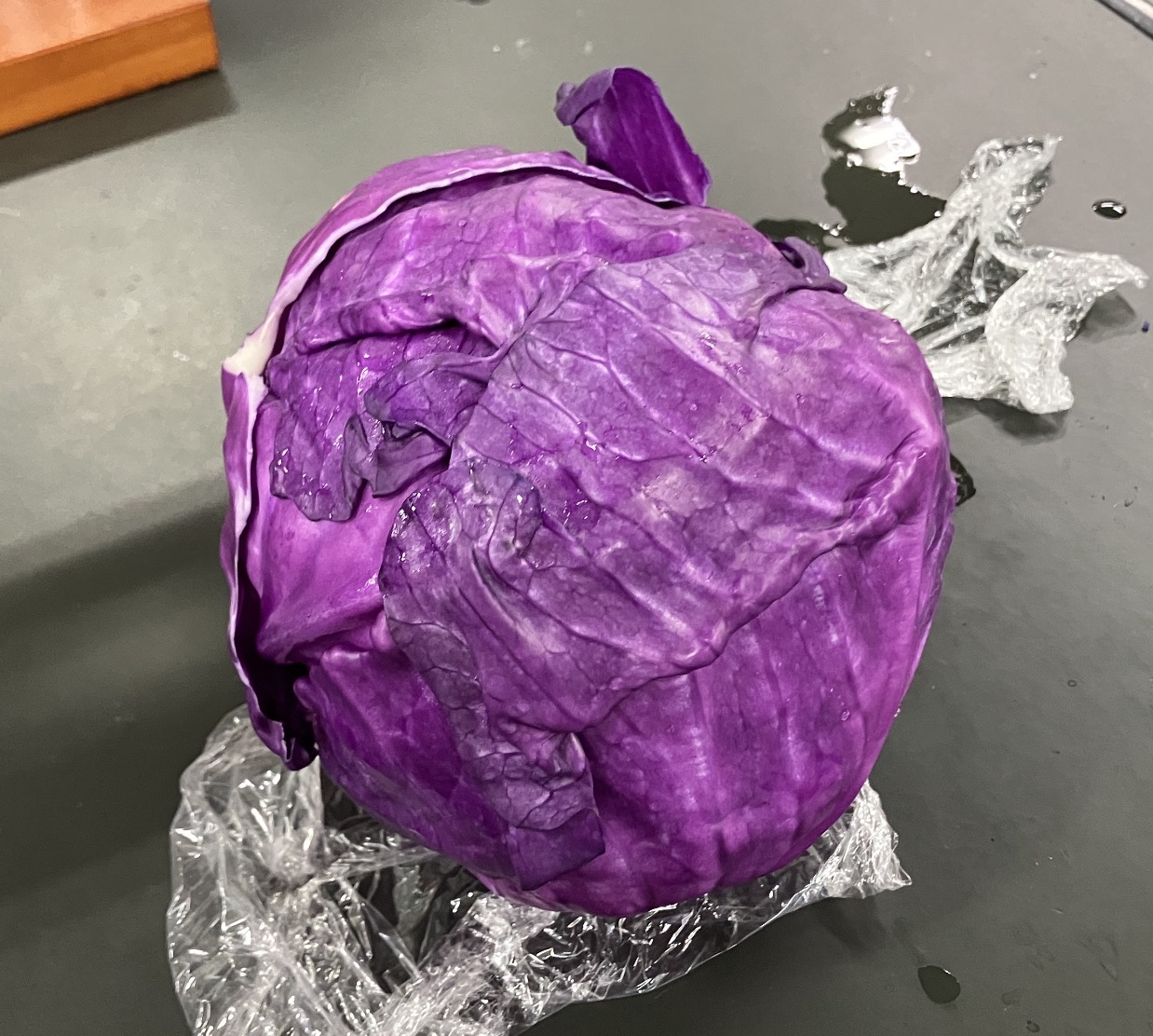
Behind everyday color changes like these, the science of acids and alkalis is quietly at work. Why not try different indicators yourself and hunt for a fountain color all your own?
Contact and Requests
Science is more fun and more fascinating when it’s close to home! This blog is packed with easy-to-follow science experiments you can do at home, along with tips to make them work. Try searching around and see what you find!
・The contents of Kagaku no Neta-cho (Science Idea Notebook) are now available as a book! Details here
・Learn more about me, Ken Kuwako, here
・For all kinds of requests (writing, lectures, science workshops, TV supervision and appearances, and more), please click here
・Get article updates on X!
 Kagaku no Neta Channel (Science Idea Channel) features experiment videos!
テレビ番組監修・イベント等のお知らせ
- 「ネイチャーティーチャー」(TBS)に出演しました。Tverにて11月3日(火)まで配信中です。

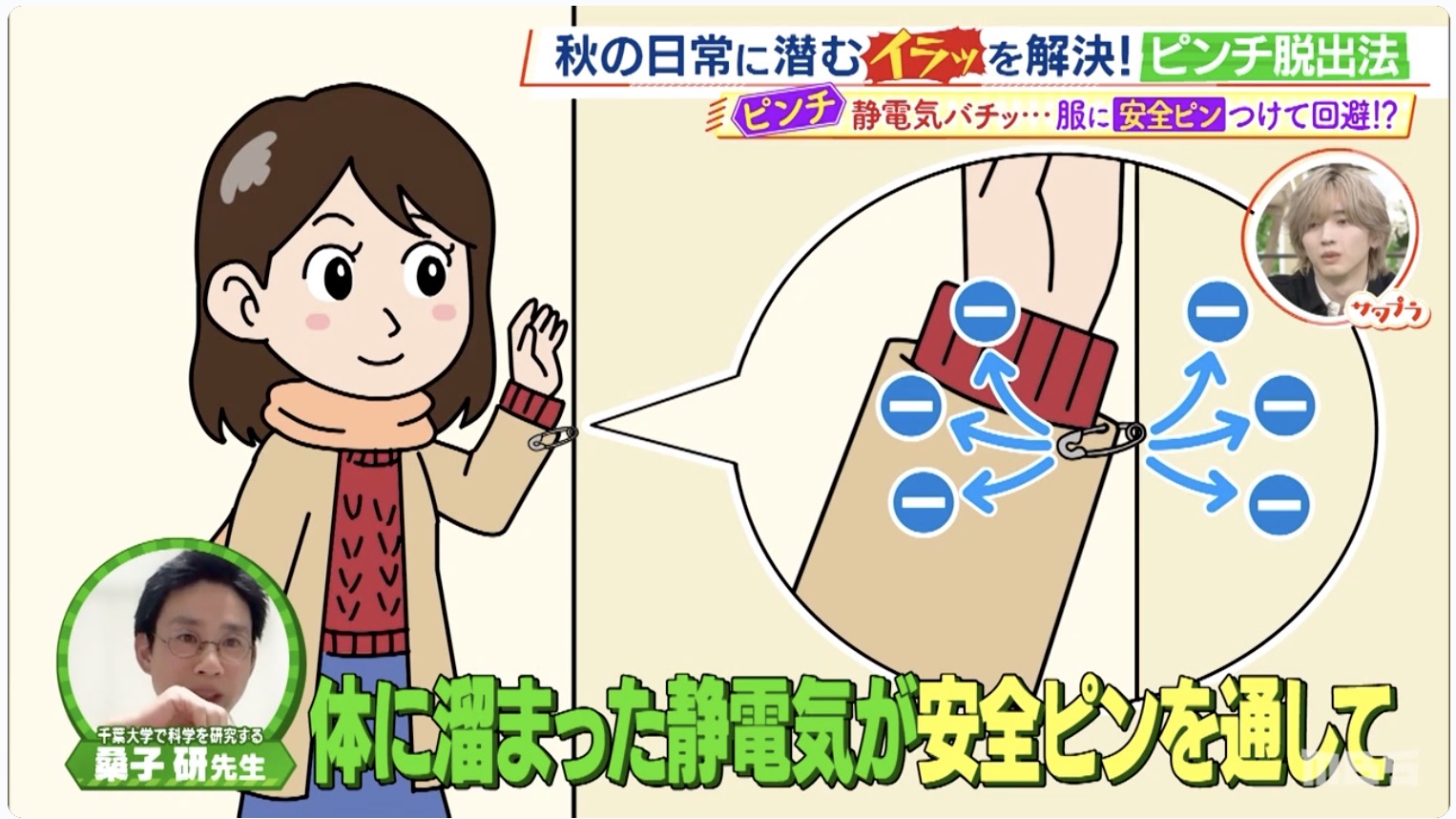
- サタプラ(MBS)にて「日常に潜む!ピンチ脱出法について」のコーナーに出演しました。Tverにて11月7日(土)まで配信中です。
- 11月4日(水) ZIP(日本テレビ)7:20頃放送予定(科学監修)
- 11月27日(金) テレビ監修番組放送予定
- 12月26日(土) ナリカサイエンスアカデミー(教員向け実験講習会)開催
11月のイチオシ実験!
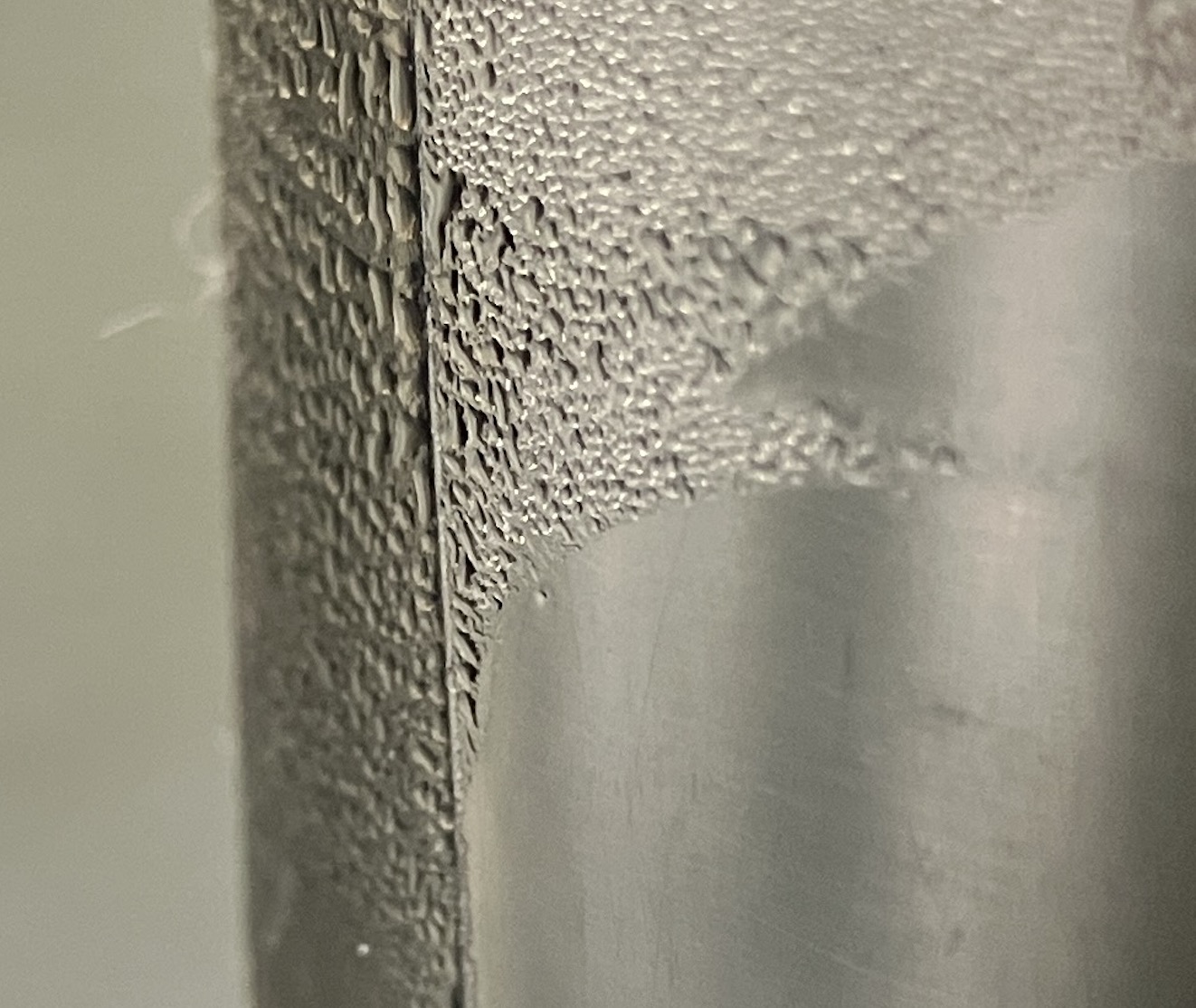
どうして結露は起こるのか?結露を防ぐためには?実験で確かめよう!
書籍のお知らせ
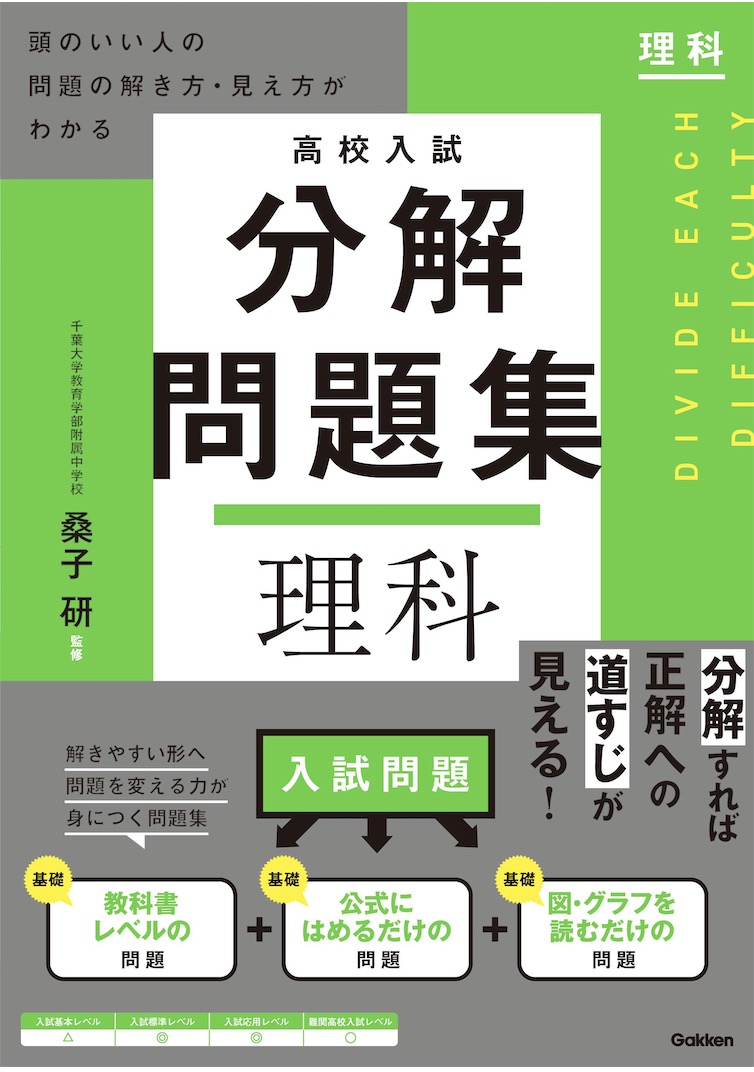
- 『高校入試 分解問題集 理科』(学研)…難しい問題も小さな問題に分解することで、問題を解くことができます。そんな分解の技術が身につくように深く関わりを持って作りました。
 『大人のための高校物理復習帳』(講談社)…一般向けに日常の物理について公式を元に紐解きました。特設サイトでは実験を多数紹介しています。※増刷がかかり6刷となりました(2026/02/01)
- 『きめる!共通テスト 物理基礎 改訂版』(学研)… 高校物理の参考書です。イラストを多くしてイメージが持てるように描きました。授業についていけない、物理が苦手、そんな生徒におすすめです。特設サイトはこちら。
各種SNS(更新情報をお届け!)
【日本語】X(Twitter)/instagram/Facebook 【英語】BlueSky/Threads
Explore
- 楽しい実験…お子さんと一緒に夢中になれるイチオシの科学実験を多数紹介しています。また、高校物理の理解を深めるための動画教材も用意しました。
- 理科の教材… 理科教師をバックアップ!授業の質を高め、準備を効率化するための選りすぐりの教材を紹介しています。
- Youtube…科学実験等の動画を配信しています。
- 科学ラジオ …科学トピックをほぼ毎日配信中!AI技術を駆使して作成した「耳で楽しむ科学」をお届けします。
- 講演 …全国各地で実験講習会・サイエンスショー等を行っています。
- About …「科学のネタ帳」のコンセプトや、運営者である桑子研のプロフィール・想いをまとめています。
- お問い合わせ …実験教室のご依頼、執筆・講演の相談、科学監修等はこちらのフォームからお寄せください。
 No Wires, Still Glowing! The Magic of Mutual Induction That Flashes an LED for a Split Second
 Just Wipe on Dish Soap and Window Condensation “Disappears”?! The Science of Spreading Water Droplets
 [Science Consultant] Why Does Your Hair Stand on End? A Boxwood Comb Creates Only 1/10 the Static of a Plastic One!
 How Does It Charge Just by Sitting There? We Took a Wireless Charger Apart!
 How Does Wireless Charging Work? The Secret Behind Coils and Magnetic Fields
 Can You Turn On the TV Downstairs from the Second Floor? The Science of the 3-Mirror Remote Control Experiment on TBS’s “Nature Teacher”
 The Magic of Electromagnetic Induction Is Amazing! How Suica, PASMO and Other Contactless Cards Work
 Not Red?! The “Rainbow Ammonia Fountain” That Turns Purple, Green, and Blue
 Why Don’t Planes Fall Out of the Sky? The Secret Family Tree of Flight, Found at the Aviation Science Museum