Red Blood Cells in a Fish’s Tail?! The Ultimate Science Lesson — Watching “The Flow of Life” at 100x Magnification
I’m Ken Kuwako, a science trainer. Every day is an experiment.
A Tiny Drama of Life Unfolding Under the Microscope
When you hear “observing the tail fin of a medaka fish under a microscope,” you might wonder: How much can you actually see? And how should you prepare for it? But once you try it, you may be surprised by the beauty of the scene—and by the movement of the things flowing through the fin.
Inside a transparent fin only a few millimeters across, you can actually see blood flowing in time with the fish’s heartbeat. It is the moment when the textbook statement “blood circulates throughout the body” suddenly comes alive right before your eyes. Few teaching materials can capture students’ attention quite like this.
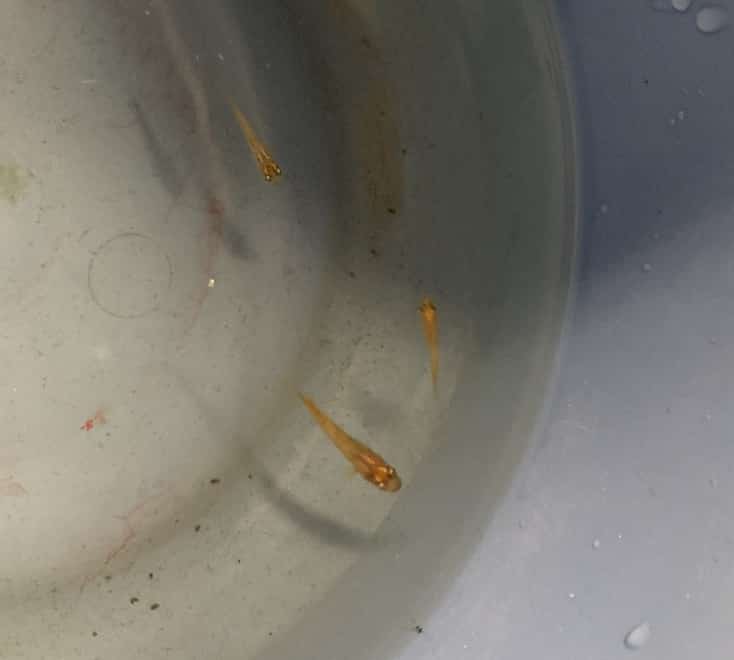
In this article, I’ll introduce a simple procedure for observing blood flow in the tail fin of a medaka, or Japanese killifish, using himedaka, a variety that is particularly convenient for use in middle school science classes. Because the subject is a living animal, there are several points to prepare for and consider in advance. But that extra care is well worth it: students tend to become highly engaged and genuinely drawn into the lesson. In particular, watching blood move through the tiny vessels in the tail fin leaves a strong impression on students and can provide a valuable opportunity to deepen their understanding of how living organisms function.
What You’ll Need
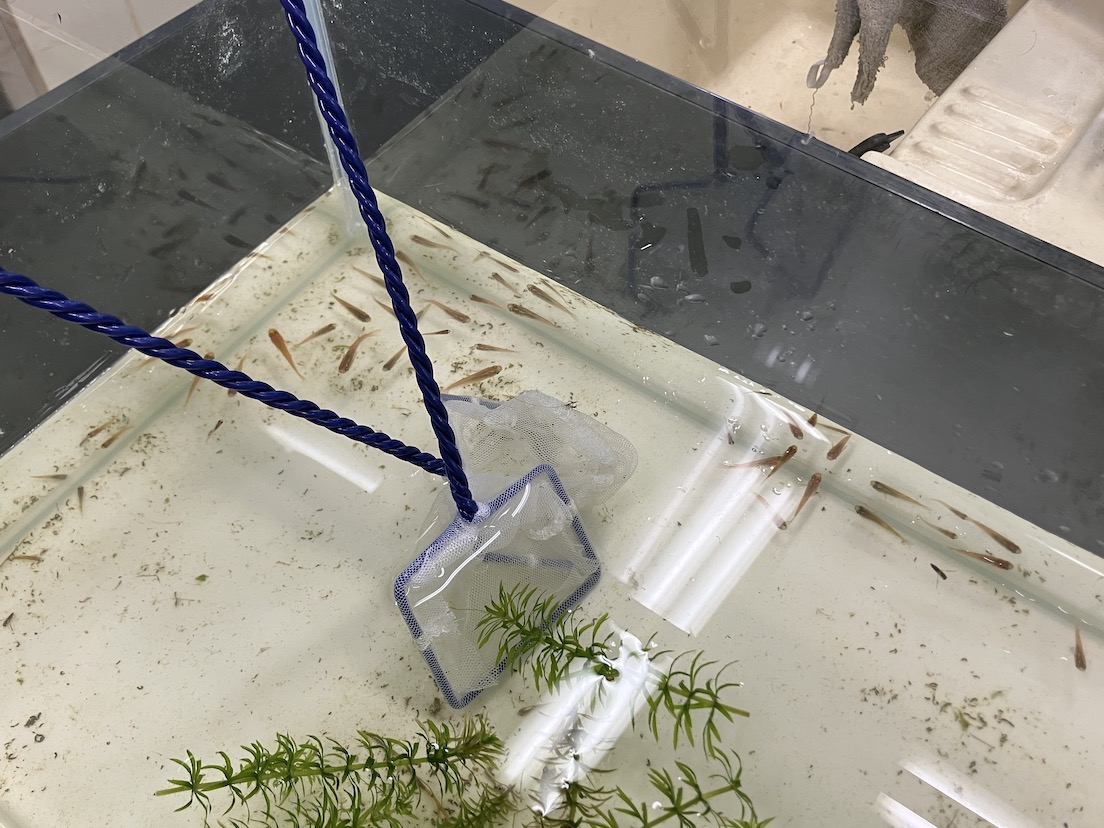
・Medaka fish (about 30, or 2 per group)
・Microscope (used at a total magnification of 100×: 10× eyepiece × 10× objective)
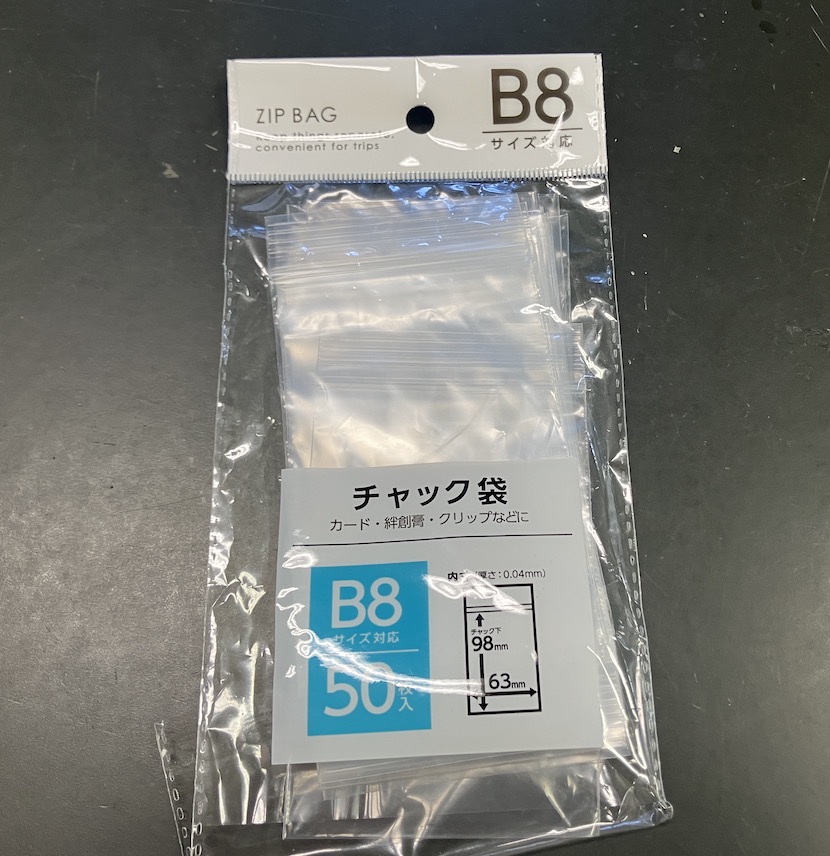
・Resealable plastic bags (1–2 per group, for observation)
・A small aquarium or plastic container (for temporarily keeping the medaka)
Medaka can be purchased at home improvement stores for around ¥50 per fish. For example, I purchased about 30 fish for approximately ¥1,500 at Royal Home Center, although prices vary depending on the season.
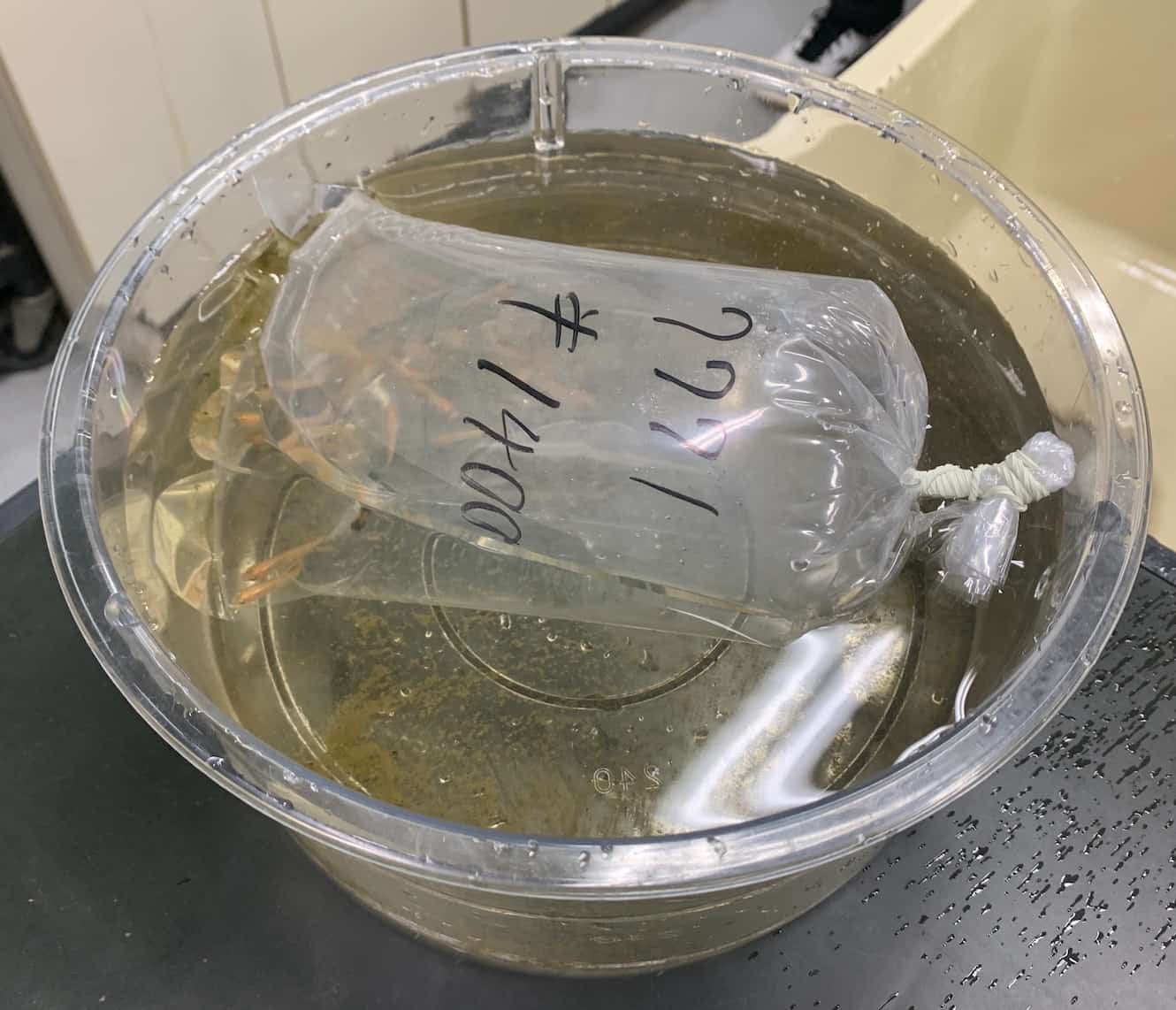
You can also purchase “100 himedaka” online for around ¥3,000. However, when you take shipping costs and the condition of the fish upon arrival into account, buying them from a local store is a reassuring option. It is also a good idea to call the store ahead of time to make sure they have enough fish in stock.
Amazon and Rakuten also sell them. → Himedaka (100 fish)
Lesson Procedure and Helpful Tips
① Preparing for Observation
Just before the observation begins, distribute the medaka from the small holding container to each group. Add a small amount of water to a resealable plastic bag, then give each group two fish. Have two students work together to observe one fish.
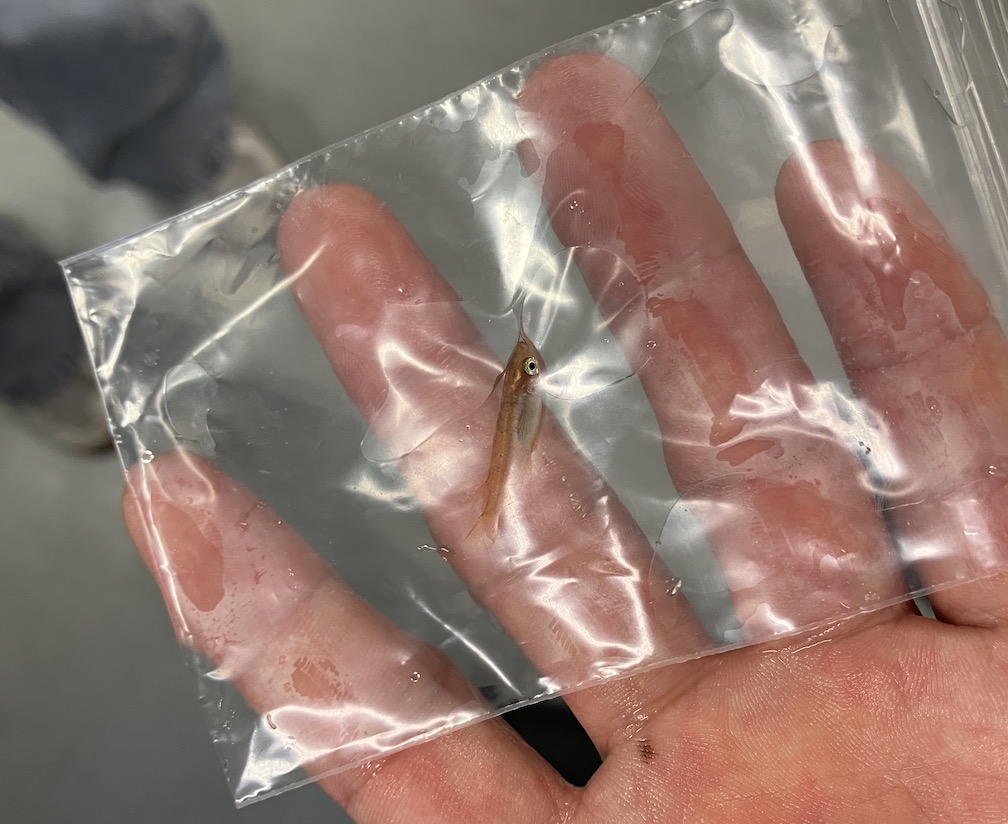
【Important】Instruct students never to touch the medaka with their bare hands. Human body temperature can cause thermal stress and injury to the fish.
Human body temperature is around 36°C, while the water temperature in which medaka normally live is considerably lower. What feels like a “slightly warm hand” to us can be a sudden burst of heat for a medaka. Even a few seconds of direct contact can place considerable stress on the fish. Because this is an experiment involving a living organism, such careful handling can make a real difference to the quality of the observation.
Once the fish is in the resealable bag, carefully pour out most of the water so that the medaka does not move around too much. The bag can then be placed directly on the microscope stage for observation.
② Key Points During Observation
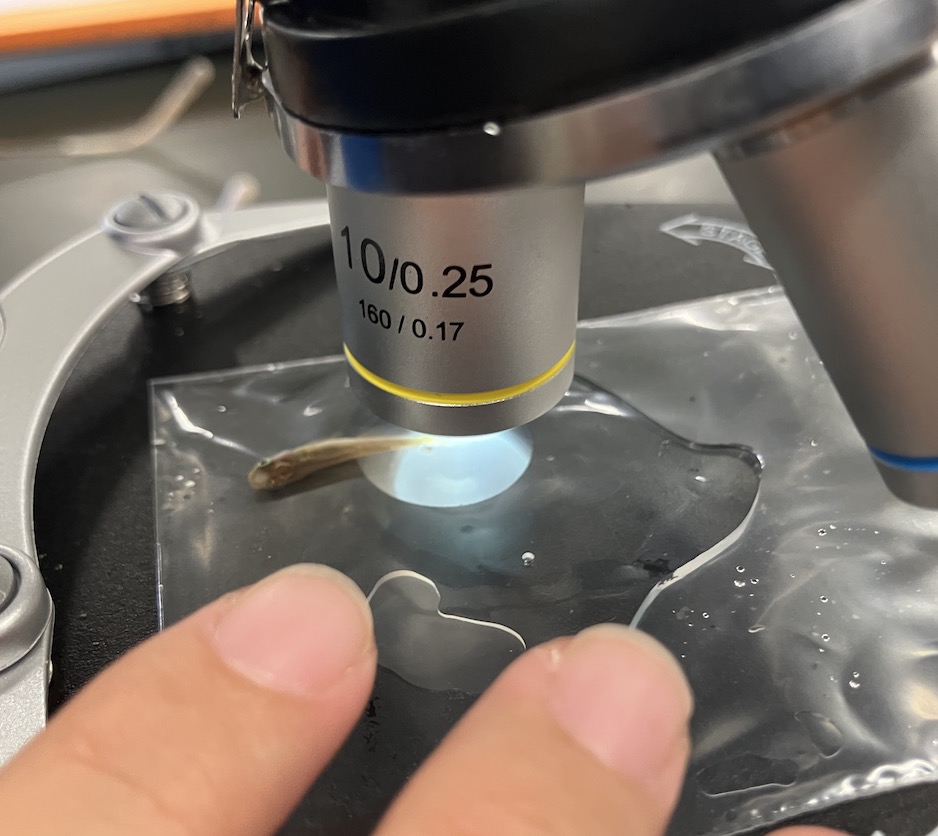
・Use a total magnification of 100× (10× × 10×)
・Focus on the tail fin
・Have students pay attention to the “things flowing” through the fin
・Ask them to notice the “direction” of the flow as well
Clearly explaining what students should look for before they begin makes it much easier for them to focus their attention.
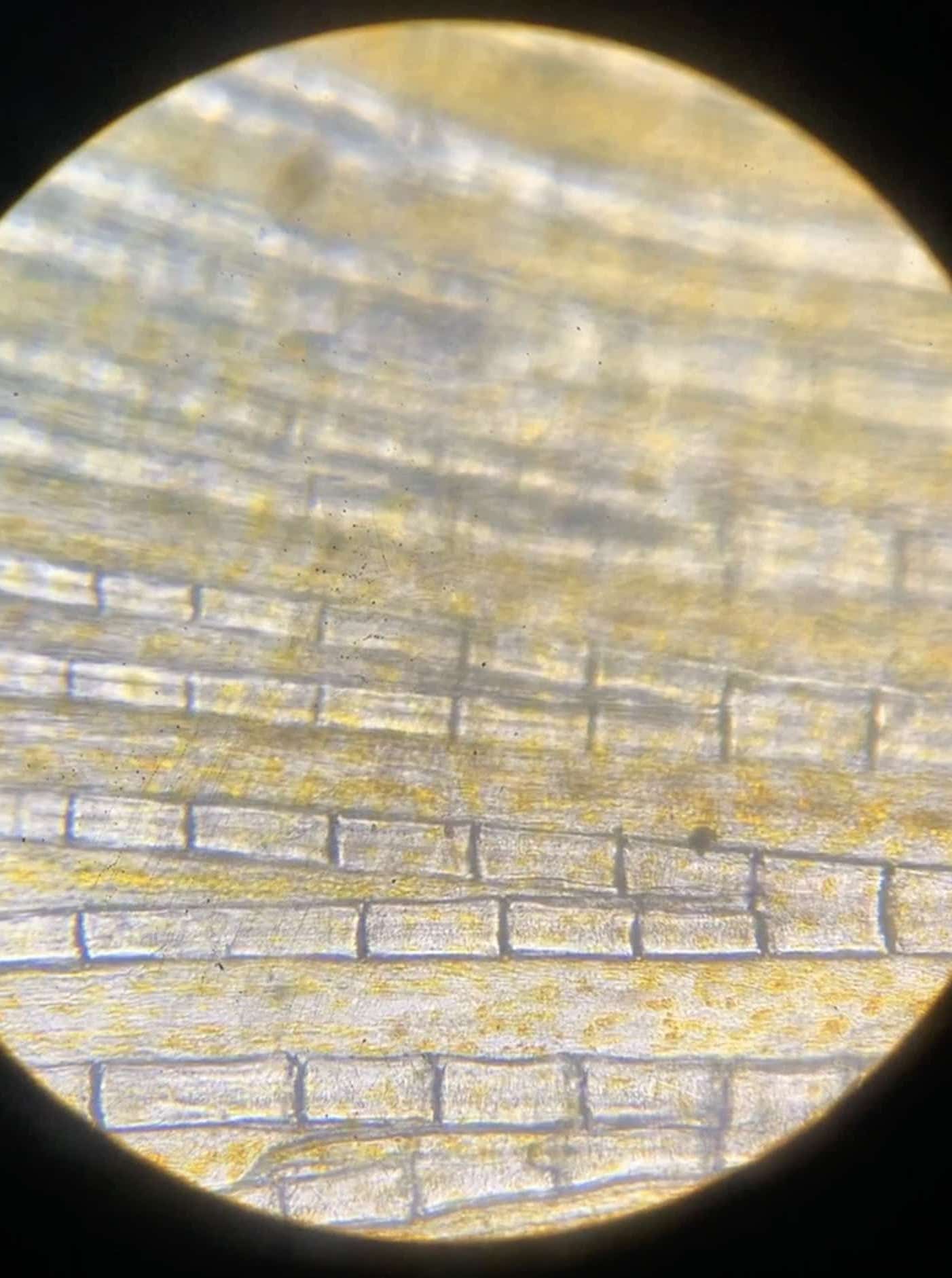
That “something flowing” is actually red blood cells moving through the capillaries in single file. Human red blood cells are only about 7–8 micrometers in diameter. In medaka, too, red blood cells travel through vessels thinner than a human hair, moving along almost like beads on a string. It is a fascinating moment when a microscopic world completely invisible to the naked eye suddenly fills the entire 100× field of view.
As a rule of thumb, keep the observation time to around 10 minutes or less. The medaka can become weakened if the observation takes too long, so I have students concentrate on observing first and do their sketches afterward.
Follow-Up Activities After Observation
For the sketching activity, I prepared microscope videos of the tail fins that had been recorded during the lesson and asked students to make their records based on the footage. Since it is difficult to reproduce movement in a drawing, watching the video while sketching also helps reinforce what students observed.
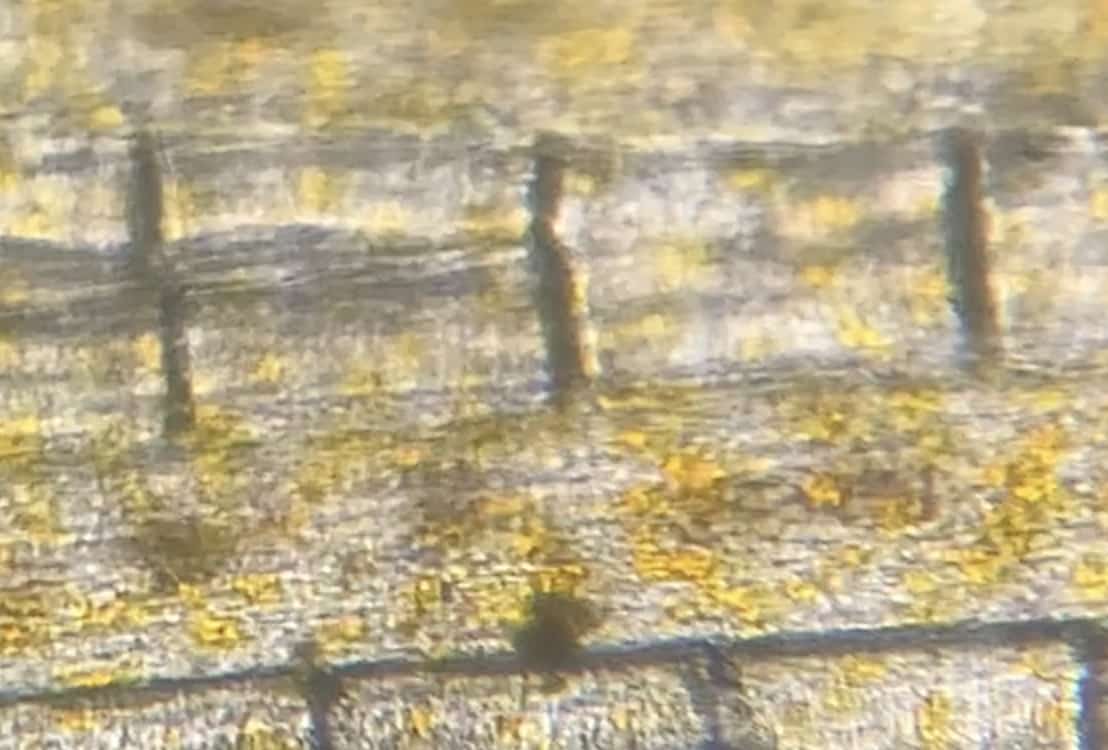
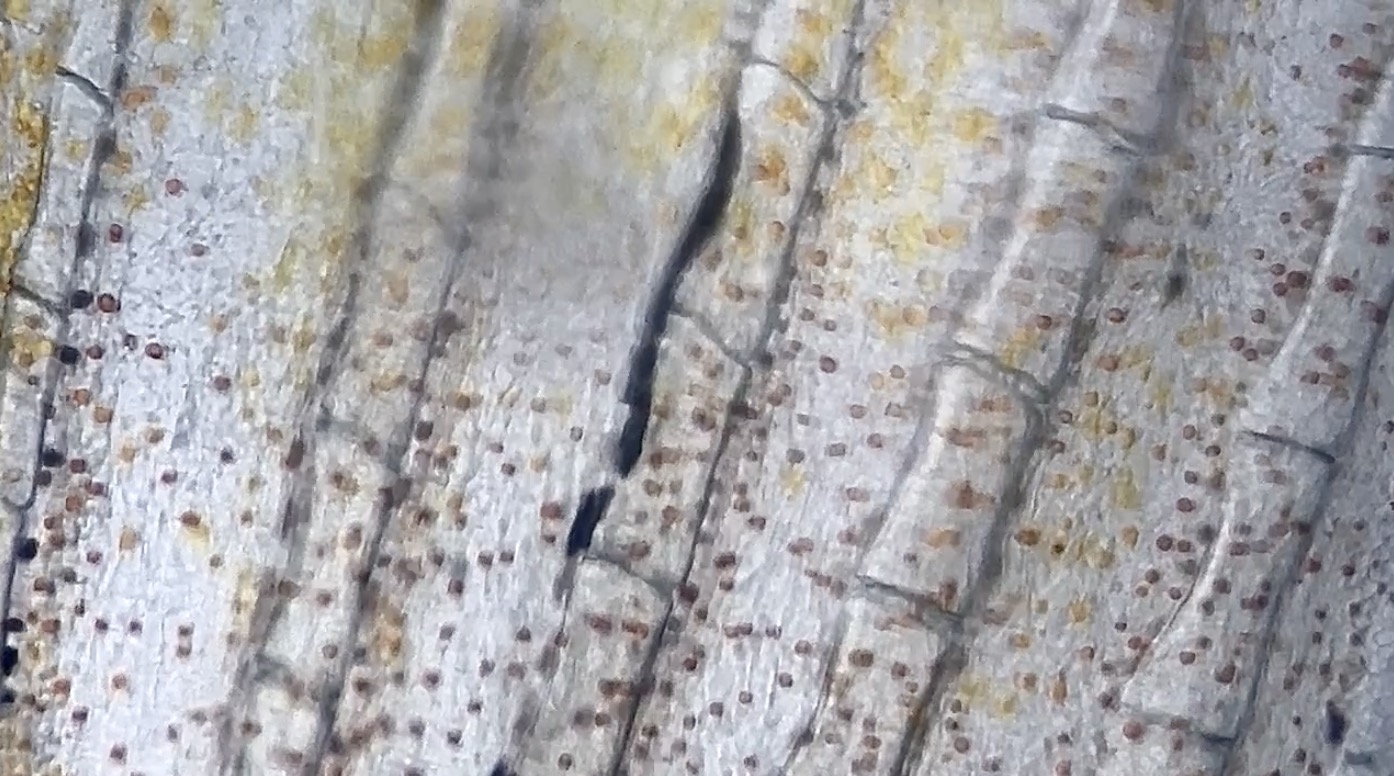
As a supplementary teaching resource, I also recommend this video from NHK for School.
NHK Clip: Watching Blood Flow in a Medaka
Observing the tail fin of a medaka is an excellent way to bring otherwise invisible life processes, such as photosynthesis and respiration, to life. It gives students a rare opportunity to experience the reality of being alive—something that can be difficult to grasp from textbook diagrams and words alone—while also exploring the pumping action of the heart and the role of blood vessels.
It works well both as an introduction to a topic and as an extension activity, and it can become an experience that stays with students for a long time. I hope you’ll give your students the chance to discover the big world of life hidden inside a tiny fin.
Inquiries and Requests
Want to bring the wonder and fun of science a little closer? I share enjoyable science experiments that can be done at home, along with simple tips to help you get the most out of them. Have a look around and see what you can discover!
・The contents of Science Notes have been published as a book. For more information, click here
・For more information about Ken Kuwako, the person behind this site, click here
・For inquiries and requests (writing, lectures, science workshops, TV science supervision, appearances, etc.), click here
・Get updates about new articles on X!
 Science Notes Channel features videos of science experiments!
9月のイチオシ実験!
お弁当箱をプラバンがわりにしてキーホルダーを作ろう!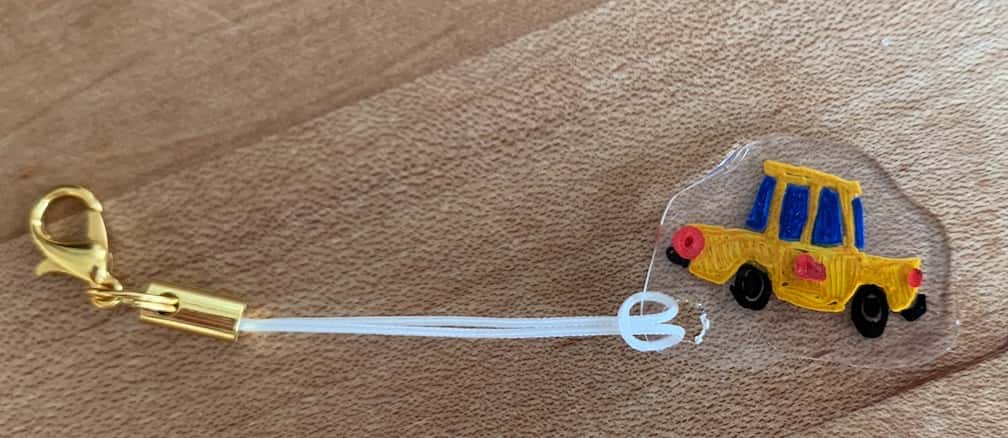
テレビ番組監修・イベント等のお知らせ
- 8月27日(木)科学監修番組放送予定
- 9月20日(日)ダビンチマスターズ出演予定
- 10月10日(土)11:15~12:00 千葉市科学フェスタ2026「桑子先生の回転科学ショー」にてサイエンスショーを行います。
- 12月26日(土) ナリカサイエンスアカデミー(教員向け実験講習会)開催
書籍のお知らせ
- 『高校入試 分解問題集 理科』(学研)…難しい問題も小さな問題に分解することで、問題を解くことができます。そんな分解の技術が身につくように深く関わりを持って作りました。
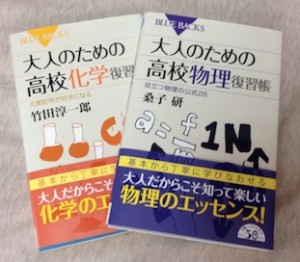
 『大人のための高校物理復習帳』(講談社)…一般向けに日常の物理について公式を元に紐解きました。特設サイトでは実験を多数紹介しています。※増刷がかかり6刷となりました(2026/02/01)
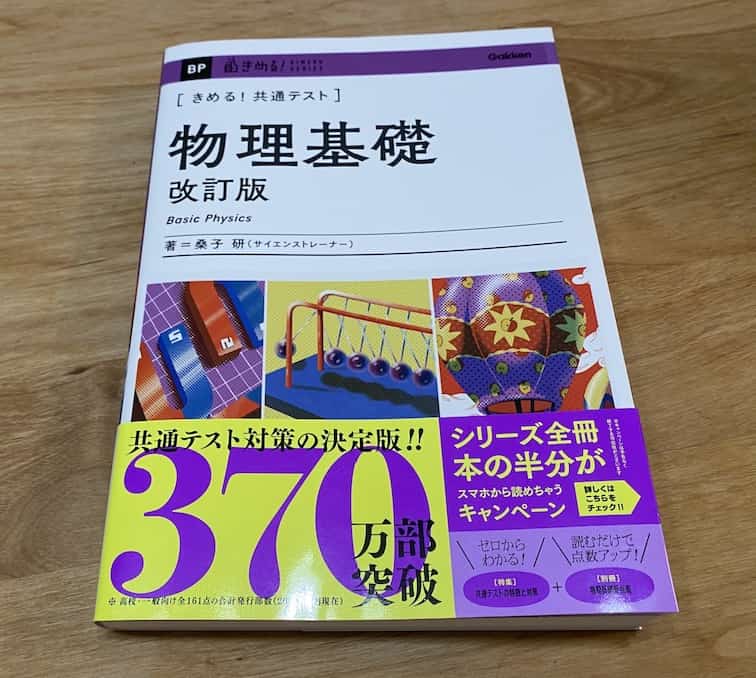
- 『きめる!共通テスト 物理基礎 改訂版』(学研)… 高校物理の参考書です。イラストを多くしてイメージが持てるように描きました。授業についていけない、物理が苦手、そんな生徒におすすめです。特設サイトはこちら。
各種SNS(更新情報をお届け!)
【日本語】X(Twitter)/instagram/Facebook 【英語】BlueSky/Threads
Explore
- 楽しい実験…お子さんと一緒に夢中になれるイチオシの科学実験を多数紹介しています。また、高校物理の理解を深めるための動画教材も用意しました。
- 理科の教材… 理科教師をバックアップ!授業の質を高め、準備を効率化するための選りすぐりの教材を紹介しています。
- Youtube…科学実験等の動画を配信しています。
- 科学ラジオ …科学トピックをほぼ毎日配信中!AI技術を駆使して作成した「耳で楽しむ科学」をお届けします。
- 講演 …全国各地で実験講習会・サイエンスショー等を行っています。
- About …「科学のネタ帳」のコンセプトや、運営者である桑子研のプロフィール・想いをまとめています。
- お問い合わせ …実験教室のご依頼、執筆・講演の相談、科学監修等はこちらのフォームからお寄せください。