Who’s Crushing It? The Scientific Mystery of Why Plastic Bottles Go “Crunch!” (Atmospheric Pressure)
I’m Ken Kuwako, a Science Trainer. Every day is an experiment.
Imagine sitting in a quiet room with no one around when, suddenly, a plastic bottle on the table makes a loud “CRUNCH!” and collapses in on itself… Have you ever seen something that looks as though an invisible giant had grabbed the bottle and squeezed it?
At first glance, it looks almost like a supernatural phenomenon. But this is actually a dramatic demonstration of the “power of air” that is constantly surrounding us. In this experiment, I’ll show you how to experience the incredible force of atmospheric pressure using nothing more than a few everyday items you probably already have at home.
“Who crushed it?” The mysterious experiment where a plastic bottle collapses
Everything you need for this experiment is probably already sitting somewhere in your home.
【What you need】 ・A plastic bottle (500 mL to 1 L is recommended) ・Hot water (use water that has just come to a boil)
【How to do the experiment】
1. Start with an empty plastic bottle.
2. Pour a small amount of very hot, freshly boiled water into the bottle. (Just enough to cover the bottom is fine. Be extremely careful to avoid burns, and have an adult carry out this step.)
3. Put the cap on the bottle and gently shake it. Then immediately remove the cap and pour out the hot water.
4. As soon as you have emptied the bottle, quickly screw the cap back on tightly.
5. Place the bottle on a table and watch it for a while.
And then comes the magic! You can actually watch the plastic bottle suddenly collapse, even though nobody is touching it.
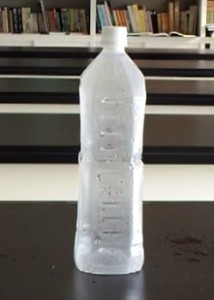 And then, suddenly… CRUNCH!
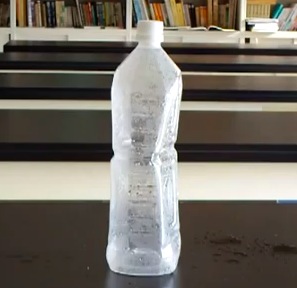
So who—or what—is crushing the bottle? After a little while, you should see it begin to cave inward with a series of “CRUNCH! CRUNCH!” sounds. It looks just as if an invisible hand were squeezing it. Kids are sure to stare in amazement!
The science revealed! The culprit behind this “mystery” is atmospheric pressure!
The culprit behind this strange phenomenon is none other than “atmospheric pressure.” So what exactly is going on? Let’s break it down into three simple steps.
1. Hot water drives the air out of the bottle
When you pour in hot water, the air inside the bottle is heated, expands, and escapes. On top of that, some of the hot water turns into water vapor, filling the inside of the bottle with steam.
2. Closing the cap causes the pressure inside the bottle to drop
Once the cap is closed, the water vapor inside the bottle cools down and turns back into liquid water. When a gas changes into a liquid, its volume becomes dramatically smaller—about 1/1700 as large! As a result, the air pressure inside the bottle drops rapidly. This is known as a “change of state.”
3. The bottle collapses under the pressure from outside
All around us, there is a tremendous force caused by the weight of the air: atmospheric pressure. The pressure outside the bottle remains strong, while the pressure inside has dropped. The bottle can no longer withstand the pressure from outside, so it gets crushed inward.
Incredible power! Atmospheric pressure can even crush a metal drum
One famous large-scale experiment that I’ve always wanted to try myself is using atmospheric pressure to crush a metal drum.
In this video, the experiment is performed right in front of elementary school students. The sturdy metal drum stubbornly refuses to collapse, and it’s hilarious to watch the children anxiously waiting and wondering, “When is it going to happen? When?!” Their frantic efforts to pour water over the drum to cool it down and lower the pressure are a perfect example of “science in action.”
This phenomenon is based on exactly the opposite principle from what happens to a bag of snacks that puffs up when you take it high into the mountains. Atmospheric pressure, pressure itself, thermal motion, changes of state… A single plastic bottle packs an amazing amount of important science into one simple experiment. I hope you’ll use this spectacular demonstration as a starting point for exploring the fascinating world of science together with your children!
・The special website for “A High School Physics Refresher for Adults” (Kodansha)
Contact & Collaboration
Let’s bring the wonder and excitement of science closer to everyday life! Here you’ll find fun science experiments you can do at home, along with easy-to-understand explanations and useful tips. Feel free to explore the site and search for more experiments!
・The content from Science Notes has been turned into a book. For more information, click here
・For more information about the site’s author, Ken Kuwako, click here
・For inquiries and requests (writing, lectures, science workshops, TV supervision, appearances, etc.), click here
・Follow X for the latest article updates!
 Check out the Science Notes Channel for experiment videos!
10月のイチオシ実験!
https://youtube.com/shorts/jLVKYRVI1uY?feature=share
テレビ番組監修・イベント等のお知らせ
- 12月26日(土) ナリカサイエンスアカデミー(教員向け実験講習会)開催
書籍のお知らせ
- 『高校入試 分解問題集 理科』(学研)…難しい問題も小さな問題に分解することで、問題を解くことができます。そんな分解の技術が身につくように深く関わりを持って作りました。
 『大人のための高校物理復習帳』(講談社)…一般向けに日常の物理について公式を元に紐解きました。特設サイトでは実験を多数紹介しています。※増刷がかかり6刷となりました(2026/02/01)
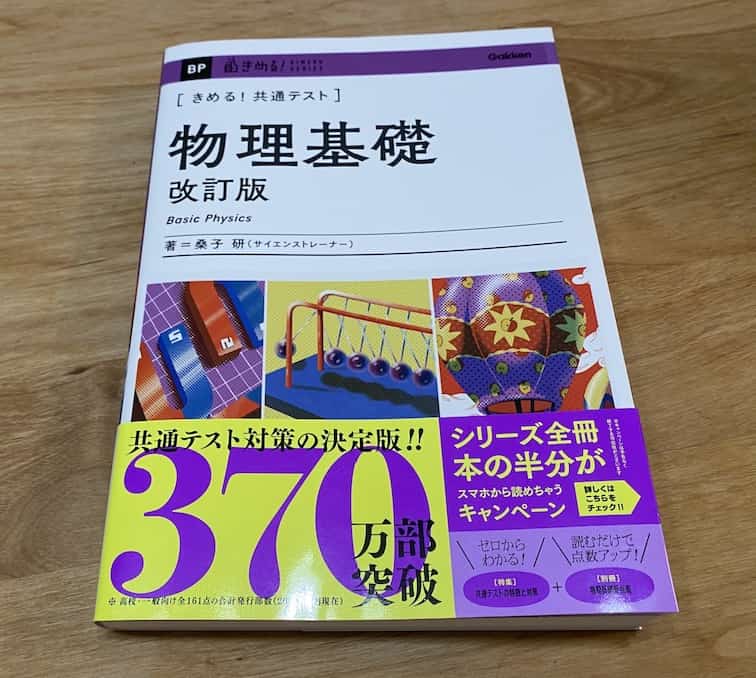
 - 『きめる!共通テスト 物理基礎 改訂版』(学研)… 高校物理の参考書です。イラストを多くしてイメージが持てるように描きました。授業についていけない、物理が苦手、そんな生徒におすすめです。特設サイトはこちら。
各種SNS(更新情報をお届け!)
【日本語】X(Twitter)/instagram/Facebook 【英語】BlueSky/Threads
Explore
- 楽しい実験…お子さんと一緒に夢中になれるイチオシの科学実験を多数紹介しています。また、高校物理の理解を深めるための動画教材も用意しました。
- 理科の教材… 理科教師をバックアップ!授業の質を高め、準備を効率化するための選りすぐりの教材を紹介しています。
- Youtube…科学実験等の動画を配信しています。
- 科学ラジオ …科学トピックをほぼ毎日配信中!AI技術を駆使して作成した「耳で楽しむ科学」をお届けします。
- 講演 …全国各地で実験講習会・サイエンスショー等を行っています。
- About …「科学のネタ帳」のコンセプトや、運営者である桑子研のプロフィール・想いをまとめています。
- お問い合わせ …実験教室のご依頼、執筆・講演の相談、科学監修等はこちらのフォームからお寄せください。
- Seeing the World Through an Insect’s Eyes? The Hidden Secrets of Dandelions and Azaleas

- Did the Chopstick Snap? Did It Move Backward? The Strange Images in a Glass of Water
- Making the Invisible Visible: A Laser and Fog Machine Light Show!

- The 1,300-View Wall! What Middle Schoolers Learned About “Reaching People” Through Short Videos (Science Communication Course)

- Is the Image on Your Retina Upside Down? Discover the Magic of Light with a Squid Eye Experiment

- We Built a Volcano—and It Was Explosively Fun! The Ultimate Experiment Recipe Using Plaster and Baking Soda!

- Data So Clean It’ll Wow You! Cracking the Link Between Potential Energy and Work with Just a Rail and a Marble

- Why Are the Top and Bottom of a Leaf Different Colors? The Surprising Link Between Light and Cell Density

- 4x Faster Than Sunlight?! The Secret of Plant Factories Growing Lettuce Under Red Light (Plot Twist: It Was Purple Light!)