Is This Spring Alive? The Physics Behind Its Caterpillar Crawl Down the Stairs
I’m Ken Kuwako, your Science Trainer. Every day is an experiment!
Have you ever seen what happens when a child gently drops a long plastic spring, or Slinky, from the top of a staircase? Instead of simply tumbling down, the spring slowly works its way down the stairs, one step at a time, almost as if it were a living creature with a mind of its own. It was so fascinating that I decided to take a closer look.
And what I found was surprisingly mesmerizing. Take a look at the video below.
Doesn’t it look almost like a snake or caterpillar crawling down the stairs, one step at a time? Just when you think it has dropped down one step, the very end stretches out and reaches the next step, and then the rest of the spring is pulled forward to catch up. This strange and captivating motion is actually packed with the laws of physics.
The Secret Behind Its Caterpillar-Like Movement: Shifting the Center of Gravity
If you watch the spring carefully, you’ll notice that its entire body doesn’t fall all at once. Instead, the back end, or upper part, contracts and is pulled forward, and then the whole spring drops onto the next step. This sequence repeats over and over.
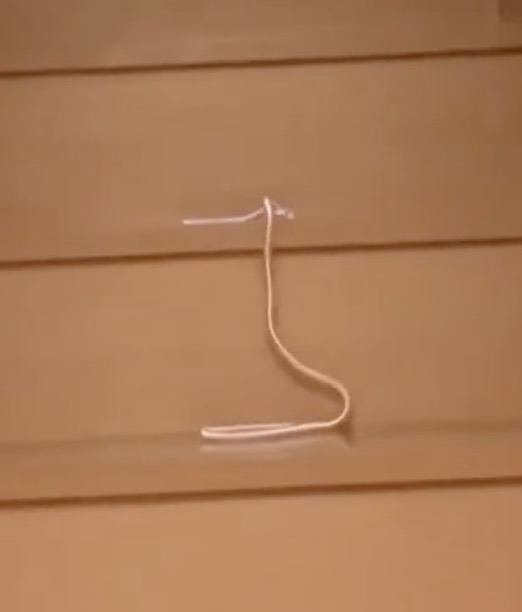
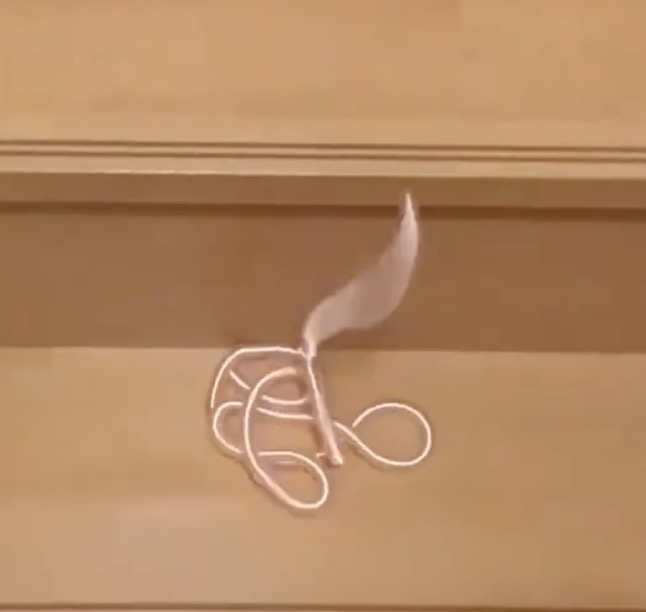
This movement is surprisingly similar to the way some animals move. Caterpillars and inchworms move forward by contracting the rear part of their bodies, extending the front, and then pulling the rear forward. The spring works in a similar way. Part of the coil contracts, shifting its center of gravity forward and downward, and the rest of the spring is then pulled along.
It’s fascinating to think that the same basic physical principles can be found both in the “walking” movements of living creatures and in the motion of an ordinary plastic coil.
Let’s Follow the Energy Transformations
From a physics perspective, the spring’s movement involves a fascinating sequence of energy transformations.
At the top of the staircase, the spring has gravitational potential energy. The higher an object is, the more gravitational potential energy it has.
As the spring begins to fall, parts of the coil contract and stretch. Some of the gravitational potential energy is converted into elastic potential energy, which is the energy stored due to the spring’s elasticity. It’s the same basic principle that makes a stretched rubber band or spring want to return to its original shape.
Then, when the compressed spring begins to spring back toward its original shape, the stored elastic energy is released rapidly and converted into kinetic energy. This is what causes one part of the spring to suddenly shoot forward toward the next step.
In other words, as the spring makes its way down the staircase, it repeatedly goes through a cycle like this:
Gravitational potential energy → Elastic potential energy → Kinetic energy → (then, on the next step) Gravitational potential energy……
It’s almost like an energy relay race. The cycle repeats with every step, which is why the spring appears to move forward one deliberate “step” at a time, almost like a living creature.
The Physics of the Slinky Even Made Waves in Space
As a little side note, the Slinky has actually attracted plenty of attention in the world of physics. There is a famous experiment in which a Slinky is held vertically, with its lower end supported by your hand, and then the upper end is released so that it can fall freely.
You might expect the entire spring to start falling simultaneously the moment you let go. But that’s not what happens. In reality, the lower end remains almost completely still for a while. It doesn’t begin to fall until the upper end has contracted and caught up with it.
This happens because the force generated as the upper part of the spring contracts has not yet been fully transmitted to the lower part. It’s a wonderfully insightful experiment because you can actually see with your own eyes that forces do not travel instantaneously.
The Slinky falling down the stairs can be thought of as another example of this same phenomenon. Once you realize that the fascinating motion is partly caused by a “time lag” before the force is transmitted through the spring, you can appreciate the movement from a whole new perspective.
Contact and Collaboration
Let’s bring the wonder and excitement of science a little closer to home! I share fun science experiments you can try at home, along with simple tips to help you get the most out of them. Have a look around and see what you can discover!
・The Science Notebook has been turned into a book. Find out more here
・Learn more about Ken Kuwako, the creator of this site, here
・For inquiries and collaboration requests, including writing, lectures, science workshops, TV supervision, and appearances, click here
・For updates and new articles, follow me on X!
 The Science Notebook Channel features videos of fun science experiments!
10月のイチオシ実験!
https://youtube.com/shorts/jLVKYRVI1uY?feature=share
テレビ番組監修・イベント等のお知らせ
- 12月26日(土) ナリカサイエンスアカデミー(教員向け実験講習会)開催
書籍のお知らせ
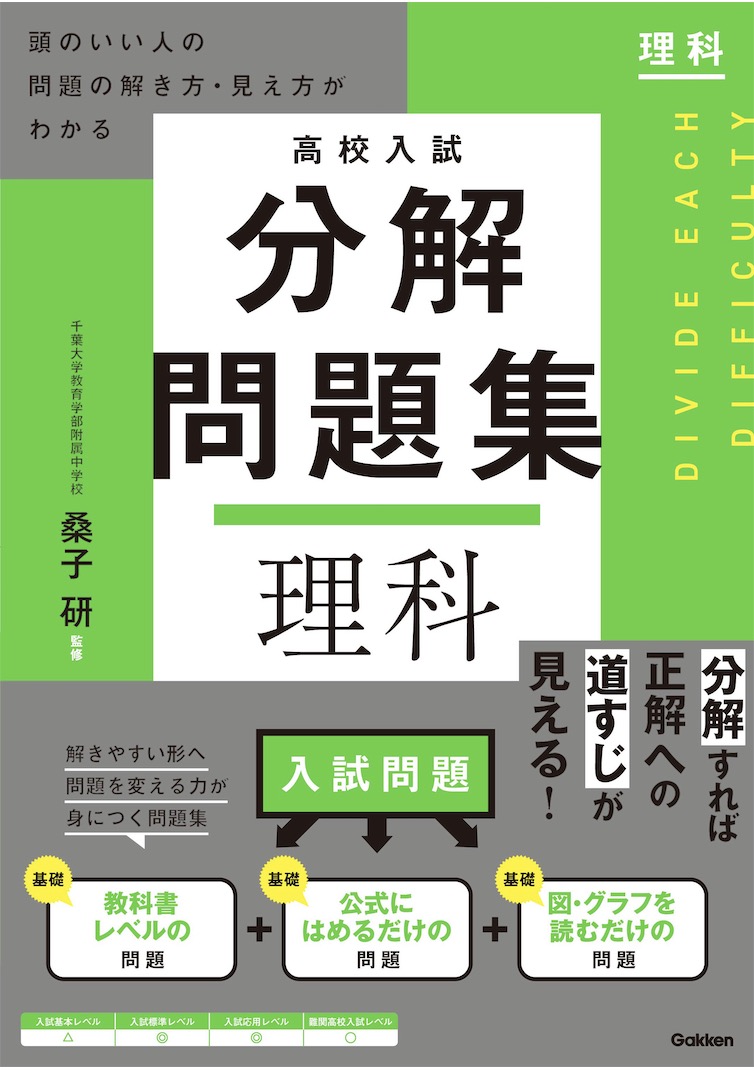
- 『高校入試 分解問題集 理科』(学研)…難しい問題も小さな問題に分解することで、問題を解くことができます。そんな分解の技術が身につくように深く関わりを持って作りました。
 『大人のための高校物理復習帳』(講談社)…一般向けに日常の物理について公式を元に紐解きました。特設サイトでは実験を多数紹介しています。※増刷がかかり6刷となりました(2026/02/01)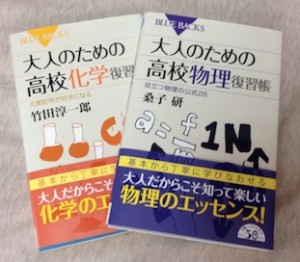
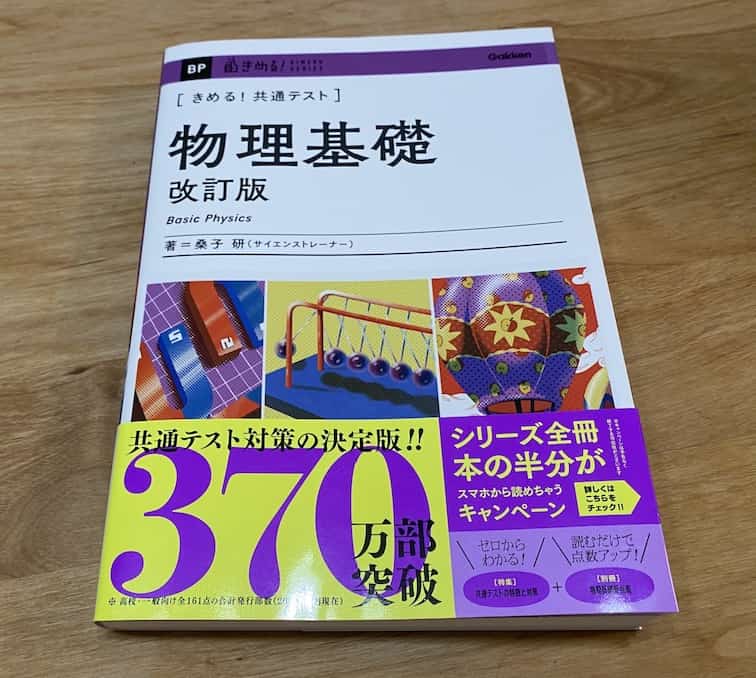
- 『きめる!共通テスト 物理基礎 改訂版』(学研)… 高校物理の参考書です。イラストを多くしてイメージが持てるように描きました。授業についていけない、物理が苦手、そんな生徒におすすめです。特設サイトはこちら。
各種SNS(更新情報をお届け!)
【日本語】X(Twitter)/instagram/Facebook 【英語】BlueSky/Threads
Explore
- 楽しい実験…お子さんと一緒に夢中になれるイチオシの科学実験を多数紹介しています。また、高校物理の理解を深めるための動画教材も用意しました。
- 理科の教材… 理科教師をバックアップ!授業の質を高め、準備を効率化するための選りすぐりの教材を紹介しています。
- Youtube…科学実験等の動画を配信しています。
- 科学ラジオ …科学トピックをほぼ毎日配信中!AI技術を駆使して作成した「耳で楽しむ科学」をお届けします。
- 講演 …全国各地で実験講習会・サイエンスショー等を行っています。
- About …「科学のネタ帳」のコンセプトや、運営者である桑子研のプロフィール・想いをまとめています。
- お問い合わせ …実験教室のご依頼、執筆・講演の相談、科学監修等はこちらのフォームからお寄せください。
- Seeing the World Through an Insect’s Eyes? The Hidden Secrets of Dandelions and Azaleas

- Did the Chopstick Snap? Did It Move Backward? The Strange Images in a Glass of Water
- Making the Invisible Visible: A Laser and Fog Machine Light Show!

- The 1,300-View Wall! What Middle Schoolers Learned About “Reaching People” Through Short Videos (Science Communication Course)

- Is the Image on Your Retina Upside Down? Discover the Magic of Light with a Squid Eye Experiment

- We Built a Volcano—and It Was Explosively Fun! The Ultimate Experiment Recipe Using Plaster and Baking Soda!

- Data So Clean It’ll Wow You! Cracking the Link Between Potential Energy and Work with Just a Rail and a Marble

- Why Are the Top and Bottom of a Leaf Different Colors? The Surprising Link Between Light and Cell Density

- 4x Faster Than Sunlight?! The Secret of Plant Factories Growing Lettuce Under Red Light (Plot Twist: It Was Purple Light!)