The Physics Hidden in a Marble! How Pokémon’s Rolling Switch Toy Teaches Energy Conversion
I’m Ken Kuwako, a Science Trainer. Every day is an experiment.
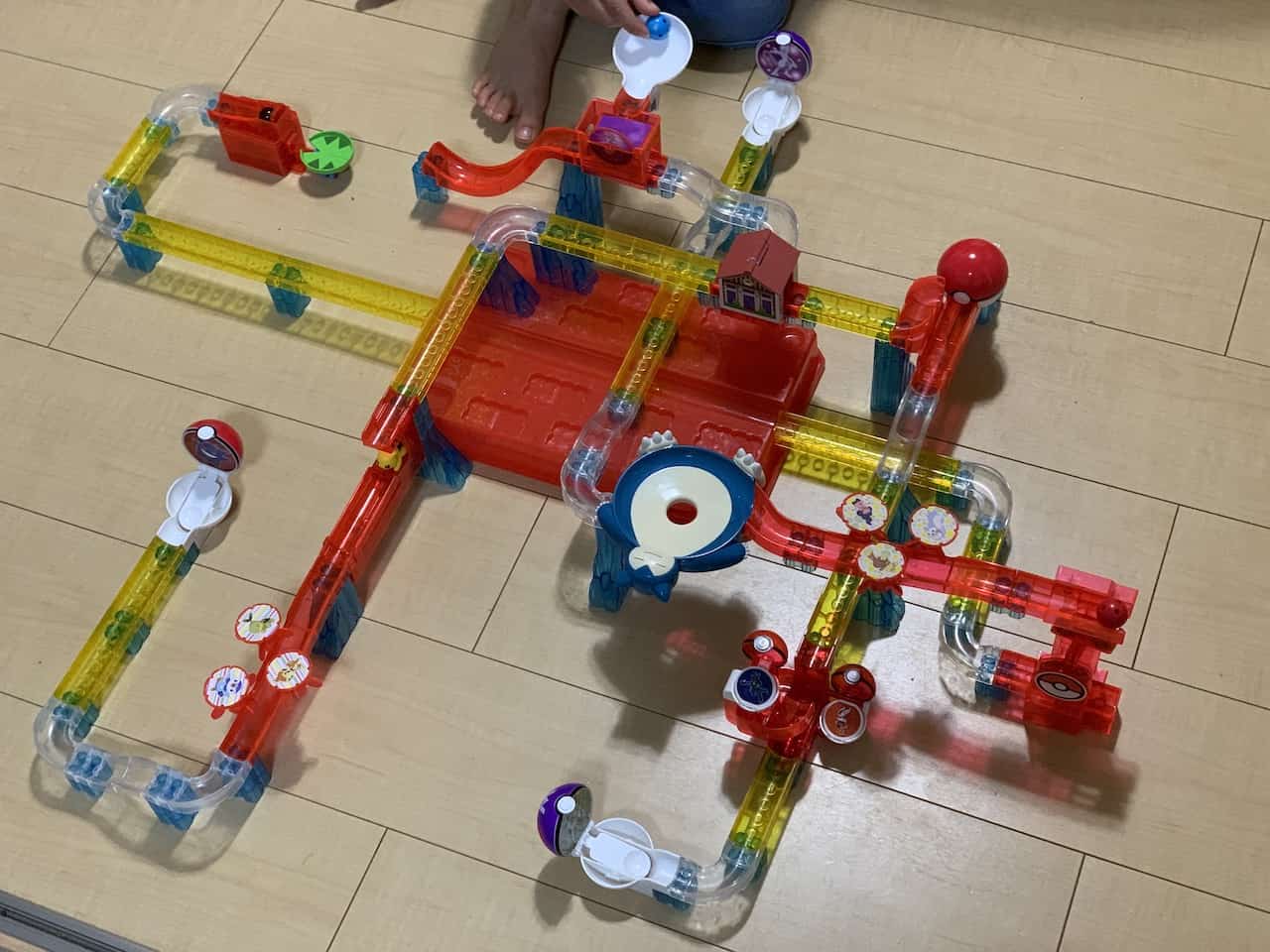
Imagine a marble rolling down a slope, tipping a seesaw, opening a door, and finally making a Poké Ball snap shut. If you could recreate this kind of chain reaction, straight out of a PythagoraSwitch contraption, in the world of Pokémon, there’s no way kids wouldn’t be hooked. This time, I’m sharing our experience playing with Koroga Switch Pokémon, a toy my child had been asking for for quite a while, along with the fascinating physics hidden inside it.
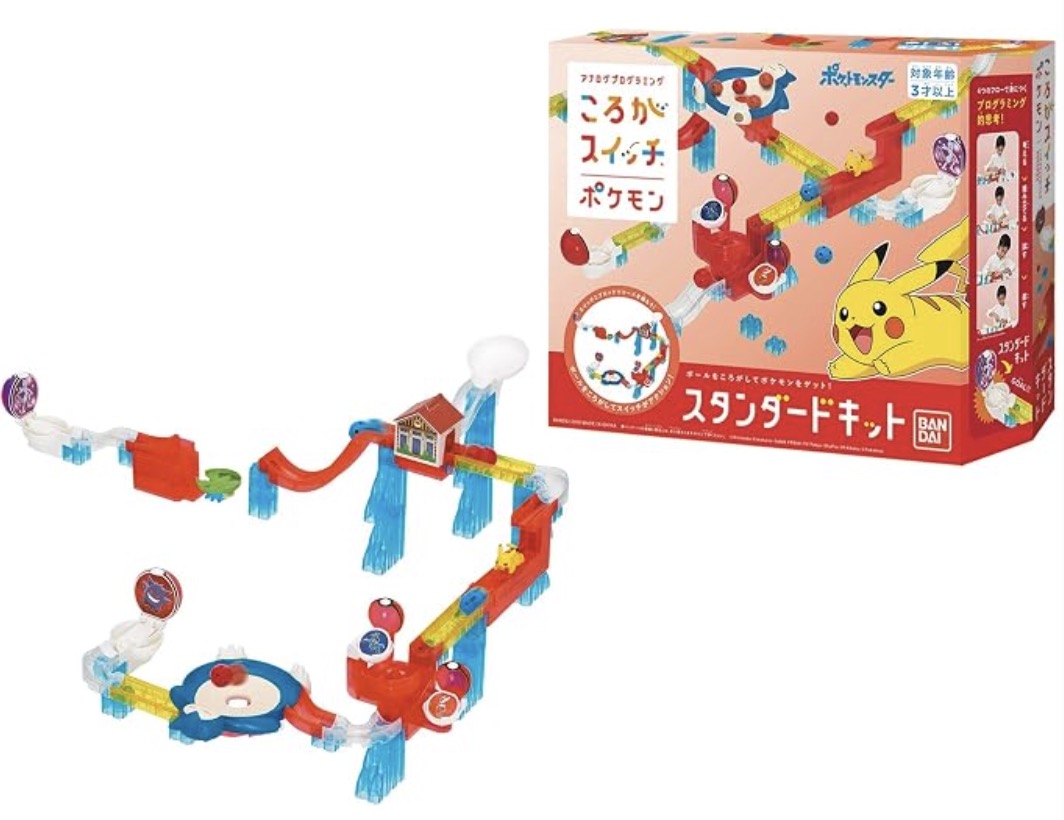
The Ultimate Combination: PythagoraSwitch × Pokémon
「ころがスイッチポケモン」 is a wonderfully clever combination of the chain-reaction mechanisms familiar from PythagoraSwitch and everyone’s favorite Pokémon characters. For my child, it really doesn’t get much better than this. Ever since it arrived, they’ve been playing with it almost every day.
At first glance, it may look like nothing more than a toy. But once you actually build it and start playing, you quickly realize that it is packed with all kinds of fascinating mechanical ideas.
A Show of Potential Energy Turning into Kinetic Energy
The basic movement of this toy is all about converting potential energy into kinetic energy. A marble placed high up has gravitational potential energy. As it rolls down the slope, that energy is transformed into kinetic energy, giving the marble enough momentum to trigger the next mechanism.
One particularly fun feature is that you can change the slope of the course. If you lower one section of the track, you can actually see that the marble arrives more quickly. It’s a hands-on demonstration of a fascinating idea from mechanics: even when the difference in height, and therefore the change in potential energy, is the same, the angle of the slope affects how quickly that energy is converted into motion. In a way, it’s like having a physics classroom’s inclined-plane experiment sitting right in your living room, disguised as a toy.
Where Does the Energy Come From?
One of the classic challenges with chain-reaction machines like PythagoraSwitch is that the system gradually loses mechanical energy through friction and collisions. Every time the marble rolls, bounces, or hits something, some of its energy escapes as heat and sound. So how does Koroga Switch Pokémon make up for all that lost energy? This was probably the most interesting part for me.
After watching the mechanisms carefully, I realized that the system sometimes uses elastic potential energy, and at other times uses gravitational potential energy that has been stored in a raised weight. Elastic energy stored in rubber bands or springs can launch the marble, while a weight that has been lifted beforehand can fall and generate new kinetic energy. It’s almost as if the machine has tiny “energy refill stations” hidden throughout the course.
There are also mechanisms that use kinetic energy to perform work. One example is the final stage, where the momentum of the rolling marble is used to make a Poké Ball snap shut. Watching energy change form, pass from one mechanism to another, and eventually appear as visible “work” never gets old.
Taking on a Giant Machine with Two Sets
There are currently two sets in this series. If I had to point out a weakness, it would be that some of the blocks can feel a little inconsistent: some come apart too easily, while others can be surprisingly difficult to separate. Once you get used to them, though, it isn’t much of a problem.
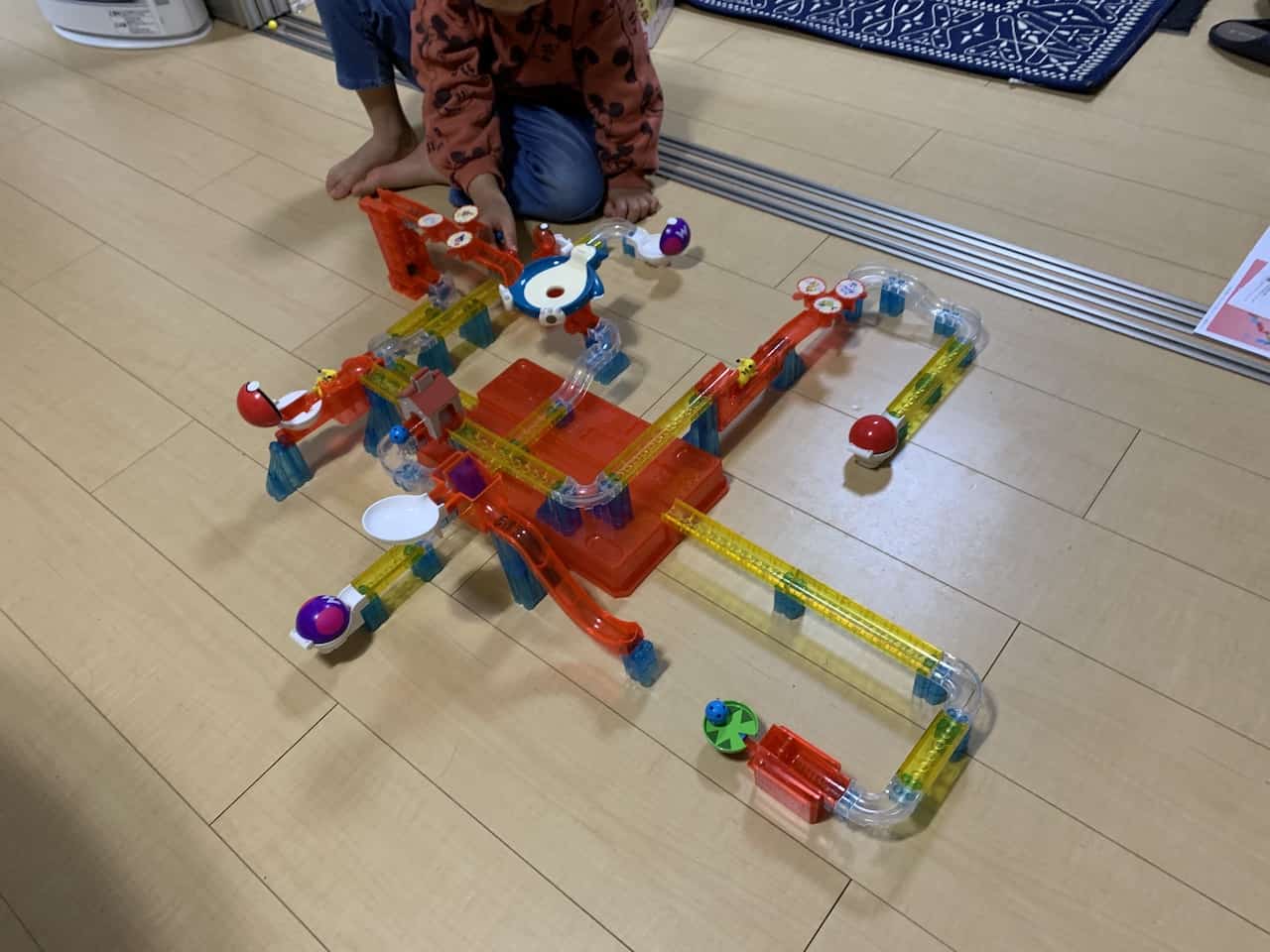
I also found the course examples on the official website a little difficult to follow. On top of that, the instructions for building the huge machine by combining parts from the two sets are rather confusing. So I decided to build it myself and took some photos to show how it goes. If you’re thinking about giving it a try, I hope these pictures will be useful.
Here are some views from different angles.
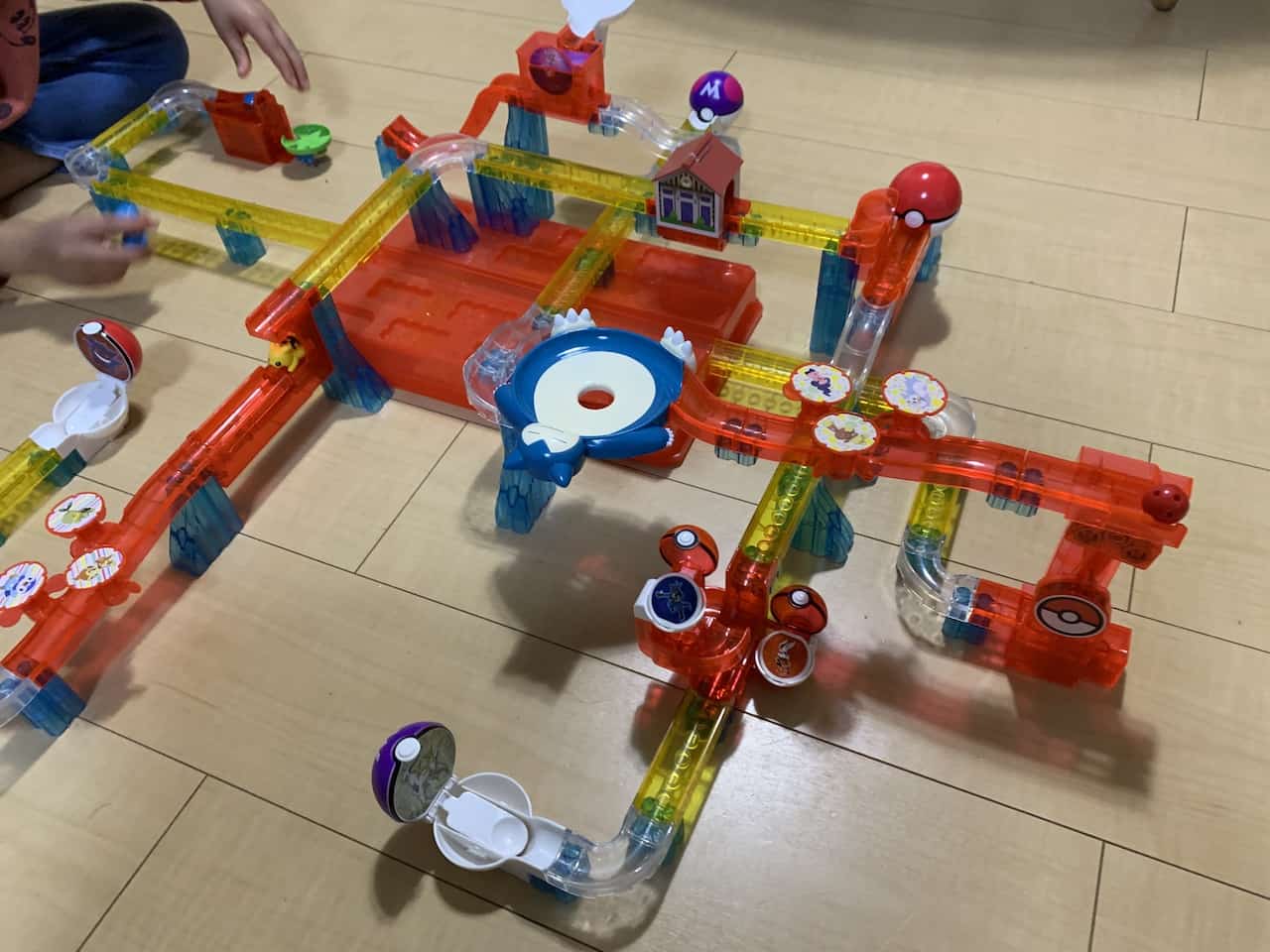
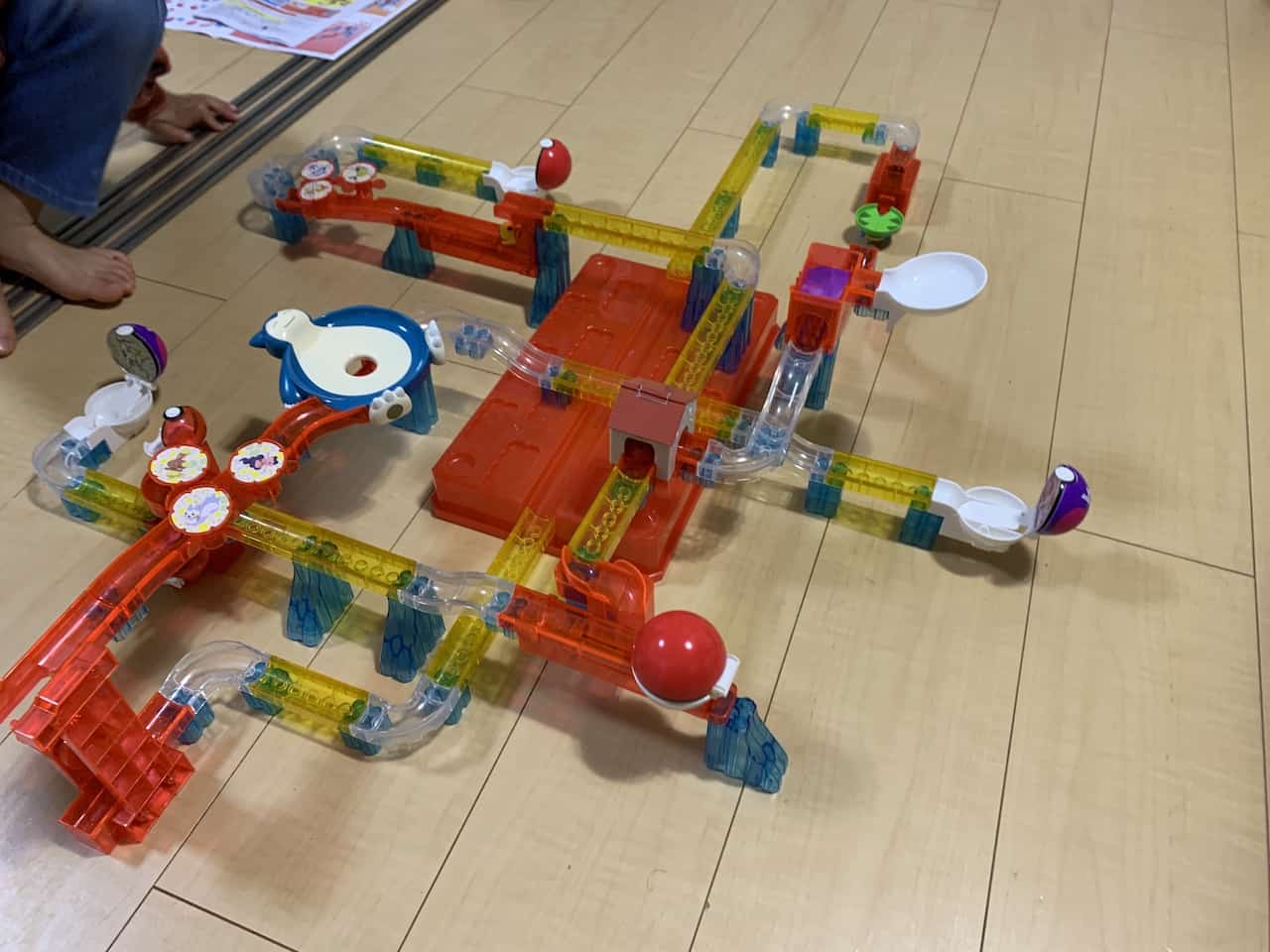
Packed into the movement of a single tiny marble are some of the fundamental ideas of physics: potential energy, kinetic energy, and elastic potential energy. That’s what makes 「ころがスイッチポケモン」 so much more than just a toy. As you build it together with your child and start asking, “Why does it move like that?”, play naturally turns into a science lesson.
Contact and Collaboration
Let’s bring the wonders and excitement of science closer to everyday life! I share fun science experiments that you can try at home, along with easy-to-understand tips for making them work. Feel free to explore and search around!
・The content from 科学のネタ帳 is now available as a book. For more information, click here.
・For more information about the site’s creator, Ken Kuwako, click here.
・For inquiries and collaboration requests (writing, lectures, science workshops, TV science supervision, appearances, etc.), click here.
・Get updates about new articles on X!
 Kagaku no Neta Channel features videos of fun science experiments!
9月のイチオシ実験!
テレビ番組監修・イベント等のお知らせ
- 9月25日(金)21:00〜 かまいたちの瞬間回答!にて、科学監修を行いました。
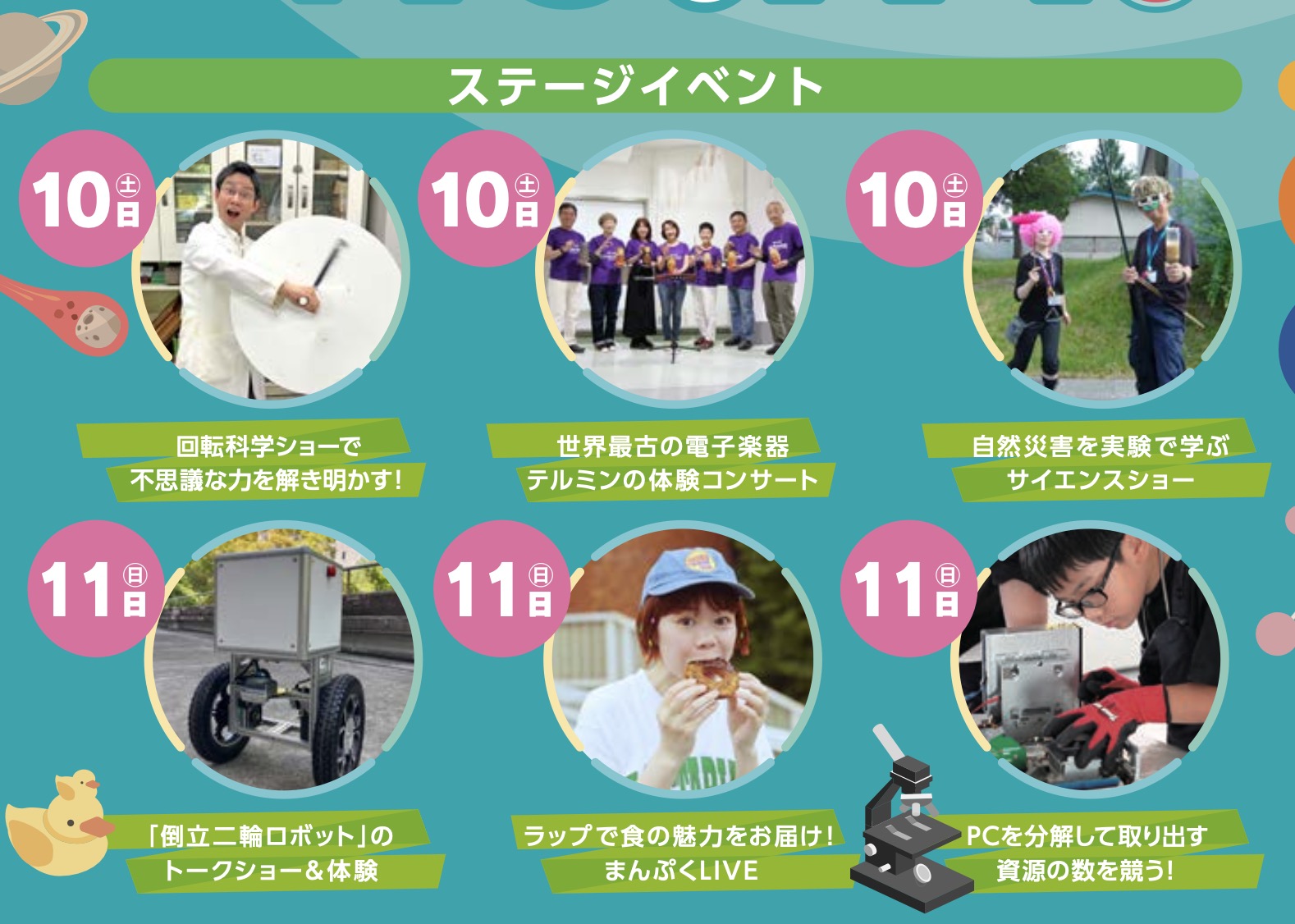
- 10月10日(土)11:15~12:00 千葉市科学フェスタ2026「桑子先生の回転科学ショー」にてサイエンスショーを行います。
- 12月26日(土) ナリカサイエンスアカデミー(教員向け実験講習会)開催
書籍のお知らせ
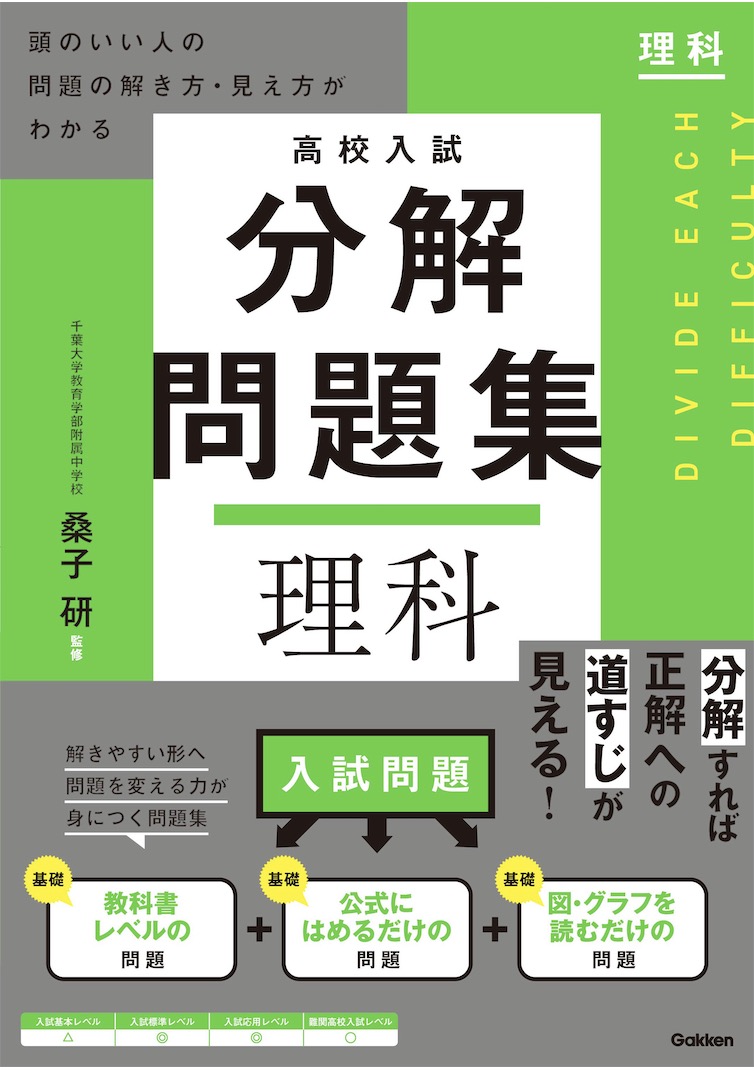
- 『高校入試 分解問題集 理科』(学研)…難しい問題も小さな問題に分解することで、問題を解くことができます。そんな分解の技術が身につくように深く関わりを持って作りました。
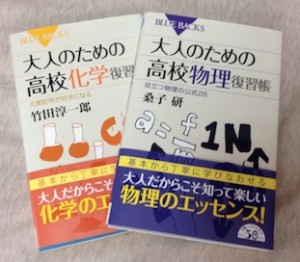
 『大人のための高校物理復習帳』(講談社)…一般向けに日常の物理について公式を元に紐解きました。特設サイトでは実験を多数紹介しています。※増刷がかかり6刷となりました(2026/02/01)
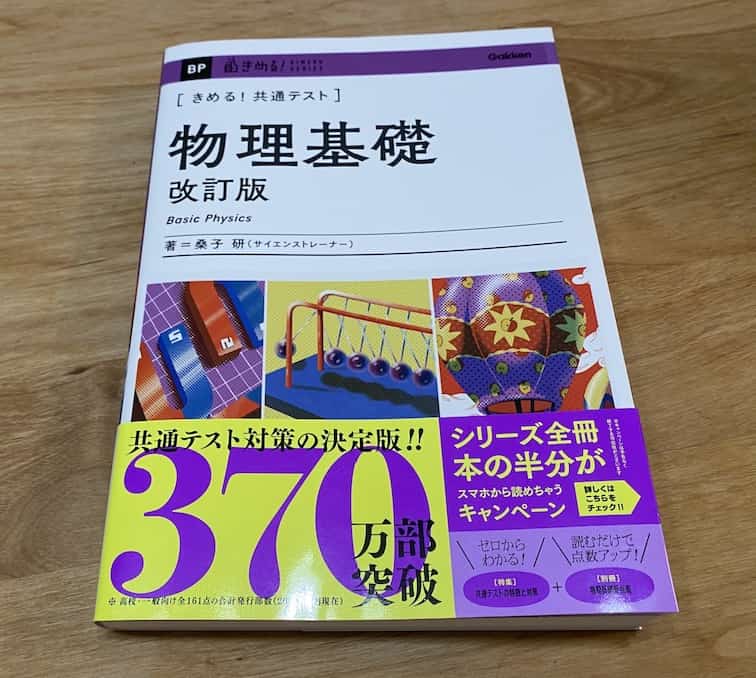
- 『きめる!共通テスト 物理基礎 改訂版』(学研)… 高校物理の参考書です。イラストを多くしてイメージが持てるように描きました。授業についていけない、物理が苦手、そんな生徒におすすめです。特設サイトはこちら。
各種SNS(更新情報をお届け!)
【日本語】X(Twitter)/instagram/Facebook 【英語】BlueSky/Threads
Explore
- 楽しい実験…お子さんと一緒に夢中になれるイチオシの科学実験を多数紹介しています。また、高校物理の理解を深めるための動画教材も用意しました。
- 理科の教材… 理科教師をバックアップ!授業の質を高め、準備を効率化するための選りすぐりの教材を紹介しています。
- Youtube…科学実験等の動画を配信しています。
- 科学ラジオ …科学トピックをほぼ毎日配信中!AI技術を駆使して作成した「耳で楽しむ科学」をお届けします。
- 講演 …全国各地で実験講習会・サイエンスショー等を行っています。
- About …「科学のネタ帳」のコンセプトや、運営者である桑子研のプロフィール・想いをまとめています。
- お問い合わせ …実験教室のご依頼、執筆・講演の相談、科学監修等はこちらのフォームからお寄せください。