Big Discoveries from Everyday Materials! Learn Buoyancy the Fun Way with the Aluminum Foil Boat Experiment
I’m Ken Kuwako, your Science Trainer. Every day is an experiment.
A single sheet of aluminum foil can stay afloat even when you pile dozens of glass marbles onto it. Sounds unbelievable, doesn’t it? But this is a real experiment that can be recreated right in the classroom without any special equipment or chemicals. Today, I’d like to introduce a simple yet surprisingly deep experiment about buoyancy that is sure to spark students’ curiosity and get them asking, “Why?”
One Sheet of Aluminum Foil Becomes an Unsinkable Boat
What kinds of experiments do you use when teaching buoyancy? You might explain Archimedes’ principle, measure buoyant force with a balance, or take a variety of other approaches. This time, I’d like to introduce an especially simple and fun experiment that requires no special equipment and lets students experience the concept of buoyancy while satisfying their curiosity.
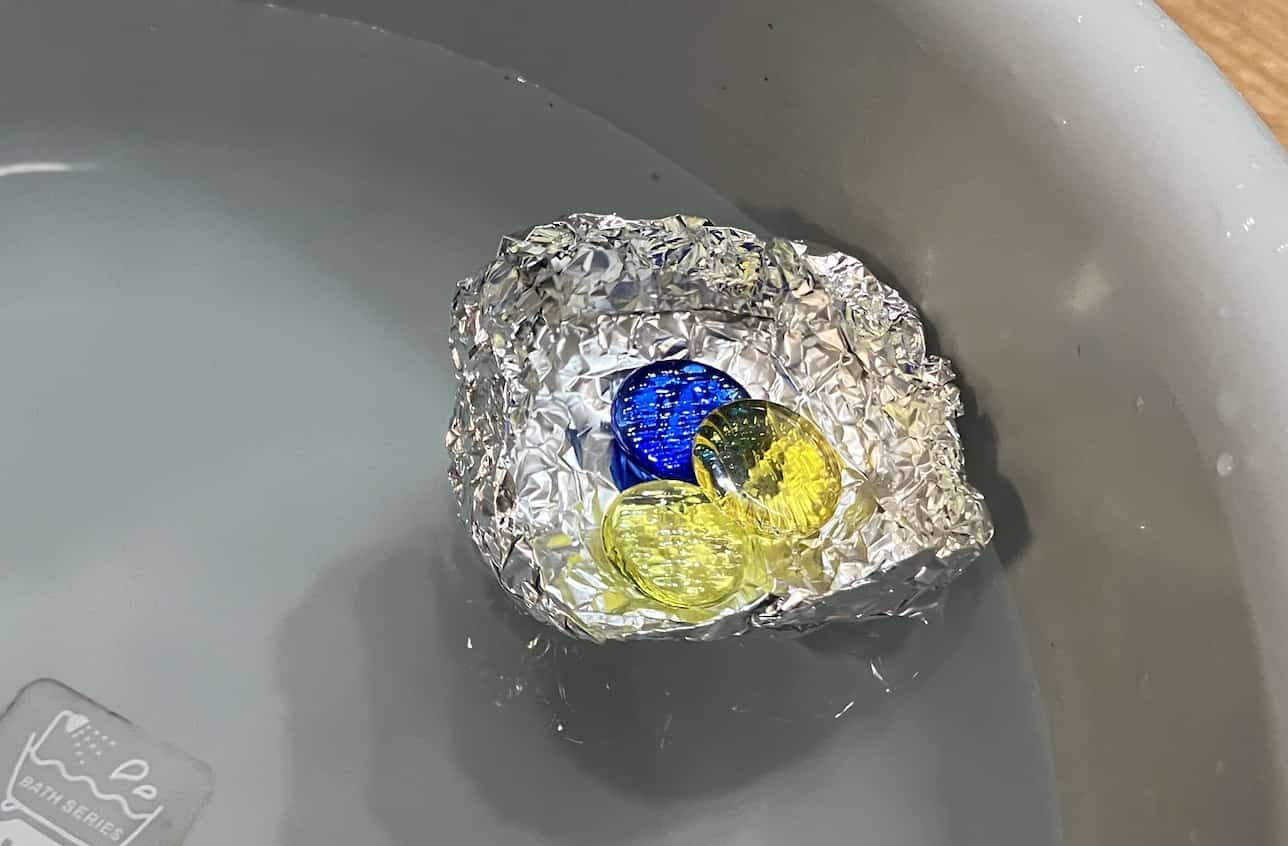
It’s called the “Aluminum Foil Boat Challenge”! The idea is simple: students shape a sheet of aluminum foil into a boat and compete to see whose boat can carry the most glass marbles. At first glance, it may look like nothing more than a simple craft activity, but hidden inside it are some fascinating scientific principles.
Students can ask themselves, “How can I make my boat float better?” They then make predictions, experiment, and discover things for themselves. It offers a kind of learning that simply sitting through a lecture cannot provide. It’s a wonderfully versatile experiment that works both as an introduction to a lesson and as a way to wrap things up.
What You’ll Need
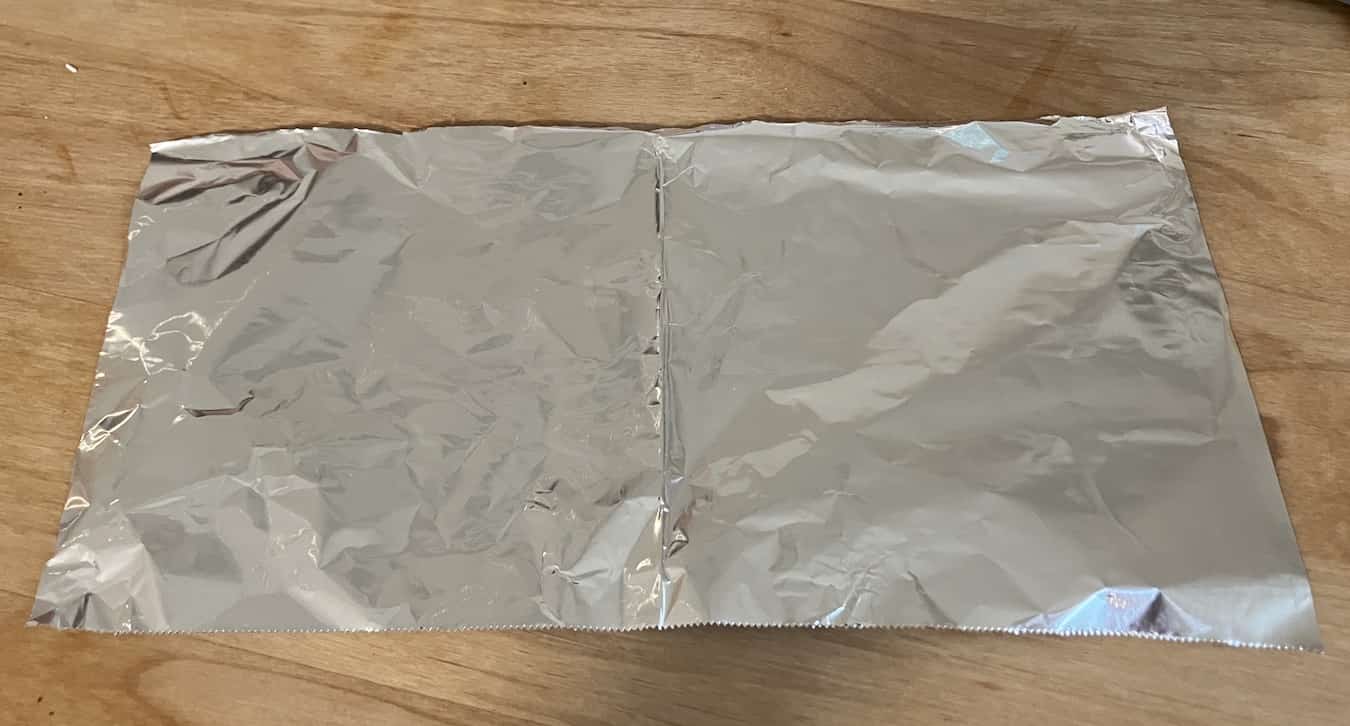
・Aluminum foil (A width of about 25 cm is easy to handle. Cut it into 12.5 cm × 12.5 cm squares, one for each student.)
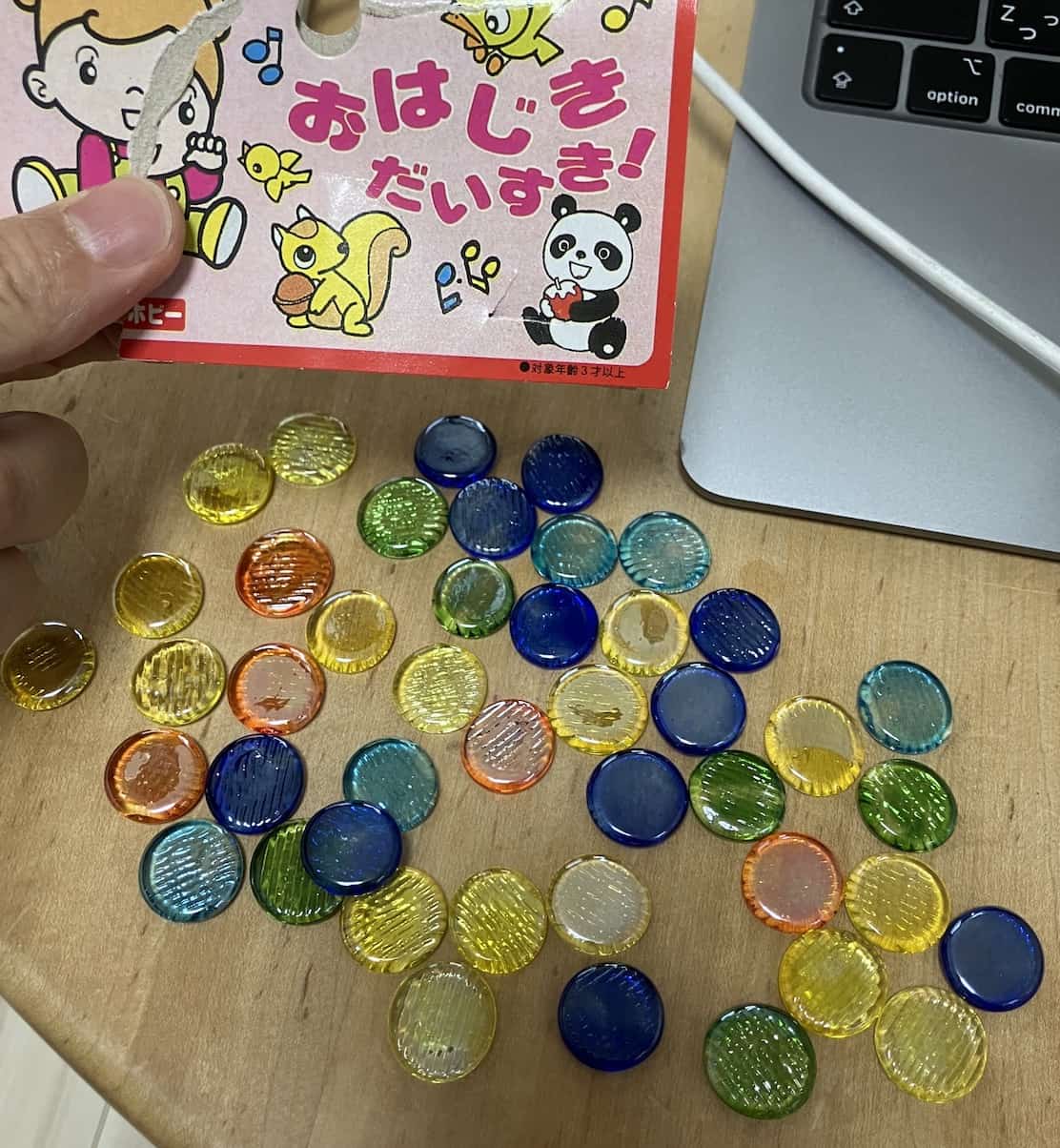
・Glass marbles (About 30 per student. These will be used as weights.)
I bought these at Seria.
・Water tank (Ideally, about 200 mm high, 315 mm wide, and 130 mm deep. A household food storage container can also be used.)
・Water
・Cleaning cloths or towels
Example Lesson Procedure
Start by asking the students, “What shape of boat do you think can carry the most marbles?” Have them make their predictions.
Hand out the aluminum foil and have each student cut out a 12.5 cm × 12.5 cm square. You can also prepare the pieces in advance if that is easier.
Fill the water tank about halfway with water, then place the boats on the surface.
Have students carefully place the marbles into their boats one at a time and record how many they can add before the boat sinks.
Have students share and discuss what the shape of the boat that carried the most marbles looked like. You’ll get all kinds of creative boat designs, which makes this experiment especially fun.
The most interesting part is that the boat that ultimately carries the most marbles tends to be as flat as possible, with a large surface area in contact with the water.
The Secret Behind Buoyancy: “The Weight of the Displaced Water”
A boat floats because the upward force acting on it, known as buoyancy, balances the combined weight of the boat and the marbles. The strength of the buoyant force is equal to the weight of the water occupying the same volume as the part of the boat submerged in the water—in other words, the water that the boat displaces.
So, the more water a boat can push aside, the greater the buoyant force acting on it.
This is exactly the same principle behind the rise in water level when you lower your body into a bathtub. The famous story of Archimedes suddenly realizing the principle while taking a bath is said to have been inspired by this very idea of displaced water.
Aluminum itself is much denser than water, so a solid piece of aluminum would sink. But when we spread it out and shape it like a bowl, we create a large volume of air inside the boat. This makes the overall volume of the boat much larger, allowing it to displace a greater amount of water.
In fact, this is also exactly how gigantic steel tankers can float on the ocean. Steel itself is a metal that sinks in water, but by shaping it into a ship and leaving the inside hollow, the overall volume of the vessel becomes much larger. As a result, it can displace enough water to support its enormous weight.
In that sense, an aluminum foil boat is really a palm-sized model of a tanker!
There’s another important factor, too: balance matters. Preliminary experiments showed that flat, wide boats tend to work better than tall, narrow ones. This is also an important principle in real shipbuilding. A ship with a wide bottom and a low center of gravity is much less likely to tip over, even when it tilts slightly.
The same thing happens if you place the marbles near one edge instead of in the center. The boat quickly loses its balance, tips over, and sinks.
Through this experiment, students can understand the principle that “buoyant force is proportional to the volume submerged in water” not just intellectually, but through hands-on experience.
Why not try it in your next science lesson and see where your students’ curiosity takes them?
By the way, someone managed to achieve an amazing record of 65 marbles! 2025/09/01
References
Try Science “Aluminum Boat”
http://www.kagakunosaiten.jp/convention/pdf/2019/062.pdf
Contact & Requests
Want to bring the wonder and excitement of science closer to everyday life? We share fun science experiments you can do at home, along with easy-to-understand tips for making them work. Feel free to explore the site and search for experiments!
・For information about the site operator, Ken Kuwako, please click here
・For various requests (writing, lectures, science workshops, TV supervision, appearances, etc.), please click here
・For the latest article updates, follow us on X!
 Check out the Science Ideas Channel for experiment videos!
9月のイチオシ実験!
テレビ番組監修・イベント等のお知らせ
- 9月25日(金)21:00〜 かまいたちの瞬間回答!にて、科学監修を行いました。
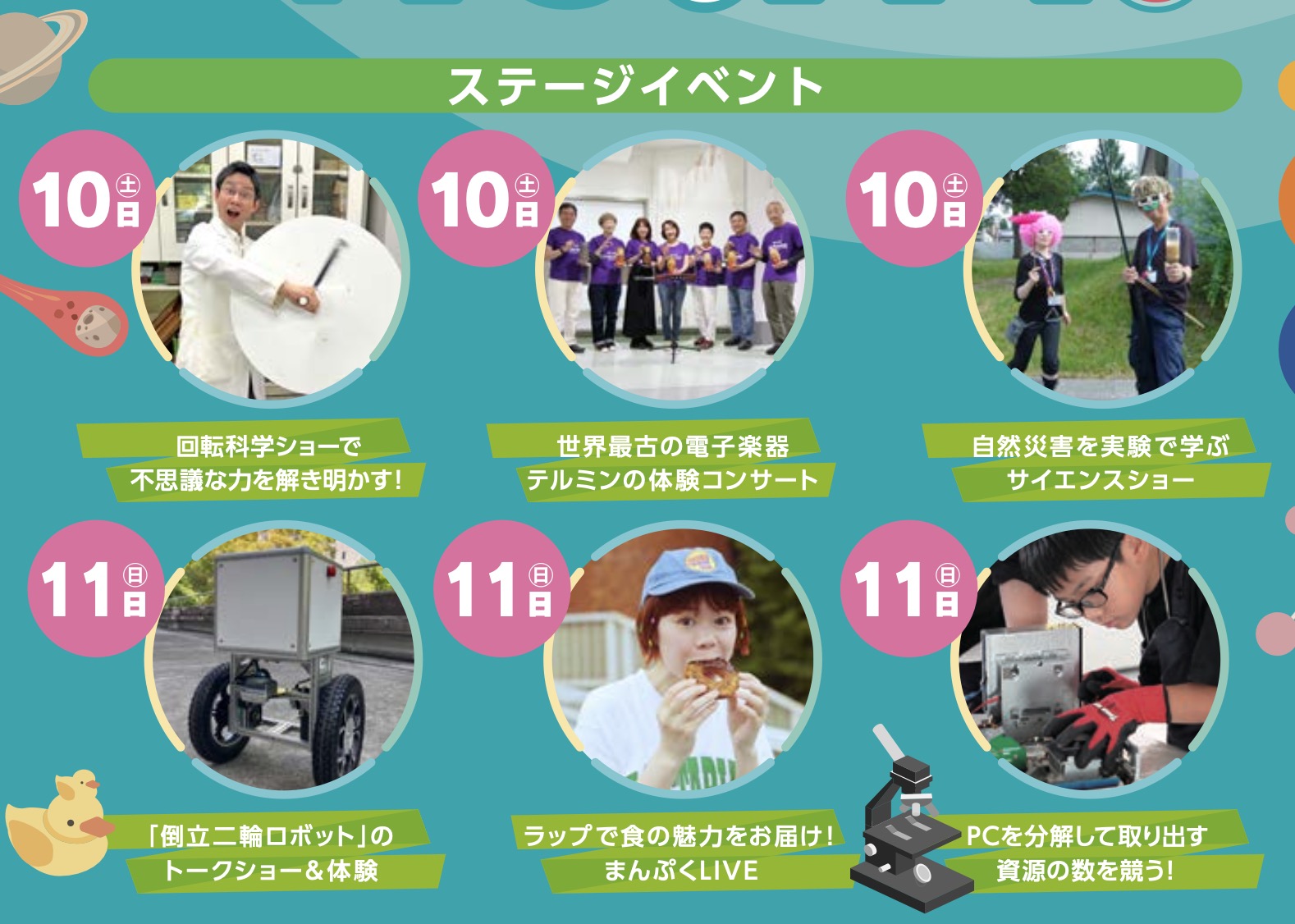
- 10月10日(土)11:15~12:00 千葉市科学フェスタ2026「桑子先生の回転科学ショー」にてサイエンスショーを行います。
- 12月26日(土) ナリカサイエンスアカデミー(教員向け実験講習会)開催
書籍のお知らせ
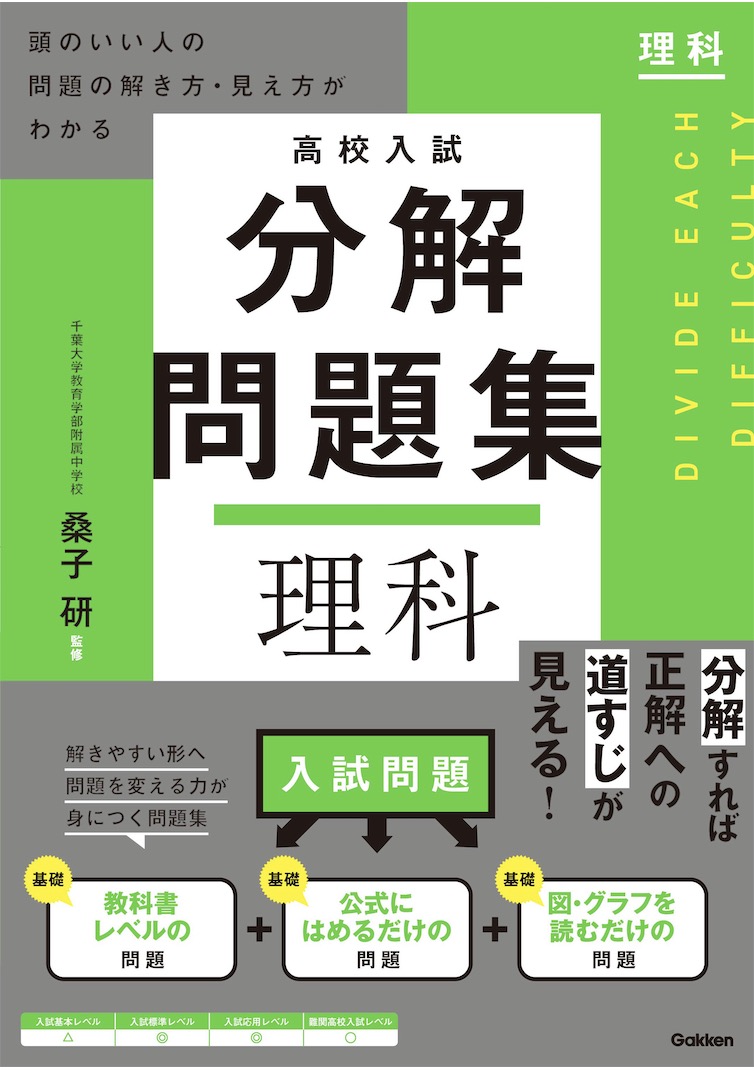
- 『高校入試 分解問題集 理科』(学研)…難しい問題も小さな問題に分解することで、問題を解くことができます。そんな分解の技術が身につくように深く関わりを持って作りました。
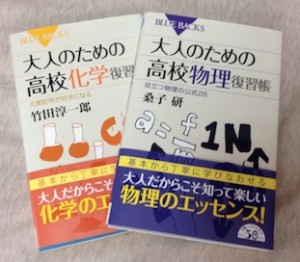
 『大人のための高校物理復習帳』(講談社)…一般向けに日常の物理について公式を元に紐解きました。特設サイトでは実験を多数紹介しています。※増刷がかかり6刷となりました(2026/02/01)
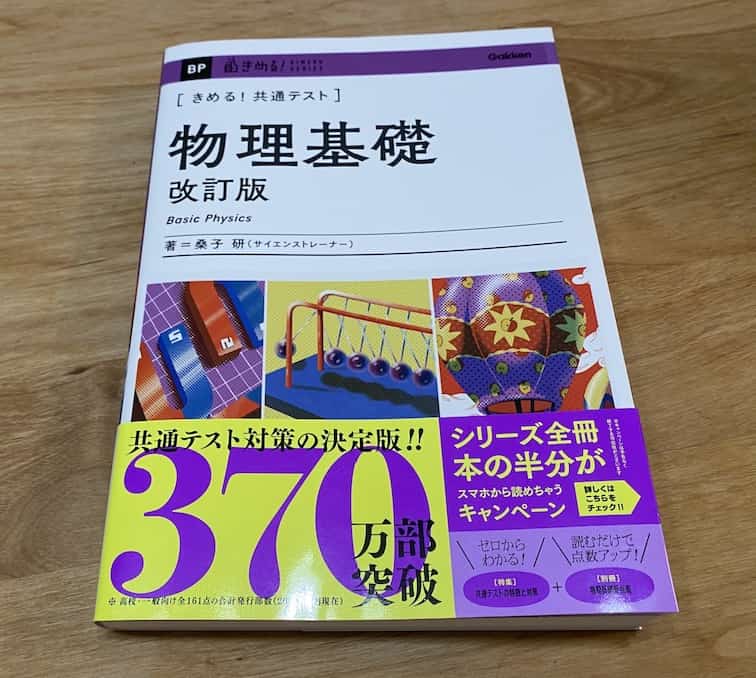
- 『きめる!共通テスト 物理基礎 改訂版』(学研)… 高校物理の参考書です。イラストを多くしてイメージが持てるように描きました。授業についていけない、物理が苦手、そんな生徒におすすめです。特設サイトはこちら。
各種SNS(更新情報をお届け!)
【日本語】X(Twitter)/instagram/Facebook 【英語】BlueSky/Threads
Explore
- 楽しい実験…お子さんと一緒に夢中になれるイチオシの科学実験を多数紹介しています。また、高校物理の理解を深めるための動画教材も用意しました。
- 理科の教材… 理科教師をバックアップ!授業の質を高め、準備を効率化するための選りすぐりの教材を紹介しています。
- Youtube…科学実験等の動画を配信しています。
- 科学ラジオ …科学トピックをほぼ毎日配信中!AI技術を駆使して作成した「耳で楽しむ科学」をお届けします。
- 講演 …全国各地で実験講習会・サイエンスショー等を行っています。
- About …「科学のネタ帳」のコンセプトや、運営者である桑子研のプロフィール・想いをまとめています。
- お問い合わせ …実験教室のご依頼、執筆・講演の相談、科学監修等はこちらのフォームからお寄せください。