Sort Plants Like a Detective! Discover Your Own Classification with Handmade Plant Cards
“This is a monocot, and this is a dicot—just memorize them.” Plant classification is often taught with a simple statement like that. But behind those labels lies a fascinating opportunity to explore one of science’s biggest questions: Why do we classify living things this way in the first place? In today’s lesson, students become detectives, investigating the mysteries of plants and discovering classification rules through their own observations and reasoning.
How do you teach plant classification?
If the lesson is simply, “Memorize these categories,” it’s difficult to spark genuine curiosity. Plant classification can easily become another memorization exercise, yet it’s actually packed with opportunities to develop scientific thinking.
“Why does this plant belong in this group?”
“What makes this plant different enough to belong somewhere else?”
The real excitement of science comes from students wrestling with questions like these. The process of thinking about classification, testing ideas, making mistakes, and refining them is where meaningful learning happens. The challenge, of course, is designing activities that encourage this kind of thinking.
Today I’d like to introduce one of my favorite classroom resources—a set of plant classification cards that lets students compare plant characteristics, discuss their ideas, and discover classification rules for themselves.
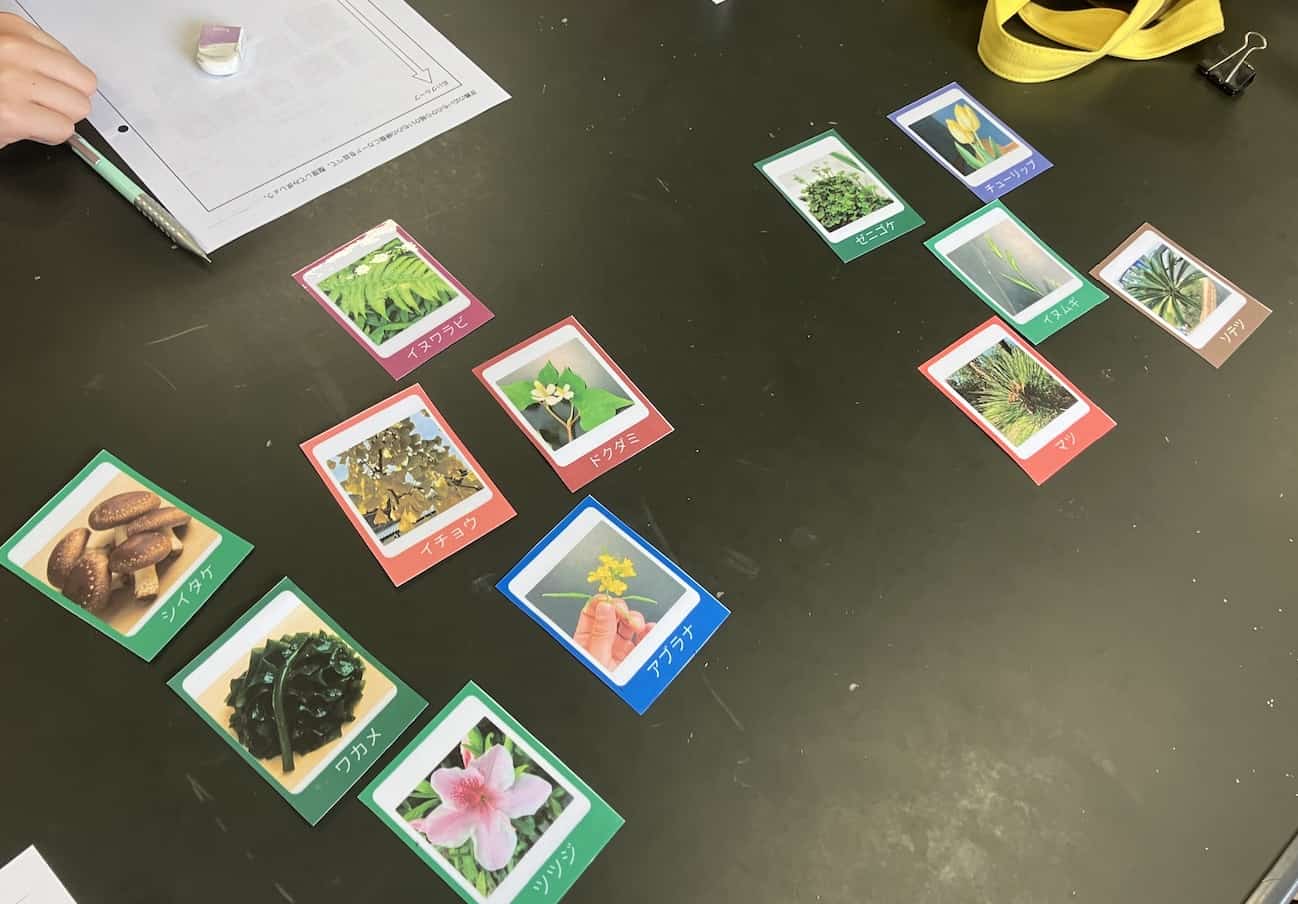
With these cards, students investigate plants much like detectives solving a mystery. Instead of simply absorbing facts, they continually ask the most important scientific question of all:
“Why?”
That simple question becomes the doorway to deeper scientific thinking.
Plant Classification Cards Designed with Canva
These cards were created in Canva and are designed to help students compare the characteristics of many different plants while working out their own classification systems.
Rather than giving students the answers, the activity encourages them to identify patterns, discover rules, and strengthen their scientific reasoning through discussion and observation.
You can download the teaching materials here.
Canva Plant Classification Cards (Download)
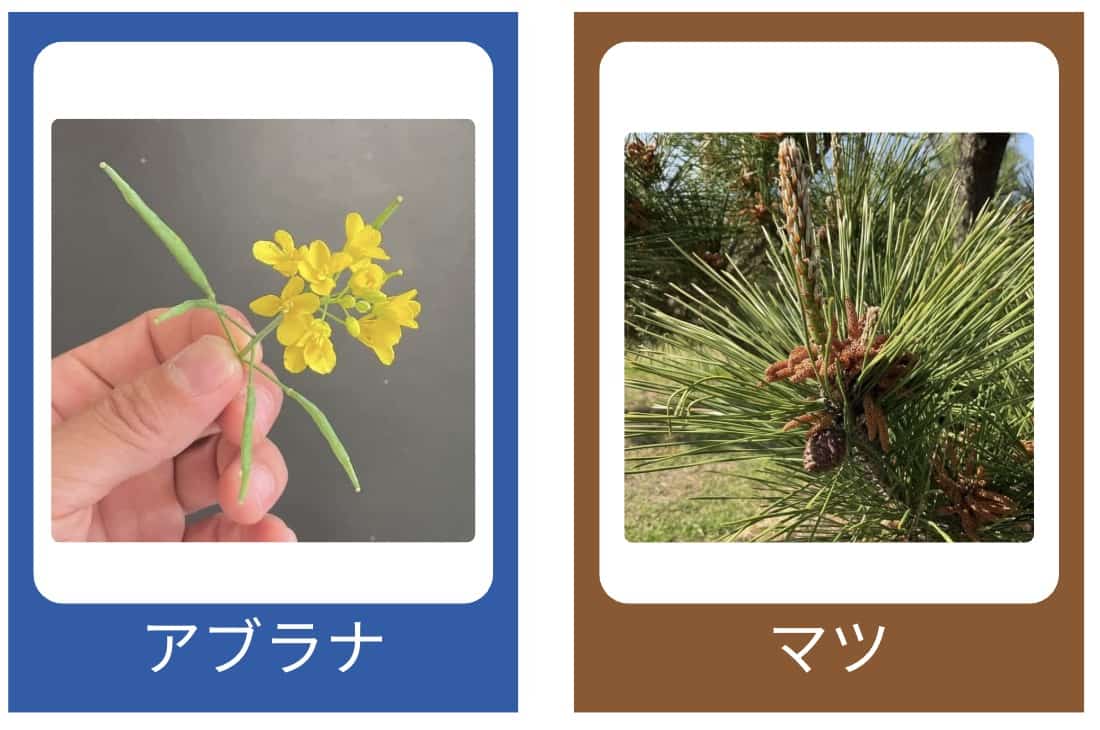
Classroom Preparation
Preparation Materials
Printed Cards (Cardstock Recommended)
Printing the cards on thick paper makes them much easier for students to handle. If you’re using regular paper, laminating them will greatly improve their durability.
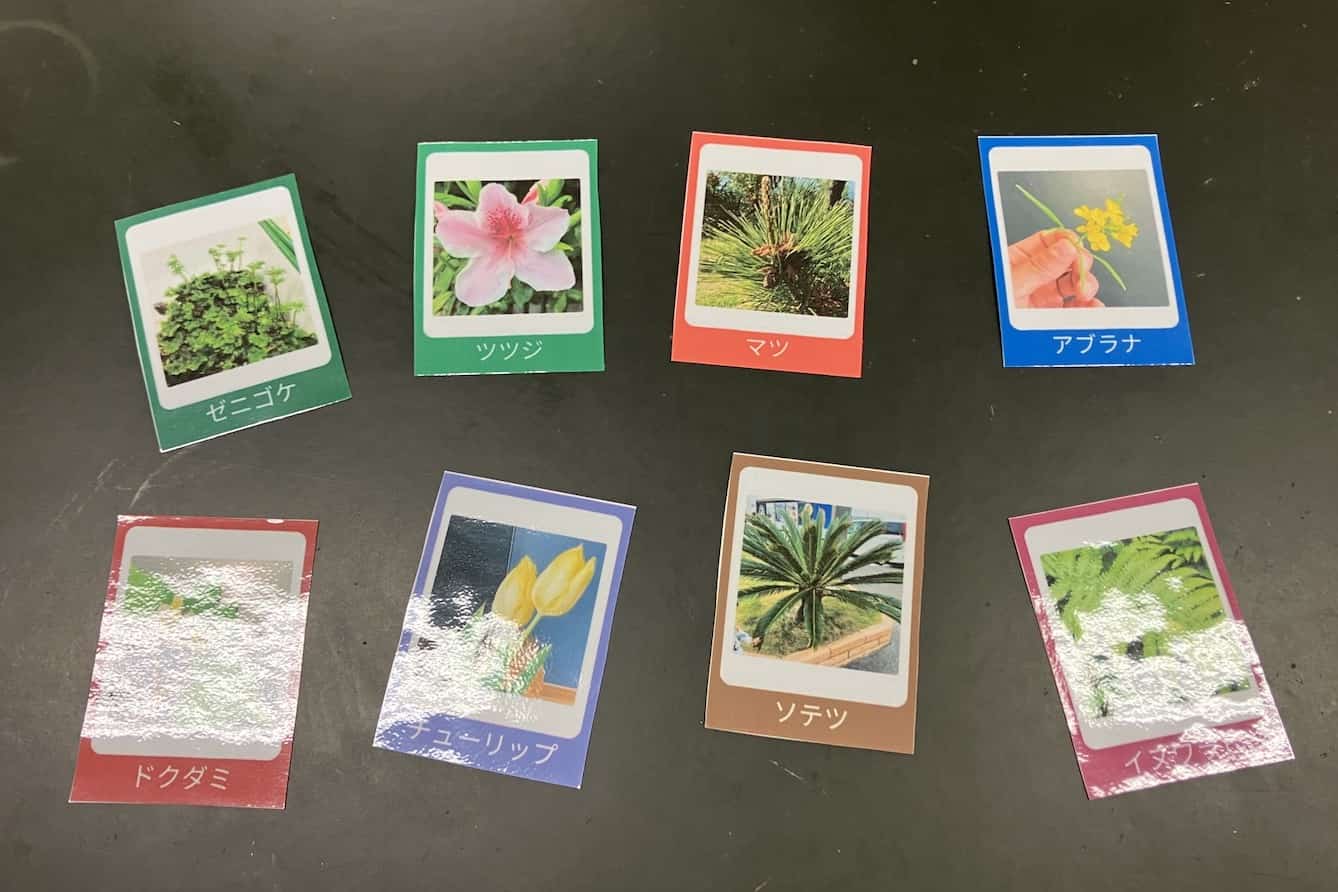
Scissors (If Cutting the Cards)
Use scissors to separate the printed cards. Cutting them beforehand saves valuable class time.
Magnetic Sheets (For Blackboard Use)
If groups will present their classifications on the board, magnetic sheets or magnetic clips make displaying the cards quick and easy.
Clips or Rubber Bands
Useful for organizing each group’s card set and storing the materials after class.
Sticky Notes
Students use these to write down the classification rules they’ve created.
Lesson Flow
1. Hand Out the Cards
Give each student or group a complete set of cards and allow them time to carefully examine each plant. Before discussing classifications, encourage them to become familiar with the information shown on every card.
2. Discuss Possible Classification Rules
Working in small groups, students look for similarities and differences based on characteristics such as shape, color, seeds, leaf arrangement, and many other features.
Ask them:
“What different ways could these plants be grouped?”
At this stage, there are no wrong answers. Encourage creative thinking rather than rushing toward the textbook solution. Sticky notes are useful for recording each group’s reasoning.
3. Organize the Cards
Each group agrees on its own classification system and arranges the cards accordingly. Mounting the finished groups on large sheets of paper makes presentations much easier.
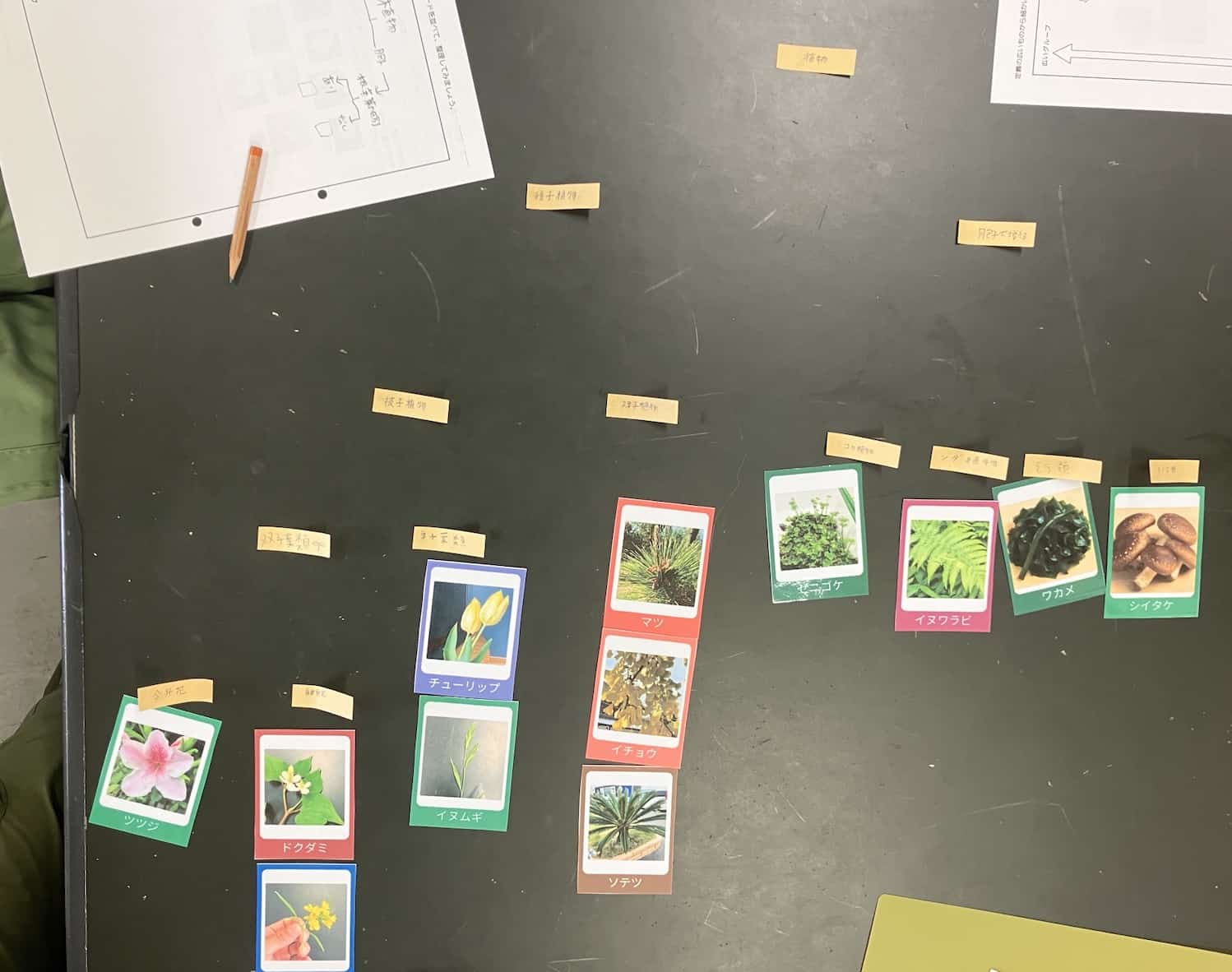
4. Present and Compare Ideas
Each group explains both its classification rules and the reasoning behind them.
As students listen to other presentations, they compare different approaches by asking questions such as:
“Why did they classify the plants that way?”
“How is their thinking different from ours?”
The teacher’s role is to facilitate discussion rather than provide immediate answers, helping students refine their understanding through conversation.
Creative Classification Ideas Students Invented
Instead of reproducing the textbook categories, students often come up with wonderfully original ways of grouping plants.
Some examples included:
* Edible vs. inedible
* Insect-pollinated vs. wind-pollinated
* Fused petals vs. separate petals
* Soft stems vs. woody stems
One group even classified them as:
“Smelly” vs. “Not smelly.”
It sounds humorous at first—but it’s actually a surprisingly insightful scientific observation.
From a biological perspective, smell is actually a meaningful classification clue.
Many plants produce distinctive scents because they contain chemicals—such as essential oils or phytoncides—that either attract pollinating insects or discourage animals and insects from eating them.
Without realizing it, these students had stumbled onto an evolutionary strategy simply by paying attention to smell.
It’s a wonderful reminder that children’s simple observations can often lead directly toward ideas explored by professional scientists.
Why This Deepens Scientific Understanding
Because students must decide for themselves how to classify the plants, they naturally develop an intuitive understanding of classification.
Rather than simply telling students how scientists organize plants, the activity invites them to ask:
“Why do scientists classify them this way?”
That shift transforms memorization into genuine scientific inquiry.
Eventually, students begin asking more advanced questions such as:
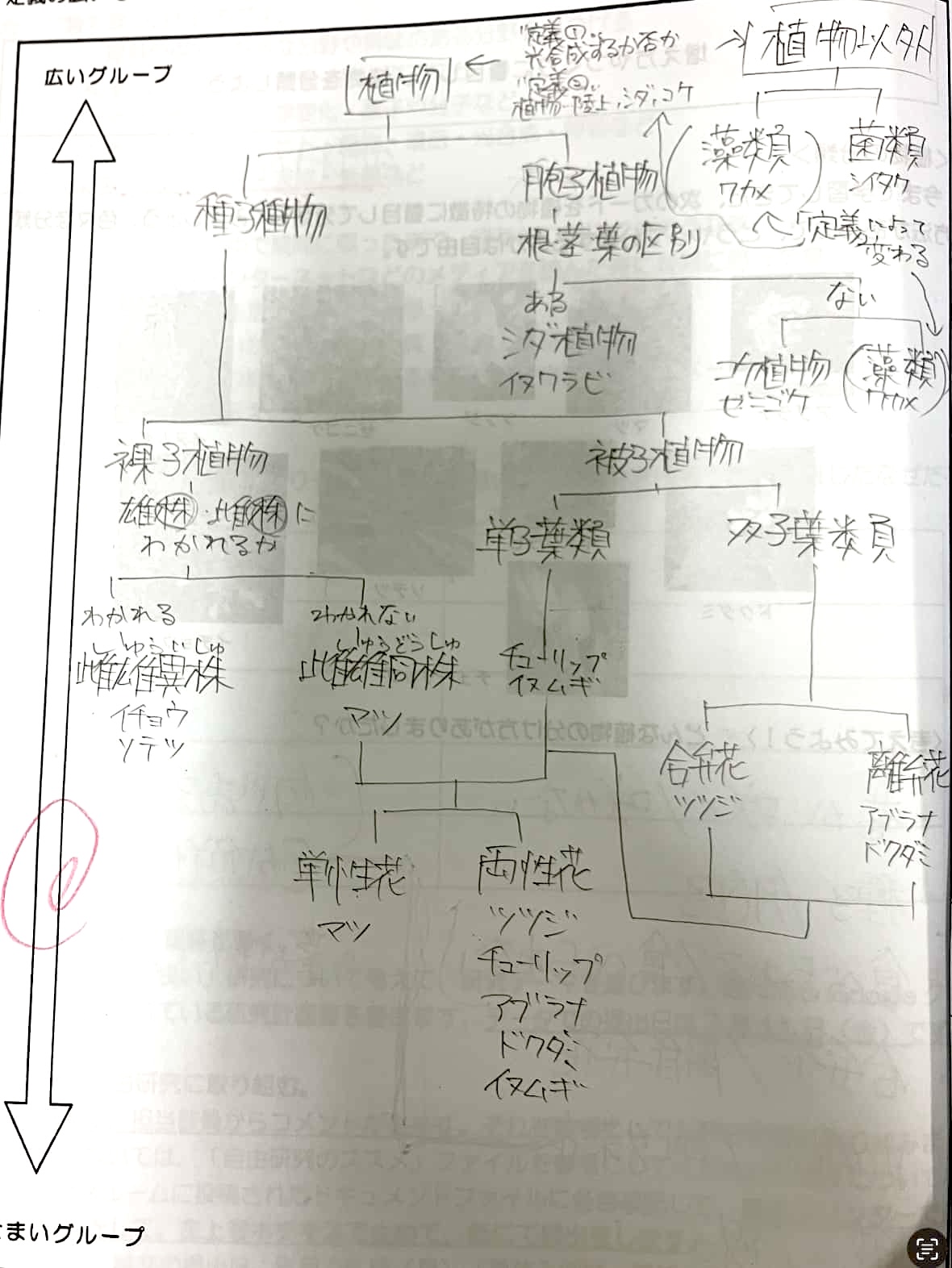
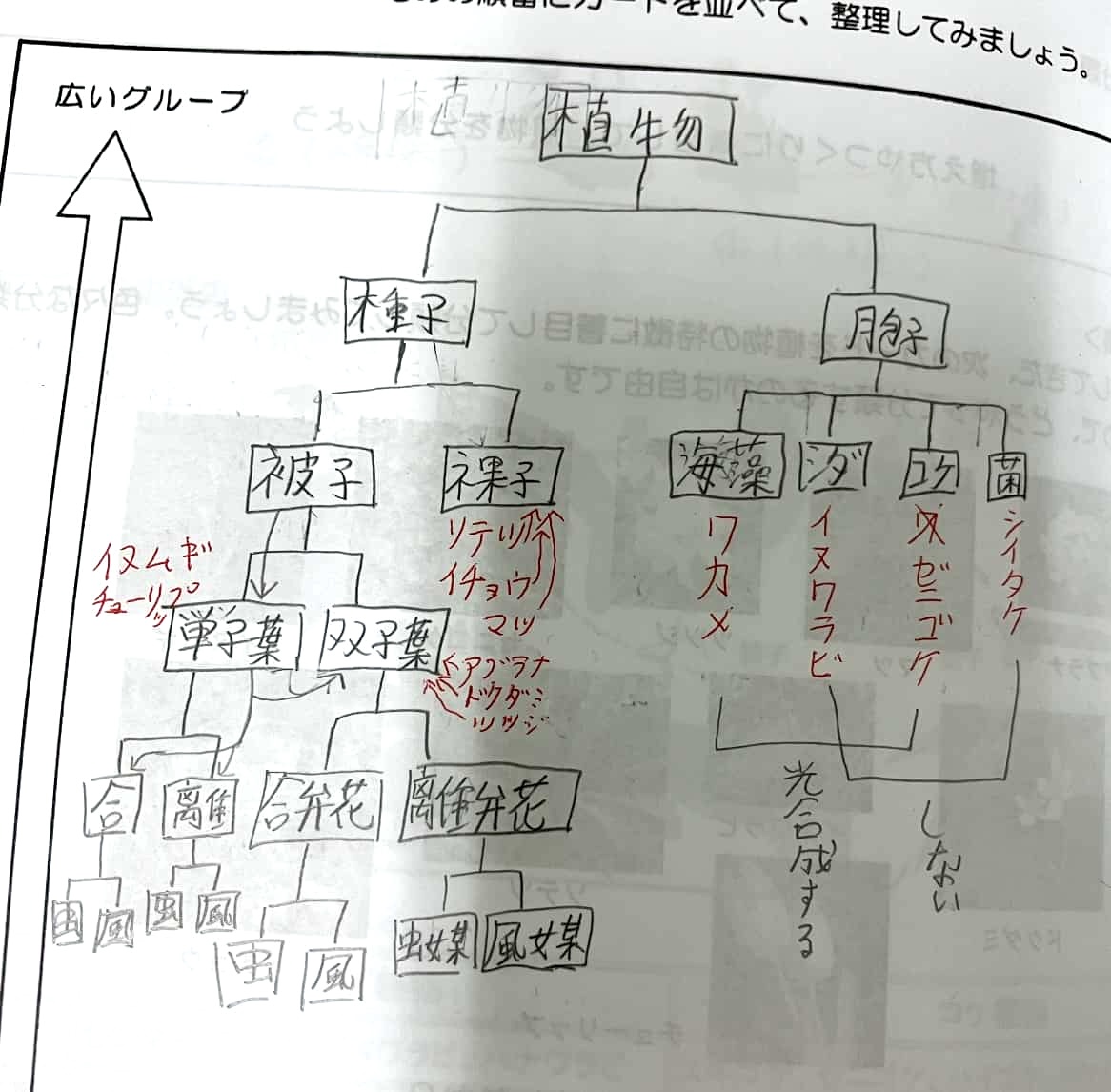
“What separates seed plants from non-seed plants?”
“What characteristics distinguish monocots from dicots?”
As they build and defend their own classification systems, they strengthen observation skills, analytical thinking, logical reasoning, and scientific communication.
The best part is seeing students genuinely say,
“That’s interesting!”
“Now I get it!”
The activity consistently generates lively discussions and is one I’d highly recommend trying in any science classroom.
A Side Story
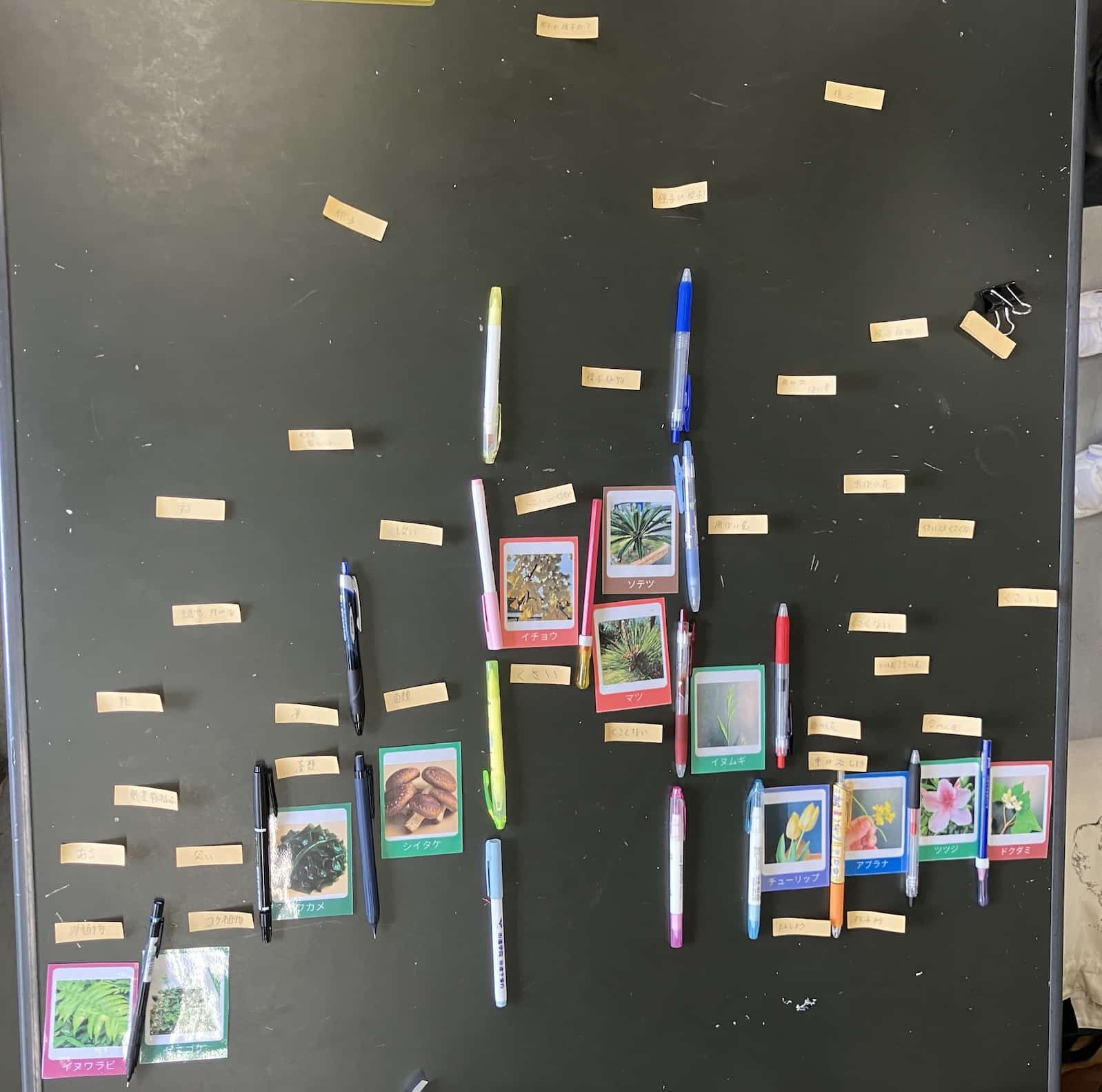
Before switching to physical cards, I actually used an app called Jamboard for this activity. Here’s what it looked like at the time.
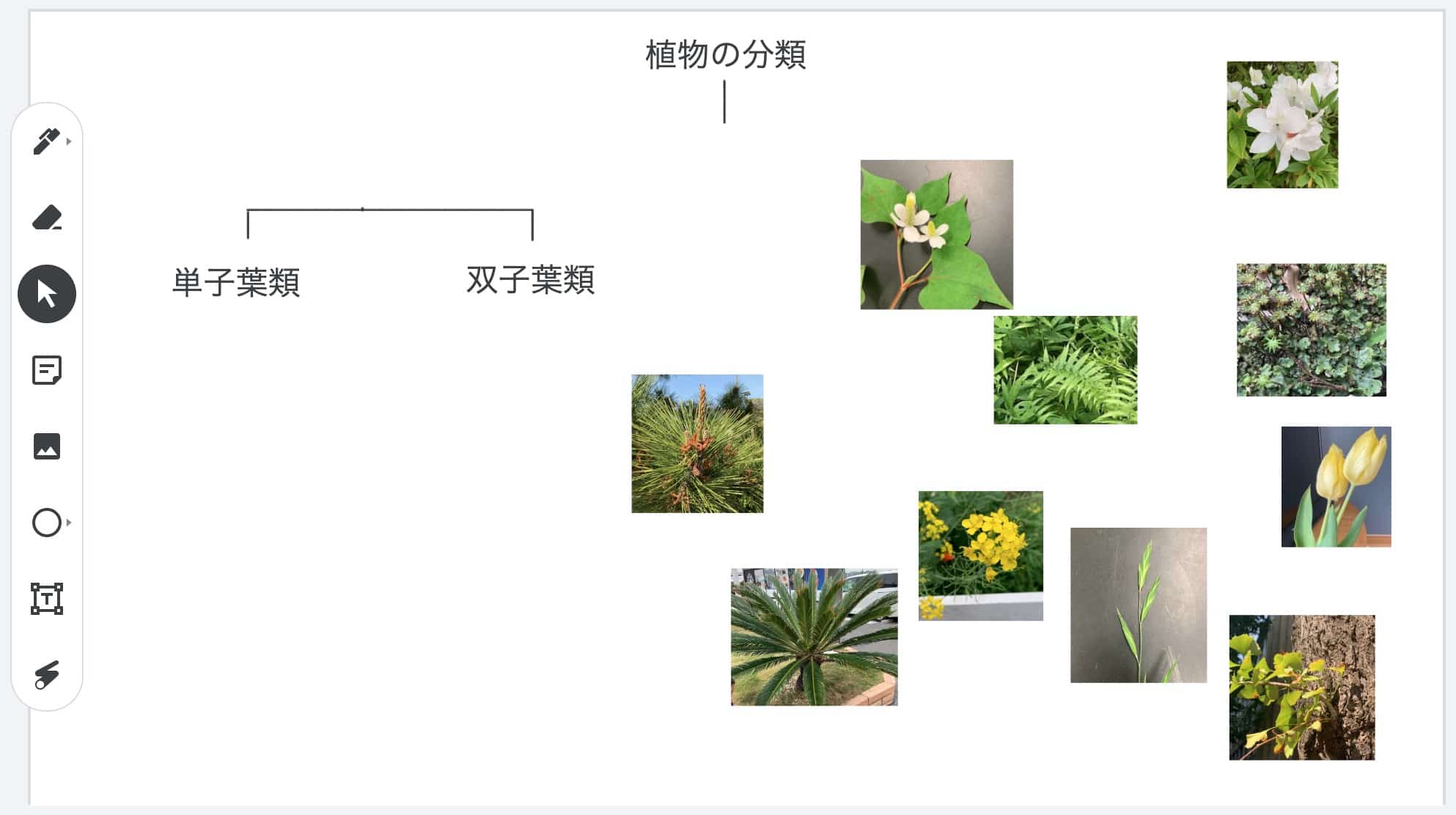
The students produced excellent work.
But something didn’t feel quite right.
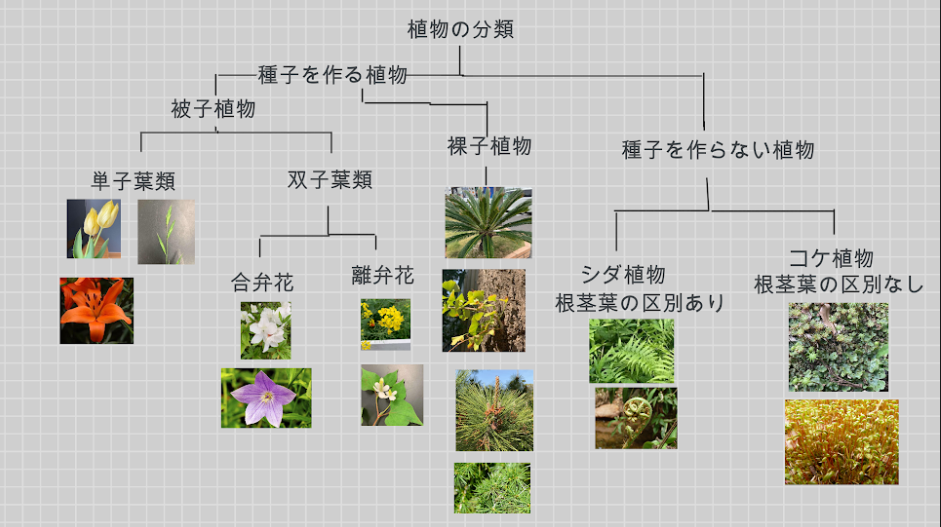
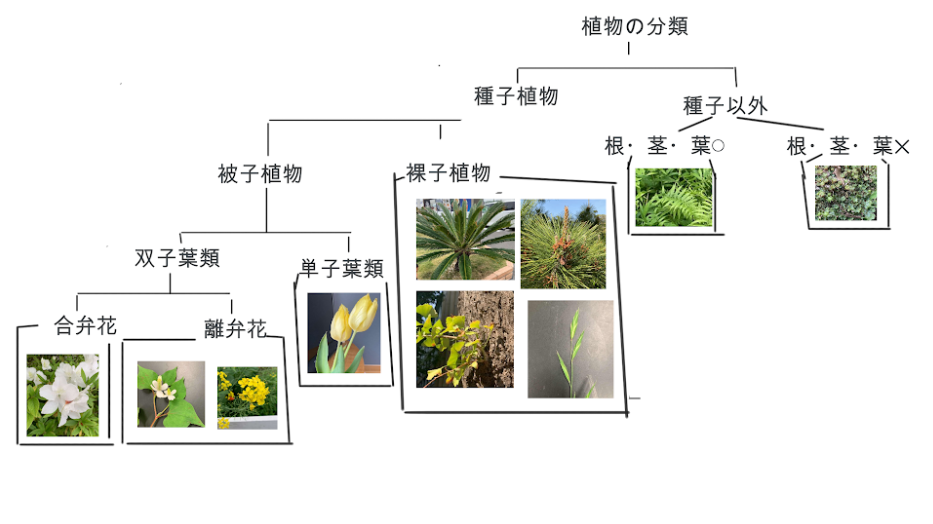
The problem wasn’t the quality of their thinking.
It was that they spent more time looking at screens—and less time talking to each other.
Physically picking up cards, moving them around, and discussing ideas face-to-face creates a very different learning experience from simply dragging digital objects on a screen.
Students naturally compare details together, point at cards, make eye contact, and negotiate their thinking.
That hands-on process turned out to be an essential part of developing deeper understanding, so I eventually returned to physical card materials.
Technology certainly has an important place in education.
But because digital tools are so convenient, it’s worth carefully asking:
“Is this an activity students should do on a screen—or one they should experience with their own hands?”
Thoughtfully answering that question can make all the difference in designing meaningful science lessons.
Contact & Collaboration
Making science fun, approachable, and part of everyday life—that’s the goal of this blog. You’ll find plenty of easy science experiments you can try at home, along with practical tips and explanations. Feel free to explore!
• Learn more about Science Trainer Kuwako here: About Kuwako
• For writing, lectures, science workshops, TV supervision, media appearances, or other collaboration requests: Contact Information
• Follow the latest article updates on X!
 Science Ideas Channel features science experiment videos!
9月のイチオシ実験!
お弁当箱をプラバンがわりにしてキーホルダーを作ろう!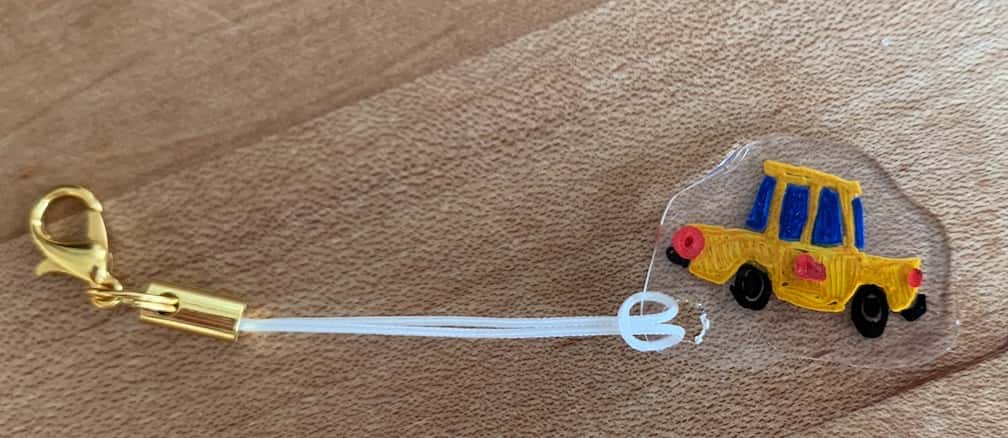
テレビ番組監修・イベント等のお知らせ
- 8月27日(木)科学監修番組放送予定
- 9月20日(日)ダビンチマスターズ出演予定
- 10月10日(土)11:15~12:00 千葉市科学フェスタ2026「桑子先生の回転科学ショー」にてサイエンスショーを行います。
- 12月26日(土) ナリカサイエンスアカデミー(教員向け実験講習会)開催
書籍のお知らせ
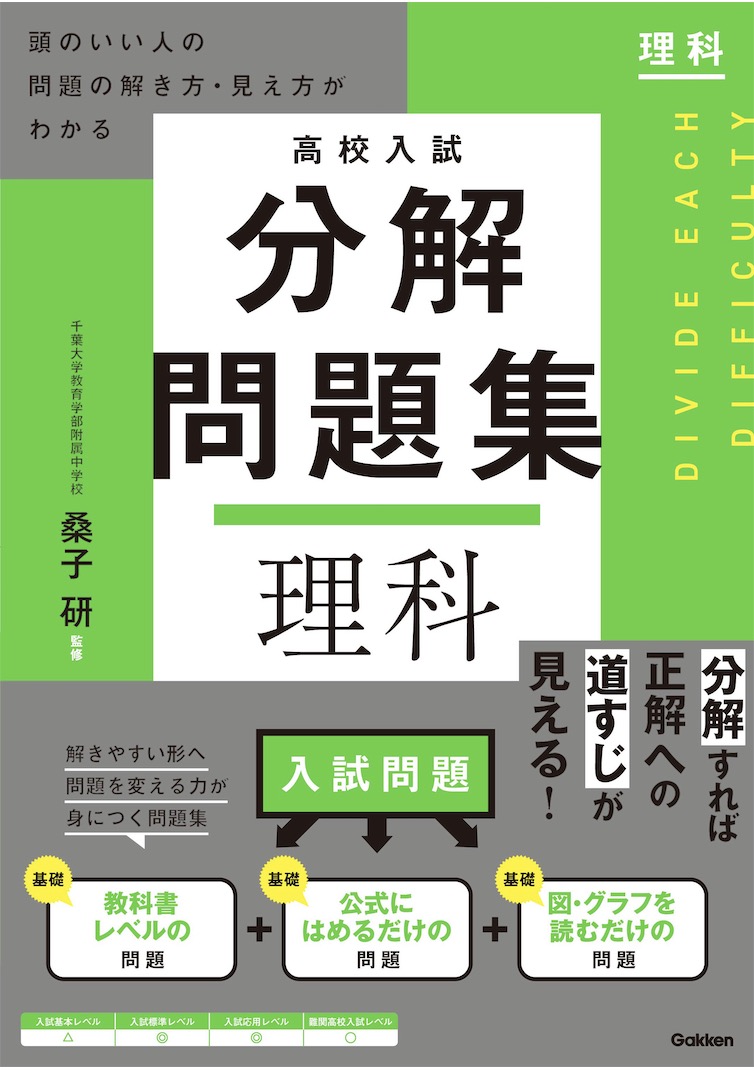
- 『高校入試 分解問題集 理科』(学研)…難しい問題も小さな問題に分解することで、問題を解くことができます。そんな分解の技術が身につくように深く関わりを持って作りました。
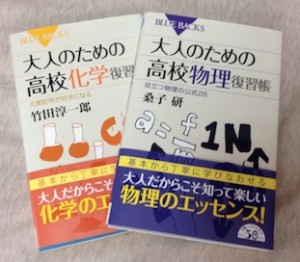
 『大人のための高校物理復習帳』(講談社)…一般向けに日常の物理について公式を元に紐解きました。特設サイトでは実験を多数紹介しています。※増刷がかかり6刷となりました(2026/02/01)
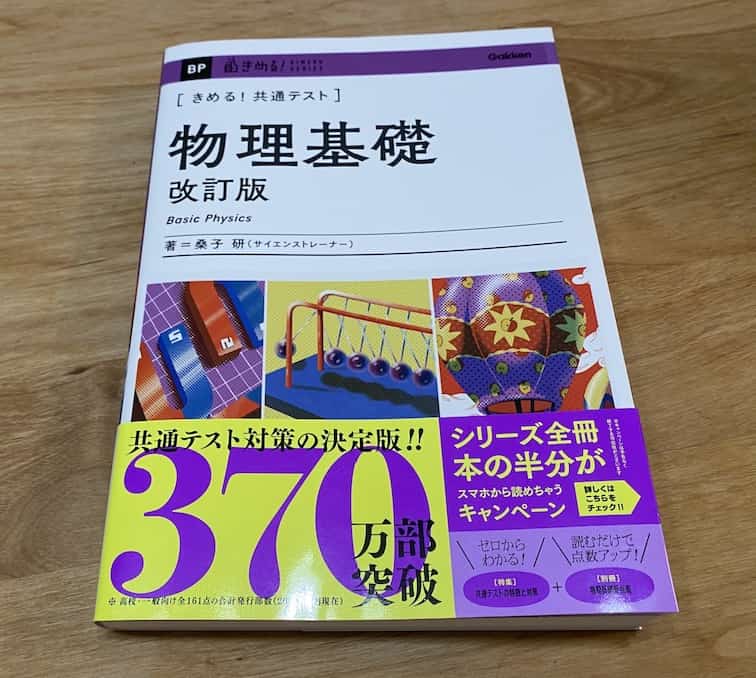
- 『きめる!共通テスト 物理基礎 改訂版』(学研)… 高校物理の参考書です。イラストを多くしてイメージが持てるように描きました。授業についていけない、物理が苦手、そんな生徒におすすめです。特設サイトはこちら。
各種SNS(更新情報をお届け!)
【日本語】X(Twitter)/instagram/Facebook 【英語】BlueSky/Threads
Explore
- 楽しい実験…お子さんと一緒に夢中になれるイチオシの科学実験を多数紹介しています。また、高校物理の理解を深めるための動画教材も用意しました。
- 理科の教材… 理科教師をバックアップ!授業の質を高め、準備を効率化するための選りすぐりの教材を紹介しています。
- Youtube…科学実験等の動画を配信しています。
- 科学ラジオ …科学トピックをほぼ毎日配信中!AI技術を駆使して作成した「耳で楽しむ科学」をお届けします。
- 講演 …全国各地で実験講習会・サイエンスショー等を行っています。
- About …「科学のネタ帳」のコンセプトや、運営者である桑子研のプロフィール・想いをまとめています。
- お問い合わせ …実験教室のご依頼、執筆・講演の相談、科学監修等はこちらのフォームからお寄せください。