The Hydrangea Secret Behind “Neru Neru Neru Ne”! How This Japanese Candy Changes Color and Puffs Up
I’m Ken Kuwako, the Science Trainer. Every day is an experiment.
Have you ever tried that magical candy that changes color right before your eyes? If you’re in Japan, you probably know it as “Neru Neru Nerune.” Many of us remember the excitement of mixing a little powder with water and watching it transform from blue to a vibrant purple. It may look like magic, but it’s actually real chemistry in action. Our science club recently took a closer look at this fascinating reaction, and today I’d like to explore the science behind it with plenty of photos.
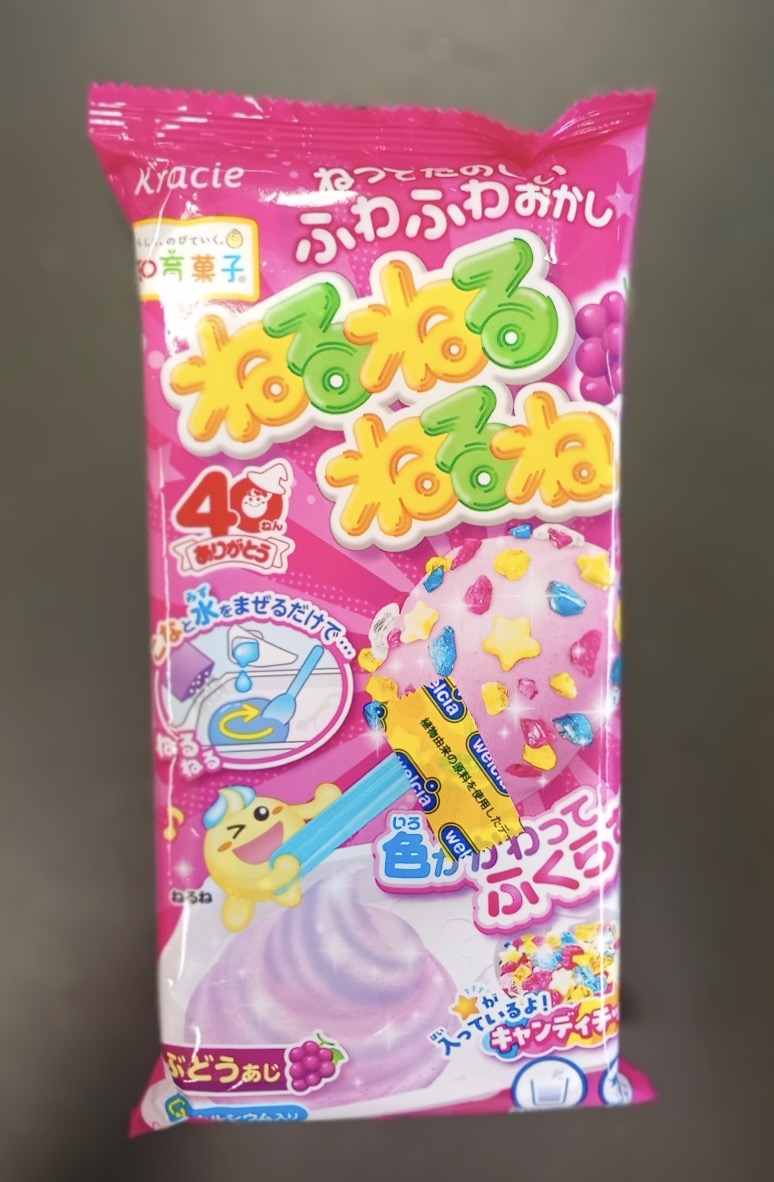
The manufacturer, Kracie, explains the science behind the color change in this article. Using their information as a starting point, our science club carried out our own experiments to see the chemistry firsthand.
Have you ever tried that magical candy that changes color right before your eyes? If you’re in Japan, you probably know it as “Neru Neru Nerune.” Many of us remember the excitement of mixing a little powder with water and watching it transform from blue to a vibrant purple. It may look like magic, but it’s actually real chemistry in action. Our science club recently took a closer look at this fascinating reaction, and today I’d like to explore the science behind it with plenty of photos.
Let’s Start by Making It
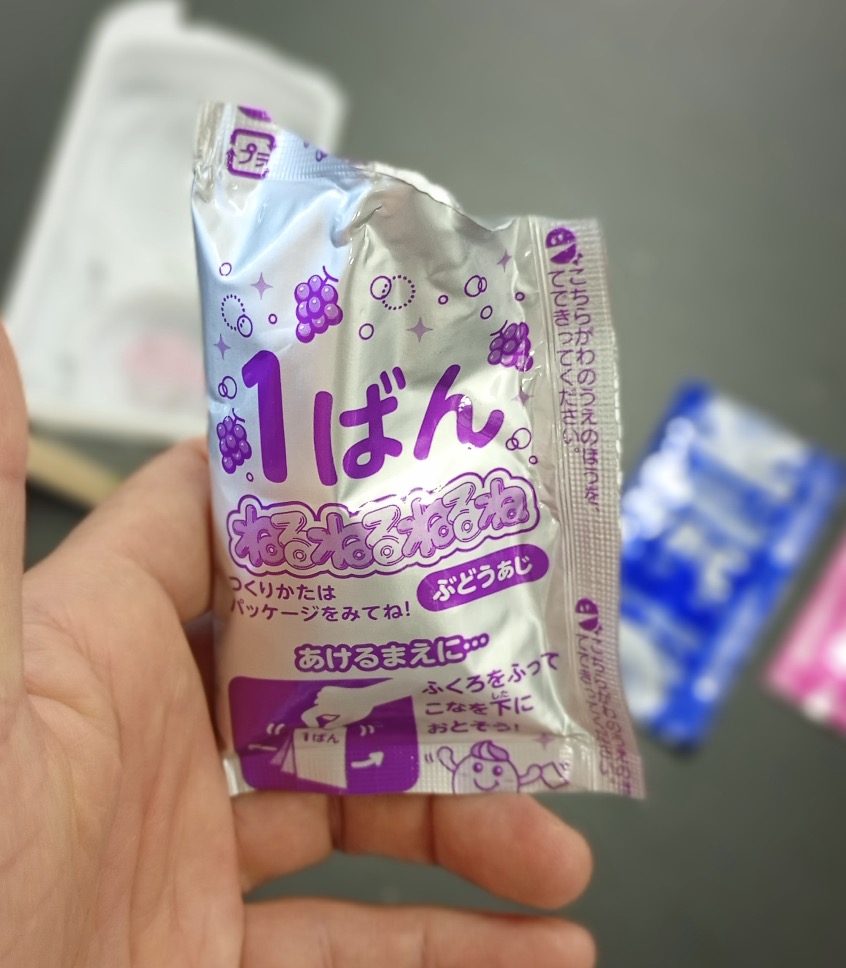
The process is surprisingly simple. Open the package and you’ll find three different packets of powder.
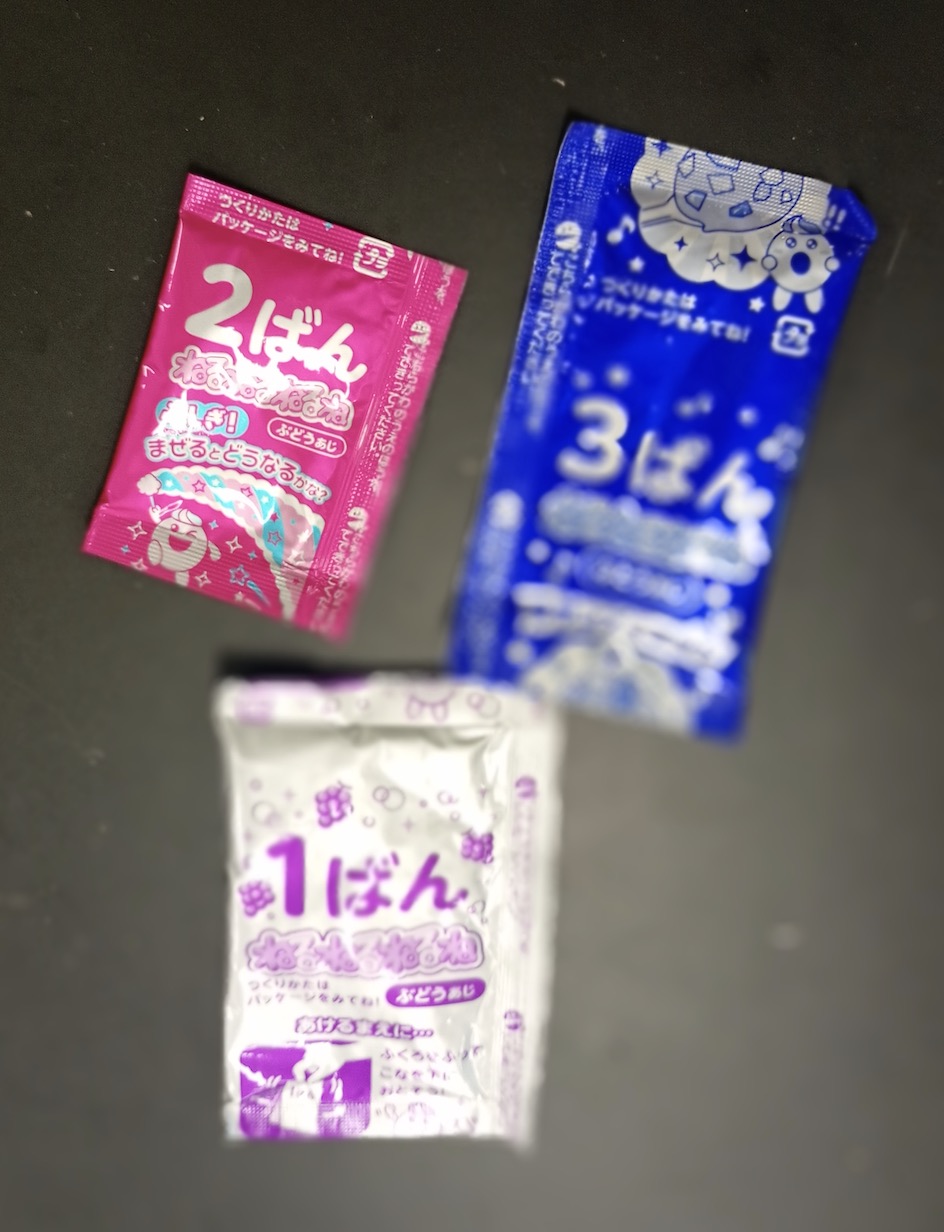
You simply add them one by one according to the instructions.
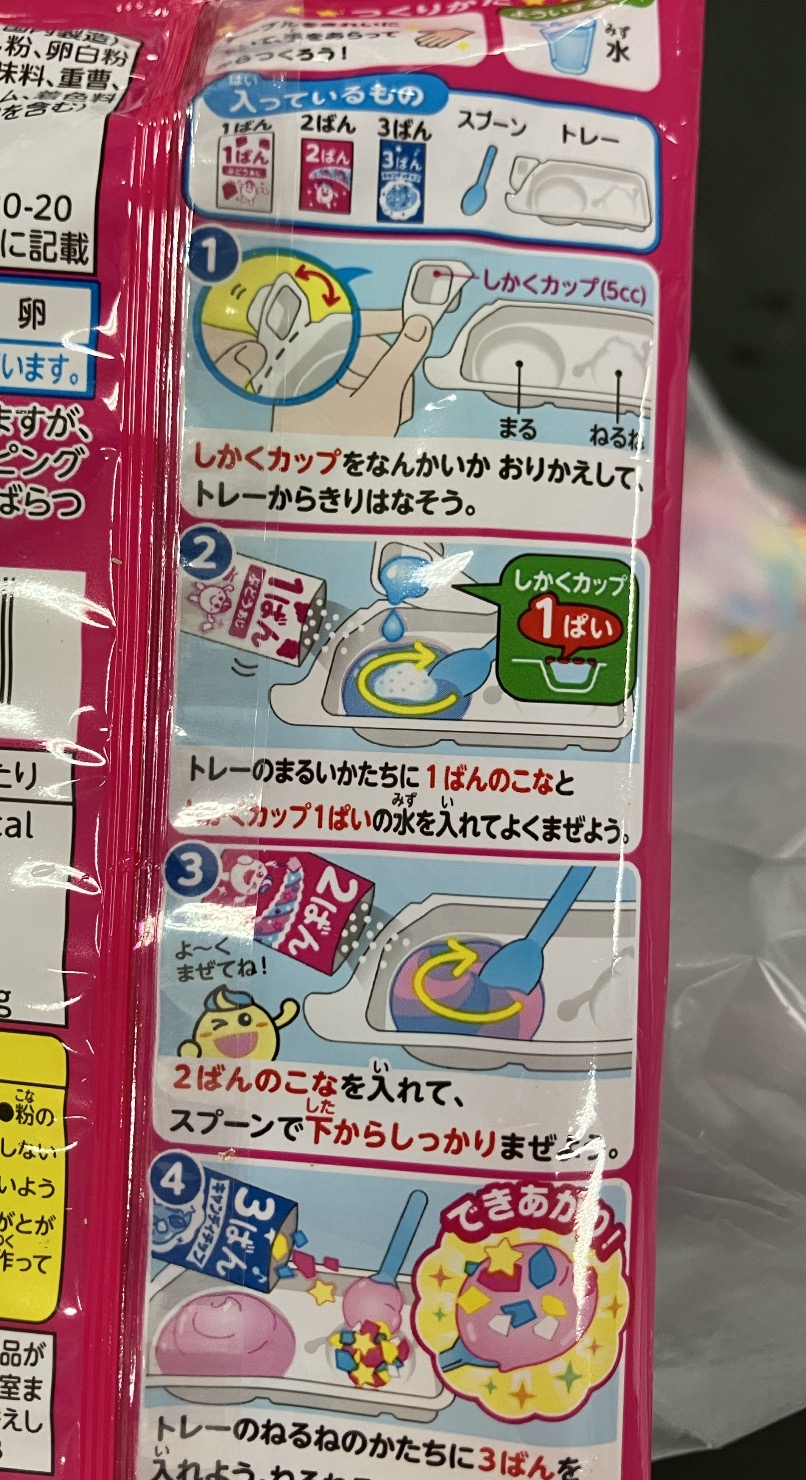
First, separate the mixing cup from the tray and pour in the water. Next, place Powder No.1 into the round mixing section. At this point it’s still just a white powder. So what happens when you add water?
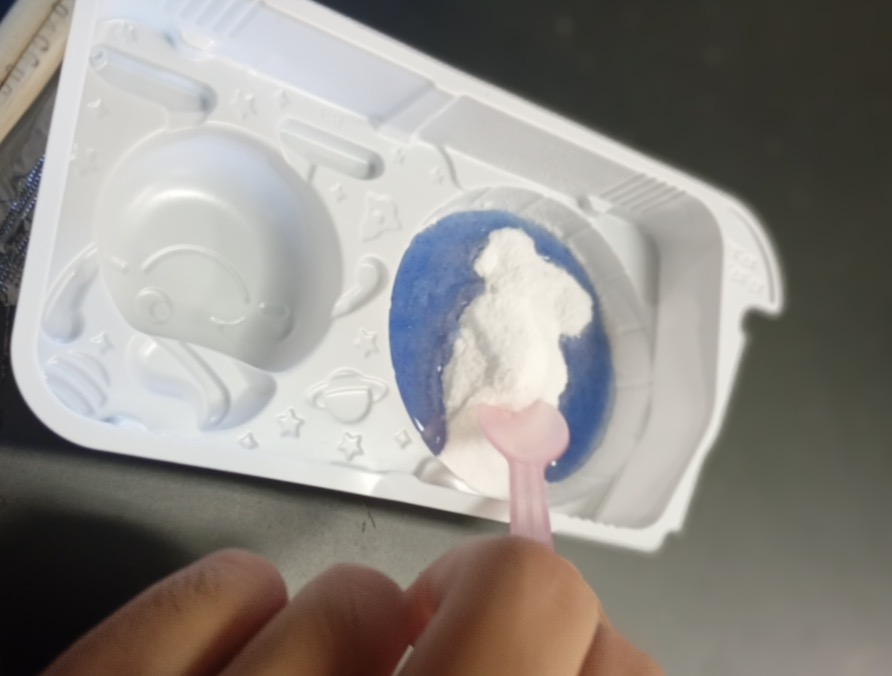
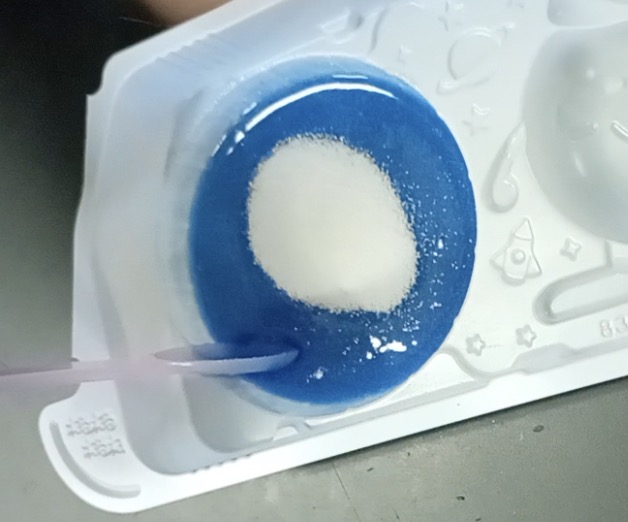
It instantly turns bright blue.
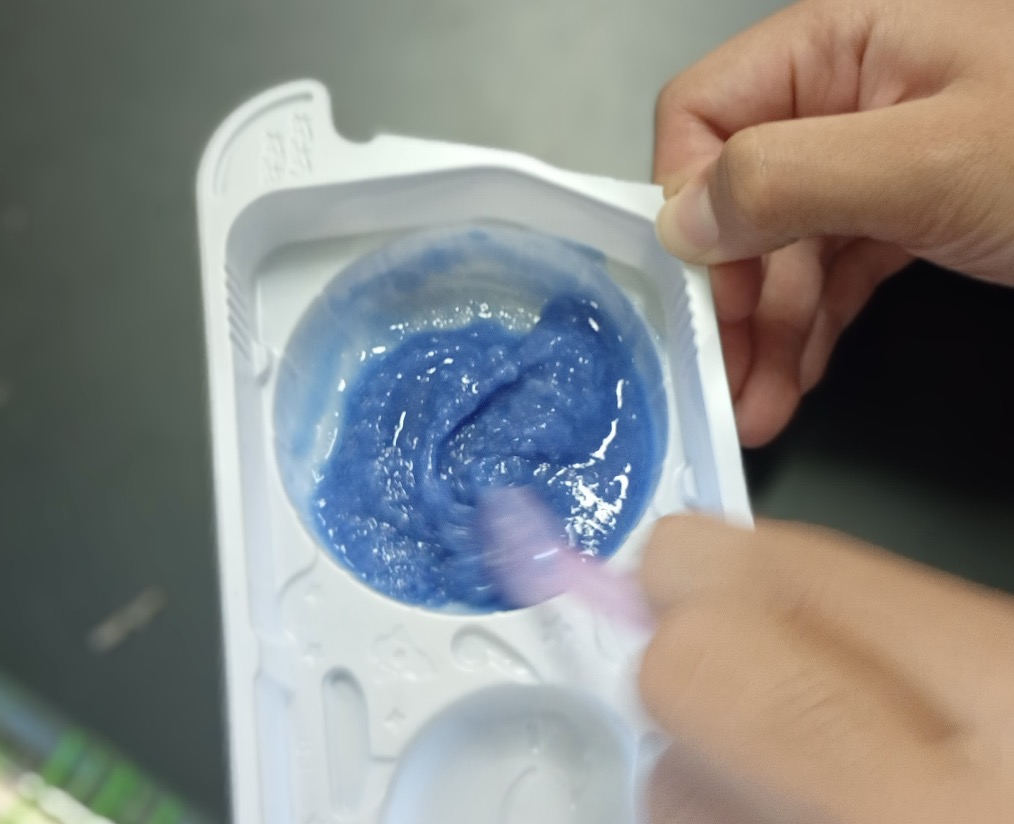
Now add Powder No.2 and stir.
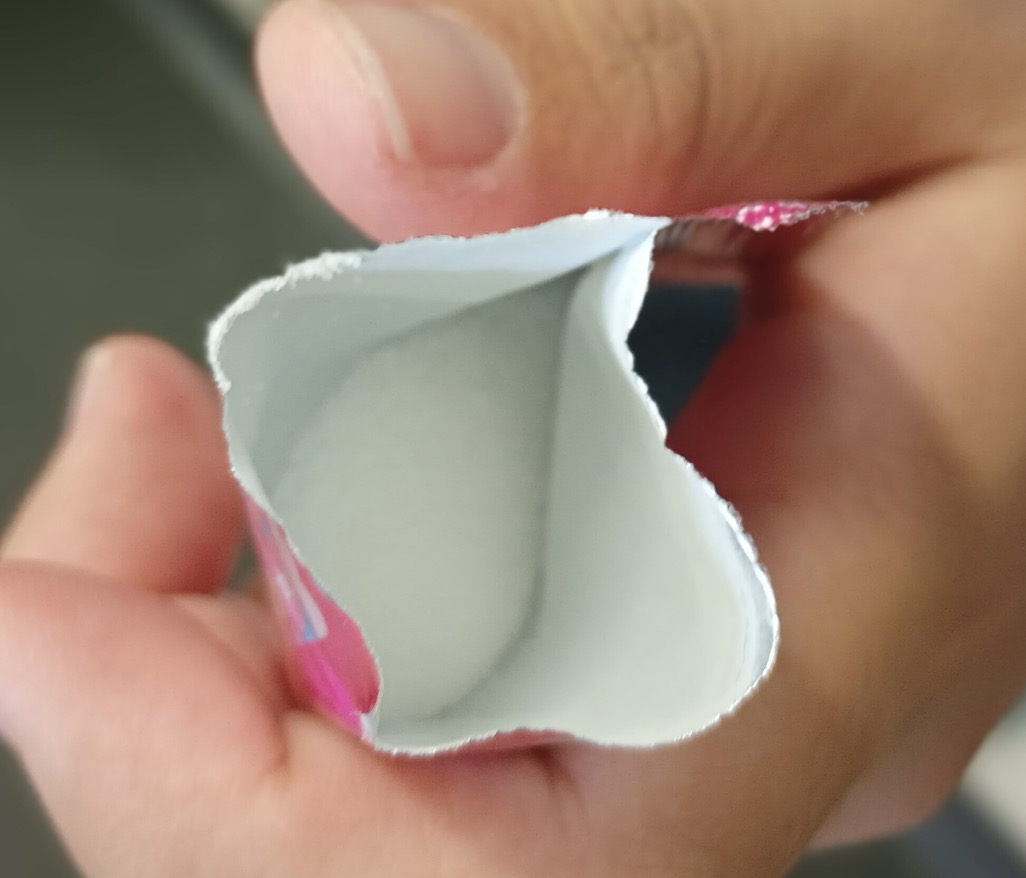
We even tasted this powder by itself—and wow, it’s incredibly sour!
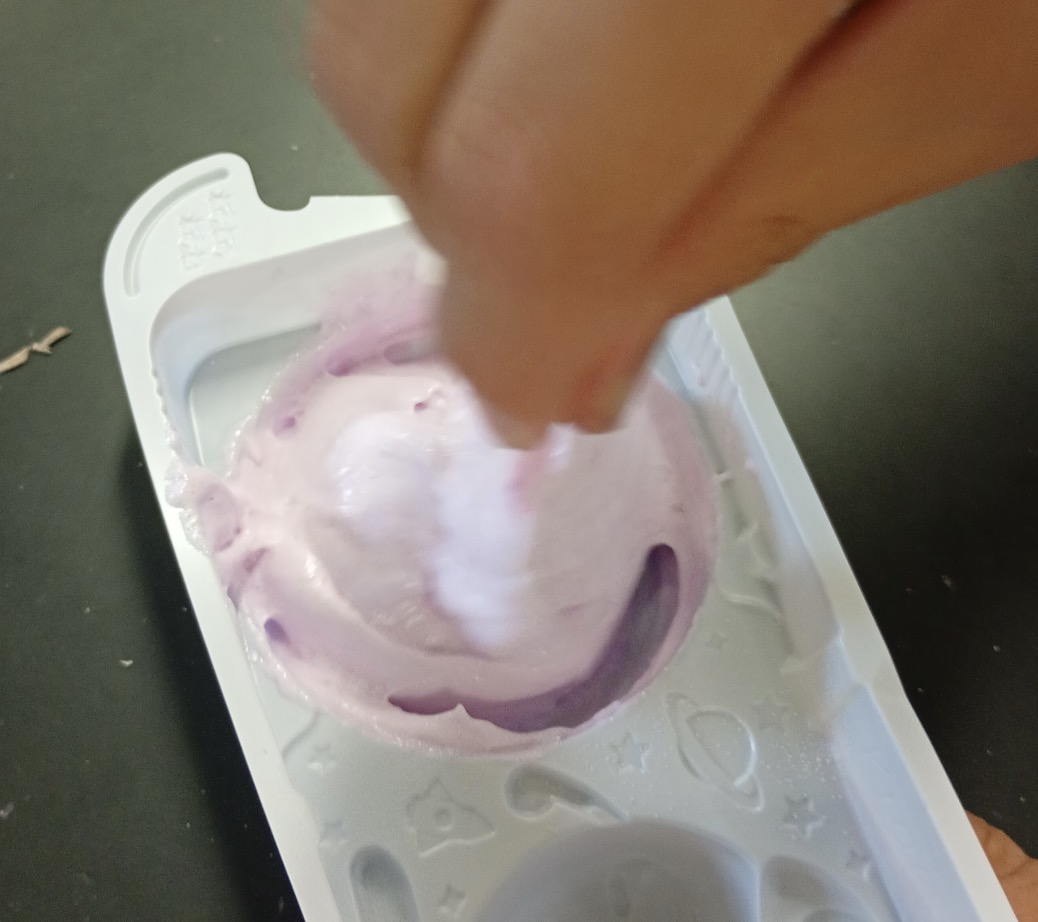
After stirring, the mixture changes to a beautiful pinkish purple.
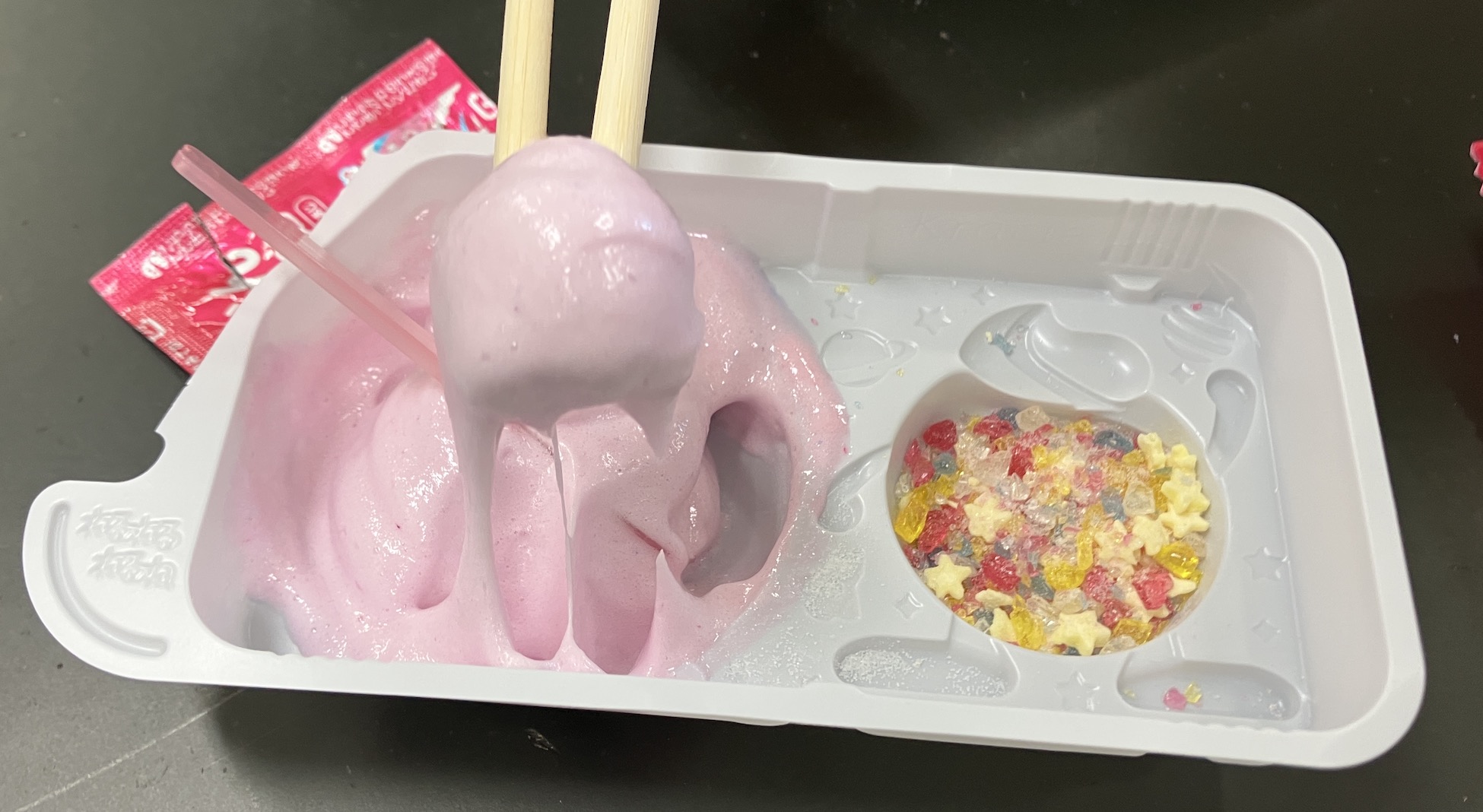
There’s one more step. Finally, you dip the colorful candy pieces from Packet No.3 into the fluffy cream and enjoy. Behind this simple candy-making process lies an impressive series of chemical reactions.
What Happens When You Add Powder No.1?
Powder No.1 contains anthocyanin, a natural pigment found in purple cabbage and many other plants, along with baking soda (sodium bicarbonate). When water is added, the mixture becomes neutral to slightly alkaline. Anthocyanin is a natural pH indicator, meaning its color changes depending on whether the solution is acidic or alkaline. In an alkaline solution, it turns blue.
Anthocyanin is actually all around us. For example, the reason hydrangea flowers bloom blue in some soils and pink in others is also due to anthocyanin responding to differences in soil chemistry. In a way, Neru Neru Nerune recreates the same phenomenon inside a tiny mixing tray.
What Happens When You Add Powder No.2?
Powder No.2 contains citric acid and other sour ingredients.
When it’s added to the blue mixture, the solution quickly becomes acidic. Since anthocyanin changes from blue to red-purple under acidic conditions, the color shifts dramatically.
You can recreate the same effect at home. Simply boil some purple cabbage to extract the pigment, then add lemon juice (acidic) or a baking soda solution (alkaline). The color changes are almost identical. In that sense, Neru Neru Nerune is like an edible pH indicator experiment.
Another Chemical Reaction Happens at the Same Time
The color change isn’t the only thing happening.
The baking soda in Powder No.1 reacts with the citric acid in Powder No.2 in a neutralization reaction, producing carbon dioxide gas. Tiny bubbles of carbon dioxide become trapped by egg white proteins and thickening agents, creating the candy’s signature fluffy texture.
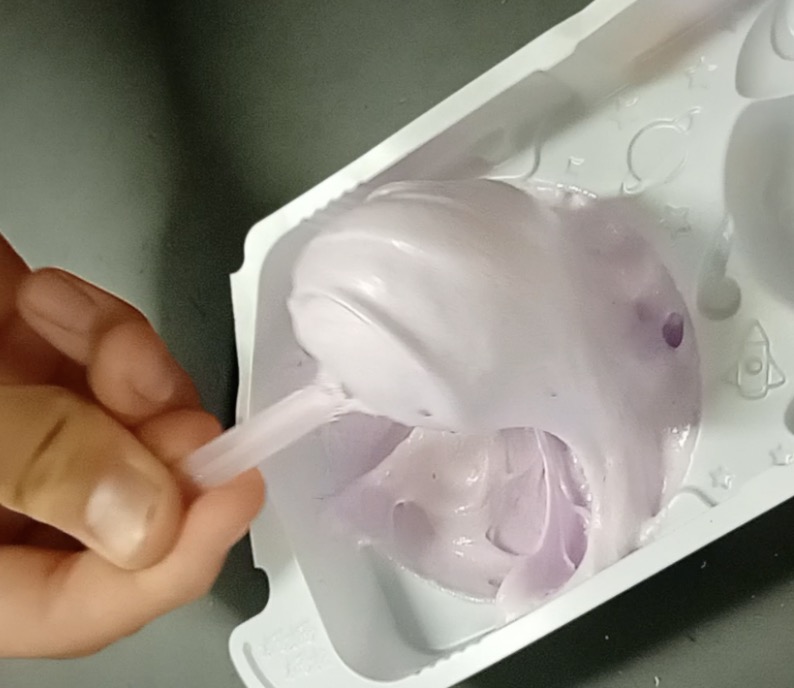
This is remarkably similar to the chemistry that makes pancakes rise or causes fizzy bath tablets to bubble in water. Once you realize that many everyday “foaming” and “rising” phenomena are driven by acid-base reactions, you start seeing chemistry everywhere.
So two different chemical processes are taking place simultaneously. The color change comes from anthocyanin acting as a pH indicator, while the fluffy texture comes from carbon dioxide produced during an acid-base neutralization reaction.
What seems like a simple children’s candy actually brings together everything from the color-changing chemistry of hydrangeas to the science behind fluffy pancakes. It’s not just a snack—it’s a bite-sized chemistry laboratory.
Contact & Collaboration
Science is full of amazing surprises, and it’s even more fun when you can experience them yourself. On this site, you’ll find easy-to-follow science experiments you can try at home, along with plenty of tips to help you understand the science behind them.
• The Science Notebook has also been published as a book. Learn more here.
• Want to know more about Ken Kuwako? Click here.
• For writing, lectures, science workshops, TV consulting, media appearances, and other collaboration requests, click here.
• Follow the latest article updates on X!
 Science Notebook Channel features fun science experiment videos!
9月のイチオシ実験!
お弁当箱をプラバンがわりにしてキーホルダーを作ろう!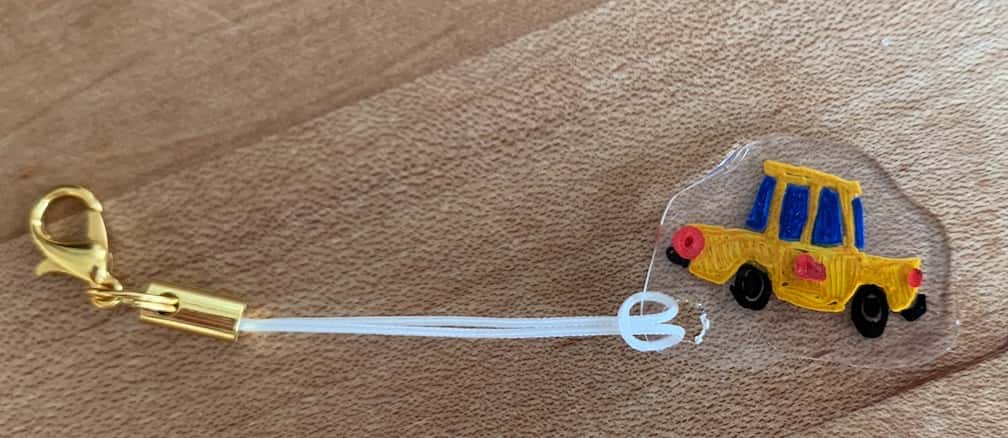
テレビ番組監修・イベント等のお知らせ
- 8月27日(木)科学監修番組放送予定
- 9月20日(日)ダビンチマスターズ出演予定
- 10月10日(土)11:15~12:00 千葉市科学フェスタ2026「桑子先生の回転科学ショー」にてサイエンスショーを行います。
- 12月26日(土) ナリカサイエンスアカデミー(教員向け実験講習会)開催
書籍のお知らせ
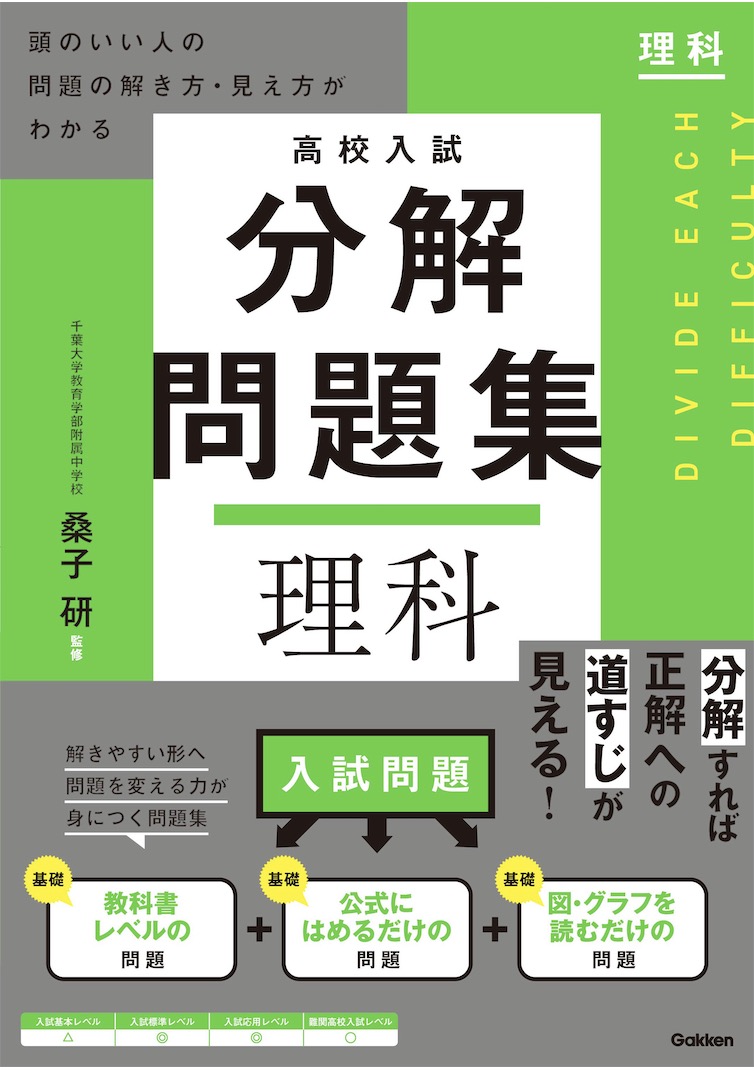
- 『高校入試 分解問題集 理科』(学研)…難しい問題も小さな問題に分解することで、問題を解くことができます。そんな分解の技術が身につくように深く関わりを持って作りました。
 『大人のための高校物理復習帳』(講談社)…一般向けに日常の物理について公式を元に紐解きました。特設サイトでは実験を多数紹介しています。※増刷がかかり6刷となりました(2026/02/01)
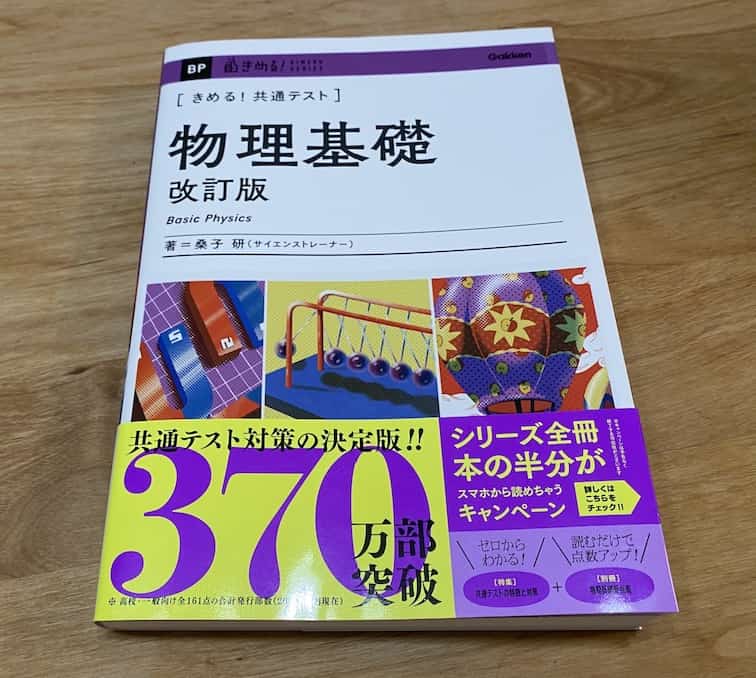
- 『きめる!共通テスト 物理基礎 改訂版』(学研)… 高校物理の参考書です。イラストを多くしてイメージが持てるように描きました。授業についていけない、物理が苦手、そんな生徒におすすめです。特設サイトはこちら。
各種SNS(更新情報をお届け!)
【日本語】X(Twitter)/instagram/Facebook 【英語】BlueSky/Threads
Explore
- 楽しい実験…お子さんと一緒に夢中になれるイチオシの科学実験を多数紹介しています。また、高校物理の理解を深めるための動画教材も用意しました。
- 理科の教材… 理科教師をバックアップ!授業の質を高め、準備を効率化するための選りすぐりの教材を紹介しています。
- Youtube…科学実験等の動画を配信しています。
- 科学ラジオ …科学トピックをほぼ毎日配信中!AI技術を駆使して作成した「耳で楽しむ科学」をお届けします。
- 講演 …全国各地で実験講習会・サイエンスショー等を行っています。
- About …「科学のネタ帳」のコンセプトや、運営者である桑子研のプロフィール・想いをまとめています。
- お問い合わせ …実験教室のご依頼、執筆・講演の相談、科学監修等はこちらのフォームからお寄せください。