A Motor That Doesn’t Spin? Build Your Own Maglev Train at Home and Feel the Physics!
I’m Science Trainer Ken Kuwako. Every day is an experiment.
Back to the Special Feature Page
Here’s a fun experiment you can even use for a science fair project to discover what powers a linear motor train.
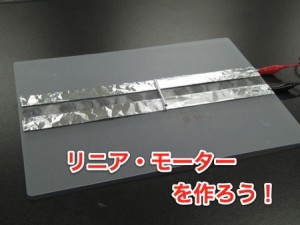
What if someone told you there’s a vehicle that can travel at 600 km/h (about 370 mph) without using wheels? Sounds unbelievable, right? Even more surprising, the same force that drives it can be recreated at home using nothing more than aluminum foil and a few magnets.
A Motor That Doesn’t Spin? Meet the Linear Motor
Most trains move because their wheels rotate. A linear motor train, however, works in a completely different way. Instead of spinning wheels, it glides forward while floating above the track. As its name suggests, it uses a “linear” motor that creates motion in a straight line.
An ordinary electric motor converts electricity into rotational motion. A linear motor skips the spinning altogether and produces straight-line motion from the start. Watching something move powerfully and smoothly as if pushed by an invisible hand is fascinating for both kids and adults.
In this experiment, you’ll experience the same basic principle using just five simple materials. Grab some aluminum foil and magnets, and explore the invisible force behind one of the world’s fastest trains!
Let’s Build a “Linear Motor Bar”!
In this activity, a thin aluminum foil tube—the “bar”—will suddenly shoot across a row of magnets at an amazing speed.
Science Recipe:
-
- Aluminum foil
-
- 10 or more ferrite magnets (available at most dollar stores)
-
- A plastic writing board or clipboard
-
- Double-sided tape
-
- Scissors
- One AA battery (or a hand-crank generator)
How to Do the Experiment:
① Attach the magnets to the board.
Use double-sided tape to stick the magnets in a straight line with all the south poles facing upward.

Use as many as you like, but 10 or more works best!
② Flip the board over and attach the aluminum foil rails.

Cut two strips of aluminum foil about 1 cm wide. Turn the board over so the magnets face downward. Place the foil strips above the row of magnets so they form two parallel rails, then secure them with double-sided tape.


③ Make the “bar.”
Using an empty ballpoint pen refill or something similar as a mold, roll a strip of aluminum foil into a tube about 5 cm long and roughly 5 mm in diameter. It doesn’t have to be exact.

Just roll it up nice and tight!

④ Place the bar on the rails and send electricity through them.
Set the aluminum tube across the rails and connect the battery.

A single 1.5 V battery is enough. As soon as current flows, the aluminum bar suddenly shoots forward at incredible speed! If you use a hand-crank generator, you can even control the speed by how fast you turn the handle. Check out the video below.
Here’s another cool part: reverse the battery, and the bar races off in the opposite direction. It’s almost as if it’s responding to your commands!
So what’s happening?
The secret is the electromagnetic force. When electric current flows through the aluminum bar inside the magnetic field created by the magnets, a force acts on the bar. That force pushes it straight along the line of magnets instead of making it spin. Reverse the direction of the current by flipping the battery, and the force reverses too—so the bar travels the other way.
From a Tiny Experiment to a 600 km/h Train
The very same electromagnetic force that launches your little aluminum foil bar is what propels a real linear motor train at 600 km/h. In an actual maglev train, powerful superconducting magnets on the train interact with coils built into the track, generating enough force to both lift and drive the train forward without wheels.
Isn’t it amazing that a tabletop experiment and one of the world’s most advanced transportation systems rely on exactly the same scientific principle?
If your experiment doesn’t work the first time, try adding more magnets or making the aluminum tube lighter. Experimenting and improving your design is part of the fun!
As an extra challenge, can you figure out how to make the linear motor bar travel in a complete loop instead of a straight line? It’s a great engineering puzzle to tackle together with family or friends.
Give it a try and bring a little piece of future transportation into your own home!
Did you know that linear motors are also used in something much more familiar—electric shavers?
Questions, Collaborations, and More
Science is full of surprises, and it’s even more exciting when you can experience it yourself! This site is packed with fun, easy-to-follow science experiments you can try at home, along with practical tips and explanations.
• The Science Notebook has also been published as a book. Learn more here.
• Want to know more about Science Trainer Ken Kuwako? Click here.
• For writing, lectures, science workshops, TV consulting, media appearances, and other collaboration requests, click here.
• Follow the latest article updates on X!
 Science Notebook Channel is packed with exciting experiment videos!
9月のイチオシ実験!
お弁当箱をプラバンがわりにしてキーホルダーを作ろう!
テレビ番組監修・イベント等のお知らせ
- 8月27日(木)科学監修番組放送予定
- 9月20日(日)ダビンチマスターズ出演予定
- 10月10日(土)11:15~12:00 千葉市科学フェスタ2026「桑子先生の回転科学ショー」にてサイエンスショーを行います。
- 12月26日(土) ナリカサイエンスアカデミー(教員向け実験講習会)開催
書籍のお知らせ
- 『高校入試 分解問題集 理科』(学研)…難しい問題も小さな問題に分解することで、問題を解くことができます。そんな分解の技術が身につくように深く関わりを持って作りました。
 『大人のための高校物理復習帳』(講談社)…一般向けに日常の物理について公式を元に紐解きました。特設サイトでは実験を多数紹介しています。※増刷がかかり6刷となりました(2026/02/01)

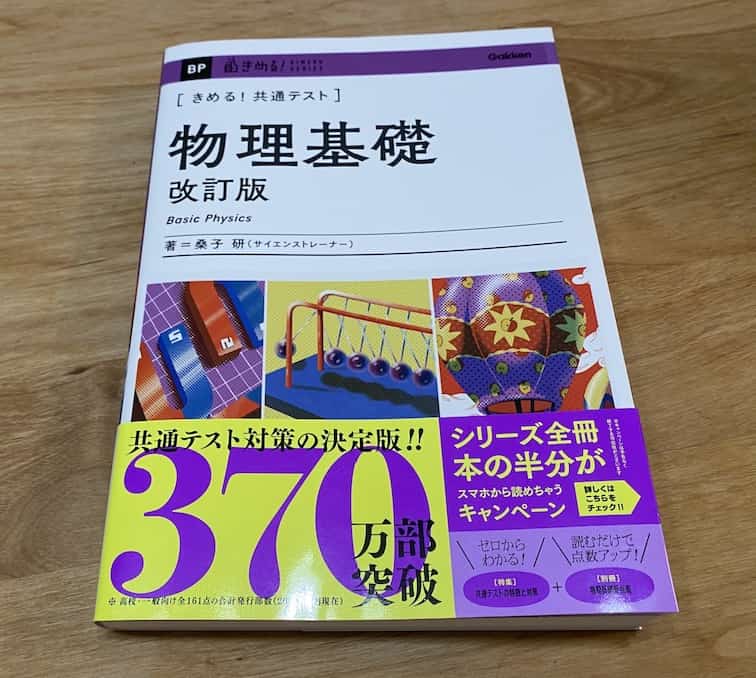
- 『きめる!共通テスト 物理基礎 改訂版』(学研)… 高校物理の参考書です。イラストを多くしてイメージが持てるように描きました。授業についていけない、物理が苦手、そんな生徒におすすめです。特設サイトはこちら。
各種SNS(更新情報をお届け!)
【日本語】X(Twitter)/instagram/Facebook 【英語】BlueSky/Threads
Explore
- 楽しい実験…お子さんと一緒に夢中になれるイチオシの科学実験を多数紹介しています。また、高校物理の理解を深めるための動画教材も用意しました。
- 理科の教材… 理科教師をバックアップ!授業の質を高め、準備を効率化するための選りすぐりの教材を紹介しています。
- Youtube…科学実験等の動画を配信しています。
- 科学ラジオ …科学トピックをほぼ毎日配信中!AI技術を駆使して作成した「耳で楽しむ科学」をお届けします。
- 講演 …全国各地で実験講習会・サイエンスショー等を行っています。
- About …「科学のネタ帳」のコンセプトや、運営者である桑子研のプロフィール・想いをまとめています。
- お問い合わせ …実験教室のご依頼、執筆・講演の相談、科学監修等はこちらのフォームからお寄せください。