It Went Off in Class! How Our “Human Chain Shock” Experiment with a Van de Graaff & Leyden Jar Spectacularly Failed
I’m Ken Kuwako, a science educator. Every day is an experiment.
Not many science teachers can say they’ve literally been knocked off their feet during class. But real-life science experiments often contain surprises that never make it into the textbooks. Today, I’d like to share a story from one of my own experimental mishaps. It’s funny in hindsight, a little scary in the moment, and a perfect glimpse into the fascinating world of electricity.
The Day an Induction Coil Shocked Me Off My Feet
Believe it or not, I’ve actually been electrocuted by an induction coil during a lesson.
I was demonstrating a vacuum discharge tube and explaining how it worked when I accidentally touched two electrodes at the same time. The next thing I knew, I was lying on the floor several steps behind where I had been standing.
It wasn’t so much “Ouch!” as it was a feeling of being physically launched backward by a powerful jolt.
An induction coil takes the relatively low voltage from something like a battery and boosts it to tens of thousands of volts. The current is small, but the sudden shock is surprisingly intense.
That experience left me thinking, “Wow… induction coils are genuinely terrifying.”
Van de Graaff Generator + Leyden Jar = A Truly Shocking Surprise
A similar experience happened during another experiment known in Japan as the “Hundred-Person Shock.”
The main piece of equipment was a Van de Graaff generator, a machine that uses a moving belt to accumulate static electricity and create extremely high voltages on its large metal dome. On its own, it’s often used for familiar demonstrations, such as making people’s hair stand on end.
But things change dramatically when you connect it to a Leyden jar.
The Leyden jar, invented in the 18th century at Leiden University in the Netherlands, is considered the world’s first capacitor—a device designed to store electrical charge. A glass jar lined with metal foil on both the inside and outside can gradually collect the static electricity generated by the Van de Graaff machine and then release it all at once.
And that’s where the excitement begins.
The combination of storing energy and suddenly releasing it creates an unexpectedly powerful shock.
During a classroom demonstration with my students, one of them discharged the Leyden jar at a moment I wasn’t expecting.
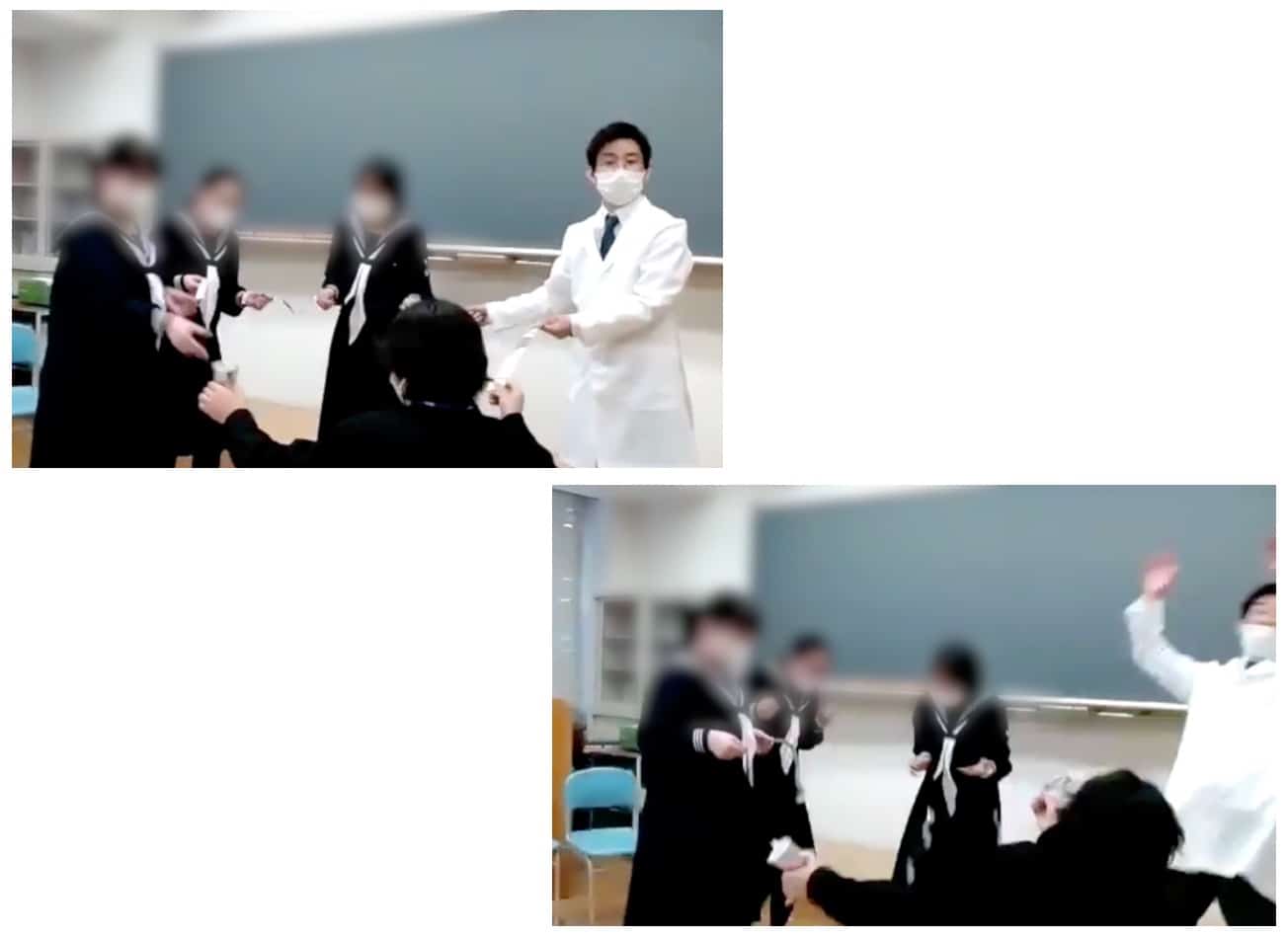
The result? I was thrown backward so dramatically that I nearly disappeared from the camera frame.
Fortunately, the entire moment was captured on video, so take a look for yourself.
I wasn’t injured at all—I was simply startled.
In fact, that’s part of what makes static electricity demonstrations so memorable. The real thrill comes from never knowing exactly when the discharge will happen.
How Static Electricity Stores Energy and Releases It Instantly
When the Leyden jar was first invented, researchers were astonished by its power. Historical records describe scientists being knocked backward during experiments.
Perhaps the scientists of the 18th century found themselves flat on the floor just as often as I did.
Static electricity is something we encounter all the time. The little zap you get from a doorknob on a dry winter day works on exactly the same principle. The difference is simply the scale.
The fundamental nature of electricity hasn’t changed at all over the centuries.
Of course, safety always comes first in any experiment. But moments like these help students realize that electricity isn’t just an abstract concept in a textbook—it’s a real force with real power.
For me, it’s one of those unforgettable experiences that is both embarrassing and educational, the kind of story only a science teacher can tell with a smile.
Contact & Inquiries
Bringing the wonder of science closer to everyday life! Here you’ll find easy-to-understand explanations of fun science experiments you can try at home, along with practical tips and tricks. Feel free to explore and discover something new!
・The content from Science Notebook has been published as a book. Learn more here.
・Learn more about science educator Ken Kuwako here.
・For writing projects, lectures, science workshops, TV supervision, media appearances, and other requests, click here.
・Get updates on new articles and experiments on X!
 Science Notebook Channel features videos of exciting science experiments!
お知らせ!10/10 サイエンスショー開催(無料イベント!)
10月10日(土)11:15~12:00 千葉市科学フェスタ2026「桑子先生の回転科学ショー」にてサイエンスショーを行います。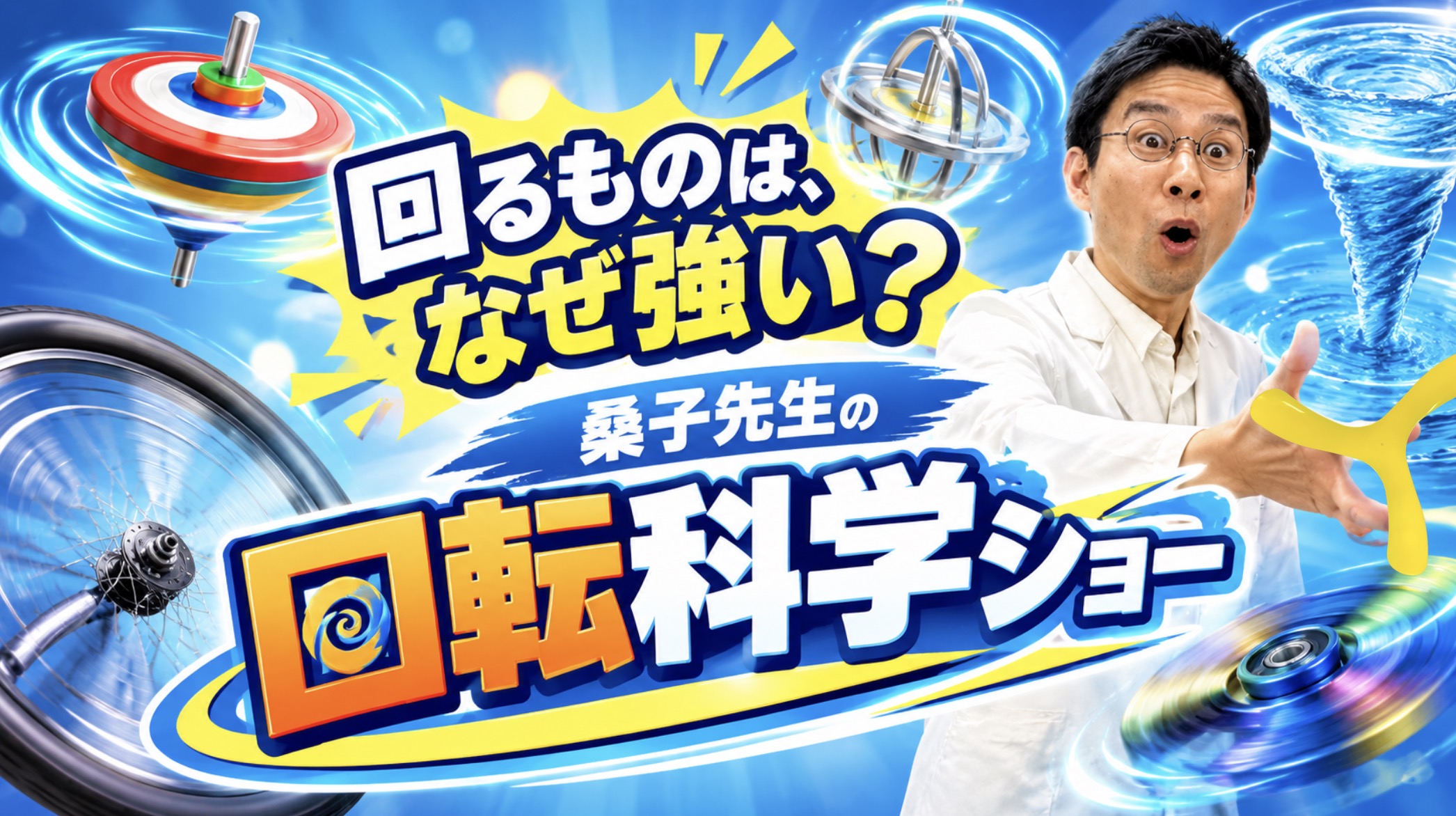
10月のイチオシ実験!
テレビ番組監修・イベント等のお知らせ
- 12月26日(土) ナリカサイエンスアカデミー(教員向け実験講習会)開催
書籍のお知らせ
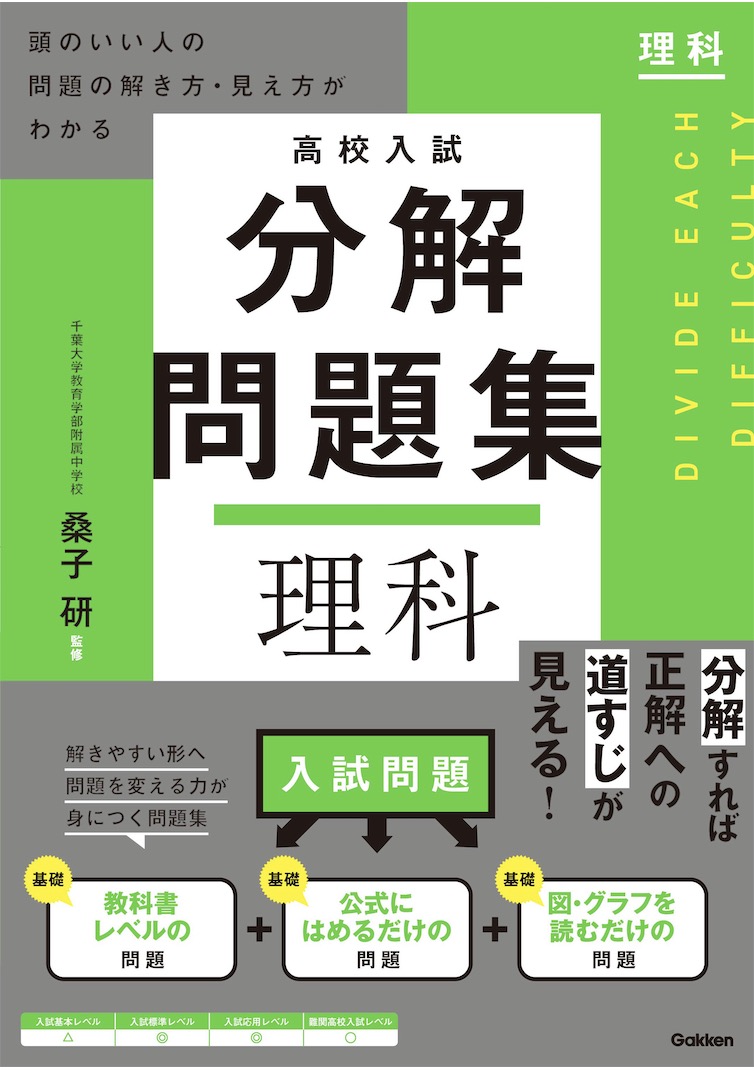
- 『高校入試 分解問題集 理科』(学研)…難しい問題も小さな問題に分解することで、問題を解くことができます。そんな分解の技術が身につくように深く関わりを持って作りました。
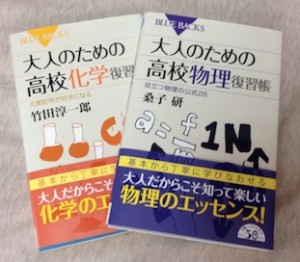
 『大人のための高校物理復習帳』(講談社)…一般向けに日常の物理について公式を元に紐解きました。特設サイトでは実験を多数紹介しています。※増刷がかかり6刷となりました(2026/02/01)
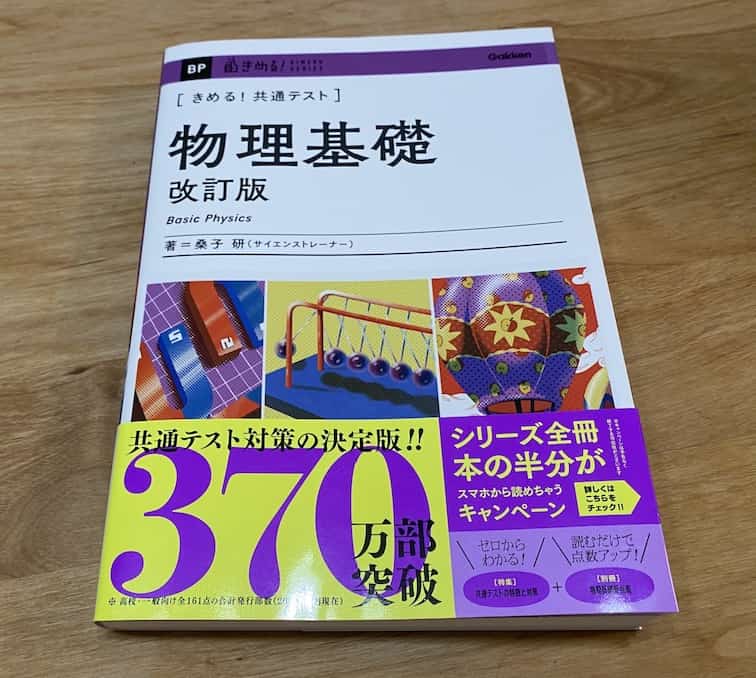
- 『きめる!共通テスト 物理基礎 改訂版』(学研)… 高校物理の参考書です。イラストを多くしてイメージが持てるように描きました。授業についていけない、物理が苦手、そんな生徒におすすめです。特設サイトはこちら。
各種SNS(更新情報をお届け!)
【日本語】X(Twitter)/instagram/Facebook 【英語】BlueSky/Threads
Explore
- 楽しい実験…お子さんと一緒に夢中になれるイチオシの科学実験を多数紹介しています。また、高校物理の理解を深めるための動画教材も用意しました。
- 理科の教材… 理科教師をバックアップ!授業の質を高め、準備を効率化するための選りすぐりの教材を紹介しています。
- Youtube…科学実験等の動画を配信しています。
- 科学ラジオ …科学トピックをほぼ毎日配信中!AI技術を駆使して作成した「耳で楽しむ科学」をお届けします。
- 講演 …全国各地で実験講習会・サイエンスショー等を行っています。
- About …「科学のネタ帳」のコンセプトや、運営者である桑子研のプロフィール・想いをまとめています。
- お問い合わせ …実験教室のご依頼、執筆・講演の相談、科学監修等はこちらのフォームからお寄せください。