Why Does Light Bend? The Secret of Waves Discovered by a 17th-Century Genius (Huygens’ Principle)
I’m Ken Kuwako from Science Trainer. Every day is an experiment.
Have you ever heard that light can bend? The bottom of a swimming pool looks shallower than it really is, and a straw in a glass of water appears broken. These are all caused by light changing direction. But surprisingly few people can explain why it happens.
Today, we’re going to uncover the mystery using the ideas of a Dutch scientist who figured it out more than 350 years ago. First, take a look at this video. Water is below, air is above.
What Is Huygens’ Principle?
One of the most elegant ways to explain why light bends is through Huygens’ Principle. Proposed in 1678 by the Dutch scientist Christiaan Huygens, this idea explains how waves spread by imagining them as collections of countless tiny waves called wavelets.
Using this principle, we can not only explain refraction, but even derive the laws of light mathematically.
What Are Wavelets?
Drop a stone into a pond, and circular ripples spread outward. Each tiny expanding circle can be thought of as a wavelet.
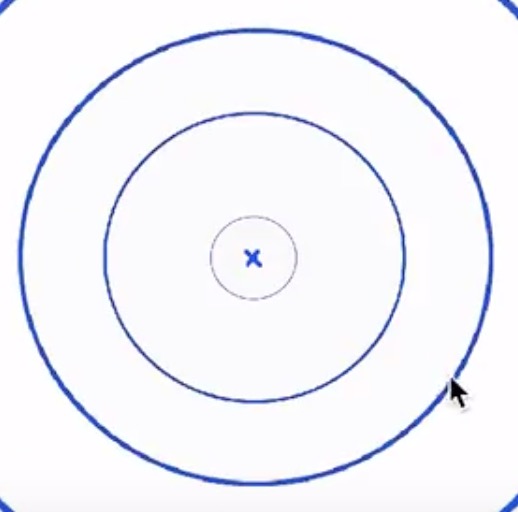
But then, why do straight waves appear when you strike the water with a stick?
According to Huygens’ Principle, those straight wavefronts are actually formed by huge numbers of overlapping wavelets. Watch this video:
You can clearly see how countless tiny circular waves combine to create a flat wavefront. That’s the beauty of Huygens’ Principle: one simple idea can explain almost every kind of wave motion.
Diffraction — Waves Can Bend Around Obstacles
When waves pass through a narrow opening in a wall or breakwater, they spread out and curve around the edges. This phenomenon is called diffraction.
Through Huygens’ Principle, this becomes easy to understand: the opening itself acts as a new source of wavelets, causing the waves to spread outward in circles.
Reflection — Why Is the Angle of Incidence Equal to the Angle of Reflection?
Light bouncing off a mirror at the same angle it arrived may seem obvious, but Huygens’ Principle gives a beautiful explanation.
As wavelets strike the reflective surface, they generate new waves. The combined shape of these waves naturally produces a reflected wavefront, leading directly to the rule that the angle of incidence equals the angle of reflection.
Refraction — When Speed Changes, Waves Bend
Now for the main event: why does refraction happen?
The key is wave speed.
Light travels more slowly in water than in air. When a wavefront enters water at an angle, the part that reaches the water first slows down while the rest is still moving quickly through the air. This difference in speed gradually rotates the entire wavefront.
That slow turning motion is exactly what we call refraction.
In this animation, many wave sources are shown at once. However, in most textbooks, Huygens diagrams focus on just one representative wavelet to derive the law of refraction, also known as Snell’s Law.
If you’d like to experiment with multiple wave sources yourself, you can also try this Scratch simulation.
One Principle That Connects Everything
Diffraction, reflection, and refraction may seem like completely different phenomena at first glance. But Huygens showed that all of them can be understood through one single principle.
More than 350 years later, his idea is still a powerful tool in modern physics.
The next time you notice light bending, try imagining how waves are overlapping beneath the surface. The everyday world may start to look a little more mysterious—and a lot more fascinating.
Contact & Requests
Science should feel exciting and accessible! On this site, you’ll find fun science experiments you can try at home, along with easy-to-follow explanations and tips. Feel free to explore!
・The contents of “Science Notebook” have been published as a book. Learn more here
・About the creator, Ken Kuwako, click here
・For requests such as writing, lectures, science workshops, TV supervision, or appearances, click here
・Follow updates for new articles on X!
 Science Idea Channel features hands-on experiment videos!
10月のイチオシ実験!
テレビ番組監修・イベント等のお知らせ
- 10月27日(火) テレビ監修番組放送予定
- 11月27日(金) テレビ監修番組放送予定
- 12月26日(土) ナリカサイエンスアカデミー(教員向け実験講習会)開催
書籍のお知らせ
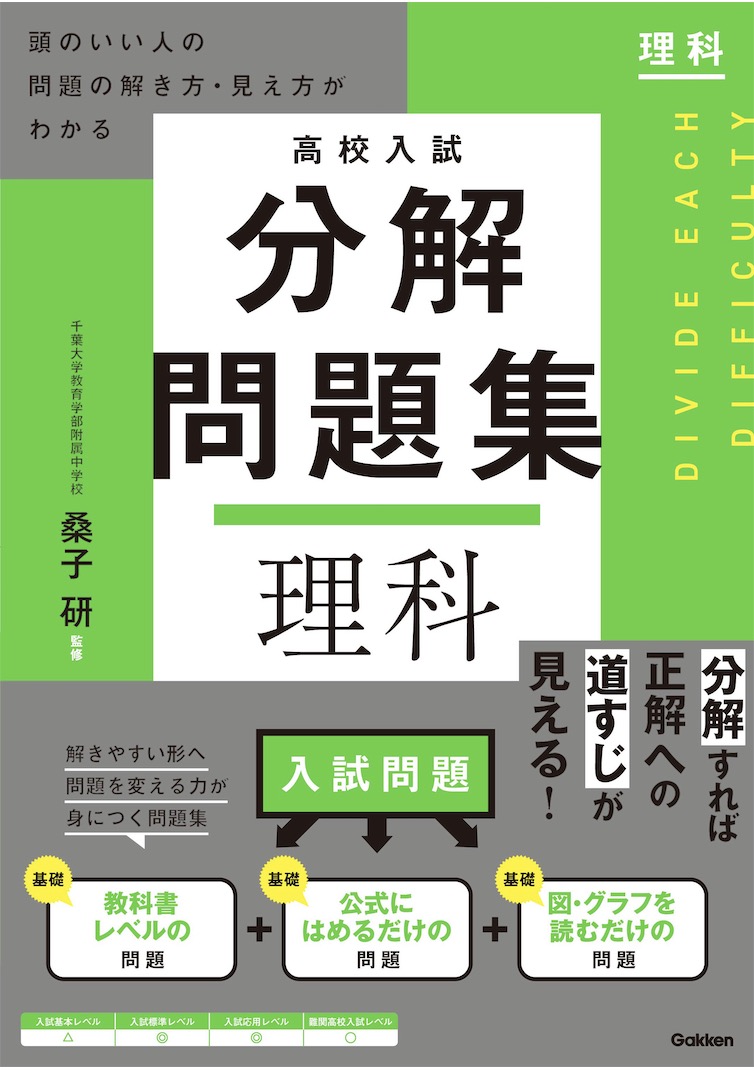
- 『高校入試 分解問題集 理科』(学研)…難しい問題も小さな問題に分解することで、問題を解くことができます。そんな分解の技術が身につくように深く関わりを持って作りました。
 『大人のための高校物理復習帳』(講談社)…一般向けに日常の物理について公式を元に紐解きました。特設サイトでは実験を多数紹介しています。※増刷がかかり6刷となりました(2026/02/01)
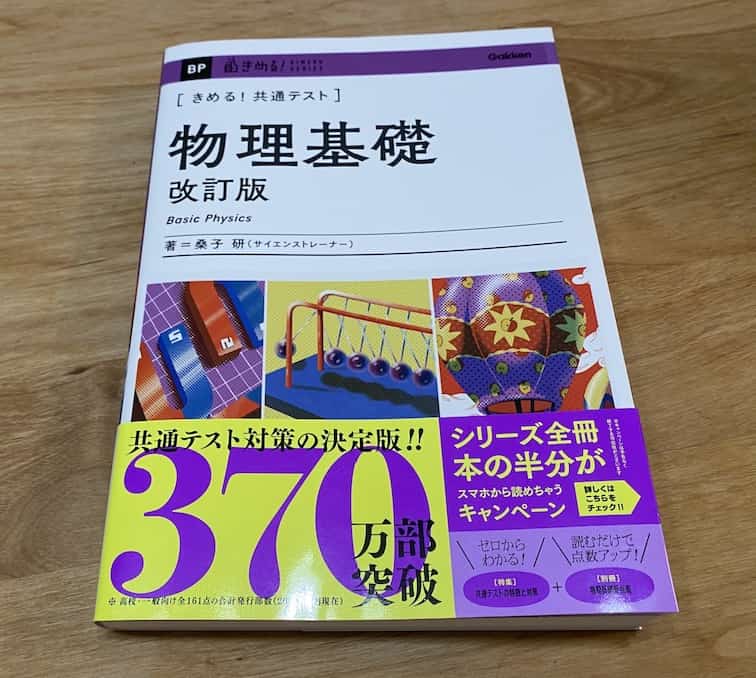
- 『きめる!共通テスト 物理基礎 改訂版』(学研)… 高校物理の参考書です。イラストを多くしてイメージが持てるように描きました。授業についていけない、物理が苦手、そんな生徒におすすめです。特設サイトはこちら。
各種SNS(更新情報をお届け!)
【日本語】X(Twitter)/instagram/Facebook 【英語】BlueSky/Threads
Explore
- 楽しい実験…お子さんと一緒に夢中になれるイチオシの科学実験を多数紹介しています。また、高校物理の理解を深めるための動画教材も用意しました。
- 理科の教材… 理科教師をバックアップ!授業の質を高め、準備を効率化するための選りすぐりの教材を紹介しています。
- Youtube…科学実験等の動画を配信しています。
- 科学ラジオ …科学トピックをほぼ毎日配信中!AI技術を駆使して作成した「耳で楽しむ科学」をお届けします。
- 講演 …全国各地で実験講習会・サイエンスショー等を行っています。
- About …「科学のネタ帳」のコンセプトや、運営者である桑子研のプロフィール・想いをまとめています。
- お問い合わせ …実験教室のご依頼、執筆・講演の相談、科学監修等はこちらのフォームからお寄せください。