The Secret of Fizzy Reactions! Learn Chemical Changes with Citric Acid × Baking Soda (Endothermic Reaction)
I am Ken Kuwako, your Science Trainer. Every day is an experiment.
【Read this article in English】
That refreshing “fizz” the moment a Ramune soda touches your tongue. Or the way a bath bomb vigorously releases bubbles as it dissolves in the tub. These are more than just everyday moments; they are dramatic chemical reactions unfolding right before your eyes.When people hear “science experiment,” they often imagine specialized chemicals or complex machinery. However, you can recreate this fascinating phenomenon and uncover its secrets using just “two white powders” found in your kitchen. Today, I will introduce a thrilling experiment where you can actually feel the change in temperature!
The Fizzy Chill: An Endothermic Adventure with Citric Acid and Baking Soda
Recently, my science club students rushed to me, shouting, “Mr. Kuwako, something amazing happened!” Inside their beaker, the moment they added water to two mixed powders, a fountain of white bubbles erupted like a living thing.The best parts of this experiment are its simplicity and safety. We use materials common in cleaning and cooking: citric acid and baking soda. Watching these familiar substances transform and move energy is enough to captivate both children and adults. Now, let’s reveal the secrets behind this “magic.”
Materials and Procedure
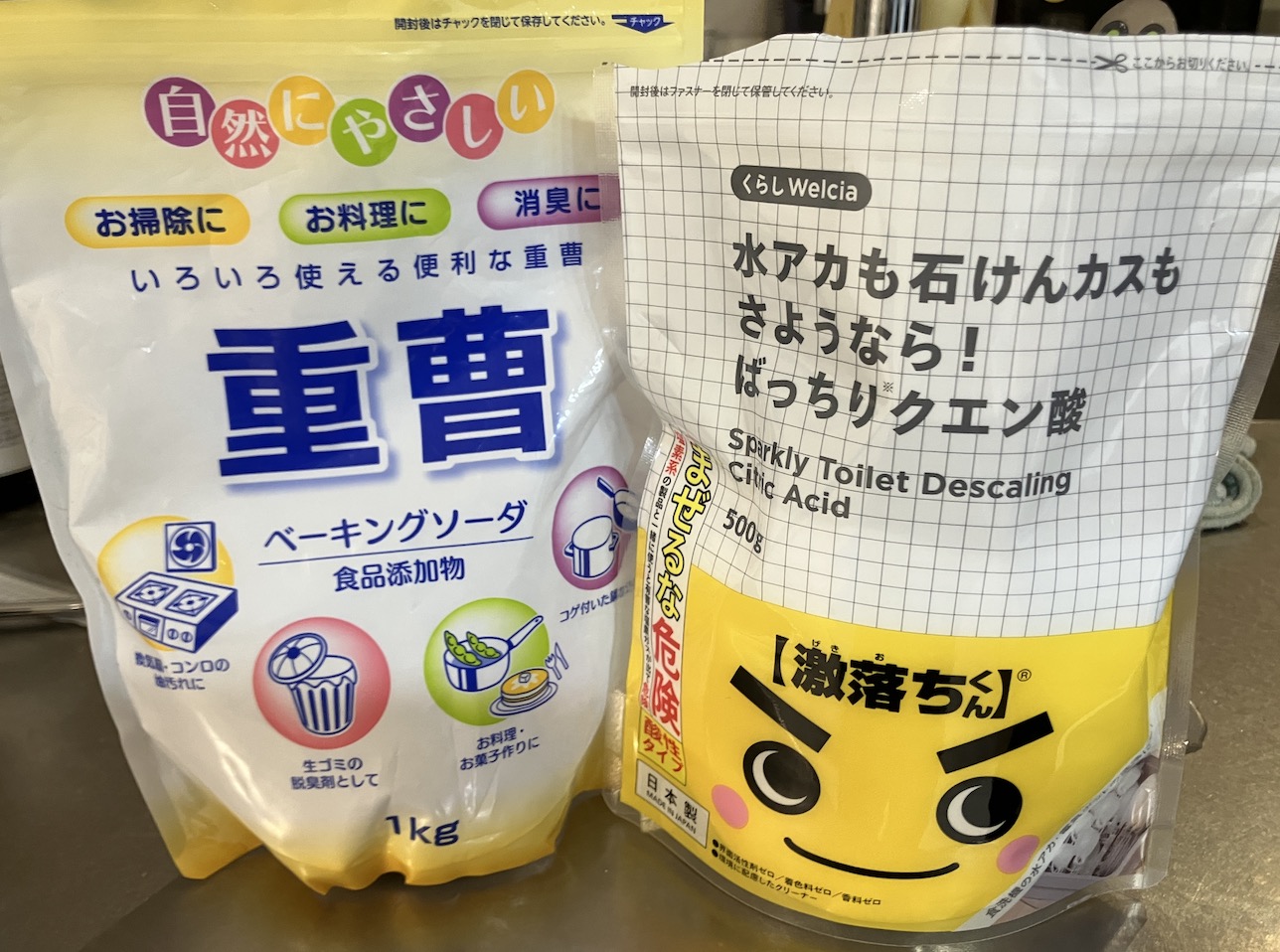 ■ What You Need
- Citric Acid (Powder: available at pharmacies or 100-yen stores)
- Baking Soda (Sodium Bicarbonate: NaHCO₃)
- Dropper (or spoon)
- Water
- Small beaker or paper cup
■ Step-by-Step Instructions
- Place the baking soda and citric acid in a 1:1 ratio on your palm or in a container. Both are white powders, but if you touch them, you will notice baking soda is smooth and silky, while citric acid is a bit more granular.Here is the baking soda—it feels very smooth.
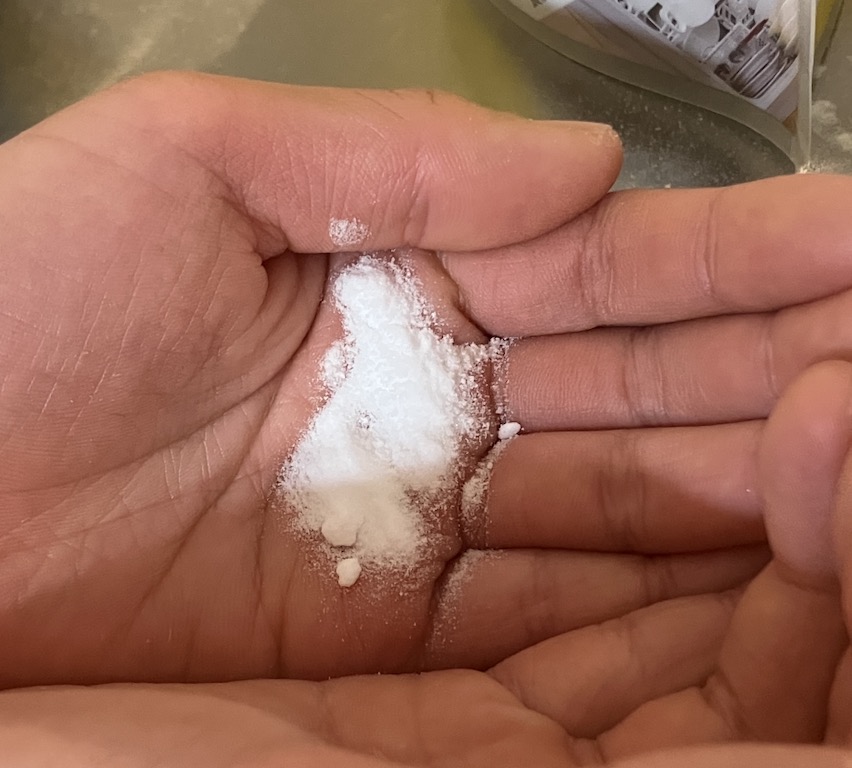 Here is the citric acid. It looks more angular.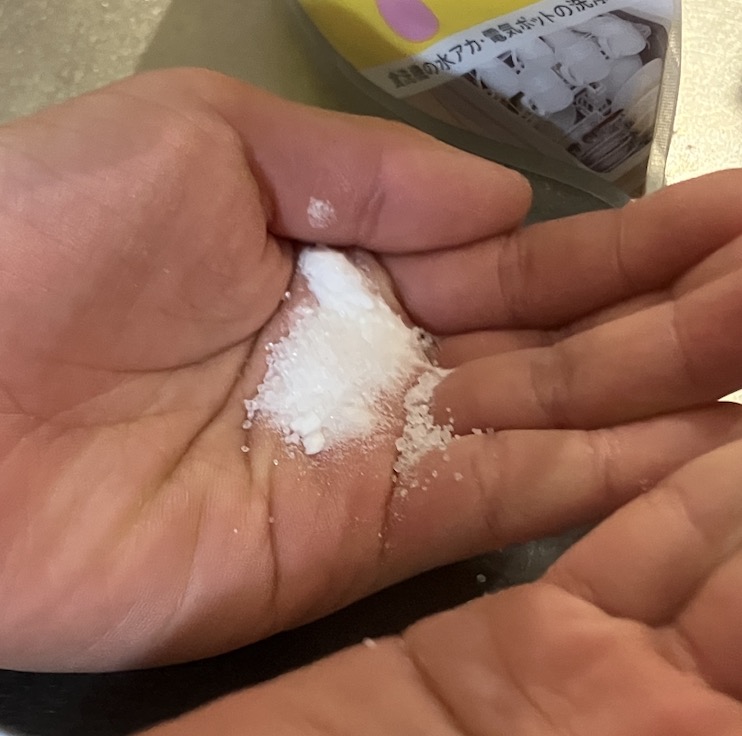
- Use the dropper to add a few drops of water to the mixture.
- Observe the vigorous fizzing and pay close attention to the change in temperature.
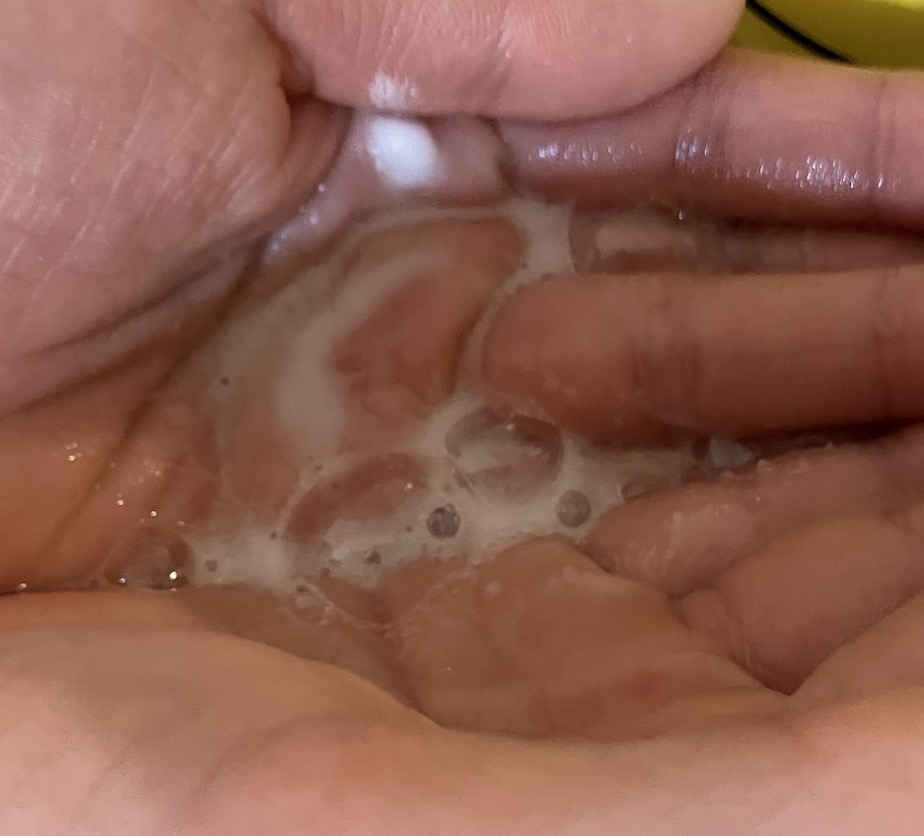
As it fizzes, you should feel the area you are touching grow noticeably cold.
The Chemistry Behind the Magic
Why does adding water to simple powders create bubbles and a drop in temperature? Let’s take a peek into the microscopic world of molecules. First, citric acid ($C_6H_8O_7$) is an acidic substance. It is a “triprotic acid,” meaning it has three carboxyl groups ($−COOH$) within its molecule.On the other hand, baking soda ($NaHCO_3$) acts as a base (alkaline).When baking soda dissolves in water, it first separates into sodium ions and bicarbonate ions. This process is called ionization.

Bicarbonate ions have a tendency to take hydrogen ions from water molecules. As a result, hydroxide ions ($OH^−$) are created, making the solution alkaline.

https://phys-edu.net/wp/?p=60167When citric acid (acid) and baking soda (base) meet, a neutralization reaction occurs. The bubbles produced are actually carbon dioxide ($CO_2$)—the same stuff we exhale. The entire process can be summarized in this formula:

- Sodium Citrate: The “salt” produced by the neutralization.
- Water: Water is generated during the reaction.
- Carbon Dioxide: The source of that delightful “fizz.”
The fizzing in your beaker is exactly the same process used to make carbonated drinks. Science is applied to our favorite foods and products every single day!
Why Does It Feel Cold? The Wonder of Endothermic Reactions
The most surprising part of this experiment is that the reaction steals heat from its surroundings.In general, chemical reactions are either “exothermic” (releasing heat) or “endothermic” (absorbing heat). When citric acid and baking soda react to produce carbon dioxide, they absorb energy (heat) from the environment. This causes the temperature of your hand or the container to drop significantly.Just as melting ice absorbs heat to cool its surroundings, molecules also move heat when they rearrange their bonds. It is a fantastic way to physically feel the concept of “energy” that we teach in middle school science.
Inquiries and Requests
Bringing the wonders of science closer to you! I share easy-to-follow guides for fun experiments you can do at home. Feel free to explore!
- Learn more about the administrator, Ken Kuwako, here.
- For professional inquiries (writing, lectures, workshops, TV supervision, etc.), click here.
- Follow the latest updates on X (formerly Twitter)!
 Check out my experiment videos on the Science Material Channel!
9月のイチオシ実験!
テレビ番組監修・イベント等のお知らせ
- 9月25日(金)21:00〜 かまいたちの瞬間回答!にて、科学監修を行いました。
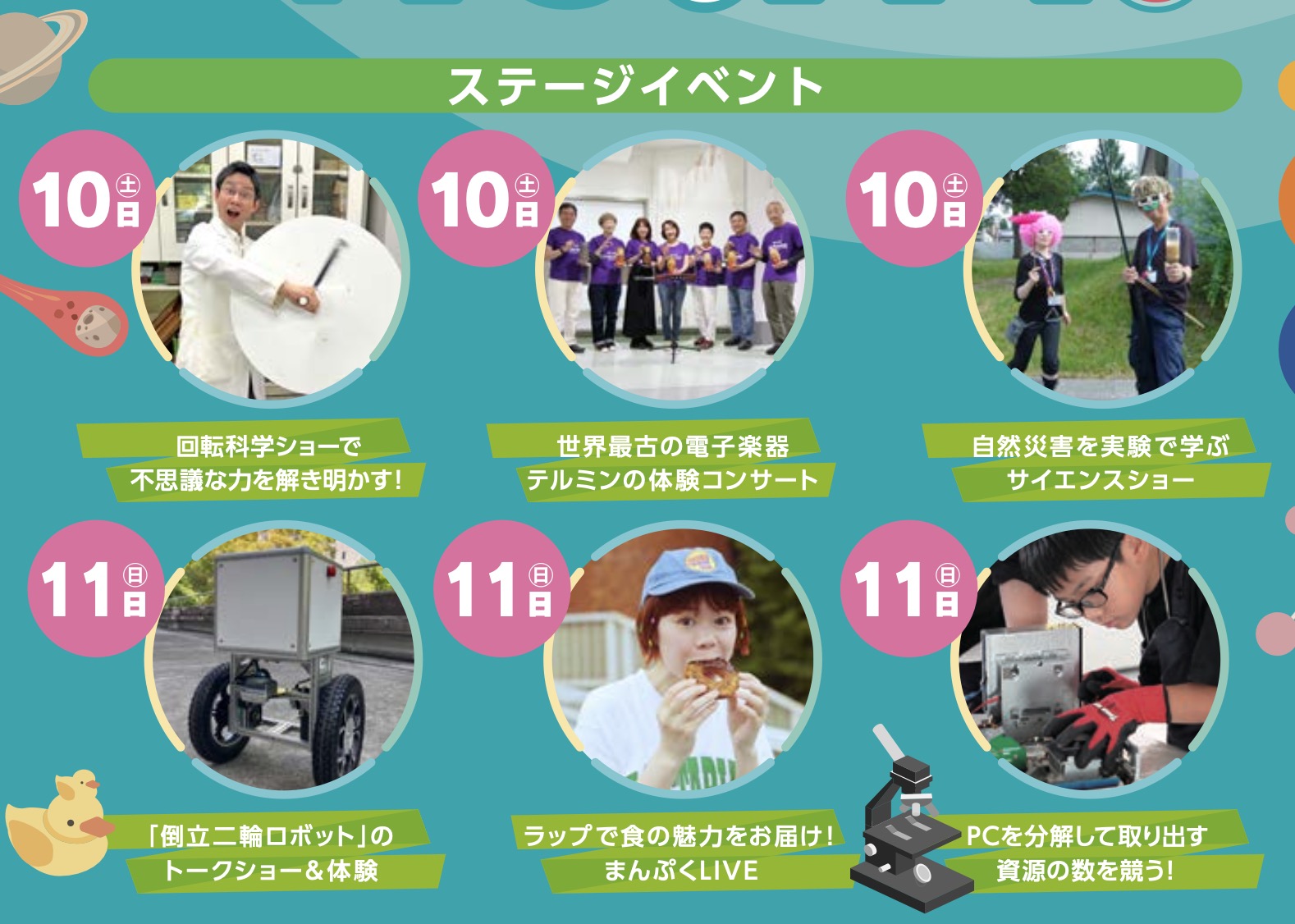
- 10月10日(土)11:15~12:00 千葉市科学フェスタ2026「桑子先生の回転科学ショー」にてサイエンスショーを行います。
- 12月26日(土) ナリカサイエンスアカデミー(教員向け実験講習会)開催
書籍のお知らせ
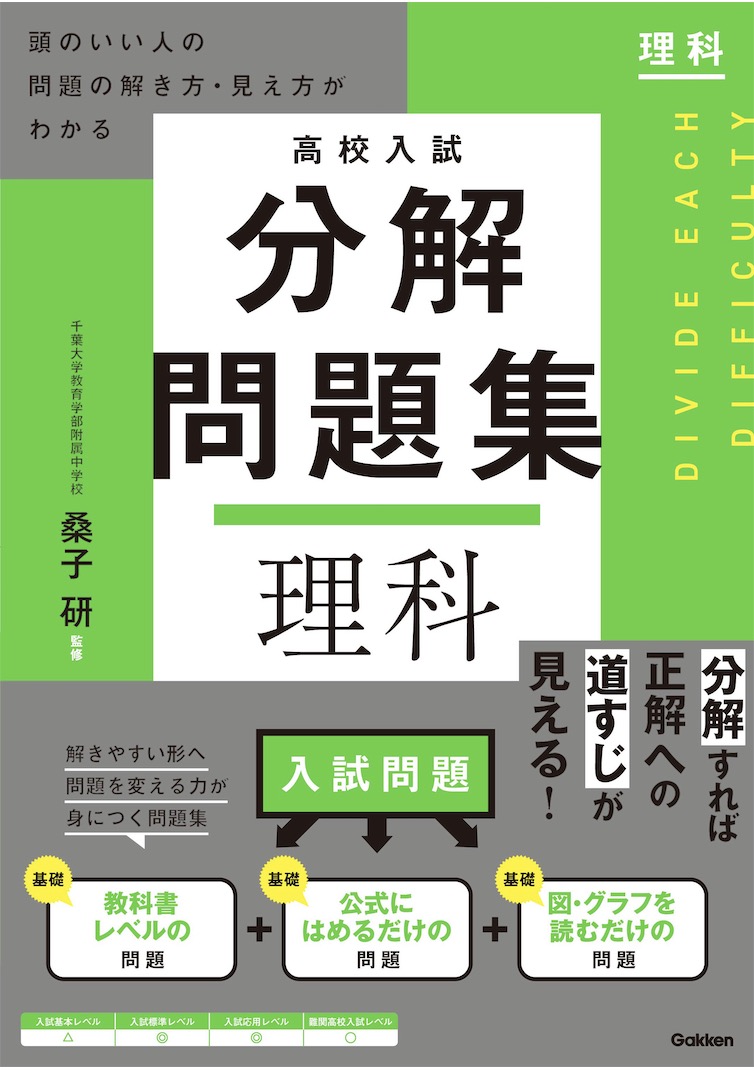
- 『高校入試 分解問題集 理科』(学研)…難しい問題も小さな問題に分解することで、問題を解くことができます。そんな分解の技術が身につくように深く関わりを持って作りました。
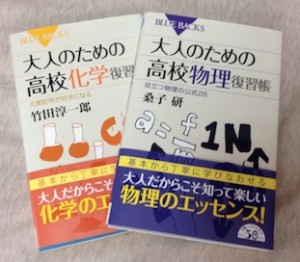
 『大人のための高校物理復習帳』(講談社)…一般向けに日常の物理について公式を元に紐解きました。特設サイトでは実験を多数紹介しています。※増刷がかかり6刷となりました(2026/02/01)
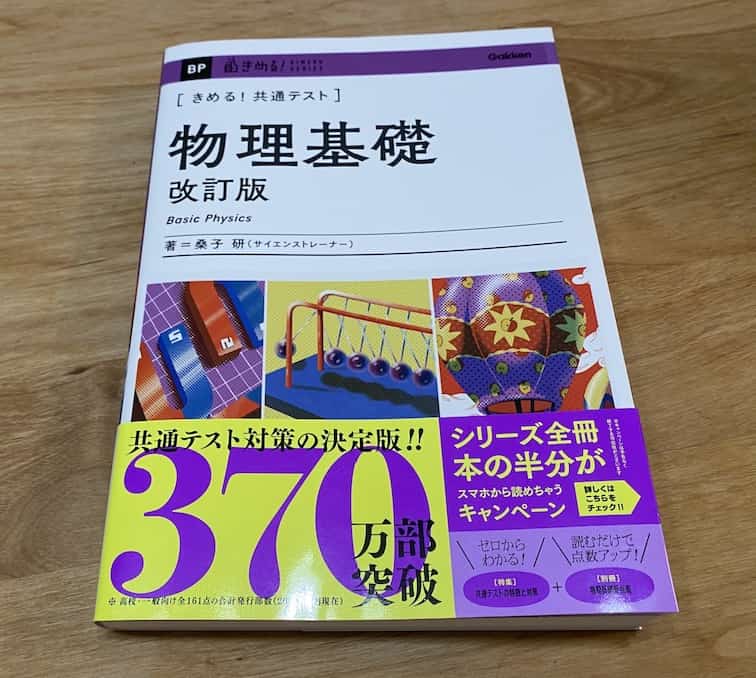
- 『きめる!共通テスト 物理基礎 改訂版』(学研)… 高校物理の参考書です。イラストを多くしてイメージが持てるように描きました。授業についていけない、物理が苦手、そんな生徒におすすめです。特設サイトはこちら。
各種SNS(更新情報をお届け!)
【日本語】X(Twitter)/instagram/Facebook 【英語】BlueSky/Threads
Explore
- 楽しい実験…お子さんと一緒に夢中になれるイチオシの科学実験を多数紹介しています。また、高校物理の理解を深めるための動画教材も用意しました。
- 理科の教材… 理科教師をバックアップ!授業の質を高め、準備を効率化するための選りすぐりの教材を紹介しています。
- Youtube…科学実験等の動画を配信しています。
- 科学ラジオ …科学トピックをほぼ毎日配信中!AI技術を駆使して作成した「耳で楽しむ科学」をお届けします。
- 講演 …全国各地で実験講習会・サイエンスショー等を行っています。
- About …「科学のネタ帳」のコンセプトや、運営者である桑子研のプロフィール・想いをまとめています。
- お問い合わせ …実験教室のご依頼、執筆・講演の相談、科学監修等はこちらのフォームからお寄せください。