A Squeeze of Lemon Is a Chemistry Experiment! Your Dining Table Turns into a Science Lab (Neutralization)
I’m Ken Kuwako, your Science Trainer. Every day is an experiment.
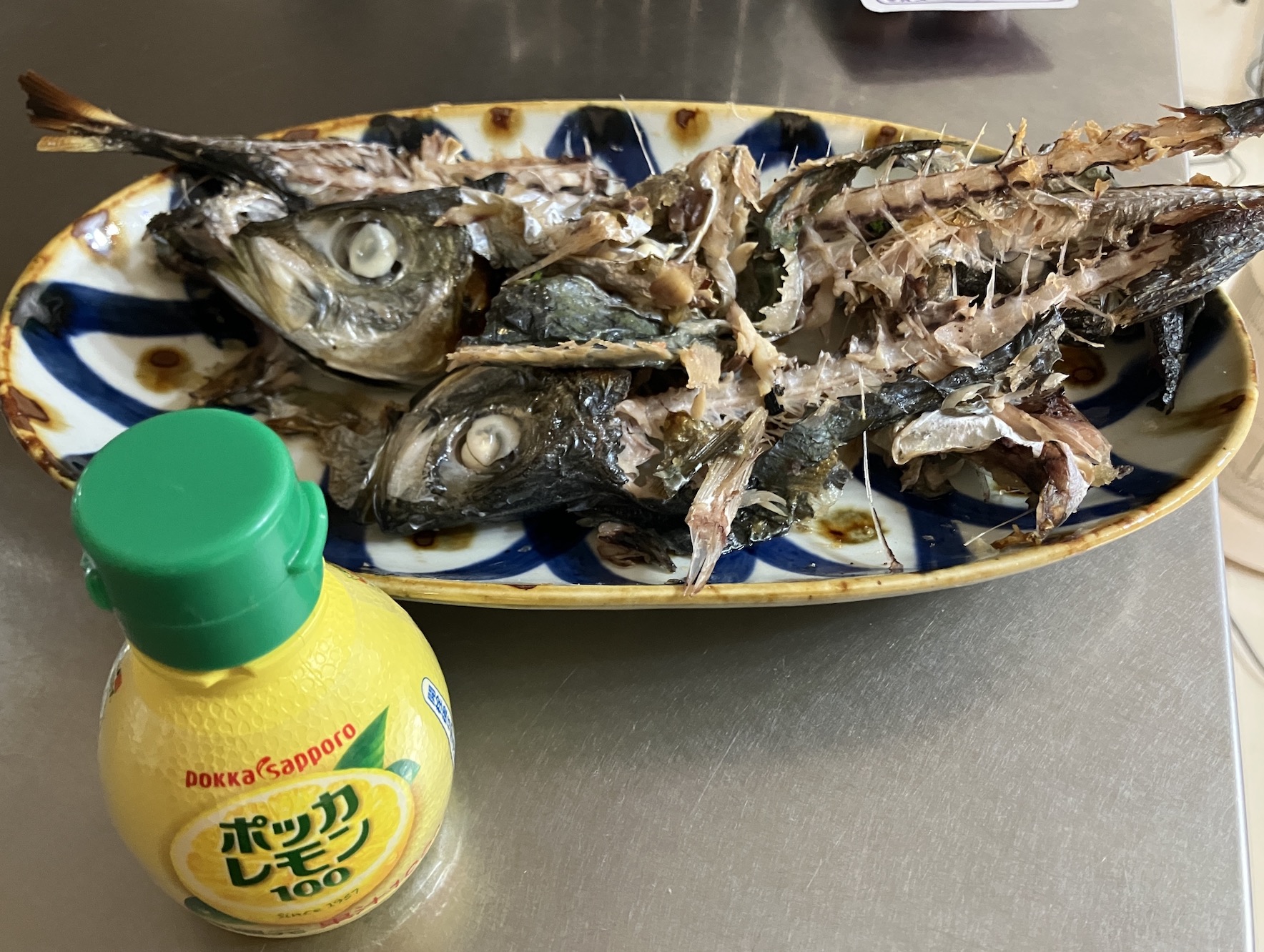
“Itadakimasu!” As you press your hands together to give thanks for your meal, did you know that your dining table has just transformed into a chemistry classroom? Think about squeezing a fresh lemon or sudachi citrus over grilled fish, or savoring the perfectly seasoned vinegar in sushi rice. These everyday moments are actually governed by surprising scientific laws we learn in middle school. Today, I’ll take you on a journey through the magical world of neutralization, from small discoveries on your plate to the dynamic restoration of rivers in my home mountains.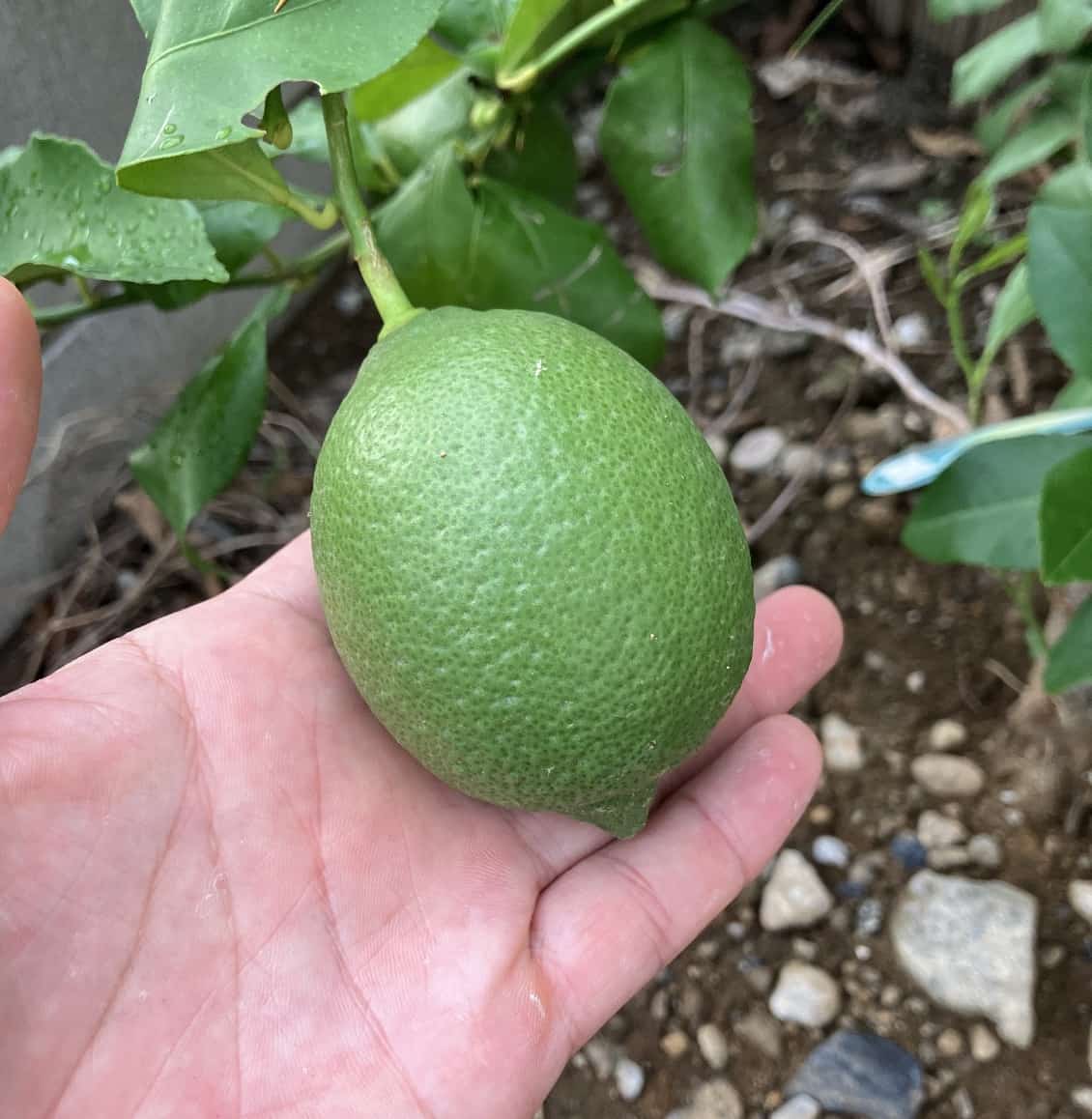
The Magic of Neutralization on Your Plate
That distinct “fishy” smell that lingers on your hands after cooking? The culprit is a substance called trimethylamine (wiki).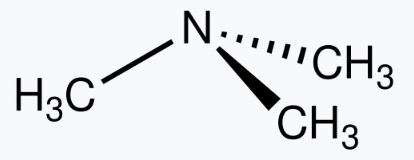
Source: Wikipedia
Through the lens of chemistry, this substance is alkaline. When trimethylamine dissolves in water, the lone pair of electrons on the nitrogen atom pulls a hydrogen ion ($H^+$, or a proton) from the water molecules. This releases hydroxide ions, making the solution alkaline. To eliminate this odor, humans have used life hacks for generations: vinegar, sudachi, lemons… These sour foods all contain acidic substances. When you combine an acidic substance with the alkaline culprit, a reaction called neutralization occurs, where they cancel out each other’s properties.
 Through neutralization, that pungent odor component changes into a different substance, effectively suppressing the smell. Now, you might be wondering: “If it’s neutralization, where are the water and salt?”In middle school, we learn that “neutralization is a reaction where hydrogen ions from an acid and hydroxide ions from an alkali combine to form water.” However, the world of chemistry has a much broader definition.Looking at the structure of trimethylamine, you won’t find “OH” in the molecule. So why is it alkaline (basic)? While the “water-forming reaction” in textbooks is a classic example, the more fundamental definition of neutralization is the exchange of hydrogen ions—who gives them and who takes them.
-
Acid: A substance that “gives” hydrogen ions (like lemon juice).
-
Alkali (Base): A substance that “receives” hydrogen ions (like trimethylamine).
In the case of removing fish odors:The acid in the lemon offers up hydrogen ions.The odor component (trimethylamine) catches those hydrogen ions.3. By receiving the hydrogen ions, the odor component changes its properties and stops evaporating.In other words, even if water isn’t produced, if an acid and alkali react to cancel each other out, it is perfectly valid neutralization. Learning this high-school level concept makes what’s happening on your plate look so much more profound! It turns out that while we eat, we aren’t just making things taste refreshing—we are actually practicing scientifically grounded deodorizing technology.
Why is Grated Daikon Radish So Delicious with Fish?
Does grated daikon (daikon oroshi) also involve neutralization? Actually, that works through a completely different mechanism. When you grate daikon, the cells break and release fine fibers. These fibers have a property that allows them to adsorb (stick to) the trimethylamine odor molecules, trapping them on their surface. Unlike citrus, which changes the chemical nature with acid, daikon oroshi acts as a physical barrier that “snares” the odor.Additionally, the spicy component created when grating daikon, isothiocyanate (wiki), has strong antibacterial and deodorizing effects. When this mixes with the fishy smell, it makes the odor less noticeable. Even more interesting is the digestive enzyme found in daikon called diastase (amylase). By helping digest the fish protein and the starch in your rice, it’s not just “tasty”—it’s “stomach-friendly,” supporting the complex chemical plant that is the human body.
The “Ultimate Tag Team” of Acid and Daikon
Squeezing sudachi over grated daikon and adding a dash of soy sauce—this is the ultimate duo.
-
Sudachi: Uses the power of acid to neutralize odor components, preventing them from evaporating.
-
Grated Daikon: Uses the power of fiber to adsorb odors and enzymes to aid digestion.
It’s amazing to think that people of the past created such a perfect “deodorizing and digestive system” at the dinner table through experience alone, without ever knowing a chemical formula. By the way, if your hands smell like fish after handling it, washing them with a little vinegar works the same way. Give it a try!I enjoyed my fish thoroughly. Gochisousama-deshita!
Inquiries and Requests
Bring the wonder and fun of science closer to you! I’ve summarized fun science experiments you can do at home and the tips to make them successful. Take a look around!・The “Science Notebook” is now a book! Details here・About the operator, Ken Kuwako, here・Requests for writing, lectures, science workshops, TV supervision/appearances, etc., here・Updates are being shared on X!
 The Science Material Channel is streaming experiment videos!
9月のイチオシ実験!
テレビ番組監修・イベント等のお知らせ
- 9月25日(金)21:00〜 かまいたちの瞬間回答!にて、科学監修を行いました。
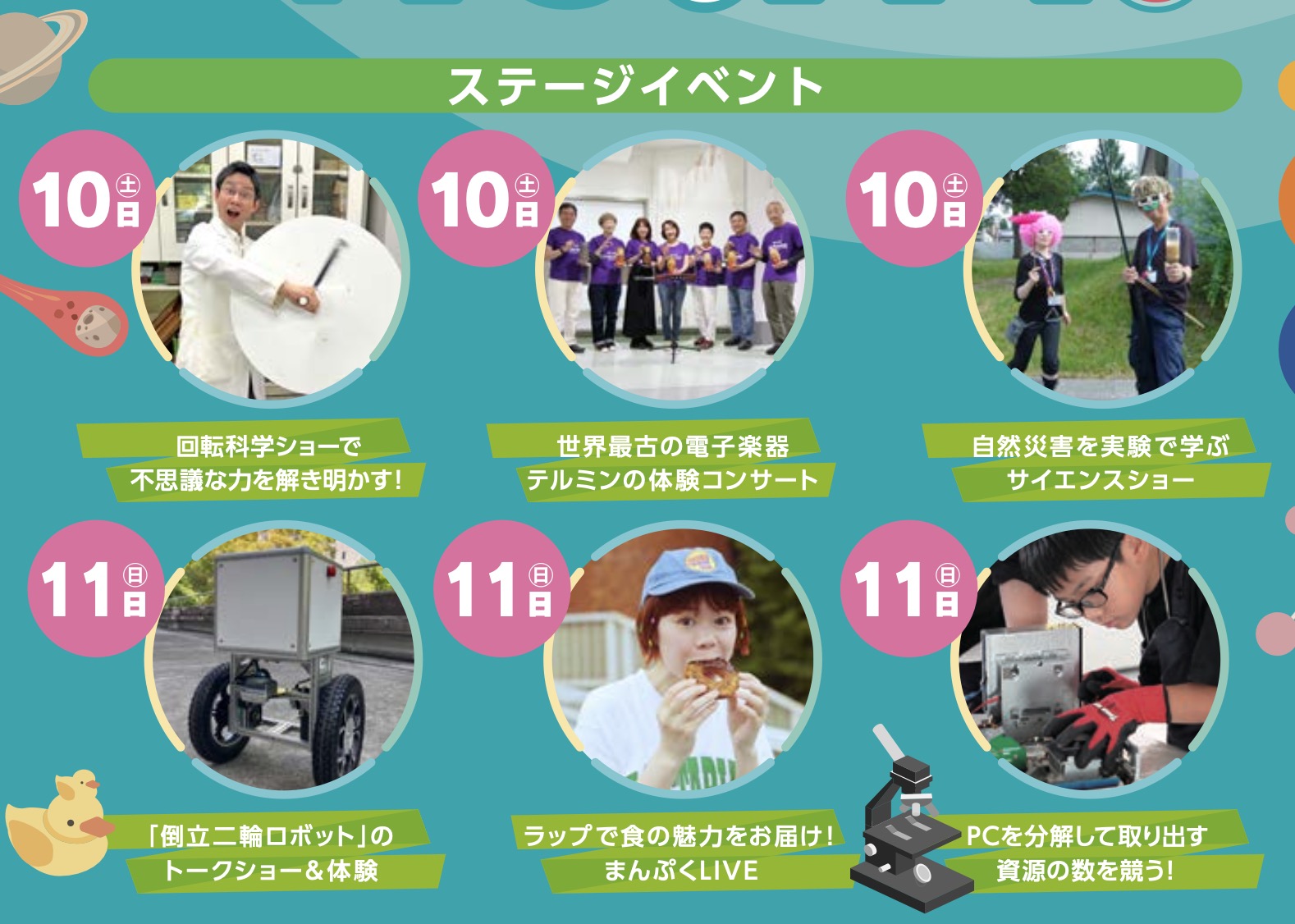
- 10月10日(土)11:15~12:00 千葉市科学フェスタ2026「桑子先生の回転科学ショー」にてサイエンスショーを行います。
- 12月26日(土) ナリカサイエンスアカデミー(教員向け実験講習会)開催
書籍のお知らせ
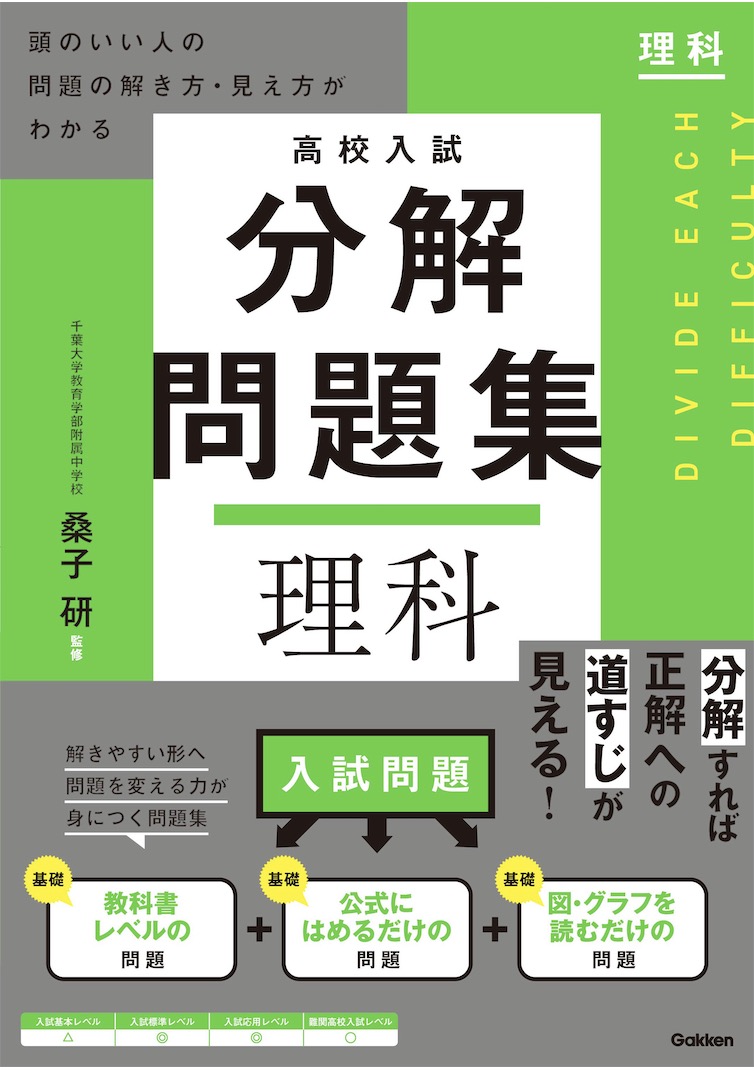
- 『高校入試 分解問題集 理科』(学研)…難しい問題も小さな問題に分解することで、問題を解くことができます。そんな分解の技術が身につくように深く関わりを持って作りました。
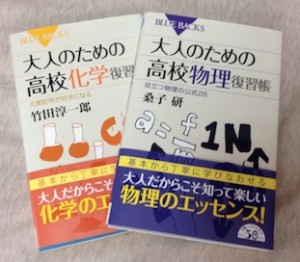
 『大人のための高校物理復習帳』(講談社)…一般向けに日常の物理について公式を元に紐解きました。特設サイトでは実験を多数紹介しています。※増刷がかかり6刷となりました(2026/02/01)
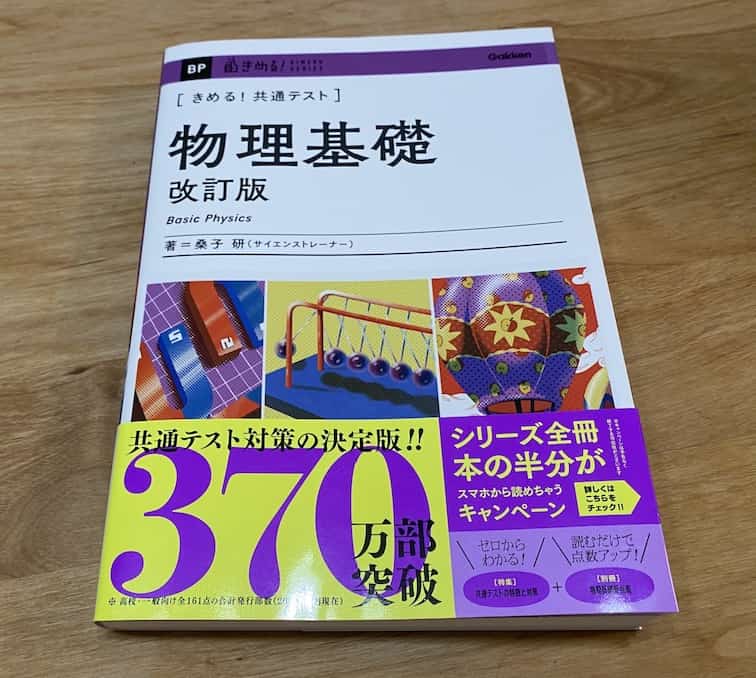
- 『きめる!共通テスト 物理基礎 改訂版』(学研)… 高校物理の参考書です。イラストを多くしてイメージが持てるように描きました。授業についていけない、物理が苦手、そんな生徒におすすめです。特設サイトはこちら。
各種SNS(更新情報をお届け!)
【日本語】X(Twitter)/instagram/Facebook 【英語】BlueSky/Threads
Explore
- 楽しい実験…お子さんと一緒に夢中になれるイチオシの科学実験を多数紹介しています。また、高校物理の理解を深めるための動画教材も用意しました。
- 理科の教材… 理科教師をバックアップ!授業の質を高め、準備を効率化するための選りすぐりの教材を紹介しています。
- Youtube…科学実験等の動画を配信しています。
- 科学ラジオ …科学トピックをほぼ毎日配信中!AI技術を駆使して作成した「耳で楽しむ科学」をお届けします。
- 講演 …全国各地で実験講習会・サイエンスショー等を行っています。
- About …「科学のネタ帳」のコンセプトや、運営者である桑子研のプロフィール・想いをまとめています。
- お問い合わせ …実験教室のご依頼、執筆・講演の相談、科学監修等はこちらのフォームからお寄せください。