The Ultimate Battery Battle: Which Two Metals Create the Most Power? (The Secret is a Metal’s “Personality”)
I’m Ken Kuwako, Science Trainer. Every Day is an Experiment.
Smartphones, game consoles, TV remotes… our lives are impossible without batteries, right? But have you ever stopped to think about how batteries actually generate electricity? The truth is, anyone can easily make a battery with just two different types of metal and “a certain liquid.”
This time, we’re introducing an exciting experiment to find out which combination of metals makes the “Ultimate Battery.” And the main ingredients? Hydrochloric acid, combined with metals you already know!
The Experiment: Battle for the Strongest Battery!
First, let’s introduce the “contestants” in this experiment—the following four electrode materials:
- Copper Plate
- Zinc Plate
- Aluminum Plate
- Carbon Rod
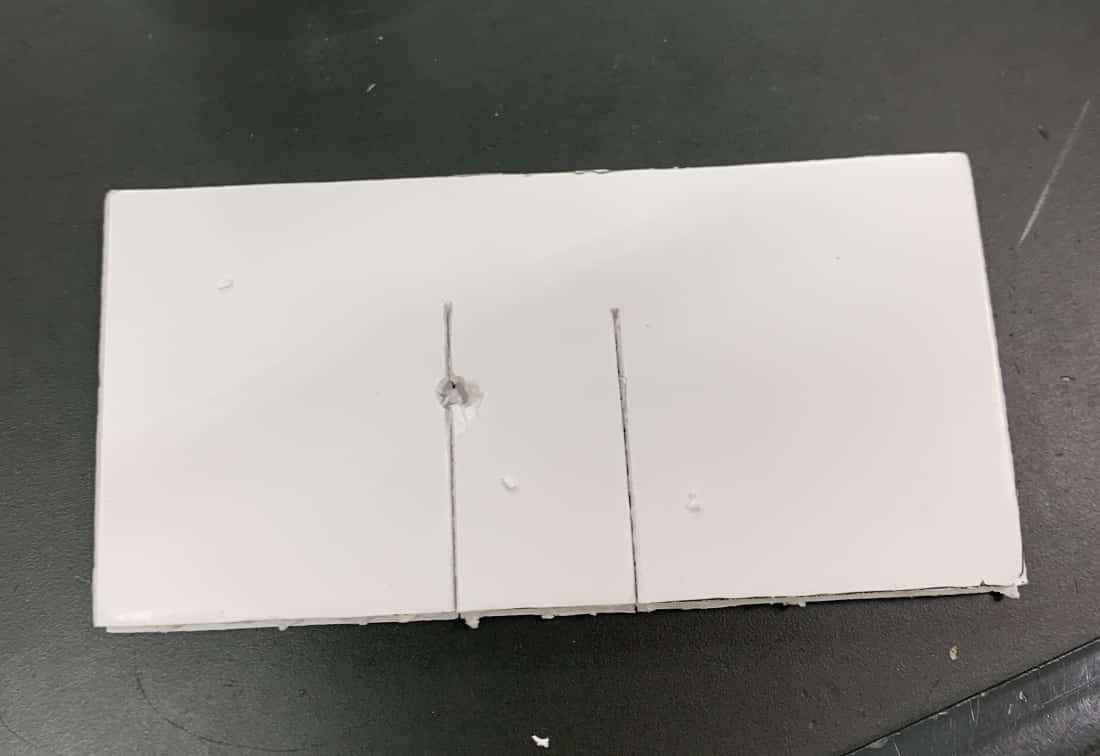
How can we combine these to create the most powerful (highest voltage) battery? We’re going to try it out! The base we use to hold the electrodes? None other than a Styrofoam board! It’s perfect because it doesn’t conduct electricity, keeping the electrodes separated and securely in place.
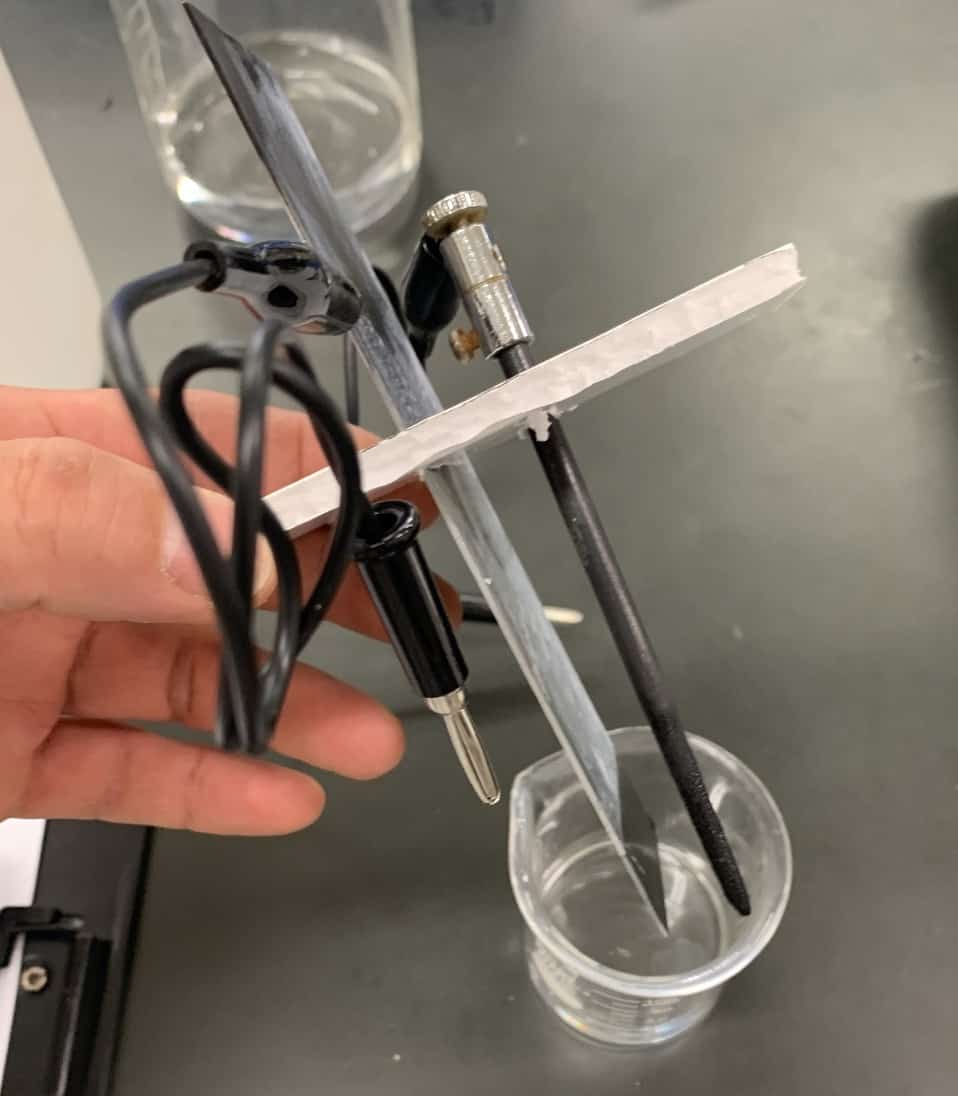
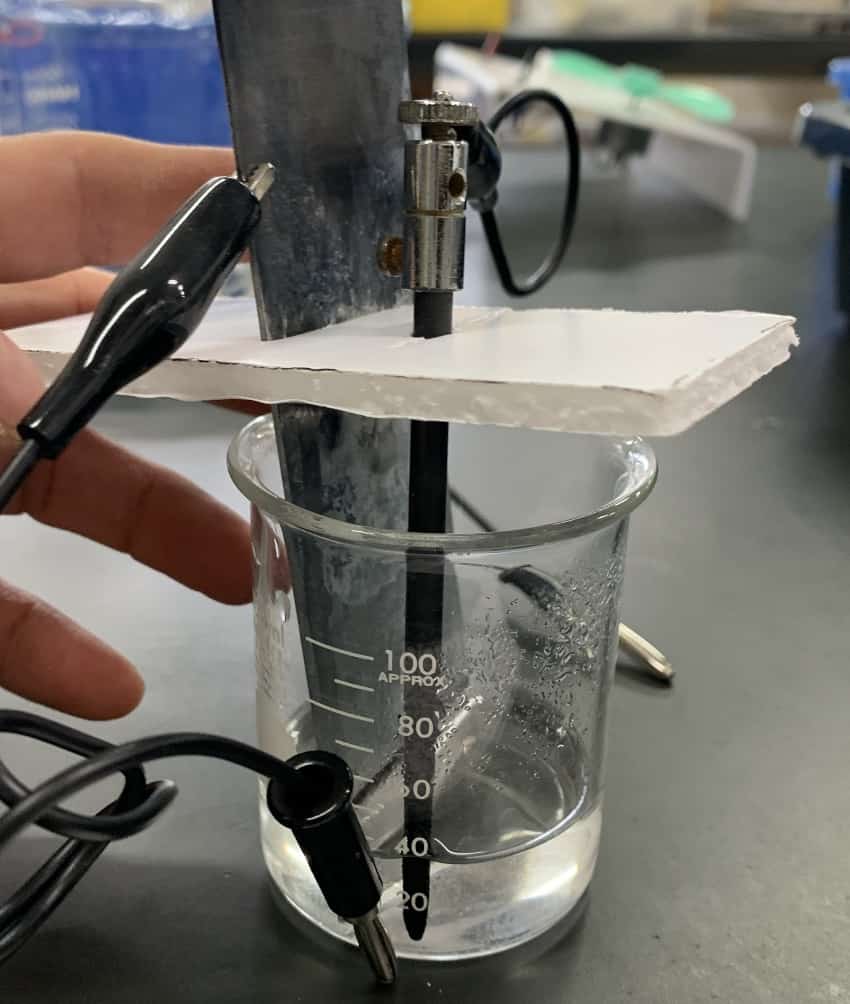
Next, we immerse the board, with the electrodes set, into the liquid that serves as the “stage” for our contestants. That liquid is… Hydrochloric Acid (3–5% concentration, 40mL)!
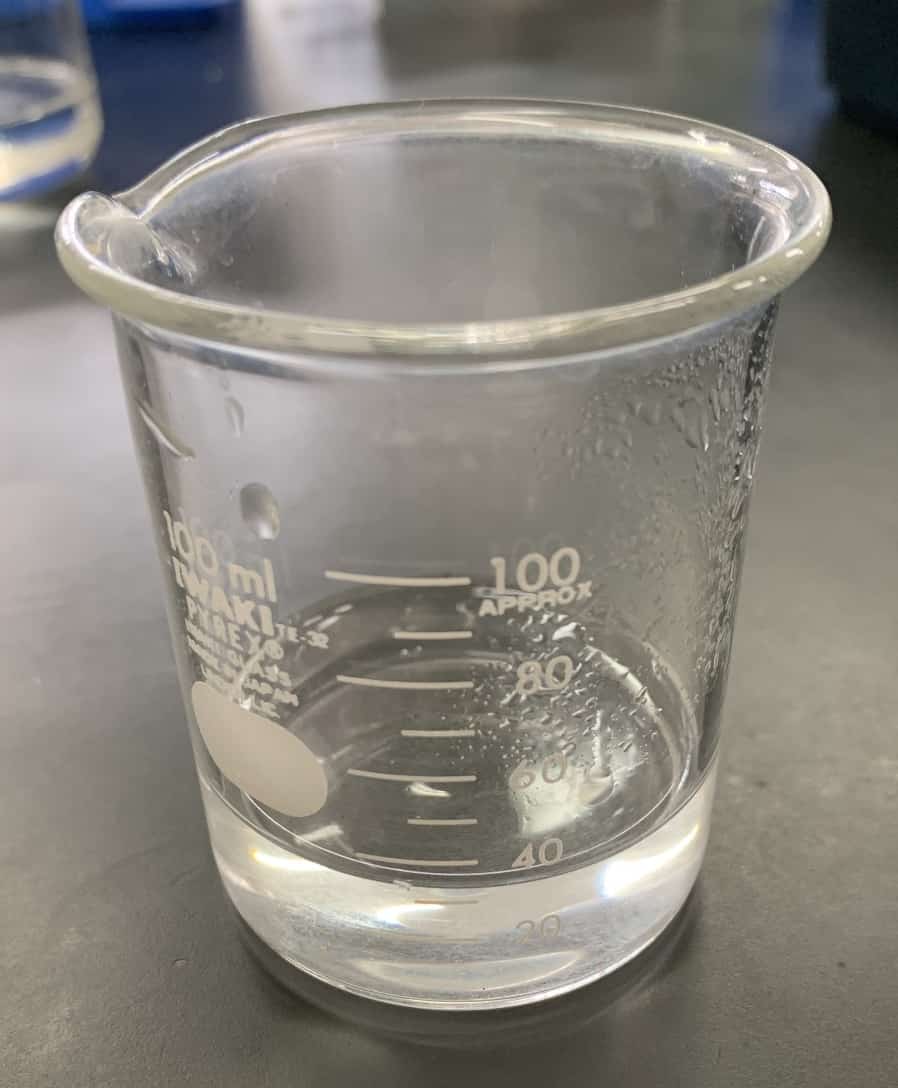
Hearing “Hydrochloric Acid” might be a bit alarming, but the low concentration we’re using makes it relatively safe. Nevertheless, since it is an acid, if it gets on your hands, be absolutely sure to wash them immediately and thoroughly with water.
The Question: Which Combination is the Strongest?
Now, for a quick quiz! Out of Copper, Zinc, Aluminum, and Carbon, which two do you think will produce the highest voltage when combined?
“The classic ‘Copper and Zinc’ from the textbooks looks promising!” “Maybe the lightweight aluminum will surprise us?” “Carbon isn’t even a metal, how will it do?”
Let’s form some hypotheses and dive into the experiment! That moment of thinking, “I wonder what will happen?” is the most exciting part of science.
The Shocking Results and the “Mechanism” of a Battery
A tip: The carbon rod can be tricky to attach alligator clips to, but if you slightly loosen the screw portion and clip it there, it works perfectly.

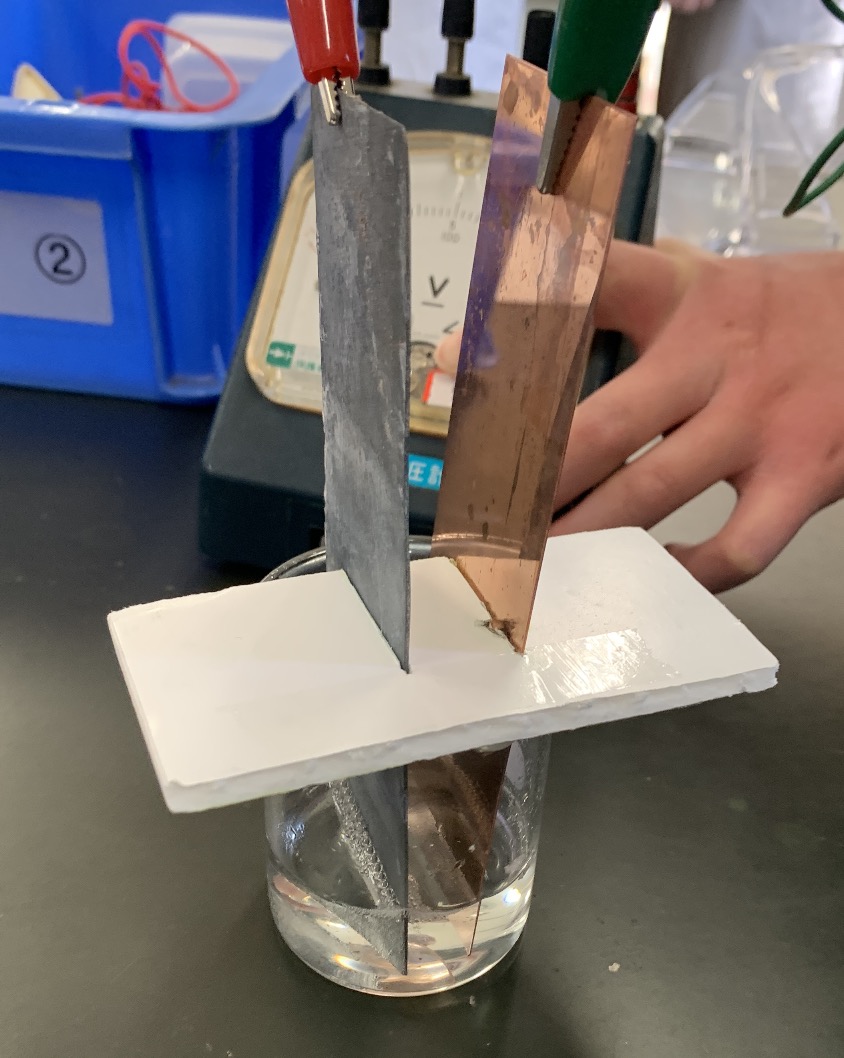
Here’s a look at measuring one of the combinations:
And here are the results after measuring the voltage for various patterns!
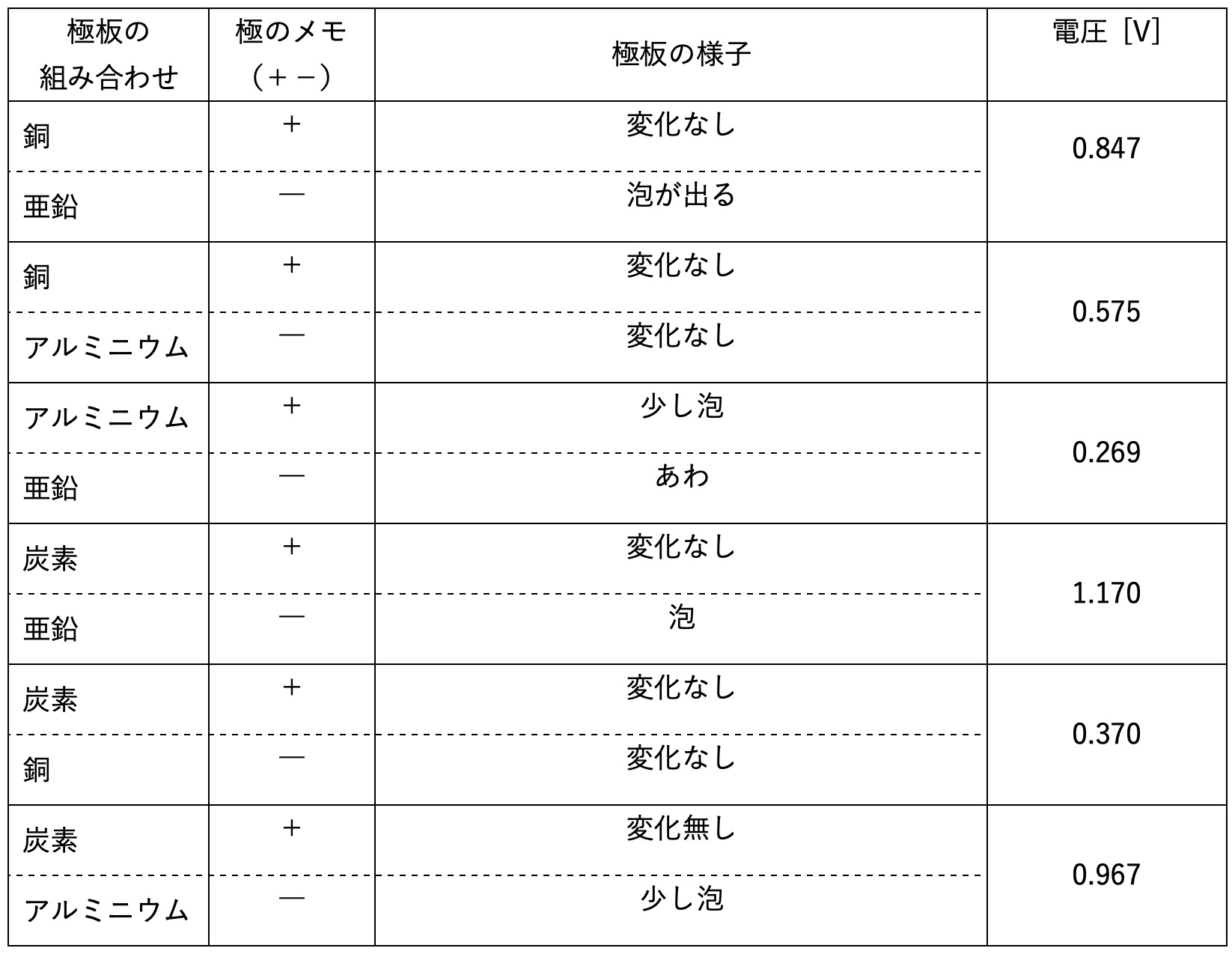
The classic combination of “Copper and Zinc,” famous from science classes, produced about 0.84V. This is actually the blueprint for the world’s first practical battery, the “Voltaic Pile,” invented by the Italian scientist Alessandro Volta around 1800.
The Secret: A Metal’s “Personality” Determines the Voltage!
So, why does the voltage change depending on the combination? The answer is closely tied to a property of metals that we can think of as their “personality”: Ionization Tendency (or Electromotive Force Series). Simply put, ionization tendency is the degree to which a metal “wants to dissolve (in water or acid) and become an ‘ion.'” When a metal becomes an ion, it releases electrons (particles of electricity).
Looking at our contestants:
- Aluminum, Zinc: The “I really want to become an ion and aggressively release electrons!” type (Has a High ionization tendency).
- Copper, Carbon: The “I’d rather not become an ion…” type (Has a Low ionization tendency).
A battery works by using the difference in this “desire to become an ion” to force electrons to flow from one material to the other (generating an electric current). In short, the greater the difference, the stronger the force pushing the electrons (the voltage)!
That’s why combining Aluminum—which strongly wants to be an ion—with Carbon—which barely wants to—created the highest voltage! The scientific story is now clear!
Try it Yourself! Compare Your Results!
We’ve prepared a spreadsheet where you can record your experiment results. If you try this at school or home, be sure to compare your findings with others!
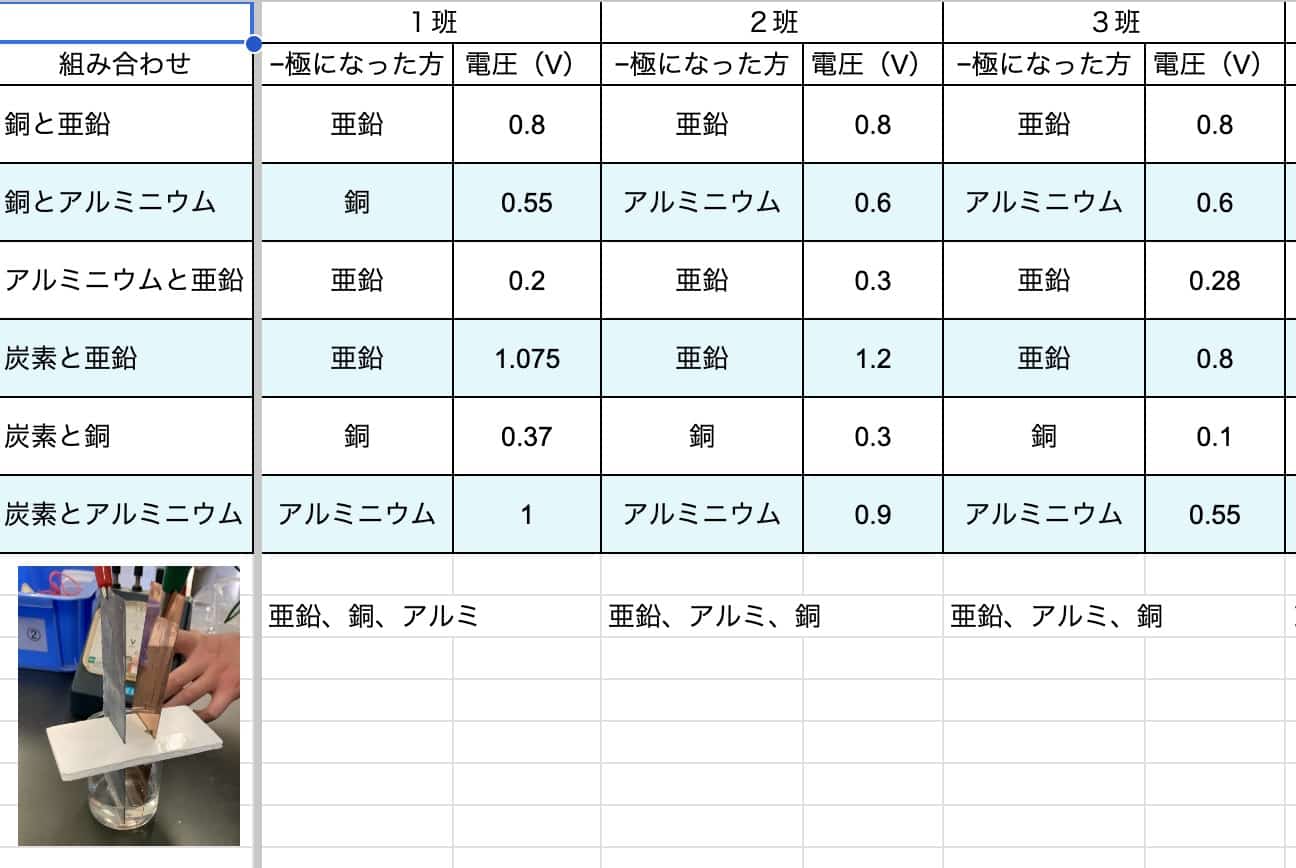
Spreadsheet for Creating Various Batteries
This experiment is not only easy to do with simple materials but also powerfully stimulates your curiosity: “Why did that happen?” By the way, the historical “Voltaic Pile” we mentioned earlier had a major weakness (polarization)—its voltage would quickly drop. Science has evolved by overcoming such flaws! If you’re interested, please check out this related article: “Stop Using the Voltaic Pile.” Even the “obvious” things in our daily lives are full of new discoveries when viewed through the lens of science!
Contact and Requests
Bring the wonder and fun of science closer to you! This site provides easy-to-understand summaries of fun science experiments you can do at home, along with tips and tricks. Feel free to search around! ・The content of this science blog is now available as a book. Find out more here ・Find out more about the site operator, Ken Kuwako, here ・For various requests (writing, lectures, science classes, TV supervision/appearances, etc.), please contact us here ・Article updates are posted on X (formerly Twitter)!
 We post experiment videos on the Science Idea Channel!
9月のイチオシ実験!
お弁当箱をプラバンがわりにしてキーホルダーを作ろう!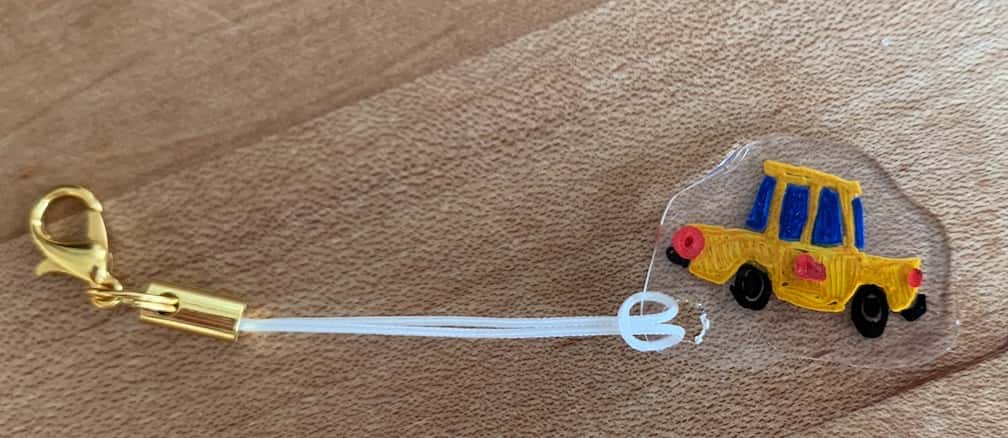
テレビ番組監修・イベント等のお知らせ
- 8月27日(木)科学監修番組放送予定
- 9月20日(日)ダビンチマスターズ出演予定
- 10月10日(土)11:15~12:00 千葉市科学フェスタ2026「桑子先生の回転科学ショー」にてサイエンスショーを行います。
- 12月26日(土) ナリカサイエンスアカデミー(教員向け実験講習会)開催
書籍のお知らせ
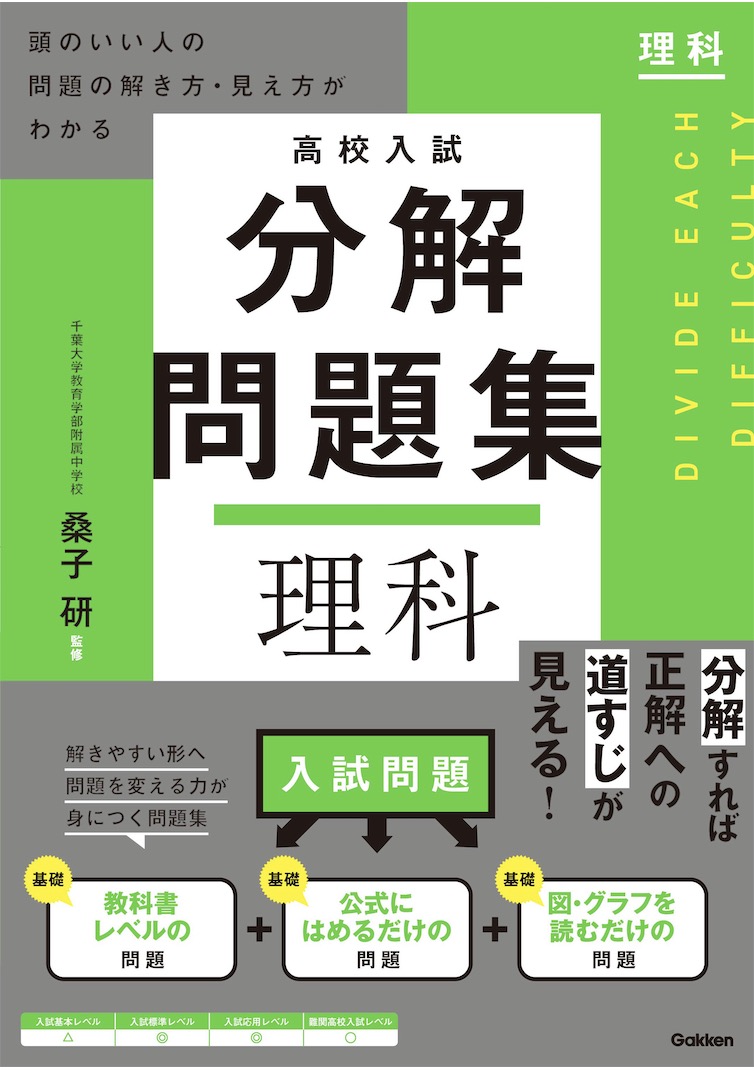
- 『高校入試 分解問題集 理科』(学研)…難しい問題も小さな問題に分解することで、問題を解くことができます。そんな分解の技術が身につくように深く関わりを持って作りました。
 『大人のための高校物理復習帳』(講談社)…一般向けに日常の物理について公式を元に紐解きました。特設サイトでは実験を多数紹介しています。※増刷がかかり6刷となりました(2026/02/01)
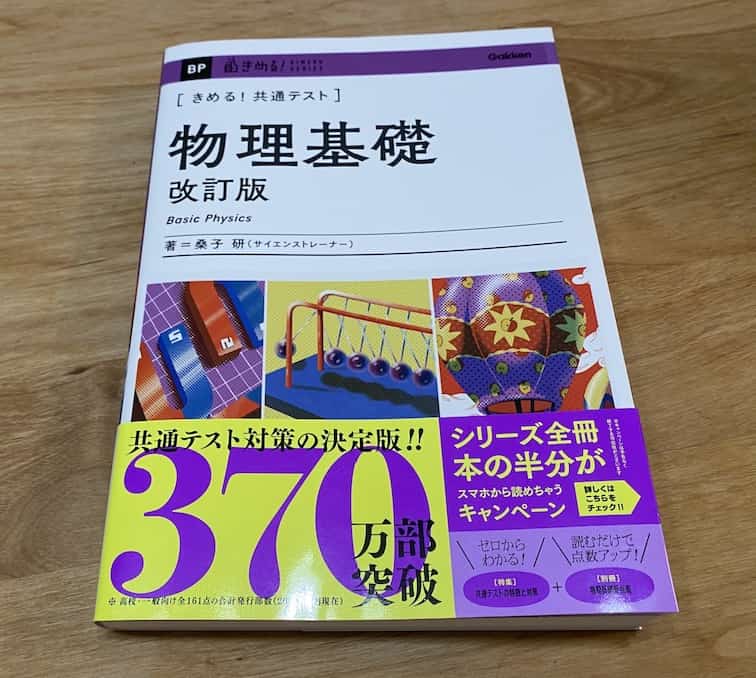
- 『きめる!共通テスト 物理基礎 改訂版』(学研)… 高校物理の参考書です。イラストを多くしてイメージが持てるように描きました。授業についていけない、物理が苦手、そんな生徒におすすめです。特設サイトはこちら。
各種SNS(更新情報をお届け!)
【日本語】X(Twitter)/instagram/Facebook 【英語】BlueSky/Threads
Explore
- 楽しい実験…お子さんと一緒に夢中になれるイチオシの科学実験を多数紹介しています。また、高校物理の理解を深めるための動画教材も用意しました。
- 理科の教材… 理科教師をバックアップ!授業の質を高め、準備を効率化するための選りすぐりの教材を紹介しています。
- Youtube…科学実験等の動画を配信しています。
- 科学ラジオ …科学トピックをほぼ毎日配信中!AI技術を駆使して作成した「耳で楽しむ科学」をお届けします。
- 講演 …全国各地で実験講習会・サイエンスショー等を行っています。
- About …「科学のネタ帳」のコンセプトや、運営者である桑子研のプロフィール・想いをまとめています。
- お問い合わせ …実験教室のご依頼、執筆・講演の相談、科学監修等はこちらのフォームからお寄せください。