Static Shock Science: Make a Volcano Erupt with Electricity!
This is Ken Kuwako, the Science Trainer. Every day is an experiment.
A Volcanic Eruption Caused by Static Electricity?! Let’s Use Science to Create a Miracle!
“ZAP!” That little shock you get from a doorknob on a dry winter day is something we’ve all felt. For many, “static electricity” might just seem like a pesky little prankster. But what if I told you that tiny spark holds a secret… a powerful energy just waiting to be unleashed?
It might sound unbelievable, but it’s true! Today, we’re going to use a device called a “Van de Graaff generator” to create a massive amount of static electricity. With it, we’ll perform a dynamic experiment: making countless styrofoam beads fly into the air, just like a volcanic eruption. Once you witness the incredible “repulsive force” of static electricity, your perception of it will be turned upside down!
Here are the “magma” materials for our eruption: styrofoam beads.
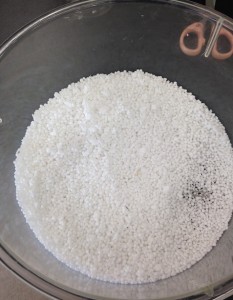
We’ll place these beads into a plastic cup with a hole in the bottom and fix it to the top of the Van de Graaff generator. There! We’ve recreated the scene of magma accumulating at the peak of a volcano.
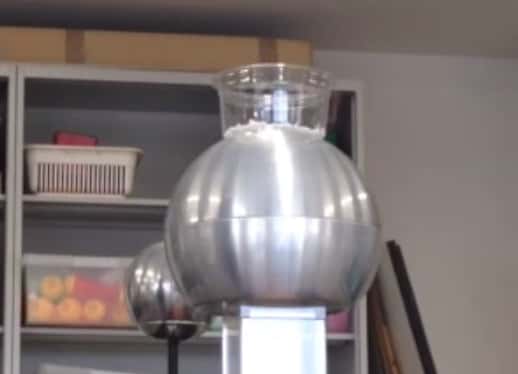
Now, it’s time to switch the Van de Graaff generator ON! As the motor hums quietly, an invisible energy begins to build in the “crater”… You’ll have to watch the video to see the explosive conclusion!
When you flip the switch…
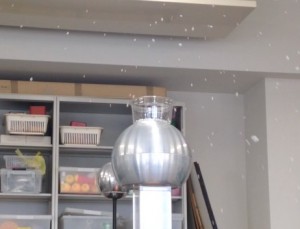
KABOOM! A massive eruption!

The styrofoam beads fly vigorously into the air, as if they’re alive!
Why Does It Erupt? The “Crowded Train” of Negative Charges
The key to this mysterious phenomenon lies in the true nature of static electricity: “electrons (-)”. A Van de Graaff generator is a machine that gathers a huge amount of negative charge (electrons) onto its metal sphere. When we place the styrofoam on it, that negative charge quickly transfers over.
So, what happens next? Every single styrofoam bead becomes coated in the same negative charge. There’s a fundamental rule in electricity: “like charges repel each other.” The styrofoam beads, now overcrowded with negative charges, are all pushing each other away, screaming, “Get away from me!” When that repulsive force hits its peak, they all launch into the air at once. This is the secret behind our “static eruption.” The way they spread out in a radial pattern is a stunning visualization of the electric field lines created by the repelling charges!
Attraction and Repulsion?! The Fickle Nature of Electricity
So, what happens if you hold some styrofoam beads in your hand and bring them close to the operating Van de Graaff generator? This time, they get pulled in, as if by a magnet!
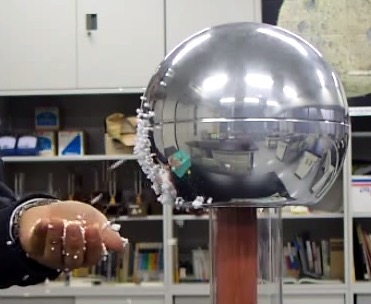
It’s strange, isn’t it? First they repel, and now they attract. But if you watch closely, you’ll see some beads that stick to the sphere suddenly get launched away again. What on earth is going on? This is caused by a phenomenon called “electrostatic induction.”
- The massive negative charge (-) on the Van de Graaff generator repels the negative charges (-) inside the approaching styrofoam, pushing them to the far side.
- As a result, the side of the styrofoam closer to the generator becomes temporarily positive (+).
- Electricity has another rule: “opposite charges attract.” The negative (-) generator and the positive (+) side of the styrofoam pull towards each other, causing them to stick together.
- However, the moment they touch, a flood of negative charges (-) flows from the generator into the styrofoam, making it negative overall.
- Now that they are “like charges” again, they repel, and the styrofoam bead is launched away.
Attraction, then repulsion. It’s like watching the fickle, push-and-pull nature of electricity in action. The fascination never ends!
The Van de Graaff Generator: A Treasure Chest of Science!
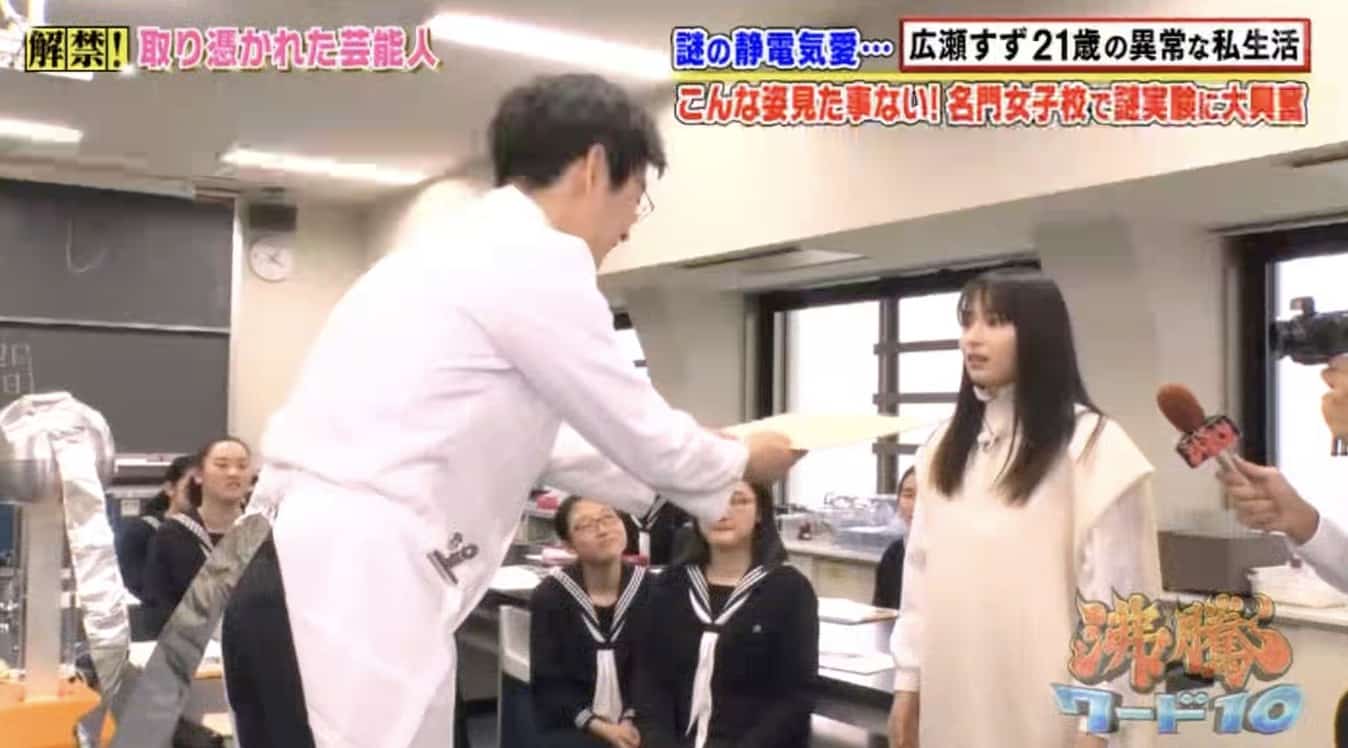
There are many other fun experiments you can do with a Van de Graaff generator. Some of these experiments were even featured on a TV show with famous celebrities like Suzu Hirose and Ryohei Suzuki. Click here for more details.
※ Please note: Experiments using a Van de Graaff generator should always be conducted under the supervision of a professional. Please be careful. For inquiries regarding science workshops, TV show consultations, or other appearances, please contact us here.
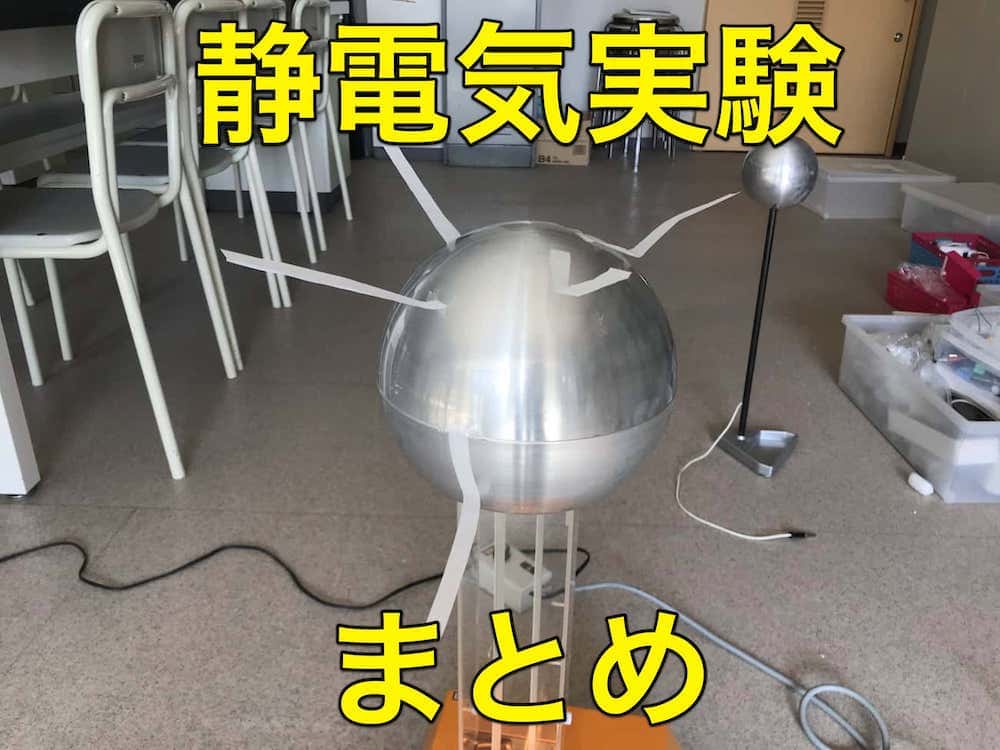
【Special Feature】You Won’t Be Able to Stop! Static Electricity Experiments
About Inquiries and Requests
Bringing the wonder and fun of science closer to you! I’ve compiled fun science experiments you can do at home, along with tips and tricks. Feel free to browse around!
- The content of the “Science Neta-cho” is now a book. Click here for details.
- For more about the operator, Ken Kuwako, click here.
- For various requests (writing, lectures, science workshops, TV supervision/appearances, etc.), please contact us here.
・Updates are posted on X (formerly Twitter)!
 We post experiment videos on our Science Neta Channel!
9月のイチオシ実験!
お弁当箱をプラバンがわりにしてキーホルダーを作ろう!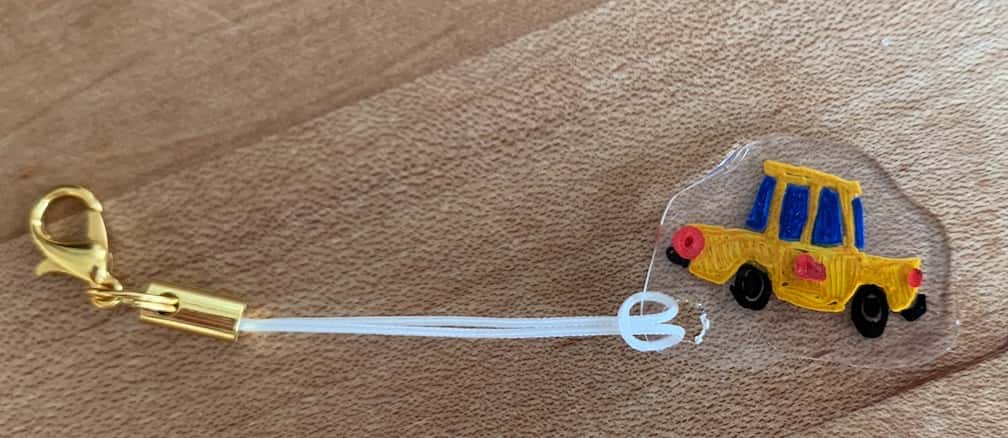
テレビ番組監修・イベント等のお知らせ
- 8月27日(木)科学監修番組放送予定
- 9月20日(日)ダビンチマスターズ出演予定
- 10月10日(土)11:15~12:00 千葉市科学フェスタ2026「桑子先生の回転科学ショー」にてサイエンスショーを行います。
- 12月26日(土) ナリカサイエンスアカデミー(教員向け実験講習会)開催
書籍のお知らせ
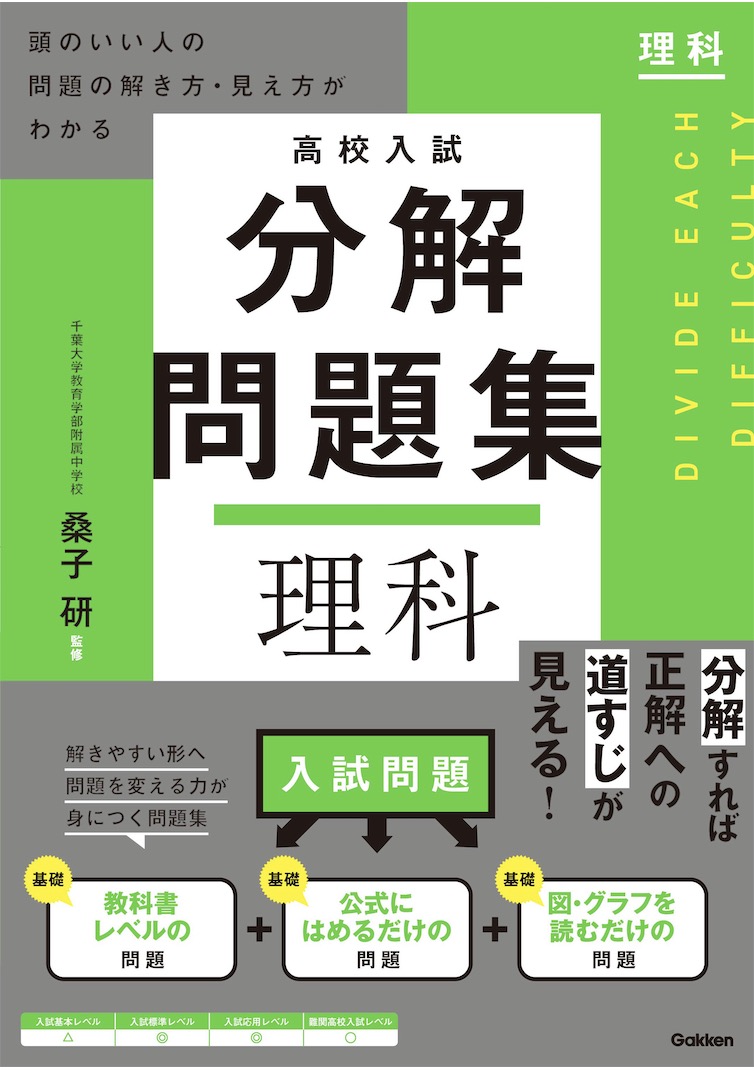
- 『高校入試 分解問題集 理科』(学研)…難しい問題も小さな問題に分解することで、問題を解くことができます。そんな分解の技術が身につくように深く関わりを持って作りました。
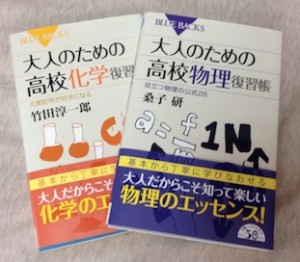
 『大人のための高校物理復習帳』(講談社)…一般向けに日常の物理について公式を元に紐解きました。特設サイトでは実験を多数紹介しています。※増刷がかかり6刷となりました(2026/02/01)
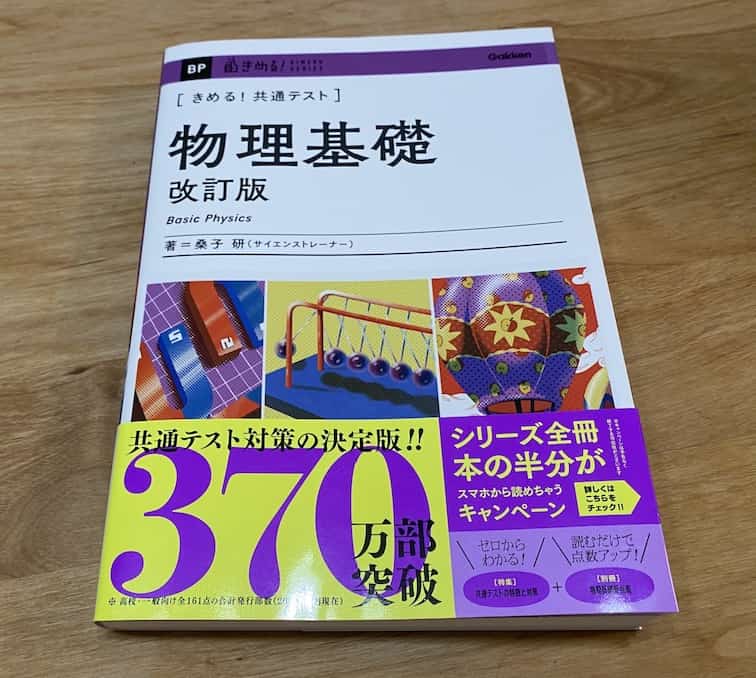
- 『きめる!共通テスト 物理基礎 改訂版』(学研)… 高校物理の参考書です。イラストを多くしてイメージが持てるように描きました。授業についていけない、物理が苦手、そんな生徒におすすめです。特設サイトはこちら。
各種SNS(更新情報をお届け!)
【日本語】X(Twitter)/instagram/Facebook 【英語】BlueSky/Threads
Explore
- 楽しい実験…お子さんと一緒に夢中になれるイチオシの科学実験を多数紹介しています。また、高校物理の理解を深めるための動画教材も用意しました。
- 理科の教材… 理科教師をバックアップ!授業の質を高め、準備を効率化するための選りすぐりの教材を紹介しています。
- Youtube…科学実験等の動画を配信しています。
- 科学ラジオ …科学トピックをほぼ毎日配信中!AI技術を駆使して作成した「耳で楽しむ科学」をお届けします。
- 講演 …全国各地で実験講習会・サイエンスショー等を行っています。
- About …「科学のネタ帳」のコンセプトや、運営者である桑子研のプロフィール・想いをまとめています。
- お問い合わせ …実験教室のご依頼、執筆・講演の相談、科学監修等はこちらのフォームからお寄せください。