Not Petals After All! The Secrets of Japan’s Ayame and Kakitsubata Irises
Hi, I’m Ken Kuwako, your Science Trainer. Every day is an experiment.
“This flower has six petals, right? Well, it turns out they’re not all petals.”
Irises were blooming in my parents’ garden, so I stopped to take a good look. Standing in front of those vivid blue-purple blooms, I found myself wondering, “Which part of this flower is which?” And so I decided to find out.
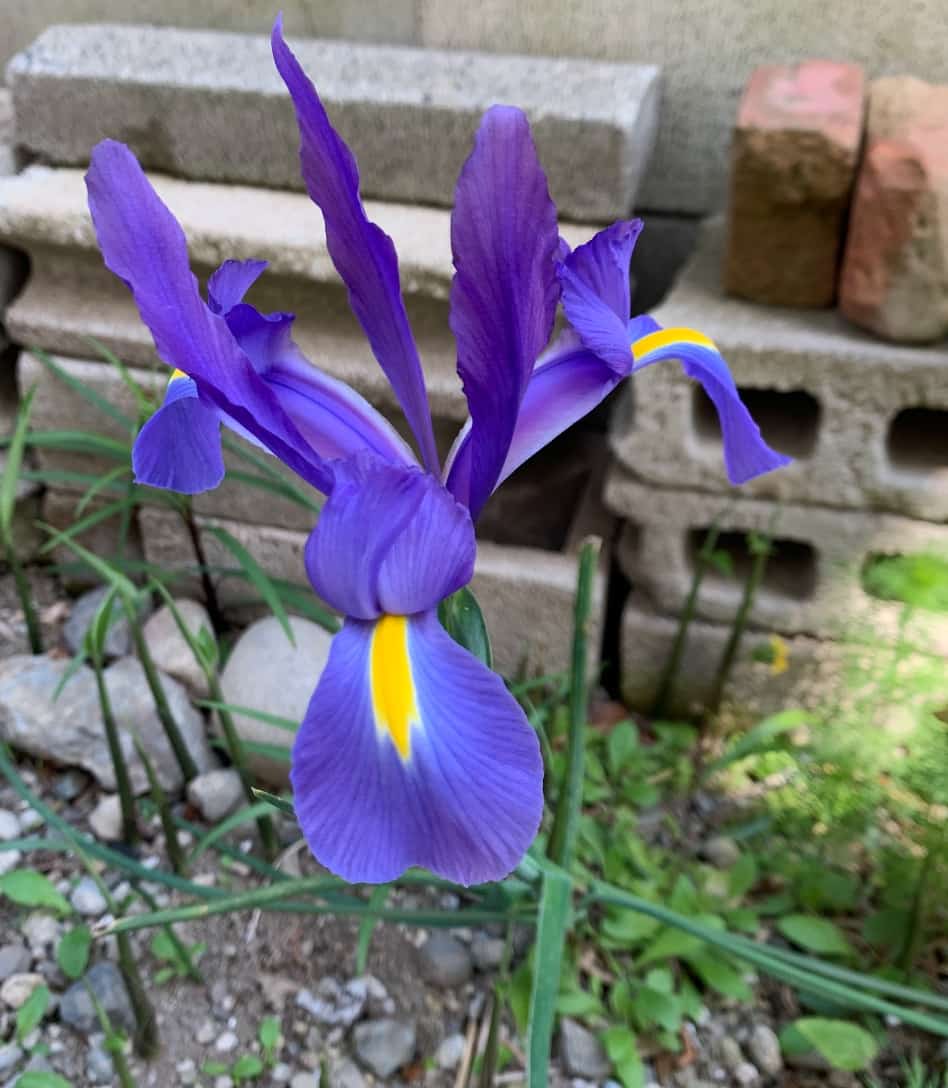
Is that park flower an ayame or a kakitsubata?
This one was blooming in a park. It might be an ayame.
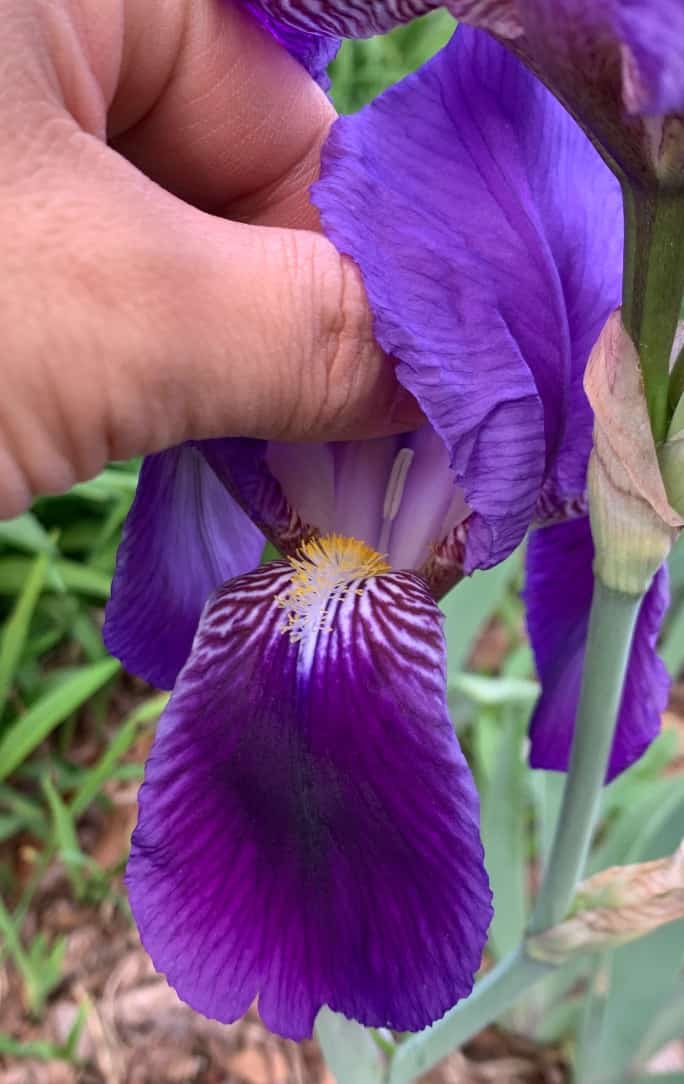
Ayame, kakitsubata, and hanashobu are all members of the iris family, and they look remarkably alike. They’ve been famously hard to tell apart for centuries, so much so that Japan has a proverb for it: “Izure ayame ka kakitsubata,” meaning “Which is the iris, which is the other iris?” It’s used when two things are so wonderful that you can’t decide between them.
Want to tell them apart? Look at the base of the large drooping parts at the bottom of the flower (the ones that look like outer petals).
・Ayame has a yellow patch with a purple, net-like pattern.
・Kakitsubata has a single whitish (or yellowish) stripe.
・Hanashobu has a yellow stripe.
Where the flower is growing is a good clue, too. Ayame prefer dry grassland, while kakitsubata like waterside spots and wetlands. So why not check the photos and see which one the park flower really is? It’s a fun little detective game.
Let’s check the science handbook…
I looked up ayame in a Rika Binran (science handbook), and it says that in ayame, it’s hard to tell the petals and sepals apart. So what I took for all petals wasn’t quite right after all!
In a typical flower, the sepals sit on the outside and the petals on the inside, and the two look and work quite differently. But in the iris family, sepals and petals are both brightly colored and grow large. The three outer ones hang down, while the three inner ones stand up thin and upright. Look closely, and even though there are six in total, their shapes and sizes are quite different.
Digging a little deeper, I spotted the stamens, and what an interesting design they have! In irises, the tip of the pistil splits into three and spreads out into petal-like shapes. The stamens are tucked away underneath those spread-out parts. And there’s thought to be a very good reason for that.
Picture a bee arriving in search of nectar. It lands on one of the big drooping parts, then wriggles inside, and the pollen from the stamen lands right on its back. When the bee crawls into the next flower, that pollen rubs off onto the pistil. In other words, those big, showy parts work as a “landing pad” and a “runway” that guide the bee straight to the pollen. The shape of a flower is packed with clever tricks for teaming up with insects.
References
・How to tell ayame, kakitsubata, and hanashobu apart, and where they grow (Rika Binran)
Contact and Requests
Making the wonders and fun of science feel closer to home! I put together easy-to-follow science experiments you can do at home, along with tips to make them work. Try searching around the site!
・The contents of Kagaku no Netacho (Science Idea Notebook) are now a book! Details here
・Learn more about Ken Kuwako, the author, here
・For requests of all kinds (writing, lectures, experiment workshops, TV supervision and appearances, etc.), click here
・Get article updates on X!
 Kagaku no Neta Channel (the Science Ideas Channel) has experiment videos!
10月のイチオシ実験!
テレビ番組監修・イベント等のお知らせ
- 10月27日(火) テレビ監修番組放送予定
- 11月27日(金) テレビ監修番組放送予定
- 12月26日(土) ナリカサイエンスアカデミー(教員向け実験講習会)開催
書籍のお知らせ
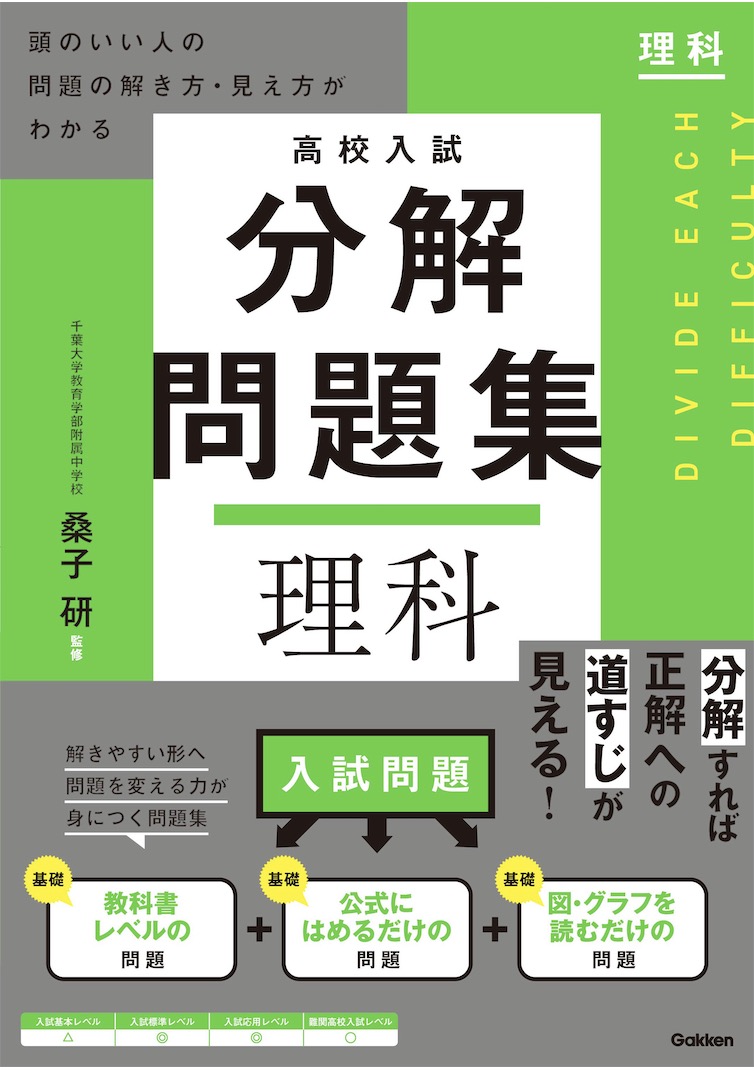
- 『高校入試 分解問題集 理科』(学研)…難しい問題も小さな問題に分解することで、問題を解くことができます。そんな分解の技術が身につくように深く関わりを持って作りました。
 『大人のための高校物理復習帳』(講談社)…一般向けに日常の物理について公式を元に紐解きました。特設サイトでは実験を多数紹介しています。※増刷がかかり6刷となりました(2026/02/01)
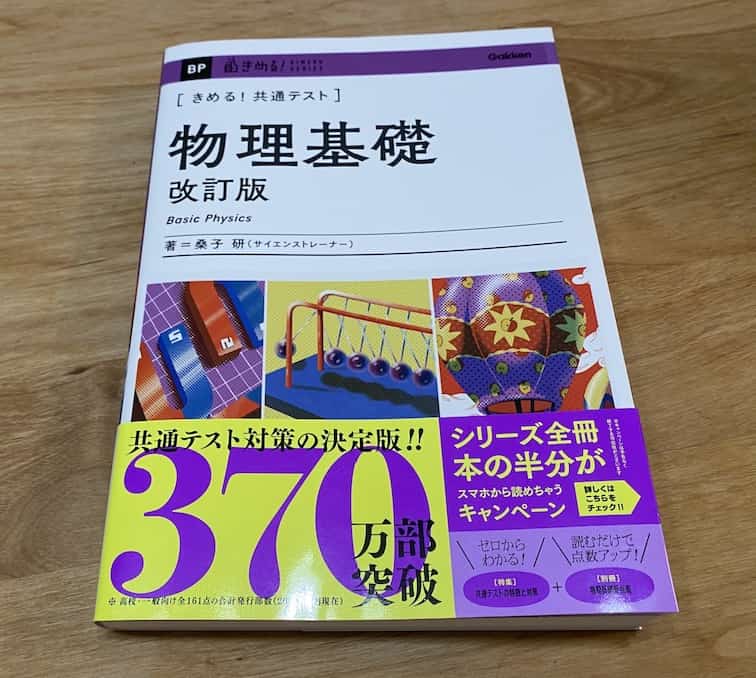
- 『きめる!共通テスト 物理基礎 改訂版』(学研)… 高校物理の参考書です。イラストを多くしてイメージが持てるように描きました。授業についていけない、物理が苦手、そんな生徒におすすめです。特設サイトはこちら。
各種SNS(更新情報をお届け!)
【日本語】X(Twitter)/instagram/Facebook 【英語】BlueSky/Threads
Explore
- 楽しい実験…お子さんと一緒に夢中になれるイチオシの科学実験を多数紹介しています。また、高校物理の理解を深めるための動画教材も用意しました。
- 理科の教材… 理科教師をバックアップ!授業の質を高め、準備を効率化するための選りすぐりの教材を紹介しています。
- Youtube…科学実験等の動画を配信しています。
- 科学ラジオ …科学トピックをほぼ毎日配信中!AI技術を駆使して作成した「耳で楽しむ科学」をお届けします。
- 講演 …全国各地で実験講習会・サイエンスショー等を行っています。
- About …「科学のネタ帳」のコンセプトや、運営者である桑子研のプロフィール・想いをまとめています。
- お問い合わせ …実験教室のご依頼、執筆・講演の相談、科学監修等はこちらのフォームからお寄せください。