Recreating an Earthquake in a Cup! Why Grain Size Decides Soil Liquefaction
I’m Ken Kuwako, your Science Trainer. Every day is an experiment.
Have you ever seen news footage of a supposedly sturdy building tilting after an earthquake, or manholes suddenly popping up out of the ground? The culprit may be a phenomenon called “soil liquefaction,” in which the ground behaves almost like a liquid. This time, I recreated this fascinating phenomenon as a simple classroom experiment using an everyday item: plastic cups.
For this liquefaction experiment, I prepared three types of material: sand, soil with smaller particles than sand, and gravel with larger particles than sand. I filled a 100 mL beaker with each material and transferred it into plastic cups, preparing a total of 20 cups.
Setting Up the Experiment and Creating an Earthquake
I gradually added water to the sand in the cups, making sure the entire sample was thoroughly wet. If water appeared on the surface, I gently wiped it away with a tissue so that the surface was left dry. Then, I created an “earthquake” by shaking the cup from side to side.
There were 10 groups, so I gave each group two cups and had them shake just one of the two.
Before shaking

After shaking

As you can see, after shaking, water rises to the surface. But here’s the important point: the height of the material remains almost exactly the same before and after shaking.
“The Height Looks the Same, So Why Does Water Come Out?”
In fact, this very fact—that the overall height doesn’t change—is key to understanding what liquefaction is all about.
There is naturally water in the tiny spaces between sand particles. When the ground is undisturbed, the sand grains fit together and support one another, with water trapped in those spaces.
But when the ground is shaken from side to side, this arrangement of sand grains can momentarily collapse, allowing the particles to move around more freely. As a result, the water trapped between the grains gets squeezed out and rises toward the surface.
So, even though the overall volume—and therefore the height—barely changes, the water that has lost its support is pushed upward. That is the basic mechanism behind soil liquefaction.
“Particle Size” Makes All the Difference
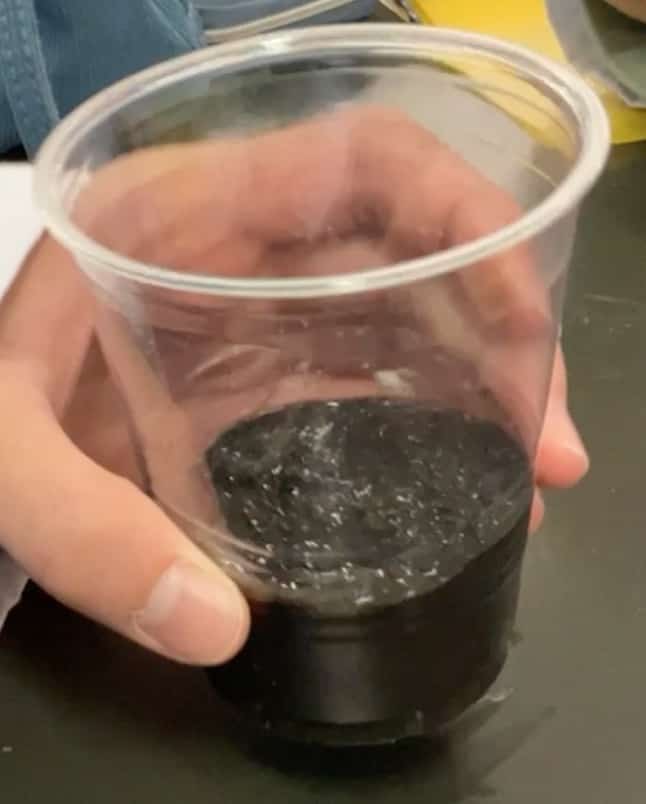
When I tried the same experiment with soil, there was very little liquefaction…
And when I tried it with gravel, almost no liquefaction occurred.
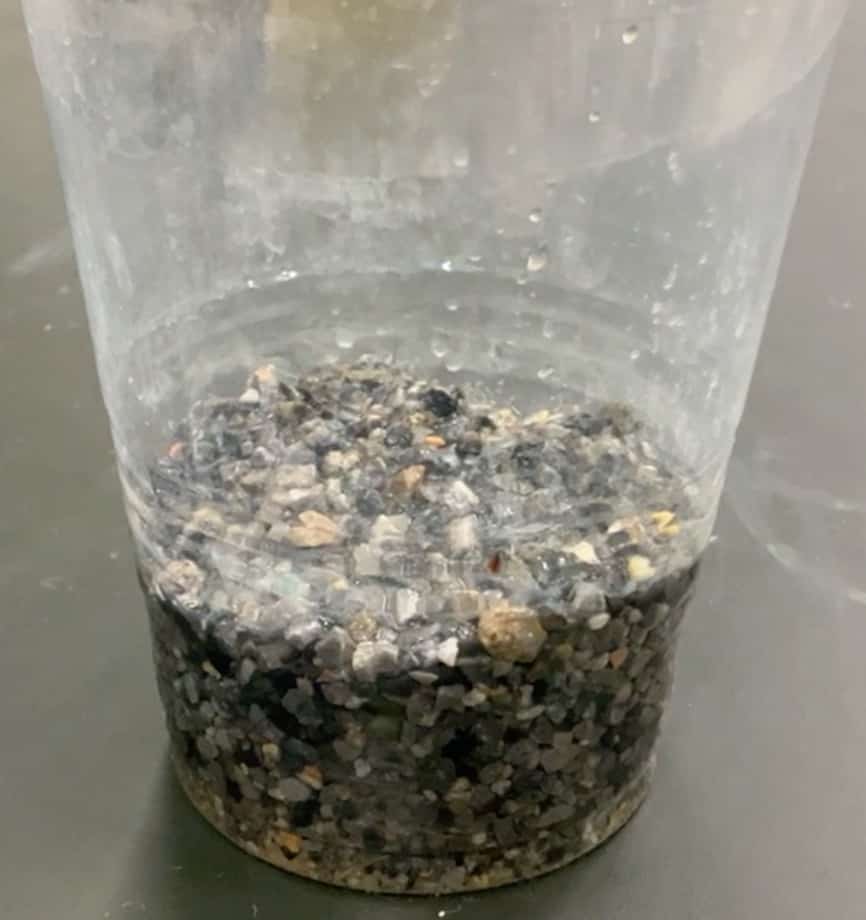
What’s interesting is that liquefaction doesn’t occur very easily when the particles are much smaller than sand—or when they are much larger. There’s more to this phenomenon than meets the eye!
These results demonstrate an important geological characteristic of liquefaction: it tends to occur most readily when the particles are just the right size.
Fine-grained soil, such as clay-rich material, tends to have particles that stick together through electrical forces and other interactions. The spaces between the particles are also extremely small, making it difficult for water to move through them. As a result, even when the ground shakes, water is less likely to be forced out.
Coarse gravel, on the other hand, has relatively large spaces between its particles. However, the rough, chunky particles interlock with one another, forming a fairly stable structure that is difficult to collapse with ordinary shaking.
Sand falls right in the middle. Its particles are loose enough to rearrange during shaking, while the spaces between them allow water to move relatively easily. That combination makes sand particularly susceptible to liquefaction.
This is closely related to what happens during actual earthquakes. Liquefaction damage is frequently reported in sandy ground, especially in reclaimed land and areas along rivers, where the ground conditions provide just the right combination of particle size and water content.
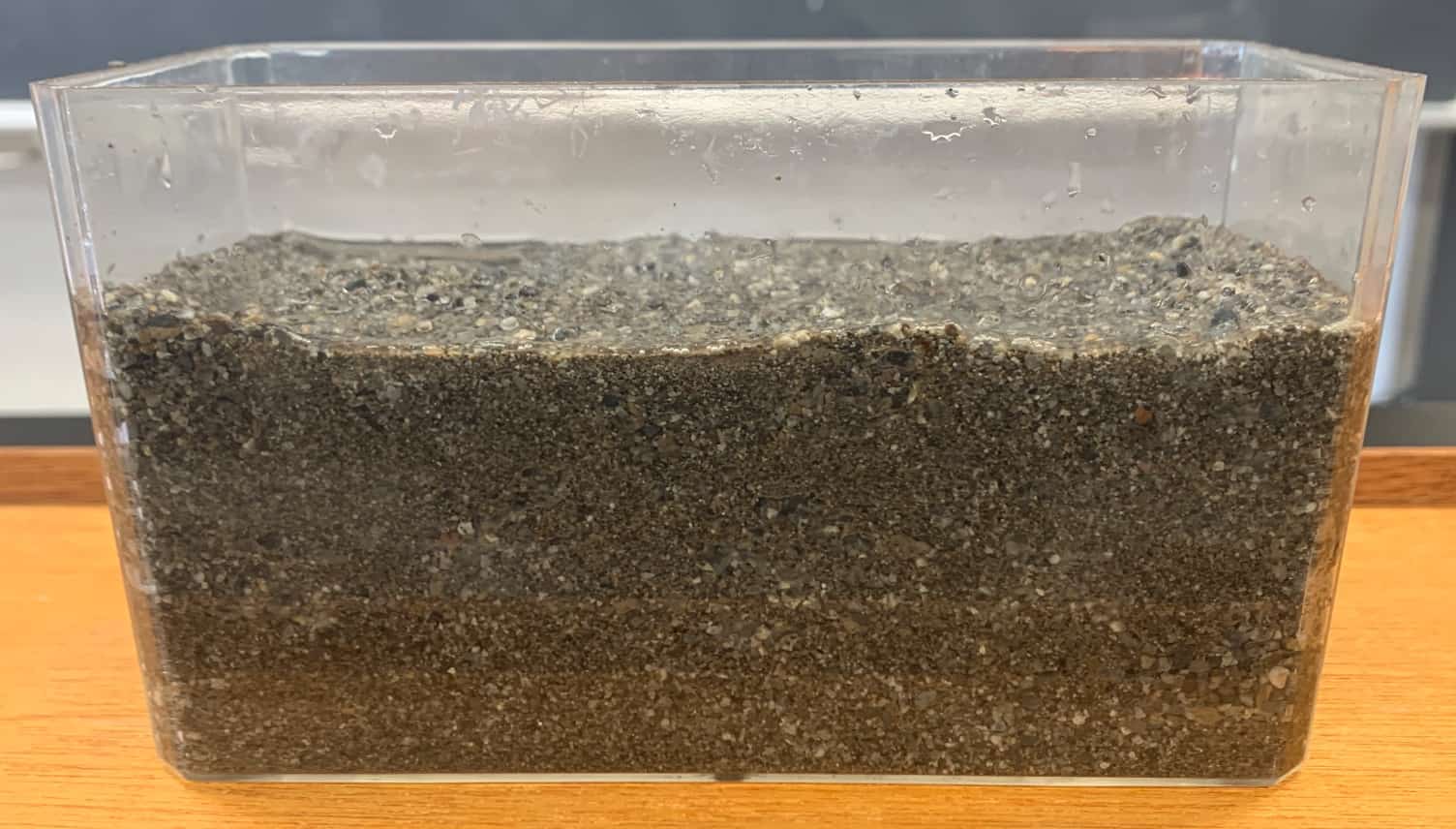
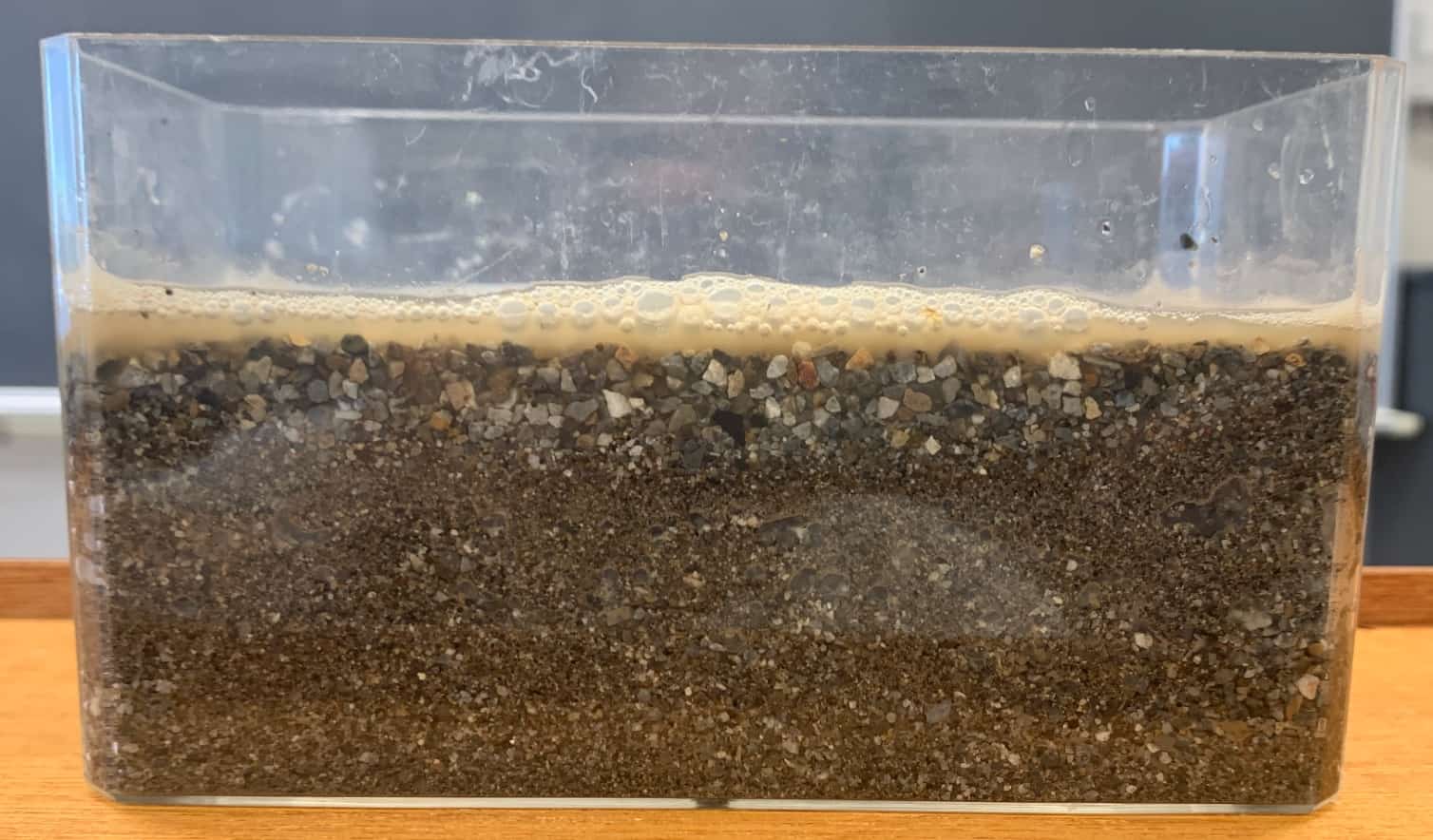
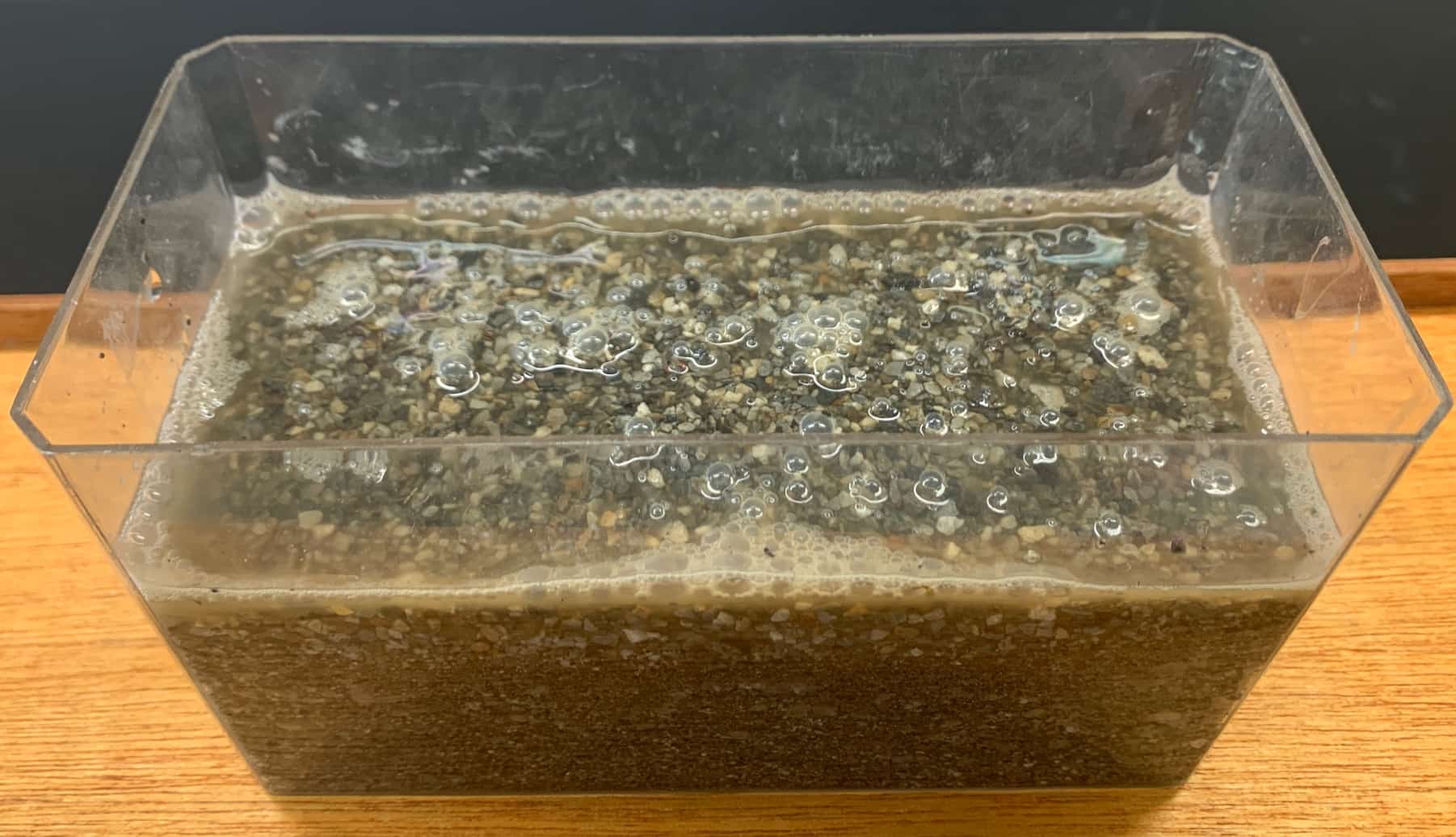
I also tried the experiment using a fish tank. It’s much more dramatic than the plastic-cup version, although preparing one for every group takes a little more work.
Before shaking.
After shaking.
Sand and Mud: Both Look Like “Ground,” but They Behave Very Differently
I also replaced the sand with mud and repeated the same experiment. The result was clear: compared with sand, the mud showed much less liquefaction.
Here is the mud before shaking.

After shaking.
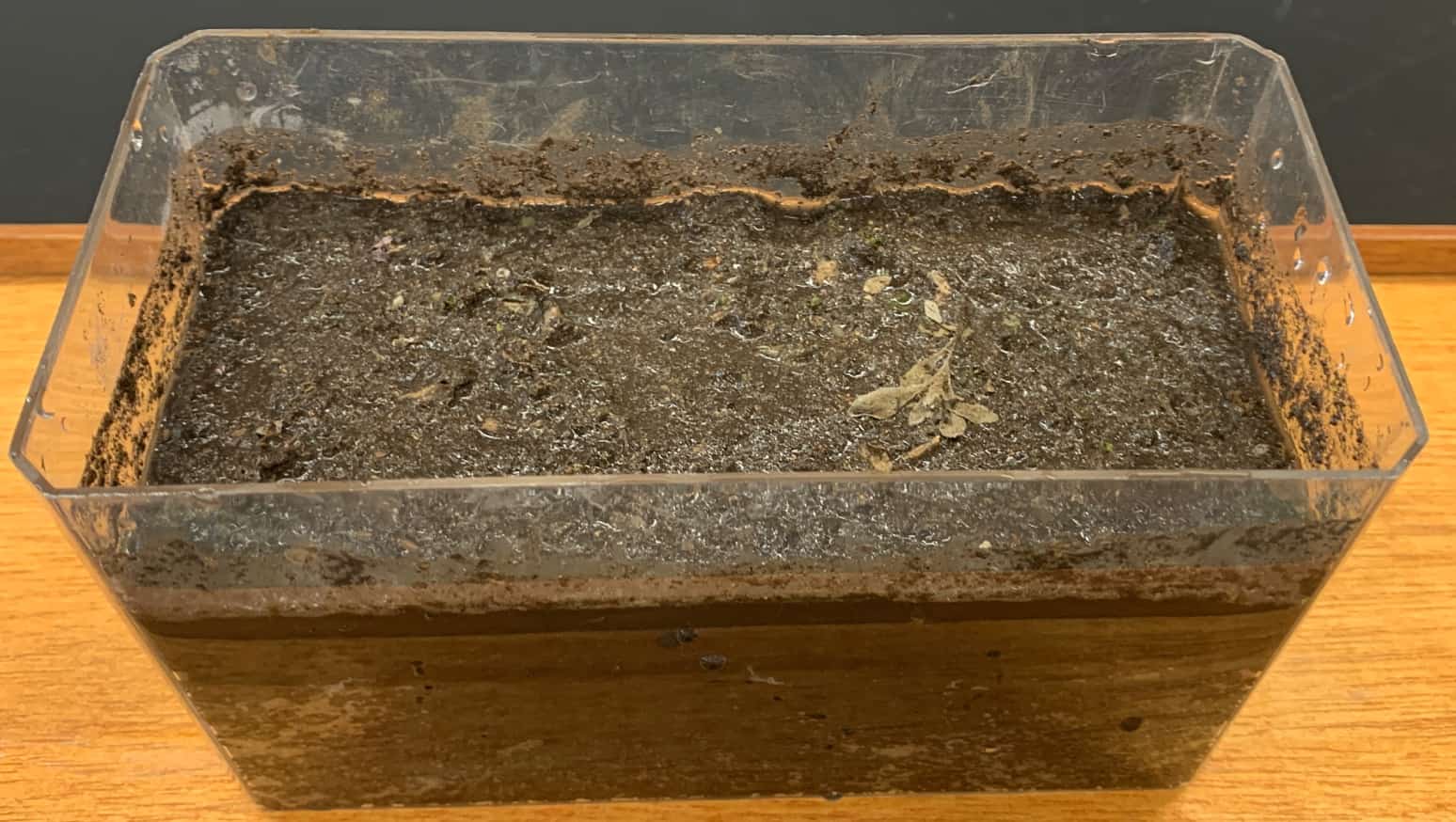
Sand and mud may look quite similar when we simply think of them as “ground,” but their particle sizes and composition are very different. As a result, they can behave very differently when subjected to an earthquake.
It’s fascinating how simply changing one plastic cup or switching the type of particles can completely change the outcome. This simple experiment reminds us that the “ground” we casually walk on every day is actually supported by a surprisingly delicate balance.
Contact & Inquiries
Want to bring the wonder and excitement of science a little closer to home? I share fun science experiments you can try yourself, along with useful tips and tricks, all explained in an easy-to-understand way. Have a look around and see what you can discover!
・The Science Notebook has now been published as a book. For more information, click here.
・For more information about Ken Kuwako, the creator of this site, click here.
・For inquiries and requests, including writing, lectures, science workshops, TV science supervision, and appearances, click here.
・Get updates whenever new articles are published on X!
 Science Tricks Channel features videos of science experiments!
9月のイチオシ実験!
お弁当箱をプラバンがわりにしてキーホルダーを作ろう!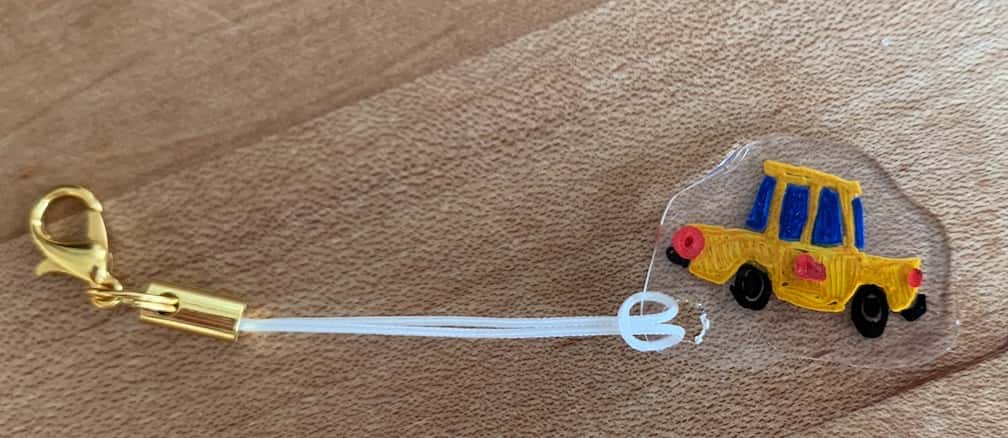
テレビ番組監修・イベント等のお知らせ
- 8月27日(木)科学監修番組放送予定
- 9月20日(日)ダビンチマスターズ出演予定
- 10月10日(土)11:15~12:00 千葉市科学フェスタ2026「桑子先生の回転科学ショー」にてサイエンスショーを行います。
- 12月26日(土) ナリカサイエンスアカデミー(教員向け実験講習会)開催
書籍のお知らせ
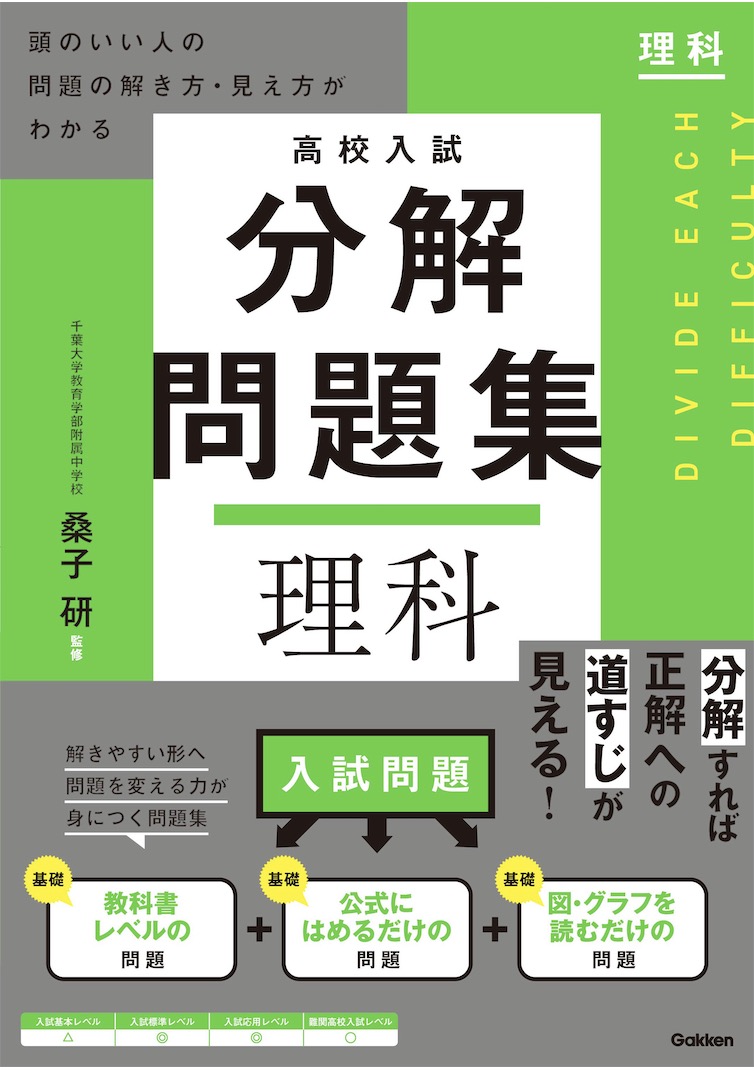
- 『高校入試 分解問題集 理科』(学研)…難しい問題も小さな問題に分解することで、問題を解くことができます。そんな分解の技術が身につくように深く関わりを持って作りました。
 『大人のための高校物理復習帳』(講談社)…一般向けに日常の物理について公式を元に紐解きました。特設サイトでは実験を多数紹介しています。※増刷がかかり6刷となりました(2026/02/01)
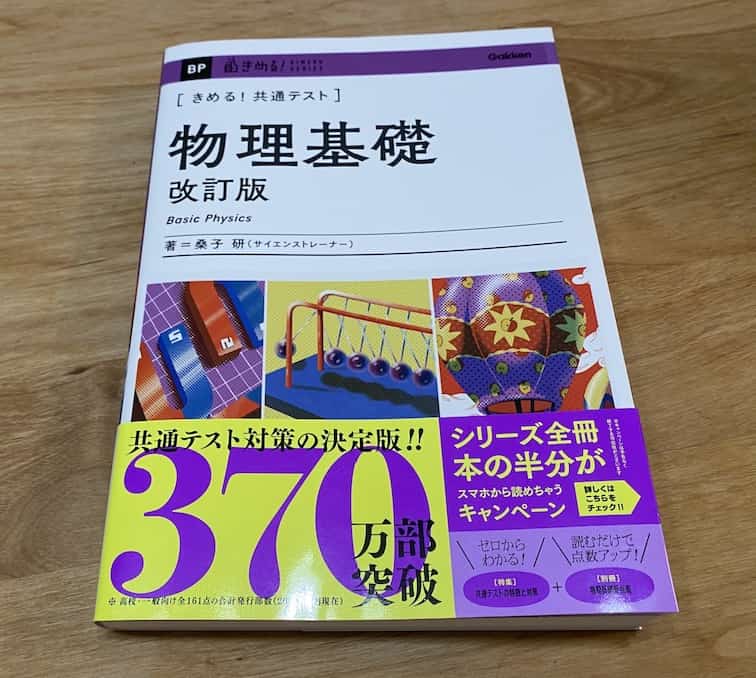
- 『きめる!共通テスト 物理基礎 改訂版』(学研)… 高校物理の参考書です。イラストを多くしてイメージが持てるように描きました。授業についていけない、物理が苦手、そんな生徒におすすめです。特設サイトはこちら。
各種SNS(更新情報をお届け!)
【日本語】X(Twitter)/instagram/Facebook 【英語】BlueSky/Threads
Explore
- 楽しい実験…お子さんと一緒に夢中になれるイチオシの科学実験を多数紹介しています。また、高校物理の理解を深めるための動画教材も用意しました。
- 理科の教材… 理科教師をバックアップ!授業の質を高め、準備を効率化するための選りすぐりの教材を紹介しています。
- Youtube…科学実験等の動画を配信しています。
- 科学ラジオ …科学トピックをほぼ毎日配信中!AI技術を駆使して作成した「耳で楽しむ科学」をお届けします。
- 講演 …全国各地で実験講習会・サイエンスショー等を行っています。
- About …「科学のネタ帳」のコンセプトや、運営者である桑子研のプロフィール・想いをまとめています。
- お問い合わせ …実験教室のご依頼、執筆・講演の相談、科学監修等はこちらのフォームからお寄せください。