Red Dragonflies Are Back From Their Mountain Getaway! The Hidden Travel Secret of the Akiakane
I’m Science Trainer Ken Kuwako. Every day is an experiment.
The Amazing Journey Hidden Behind the Bright Red Dragonfly
On crisp autumn days, you’ve probably spotted a brilliant red dragonfly gliding over rice fields or parks. The sight often brings back warm childhood memories. But did you know that during the hottest months of summer, these tiny insects are nowhere to be found because they’re living high up in the mountains? Today, let’s take a closer look at one of Japan’s most familiar autumn insects, the Akiakane dragonfly, through a series of photos and some fascinating science.
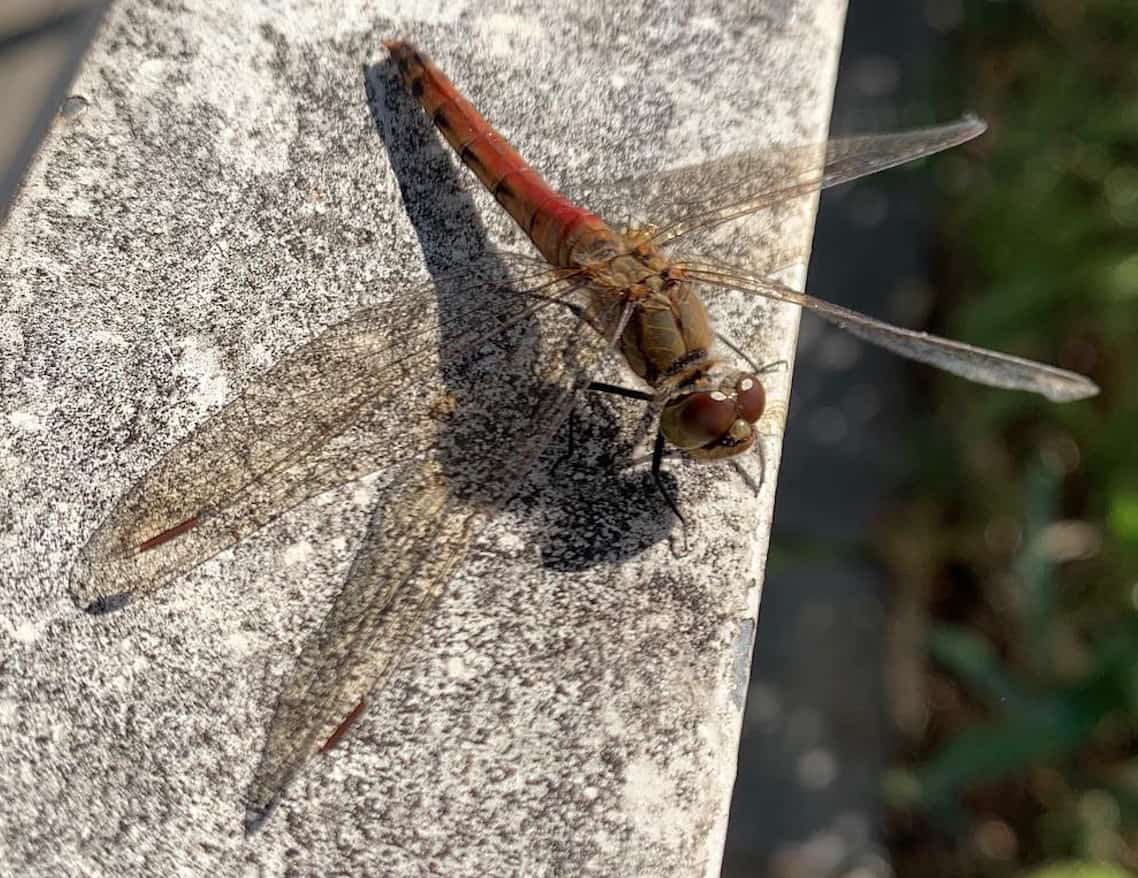
I recently came across an Akiakane and couldn’t resist taking a few photos. In Japan, people often call it an “aka-tonbo” (red dragonfly), but that isn’t actually the name of a single species. Instead, it’s a general term used for several dragonflies that turn red. The ones we most commonly see are usually the Akiakane or its close relative, the Natsuakane.
They Actually Spend Their Summers at a Mountain Resort!
Although the Akiakane is famous as a symbol of autumn, its yearly life cycle involves an incredible migration. Around June, after emerging from rice paddies, these dragonflies leave the lowlands before the summer heat arrives and head for cooler mountain regions. They spend the hottest months on high plateaus, often more than 1,000 meters (3,300 feet) above sea level, where temperatures are much more comfortable.
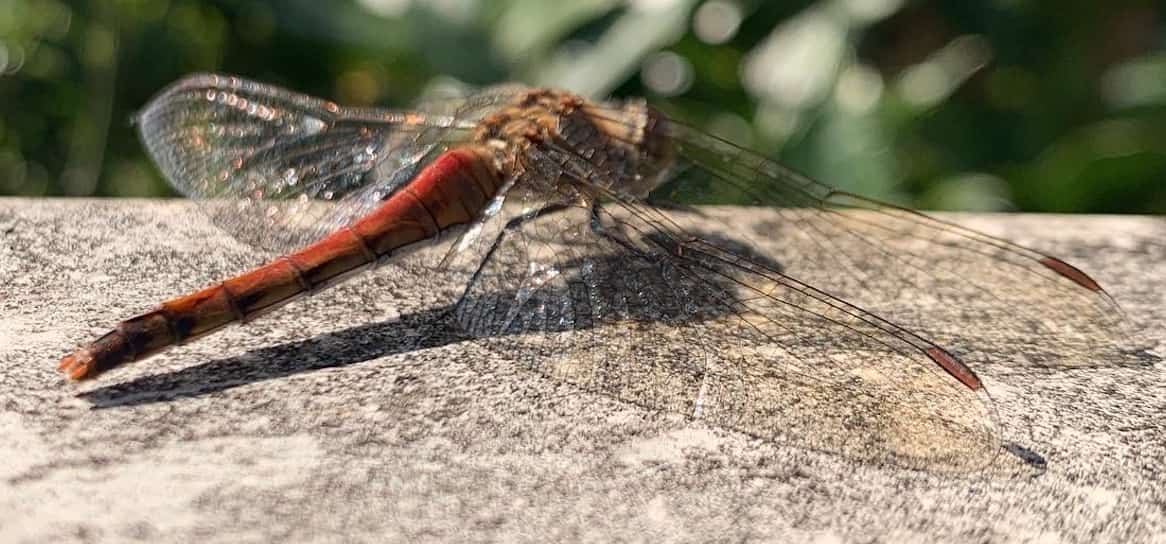
As autumn arrives and temperatures begin to fall, they make the journey back down to the plains. That’s exactly when we start noticing red dragonflies flying around our neighborhoods. In a way, they’re like tiny migratory birds, making remarkable seasonal journeys every year.
Even their bright red color has a story to tell. When they first emerge as adults, their bodies are actually yellowish. During their stay in the cool mountains, the dropping temperatures gradually trigger the vivid red coloration we associate with autumn. Just like leaves changing color, these dragonflies transform with the seasons—a wonderfully poetic part of nature.
What Does the World Look Like Through 50,000 Eyes?
A dragonfly’s eyes are known as compound eyes. Each compound eye is made up of thousands of tiny individual units called ommatidia. Altogether, a dragonfly has around 50,000 of these miniature eyes.
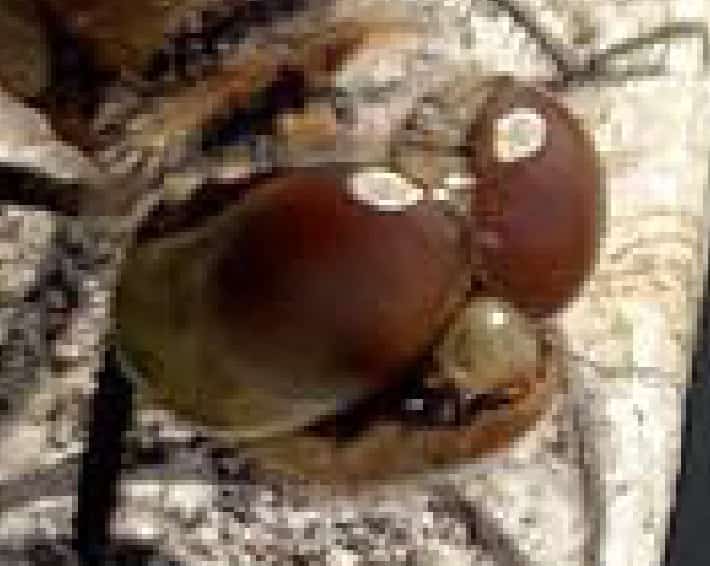
Each ommatidium mainly detects light and darkness rather than producing a detailed image. If we compare this to a digital camera, a dragonfly’s vision is roughly equivalent to a camera with about 50,000 pixels. Modern smartphones easily exceed 10 million pixels, so the dragonfly’s view of the world is probably much less detailed—more like a coarse mosaic than the crisp images we see.
But what dragonflies lose in image quality, they more than make up for in performance. Their compound eyes provide an incredibly wide field of view and are exceptionally good at detecting movement. Instead of focusing on sharp detail, their vision is optimized to catch even the slightest motion. That’s why dragonflies can snatch tiny flying insects out of the air with astonishing precision. It’s a wonderful example of how evolution shapes living things for exactly the jobs they need to do.
Once you know these stories, a simple red dragonfly drifting through the autumn sky becomes much more than a familiar insect. It carries memories of cool mountain summers, dramatic seasonal color changes, and a remarkable set of 50,000 tiny eyes. Nature is full of hidden wonders, even in the creatures we pass by every day. The next time you see a red dragonfly, take a moment to imagine the incredible journey it has already made.

Contact & Collaboration
Discover the fun and wonder of science in everyday life! Here you’ll find easy-to-follow science experiments you can try at home, along with practical tips to help them succeed. Feel free to explore the site!
• Learn more about Ken Kuwako here.
• For writing, lectures, science workshops, TV consulting, media appearances, and other collaborations, click here.
• Follow the latest article updates on X!
 Science Ideas Channel features fun science experiment videos!
9月のイチオシ実験!
お弁当箱をプラバンがわりにしてキーホルダーを作ろう!
テレビ番組監修・イベント等のお知らせ
- 8月27日(木)科学監修番組放送予定
- 9月20日(日)ダビンチマスターズ出演予定
- 10月10日(土)11:15~12:00 千葉市科学フェスタ2026「桑子先生の回転科学ショー」にてサイエンスショーを行います。
- 12月26日(土) ナリカサイエンスアカデミー(教員向け実験講習会)開催
書籍のお知らせ
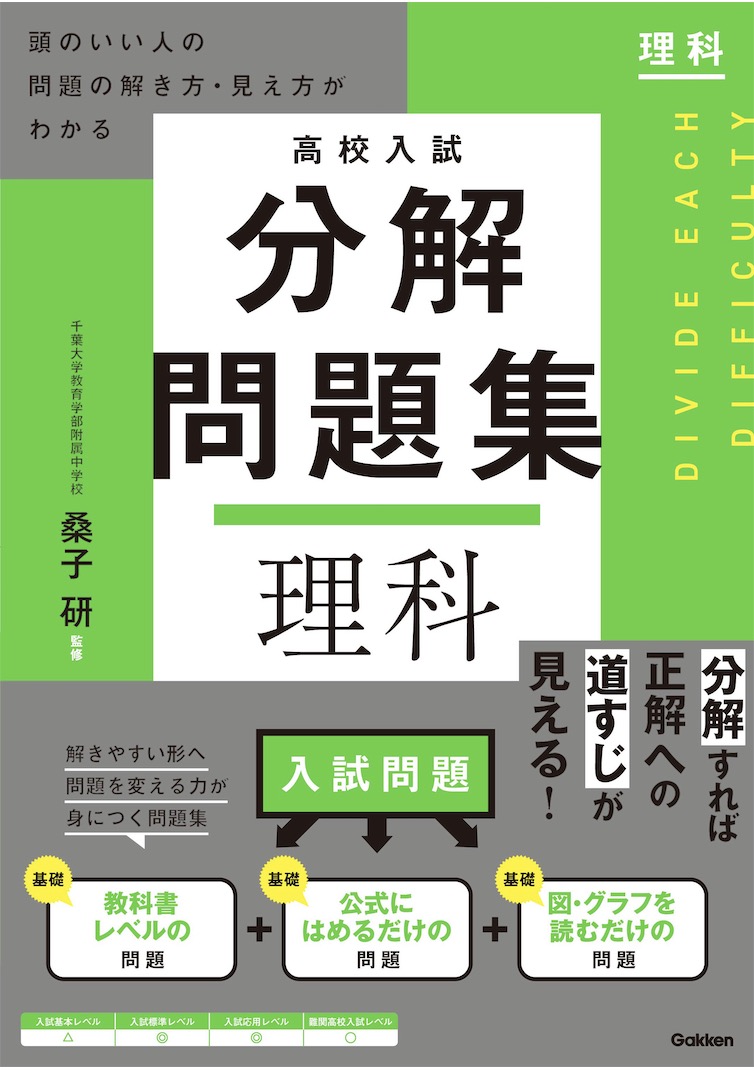
- 『高校入試 分解問題集 理科』(学研)…難しい問題も小さな問題に分解することで、問題を解くことができます。そんな分解の技術が身につくように深く関わりを持って作りました。
 『大人のための高校物理復習帳』(講談社)…一般向けに日常の物理について公式を元に紐解きました。特設サイトでは実験を多数紹介しています。※増刷がかかり6刷となりました(2026/02/01)

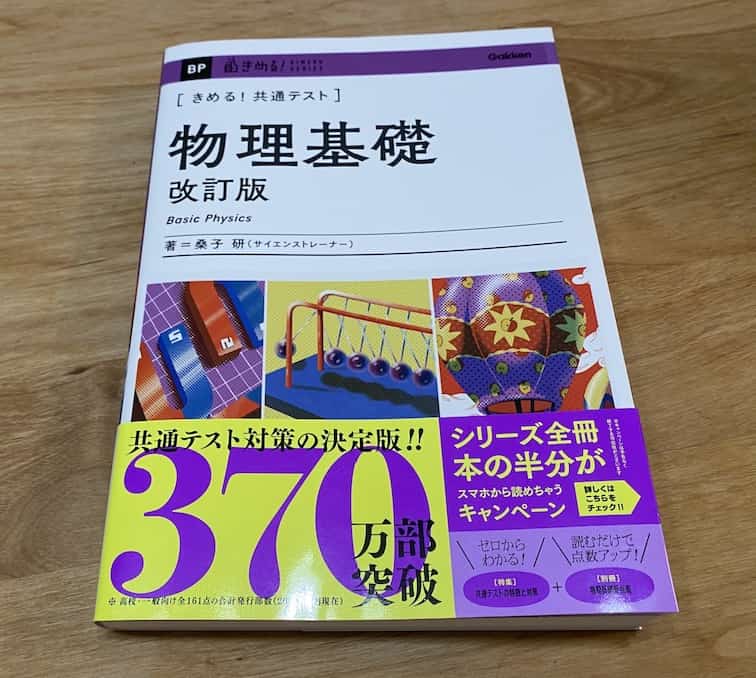
- 『きめる!共通テスト 物理基礎 改訂版』(学研)… 高校物理の参考書です。イラストを多くしてイメージが持てるように描きました。授業についていけない、物理が苦手、そんな生徒におすすめです。特設サイトはこちら。
各種SNS(更新情報をお届け!)
【日本語】X(Twitter)/instagram/Facebook 【英語】BlueSky/Threads
Explore
- 楽しい実験…お子さんと一緒に夢中になれるイチオシの科学実験を多数紹介しています。また、高校物理の理解を深めるための動画教材も用意しました。
- 理科の教材… 理科教師をバックアップ!授業の質を高め、準備を効率化するための選りすぐりの教材を紹介しています。
- Youtube…科学実験等の動画を配信しています。
- 科学ラジオ …科学トピックをほぼ毎日配信中!AI技術を駆使して作成した「耳で楽しむ科学」をお届けします。
- 講演 …全国各地で実験講習会・サイエンスショー等を行っています。
- About …「科学のネタ帳」のコンセプトや、運営者である桑子研のプロフィール・想いをまとめています。
- お問い合わせ …実験教室のご依頼、執筆・講演の相談、科学監修等はこちらのフォームからお寄せください。