Oxygen Isn’t the Source of Acid! Lavoisier’s 300-Year-Old Naming Mistake
I’m Ken Kuwako, the Science Trainer. Every day is an experiment.
We breathe oxygen every single day without giving it a second thought. But have you ever wondered why it’s called “oxygen”? Does it have anything to do with acids or sourness? Surprisingly, oxygen itself has nothing to do with tasting sour, yet its name is directly connected to the word “acid.” As it turns out, this name has a fascinating backstory—and it all began with an honest scientific mistake. Today, let’s explore the little misunderstanding that left a permanent mark on the language of chemistry.

The Scientist Who Believed Oxygen Was the Source of Acids
Take sulfuric acid (H2SO4), for example. As its name suggests, it’s a strongly acidic substance. But what actually gives an acid its acidic nature? This question fascinated the French chemist Antoine Lavoisier.
Lavoisier, often regarded as one of the founders of modern chemistry for explaining the process of combustion, carefully studied sulfuric acid and many other acidic substances. From his observations, he concluded that the element oxygen was responsible for making substances acidic.
Based on this idea, he coined the name “oxygen.” In fact, the English word “oxygen” comes from Greek roots meaning “acid former” or “acid producer,” reflecting Lavoisier’s original theory.
The Real Source of Acidity Turned Out to Be Hydrogen
As chemistry advanced, however, scientists discovered something unexpected. The true reason sulfuric acid is acidic isn’t the oxygen it contains—it’s the hydrogen ions released from the acid.
Modern chemistry defines an acid as a substance that can release hydrogen ions (H+). In other words, Lavoisier had identified the wrong suspect. He thought oxygen was responsible, but the real culprit was hydrogen. It’s almost like a detective story where the prime suspect turns out to be innocent, and the real offender is someone else entirely.
That doesn’t diminish Lavoisier’s achievements in the slightest. He lived in the late 18th century, long before concepts like elements and ions were fully understood. Working with limited knowledge and simple laboratory equipment, he developed logical explanations for how substances behaved. That scientific way of thinking became one of the driving forces behind modern chemistry.
A Wrong Name That Still Makes Perfect Sense
Oxygen isn’t the only scientific term whose name reflects an outdated idea. Science is full of names that survived even after our understanding changed.
A classic example is the direction of electric current. Today we know that electrons flow in the opposite direction from what we call “current.” Why? Because scientists defined the direction of current before electrons had even been discovered. By the time the mistake became clear, the convention was already deeply established.
At first glance, these mismatches between names and reality can seem like annoying facts to memorize. But once you know the history behind them, everything starts to click. Instead of feeling arbitrary, the names become memorable stories. Scientific terms aren’t just labels—they’re snapshots of how scientists of the past struggled, experimented, and gradually uncovered the truth.
If you enjoy discovering the stories behind scientific names, there are plenty more fascinating examples to explore.The Origins of Gas Names introduces the history behind the names of many gases, not just oxygen. It’s a fun way to see how scientific ideas evolved over time. Following the origins of these names is almost like taking a journey through the history of chemistry itself.
Contact & Collaboration
Science is full of wonder, and my goal is to make it accessible to everyone! Here you’ll find easy-to-follow science experiments you can try at home, along with practical tips and explanations. Feel free to explore the site!
・The content of Science Notebook has been published as a book. Learn more here.
・Learn more about Ken Kuwako here.
・For writing, lectures, science workshops, TV consulting, media appearances, and other collaborations, click here.
・Follow updates on new articles on X!
 Science Notebook Channel features science experiment videos!
9月のイチオシ実験!
お弁当箱をプラバンがわりにしてキーホルダーを作ろう!
テレビ番組監修・イベント等のお知らせ
- 8月27日(木)科学監修番組放送予定
- 9月20日(日)ダビンチマスターズ出演予定
- 10月10日(土)11:15~12:00 千葉市科学フェスタ2026「桑子先生の回転科学ショー」にてサイエンスショーを行います。
- 12月26日(土) ナリカサイエンスアカデミー(教員向け実験講習会)開催
書籍のお知らせ
- 『高校入試 分解問題集 理科』(学研)…難しい問題も小さな問題に分解することで、問題を解くことができます。そんな分解の技術が身につくように深く関わりを持って作りました。
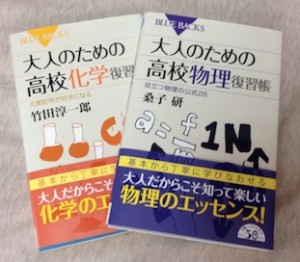
 『大人のための高校物理復習帳』(講談社)…一般向けに日常の物理について公式を元に紐解きました。特設サイトでは実験を多数紹介しています。※増刷がかかり6刷となりました(2026/02/01)
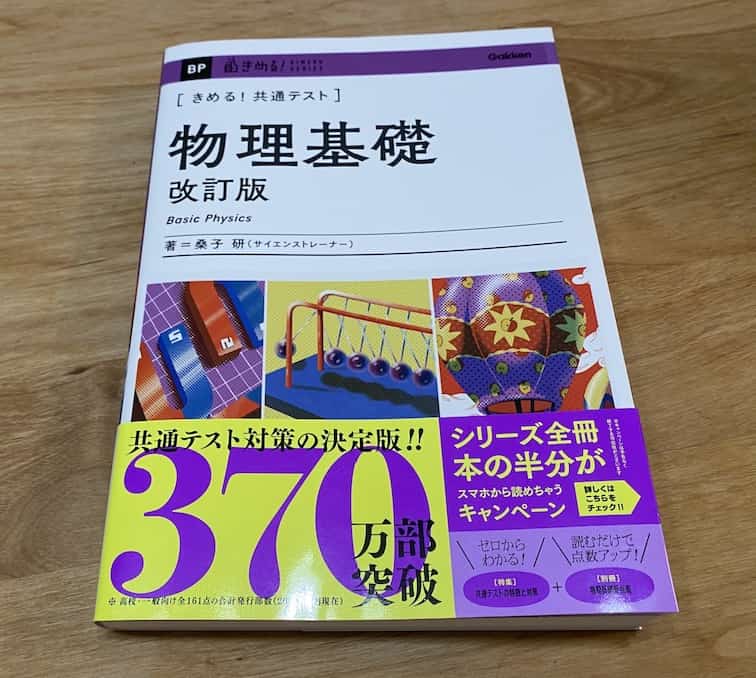
- 『きめる!共通テスト 物理基礎 改訂版』(学研)… 高校物理の参考書です。イラストを多くしてイメージが持てるように描きました。授業についていけない、物理が苦手、そんな生徒におすすめです。特設サイトはこちら。
各種SNS(更新情報をお届け!)
【日本語】X(Twitter)/instagram/Facebook 【英語】BlueSky/Threads
Explore
- 楽しい実験…お子さんと一緒に夢中になれるイチオシの科学実験を多数紹介しています。また、高校物理の理解を深めるための動画教材も用意しました。
- 理科の教材… 理科教師をバックアップ!授業の質を高め、準備を効率化するための選りすぐりの教材を紹介しています。
- Youtube…科学実験等の動画を配信しています。
- 科学ラジオ …科学トピックをほぼ毎日配信中!AI技術を駆使して作成した「耳で楽しむ科学」をお届けします。
- 講演 …全国各地で実験講習会・サイエンスショー等を行っています。
- About …「科学のネタ帳」のコンセプトや、運営者である桑子研のプロフィール・想いをまとめています。
- お問い合わせ …実験教室のご依頼、執筆・講演の相談、科学監修等はこちらのフォームからお寄せください。

