Spotted at the Supermarket! Ninja Clone Jutsu! The Light Magic That Makes Fish Multiply
I’m Ken Kuwako, the Science Trainer. Every day is an experiment.
Have you ever crouched down and looked up at a fish tank from below in a supermarket or an aquarium? If so, you may have unknowingly stumbled across one of light’s coolest tricks. In this article, I’ll use a video I filmed at a local supermarket to reveal the hidden science taking place right on the surface of the water.
Why Does One Fish Look Like Two?
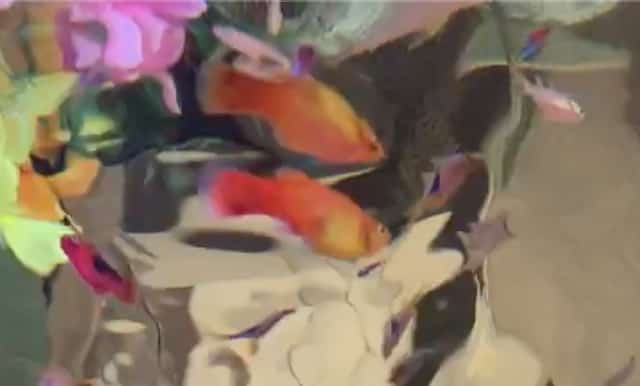
If you look up at a fish tank from underneath, you’ll notice something strange: each fish seems to have an identical twin swimming above it, separated by the water’s surface. Here’s a video I recorded at my neighborhood supermarket.
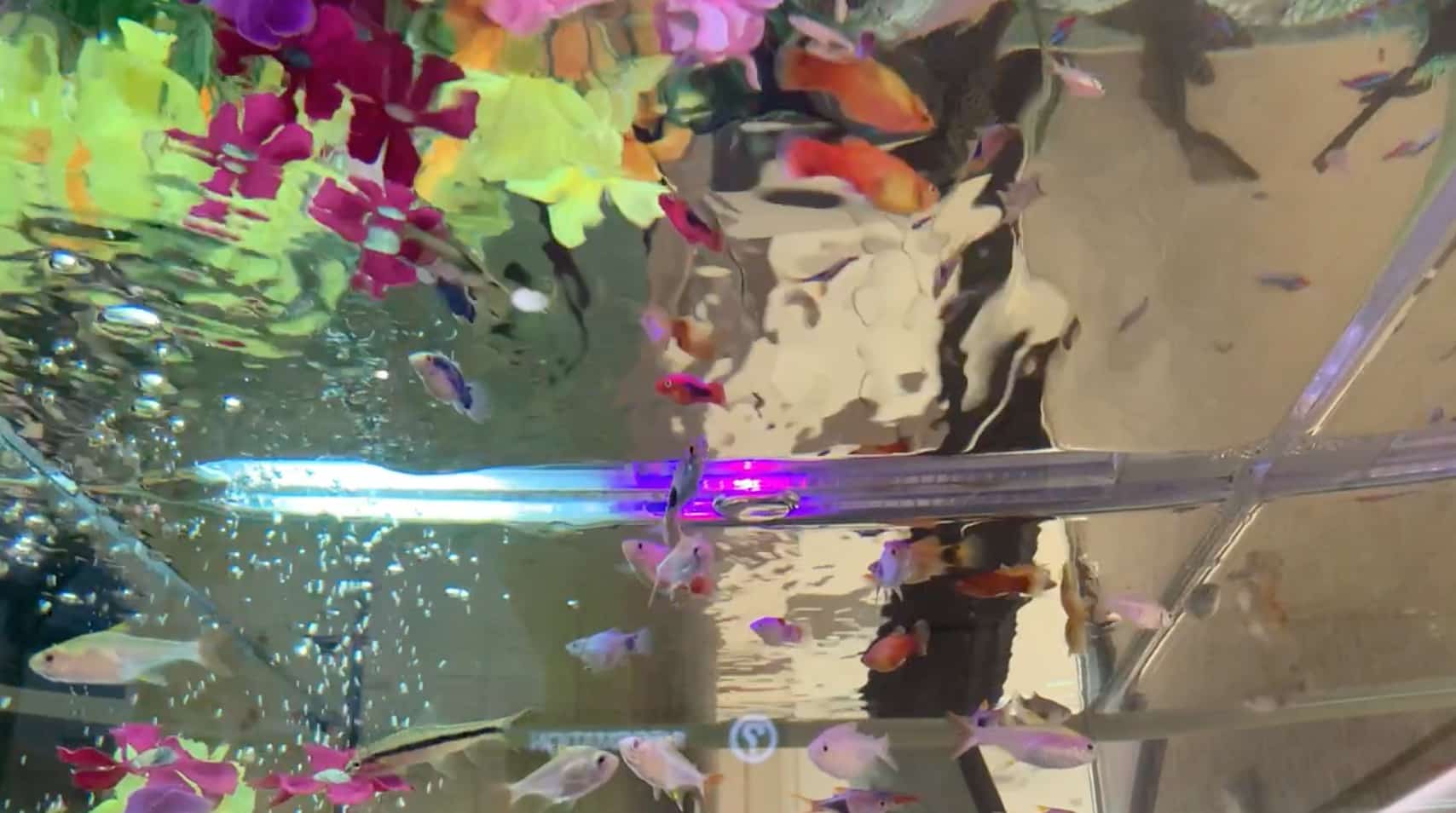
It almost looks as if there are two perfectly synchronized fish. Their mirrored movements make it seem like they’re swimming inside a giant mirror.
The Secret Is a Phenomenon Called Total Internal Reflection
The explanation is a fascinating optical effect known as total internal reflection.
When light travels from water toward the surface, it normally passes into the air. However, if it strikes the surface at a shallow enough angle, it can’t escape. Instead, every ray reflects back into the water, making the surface behave like a perfect mirror.
The angle where this transition occurs is called the critical angle. For the boundary between water and air, it’s about 48.6 degrees.
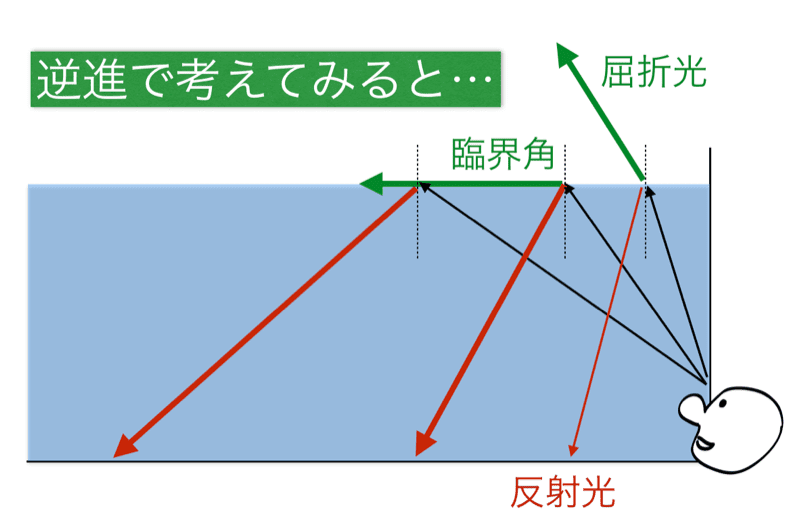
That means when you view the water’s surface from the right angle underwater, it no longer acts like a window—it becomes a mirror.
So if a fish swims just beneath the surface, you’ll see both the real fish and its mirror image created by total internal reflection, making it appear as though two fish are swimming together.
The “Window to the Sky” Seen by Divers
Scuba divers are very familiar with this phenomenon.
When you’re underwater looking up, only a circular patch directly overhead appears bright, allowing you to see the sky and the world above. This circle is commonly known as Snell’s Window.
Outside that circle, the water’s surface becomes a mirror, reflecting the underwater world instead of the sky.
That’s exactly what happened in the supermarket fish tank. The camera captured the mirrored region outside Snell’s Window, making the fish appear to have a perfectly reflected twin.

Total Internal Reflection Is Everywhere
This isn’t just an aquarium curiosity. Total internal reflection plays an important role in many technologies and natural phenomena around us.
For example, fiber-optic cables carry enormous amounts of information because light continually reflects inside the glass instead of escaping.
The dazzling sparkle of diamonds comes from the same principle. Light bounces around inside the gemstone through repeated total internal reflection before finally escaping, creating the brilliant flashes we admire.
The “second fish” in a tank, the sparkle of gemstones, and high-speed fiber-optic communication all rely on exactly the same law of physics.
Once you realize that, even an ordinary trip to the supermarket can turn into a science adventure.
The mysterious “second fish” isn’t a ghost or a camera trick—it’s simply the result of light undergoing total internal reflection at the water’s surface. The next time you visit a supermarket or an aquarium, try peeking up at a fish tank from below. You might discover a hidden mirror world waiting just beneath the surface.
Contact & Collaboration
Science is full of amazing surprises, and they’re often closer than you think! This site is packed with fun science experiments you can try at home, along with easy-to-follow explanations of the science behind them. Feel free to explore!
・The Science Notebook has been published as a book. Learn more here.
・Learn more about Ken Kuwako here.
・For writing, lectures, science workshops, TV consulting, media appearances, and other collaborations, click here.
・Follow the latest article updates on X!
 Science Notebook Channel features fun experiment videos. Come check them out!
9月のイチオシ実験!
お弁当箱をプラバンがわりにしてキーホルダーを作ろう!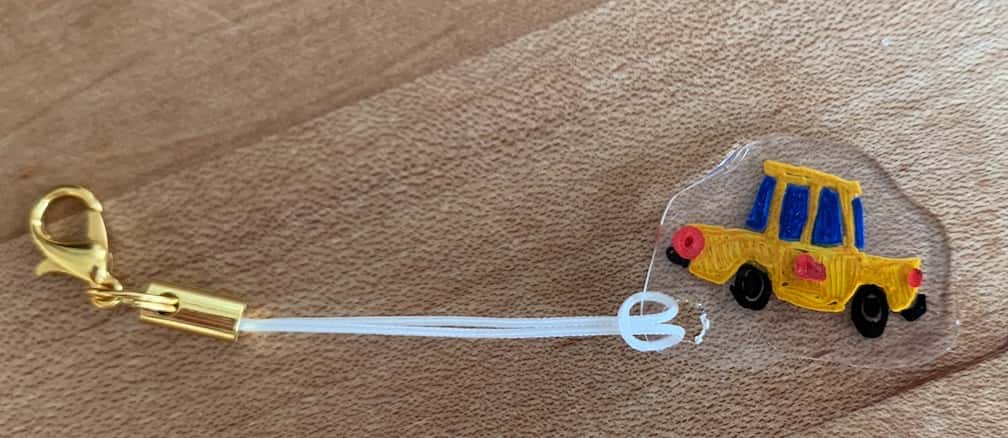
テレビ番組監修・イベント等のお知らせ
- 8月27日(木)科学監修番組放送予定
- 9月20日(日)ダビンチマスターズ出演予定
- 10月10日(土)11:15~12:00 千葉市科学フェスタ2026「桑子先生の回転科学ショー」にてサイエンスショーを行います。
- 12月26日(土) ナリカサイエンスアカデミー(教員向け実験講習会)開催
書籍のお知らせ
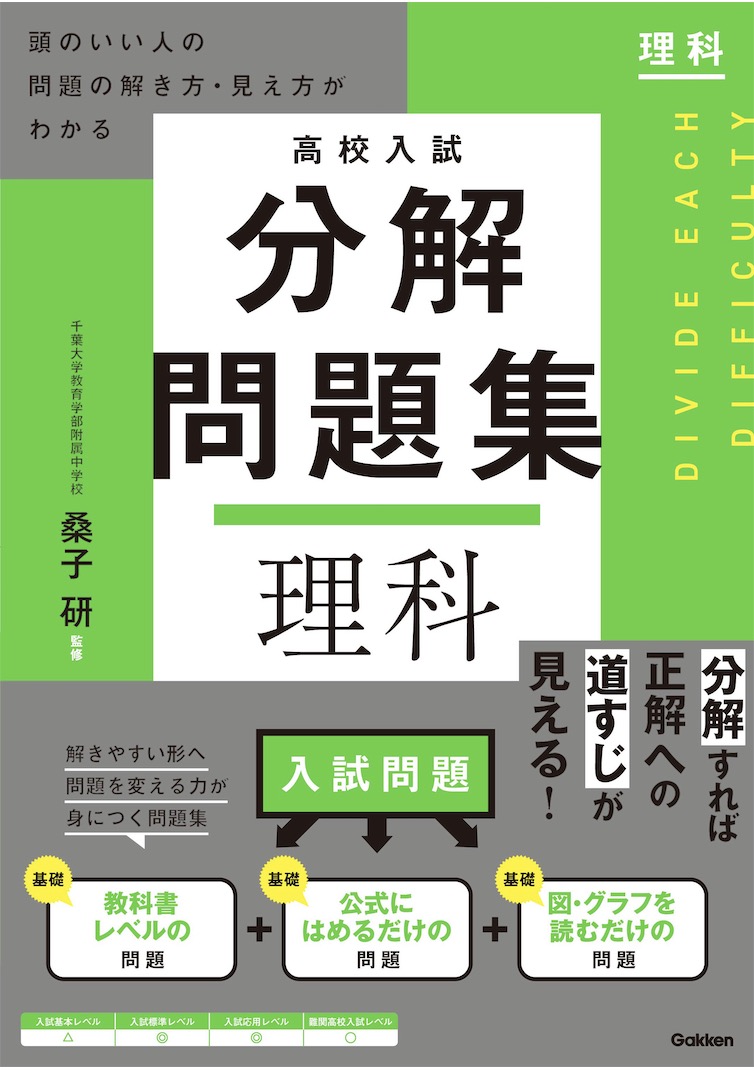
- 『高校入試 分解問題集 理科』(学研)…難しい問題も小さな問題に分解することで、問題を解くことができます。そんな分解の技術が身につくように深く関わりを持って作りました。
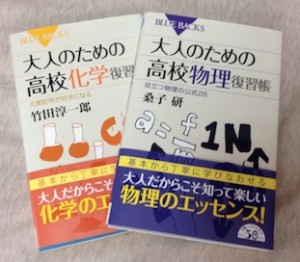
 『大人のための高校物理復習帳』(講談社)…一般向けに日常の物理について公式を元に紐解きました。特設サイトでは実験を多数紹介しています。※増刷がかかり6刷となりました(2026/02/01)
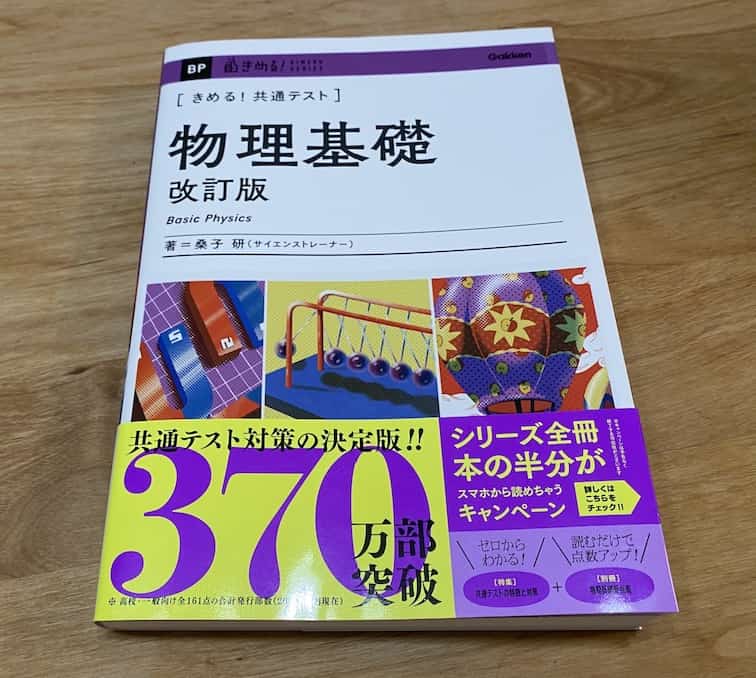
- 『きめる!共通テスト 物理基礎 改訂版』(学研)… 高校物理の参考書です。イラストを多くしてイメージが持てるように描きました。授業についていけない、物理が苦手、そんな生徒におすすめです。特設サイトはこちら。
各種SNS(更新情報をお届け!)
【日本語】X(Twitter)/instagram/Facebook 【英語】BlueSky/Threads
Explore
- 楽しい実験…お子さんと一緒に夢中になれるイチオシの科学実験を多数紹介しています。また、高校物理の理解を深めるための動画教材も用意しました。
- 理科の教材… 理科教師をバックアップ!授業の質を高め、準備を効率化するための選りすぐりの教材を紹介しています。
- Youtube…科学実験等の動画を配信しています。
- 科学ラジオ …科学トピックをほぼ毎日配信中!AI技術を駆使して作成した「耳で楽しむ科学」をお届けします。
- 講演 …全国各地で実験講習会・サイエンスショー等を行っています。
- About …「科学のネタ帳」のコンセプトや、運営者である桑子研のプロフィール・想いをまとめています。
- お問い合わせ …実験教室のご依頼、執筆・講演の相談、科学監修等はこちらのフォームからお寄せください。