The Deeper the Vacuum, the More Colors It Holds! The Mysterious World of Vacuum Tubes Glowing Under High Voltage
I am Ken Kuwako, a science trainer. Every day is an experiment.
In a pitch-black room, a glass tube glows softly. Blue, pink, orange… like shifting aurora light. This is neither special lighting nor CG. It is a physics experiment in which the color changes depending on the degree of vacuum. In this article, we introduce the mysterious light-emission phenomenon that occurs when high voltage is applied to a vacuum tube, along with its underlying mechanism.
What does a vacuum tube do?
Have you ever heard the term “vacuum tube”? It is an electronic component that was once essential in radios, televisions, and early computers, and is considered a “predecessor” of modern transistors and IC chips. The basic principle of a vacuum tube is very simple. Air is removed from a glass tube to create a near-vacuum, and electrodes are placed inside to allow electric current to flow. In a vacuum, electrons can travel freely without colliding with air molecules, enabling precise control of electric current.
Why the color changes depending on the vacuum level
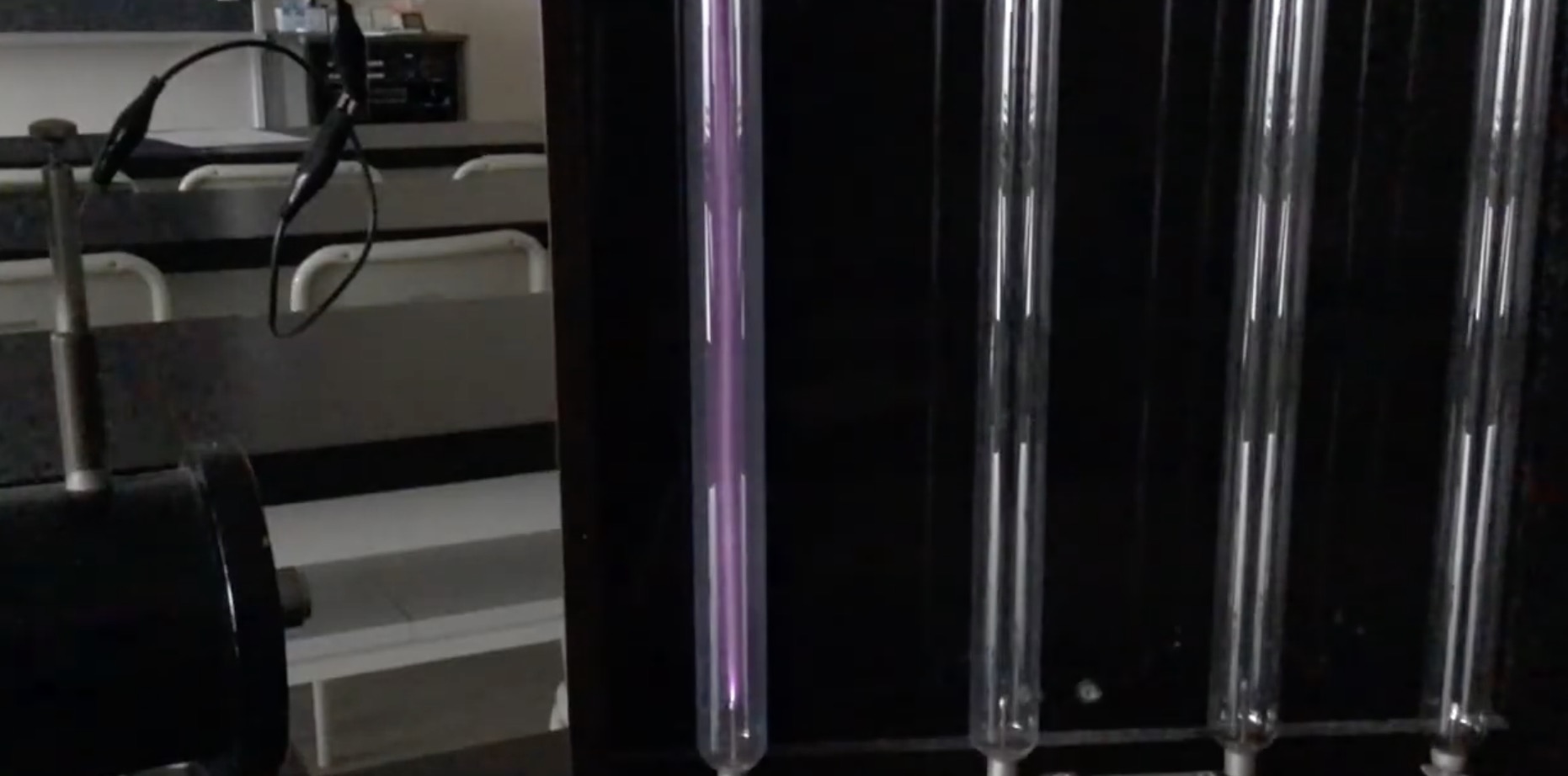
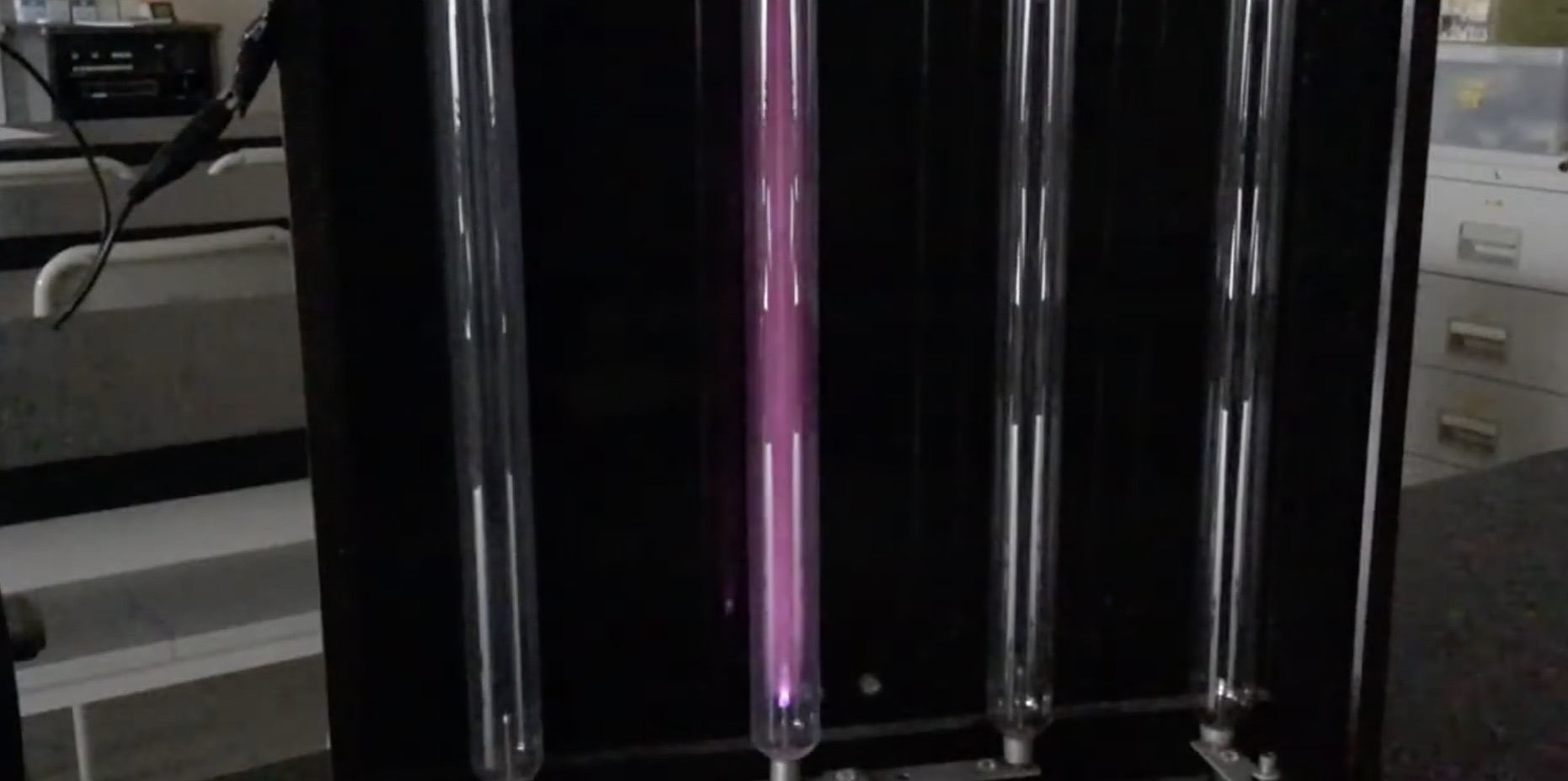
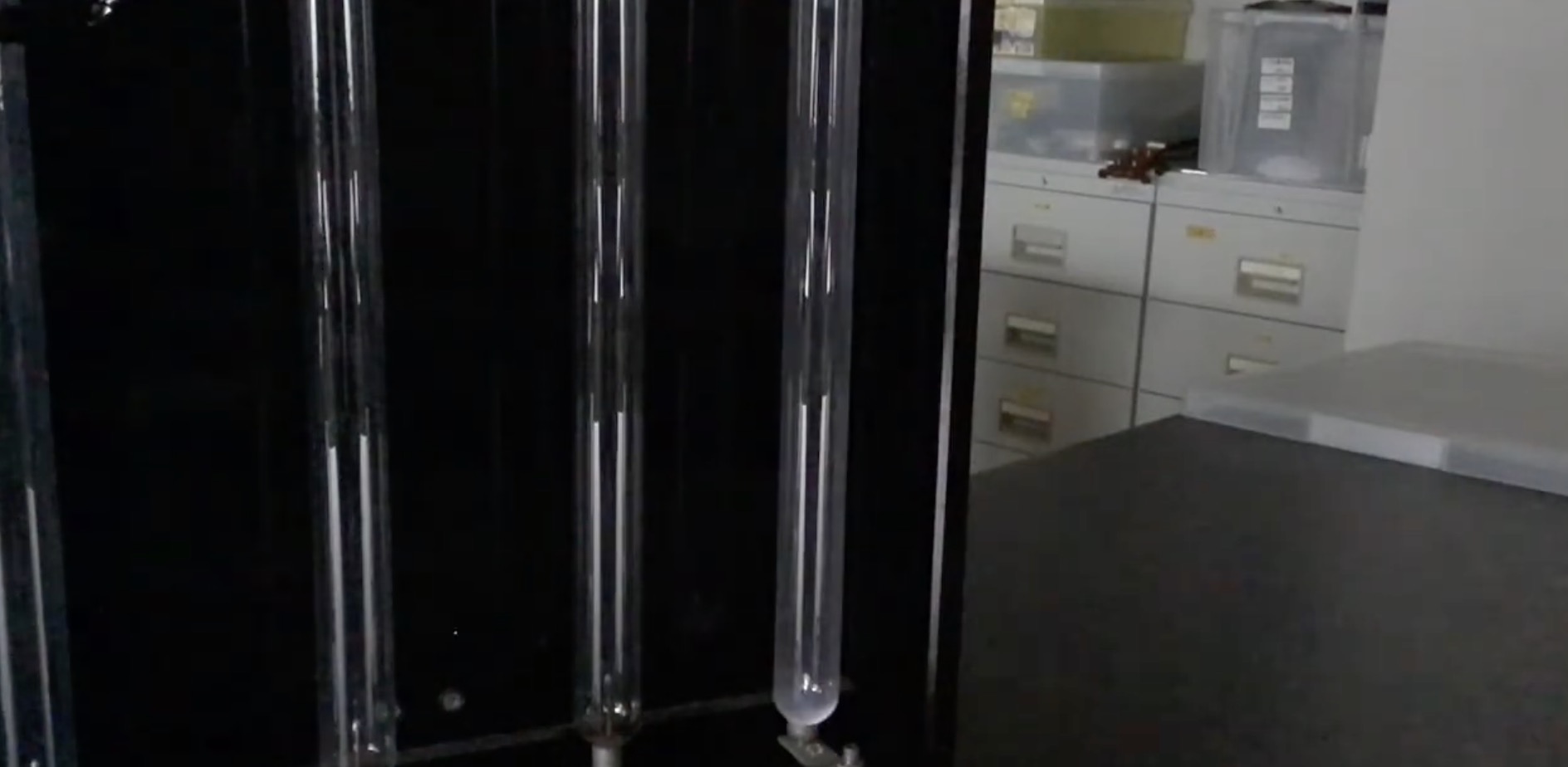
In this experiment, four tubes with different vacuum levels glow in different colors when high voltage is applied. Please watch the video below.
Let’s look at the color of the discharge tube on the far left.
Second tube
Third tube
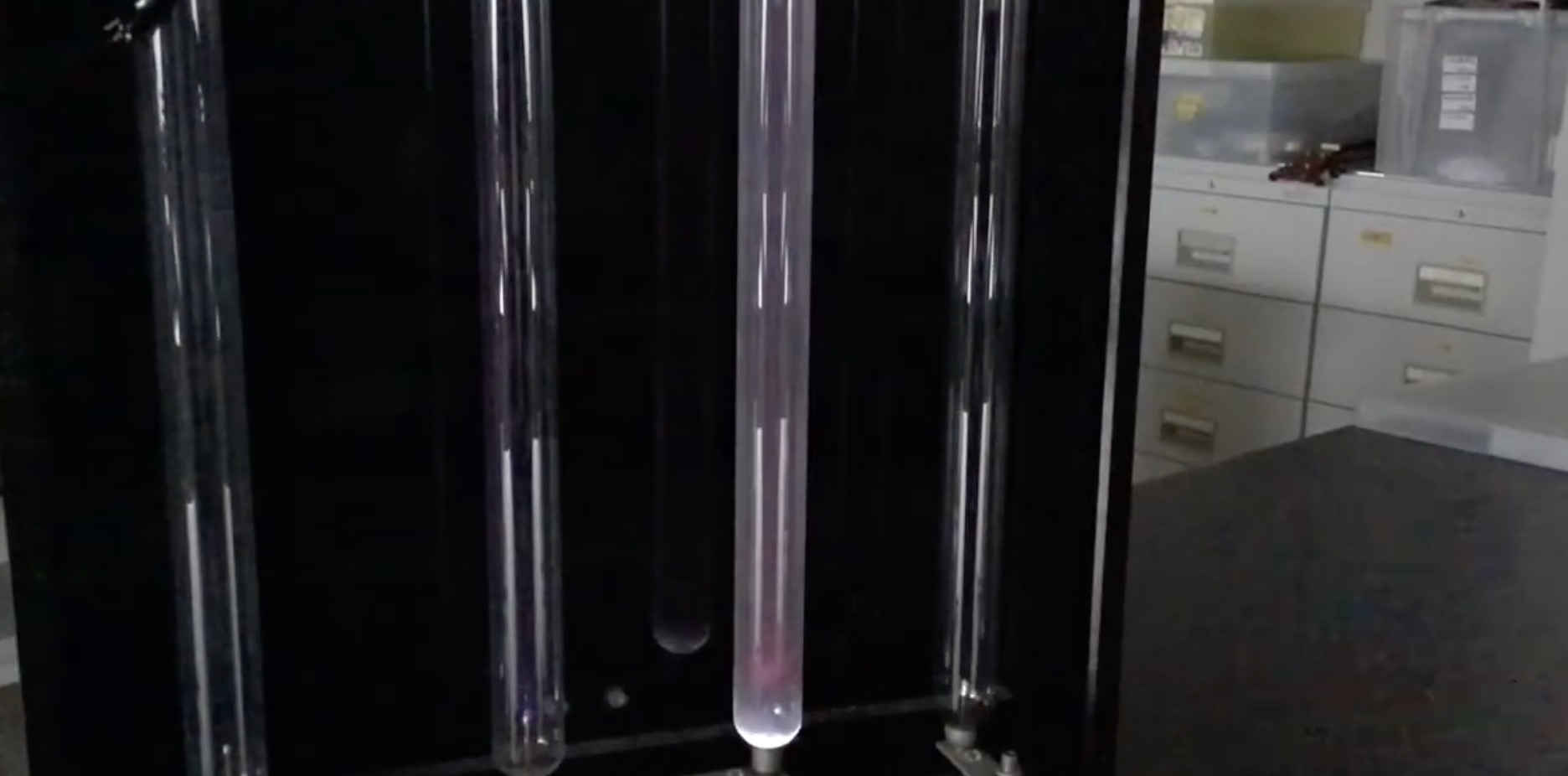
Fourth tube — it appears white.
Why does the color change? The key lies in the type and amount of gas remaining inside the tube. When voltage is applied, high-speed electrons are emitted from the electrodes. When these electrons collide with gas molecules remaining inside the tube, the molecules become excited to a higher energy state. When they return to their original state, they emit light, and the wavelength (i.e., color) of the emitted light depends on the type of gas.
In tubes with low vacuum (more air remaining), nitrogen and oxygen molecules contribute to the emission, producing pinkish and orange colors. As the vacuum level increases and residual gas decreases, the light shifts toward bluish-white light and even ultraviolet-like emission. When the vacuum becomes extremely high, electrons hit the inner wall of the glass tube, producing fluorescence (green light). This is the phenomenon known as “cathode rays,” which is the very principle behind cathode-ray tube televisions. In other words, the color changes are a sign that tells us what the electrons are colliding with.
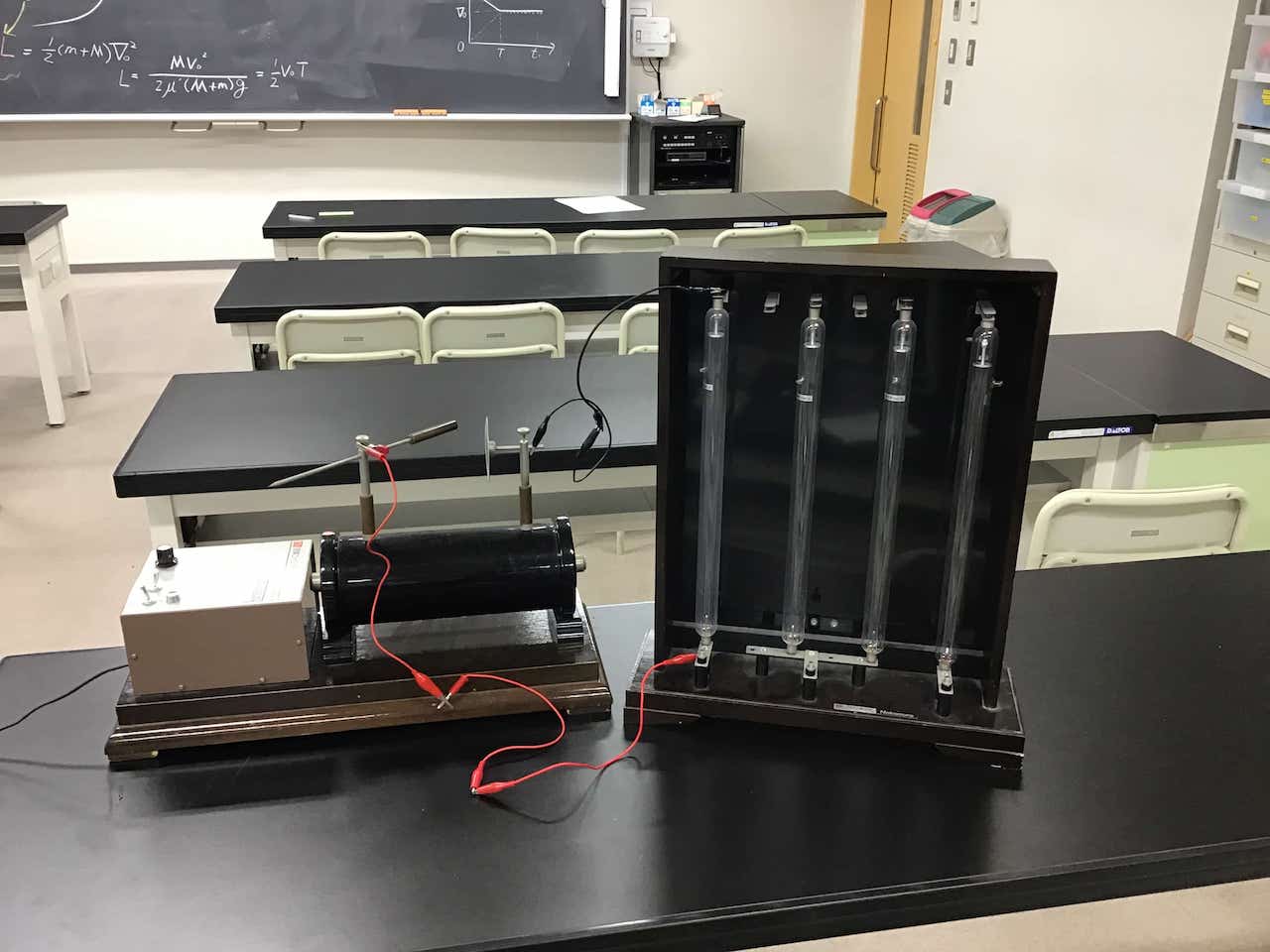
This is the overall setup of the apparatus.
The day I learned the danger of an induction coil with my own body
While conducting this experiment, something unforgettable happened. While explaining the vacuum tube and demonstrating the setup, I accidentally touched the electrode of the induction coil. In that instant, I nearly lost consciousness. I was thrown backward by a violent shock and ended up crouching down. I had often told students that “high voltage is dangerous,” but that day I truly experienced the fear of electric shock with my own body.
An induction coil may look like a small device, but it can generate voltages of tens of thousands of volts or more. Behind the beautiful glow lies a dangerous form of energy that can be extremely hazardous if handled incorrectly. When observing experiments, it is important to keep a safe distance.
Inquiries and requests
Bringing the wonders and excitement of science closer to everyone! We share easy-to-understand explanations of fun at-home science experiments and tips for conducting them. Please feel free to explore.
・The content of “Science Idea Notebook” has been published as a book. Details are here
・About the author Ken Kuwako, see here
・For inquiries and requests (writing, lectures, experiment classes, TV supervision, appearances, etc.), see here
・Latest updates are available on X!
 Science Idea Channel is publishing experiment videos!
9月のイチオシ実験!
テレビ番組監修・イベント等のお知らせ
- 9月25日(金)21:00〜 かまいたちの瞬間回答!にて、科学監修を行いました。
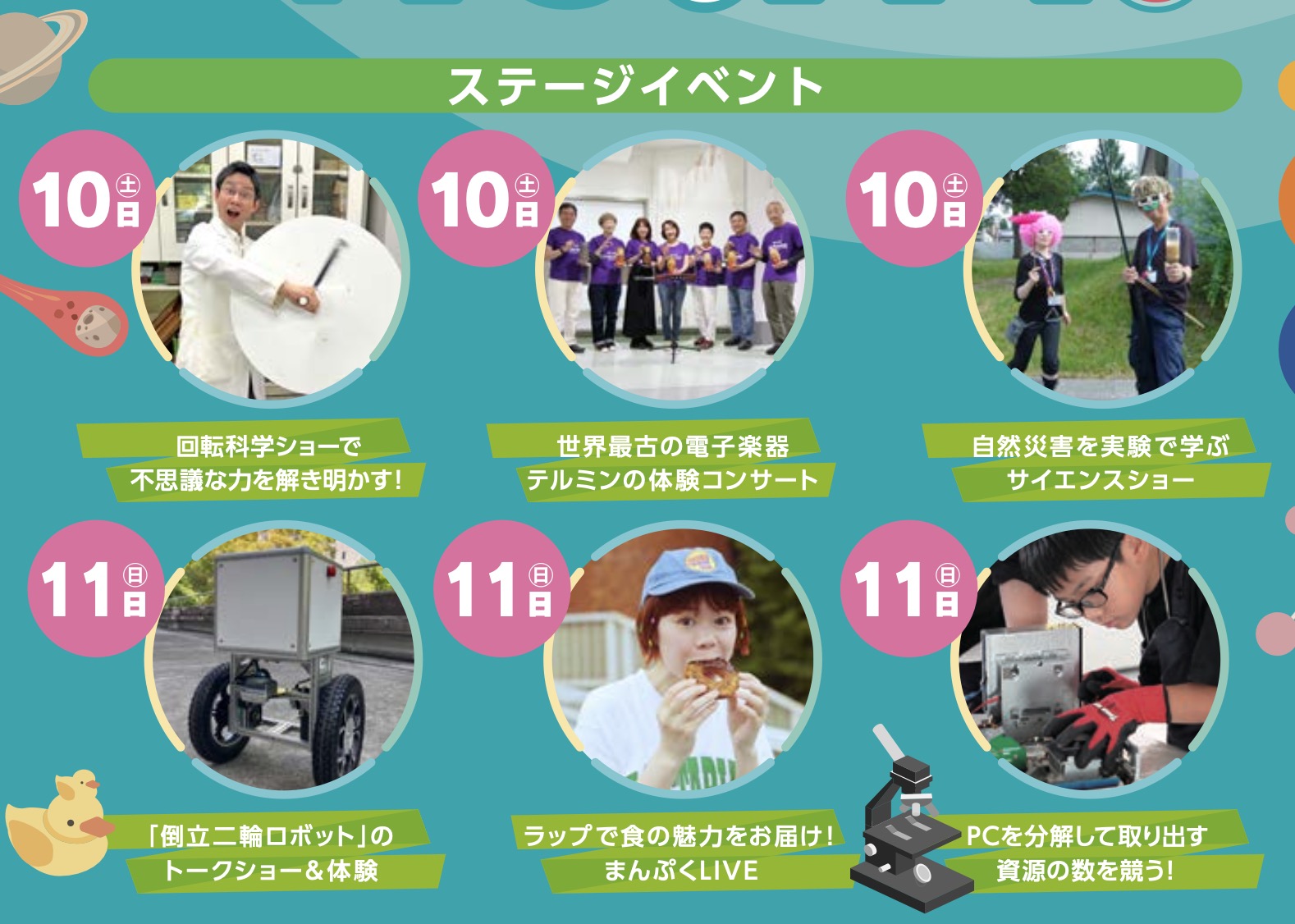
- 10月10日(土)11:15~12:00 千葉市科学フェスタ2026「桑子先生の回転科学ショー」にてサイエンスショーを行います。
- 12月26日(土) ナリカサイエンスアカデミー(教員向け実験講習会)開催
書籍のお知らせ
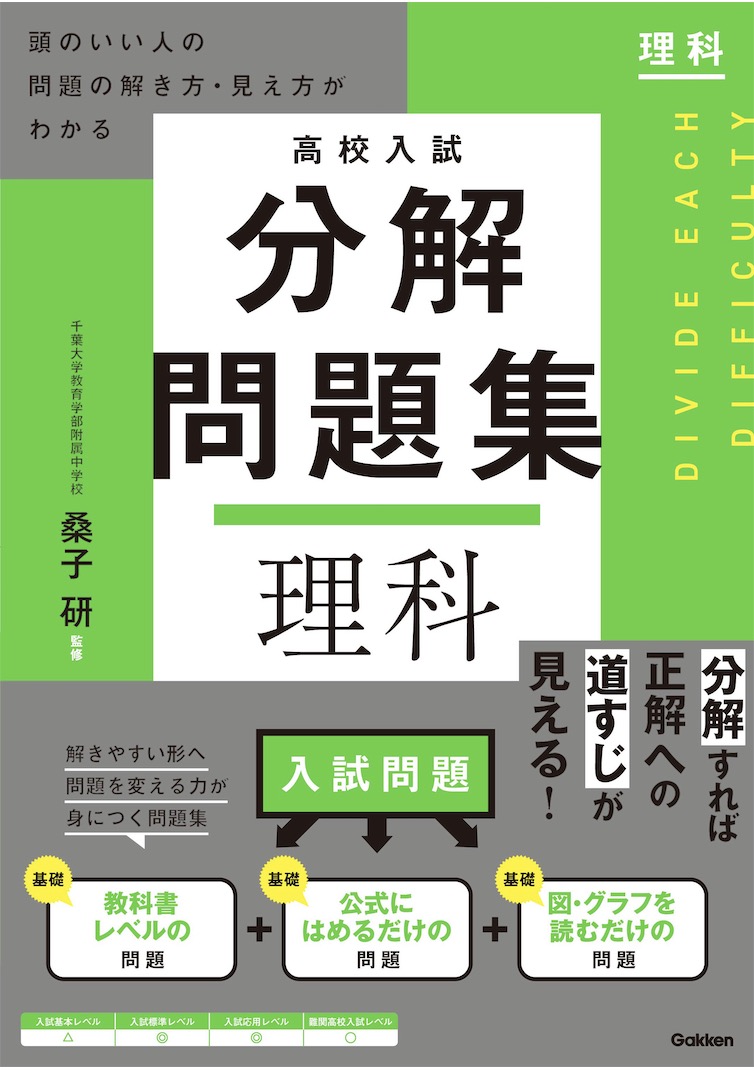
- 『高校入試 分解問題集 理科』(学研)…難しい問題も小さな問題に分解することで、問題を解くことができます。そんな分解の技術が身につくように深く関わりを持って作りました。
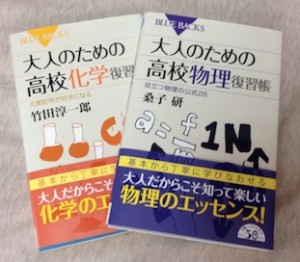
 『大人のための高校物理復習帳』(講談社)…一般向けに日常の物理について公式を元に紐解きました。特設サイトでは実験を多数紹介しています。※増刷がかかり6刷となりました(2026/02/01)
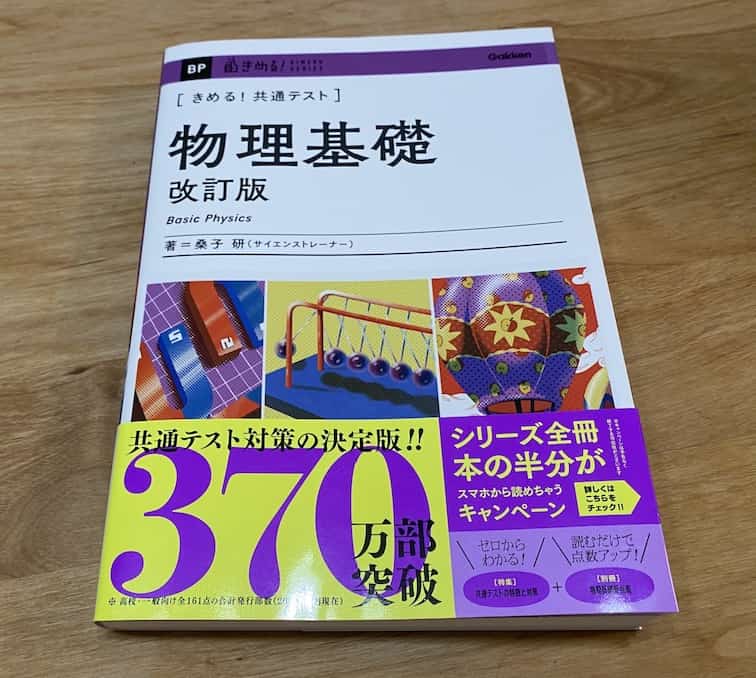
- 『きめる!共通テスト 物理基礎 改訂版』(学研)… 高校物理の参考書です。イラストを多くしてイメージが持てるように描きました。授業についていけない、物理が苦手、そんな生徒におすすめです。特設サイトはこちら。
各種SNS(更新情報をお届け!)
【日本語】X(Twitter)/instagram/Facebook 【英語】BlueSky/Threads
Explore
- 楽しい実験…お子さんと一緒に夢中になれるイチオシの科学実験を多数紹介しています。また、高校物理の理解を深めるための動画教材も用意しました。
- 理科の教材… 理科教師をバックアップ!授業の質を高め、準備を効率化するための選りすぐりの教材を紹介しています。
- Youtube…科学実験等の動画を配信しています。
- 科学ラジオ …科学トピックをほぼ毎日配信中!AI技術を駆使して作成した「耳で楽しむ科学」をお届けします。
- 講演 …全国各地で実験講習会・サイエンスショー等を行っています。
- About …「科学のネタ帳」のコンセプトや、運営者である桑子研のプロフィール・想いをまとめています。
- お問い合わせ …実験教室のご依頼、執筆・講演の相談、科学監修等はこちらのフォームからお寄せください。