Lemons Pop Balloons?! The Hidden Science of “Limonene Balloons” — Dissolving, Not a Chemical Reaction!
I’m Ken Kuwako, the Science Trainer. Every day is an experiment.
Just pressing a lemon peel against a balloon can make it burst with a loud pop. It sounds incredibly simple, yet when you witness it firsthand, it feels almost impossible to believe. It’s the kind of experiment that instantly makes people say, “Wait… why did that happen?” What surprised me even more was discovering that the explanation wasn’t a chemical reaction, as I had always assumed.
Take a piece of lemon peel and squeeze some of its juice onto a balloon. After a short while, the balloon suddenly pops.
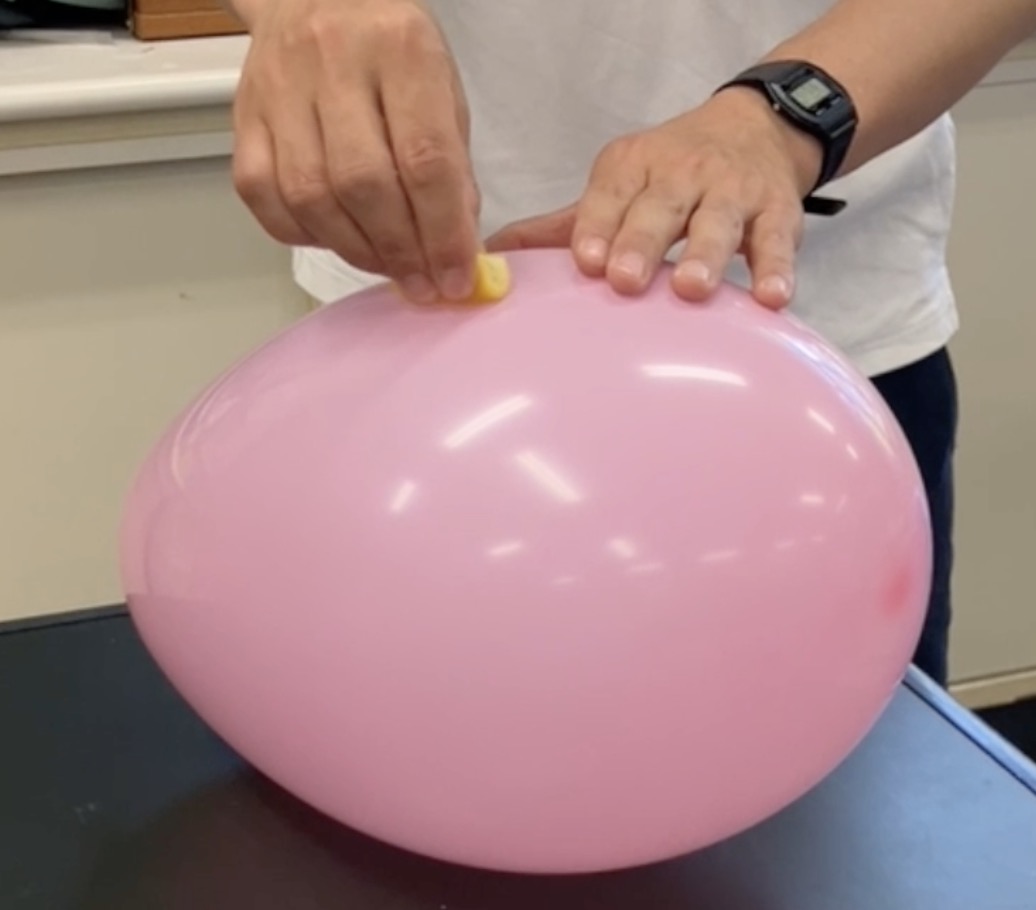
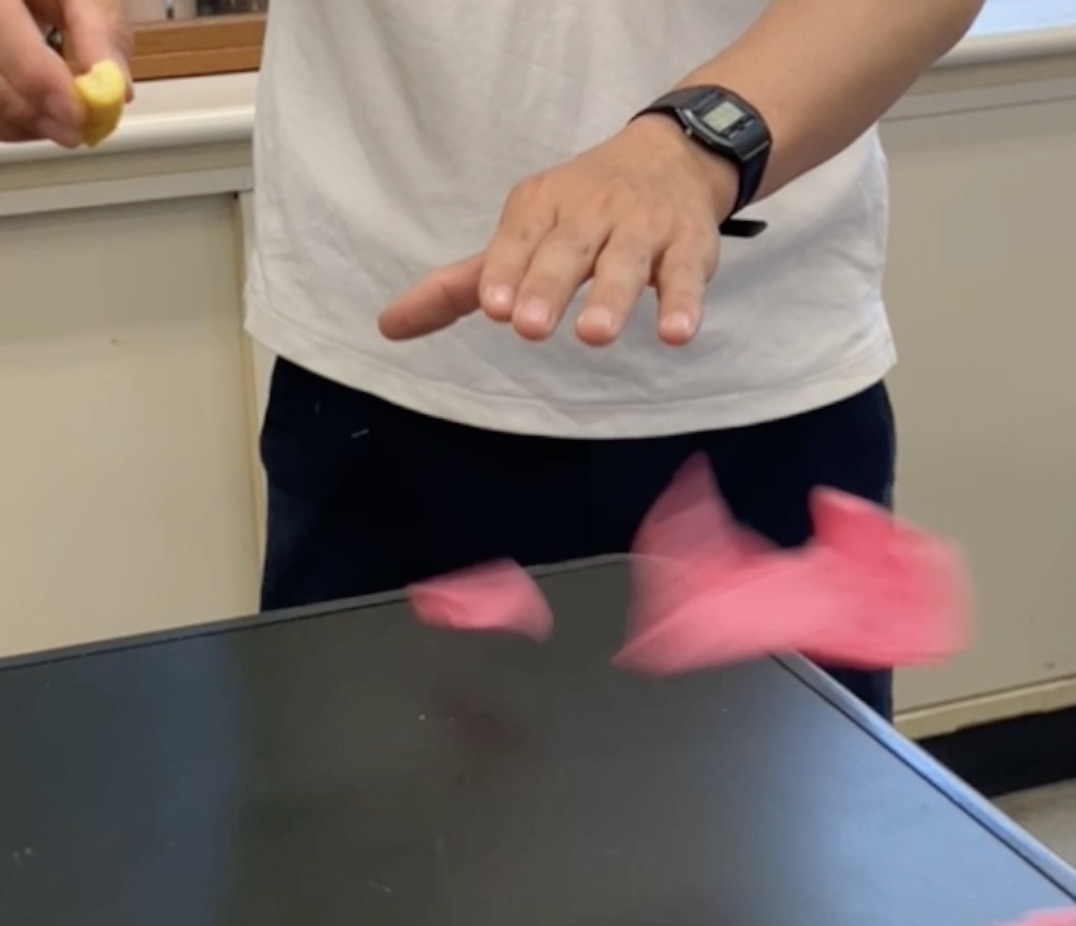
This famous demonstration is known as the Limonene Balloon Experiment. Lemon peels contain an oily aromatic compound called limonene. It’s the source of the fresh, citrus scent that makes lemons so distinctive. Widely used in fragrances, essential oils, and cleaning products, limonene is also the secret culprit that causes the balloon to burst. I captured the moment on video—take a look!
Why Does It Pop?
Balloons are made from natural or synthetic rubber. Rubber gets its flexibility from long chain-like molecules called polymers that are tangled together.
Limonene is a type of organic solvent, and it has the ability to dissolve rubber. When the liquid from the lemon peel touches the balloon, the limonene begins loosening the tangled polymer chains. This weakens the rubber in that area. Since the balloon is already stretched tightly by the air pressure inside, even a tiny weak spot can cause the entire balloon to rupture instantly.
Take a look at these images as well. They clearly show the balloon’s surface gradually thinning until it finally bursts.
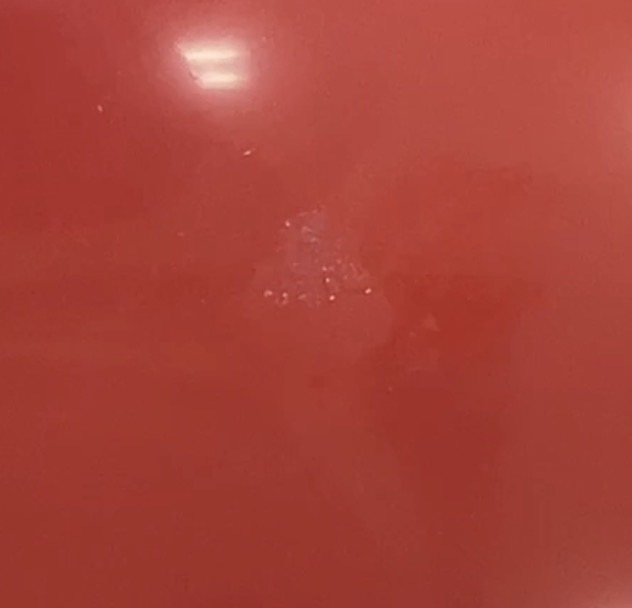
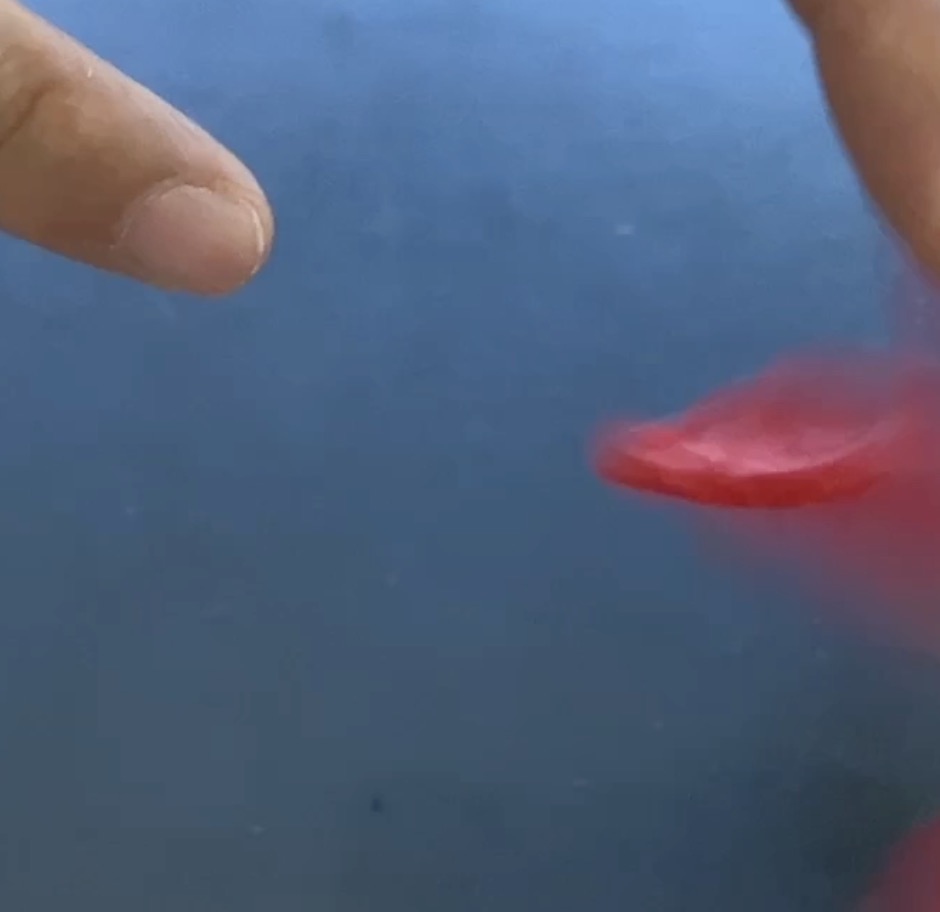
The Rule of “Like Dissolves Like”
Behind this phenomenon is a fundamental chemistry principle known as solubility compatibility, often summarized as “like dissolves like.” Substances with similar chemical properties tend to dissolve into one another more easily.
Limonene is a nonpolar organic compound, and rubber is also largely nonpolar. Because they share similar properties, limonene can readily penetrate and dissolve the rubber.
For the same reason, gasoline and kerosene can also cause a rubber balloon to pop. In fact, this is why ordinary rubber gloves are often not recommended when handling fuels—the same principle is at work.
Not a Chemical Change, but a Physical One
For years, I believed this was a chemical change. It turns out that it isn’t.
Limonene simply dissolves and loosens the rubber’s molecular structure; the chemical structure of the rubber molecules themselves remains unchanged. Think of it like untangling a ball of yarn. The yarn is still the same material—it has simply been rearranged.
That means this process is actually a physical change.
Looking a little deeper, balloon rubber undergoes a manufacturing process called vulcanization. During vulcanization, sulfur atoms form bridges between rubber molecules, creating a cross-linked network. Limonene causes this network to swell and loosen, but it does not chemically break the sulfur bridges. It merely disrupts the structure physically.
This makes the experiment an excellent classroom example for explaining that dissolving is also a type of physical change. In essence, it’s similar to table salt dissolving in water. In both cases, the substances themselves do not become new chemicals—they simply mix together. It’s a great way to help students understand that “dissolving” doesn’t mean “disappearing”; it means “mixing at the molecular level.”
This experiment provides a vivid demonstration of organic solvents, polymers, and solubility compatibility. The fact that a simple squeeze of a lemon can make a balloon explode creates an immediate sense of wonder and curiosity. It’s an ideal introduction to chemistry because students naturally ask, “Why did that happen?” From there, the discussion can expand into solubility, polymers, and the difference between physical and chemical changes. It’s a science lesson with a built-in mystery—and those are often the most memorable.
Give it a try and see the science for yourself!
Contact & Requests
Bring the wonder of science closer to everyday life! Here you’ll find fun science experiments you can do at home, along with easy-to-follow explanations and practical tips. Feel free to explore and discover something new!
• The content from Science Notebook has been published as a book. Learn more here.
• Learn more about Ken Kuwako, the creator of this site, here.
• For writing projects, lectures, science workshops, TV consulting, media appearances, and other inquiries, click here.
• Follow article updates on X!
 Science Notebook Channel features videos of exciting science experiments!
NEW 分解問題集 理科
- 7月21日発売!『高校入試 分解問題集 理科』(学研)…難しい問題も小さな問題に分解することで、問題を解くことができます。そんな分解の技術が身につくように深く関わりを持って作りました。
7・8月のイチオシ実験!
夏でプシュッと爽やか実験!
テレビ番組監修・イベント等のお知らせ
- 7月30日(水)科学監修「TIF presents ONE SONG FES」(フジテレビ) 26:15~27:15
- 12月26日(土) ナリカサイエンスアカデミー(教員向け実験講習会)開催
書籍のお知らせ
- 『大人のための高校物理復習帳』(講談社)…一般向けに日常の物理について公式を元に紐解きました。特設サイトでは実験を多数紹介しています。※増刷がかかり6刷となりました(2026/02/01)
- 『きめる!共通テスト 物理基礎 改訂版』(学研)… 高校物理の参考書です。イラストを多くしてイメージが持てるように描きました。授業についていけない、物理が苦手、そんな生徒におすすめです。特設サイトはこちら。
各種SNS(更新情報をお届け!)
【日本語】X(Twitter)/instagram/Facebook 【英語】BlueSky/Threads
Explore
- 楽しい実験…お子さんと一緒に夢中になれるイチオシの科学実験を多数紹介しています。また、高校物理の理解を深めるための動画教材も用意しました。
- 理科の教材… 理科教師をバックアップ!授業の質を高め、準備を効率化するための選りすぐりの教材を紹介しています。
- Youtube…科学実験等の動画を配信しています。
- 科学ラジオ …科学トピックをほぼ毎日配信中!AI技術を駆使して作成した「耳で楽しむ科学」をお届けします。
- 講演 …全国各地で実験講習会・サイエンスショー等を行っています。
- About …「科学のネタ帳」のコンセプトや、運営者である桑子研のプロフィール・想いをまとめています。
- お問い合わせ …実験教室のご依頼、執筆・講演の相談、科学監修等はこちらのフォームからお寄せください。