Wait—Your Hand Crank Generator Is Actually a Motor!? The Experiment That Reveals the Secret Double Life of Electricity
I’m Ken Kuwako, the Science Trainer. Every day is an experiment.
“Where does electricity come from?” “Why do motors spin?”
Questions like these sound simple, but textbook diagrams and explanations don’t always make the concepts feel real. Sometimes, understanding arrives not through reading, but through experience.
One tool makes that possible: the hand-crank generator.
Most people think of it as a device that simply produces electricity. In reality, it’s much more than that. With a few clever experiments, a hand-crank generator can reveal the true nature of electricity, demonstrate how motors work, and even help us experience energy conversion firsthand.
Today, I’d like to share two fascinating experiments that never fail to spark curiosity and surprise in students. Before we begin, take a look at this video and see how many mysteries you can spot.
Experiment 1: A Hand-Crank Generator Can Also Be a Motor!
When I ask middle school students, “Have you ever used a hand-crank generator?” most answer, “Of course!” But surprisingly, around 10–20% have never even seen one before.
That’s why hands-on experiences matter. Letting students touch, turn, and explore the device themselves is a powerful way to ignite scientific curiosity.
First, connect the hand-crank generator to an LED and start turning the handle. The LED lights up immediately.
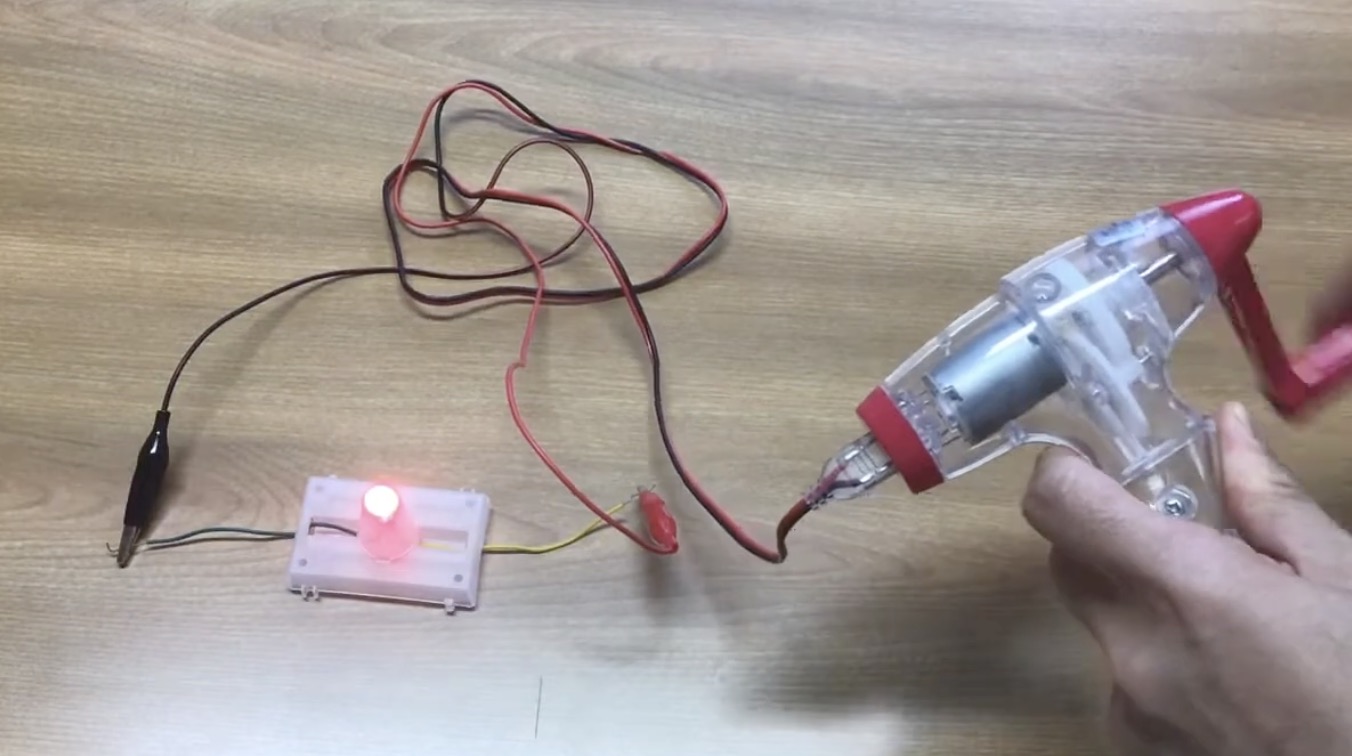
At this point, the device is acting as a generator, converting motion into electricity.
But what happens if we connect it to a battery instead?
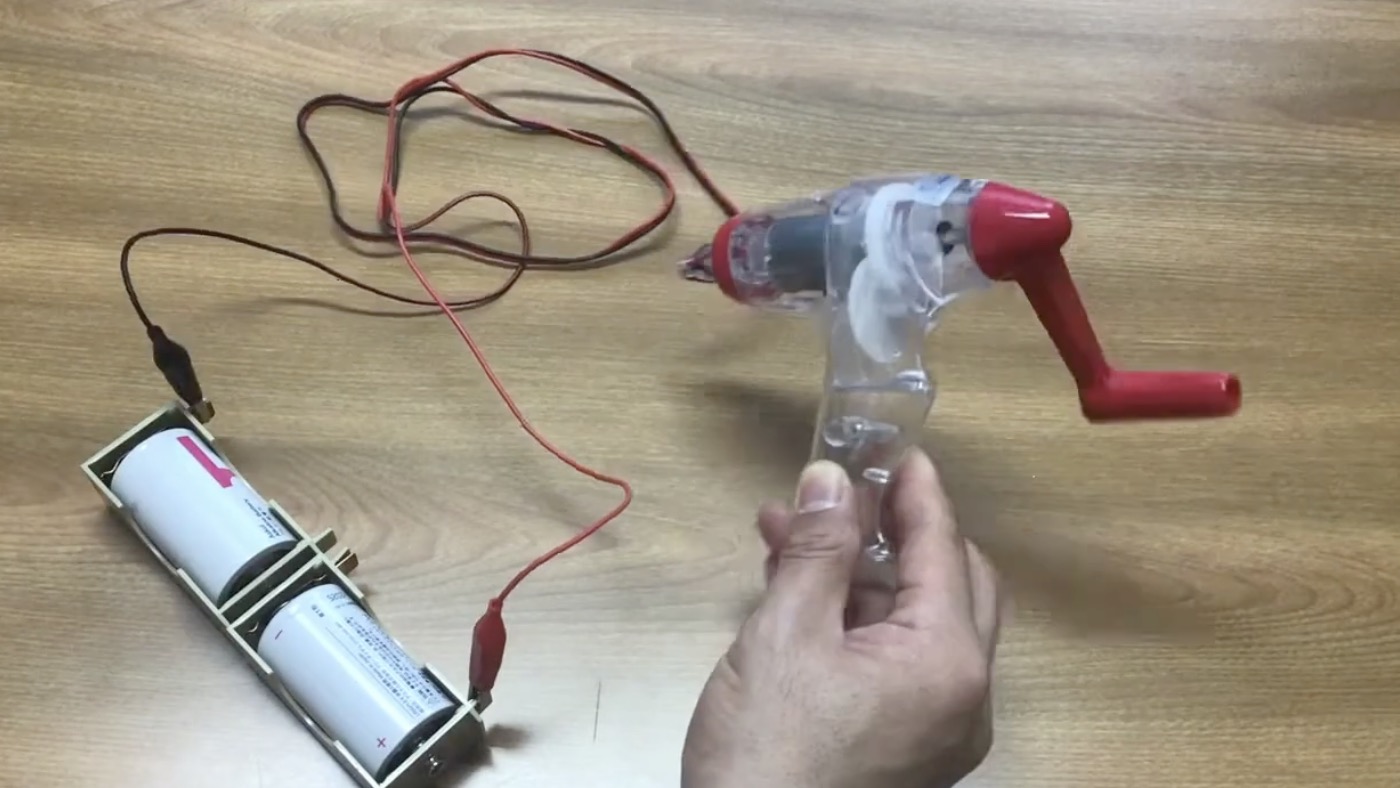
Something remarkable happens: the handle begins to spin by itself.
In other words, the hand-crank generator is not only a generator—it can also function as a motor.
The secret lies in the coil and magnet inside the device. When electric current from the battery flows through the coil, the magnetic field exerts a force on it, causing the coil to rotate. That rotation drives the handle.
This is the fundamental operating principle of a motor.
The beauty of this experiment is that it reveals the dual nature of the device. The same machine that normally creates electricity when you turn the handle can become a motor when electricity is supplied to it.
A generator converts mechanical energy into electrical energy through electromagnetic induction, while a motor converts electrical energy into mechanical energy through magnetic forces acting on electric currents. Despite appearing different, both rely on essentially the same internal structure.
Experiment 2: Connect Two Generators and One Starts Turning the Other!
Next, prepare a second hand-crank generator and connect the two devices with wires.
What do you think will happen?
The result is surprising.
When you turn the handle of one generator, the handle of the other generator starts spinning on its own.
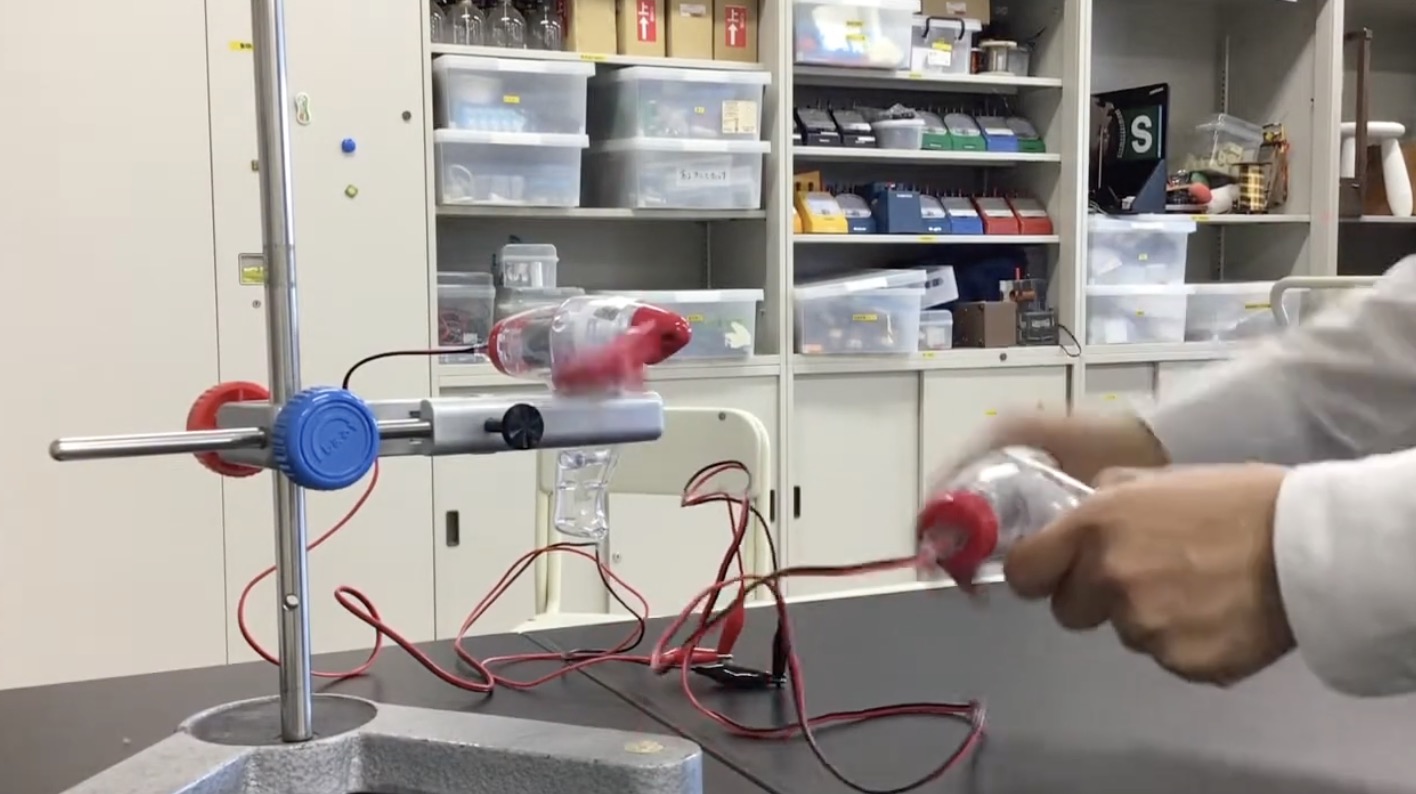
This happens because a chain of energy conversions is taking place.
The mechanical energy from your hand is converted into electrical energy inside the first generator. That electrical energy travels through the connecting wires to the second generator. Once there, it is converted back into mechanical energy, causing the second handle to rotate as a motor.
It’s a beautiful demonstration of energy transfer in action.
This experiment naturally leads to deeper questions:
“What did the electricity become?”
“Where did the energy move?”
Questions like these encourage students to think beyond what they see and begin tracing the flow of energy through a system.
Contact & Collaboration
Let’s bring the wonder of science closer to everyday life!
This website is filled with fun science experiments that can be performed at home, along with clear explanations and practical tips. Feel free to explore and discover something new.
• Learn more about Ken Kuwako, the site creator:
here
• For writing projects, lectures, science workshops, TV supervision, media appearances, and other collaborations:
here
• Follow updates on new articles via X!
 Science Ideas Channel features videos of exciting experiments!
9月のイチオシ実験!
お弁当箱をプラバンがわりにしてキーホルダーを作ろう!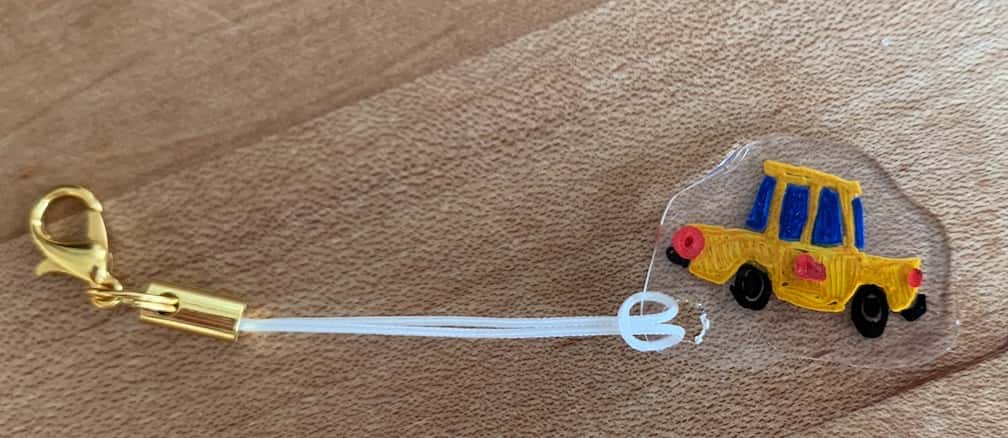
テレビ番組監修・イベント等のお知らせ
- 8月27日(木)科学監修番組放送予定
- 9月20日(日)ダビンチマスターズ出演予定
- 10月10日(土)11:15~12:00 千葉市科学フェスタ2026「桑子先生の回転科学ショー」にてサイエンスショーを行います。
- 12月26日(土) ナリカサイエンスアカデミー(教員向け実験講習会)開催
書籍のお知らせ
- 『高校入試 分解問題集 理科』(学研)…難しい問題も小さな問題に分解することで、問題を解くことができます。そんな分解の技術が身につくように深く関わりを持って作りました。
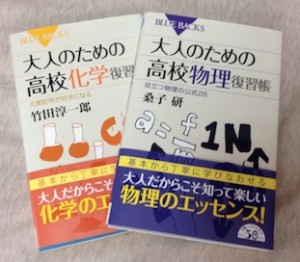
 『大人のための高校物理復習帳』(講談社)…一般向けに日常の物理について公式を元に紐解きました。特設サイトでは実験を多数紹介しています。※増刷がかかり6刷となりました(2026/02/01)
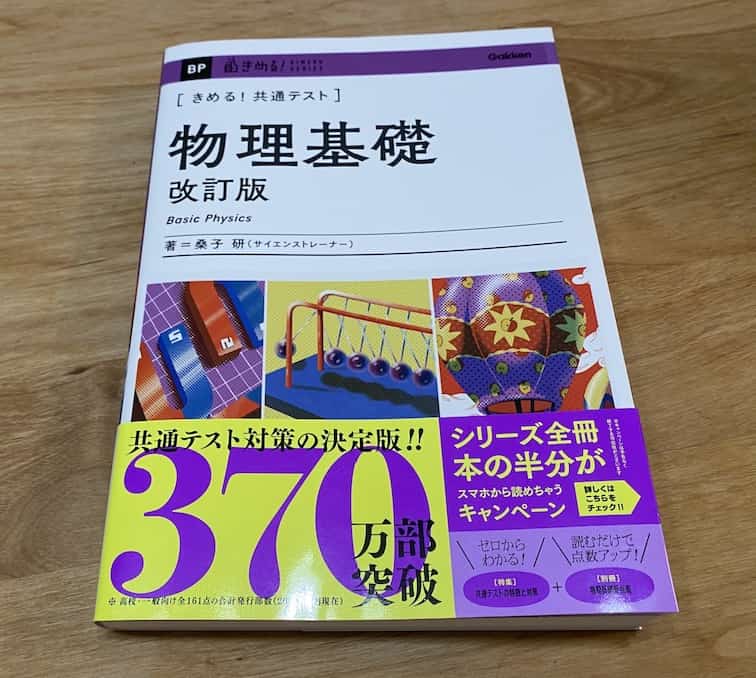
- 『きめる!共通テスト 物理基礎 改訂版』(学研)… 高校物理の参考書です。イラストを多くしてイメージが持てるように描きました。授業についていけない、物理が苦手、そんな生徒におすすめです。特設サイトはこちら。
各種SNS(更新情報をお届け!)
【日本語】X(Twitter)/instagram/Facebook 【英語】BlueSky/Threads
Explore
- 楽しい実験…お子さんと一緒に夢中になれるイチオシの科学実験を多数紹介しています。また、高校物理の理解を深めるための動画教材も用意しました。
- 理科の教材… 理科教師をバックアップ!授業の質を高め、準備を効率化するための選りすぐりの教材を紹介しています。
- Youtube…科学実験等の動画を配信しています。
- 科学ラジオ …科学トピックをほぼ毎日配信中!AI技術を駆使して作成した「耳で楽しむ科学」をお届けします。
- 講演 …全国各地で実験講習会・サイエンスショー等を行っています。
- About …「科学のネタ帳」のコンセプトや、運営者である桑子研のプロフィール・想いをまとめています。
- お問い合わせ …実験教室のご依頼、執筆・講演の相談、科学監修等はこちらのフォームからお寄せください。