One Finger Makes a Glass Sing! The Science of “Resonance” Hidden in a Wine Glass
I’m Ken Kuwako, the Science Trainer. Every day is an experiment!
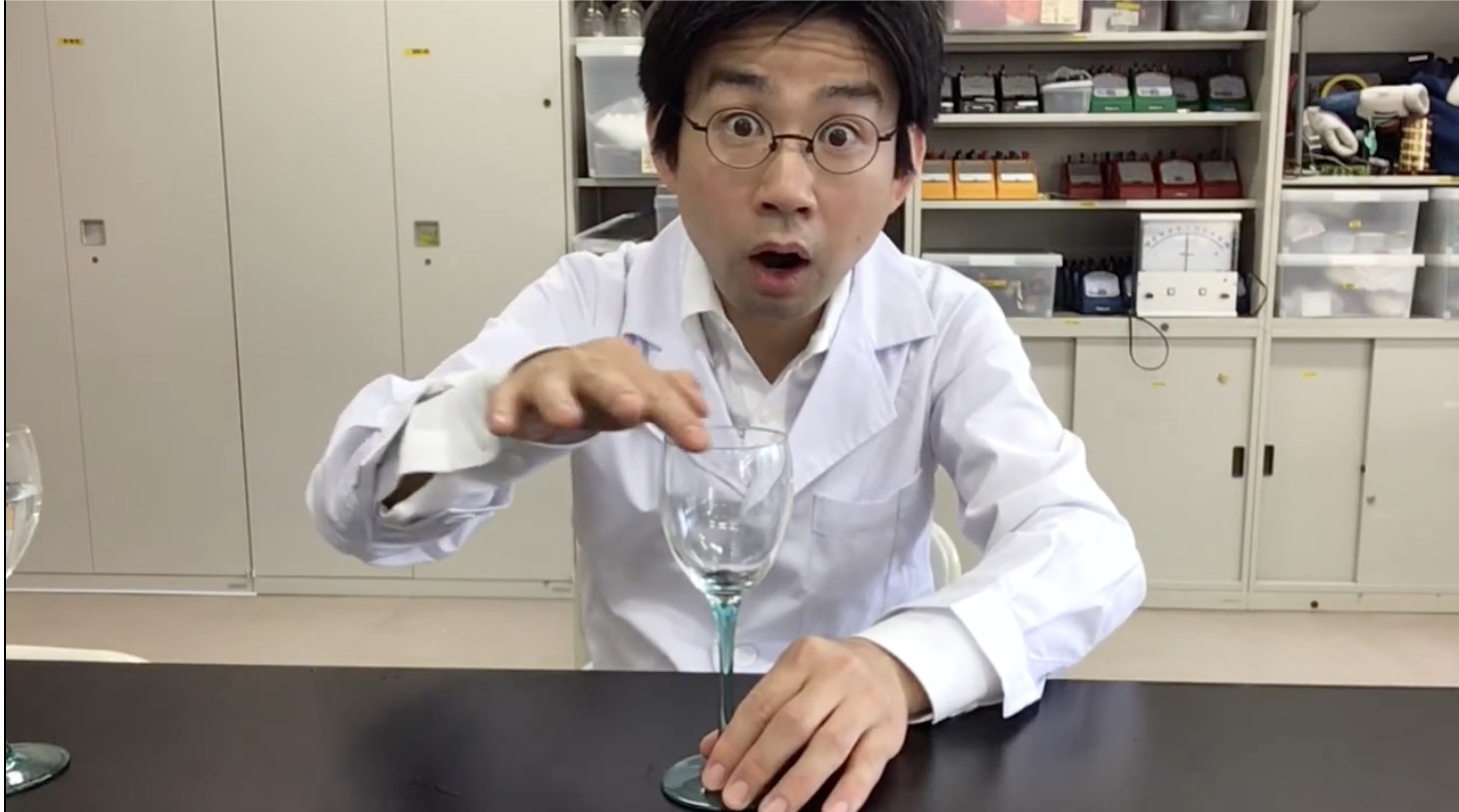
Have you ever made a wine glass sing with just a single finger? It’s a surprisingly magical experience—the glass suddenly resonates like a musical instrument in an orchestra.
Watch the Video First
If you lightly wet your finger and gently rub it around the rim of a wine glass, it produces a remarkably pure and beautiful tone. Take a moment to listen to the sound in the video below.
Why Does It Make a Sound? The Science of Friction and Vibration
What did you think? That clear, ringing note comes from the wine glass’s natural frequency. When your damp finger moves along the rim, the contact between your finger and the glass repeatedly alternates between sticking and slipping.
This is exactly the same principle that allows a violin bow to make a string vibrate. These tiny cycles of friction set the entire glass into motion, creating vibrations throughout the structure.
When those vibrations match the glass’s natural frequency, the sound becomes much louder and richer. A natural frequency is simply the frequency at which an object prefers to vibrate.
Think about pushing someone on a swing. If you push at exactly the right moment each time, the swing goes higher and higher. The wine glass behaves the same way: when it’s excited at just the right frequency, it resonates beautifully.
The Shape, Material, and Water Level All Change the Sound
One fascinating detail is that adding water to the glass lowers the pitch.
As the amount of water increases, the vibrating system effectively becomes heavier. This reduces the natural frequency, causing the note to drop in pitch. By filling several glasses with different amounts of water, you can create an entire musical scale.
In fact, there is a real instrument called the glass harp that works on this very principle, and it is still used in musical performances today.
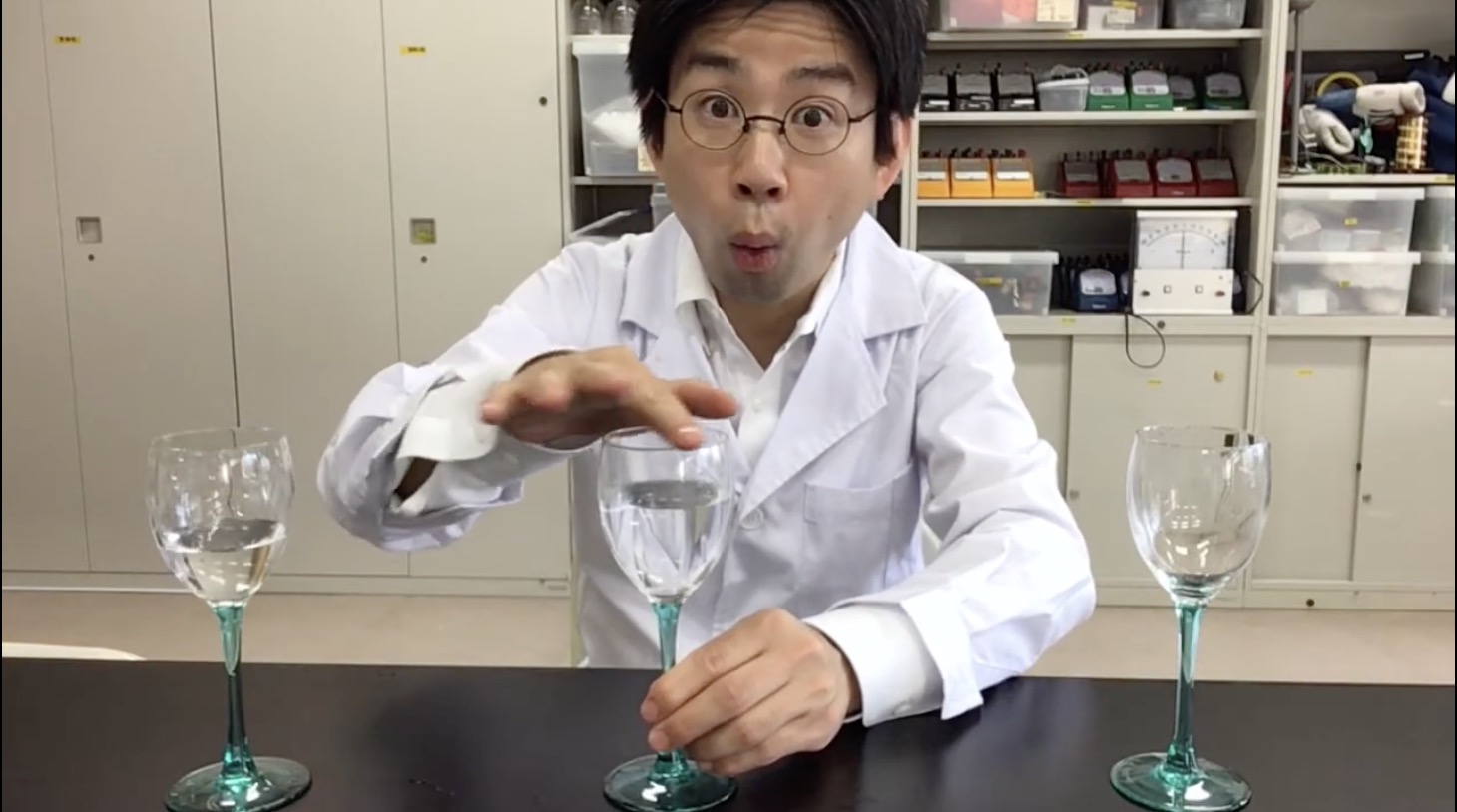
The material of the glass also matters. Crystal glasses tend to produce the most resonant and sustained tones.
Because crystal contains materials such as lead oxide or zinc oxide, it has a higher density and can maintain vibrations for a longer time. Ordinary thick glass, on the other hand, dampens vibrations more quickly, making it harder to produce a clear, ringing sound. The thickness and shape of the glass also influence both the pitch and the quality of the resonance.
The Wonder of Resonance All Around Us
At the heart of this phenomenon is a powerful concept in physics called resonance.
Resonance appears throughout the world around us. One famous example is the collapse of the Tacoma Narrows Bridge, where wind-induced vibrations matched the bridge’s natural frequency and contributed to its dramatic failure.
You may also have heard stories of opera singers shattering wine glasses with their voices. The science is exactly the same. When the frequency of the singer’s voice matches the glass’s natural frequency, the vibrations can grow so strong that the glass eventually breaks.
It’s amazing to think that the beautiful sound created by a single fingertip is connected to such a fundamental principle of physics.
Give It a Try at Home!
The experiment is simple:
① Place a wine glass on a stable surface.
② Wet your fingertip with a little water.
③ Gently touch the rim and move your finger around it in a smooth circle at a steady speed.
④ Once you find the right motion, a clear, ringing tone will emerge.
Try changing the amount of water in the glass or experimenting with different glass sizes. Comparing the sounds makes for an excellent science project and reveals just how much physics is hiding in everyday objects.
You might be surprised by how beautiful the results can be. Give it a try!
About Inquiries and Requests
Bringing the wonder of science closer to everyday life! Here you’ll find easy-to-understand explanations of fun science experiments you can do at home, along with practical tips for getting the best results. Feel free to explore more articles!
・The Science Notebook content has been published as a book. Learn more here.
・Learn more about Ken Kuwako, the site administrator, here.
・For writing projects, lectures, science workshops, TV consulting, appearances, and other requests, click here.
・Get the latest article updates on X!
 Science Ideas Channel features videos of exciting science experiments!
9月のイチオシ実験!
お弁当箱をプラバンがわりにしてキーホルダーを作ろう!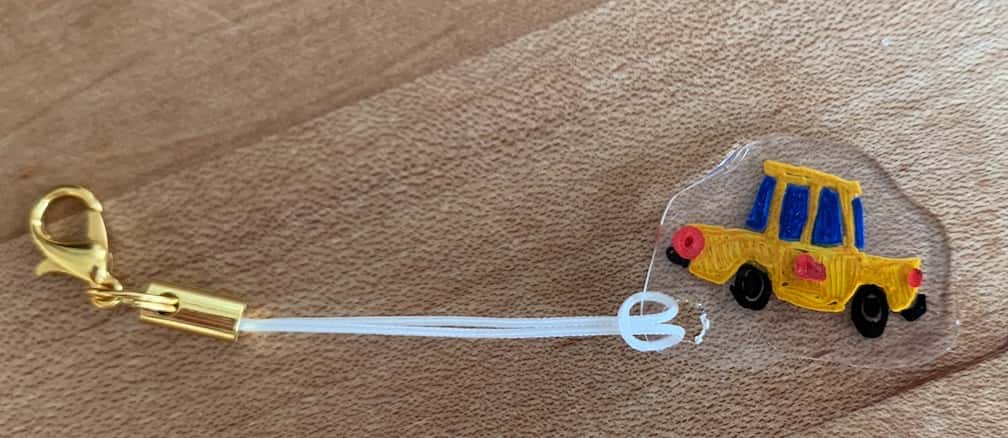
テレビ番組監修・イベント等のお知らせ
- 8月27日(木)科学監修番組放送予定
- 9月20日(日)ダビンチマスターズ出演予定
- 10月10日(土)11:15~12:00 千葉市科学フェスタ2026「桑子先生の回転科学ショー」にてサイエンスショーを行います。
- 12月26日(土) ナリカサイエンスアカデミー(教員向け実験講習会)開催
書籍のお知らせ
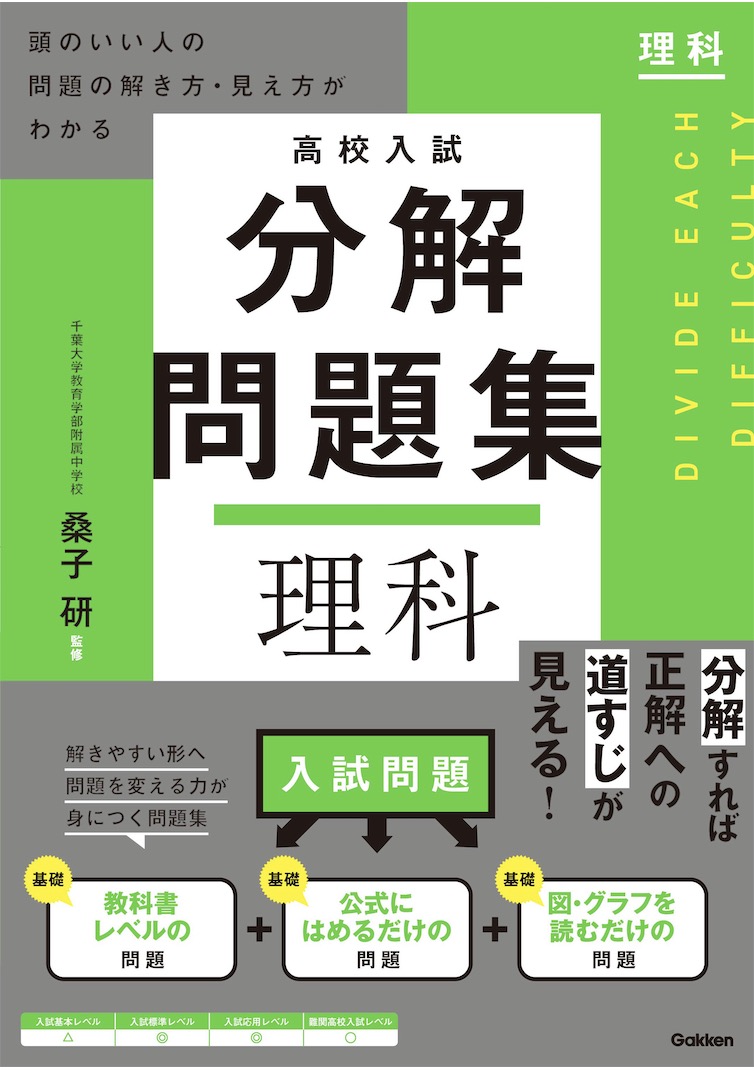
- 『高校入試 分解問題集 理科』(学研)…難しい問題も小さな問題に分解することで、問題を解くことができます。そんな分解の技術が身につくように深く関わりを持って作りました。
 『大人のための高校物理復習帳』(講談社)…一般向けに日常の物理について公式を元に紐解きました。特設サイトでは実験を多数紹介しています。※増刷がかかり6刷となりました(2026/02/01)
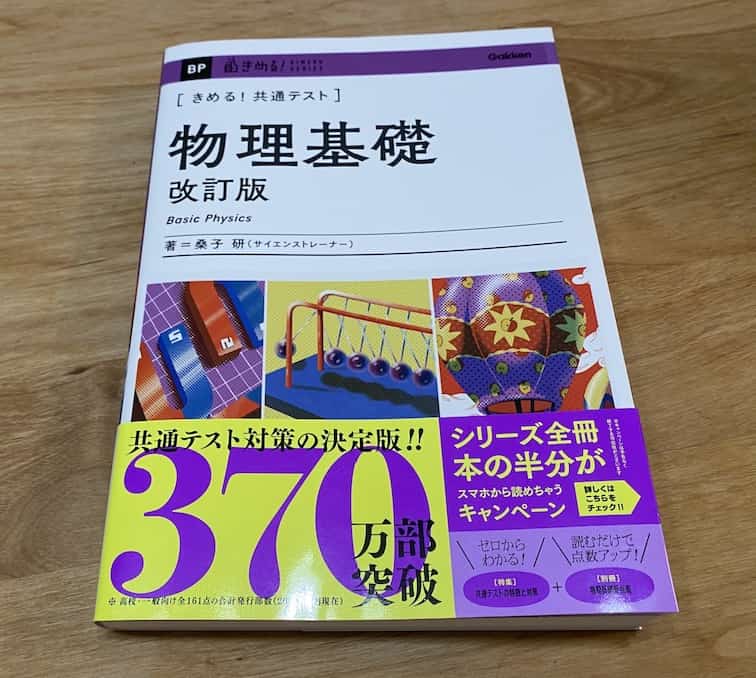
- 『きめる!共通テスト 物理基礎 改訂版』(学研)… 高校物理の参考書です。イラストを多くしてイメージが持てるように描きました。授業についていけない、物理が苦手、そんな生徒におすすめです。特設サイトはこちら。
各種SNS(更新情報をお届け!)
【日本語】X(Twitter)/instagram/Facebook 【英語】BlueSky/Threads
Explore
- 楽しい実験…お子さんと一緒に夢中になれるイチオシの科学実験を多数紹介しています。また、高校物理の理解を深めるための動画教材も用意しました。
- 理科の教材… 理科教師をバックアップ!授業の質を高め、準備を効率化するための選りすぐりの教材を紹介しています。
- Youtube…科学実験等の動画を配信しています。
- 科学ラジオ …科学トピックをほぼ毎日配信中!AI技術を駆使して作成した「耳で楽しむ科学」をお届けします。
- 講演 …全国各地で実験講習会・サイエンスショー等を行っています。
- About …「科学のネタ帳」のコンセプトや、運営者である桑子研のプロフィール・想いをまとめています。
- お問い合わせ …実験教室のご依頼、執筆・講演の相談、科学監修等はこちらのフォームからお寄せください。