Recreate the Solar System with a Steel Ball and Magnet! Feel the Motion of Planets with a Conical Pendulum
I’m Ken Kuwako, your Science Trainer. Every day is a new adventure in discovery!
“Why do planets race around the Sun when they’re close, but drift more slowly when they’re far away?”
To bring this incredible mystery of space down to Earth, I built a simple hands-on experiment you can try in the classroom. All it takes is a steel ball, a piece of string, and a magnet. Hidden inside this tiny setup is the same universal rule Johannes Kepler uncovered over 400 years ago.
The Magnet Becomes the Sun, the Ball Becomes a Planet
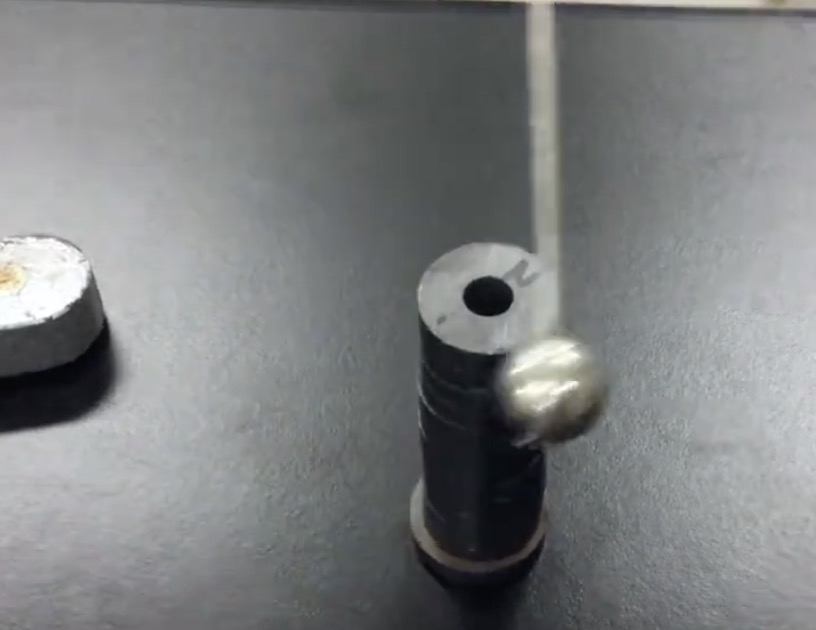
This experiment is a planetary motion model based on a conical pendulum. A steel ball is tied to a string, while a magnet sits directly underneath. In this miniature solar system, the magnet plays the role of the Sun, and the steel ball acts as a planet.
As the ball swings in a circular path, something amazing happens: it speeds up as it passes close to the magnet and slows down as it moves farther away. Watching the motion with your own eyes makes the behavior of real planets suddenly feel easy to understand.
You’re Watching Kepler’s Law Come Alive
This motion perfectly mirrors the discovery made by the 17th-century astronomer Johannes Kepler. After studying enormous amounts of astronomical data, Kepler realized that planets move faster when they are closer to the Sun. This became known as Kepler’s Second Law, the Law of Equal Areas.
The name sounds complicated, but the core idea is surprisingly elegant. Imagine drawing a line from the Sun to a planet. Over equal intervals of time, that line sweeps out the same area every time. Near the Sun, the planet moves quickly through a short section of orbit. Far away, it travels more slowly across a longer path. Either way, the swept area stays constant.
In this experiment, the magnet imitates the pull of the Sun’s gravity, allowing the same orbital behavior to appear right in front of you.
The Secret Behind the Speed Changes: Energy
The real key to this phenomenon is energy conservation. As the steel ball approaches the magnet, magnetic potential energy transforms into kinetic energy, making the ball accelerate. As it moves away, the reverse happens: kinetic energy changes back into potential energy, and the motion slows down.
Real planets behave in exactly the same way. A planet’s motion is controlled by a constant exchange between gravitational potential energy and kinetic energy, while the total amount of energy never changes.
For billions of years, ever since the birth of the universe itself, planets have continued this endless cosmic energy dance.
A Classroom Experiment That Instantly Grabs Attention
Many teachers struggle to make planetary motion feel visual and intuitive. But this experiment can be assembled quickly using only a magnet, a steel ball, and some string.
The moment students see the model moving, their curiosity switches on. Suddenly, abstract textbook diagrams transform into something real and dynamic. One of the best things about this setup is how it makes the enormous scale of the universe feel surprisingly close and understandable.
Give it a try in your own classroom or at home!
Questions, Collaborations, and More
Making science fun, exciting, and approachable for everyone! I share easy science ideas, experiments, and teaching tips you can enjoy at home or in the classroom.
・My “Science Material Book” is now available! Click here for details.
・Learn more about creator Ken Kuwako here.
・For writing requests, lectures, science workshops, TV appearances, and more, click here.
・Follow the latest updates on X (formerly Twitter)!
 Check out more science videos and experiments!
9月のイチオシ実験!
お弁当箱をプラバンがわりにしてキーホルダーを作ろう!
テレビ番組監修・イベント等のお知らせ
- 8月27日(木)科学監修番組放送予定
- 9月20日(日)ダビンチマスターズ出演予定
- 10月10日(土)11:15~12:00 千葉市科学フェスタ2026「桑子先生の回転科学ショー」にてサイエンスショーを行います。
- 12月26日(土) ナリカサイエンスアカデミー(教員向け実験講習会)開催
書籍のお知らせ
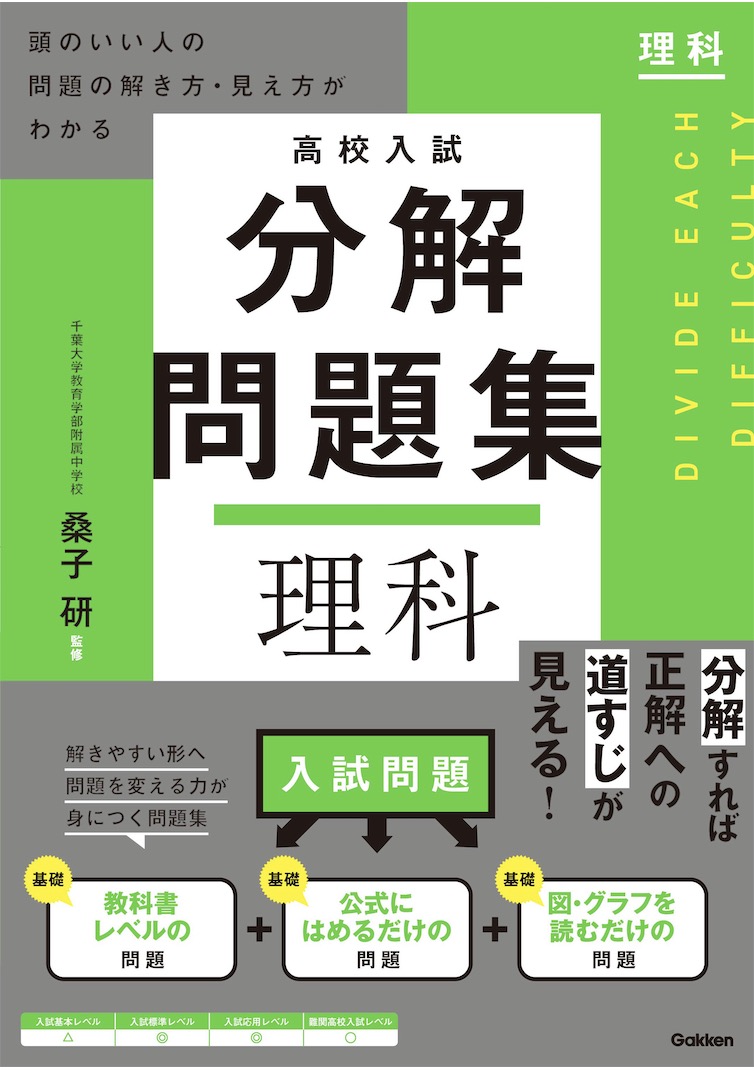
- 『高校入試 分解問題集 理科』(学研)…難しい問題も小さな問題に分解することで、問題を解くことができます。そんな分解の技術が身につくように深く関わりを持って作りました。
 『大人のための高校物理復習帳』(講談社)…一般向けに日常の物理について公式を元に紐解きました。特設サイトでは実験を多数紹介しています。※増刷がかかり6刷となりました(2026/02/01)

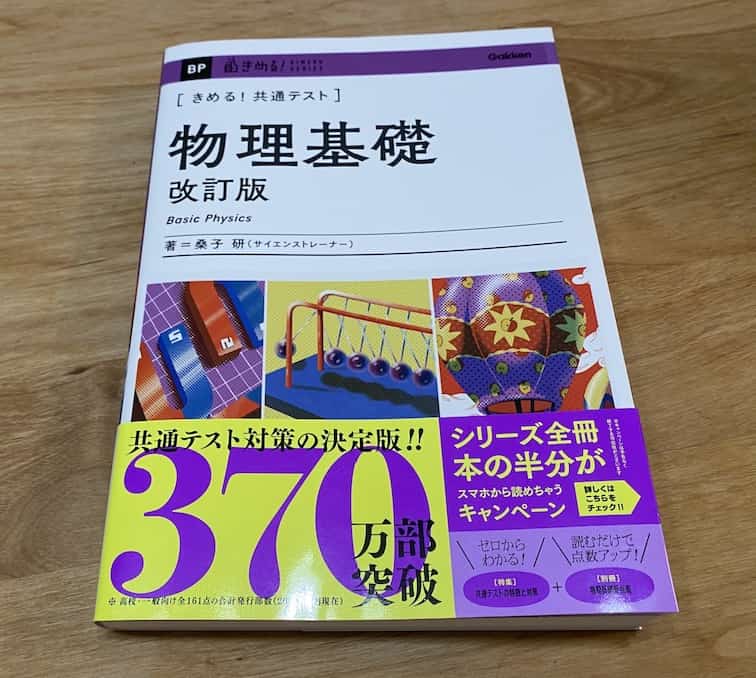
- 『きめる!共通テスト 物理基礎 改訂版』(学研)… 高校物理の参考書です。イラストを多くしてイメージが持てるように描きました。授業についていけない、物理が苦手、そんな生徒におすすめです。特設サイトはこちら。
各種SNS(更新情報をお届け!)
【日本語】X(Twitter)/instagram/Facebook 【英語】BlueSky/Threads
Explore
- 楽しい実験…お子さんと一緒に夢中になれるイチオシの科学実験を多数紹介しています。また、高校物理の理解を深めるための動画教材も用意しました。
- 理科の教材… 理科教師をバックアップ!授業の質を高め、準備を効率化するための選りすぐりの教材を紹介しています。
- Youtube…科学実験等の動画を配信しています。
- 科学ラジオ …科学トピックをほぼ毎日配信中!AI技術を駆使して作成した「耳で楽しむ科学」をお届けします。
- 講演 …全国各地で実験講習会・サイエンスショー等を行っています。
- About …「科学のネタ帳」のコンセプトや、運営者である桑子研のプロフィール・想いをまとめています。
- お問い合わせ …実験教室のご依頼、執筆・講演の相談、科学監修等はこちらのフォームからお寄せください。