
A Magic Trick to Keep Your Cake Spotless! The Surprising Science Behind “Frozen Candles” (Melting & Boiling Points of Paraffin)
I’m Ken Kuwako, your Science Trainer. To me, every day is an experiment.
Is there anything more magical than the moment you blow out the candles on a special celebration cake? It’s pure happiness—until you notice a trail of melted wax dripping all over your beautiful frosting. “Oh no, there goes the decoration…” It’s a common disappointment, isn’t it? But what if I told you there’s a simple trick to save your dessert? The secret is freezing your candles. Today, through the lens of a science teacher, I’ll put this life hack to the test and dive into the fascinating science behind it.
The Deep Freeze Challenge: Does It Really Work?
You might have heard the rumor: “Chilled candles drip less and last longer.” To see if this holds water (or wax), I set up an experiment with two identical candles. One stayed at room temperature, while the other spent a full hour in the freezer. Once the “icy” candle was ready, I lit them both simultaneously to see what would happen. Check out the results in this video:
The results were crystal clear. As the room-temperature candle burned, messy beads of wax began to roll down its sides. Meanwhile, the frozen candle stayed remarkably clean—it looked almost as perfect as the moment I lit it.
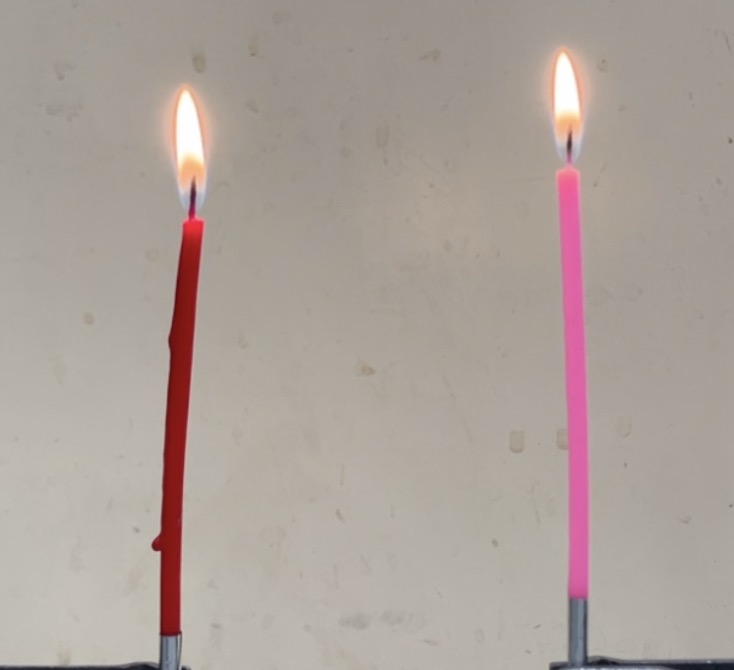
Left: Room Temperature / Right: Frozen
However, we did discover one surprising fact: both candles burned for exactly 14 minutes and 30 seconds. In this particular test, freezing didn’t actually make the candle “last longer.” But when it comes to keeping your cake spotless, the frozen candle won by a landslide.
I even tried a “mean” test by tilting both candles at an angle to force a drip. Even then, the room-temperature candle leaked significantly more wax. You can see that “torture test” in the second half of the video.
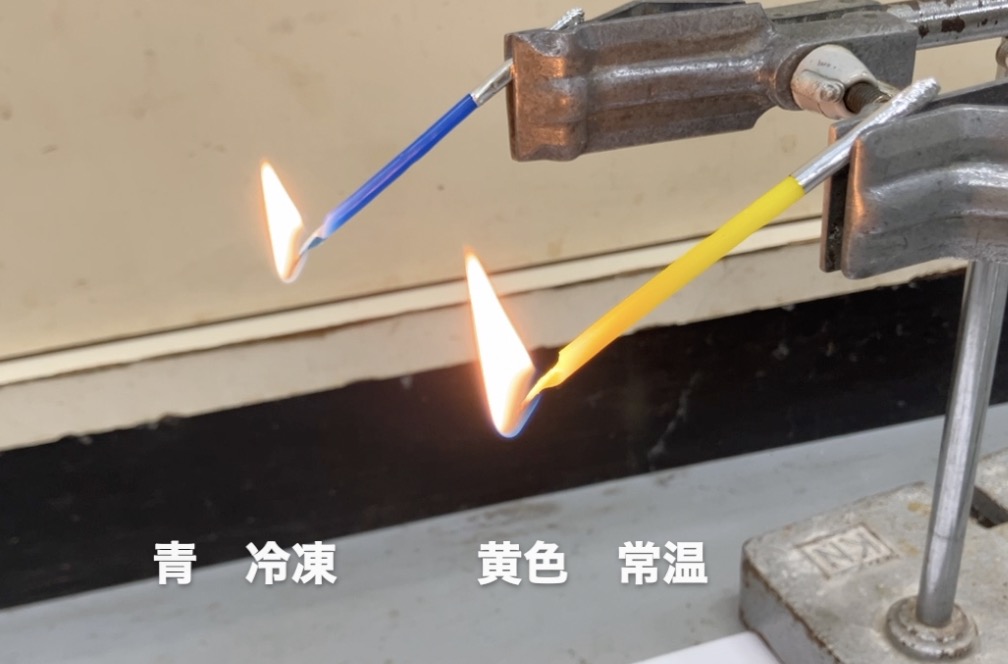
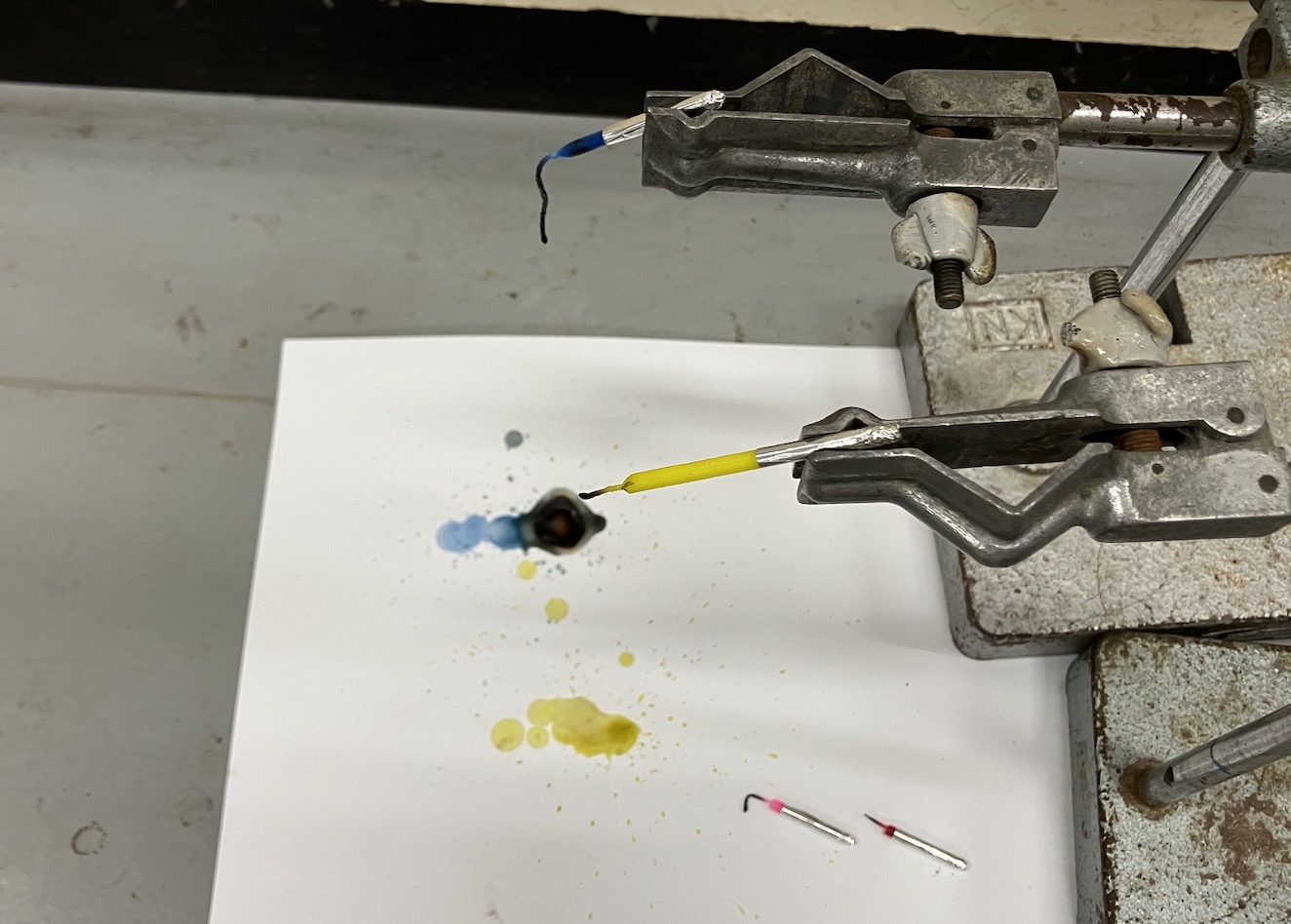
A 78-Degree Scientific Edge: Why Chilling Stops the Drip
How can a little bit of cold make such a big difference? The secret lies in the chemistry of paraffin wax.
The paraffin used in most candles has a melting point of about 60°C (140°F) and a boiling point of about 322°C (612°F). This means that for wax to flow as a liquid, it must stay between those two temperatures.
This is where the “thermal brake” comes in. Wax stops dripping when it cools down and drops below 60°C, turning back into a solid.
A typical home freezer is set to -18°C (0°F) or lower. When you use a candle that is chilled to the core, the outer surface stays much colder for longer. As the flame melts the top, any wax that tries to escape down the side hits that “icy wall” and instantly freezes back into a solid. It’s like having an automatic emergency brake for leaks! Especially in the summer, tossing your candles in the fridge or freezer along with the cake is a brilliant way to keep your party looking sharp.
The “Chemical History of a Candle” – A Legacy from Michael Faraday
The humble candle is actually a masterpiece of physics. In the 19th century, the great scientist Michael Faraday delivered a series of world-famous lectures for young people titled “The Chemical History of a Candle.” Even today, it remains one of the most beloved introductions to science ever written. I made sure to grab a copy for myself!
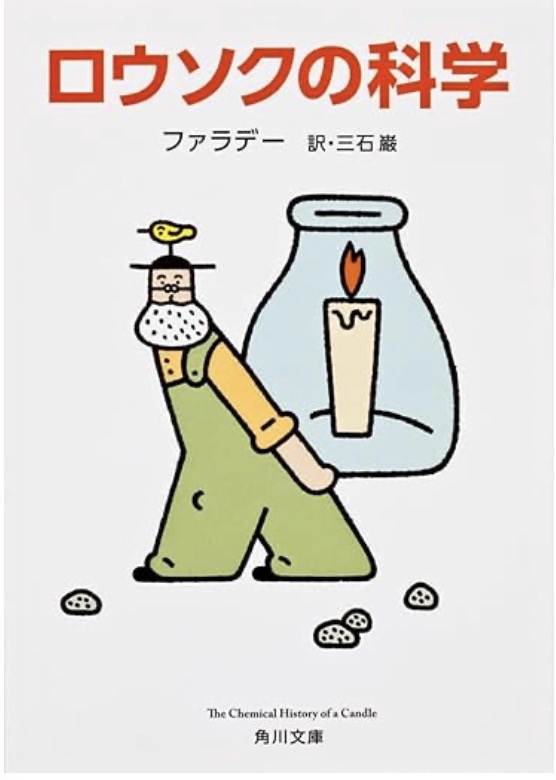
When a candle burns, it’s not just the wick that’s on fire. It’s a beautifully choreographed dance between solids, liquids, and gases.
The 4 Steps to a Glowing Flame
Melting (Solid to Liquid)
As you bring a flame to the wick, the radiant heat melts the solid paraffin, creating a small pool of liquid wax at the base of the wick.
Capillary Action
This is the cool part! The liquid wax travels up the tiny fibers of the wick, defying gravity. It’s the exact same principle that allows trees to pull water up from their roots to their highest leaves.
Vaporization (Liquid to Gas)
As the liquid wax reaches the hottest part of the wick near the flame, it gets so hot that it turns into wax vapor (gas).
Combustion
Finally, this gas reacts with the oxygen in the surrounding air. This intense chemical reaction releases heat and light. That beautiful flame you see? That’s the visible “construction site” of this chemical reaction.
A single small candle is packed with the essentials of science—phase changes, heat transfer, and chemical energy. The next time you light a candle on a cake, remember the “power of the cold” and the incredible scientific dance happening right before your eyes.
Contact & Inquiries
Let’s make the wonders of science a part of your everyday life! I share plenty of fun experiments you can try at home and tips to understand the “how” and “why.” Feel free to explore my other posts!
・My “Science Notes” are now available in book form! See more here.
・Learn more about the author, Ken Kuwako, here.
・For business inquiries (writing, speaking, workshops, TV supervision, etc.), click here.
・Stay updated via X (formerly Twitter)!
 Check out my experiment videos on the Science Lab Channel!
9月のイチオシ実験!
お弁当箱をプラバンがわりにしてキーホルダーを作ろう!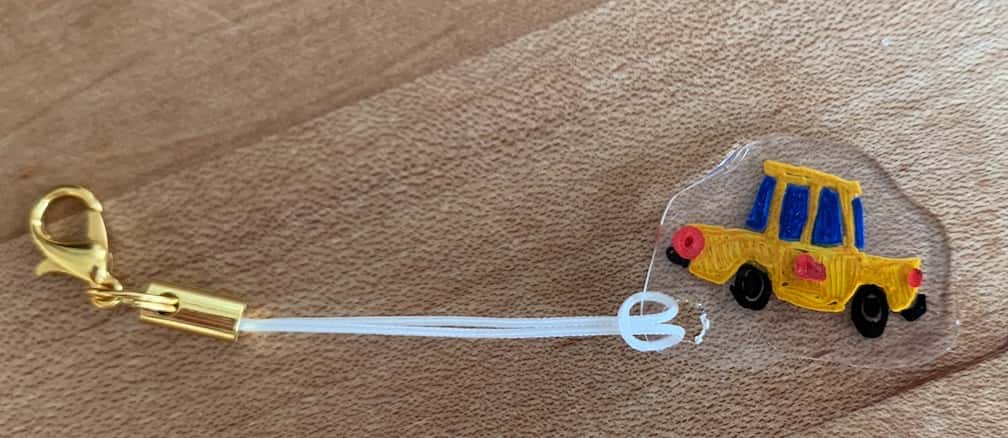
テレビ番組監修・イベント等のお知らせ
- 8月27日(木)科学監修番組放送予定
- 9月20日(日)ダビンチマスターズ出演予定
- 10月10日(土)11:15~12:00 千葉市科学フェスタ2026「桑子先生の回転科学ショー」にてサイエンスショーを行います。
- 12月26日(土) ナリカサイエンスアカデミー(教員向け実験講習会)開催
書籍のお知らせ
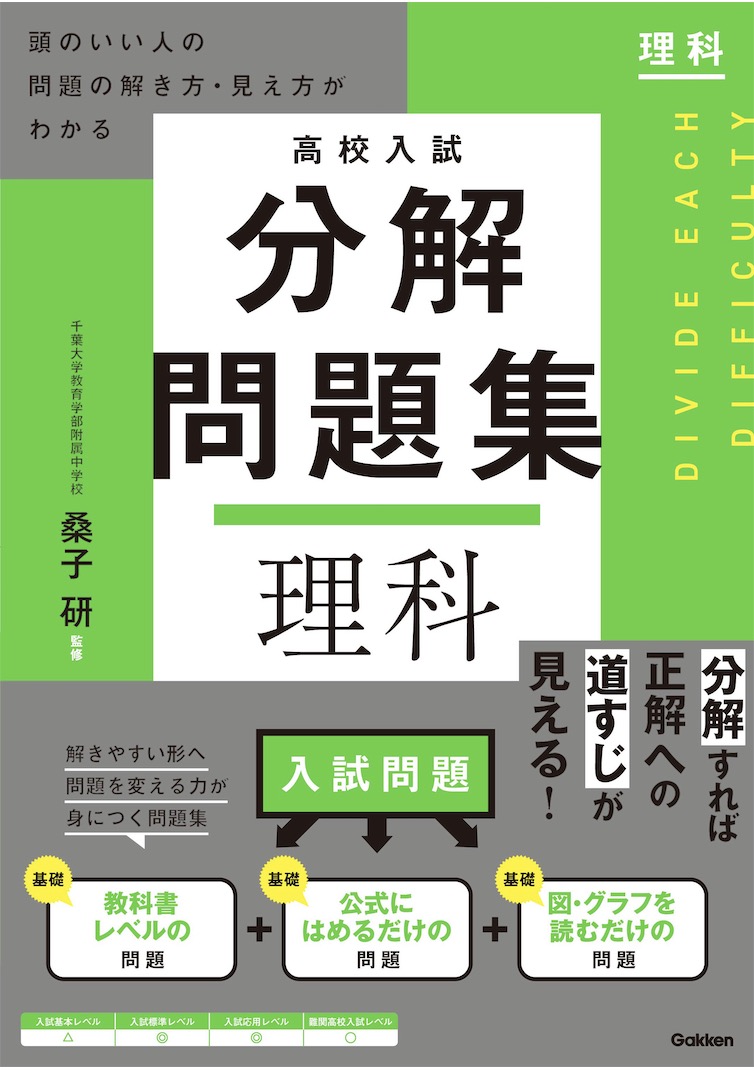
- 『高校入試 分解問題集 理科』(学研)…難しい問題も小さな問題に分解することで、問題を解くことができます。そんな分解の技術が身につくように深く関わりを持って作りました。
 『大人のための高校物理復習帳』(講談社)…一般向けに日常の物理について公式を元に紐解きました。特設サイトでは実験を多数紹介しています。※増刷がかかり6刷となりました(2026/02/01)
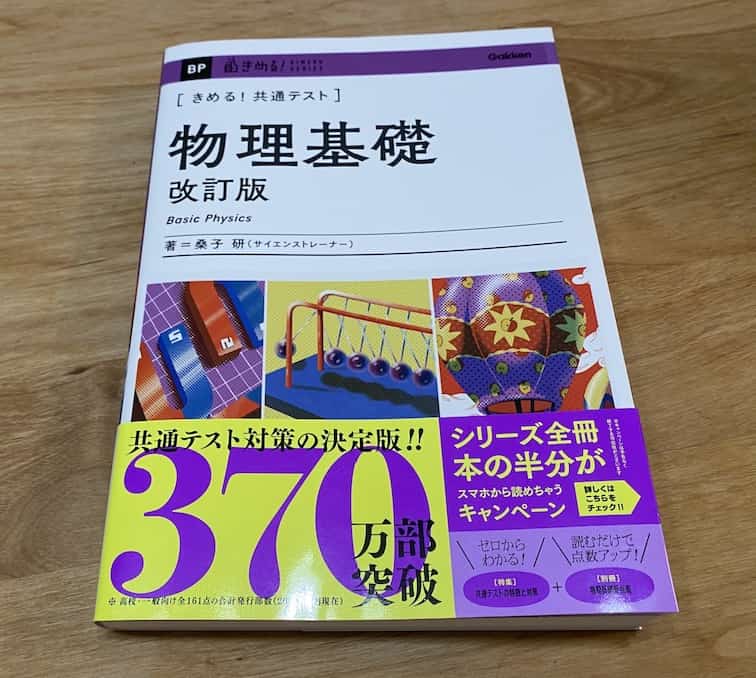
- 『きめる!共通テスト 物理基礎 改訂版』(学研)… 高校物理の参考書です。イラストを多くしてイメージが持てるように描きました。授業についていけない、物理が苦手、そんな生徒におすすめです。特設サイトはこちら。
各種SNS(更新情報をお届け!)
【日本語】X(Twitter)/instagram/Facebook 【英語】BlueSky/Threads
Explore
- 楽しい実験…お子さんと一緒に夢中になれるイチオシの科学実験を多数紹介しています。また、高校物理の理解を深めるための動画教材も用意しました。
- 理科の教材… 理科教師をバックアップ!授業の質を高め、準備を効率化するための選りすぐりの教材を紹介しています。
- Youtube…科学実験等の動画を配信しています。
- 科学ラジオ …科学トピックをほぼ毎日配信中!AI技術を駆使して作成した「耳で楽しむ科学」をお届けします。
- 講演 …全国各地で実験講習会・サイエンスショー等を行っています。
- About …「科学のネタ帳」のコンセプトや、運営者である桑子研のプロフィール・想いをまとめています。
- お問い合わせ …実験教室のご依頼、執筆・講演の相談、科学監修等はこちらのフォームからお寄せください。