
Visualizing Electricity’s Chase! Experience the Magic of AC Circuits in Scratch – Understanding Phase Shift
I’m Ken Kuwako, your Science Trainer. Every day is an experiment.
Electricity powers our modern lives, yet visualizing how it actually moves can be a real challenge. In the world of “Alternating Current” (AC), voltage and current dance together in a mysterious, rhythmic chase.
Have you ever felt your head spin during a science class when the teacher mentioned “phase”? It’s perfectly normal to feel lost when people start talking about electricity “leading” or “lagging.” To clear the fog, I’ve created simulations that visualize these electrical movements as rotating circles. Once you see it this way, complex AC circuits start to look less like scary math and more like a fun set of dance steps!
Resistors: A Perfectly Synced Duet
First, let’s look at the most straightforward component: the Resistor. When you apply AC voltage to a resistor, the current and voltage stay in perfect phase.
Think of it as two dancers moving their arms and legs in total synchronization, hitting every beat at the exact same moment. In the simulation, you’ll see two needles overlapping perfectly as they spin. Give it a try and feel that satisfying sense of zero lag!
Capacitors: Where Current Rushes Ahead
Next up is the Capacitor, a device that stores electrical energy. Here, something peculiar happens: the current actually starts spinning before the voltage.
Why? Think of a capacitor as a “water bucket.” For the water level (voltage) to rise, you must first pour the water (current) into the bucket. That’s why the current takes the lead while the voltage follows behind. Watch the simulation to see the current needle “racing” ahead of the voltage.
Inductors: The Laid-Back Lead of Voltage
Finally, we have the Inductor, which is essentially a coil of wire. This is the opposite of a capacitor: the voltage leads the current.
Inductors have a bit of a stubborn personality—they hate changes in current. When you try to push electricity through, the coil fights back, meaning it takes a while for the actual flow to get moving. Consequently, the “pushing force” (voltage) rises first, and the “actual flow” (current) eventually catches up.
The unique “personalities” of electricity can be hard to grasp through textbook formulas alone, but seeing them in motion makes everything click. If you know any students struggling with physics, please share these simulations with them. It turns the invisible world of electricity into something they can truly feel and understand.
Inquiries & Bookings
Bringing the wonder of science closer to you! I share fun home experiments and easy-to-follow tips. Feel free to explore more:
・My “Science Notebook” series is now a book! Details here
・Learn more about Ken Kuwako here
・For business inquiries (writing, lectures, workshops, TV supervision/appearances), click here
・Get the latest updates on X (Twitter)!
 Check out my experiment videos on the Science Lab Channel!
9月のイチオシ実験!
お弁当箱をプラバンがわりにしてキーホルダーを作ろう!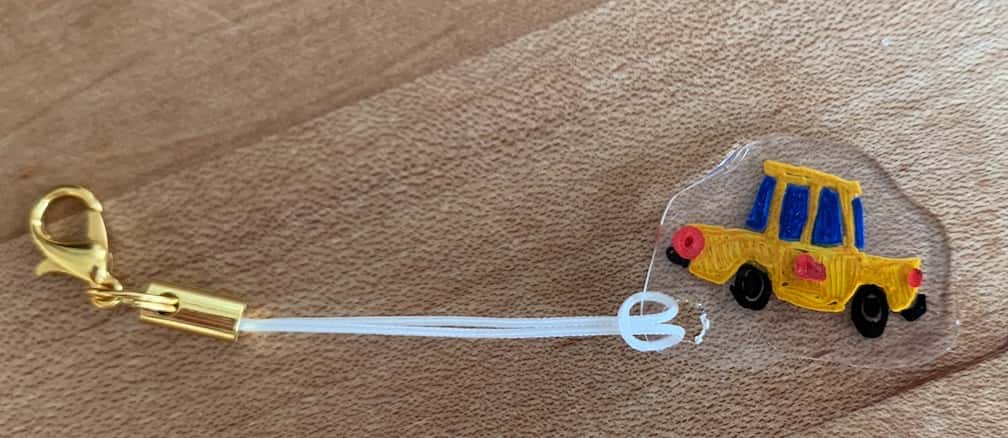
テレビ番組監修・イベント等のお知らせ
- 8月27日(木)科学監修番組放送予定
- 9月20日(日)ダビンチマスターズ出演予定
- 10月10日(土)11:15~12:00 千葉市科学フェスタ2026「桑子先生の回転科学ショー」にてサイエンスショーを行います。
- 12月26日(土) ナリカサイエンスアカデミー(教員向け実験講習会)開催
書籍のお知らせ
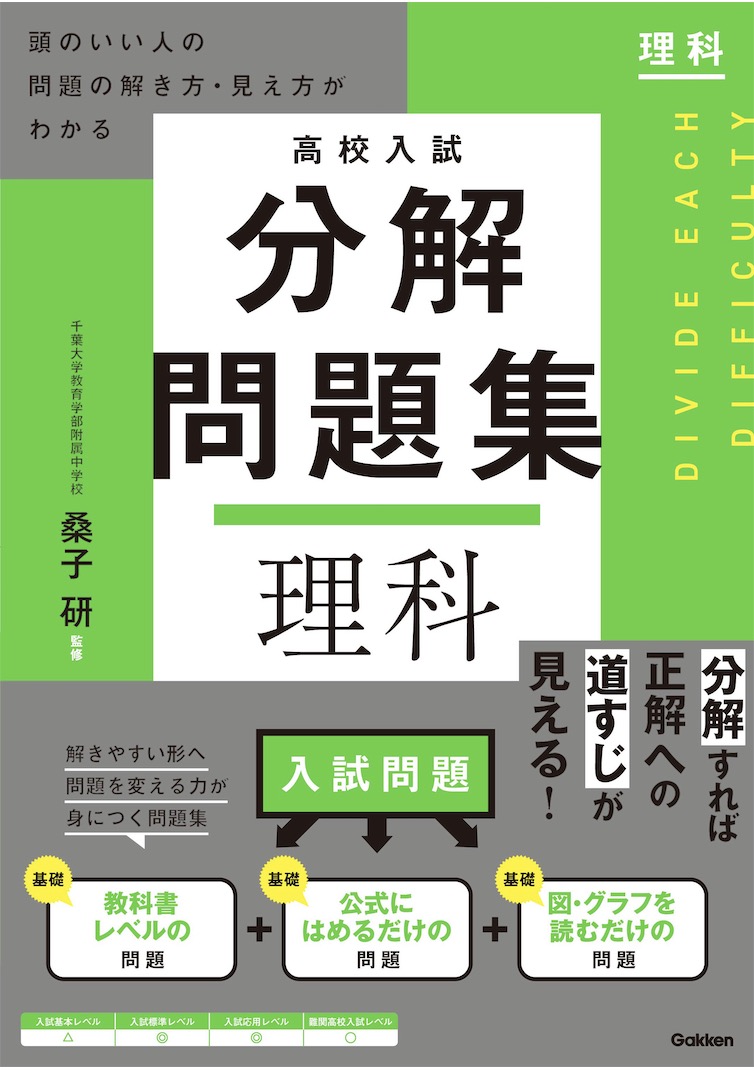
- 『高校入試 分解問題集 理科』(学研)…難しい問題も小さな問題に分解することで、問題を解くことができます。そんな分解の技術が身につくように深く関わりを持って作りました。
 『大人のための高校物理復習帳』(講談社)…一般向けに日常の物理について公式を元に紐解きました。特設サイトでは実験を多数紹介しています。※増刷がかかり6刷となりました(2026/02/01)

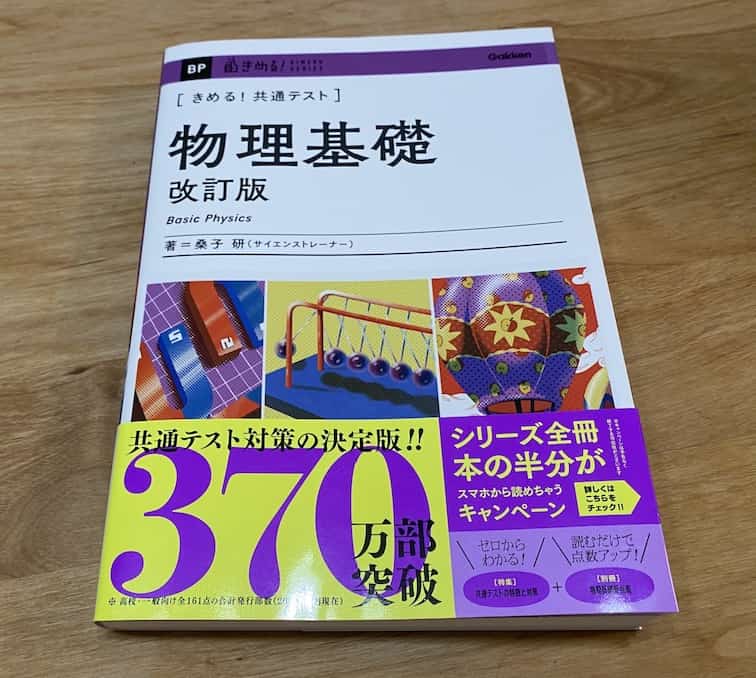
- 『きめる!共通テスト 物理基礎 改訂版』(学研)… 高校物理の参考書です。イラストを多くしてイメージが持てるように描きました。授業についていけない、物理が苦手、そんな生徒におすすめです。特設サイトはこちら。
各種SNS(更新情報をお届け!)
【日本語】X(Twitter)/instagram/Facebook 【英語】BlueSky/Threads
Explore
- 楽しい実験…お子さんと一緒に夢中になれるイチオシの科学実験を多数紹介しています。また、高校物理の理解を深めるための動画教材も用意しました。
- 理科の教材… 理科教師をバックアップ!授業の質を高め、準備を効率化するための選りすぐりの教材を紹介しています。
- Youtube…科学実験等の動画を配信しています。
- 科学ラジオ …科学トピックをほぼ毎日配信中!AI技術を駆使して作成した「耳で楽しむ科学」をお届けします。
- 講演 …全国各地で実験講習会・サイエンスショー等を行っています。
- About …「科学のネタ帳」のコンセプトや、運営者である桑子研のプロフィール・想いをまとめています。
- お問い合わせ …実験教室のご依頼、執筆・講演の相談、科学監修等はこちらのフォームからお寄せください。