Twisting Light to Create Color at Home! Turn Scotch Tape into Magical Paint — Make a Polarized Light Kaleidoscope
I’m Ken Kuwako, your science trainer. Every day is an experiment!
The world around us is filled with light, from the sun above to the glowing fluorescent lamps in our rooms. But did you know that hidden within that transparent, everyday light is a secret world of invisible colors?
The realm of light, which we usually pass through without a second thought, holds brilliant rainbow hues beyond our imagination. Today, I’ll show you how to expose the true nature of light and recreate its magical beauty right in your hands with a fun science experiment.
Recently, I visited the National Museum of Nature and Science and saw an exhibit featuring polarizing plates. By simply looking at a plain white LCD screen through a single polarizing film, a kaleidoscope of colors suddenly appears. First, take a look at this mysterious sight in the video below.
This magical phenomenon is caused by the polarization of light and a property found in materials like clear tape called birefringence (double refraction). Using these principles, let’s create a one-of-a-kind Polarizing Kaleidoscope together!
Check out the finished product here:
Now, here is the science recipe for you to try at home.
Science Recipe: Tools to Dissect Light
What You’ll Need
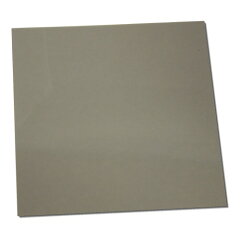
Polarizing plates, a tube (like a mailing tube or toilet paper roll), mirror sheets, a small saw or utility knife, packing material (foam or bubble wrap), scissors, clear tape (cellophane tape), a marker, a paper cup, and a craft knife.

Instructions: Assembling Your Light Kaleidoscope
Cut your tube to a comfortable length (around 15cm is ideal). Then, cut three mirror sheets to fit inside the tube. Mirror sheets can be easily trimmed with scissors.
Peel off the protective film from the mirror sheets and tape the three pieces together to form a triangular pillar with the reflective sides facing inward.
Slide the mirror pillar into the tube.
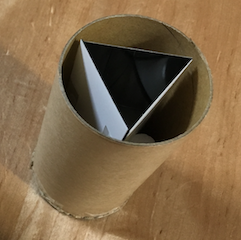
To keep the mirrors from rattling, stuff the gaps with packing material to secure them firmly.
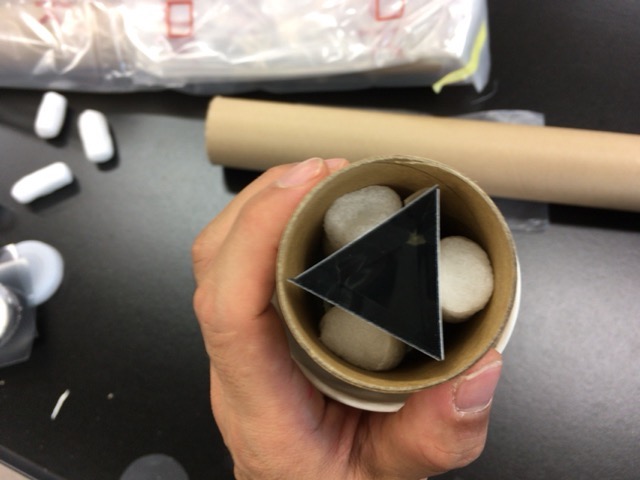
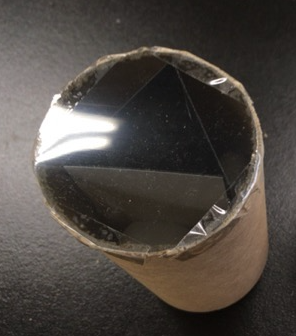
Trace the end of the tube onto a polarizing plate with a marker and cut it out. Remove the protective film and tape it to one end of the tube. This will be your eyepiece.
Cut out the bottom of a paper cup. Attach another circular polarizing plate (cut the same way as in step 4) to the bottom. On top of this plate, layer strips of clear tape in random directions.
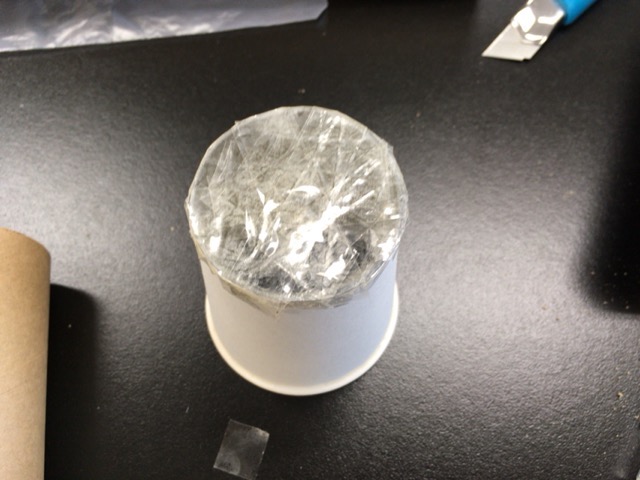
Pro tip: Start with just a few pieces of tape and add more later while looking through the kaleidoscope to adjust the colors.
Fit the paper cup over the end of the tube opposite the eyepiece, and your Polarizing Kaleidoscope is complete! Point it toward a light source and take a peek.
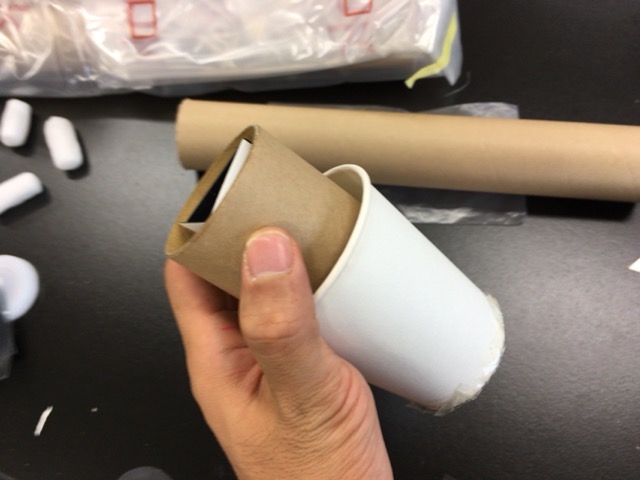
The Result: A Symphony of Light and Color
Check out this video to see the stunning visuals for yourself!
Try looking toward a fluorescent light while slowly rotating the paper cup.
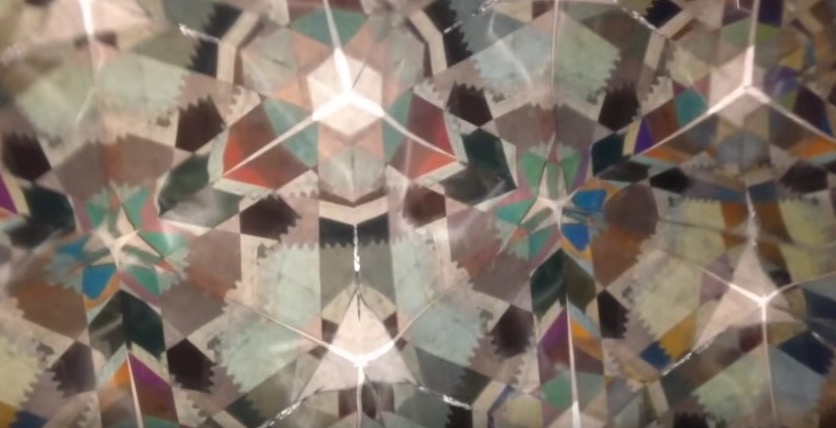
The patterns shift and transform beautifully.
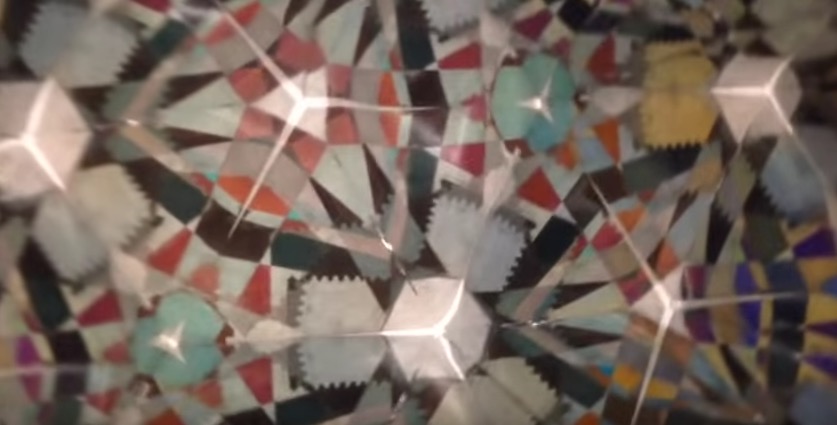
It’s mind-blowing that such complex colors and shapes are created without any beads or colored glass inside. For an even more vivid view, try shining an LED light or your smartphone’s flashlight through the paper cup.
Why does transparent tape suddenly show colors? Plastic films like clear tape have a property called birefringence, which changes how light waves travel through them. When this happens between two polarizing plates, only specific colors are highlighted and reach our eyes.
The color patterns change infinitely depending on how you layer the tape. Feel free to add more tape or change the angles to find your favorite color combination!
By the way, here is a large-scale exhibit of polarizing plates at the Science Museum. It’s a great way to experience how polarization works on a big scale!
What exactly is a Polarizing Plate?
The secret to this kaleidoscope lies in a mysterious black film called a polarizing plate. In high school physics, these are famous for experiments proving that light is a transverse wave.
Light actually travels as a wave. Imagine it as a “noisy wave” vibrating in every direction—up, down, left, right, and diagonally—as it moves forward. A polarizing plate acts like an invisible set of blinds that forces light waves to “line up.”
When light passes through a “vertical blind,” only the waves vibrating vertically can get through. If you place a “horizontal blind” immediately after it, what happens? The vertical waves can’t pass through the horizontal blinds, and the light is completely blocked, leaving everything pitch black.
Because of this orientation, rotating two stacked polarizing plates can either let light through (when the blinds align) or block it out (when they are perpendicular).
This technology is very useful in our daily lives. When light reflects off water, the vibrations align, creating that harsh glare. Polarizing filters (PL filters) on cameras cut this glare, allowing you to see clearly into the water.
Why does Clear Tape create a Rainbow?
“Okay, polarizing plates block and allow light. But why the colors?”
This is where our second secret weapon comes in: clear cellophane tape. Cellophane tape has a hidden power: it “twists” the vibration direction of light as it passes through. Even more interestingly, it twists different colors of light at slightly different angles!
In this kaleidoscope, we have the first polarizing plate, the clear tape, and then the second plate. Light lines up through the first “blind,” then hits the tape. Red light gets twisted to angle A, blue light to angle B, and so on.
When that light reaches the second “blind” at the exit, some colors are allowed through while others are blocked. As a result, specific colors are boosted or cancelled out, reaching our eyes as a beautiful rainbow!
The patterns change infinitely just by layering the tape because each layer changes how the light is twisted.
Using these mysterious plates, we’ve made an eco-friendly and beautiful kaleidoscope out of simple household items like paper tubes. Give it a try!
Inquiries and Requests
Bringing the wonder and fun of science closer to you! I share easy-to-follow tips and fun experiments you can try at home. Feel free to explore more:
My Science Notebook series is now a book! Details here
Learn more about Ken Kuwako here
For work requests (writing, lectures, workshops, TV supervision, etc.), click here – Follow me on X (formerly Twitter) for the latest updates!
 Watch experiment videos on the Science Material Channel!
10月のイチオシ実験!
https://youtube.com/shorts/jLVKYRVI1uY?feature=share
テレビ番組監修・イベント等のお知らせ
- 12月26日(土) ナリカサイエンスアカデミー(教員向け実験講習会)開催
書籍のお知らせ
- 『高校入試 分解問題集 理科』(学研)…難しい問題も小さな問題に分解することで、問題を解くことができます。そんな分解の技術が身につくように深く関わりを持って作りました。
 『大人のための高校物理復習帳』(講談社)…一般向けに日常の物理について公式を元に紐解きました。特設サイトでは実験を多数紹介しています。※増刷がかかり6刷となりました(2026/02/01)
- 『きめる!共通テスト 物理基礎 改訂版』(学研)… 高校物理の参考書です。イラストを多くしてイメージが持てるように描きました。授業についていけない、物理が苦手、そんな生徒におすすめです。特設サイトはこちら。
各種SNS(更新情報をお届け!)
【日本語】X(Twitter)/instagram/Facebook 【英語】BlueSky/Threads
Explore
- 楽しい実験…お子さんと一緒に夢中になれるイチオシの科学実験を多数紹介しています。また、高校物理の理解を深めるための動画教材も用意しました。
- 理科の教材… 理科教師をバックアップ!授業の質を高め、準備を効率化するための選りすぐりの教材を紹介しています。
- Youtube…科学実験等の動画を配信しています。
- 科学ラジオ …科学トピックをほぼ毎日配信中!AI技術を駆使して作成した「耳で楽しむ科学」をお届けします。
- 講演 …全国各地で実験講習会・サイエンスショー等を行っています。
- About …「科学のネタ帳」のコンセプトや、運営者である桑子研のプロフィール・想いをまとめています。
- お問い合わせ …実験教室のご依頼、執筆・講演の相談、科学監修等はこちらのフォームからお寄せください。
- Experiment! What Happens When You Take a Bag of Potato Chips Up a Mountain? Almost Bursting at 2,237 m?! (The Mystery of Air Pressure)

- We Live at the Bottom of an Ocean of Air! A Plastic Bottle Experiment Reveals the Truth About Air Pressure (A High School Physics Refresher for Adults)
- Seeing the World Through an Insect’s Eyes? The Hidden Secrets of Dandelions and Azaleas

- Did the Chopstick Snap? Did It Move Backward? The Strange Images in a Glass of Water
- Making the Invisible Visible: A Laser and Fog Machine Light Show!

- The 1,300-View Wall! What Middle Schoolers Learned About “Reaching People” Through Short Videos (Science Communication Course)

- Is the Image on Your Retina Upside Down? Discover the Magic of Light with a Squid Eye Experiment

- We Built a Volcano—and It Was Explosively Fun! The Ultimate Experiment Recipe Using Plaster and Baking Soda!

- Data So Clean It’ll Wow You! Cracking the Link Between Potential Energy and Work with Just a Rail and a Marble