Battery Breakdown: The Hidden Carbon Rod and Manganese Dioxide Inside a Manganese Battery
I’m Ken Kuwako, your Science Trainer. Every day is an experiment.
When you toss a “dead” battery into the bin, have you ever paused to imagine what’s actually packed inside that small cylinder? As it turns out, batteries are filled with treasures that science teachers would give anything to get their hands on for their next experiment. Today, we’re going to dissect a common manganese battery to reveal its inner workings! Let’s see for ourselves how a simple disposable tool is actually a sophisticated piece of chemical engineering.
The Essential Toolkit for Dissection
To uncover the mysteries of the manganese battery, we’ve gathered these tools:
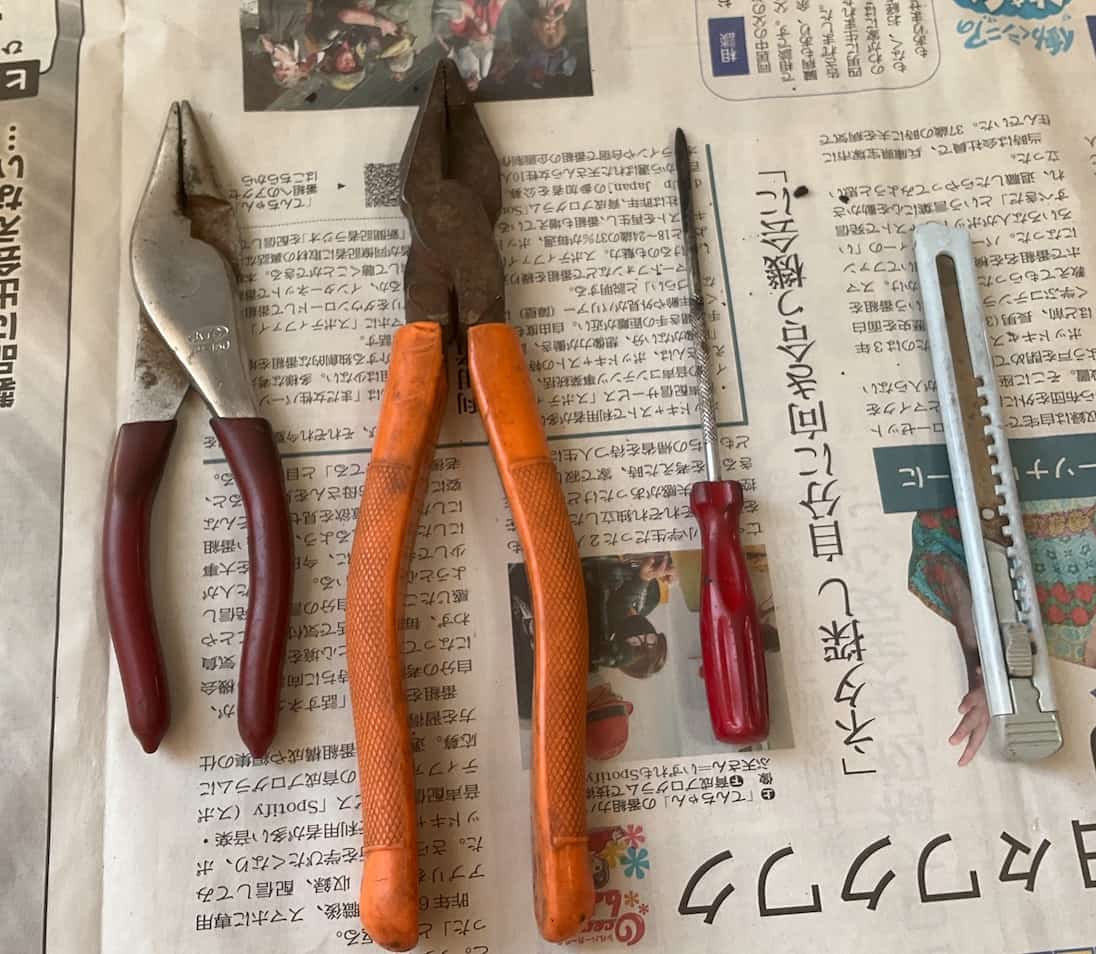
• Pliers (Large & Small): The battery casing is made of tough metal. Use these to firmly peel the exterior away.
• Screwdriver: Useful for efficiently digging out the materials packed inside.
• Utility Knife: Perfect for slicing through the vinyl protective layers and insulation.
• Newspaper: A black powder will spill out during the process. This is a must-have to keep your workspace clean!
• Paper Cups: To sort and store each of the precious “materials” you extract.
The Battery “Surgery”: Tips and Procedures
Now, let’s begin the dissection. The basic strategy for a manganese battery is to start from the positive terminal at the top.
Please Note: This guide is intended for educational use by instructors. Disassembling batteries can lead to injury or leaks, so please do not attempt this at home unsupervised. Furthermore, only manganese batteries should be used for this. Never, under any circumstances, attempt to disassemble an alkaline battery.
First, place the edge of your pliers on the joint of the positive terminal. Once you’ve pried it up slightly, the trick is to rotate the pliers and peel the casing back—just like you’re opening a vintage can of corned beef. This is the part that requires the most finesse!
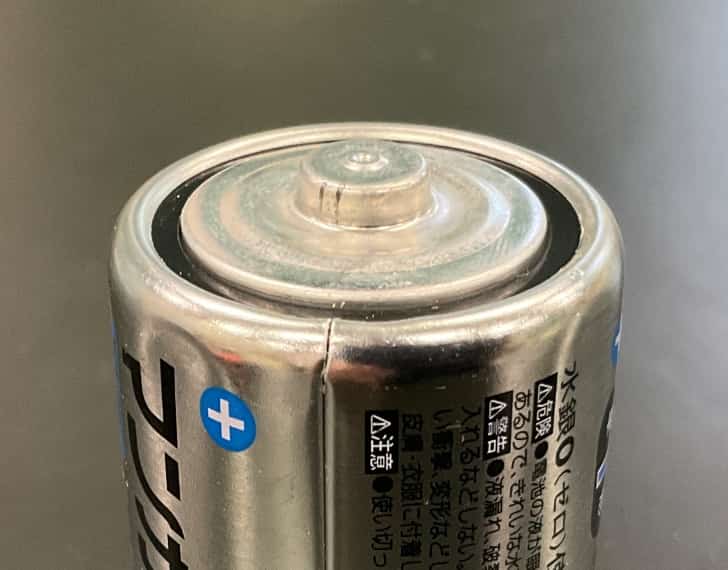
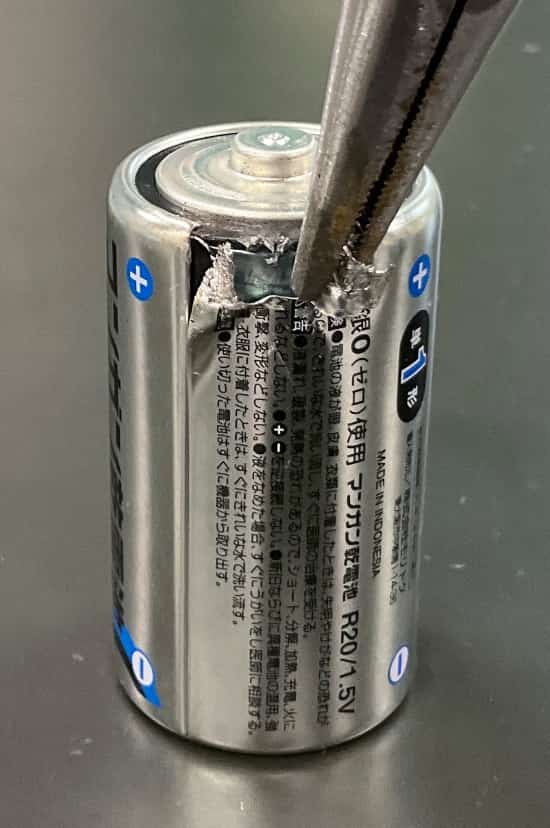
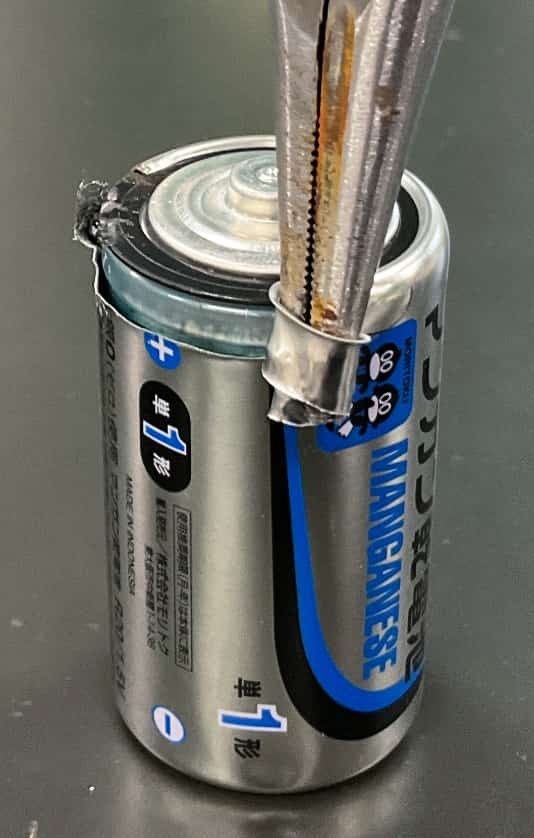
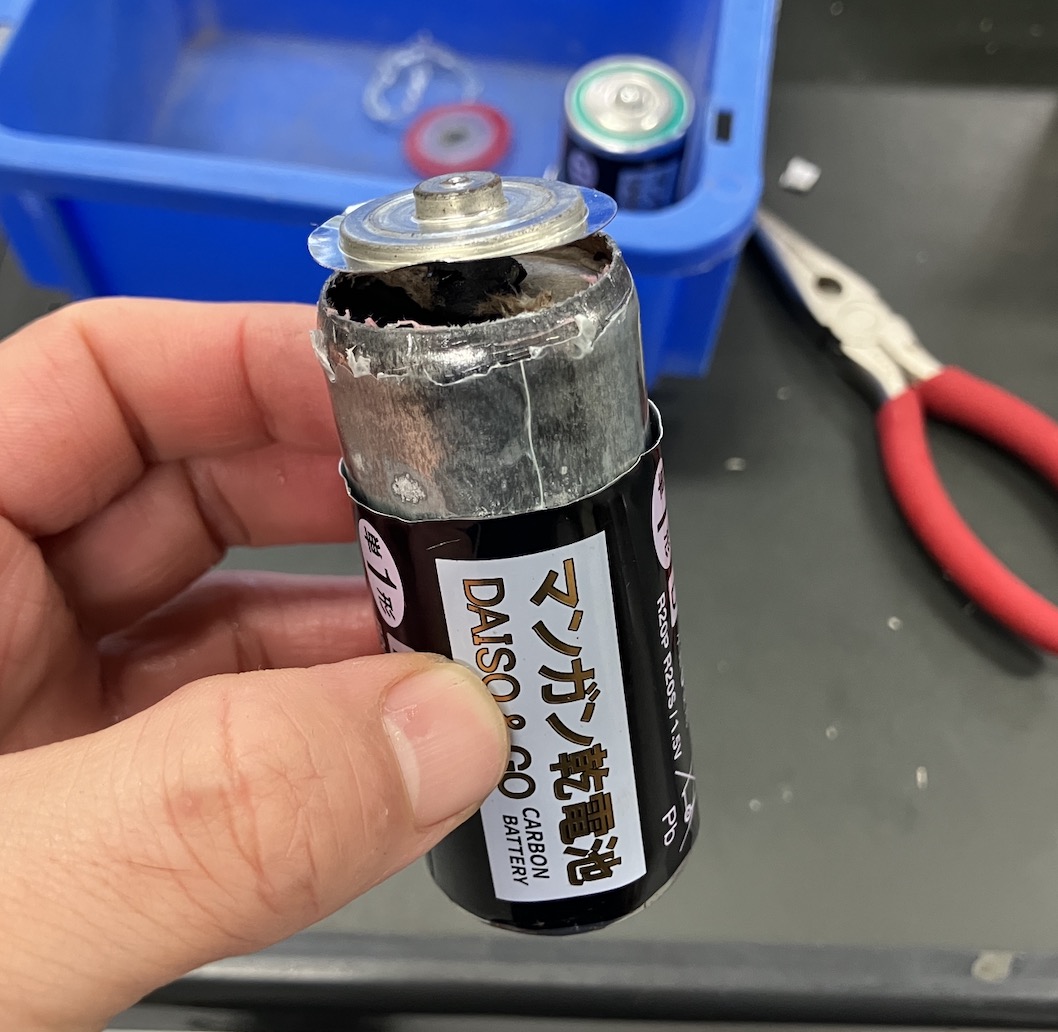
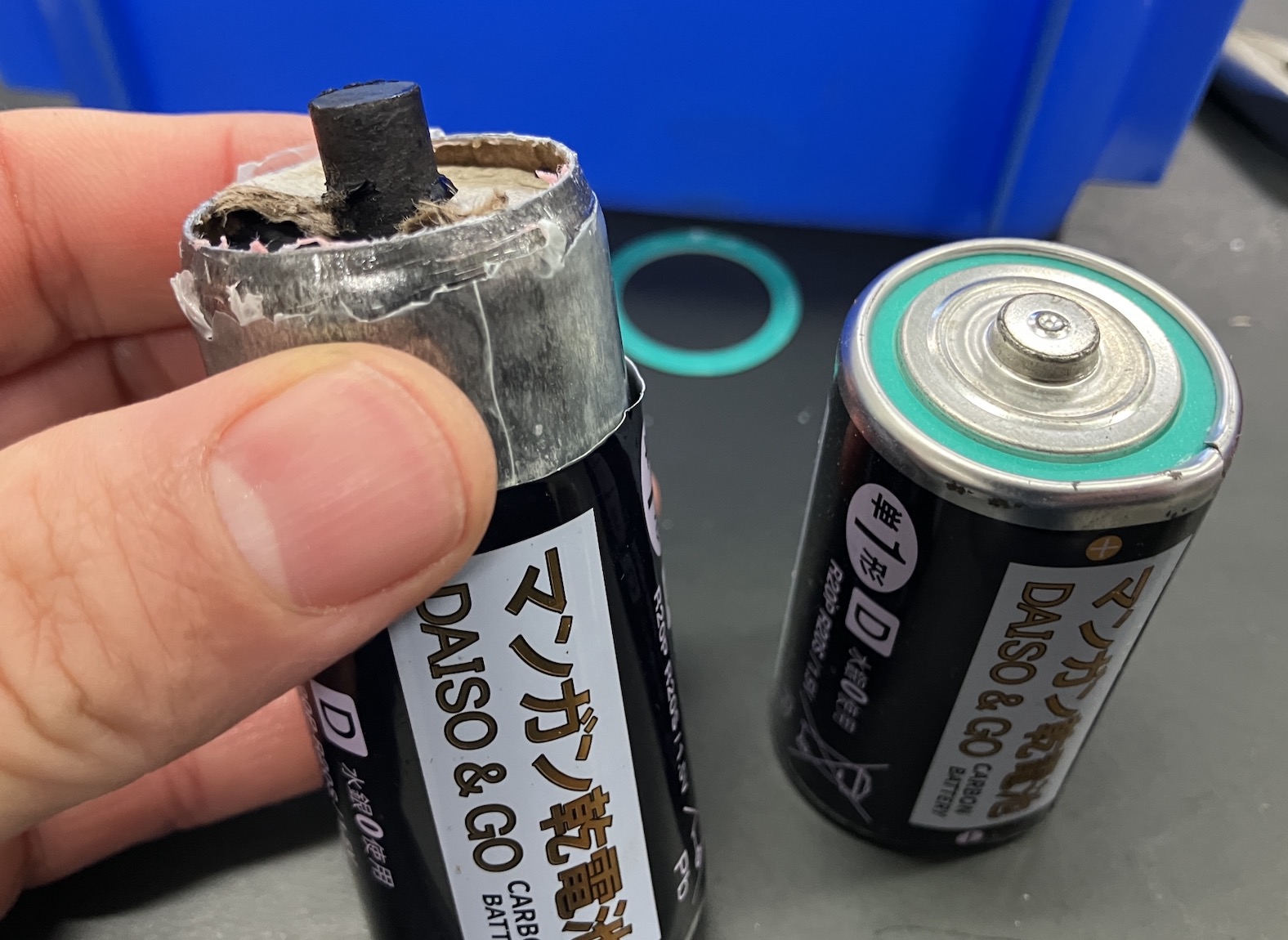
For a better look at the technique and pressure needed, be sure to watch the video. Once the top is removed, give the bottom a firm push, and the inner unit should slide right out of the metal cover.
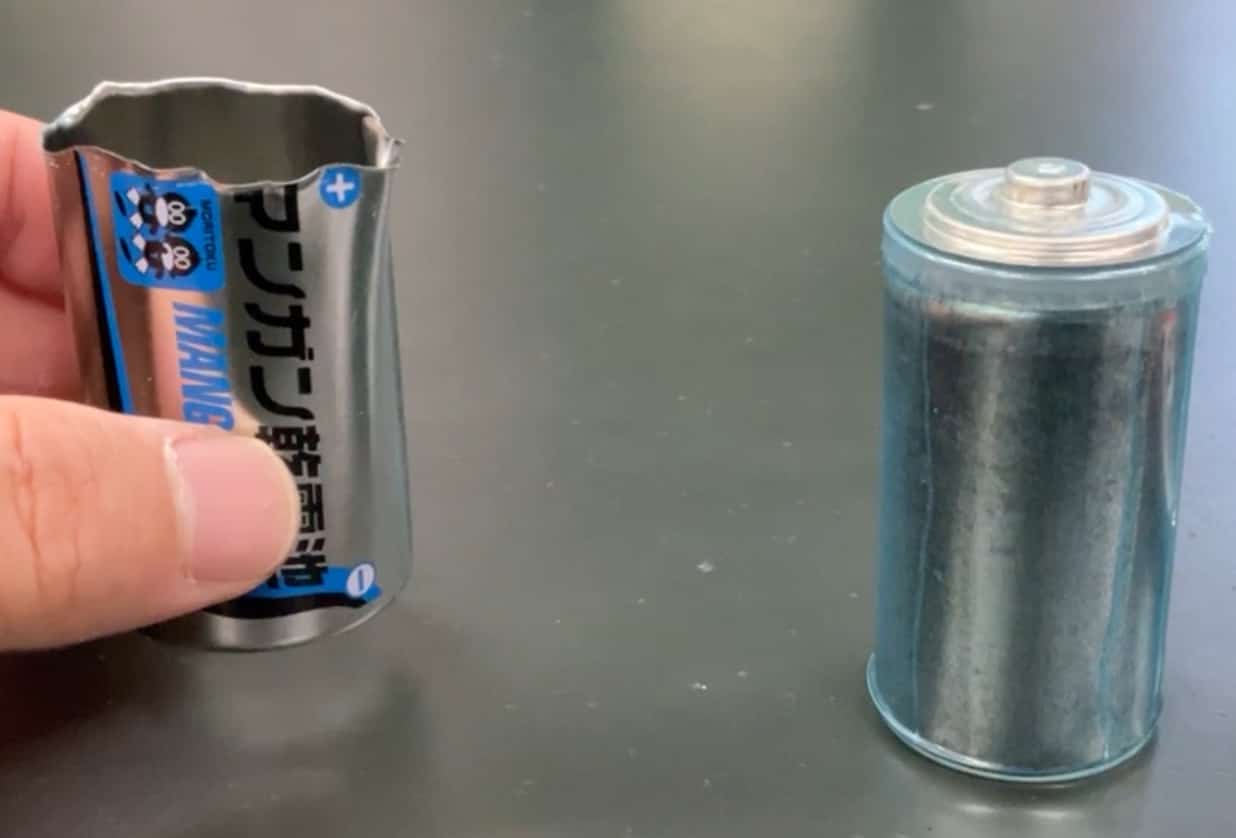
Once the cover is off, the core of the battery is revealed. Carefully slice the surrounding vinyl with your utility knife and extract the carbon rod at the center, taking care not to break it.
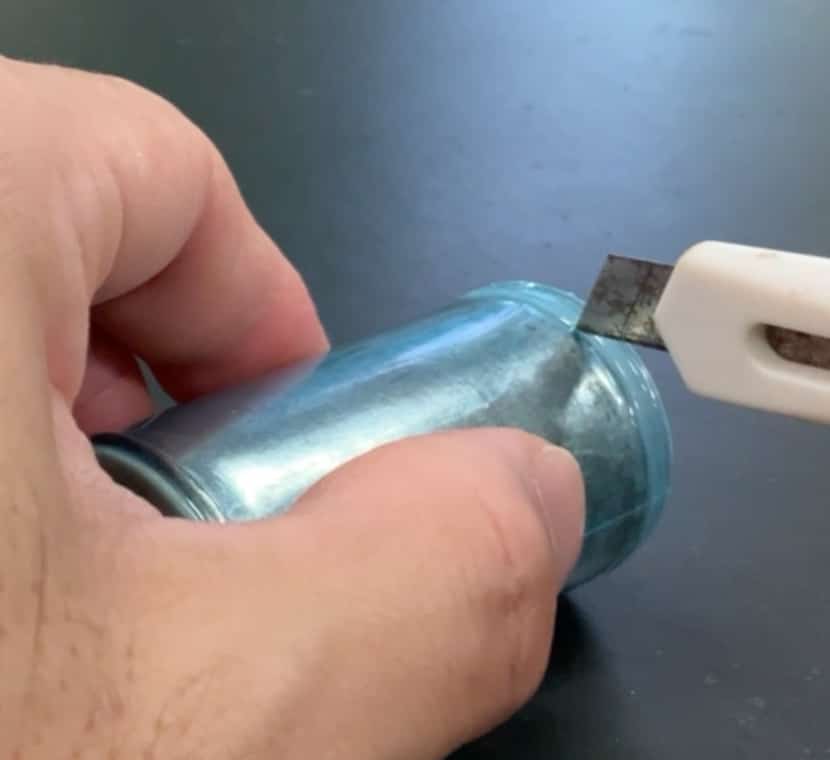
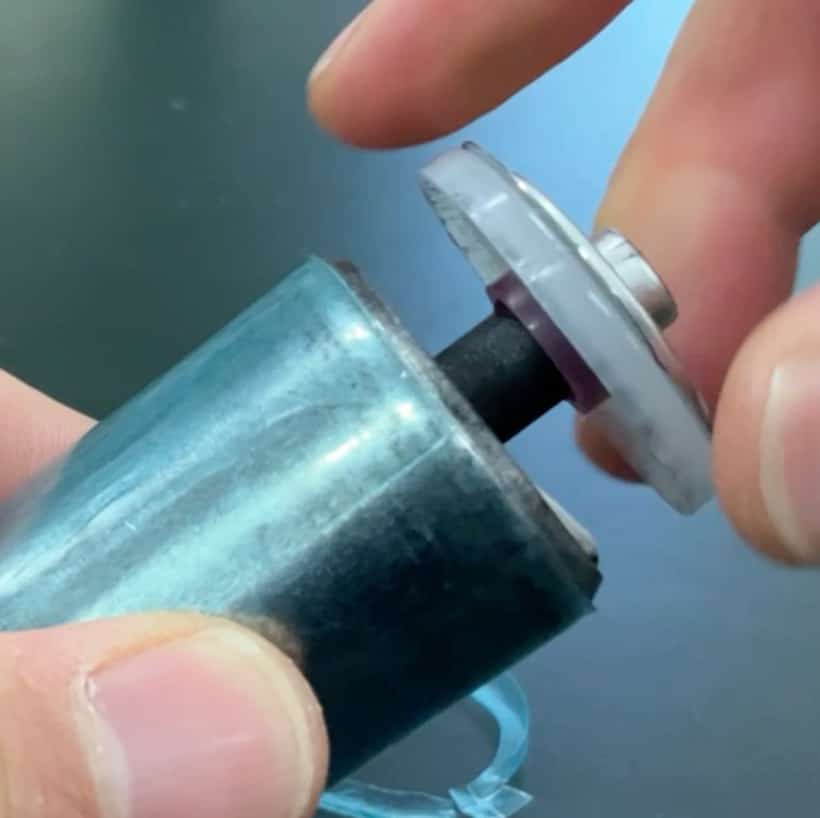
And there we have it—the battery is completely disassembled!
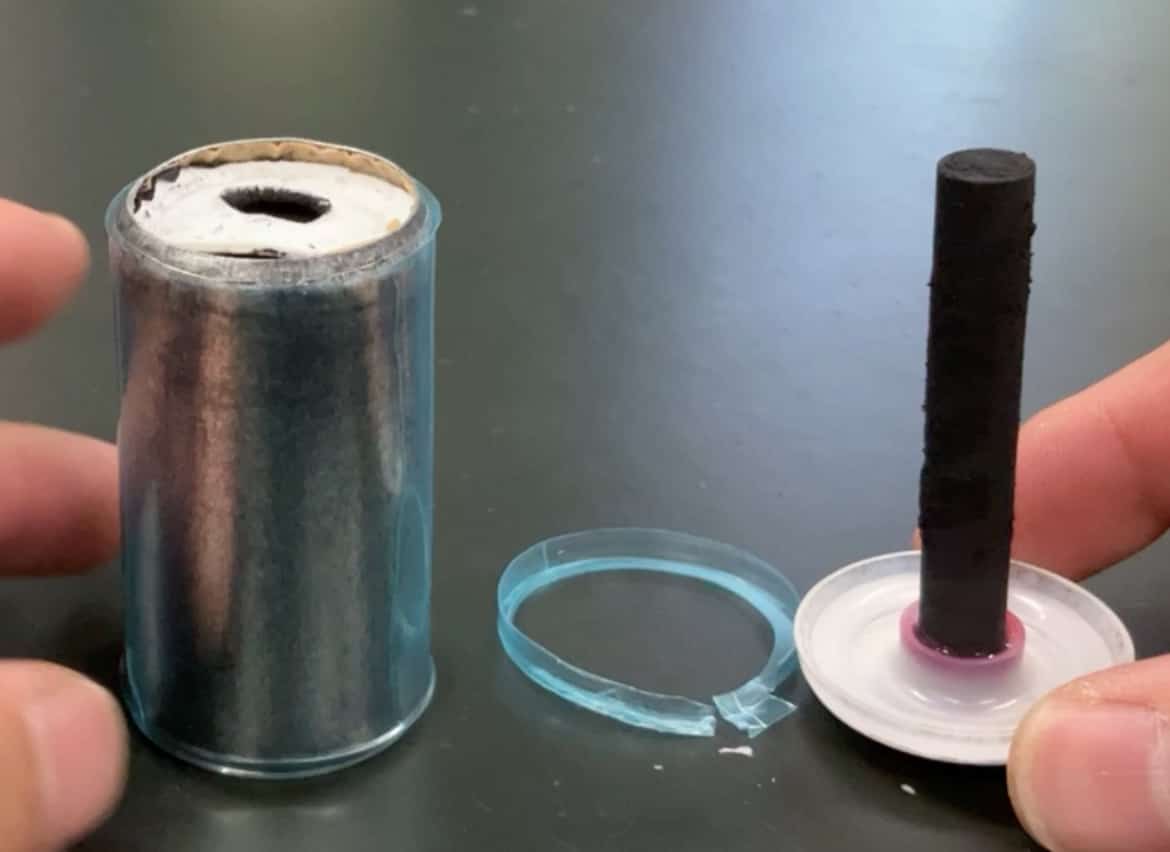
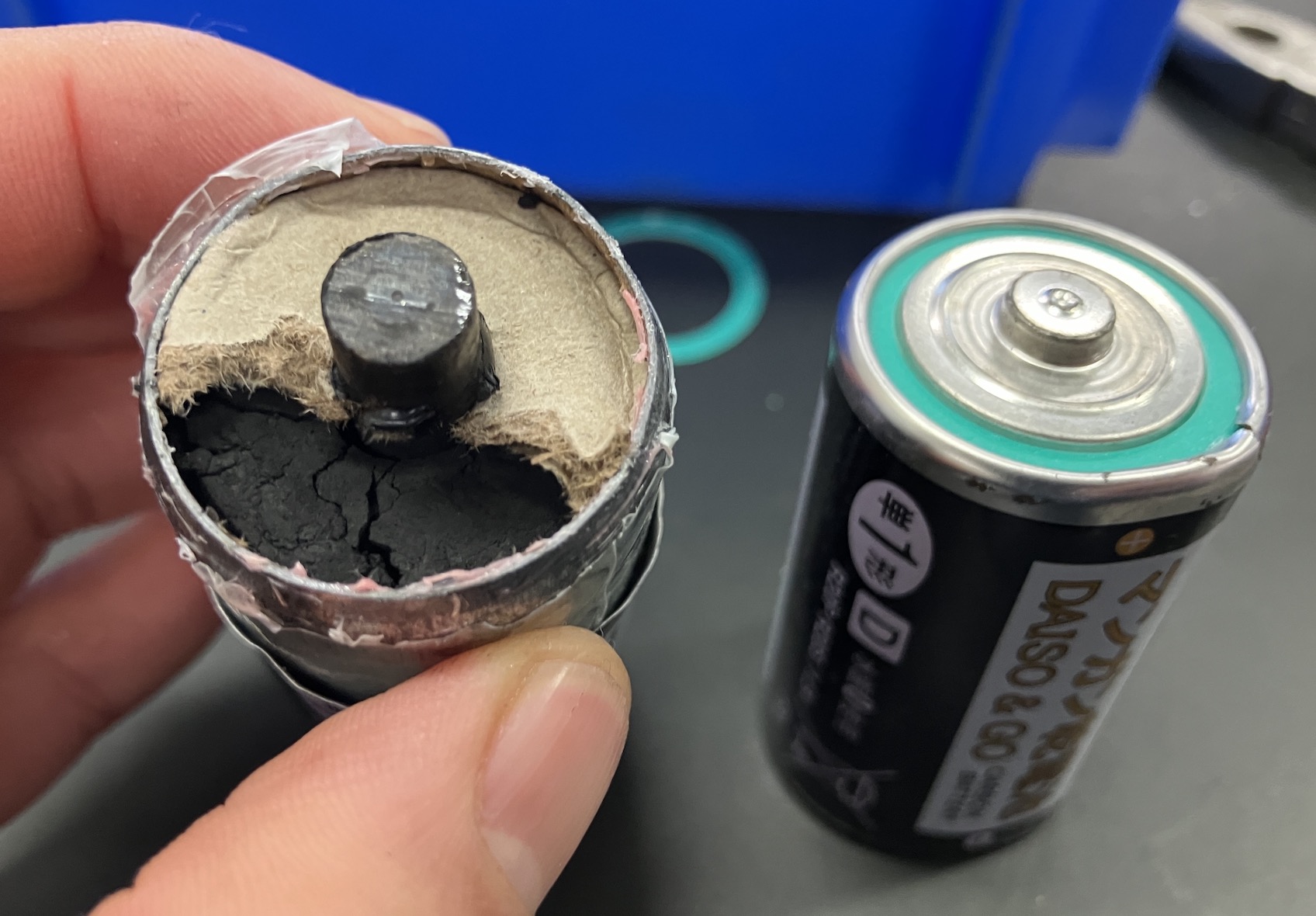
What we’ve found is a zinc can, the carbon rod that ran through the center, and the jet-black powder (manganese dioxide) that filled the gaps.
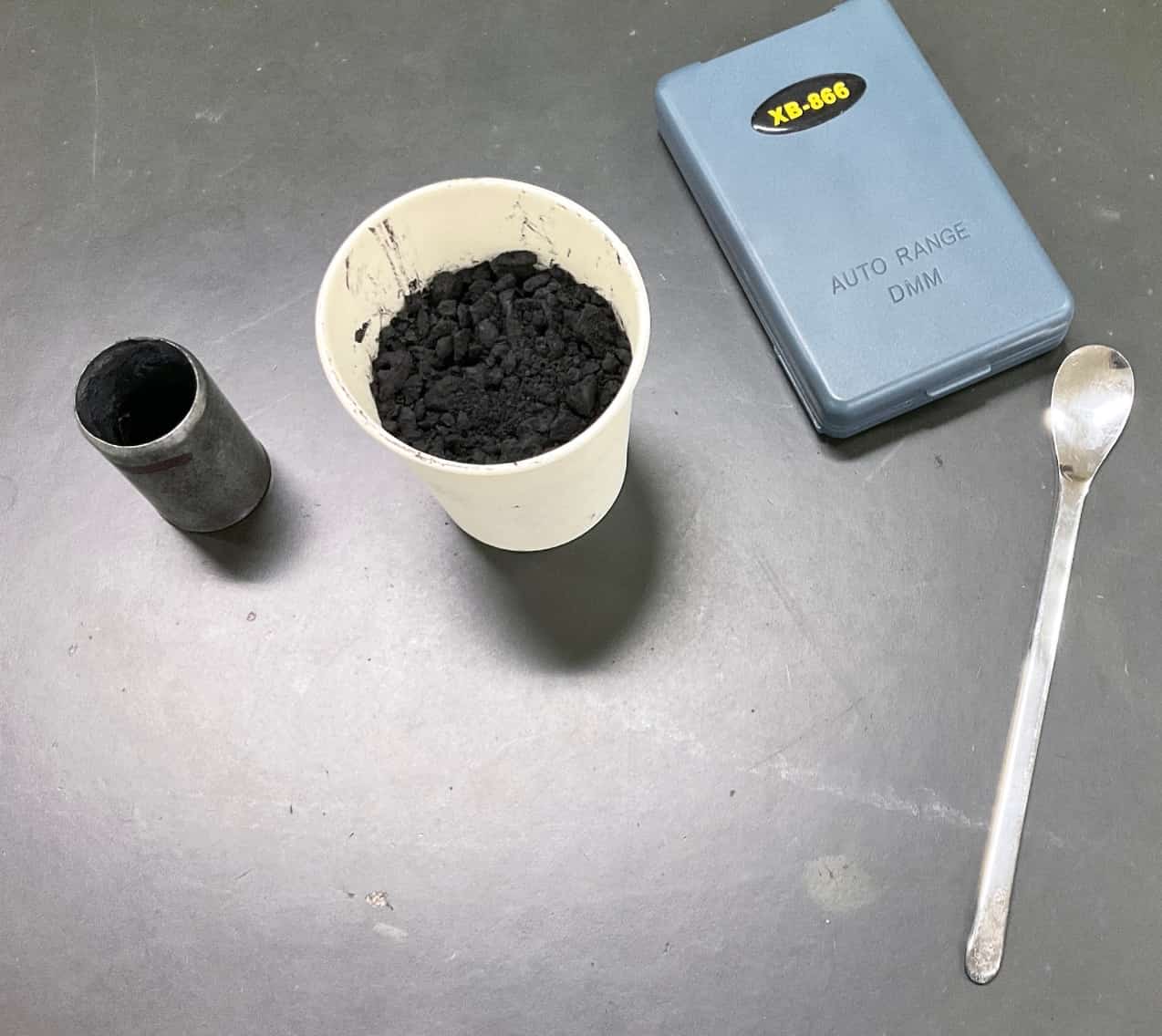
A Battery Interior is a Treasure Trove of Science Supplies!
This is where the real fun begins for a science teacher. The materials salvaged from a manganese battery can play incredible roles in other scientific experiments.
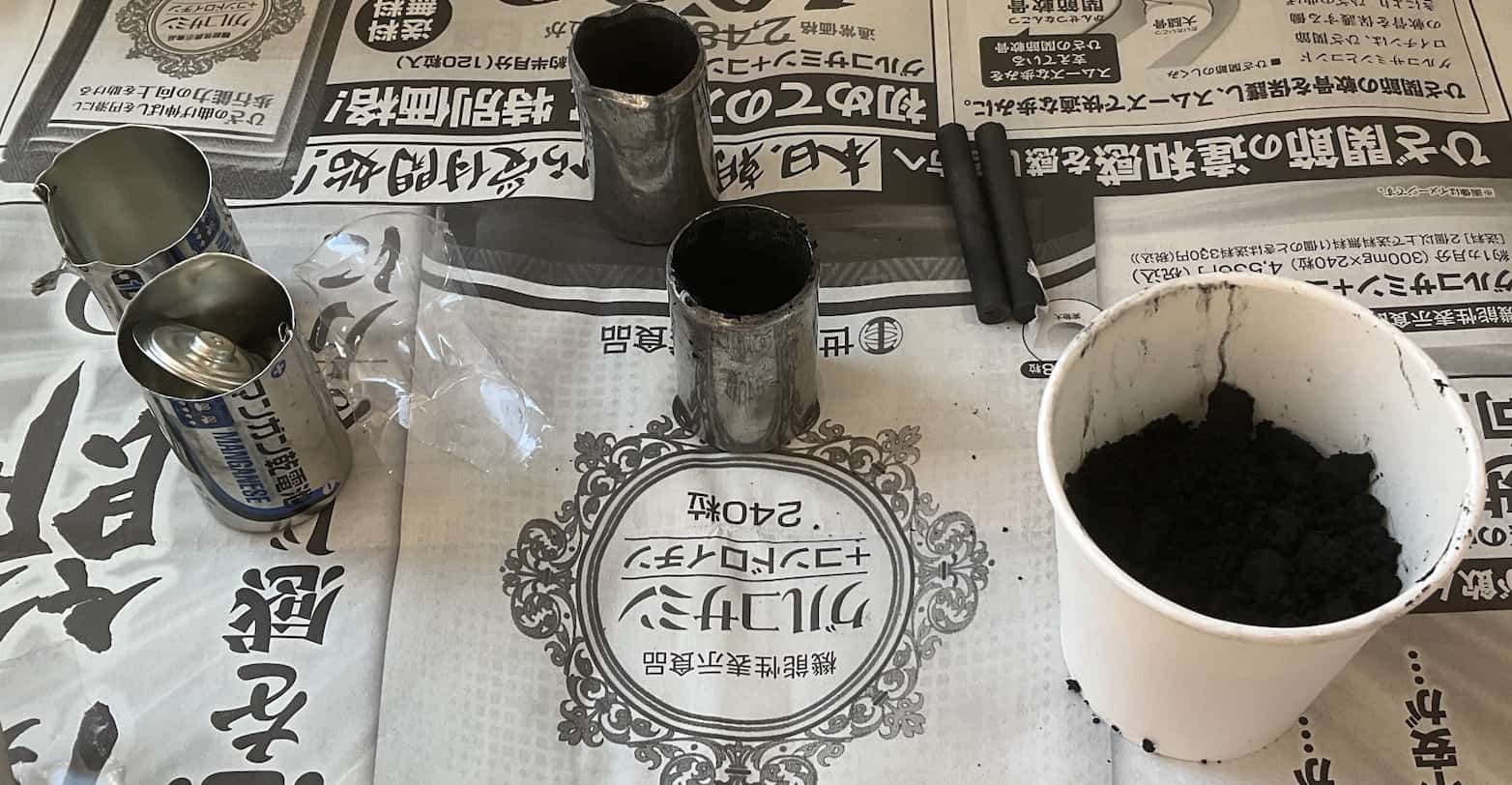
• Carbon Rod: Since it’s highly conductive, it can be used directly as an electrode for electrolysis.
• Zinc Plate (The Can): You can cut this into pieces and use it to study the reactivity of metals or drop it into hydrochloric acid to generate hydrogen gas.
• Manganese Dioxide: The star of the show! By reacting this with hydrogen peroxide, it acts as a catalyst to generate oxygen.
This is the moment when a “dead battery” stops being trash and becomes a resource for the next discovery. I want all students to see this as a perfect example of the “cycle of resources.”
Safety Rules: Must Read!
For all the curious minds out there, I need you to promise me three things:
• NEVER disassemble an alkaline battery!: The electrolyte in alkaline batteries is highly caustic. If it touches your skin, it can cause chemical burns, and if it gets in your eyes, there is a serious risk of blindness. Only the simpler manganese batteries are suitable for this.
• Adult supervision is mandatory!: You’ll be using sharp tools and handling chemical substances. Always work with a teacher or a parent.
• Wear safety goggles and gloves: Safety is always the top priority in any experiment.
Getting your hands on real materials makes science so much more profound. Take this chance to feel the clever engineering packed inside a battery just to move electricity.
Reference: This dissection yielded an entire paper cup full of manganese dioxide. Next, I took these separate parts and tried to put them back together in a “Battery Reconstruction” challenge. Be sure to check that out too!
Inquiries and Requests
Making the wonders of science more accessible! I’ve put together fun science experiments you can do at home and easy tips to help you succeed. Take a look around! ・My “Science Tricks” content is now available as a book. Details here. ・About Ken Kuwako: here. ・For requests (writing, speaking, workshops, TV supervision, etc.): here. ・Get updates on X (Twitter)!
 The Science Tricks Channel features experiment videos!
テレビ番組監修・イベント等のお知らせ
- 10月27日(火) 23:56〜「ネイチャーティーチャー」(TBS)に出演予定

- 11月27日(金) テレビ監修番組放送予定
- 12月26日(土) ナリカサイエンスアカデミー(教員向け実験講習会)開催
10月のイチオシ実験!
書籍のお知らせ
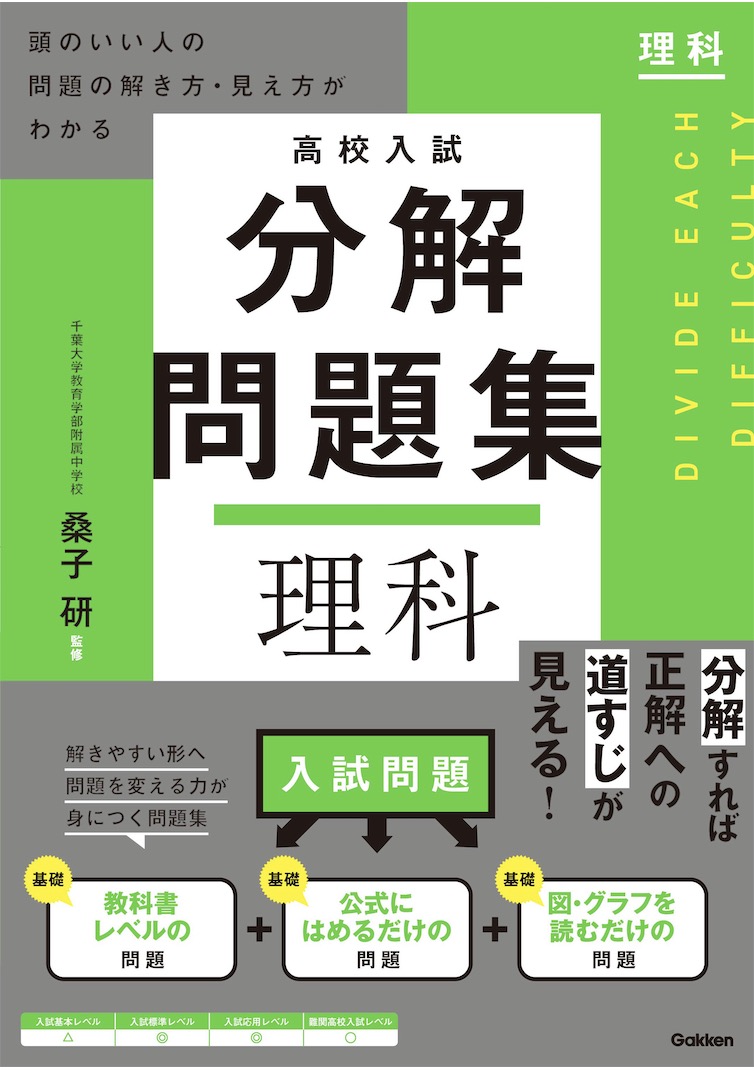
- 『高校入試 分解問題集 理科』(学研)…難しい問題も小さな問題に分解することで、問題を解くことができます。そんな分解の技術が身につくように深く関わりを持って作りました。
 『大人のための高校物理復習帳』(講談社)…一般向けに日常の物理について公式を元に紐解きました。特設サイトでは実験を多数紹介しています。※増刷がかかり6刷となりました(2026/02/01)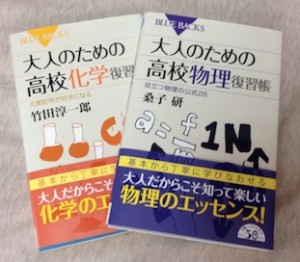
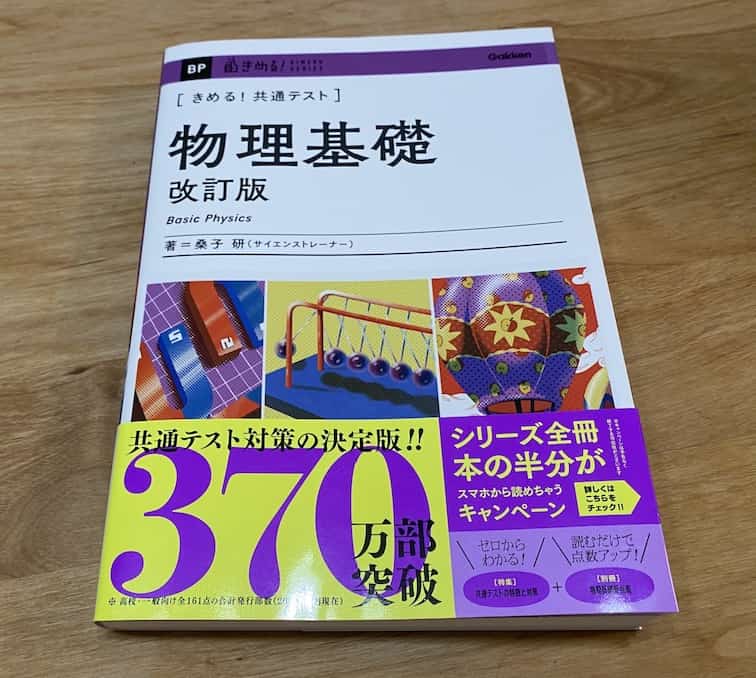
- 『きめる!共通テスト 物理基礎 改訂版』(学研)… 高校物理の参考書です。イラストを多くしてイメージが持てるように描きました。授業についていけない、物理が苦手、そんな生徒におすすめです。特設サイトはこちら。
各種SNS(更新情報をお届け!)
【日本語】X(Twitter)/instagram/Facebook 【英語】BlueSky/Threads
Explore
- 楽しい実験…お子さんと一緒に夢中になれるイチオシの科学実験を多数紹介しています。また、高校物理の理解を深めるための動画教材も用意しました。
- 理科の教材… 理科教師をバックアップ!授業の質を高め、準備を効率化するための選りすぐりの教材を紹介しています。
- Youtube…科学実験等の動画を配信しています。
- 科学ラジオ …科学トピックをほぼ毎日配信中!AI技術を駆使して作成した「耳で楽しむ科学」をお届けします。
- 講演 …全国各地で実験講習会・サイエンスショー等を行っています。
- About …「科学のネタ帳」のコンセプトや、運営者である桑子研のプロフィール・想いをまとめています。
- お問い合わせ …実験教室のご依頼、執筆・講演の相談、科学監修等はこちらのフォームからお寄せください。