Is This Roadside Weed a Dicot or a Monocot? The Moment the Textbook “Rules” Fall Apart
I’m Ken Kuwako, Science Trainer. Every day is an experiment.
“The Observation Lesson on Ribwort Plantain” – Dicot or Monocot? Exploring a Plant That Breaks the Rules of Classification!
In middle school science, we learn the terms “dicotyledons (dicots)” and “monocotyledons (monocots).” Textbooks often present a neat way to classify them: “If it has two seed leaves (cotyledons), net-like veins (netted venation), and a taproot system (a main root with lateral roots), it’s a dicot.” Conversely, “If it has one seed leaf, parallel veins (parallel venation), and a fibrous root system, it’s a monocot.” But what if that “common knowledge” starts to crumble the moment you step outside?
When you observe plants in the field, you sometimes encounter species that make you scratch your head and ask, “Wait, which one is this?” These so-called “exceptions to the rule” are, in fact, perfect teaching tools to ignite students’ intellectual curiosity.
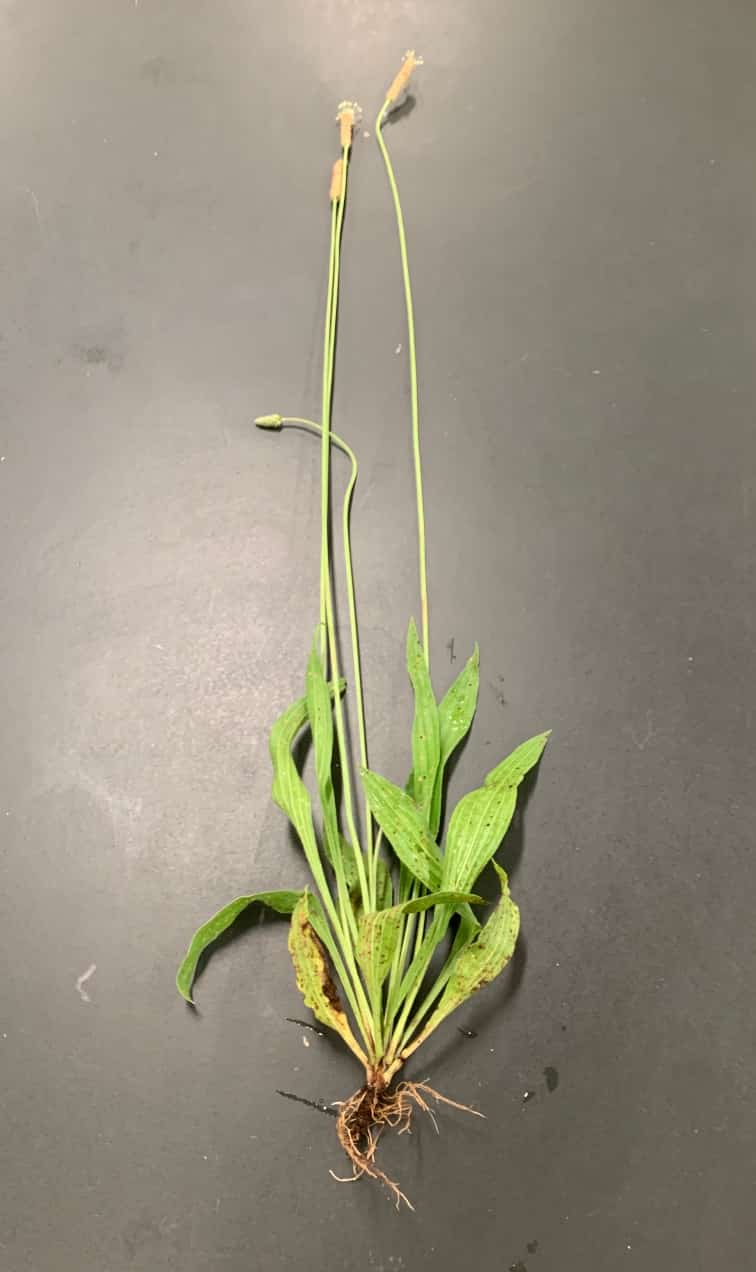
The prime example we’re featuring today is the Ribwort Plantain (Plantago lanceolata). Recently, I closely examined a Ribwort Plantain I found during a fieldwork session, and it presented a fascinating contradiction: The root system clearly had the main root and lateral roots characteristic of dicots, but the veins on its leaves were long and straight—a feature typical of monocots (parallel venation). Why does it possess such a mismatched set of characteristics?
These “plants that break the classification rulebook” offer the best opportunity to make students ask, “Why?” This article introduces an observation lesson using the Ribwort Plantain as a teaching material. I’ve summarized the key points for preparation and the practical steps to implement a lesson that goes beyond mere memorization and truly engages your students. Please feel free to use it!
Lesson Preparation and Procedure
1. Pre-Lesson Setup
✅ What you’ll need
• Ribwort Plantain specimens (Gathered outdoors in advance, or collected with students on the school grounds)
• Hand lenses (magnifying glasses) (For observing leaf veins and flower details)
• Sketch paper and writing tools (For recording observations)
• Water supply (Buckets or trays to wash off soil and examine root structure)
Where to Find Ribwort Plantain
• School grounds, roadsides, riverbanks, and vacant lots → Ribwort Plantain is hardy and thrives even in areas frequently trampled by people and animals. The secret to its resilience is hidden in the shape of its roots and leaves.
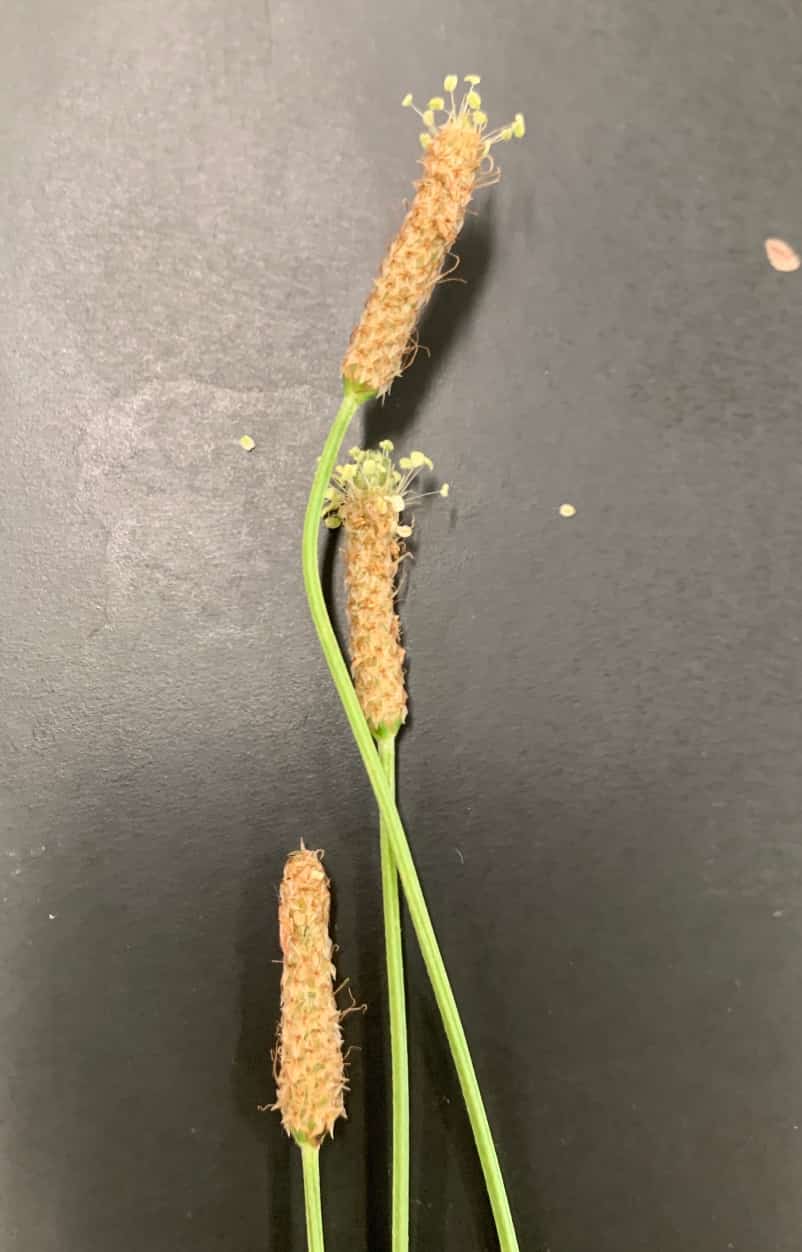
• Flowering occurs from spring to autumn (May to June is particularly suitable for observation)
2. Lesson Flow
① Reviewing Dicot and Monocot Classification
First, have the students organize the “characteristics used to classify plants.” This is a knowledge check.
✅ Dicot Characteristics
• Two Cotyledons • Netted Venation • Taproot System
✅ Monocot Characteristics
• One Cotyledon • Parallel Venation • Fibrous Root System
At this stage, many students likely believe that “all plants can be neatly divided using these rules.” This is the perfect moment to inject some excitement for inquiry: “Is that really true? The plant we’re about to observe might be an ‘exception’ to this rule.”
② Observing the Ribwort Plantain
Now for the main event. Distribute the actual Ribwort Plantain specimens to the students and have them observe closely, using hand lenses. Focus their attention on the following two points:
Root Structure → Dicot Feature (Taproot System)
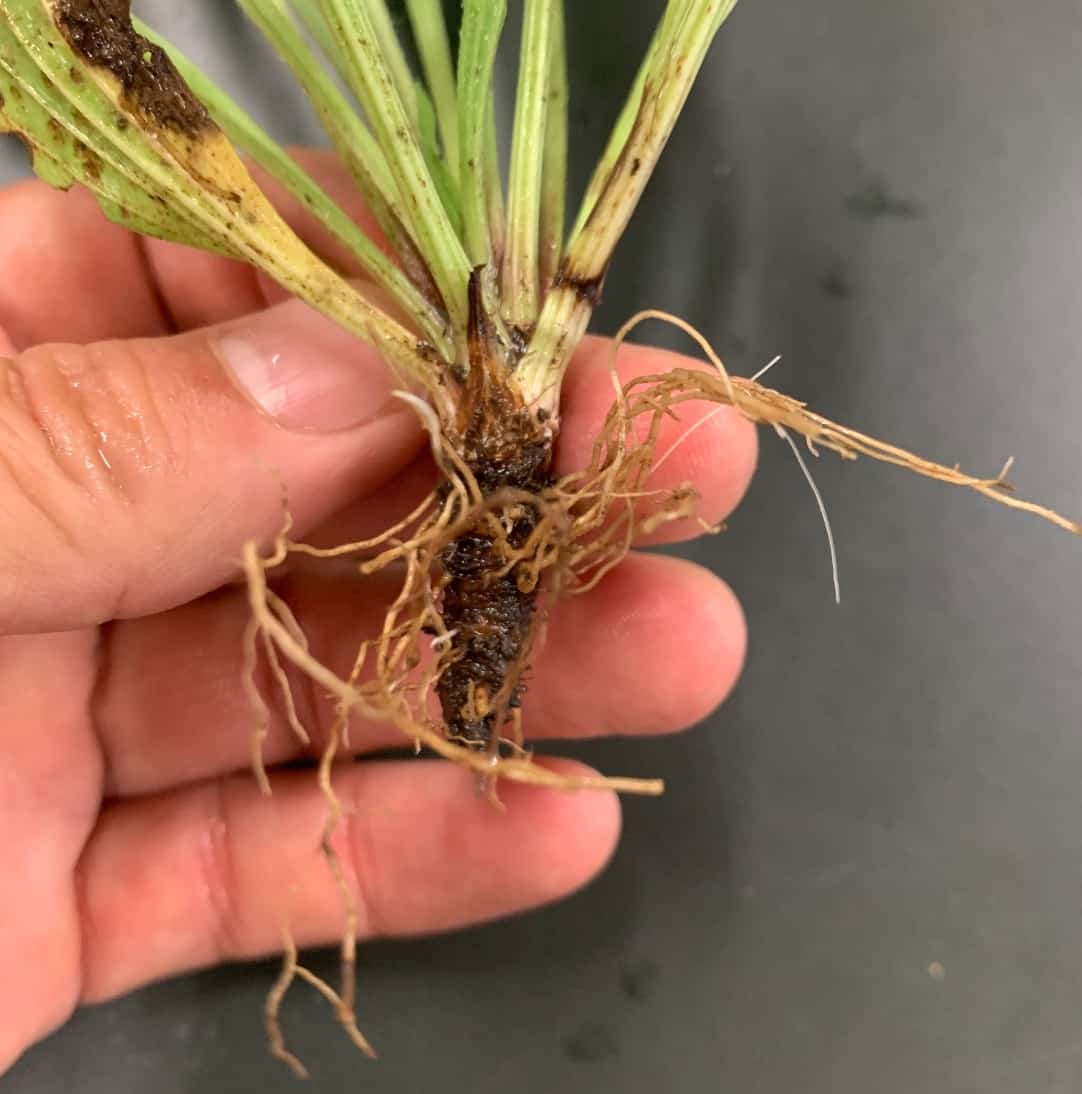
“Oh, there’s a thick main root! This looks like a dicot!”
Leaf Vein Pattern → Monocot Feature (Parallel Venation)
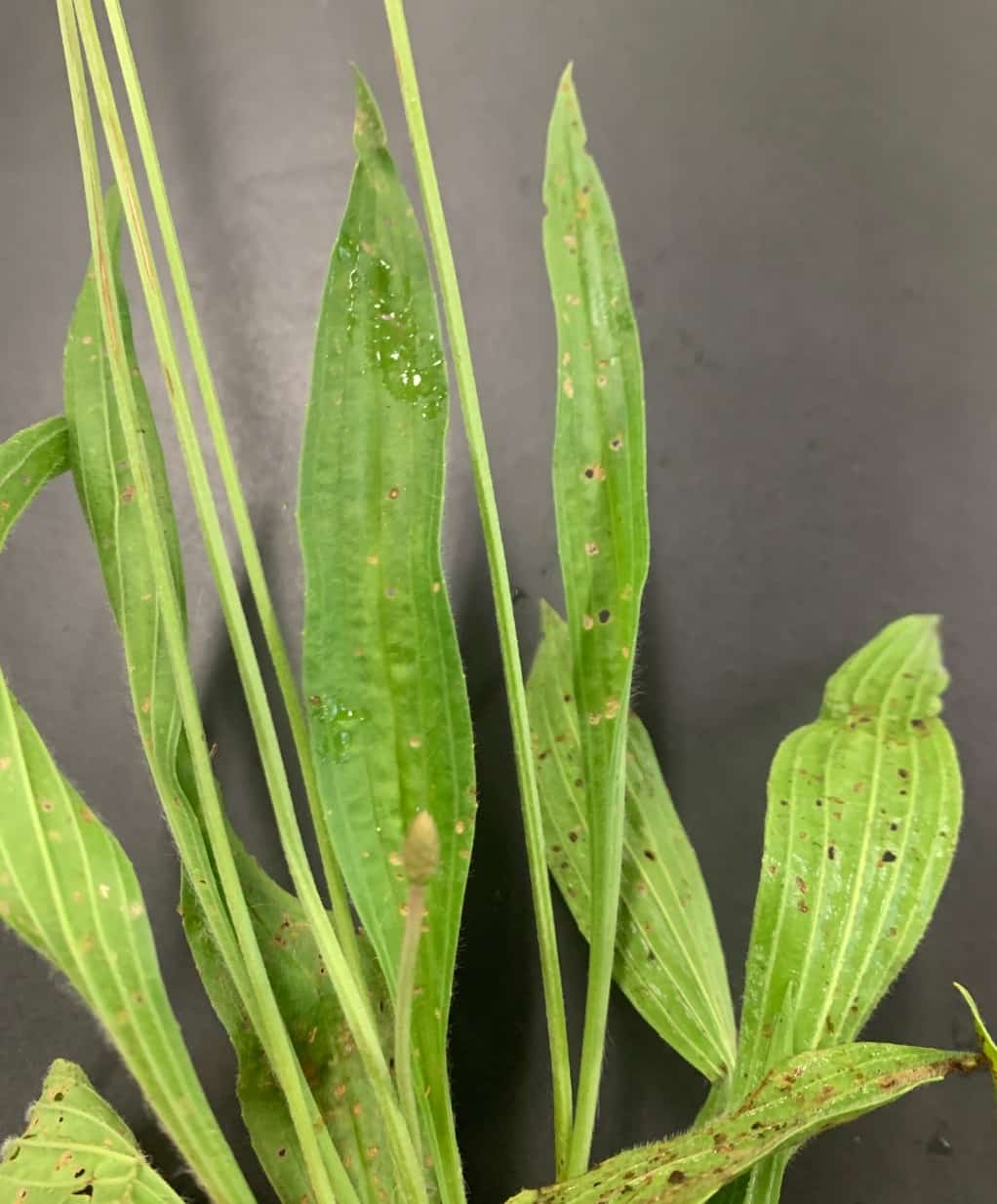
“Wait, the leaf veins are all straight. That’s a monocot…”It has dicot features but possesses parallel venation. This is where students get confused. “The root is a dicot, but the leaf is a monocot? Teacher, which one is it?” This “puzzlement” is the opportunity for deeper thought. The key point is to ask, “Why do you think this is happening?” and encourage the students to freely develop their own hypotheses.
③ Classification and the Perspective of Evolution
Once the students have shared their ideas, reveal the answer. The conclusion is that Ribwort Plantain is classified as a “dicot.” But why does it have parallel venation like a monocot? A grand “evolutionary story” may be hidden here.
• Classification is not “absolute” → As this example shows, biological classification is not simply divided by clean lines. Many organisms exist that possess “intermediate characteristics” or “later-acquired characteristics” through the process of evolution. By explaining the reason for an “exception” from the perspective of “evolution,” you can advance the science lesson from “memorization” to “inquiry.”
Inquiries and Requests
Make the wonders and fun of science more accessible! I’ve put together easy-to-understand tips and fun science experiments you can do at home. Feel free to search around! ・About the operator, Ken Kuwako: Click here ・For various requests (writing, lectures, science classes, TV supervision, appearances, etc.): Click here ・Article updates are delivered on X!
 Experimental videos are available on the Science Topics Channel!
9月のイチオシ実験!
テレビ番組監修・イベント等のお知らせ
- 9月25日(金)21:00〜 かまいたちの瞬間回答!にて、科学監修を行いました。
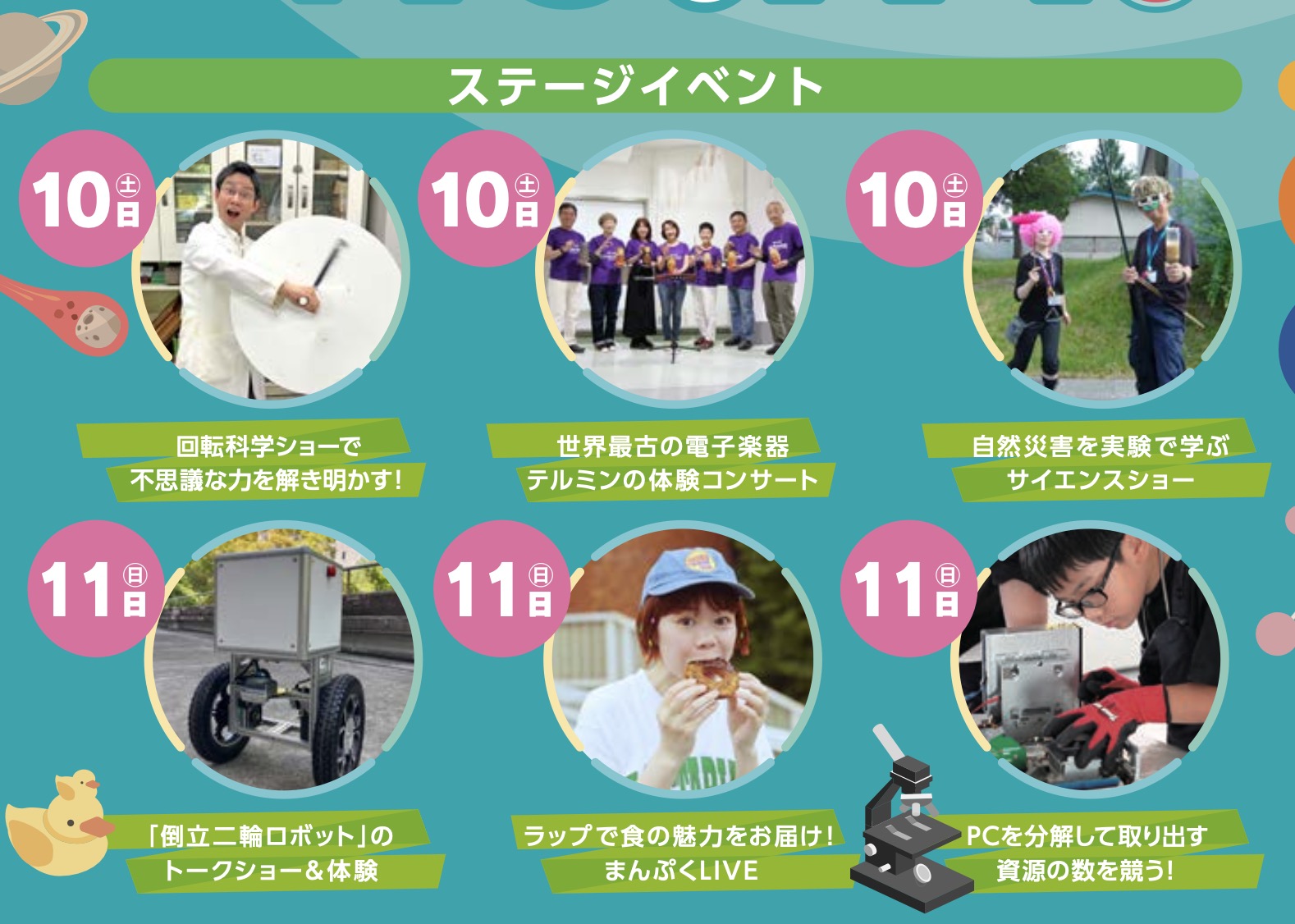
- 10月10日(土)11:15~12:00 千葉市科学フェスタ2026「桑子先生の回転科学ショー」にてサイエンスショーを行います。
- 12月26日(土) ナリカサイエンスアカデミー(教員向け実験講習会)開催
書籍のお知らせ
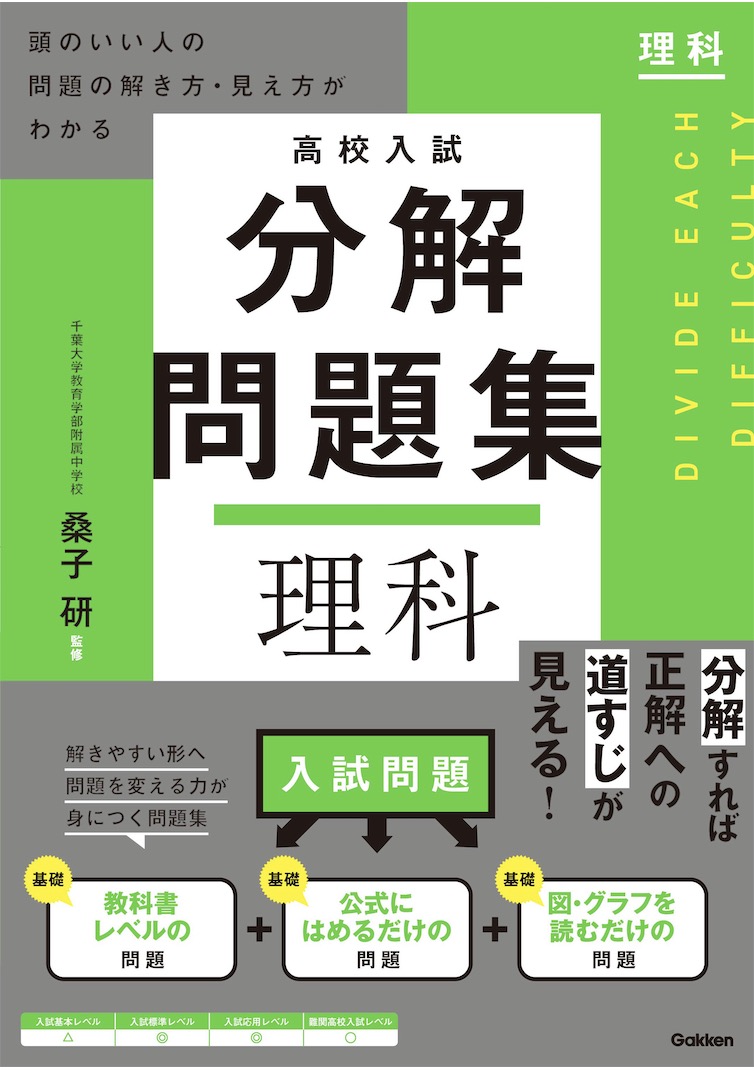
- 『高校入試 分解問題集 理科』(学研)…難しい問題も小さな問題に分解することで、問題を解くことができます。そんな分解の技術が身につくように深く関わりを持って作りました。
 『大人のための高校物理復習帳』(講談社)…一般向けに日常の物理について公式を元に紐解きました。特設サイトでは実験を多数紹介しています。※増刷がかかり6刷となりました(2026/02/01)

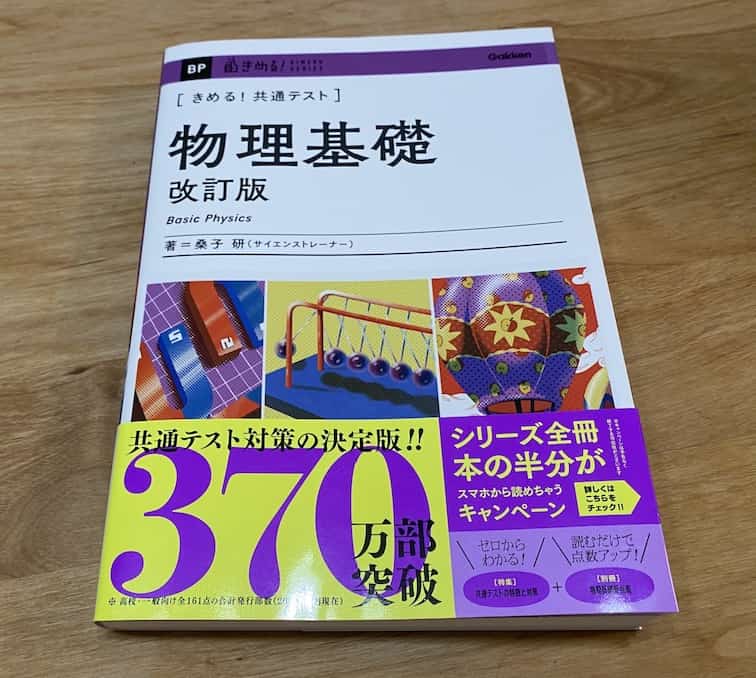
- 『きめる!共通テスト 物理基礎 改訂版』(学研)… 高校物理の参考書です。イラストを多くしてイメージが持てるように描きました。授業についていけない、物理が苦手、そんな生徒におすすめです。特設サイトはこちら。
各種SNS(更新情報をお届け!)
【日本語】X(Twitter)/instagram/Facebook 【英語】BlueSky/Threads
Explore
- 楽しい実験…お子さんと一緒に夢中になれるイチオシの科学実験を多数紹介しています。また、高校物理の理解を深めるための動画教材も用意しました。
- 理科の教材… 理科教師をバックアップ!授業の質を高め、準備を効率化するための選りすぐりの教材を紹介しています。
- Youtube…科学実験等の動画を配信しています。
- 科学ラジオ …科学トピックをほぼ毎日配信中!AI技術を駆使して作成した「耳で楽しむ科学」をお届けします。
- 講演 …全国各地で実験講習会・サイエンスショー等を行っています。
- About …「科学のネタ帳」のコンセプトや、運営者である桑子研のプロフィール・想いをまとめています。
- お問い合わせ …実験教室のご依頼、執筆・講演の相談、科学監修等はこちらのフォームからお寄せください。